Carbon Demonstration Projects

The National Forest Foundation's carbon demonstration projects are reforestation projects designed and implemented to provide an opportunity to better understand the role that America's National Forests and forests in general can play in mitigating climate change. Through our Carbon Capital Fund businesses and individuals can participate in reforestation projects that have a measurable, verified carbon sequestration benefit. These projects are being implemented and managed with the following specific goals in mind:
  • Providing opportunities for the U.S. Forest Service and others to learn and track how forest store carbon.
  • Engaging Americans and American businesses in efforts to mitigate the effects of climate change and learn about additional measures they can take to reduce their carbon footprint.
  • Accruing the myriad positive benefits of reforestation on America's public lands through voluntary carbon market financing.

Custer National Forest – Montana

Custer NF Carbon Demonstration Project
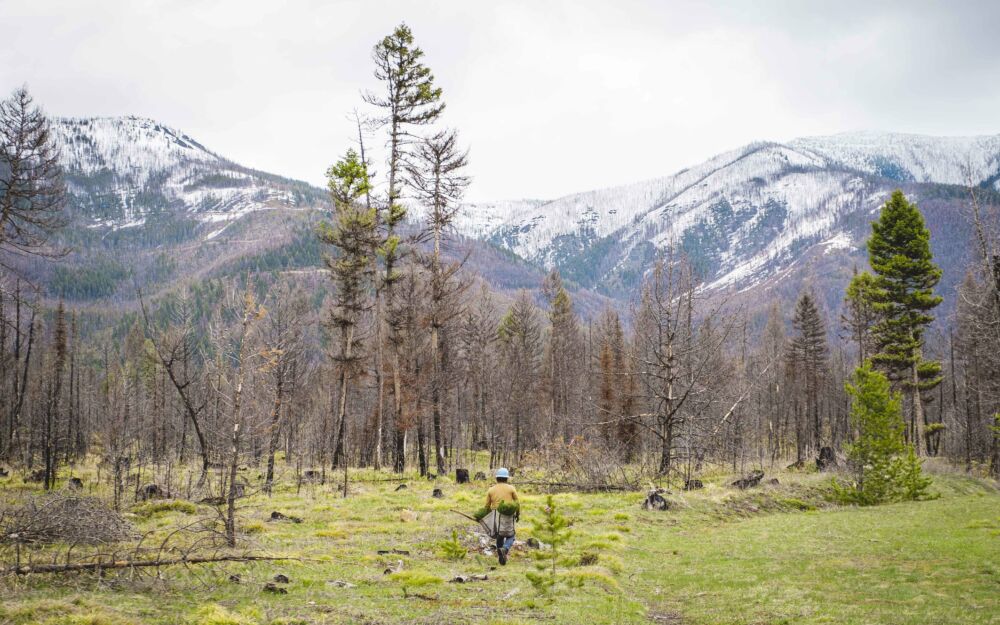
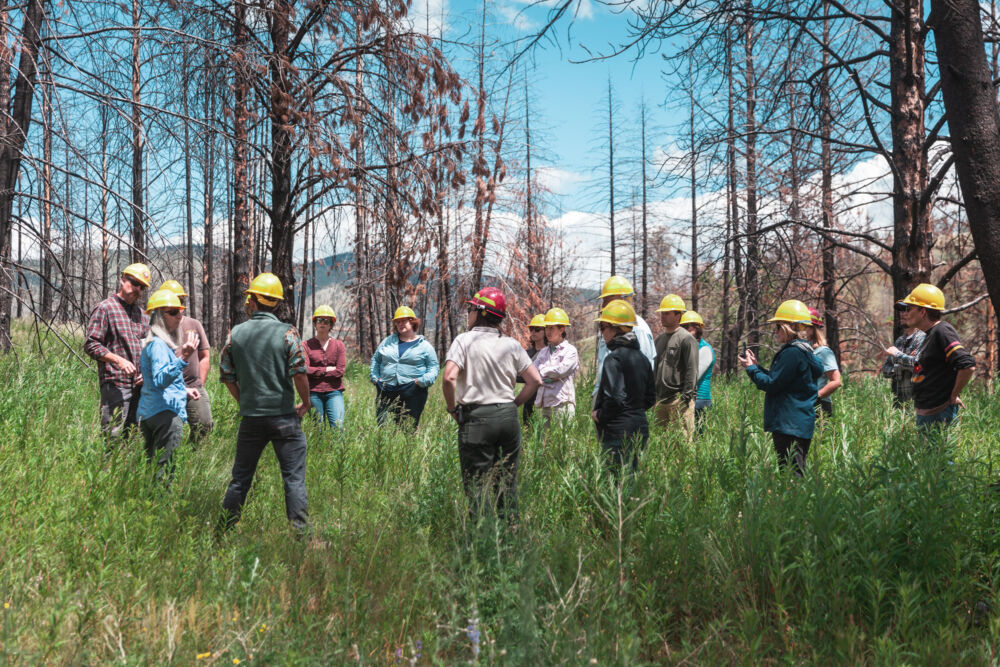
The Custer National Forest is a vast sweep of eastern Montana and western South Dakota, encompassing grasslands and ponderosa pine forests. In 1988 and again in 2002, severe fires decimated some of the Custer’s ponderosa pine forests. Through the nascent Carbon Capital Fund program, the NFF was able to reforest nearly 90 acres of the Kraft Springs fire, which will ultimately provide carbon offsets for the individuals and businesses that contributed to the fund. Reforestation will not only provide carbon offsets, but will also benefit water supplies, and wildlife habitat, including mule deer, elk, and goshawk habitat. This project is nearing its official verification date where the NFF will hire an independent third party to verify survival rates and carbon projections for the rest of the project’s life. This independent review is important to creating accountable, transparent carbon projects. 

Morning on the San Bernardino.jpg

San Bernardino National Forest – California

The San Bernardino National Forest in Southern California offers respite from the heat and the hordes and includes the spectacular San Jacinto and San Bernardino Mountains. In September 2007, the Butler 2 fire raced through parts of the San Bernardino National Forest, forcing thousands of residents living in and near the forest to evacuate. The fire was severe and killed nearly all the trees in its path. In 2009, the NFF and the Forest Service planted a mix of Jeffrey pine, ponderosa pine, sugar pine, incense cedar and white fir on the forest. Benefits beyond carbon include improved habitat for bald eagles, willow flycatchers, numerous sensitive amphibian species, and improved water quality for the San Jacinto Basin.

Plumas National Forest – California

Seedling.jpg

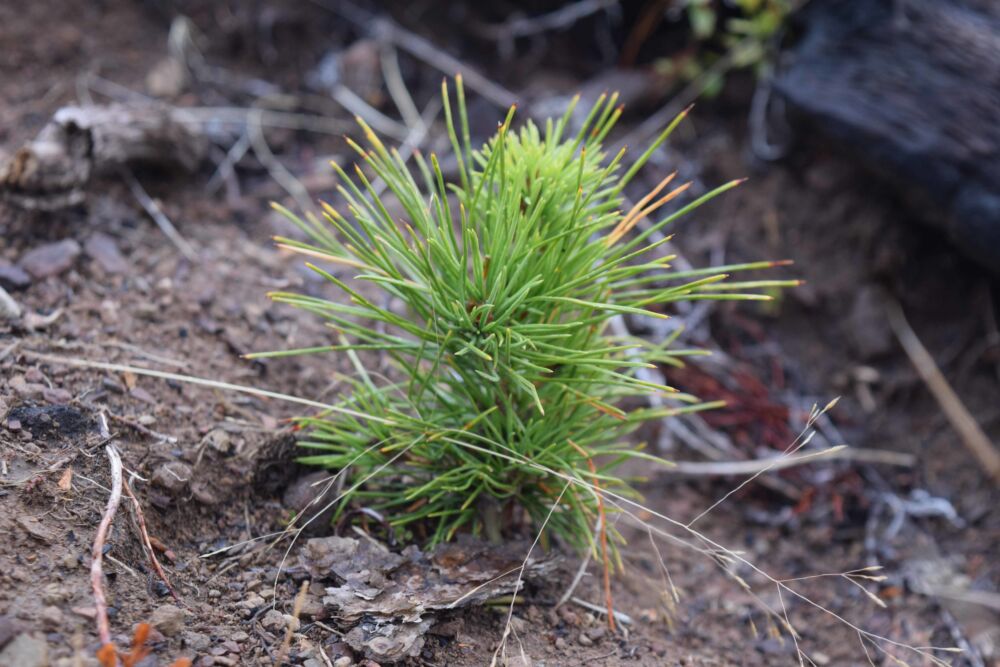
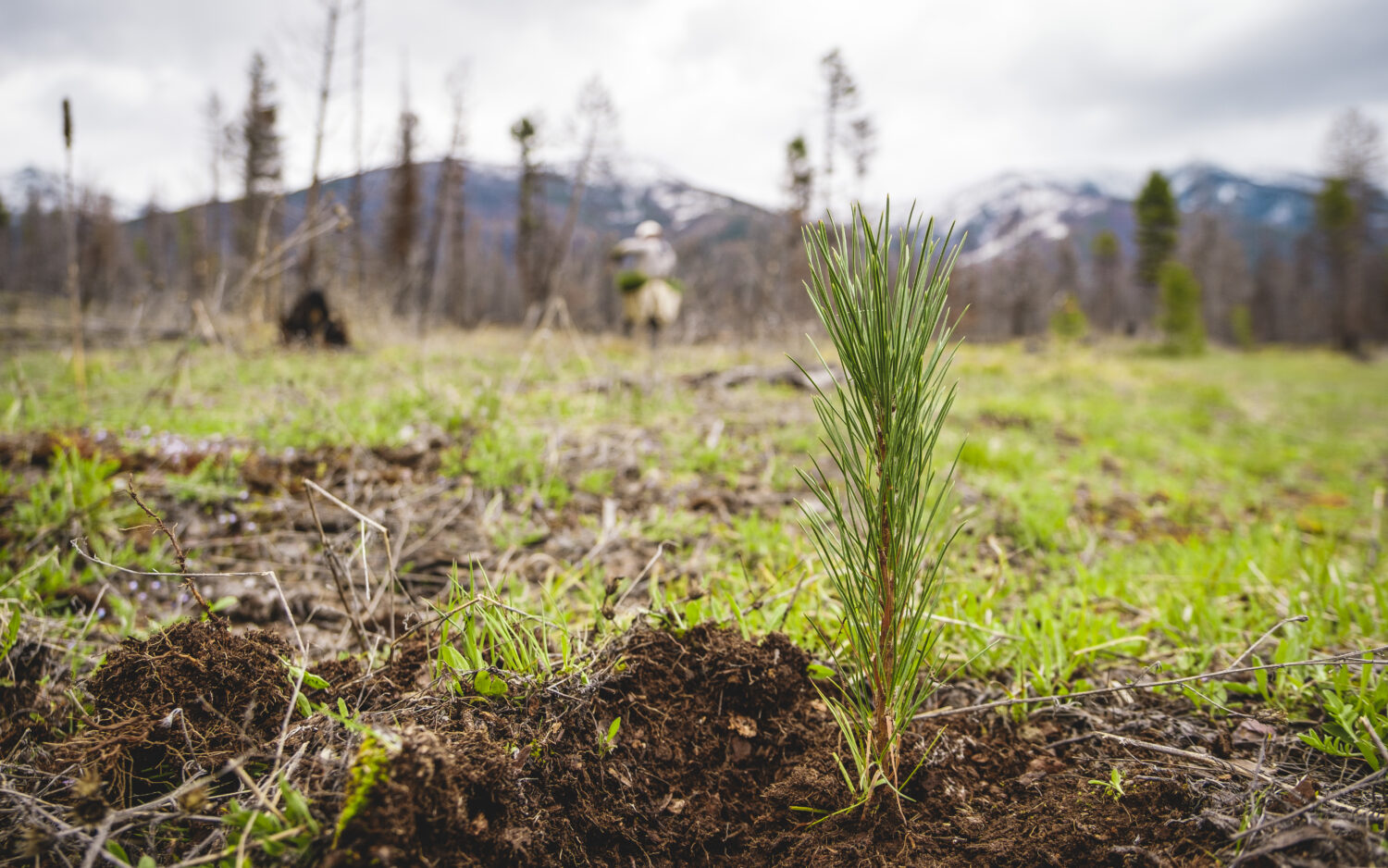
From rolling foothills, to thickly timbered mountain flanks, to rocky granite peaks, the Plumas National Forest is a northern California gem. The 65,000-acre Moonlight Fire, which ignited on private timber land adjoining the Plumas, resulted in severe deforestation. The NFF’s Carbon Capital Fund provided an opportunity to reforest almost 650 acres of the Plumas through a partnership between the NFF and the Ruby Pipeline, LLC, a subsidiary of the El Paso Corporation. Because the fire was so severe and nearly cleared the entire planting area, the Forest Service was able to plant an unprecedented four to seven species on each acre – something never accomplished on such a large planting before.

Angeles National Forest – California

Angeles.jpg

Just north of the Los Angeles’ concrete jungle lies a wild expanse of chaparral, mixed conifer trees, and soaring peaks. The Angeles National Forest and the San Gabriel Mountains form a dramatic backdrop to L.A.’s high rises and neighborhoods. Tragically, in 2009, the arson-caused Station Fire burned more than 160,000 acres of the Angeles. While the Angeles is 70 percent chaparral, a critically important 20 percent of the landscape is mixed-conifer forest, interspersed with oak trees. Through a partnership with the South Coast Air Quality Management District, the NFF and the Forest Service were able to reforest approximately 2,800 acres of those mixed-conifer forests with nearly 500,000 native trees. This represents the largest single Carbon Demonstration Project to date and will sequester a predicted 280,000 metric tons of carbon dioxide equivalent.

San Juan National Forest – Colorado

SanJuan.jpg

Arguably one of the most beautiful National Forests in the country, the San Juan is located in southwestern Colorado. The jagged and high-elevation San Juan Mountains form the backdrop to the 250-acre Carbon Demonstration Project on the San Juan in an area severely burned by the 2003 Bear Creek Fire. This project marks a new step for the NFF. Previous projects have undergone a verification process, including an independent, third-party desk review, and survival verification at year five, but this project is being registered on the American Carbon Registry. The registration process is a detailed and rigorous examination of the project that includes additional third-party review and guarantees that the project meets the highest standards demanded by today’s carbon markets. Project partner, Chevrolet Motor Company required that the project be registered, and the NFF is pleased to have an opportunity to prove that our Carbon Demonstration Projects meet such rigorous standards.