Discover the Francis Marion and Sumter National Forests, more than 600,000 acres of longleaf pine, cypress swamps, and salt marches across two different areas in South Carolina. The mountainous terrain ranges in elevation from 1,240 feet above sea level at the southeastern edge along the Chattooga River to 3,672-foot Glade Mountain in North Carolina.
The Francis Marion National Forest is located in Berkeley and Charleston counties, while the Sumter National Forest is in the northwest corner of the state and part of the Ellicott Rock Wilderness Area, which also covers areas in North Carolina and Georgia.
The Francis Marion and Sumter National Forests provide many opportunities to fish and canoe or paddle, from the peaceful black water of Wambaw Creek to the Wild and Scenic Chattooga, the fastest flowing white-water river in the east.
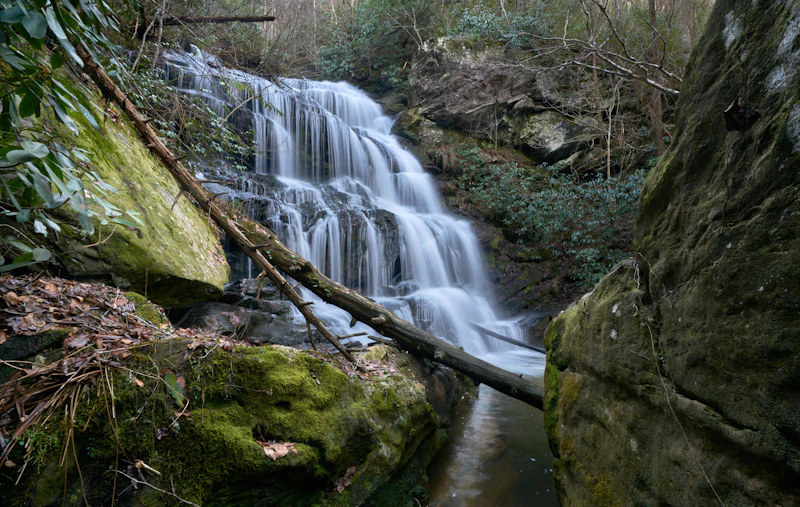
In the Sumter National Forest, three rivers flow through the Enoree Ranger District: Broad River, Enoree River, and Tyger River. While in the Andrew Pickens District, you’ll find 15 waterfalls up to 75 feet tall. The Francis Marion National Forest features three canoe trails: Chicken Creek, Echaw Creek, and Wambaw Creek.
Both forests feature many multi-use trails that support hiking, biking, horseback riding, and off-roading. They also provide some of the best year-round birding opportunities in South Carolina, with the Francis Marion designated an Important Bird Area by both the National Audubon Society and the American Bird Conservancy.
 Photo by Jennifer Cole Rodriguez
 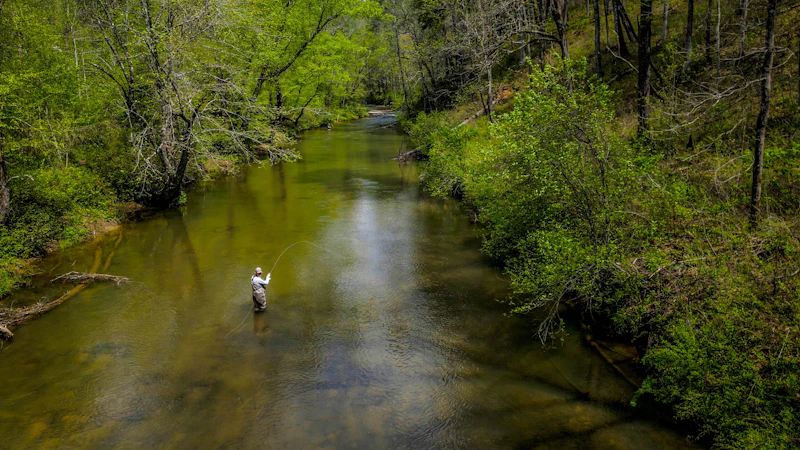 Fly fishing in the Chauga River. Photo by Preston Keres, courtesy of the U.S. Forest Service
 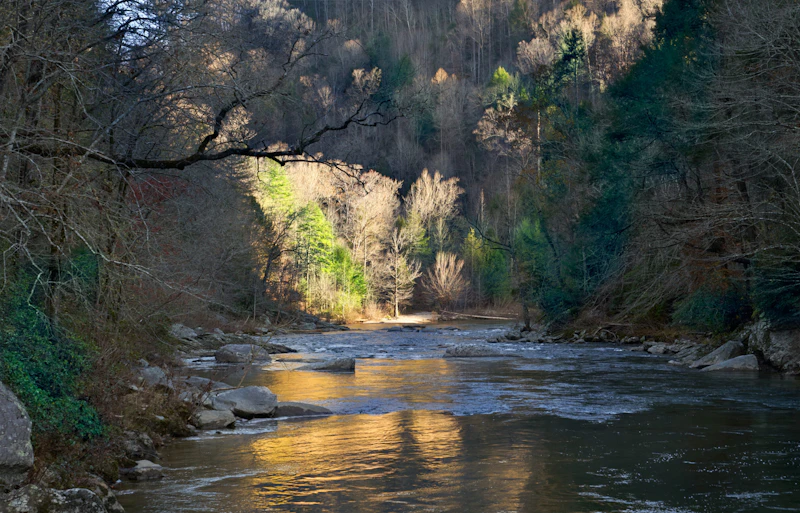 Photo by David Spaulding
 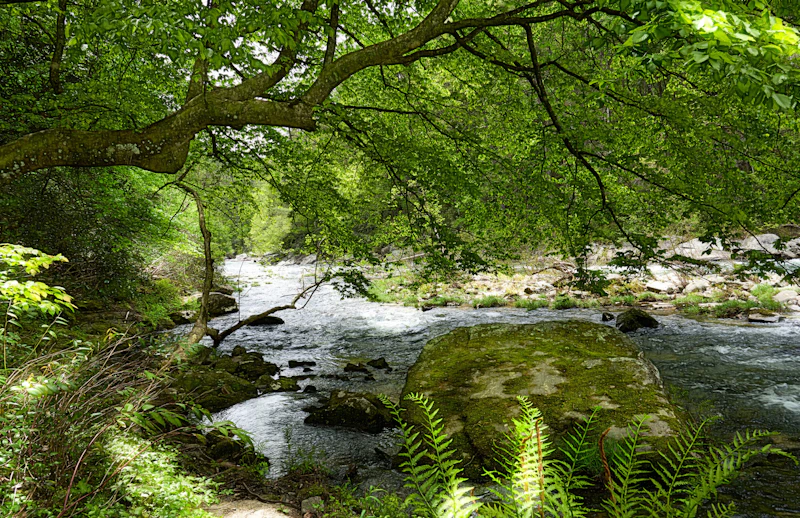 Photo by David Spaulding
 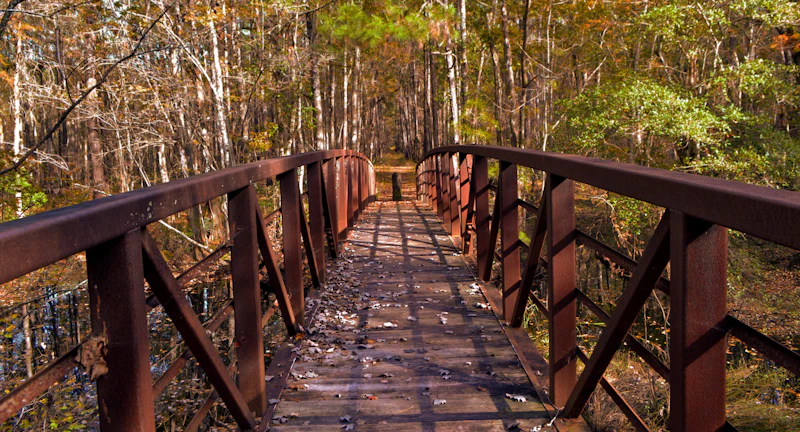 Photo by Kaylin Moss
 What is the History of the Francis Marion and Sumter National Forests?
Cherokee, Sewee, Santee, and other tribes hunted and built villages in this region. Revolutionary War battles were won and lost. Farmers toiled in the fields, and family-owned companies harvested timber. Irish immigrants built railroads and tunnels, while others mined gold.
By the early 20th century, the forests had been logged and degraded, which prompted the US government to acquire the land through the New Deal era. Both were officially established in 1936 and named after Revolutionary War figures. While separate forests, they are managed together.
Stop by the Sewee Center or embark on one of three interpretative trails to learn more about the heritage and natural history of South Carolina’s low-country.
How to Get to the Francis Marion and Sumter National Forests
The Francis Marion National Forest, in the lowcountry, can be reached via U.S. Highway 17 and U.S. Highway 52, northeast of Charleston, which is the primary gateway city and home to an airport. Nearby towns like Moncks Corner, McClellanville, and Awendaw offer entry points.
The Sumter National Forest, in northern South Carolina, is accessible via Interstate 26, Interstate 85, and Highway 76. Gateway towns and cities include Clinton, Greenwood, Union, Walhalla, and Edgefield. The popular Andrew Pickens District, near the North Carolina and Georgia borders, is 50 miles west of the city of Greenville, which also has an airport.
- Charleston: 1 to 1.5 hours by car
- Atlanta, Georgia: 2.5 to 3 hours by car
- Rock Hill, South Caroline: 3 hours by car
- Columbia, South Carolina: 3 to 3.5 hours by car
- Columbia, South Carolina: 1.5 to 2 hours by car
- Rock Hill, South Carolina: 2.5 to 3 hours by car
- Atlanta, Georgia: 2.5 to 3 hours by car

Both forests are filled with canoe trails through wildlife-filled forest and relaxing waterways. In Francis Marion, the Wambaw Creek Wilderness Canoe Trail takes visitors through majestic cypress-tupelo stands, with the opportunity to spot river otters playing on the banks.
This special viewing area in the Francis Marion provides essential stopover habitat for autumn and spring migrating birds, as well as critical breeding habitat. It’s a great base to spot the endangered red-cockaded woodpecker and Bachman’s sparrow.
As one of the Southeast’s premier rafting destinations, the Chattooga River is a must-stop when visiting the Sumter National Forest. The federally designated Wild and Scenic River is home to the fastest flowing whitewater in the region, with Class II to IV rapids and stunning mountain scenery.
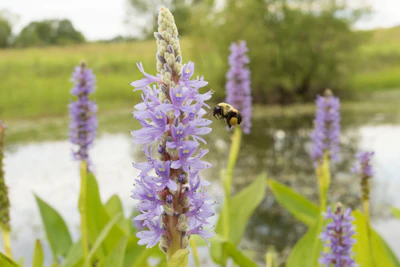 Pickerel weed With purple-blue flower spikes and heart-shaped leaves, this aquatic plant typically grows in shallow water along the edges of ponds, streams, and marshes.
  Bladderwort One of the most unique plants to be found in the forests, this carnivorous plant lacks roots and captures tiny organisms, like insect larvae, using traps while floating.
 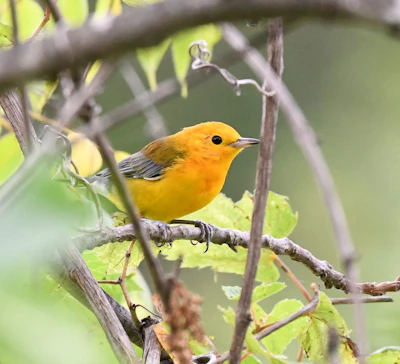 Prothonotary warbler This migratory songbird is a sight to behold, with yellow bodies and blue-gray wings. It nests in tree cavities near swamps and cypress groves.
  Swallow-tailed kite This black-and-white migratory bird spends summers in the Francis Marion and winters in Central and South America.
  River otter This playful mammal thrives among the various wetlands of the Francis Marion, hunting for fish, crayfish, and amphibians.
 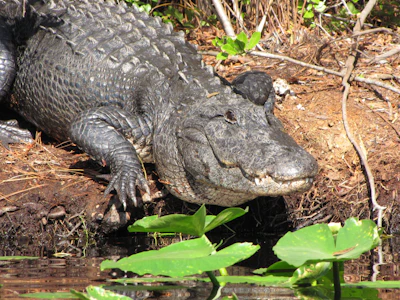 American alligator Found primarily in the freshwater coastal swamps, marshes, and rivers, this apex predator is most active in the summer and will occasionally spend time in brackish waters.
 Related Impact
Restoring Red Spruce in the Southern Appalachians
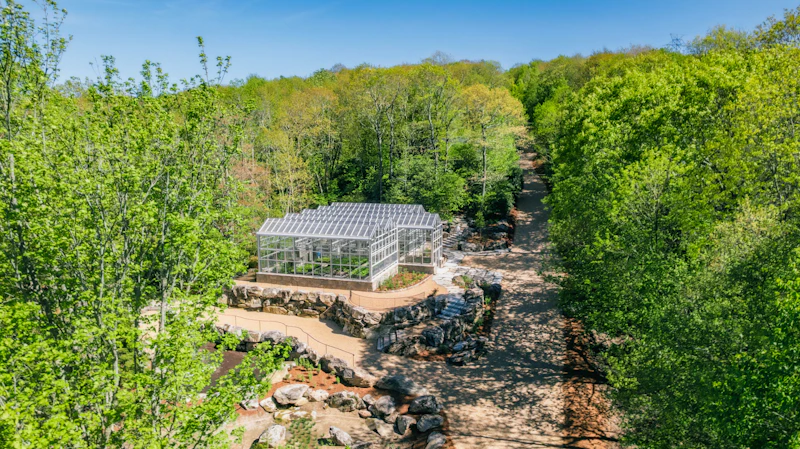
The National Forest Foundation and our partners are joining forces to protect the iconic “sky island” ecosystems of the Southern Appalachians by expanding the capacity for red spruce restoration with a new state-of-the-art greenhouse.
What’s the Best First-Timer’s Adventure in the Francis Marion and Sumter National Forests?
For an easy introduction to the area’s natural beauty, hike the Awendaw Passage of the Palmetto Trail. This seven-mile route in the Francis Marion winds through coastal forests, salt marshes, and towering pines, ending near the Intracoastal Waterway. It’s the coastal terminus of South Carolina’s greater Palmetto Trail and features boardwalks for easy passage and excellent birdwatching.

Where to Find More Information on the Francis Marion and Sumter National Forests
For more information or questions, visit https://www.fs.usda.gov/r08/francismarionsumter
Our Forests Need Us Today.
Your donation powers critical, on-the-ground conservation—from wildfire recovery to watershed restoration—protecting forests for the future.