7 Wildlife Species You're More Likely to Spot in National Forests This Fall
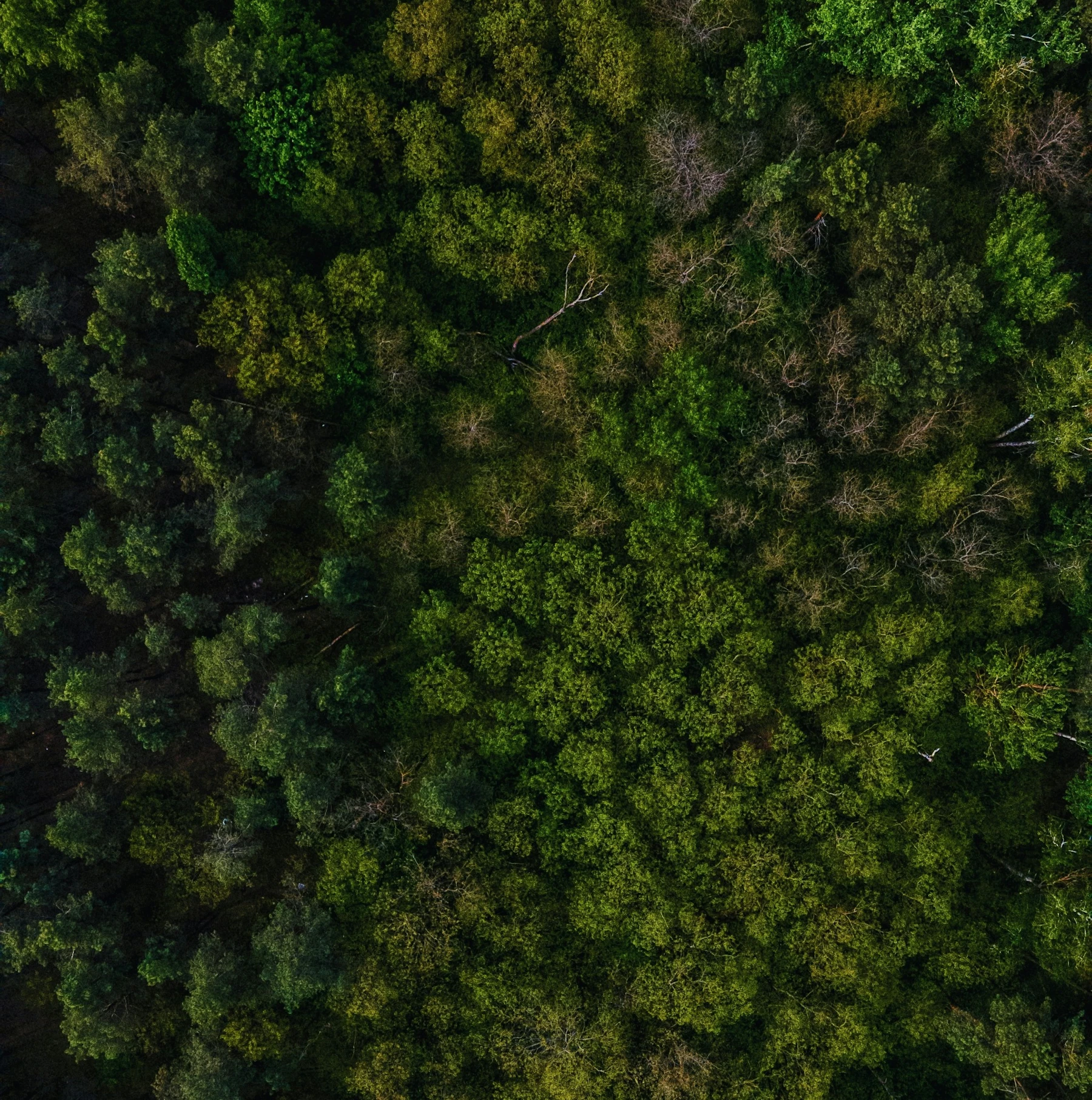
Aspen on the Gunnison National Forest, Colorado. Photo by Eric Marintzer

Fall is one of the best times of year to spot wildlife in National Forests. As animals search for mates, gather food, establish territories, and prepare for winter, many become more active and easier to see. Combined with thinning foliage and cooler temperatures, autumn offers a great opportunity to observe wildlife in their natural habitat.
Elk
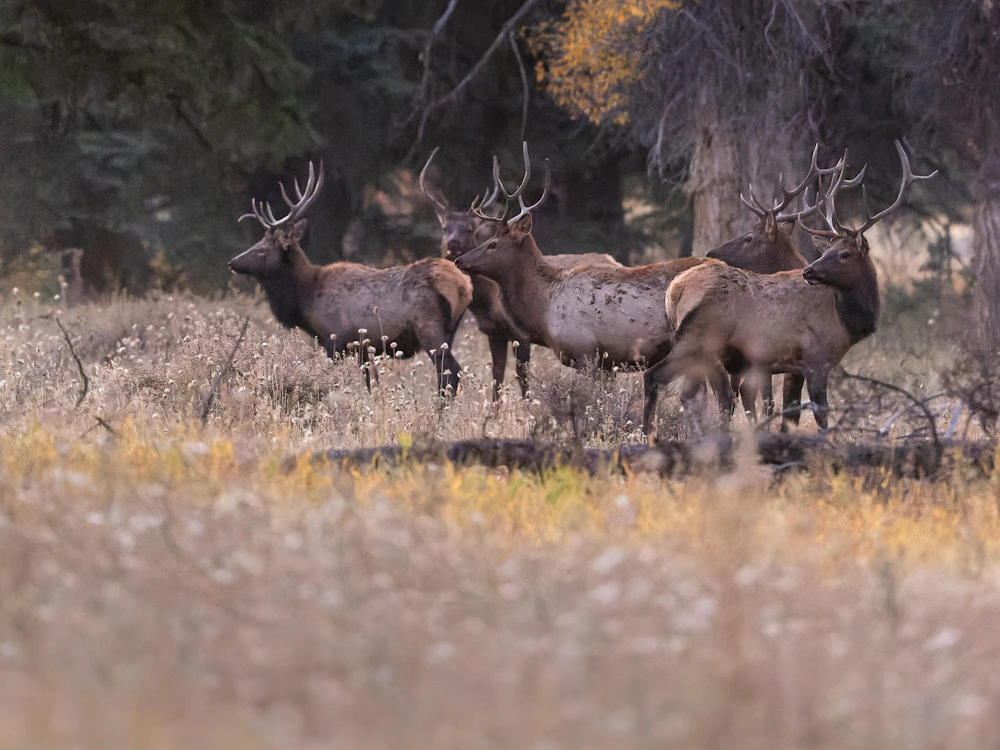
This majestic animal, the second largest species in the deer family after moose, is most active during dawn and dusk and during their fall rutting season. During rutting season, male Elk compete for mates, becoming more aggressive and letting out loud bugle calls to assert dominance and attract partners. As the weather becomes colder, Elk begin migrating from higher to lower elevations in search of food and shelter, making herds easier to spot.
Range: Elk primarily live in the Mountain West, as well as in small pockets of the Southern Appalachian and Great Lakes regions.
Tips For Spotting: During the fall, Elk are most active during dawn and dusk. Look for signs Elk are in the area, including rubbed trees, scraped soil, or large mud wallows; the herd will likely be nearby in a meadow or other open, grass area.
Black Bear
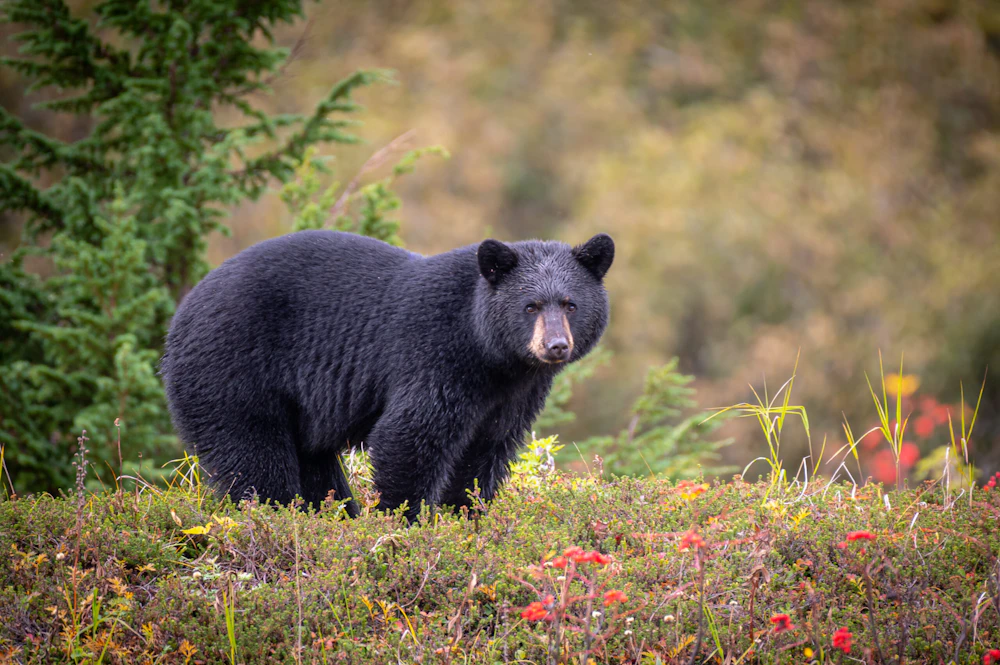
Bears famously gorge themselves starting in late summer to build fat reserves for their winter torpor. As winter approaches, Black Bears’ diets expand to include berries, nuts, and fish in their pursuit of eating up to 20,000 calories a day. Bears also become more territorial and aggressive as competition for food increases, making it especially important to give them plenty of space.
Range: Black Bears can be found in the Mountain West, Great Lakes Region, and the Ozark and Appalachian Mountains, in addition to some eastern coastal areas.
Tips For Spotting: In their autumn quest for food, Black Bears spend more time in areas where it is easier to observe them; recently burned or open areas like alpine meadows provide berries and new tasty growth while rivers and streams provide calorie-dense fish. Bears are also more likely to cross roads looking for food, so be alert when driving through remote areas.

Wild Turkey
Our Thanksgiving traditions aren’t the only reason this iconic game bird is top of mind when the leaves start changing color. Come fall, Wild Turkey shift from looking for mates to looking for food, moving in large groups of up to 50 birds or more at a time. During this time, Wild Turkeys often shift and expand their home range in search of calorie-rich foods like acorns and nuts that will help them survive the winter. These larger flocks and expanded ranges make Wild Turkeys easier to spot.
Range: Wild Turkeys can be found in most states, with more concentrated populations in the West and wide-spread populations in the East.
Tips For Spotting: In the fall, look for Wild Turkey in hardwood forests where acorns and nuts are plentiful. Stay quiet and keep your ears open. In a flock, Wild Turkeys call to one another constantly to ensure they are still close to the group. You may even hear them rustling through dry leaves searching for food.
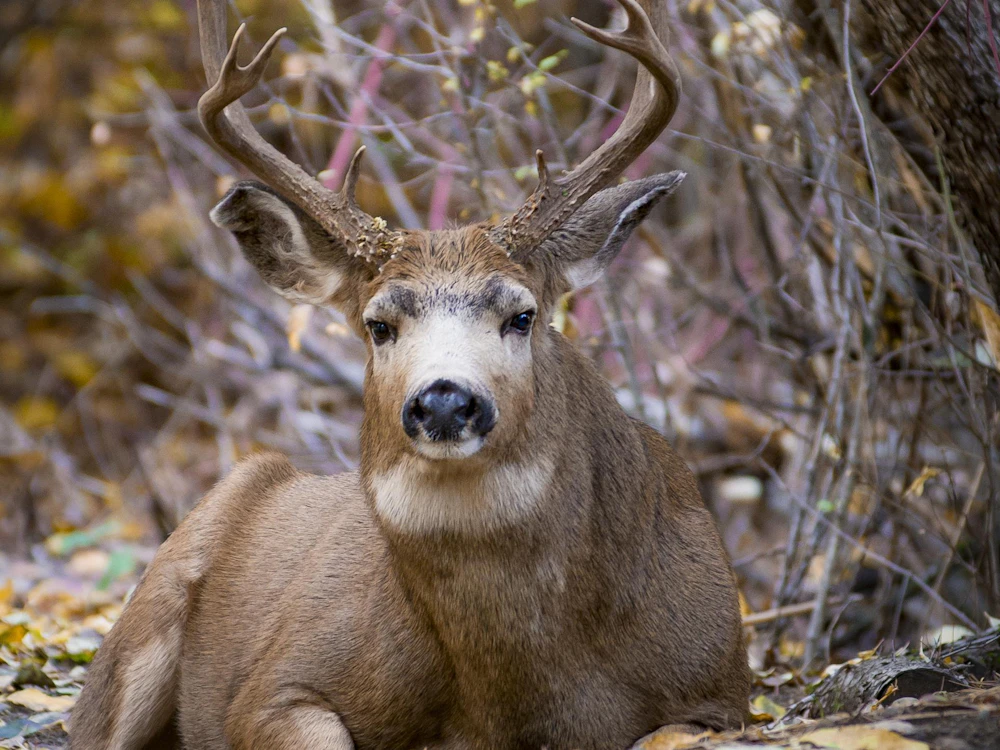
Mule Deer
While the Elk rut begins and ends earlier in the season (mid-September through mid-October), Mule Deer don’t begin their rut until late October into November. Because male deer seek out groups of female deer, rather than protecting a group of females like Elk, during the rut male Mule Deer roam more widely during the day, making them easier to spot. Early snowstorms can also create more movement in Mule Deer populations, forcing them into foothills and valleys where shelter and food are more abundant.
Range: Mule Deer can be found throughout the Western U.S.
Tips For Spotting: Look for groups of Mule Deer in areas with trees, shrubs, and plenty of new growth to browse. Rubbed trees and scraped soil are signs that Mule Deer are nearby.

Squirrels
Squirrels can be easily spotted at any time of year, but they are most active during the fall as they scramble from dawn to dusk gathering, eating, and burying food for the coming winter. Squirrels must also ensure their nests of leaves, twigs, moss, and vines are ready, so they have shelter and a place to raise their young during the winter.
Range: There are 65 squirrel species in the continental U.S. Discover what species live in your state and challenge yourself to find a new-to-you squirrel this fall.
Tips For Spotting: Spotting squirrels, and their nests, in treetops is much easier once branches are bare. Look for them in and around nut-bearing trees like oaks, hickories, and walnuts, and listen for the distinct rustling sounds of squirrels searching for food under dry leaves.

Great Horned Owl
On chilly October and November nights, you might hear the eerie hooting of a Great Horned Owl establishing territory and courting its mate for the upcoming breeding season. Great Horned Owls return to their partners each year, and female owls are just as vocal as males, creating more noise and more opportunities to see one or both owls during courtship. Shorter days also provide more overlap in the times humans and owls are active, making it easier to spot owls at dusk.
Range: Great Horned Owls can be found in all the lower 48 states and Alaska.
Tips For Spotting: You will almost certainly hear a Great Horned Owl before you see it. Listen for their distinctive call at dawn or dusk as well as loud, continuous calls from flocks of crows or blue jays—they are often a sign an owl is nearby. Focus on trees at the edge of meadows and other open spaces that provide owls with a good vantage point for hunting.
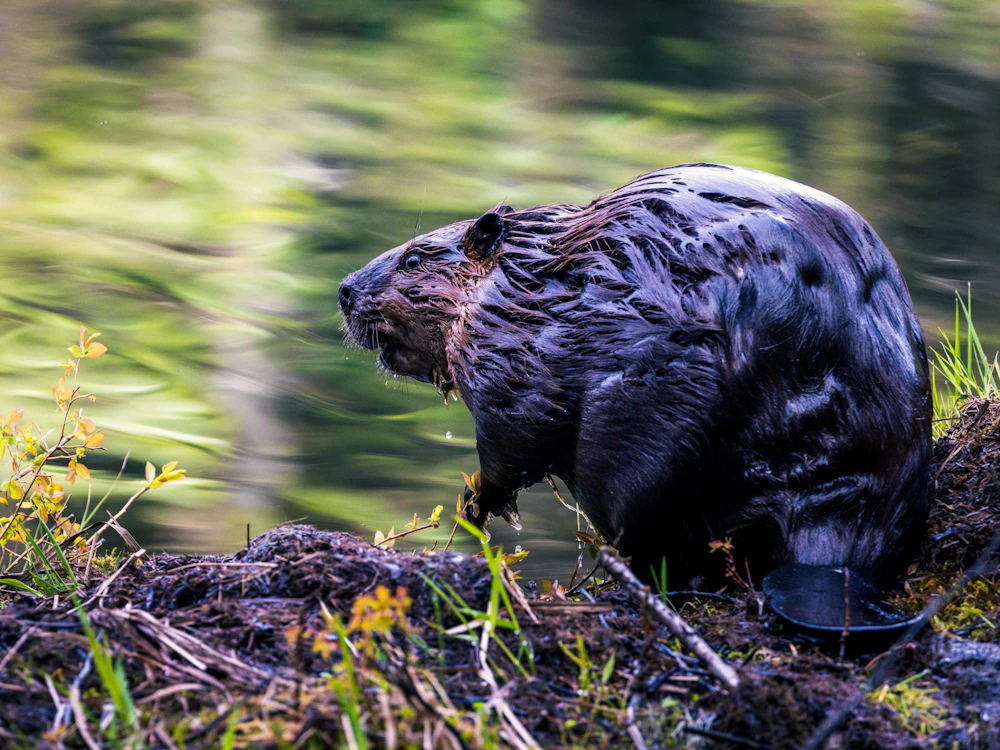
Beaver
Living up to their industrious reputation, by late fall beavers are hard at work preparing their dams, lodges, and food stores for the winter. In areas where ponds freeze over, beavers spend most of the winter tucked inside their family lodge. The inside temperature of a lodge insulated with sticks, stone, aquatic vegetation, and mud hovers around freezing (32°F) when outside temperatures are below zero, keeping beavers safe and warm. To access food in winter months, beavers must stockpile branches at the bottom of the pond they can access from their lodge’s underwater entrance, even when the surface of the pond is frozen over. Finally, to ensure their food stash is accessible from the lodge, beavers build and repair dams to keep water levels high through the winter.
Range: Beavers can be found in most states, with exceptions in Southern California and Nevada.
Tips For Spotting: With so much work to do, it is no surprise beavers’ timber harvests peak this time of year. Look for freshly chewed stumps for signs beavers are in the area and visit ponds at dawn or dusk when beavers are most active for the best chance of catching one slip into the water.
Every wildlife sighting begins with healthy habitat. By supporting forest restoration and conservation projects across the National Forest System, the National Forest Foundation is helping create the conditions that allow wildlife and people to thrive.

Our Forests Need Us Today.
Your donation powers critical, on-the-ground conservation—from wildfire recovery to watershed restoration—protecting forests for the future.