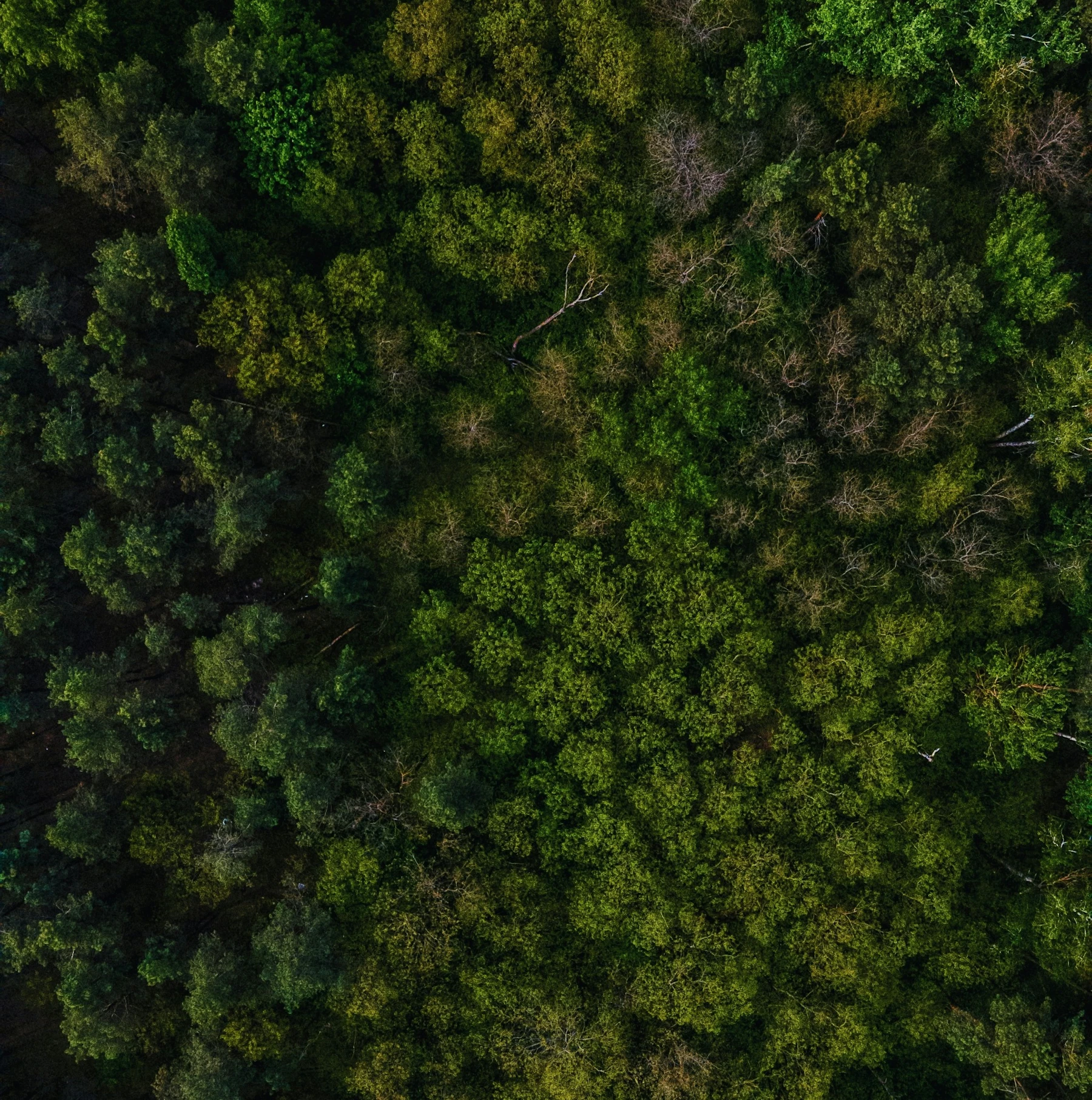
Truly Great Lakes National Forests, Michigan’s Hiawatha and Huron-Manistee provide visitors a chance to explore several lakes, including the Great Lakes, and hundreds of miles of streams. Within these lake-filled forests, visitors can hike and swim, visit lighthouses, and spot diverse wildlife, including gray wolves, deer, monarch butterflies, bald eagles, and one of North America’s rarest songbirds, Kirtland’s warbler.
Our tree planting efforts on these two National Forests contribute to the recovery of this rare bird, a habitat specialist that requires young jack pine stands for breeding and nesting.
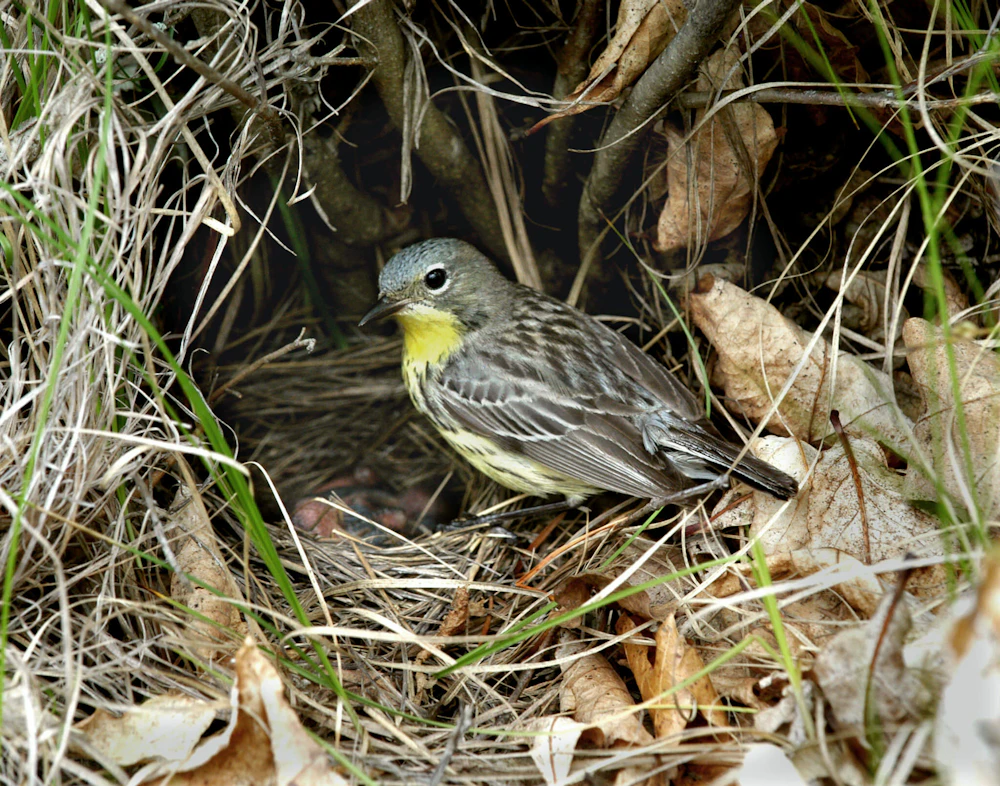
A Rare Bird
After arriving from its winter grounds in the Bahamas in the spring, the warblers breed and nest in young jack pine forests of Hiawatha National Forest. They nest on sandy soil underneath young jack pines that are between 6 and 22 years old, 5 to 20 feet tall, and have enough space between them for adequate sunlight, yet dense with abundant foliage. Why such specificity? When the trees are about six years old, the lower branches are just long enough to reach near the ground and hide a nest underneath, while the sunlight keeps the foliage alive and fluffy. As the trees age, taller branches block sunlight to the lower branches, which then begin to die and can no longer conceal a nest.
The loss of suitable habitat prompted the Kirtland’s warbler to be one of the first species to be protected under the Endangered Species Act of 1973. Historically, fire played an important role in jack pine ecosystems. Fires cleared out thick brush and old trees and allowed the jack pine’s serotinous cones to release seeds and regenerate new stands of young jack pine, essential for Kirtland’s warblers.
Decades of fire suppression has yielded dense older stands, inhibiting the establishment of young stands and restricting the warbler’s habitat. Habitat management and tree planting helps to imitate the effects of fire and create suitable habitat for the warbler.
While Kirtland’s warblers remain rare, these habitat specialists are on the rise and were removed from the federal list of endangered species in 2019. Their numbers have increased from about 200 pairs in the early 1970s to about 2,245 pairs in 2021 at their nesting grounds in northern Michigan, Wisconsin, and Canada.
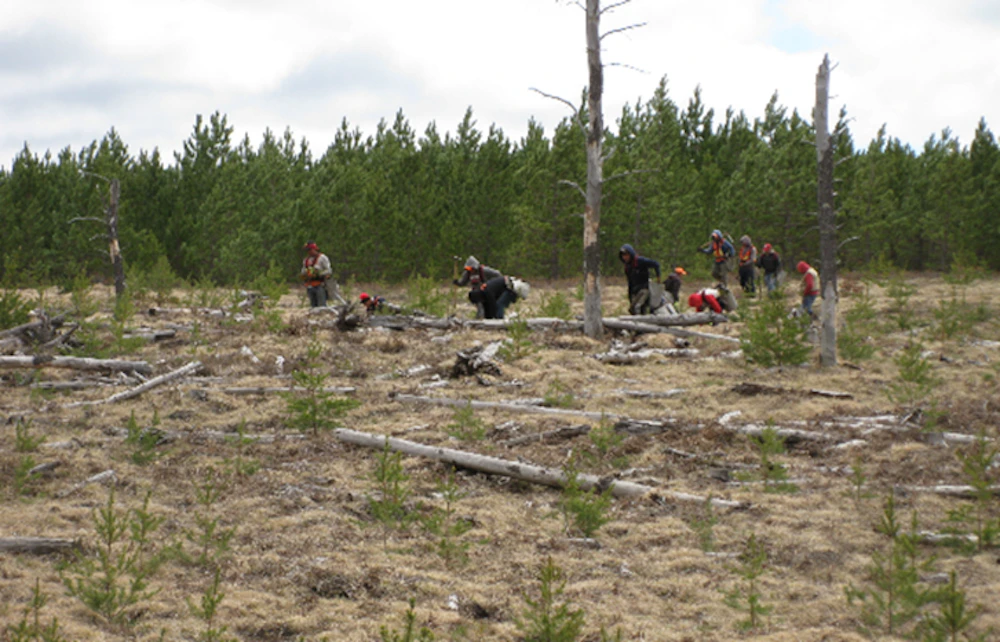
Partnership for Impact
Our efforts to improve Kirtland’s warbler habitat through tree planting have been supported by a diverse mix of individual, small business and corporate supporters, in addition to our U.S. Forest Service partners.
Each year, we partner with Michigan National Forests to replant hundreds of acres of jack pine habitat. Since 2011, we’ve planted more two million jack pine seedlings across nearly two thousand acres of public National Forest land.
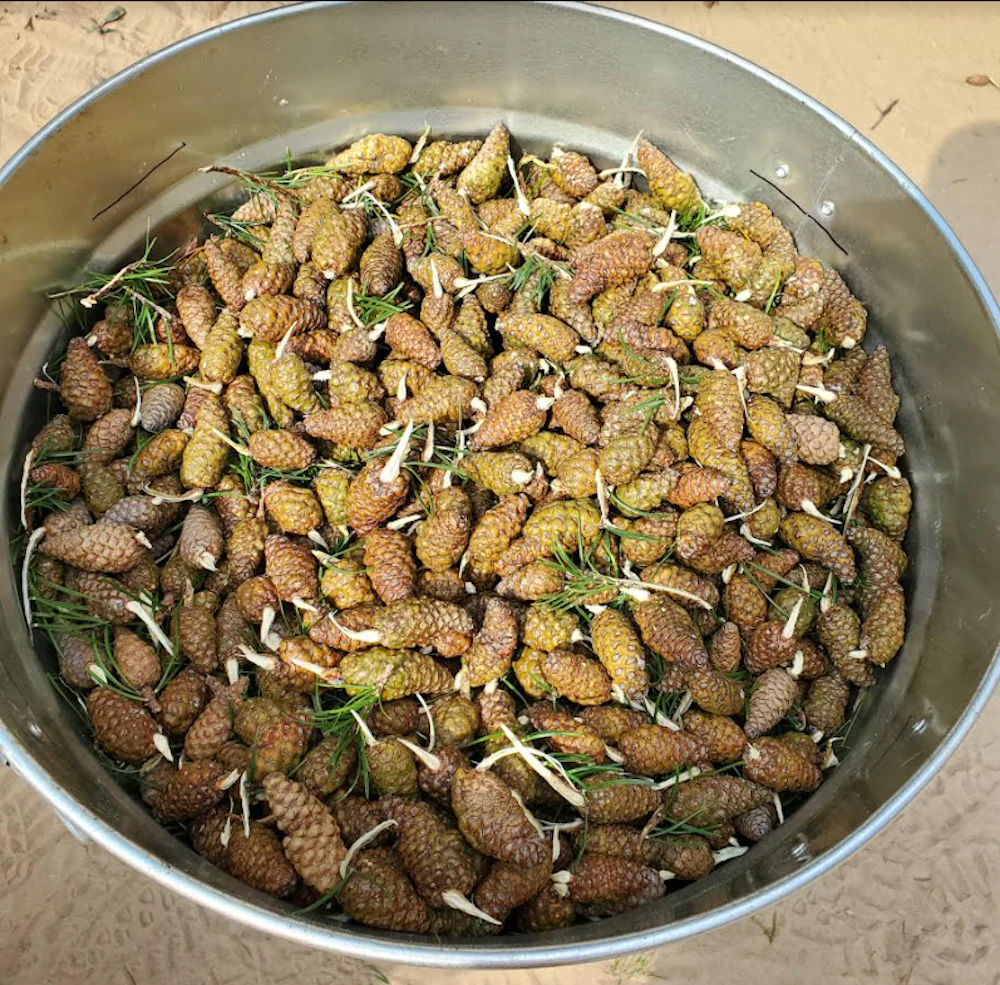
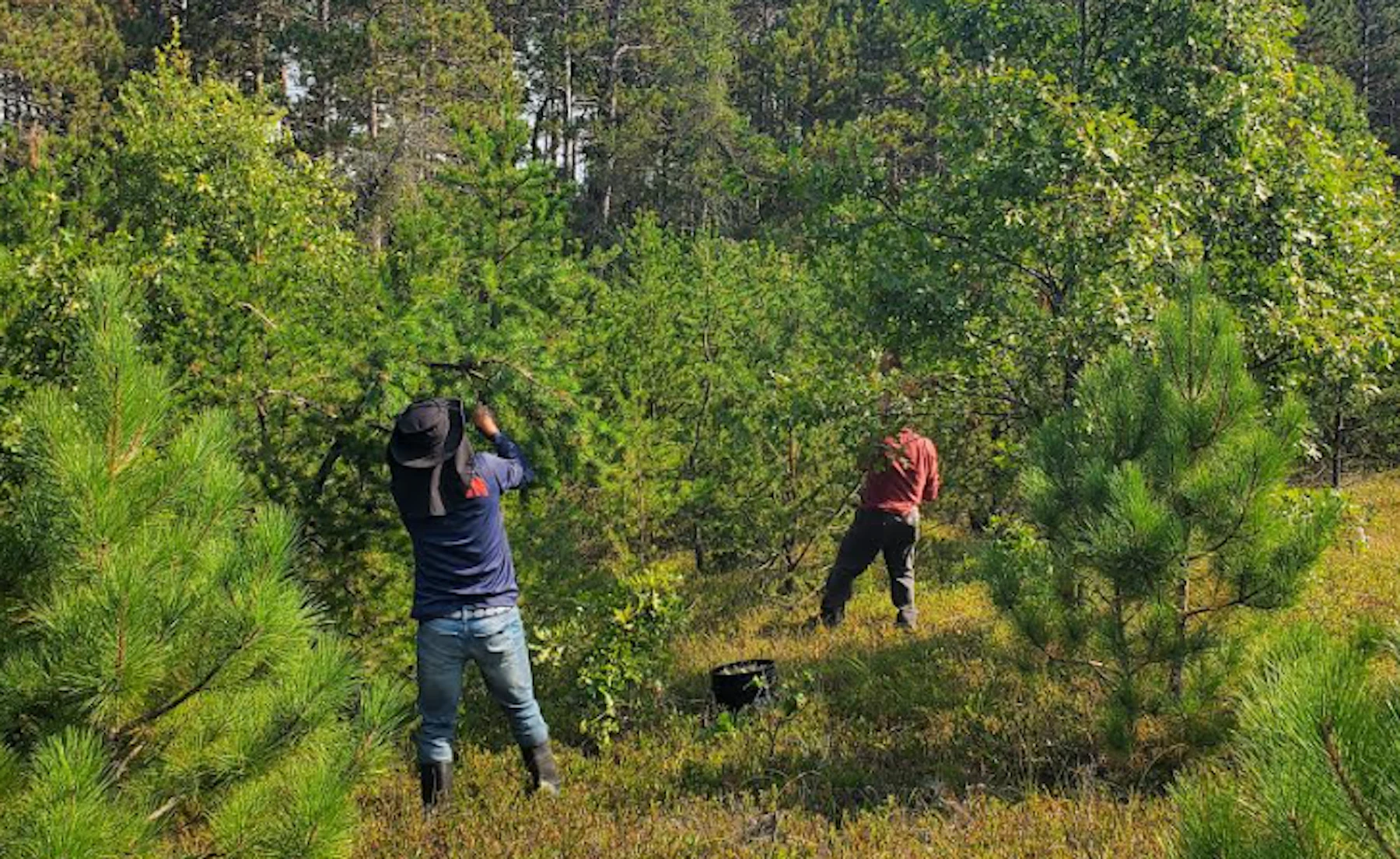
In line with our expansion to a more holistic model of reforestation, we are also helping improve seed supply and capacity support. In 2024, we partnered with the Huron-Manistee National Forest to collect jack pine cones and provide the Forest with a seasonal reforestation specialist. The specialist provided much-needed help during the busy field season, and our crop of collected cones yielded 400 bushels, enough to yield approximately 12 million seeds and support 10 year’s worth of jack pine planting on the Forest! This will ensure the future of Kirtland’s warbler habitat and the Forest’s jack pine seed stock.
Help important habitat-building work like this with a donation to our Holistic Reforestation Fund!
Header photo by Amanda Whitaker; Jack pine cone collection, 2024
Our Forests Need Us Today.
Your donation powers critical, on-the-ground conservation—from wildfire recovery to watershed restoration—protecting forests for the future.