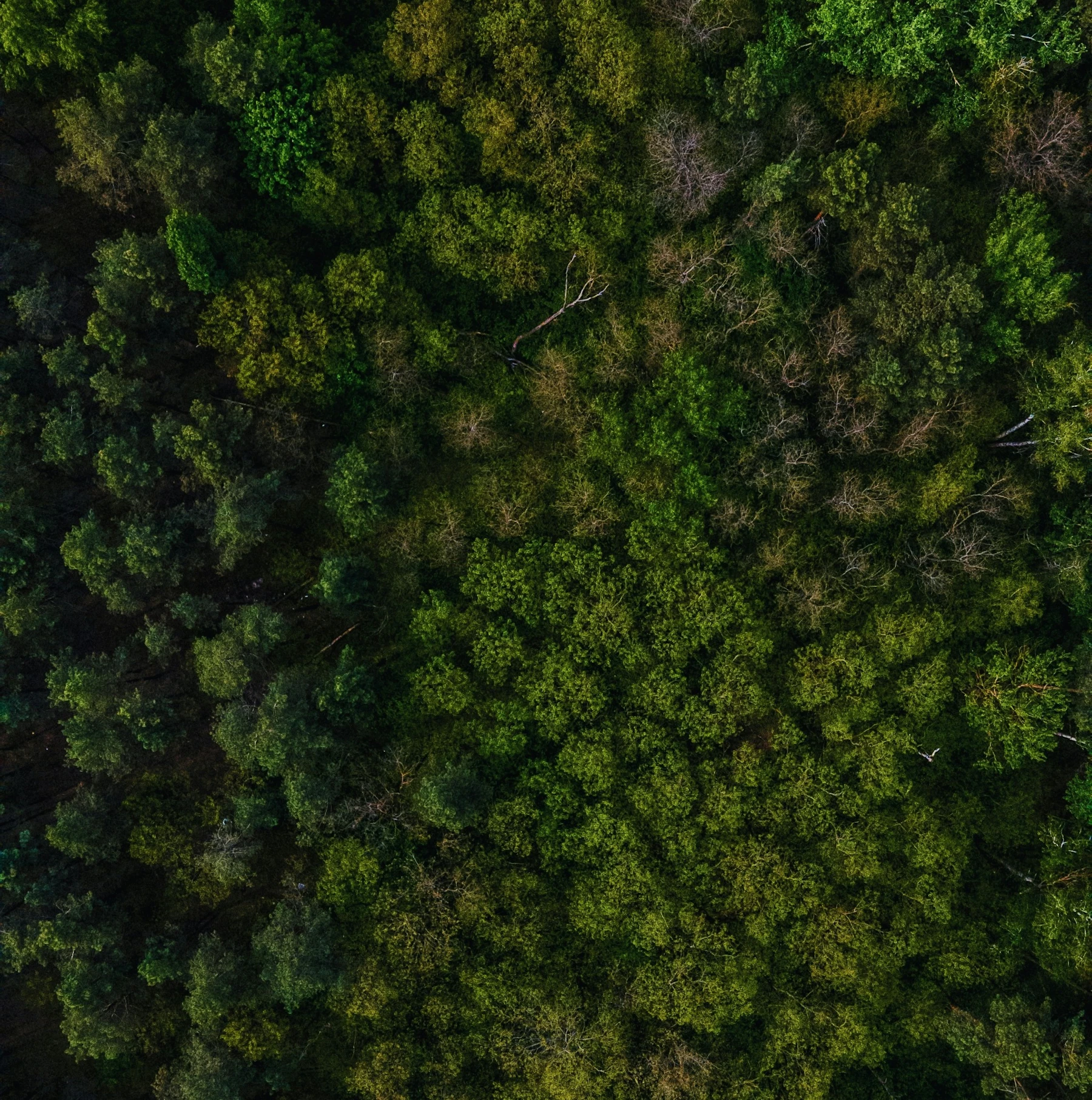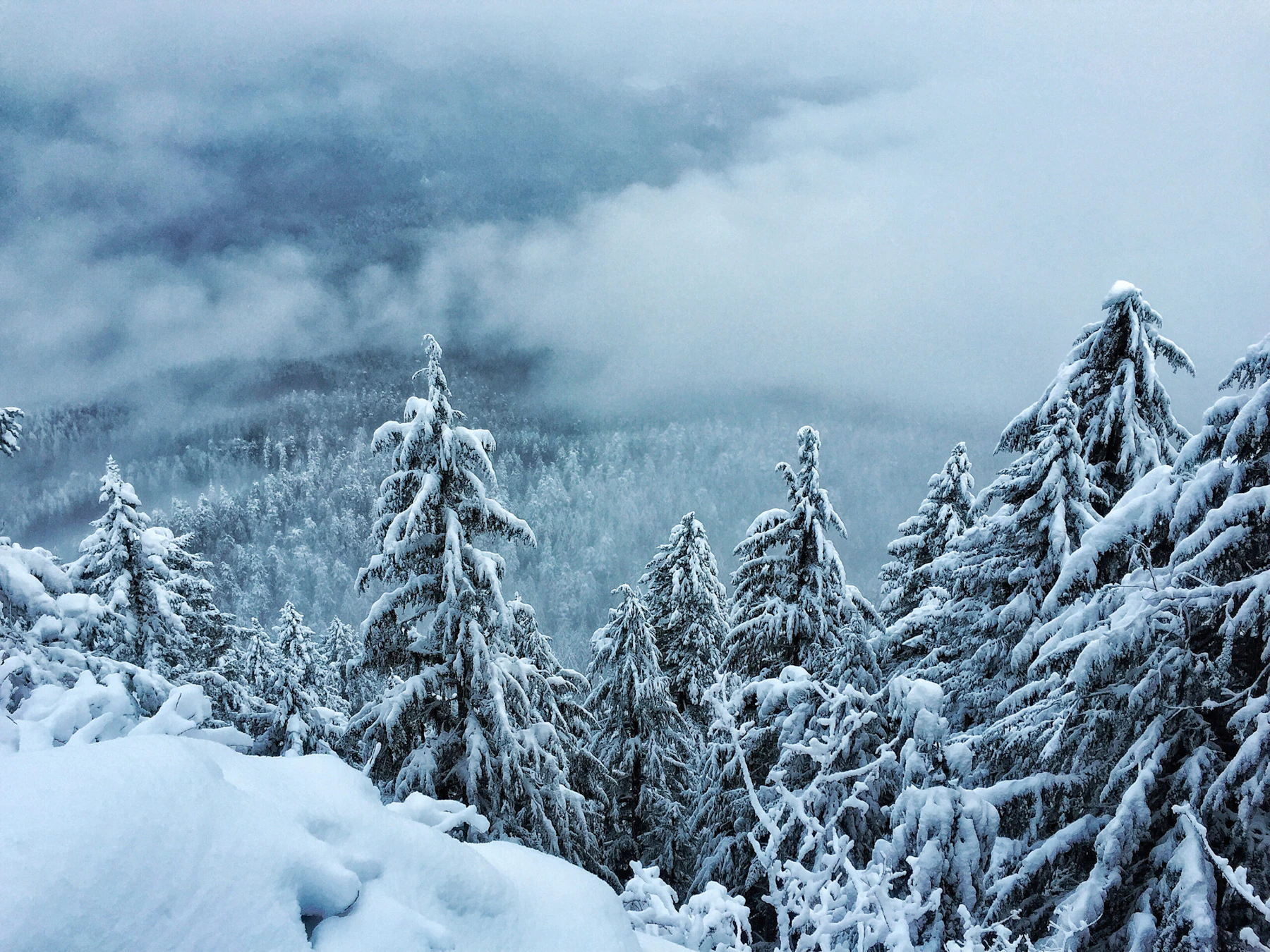
Across America’s National Forests, millions of trees survive harsh winters using remarkable adaptations that help them endure freezing temperatures, snow, drought, and seasonal change.
Trees survive winter through four main adaptations: protective bark, water-conserving leaves or needles, seasonal dormancy, and cellular changes that increase cold tolerance. These strategies help trees withstand freezing temperatures, reduce water loss, and protect living tissues until spring arrives.
How Does Bark Protect Trees in Winter?
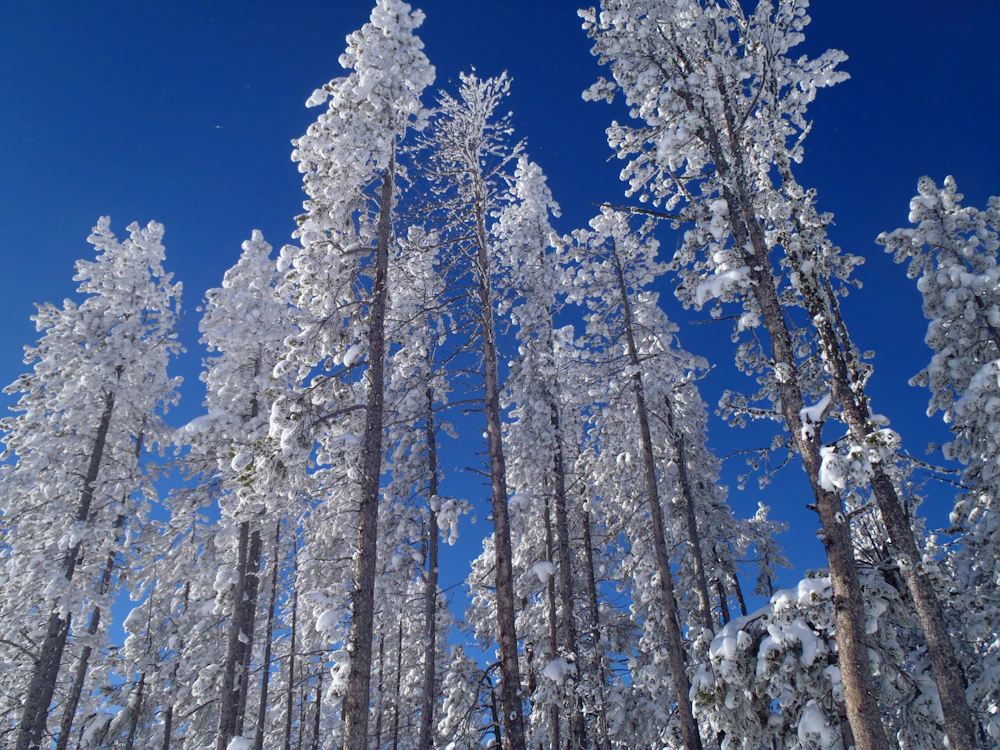
Bark provides insulation and protection against freezing and cracking during the winter. Tree bark comes in different textures, densities, and colors – variations that can help a tree tolerate cold temperatures by reflecting light and dispersing heat.
Why Do Some Trees Lose Their Leaves?
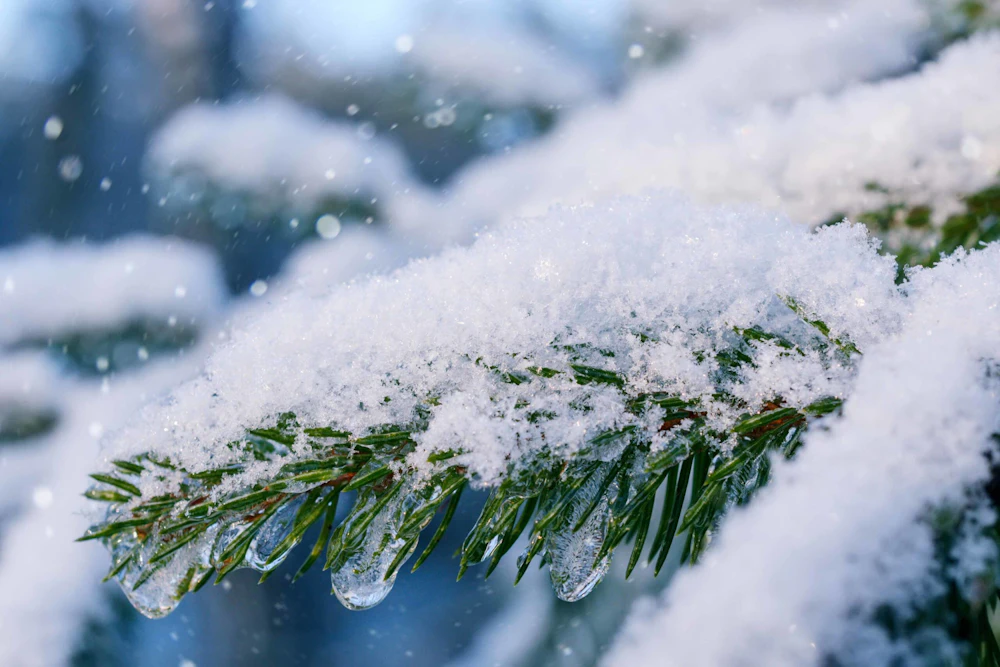
Broadleaf, deciduous trees lose their leaves in the winter to reduce water loss. Most needle-leaved trees, known as conifers, retain needles year round – with exceptions such as larch and bald cypress trees – only losing older, damaged needles. Needles are better at retaining water than broadleaves thanks to their small surface area and waxy outer coating that limits water loss to transpiration, the evaporation of water from leaves.
How Do Trees Prepare for Winter at the Cellular Level?
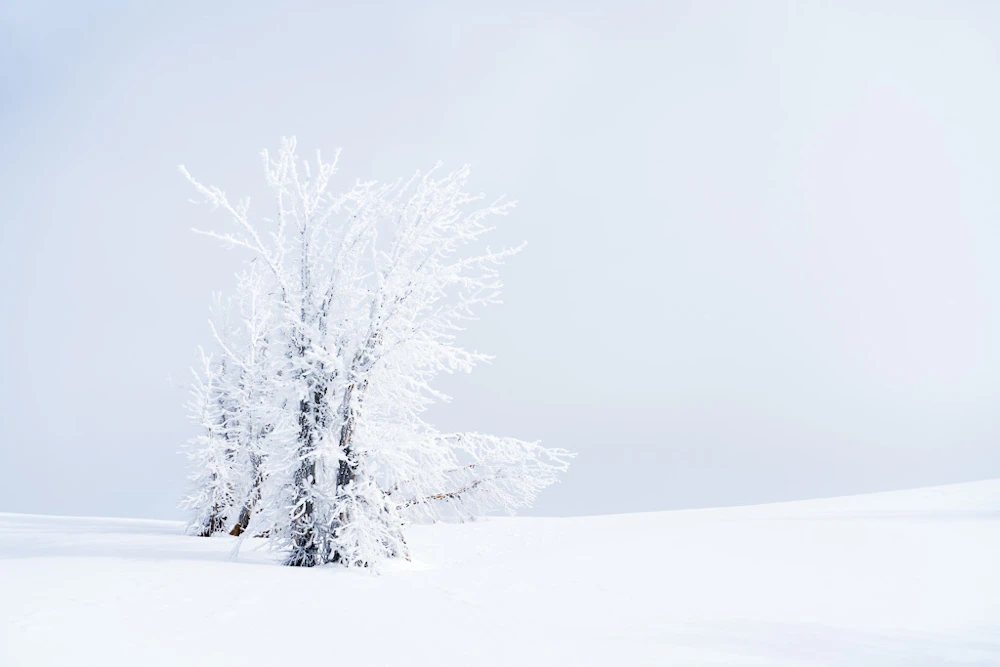
Trees begin to prepare for an oncoming winter in late summer as daylight hours decline, entering a dormant state and reaching their adapted tolerance by mid-winter. Through a combination of cellular changes that involve shrinkage, dehydration, and sugar concentration, the cells harden and become glasslike. This helps prevent freezing and damage to living cells.
Can Trees Freeze or Explode During Extreme Cold?
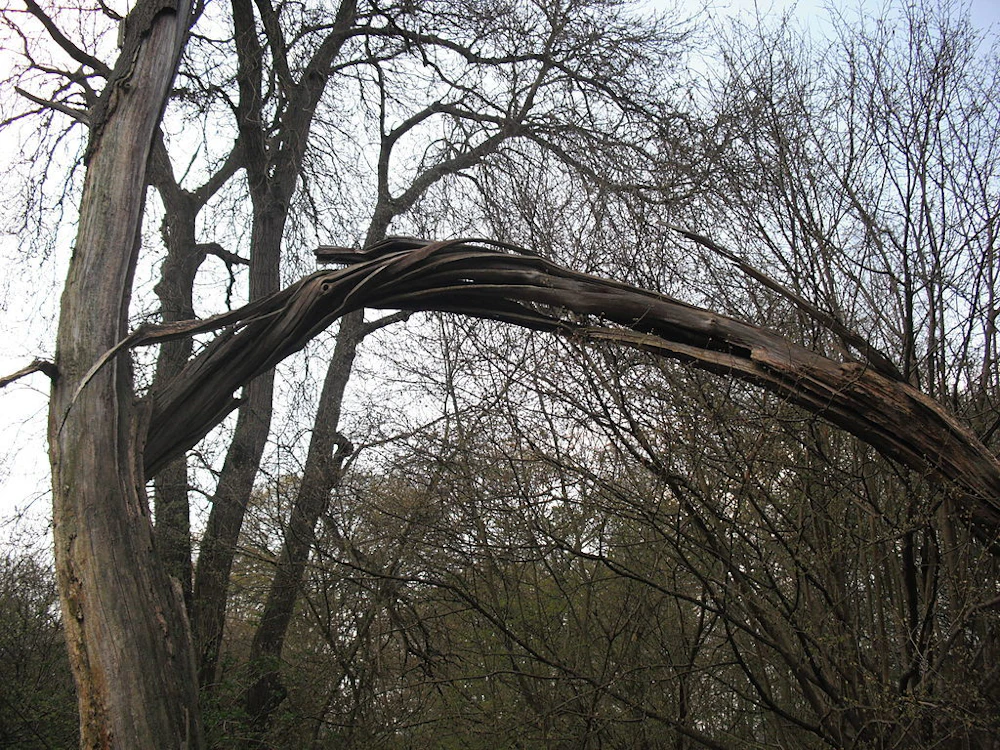
While trees have evolved amazing strategies for withstanding the winter cold, sometimes it gets so cold that trees can explode. During spells of extreme cold or when trees haven’t had time to acclimate, the life-sustaining sap inside a tree can begin to freeze. Sap contains water so it expands when frozen, putting pressure on the bark, which can break and create an explosion. There are numerous historic and current observations of trees exploding due to extreme cold.
On your next winter hike in a National Forest, take a closer look at the trees around you. From insulating bark to water-saving needles, every tree is using remarkable adaptations to survive until spring. Learning how forests function is one of the first steps toward helping care for them for future generations.
This blog post is sponsored by NFF tree-planting partner Planet Home Lending. Through their Planet with a Purpose initiative, Planet Home Lending has planted 155,000 trees on National Forests since 2019.
——–
Did you learn something new in this blog post? We hope so. Every day, the NFF educates and inspires Americans about that most familiar and fundamental component of forests…trees! All our work on trees – from communications to field programs to carbon and more – depends on unrestricted gifts from people like you. Will you join us to ensure this critical work continues? Simply click here to join thousands of others who care about trees and much more.

Our Forests Need Us Today.
Your donation powers critical, on-the-ground conservation—from wildfire recovery to watershed restoration—protecting forests for the future.