As the home of Yosemite National Park, the wild and scenic
Tuolumne River and numerous National Forests, the Sierra Nevada mountains in
California are renowned for their natural beauty and the recreational
experiences that they offer.
The 2013 257,000-acre Rim Fire, the largest recorded wildfire in
the history of the Sierra Nevada, caused widespread damage to the region’s
forests and ecosystem. Recovery from this disaster is expected to require
large-scale efforts over a period of many years, if not decades.
Working under the leadership of the Yosemite Stanislaus Solutions
stakeholder group, the Tuolumne River Trust and the Stanislaus National Forest
have partnered to utilize community-based volunteer efforts to begin addressing
the many adverse environmental and economic impacts caused by this fire.
With funding provided from the National Forest Foundation’s
Matching Awards Program, the Tuolumne River Trust recruited volunteers from a
variety of faith-based, military veteran, corporate and national service
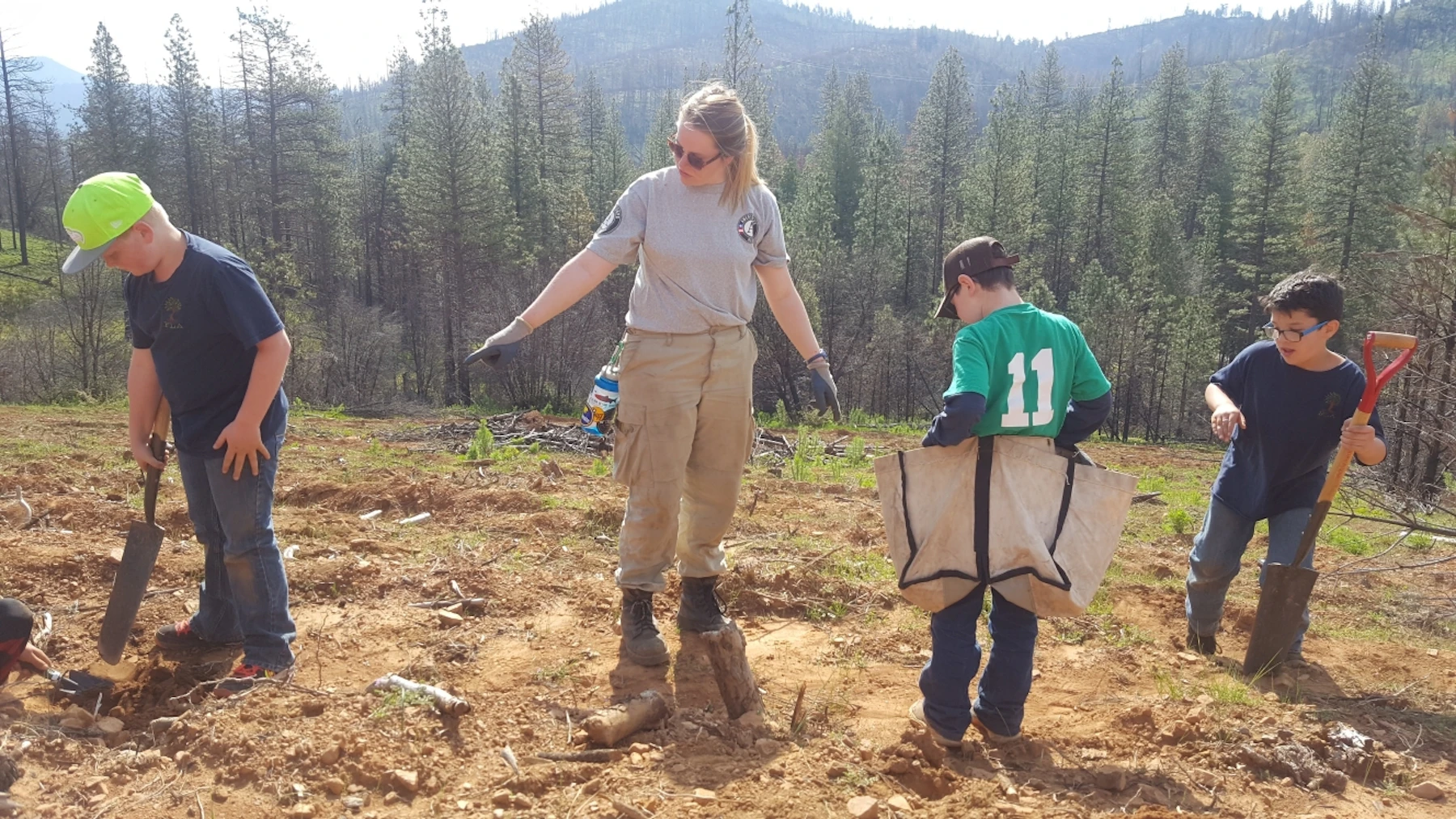
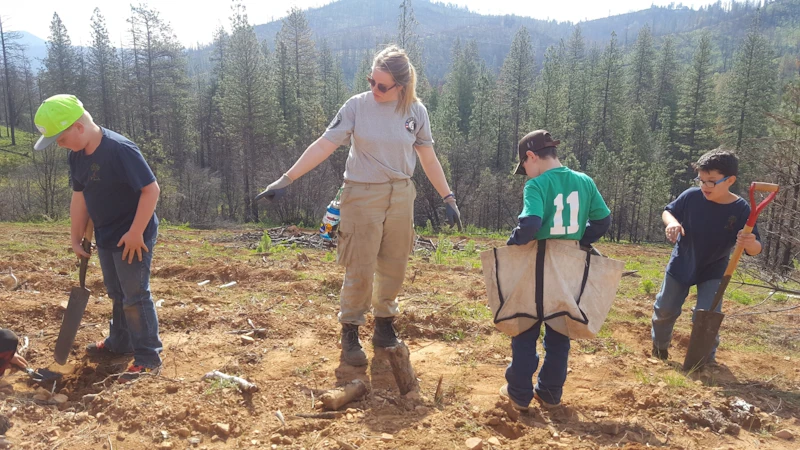
organizations across the country. The volunteers then worked alongside local
schools and community groups to restore more than 300 acres of burned forest.
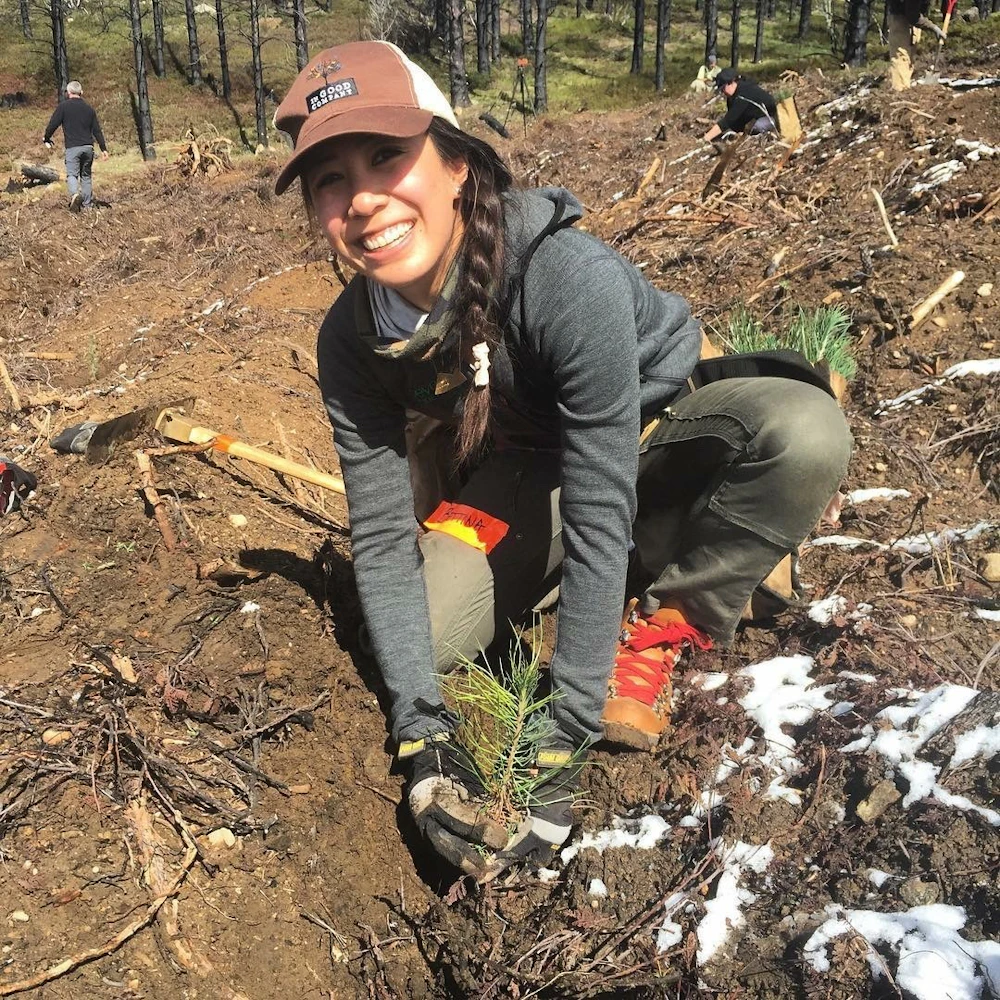
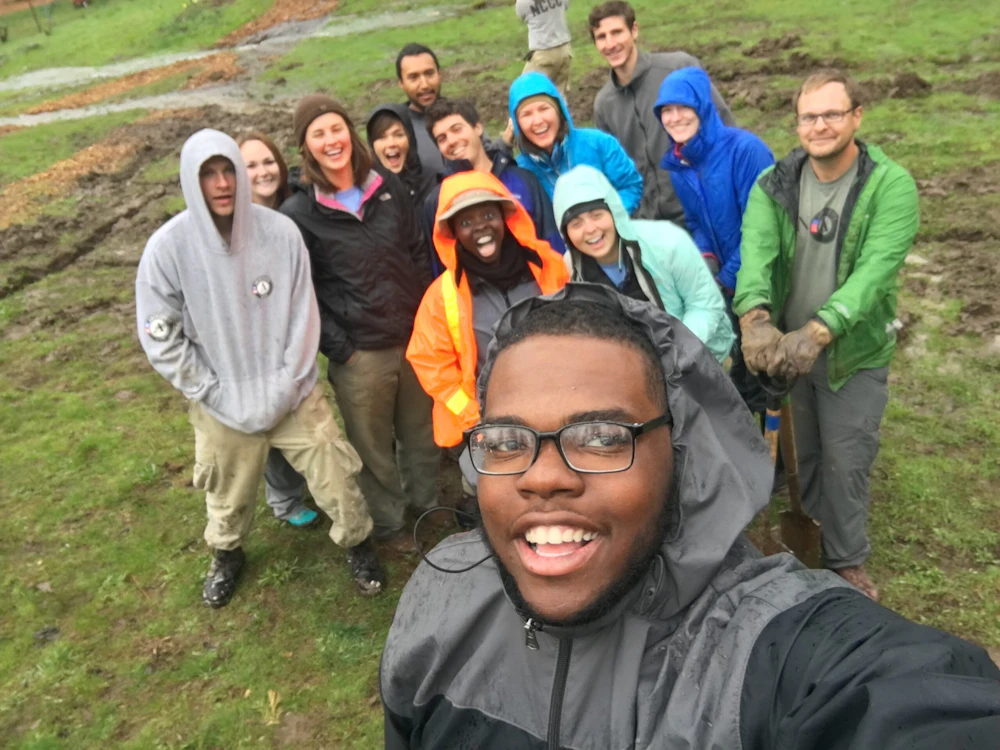
Over 1,500 volunteers provided nearly 20,000 hours of service
working on several large-scale restoration projects, including the planting of more
than 56,000 native trees in high-severity burn areas that were the most
adversely impacted by this megafire. Tuolumne River Trust also provided forest
health educational presentations to more than 2,300 local students. The
presentations helped them understand the challenges our forests are currently
facing, and the need for their future participation as leaders in forest stewardship.
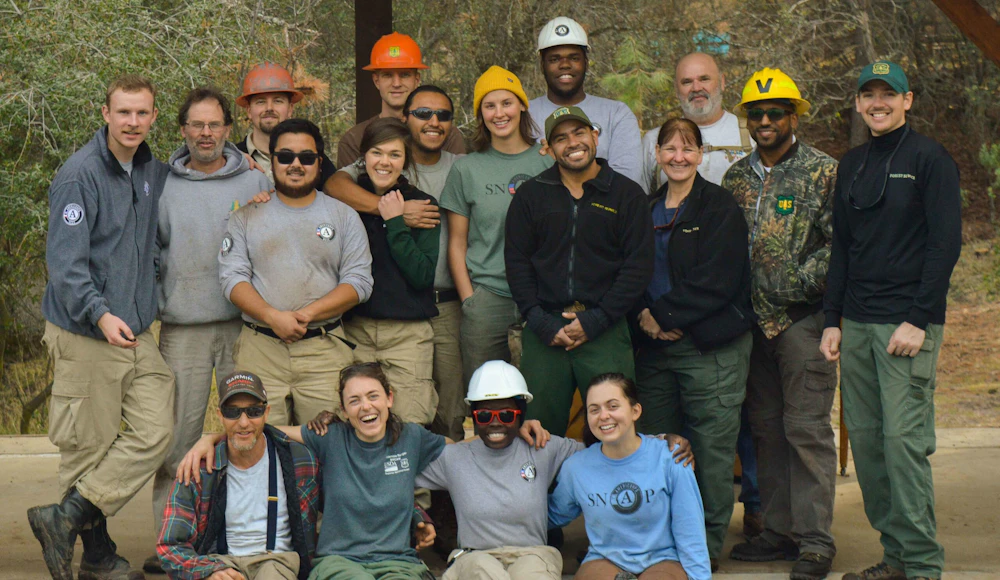
Without the support of the National Forest Foundation, these
efforts would not have been possible. Their funding allowed for tangible and
impactful results to occur, under sustained partnerships that will now continue
this work going forward.


Our Forests Need Us Today.
Your donation powers critical, on-the-ground conservation—from wildfire recovery to watershed restoration—protecting forests for the future.