Finders Keepers
Summer / Fall 2025
Interview by Erin Vivid Riley
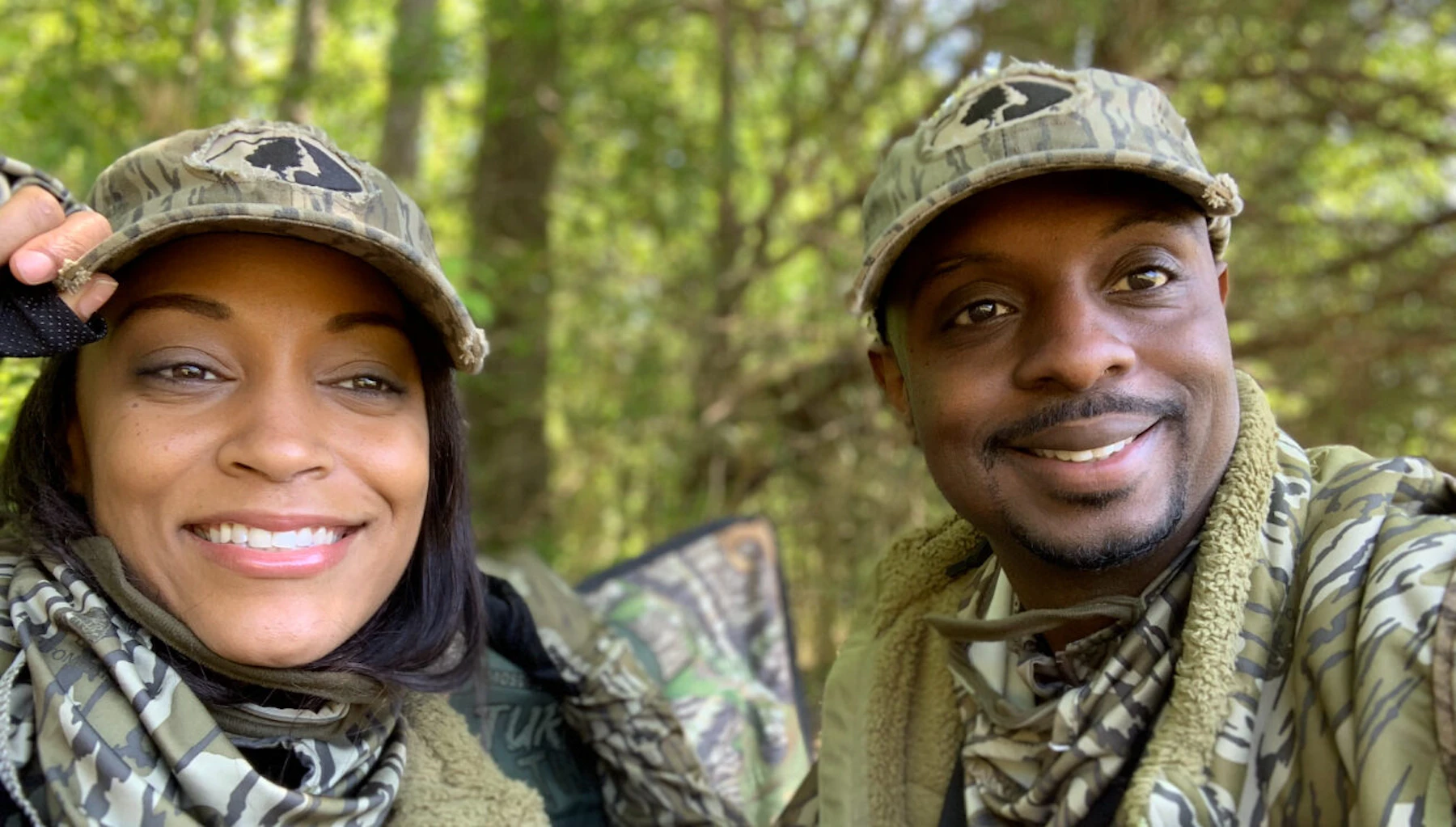
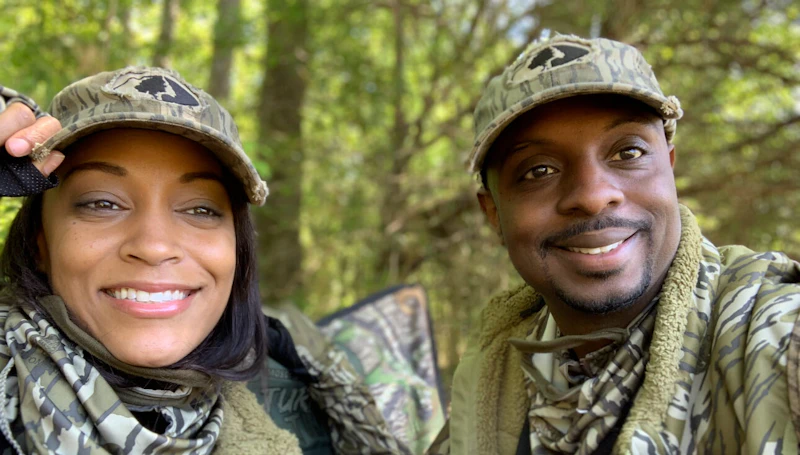
From their home near the Holly Springs National Forest in northern Mississippi, Henry and Lakeisha Woodard hunt and fish most of the food that sustains their family of six.
What began as a way to capture their favorite moments on social media soon turned into a lucrative opportunity when their follower-count skyrocketed and attracted sponsorship deals.
The Woodards, and their brand Halo Hunting, now have nearly 22,000 followers on both Instagram and Youtube. They hope that one day they’ll be able to turn Halo Hunting into a full-time job. For now, the Woodards are focusing on launching an outdoor-education nonprofit while Lakeisha works as a compliance consultant and Henry as a locomotive electrician and ordained minister.
We spoke to Henry and Lakeisha about how, in their words, “hunting is more than just a hobby or a skill set, it’s a way of life.”
What was your relationship to the outdoors growing up?
Henry Woodard: I remember going fishing with my mom when I was young, which piqued my interest in the outdoors. My dad bought me a BB gun and on the days I joined him at the soybean farm where he worked, I’d roam the countryside and practice shooting. When I turned 18, I started deer hunting. I didn’t have a mentor, so I’d just watch hunting VHS tapes.
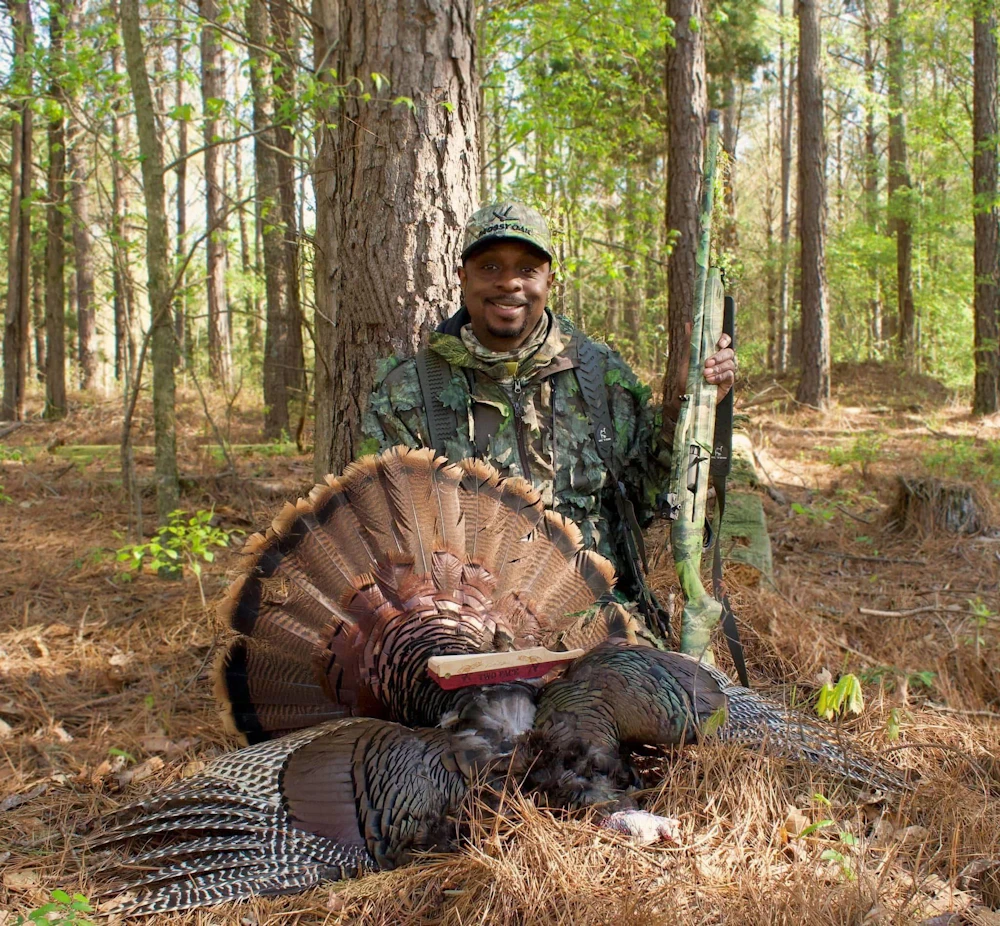
Lakeisha Woodard: I grew up in Memphis, Tennessee. It wasn’t until I started going turkey hunting with Henry that it captured my interest, and so from there, I quickly developed my own love for the outdoors.
How did you start monetizing your passion for hunting?
HW: I thought that it would be great to capture the memories of our hunts on social media and we soon started seeing people take notice. Then we saw the Outdoor Channel was going to do a competition for unique couples that hunt. We decided to submit a video and ended up being picked. Out of the three couples, Lakeisha shot the biggest buck. Things just kind of started from there.
What does a typical day look like for you?
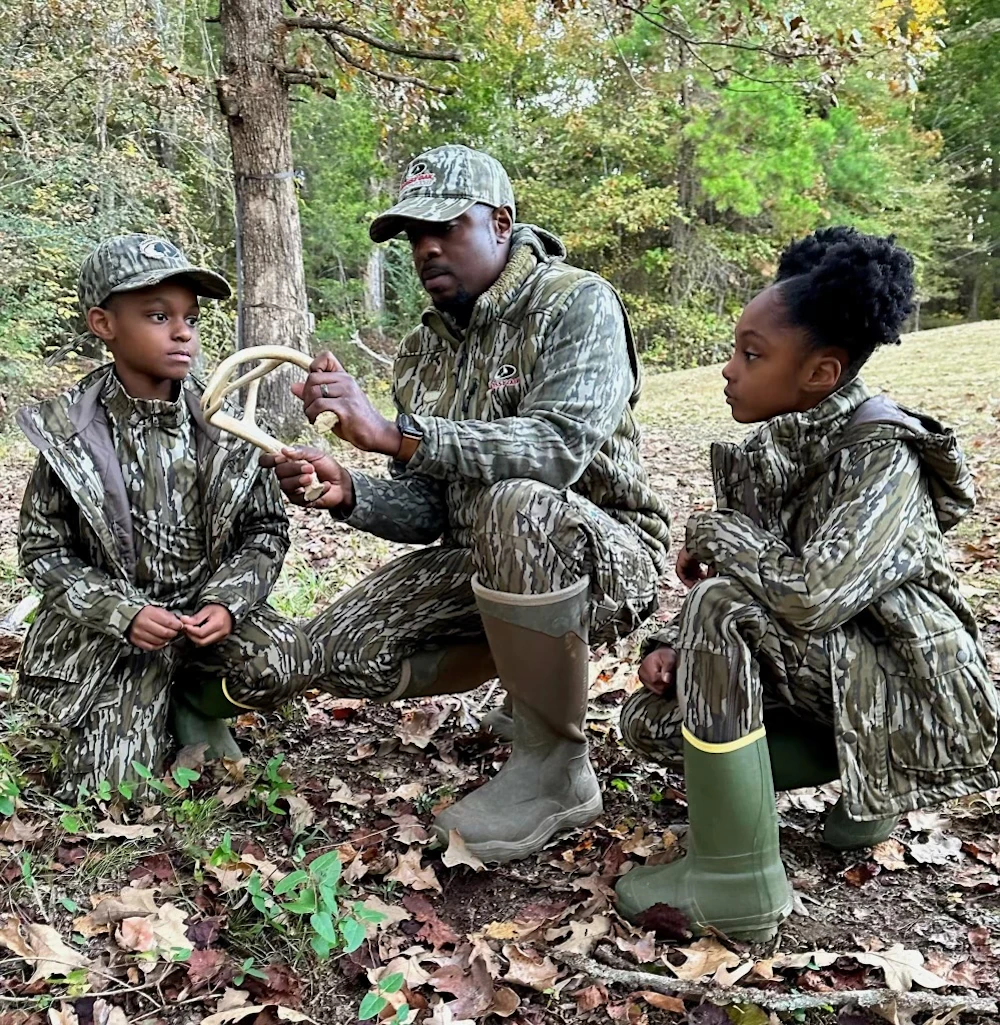
LW: It’s pretty much like any other family. We get the kids ready for school and we have our regular nine-to-five jobs while we manage social media. The kids will feed the chickens and gather up the eggs every day, and help in the garden, where we grow all kinds of vegetables. Whether it’s the weekend or midweek, we take every opportunity to hunt, which the kids have started to do, too. We hunt the Holly Springs National Forest for wild turkeys and private property bordering the forest for deer.
How do you plan your meals around your hunts?
LW: Our freezer pretty much stays stocked throughout the year, from venison to wild hog. We’re always strategizing, whether that’s putting in food plots, hanging tree stands, or scouting new hunting areas, or setting up trail cameras. It’s a constant cycle of planning and working, and then we get
to enjoy it all together.
Any upcoming plans for Halo Hunting?
LW: We are starting a nonprofit called the Halo Bridge Outreach Foundation, which will introduce inner-city kids to the hunting lifestyle. We’re going to focus on outdoor education, firearms safety training, and youth empowerment. We’ve seen how hunting has given our kids greater confidence and a stronger sense of purpose, and want to give that to others.
Follow the Woodards at halohunting.com and on Instagram and Youtube @halohunting. Hunt for white-tailed deer, quail, and waterfowl across Mississippi’s six National Forests.
Want to receive a physical copy of Light & Seed® in your mailbox? Become an annual donor of $25 or more to start receiving your copy twice a year.
Our Forests Need Us Today.
Your donation powers critical, on-the-ground conservation—from wildfire recovery to watershed restoration—protecting forests for the future.