“What is that?” a hiker asked me, his voice a mix of confusion and wonder. I followed his gaze to a rhododendron tree in the backyard of my property near Franklin, North Carolina. It was November and in bloom. An impossibility, but there they were: bright pink, gossamer-edged clusters of flowers, tight little buds brimming with potential.
In Louisiana, my original home, there is a flower that blooms after hurricanes: hurricane lilies. They secretly mature underneath the ground, waiting for a deluge of water to spring up, often overnight. A stubborn display of beauty among ruin.
It hasn’t rained here since Hurricane Helene, though, and rhododendrons only bloom in spring.
It took a moment for me to explain what I was seeing. “It’s a rhododendron,” I said to the hiker as I stared, in disbelief.
“Does it normally bloom this time of year?” he asked. An older section hiker of the Appalachian Trail, the man had an open expression framed by a loose, short tumble of gray hair. He’d driven from Texas to North Carolina four days ago to stay in my hostel, where he left his truck before we shuttled him to the beginning of his section hike. He was now heading home after a few days on the trail.
“No,” I said, because I knew that for certain. “No, they don’t.”
As the hiker loaded gear into his truck, I studied the tree: its elegant, drooping leaves; the gnarled, reddish bark. It was an evergreen, so those things weren’t out of place. But the blooms didn’t belong, not now at least.
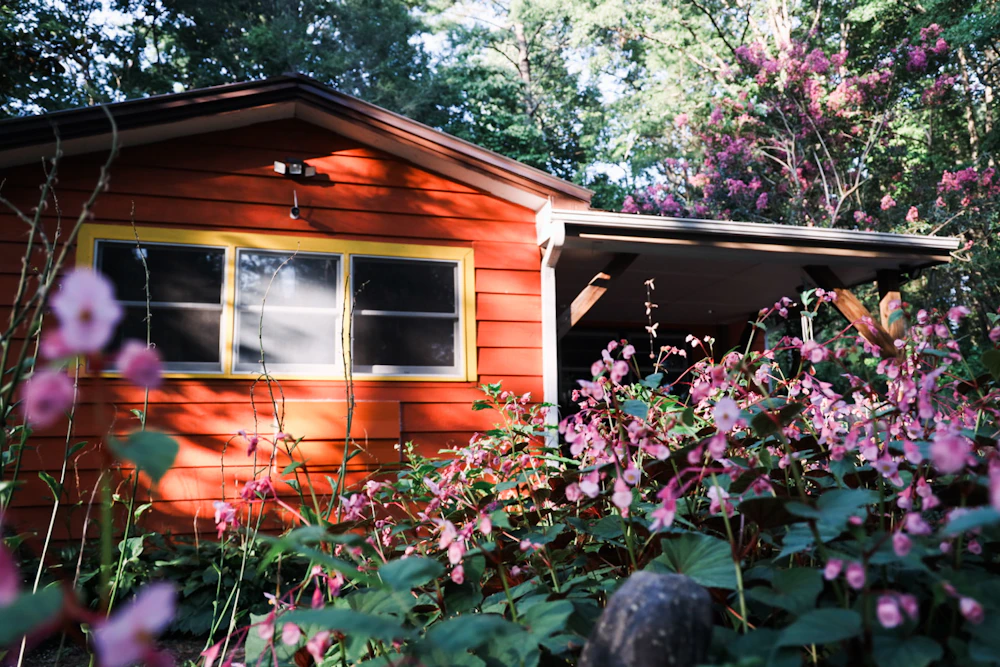
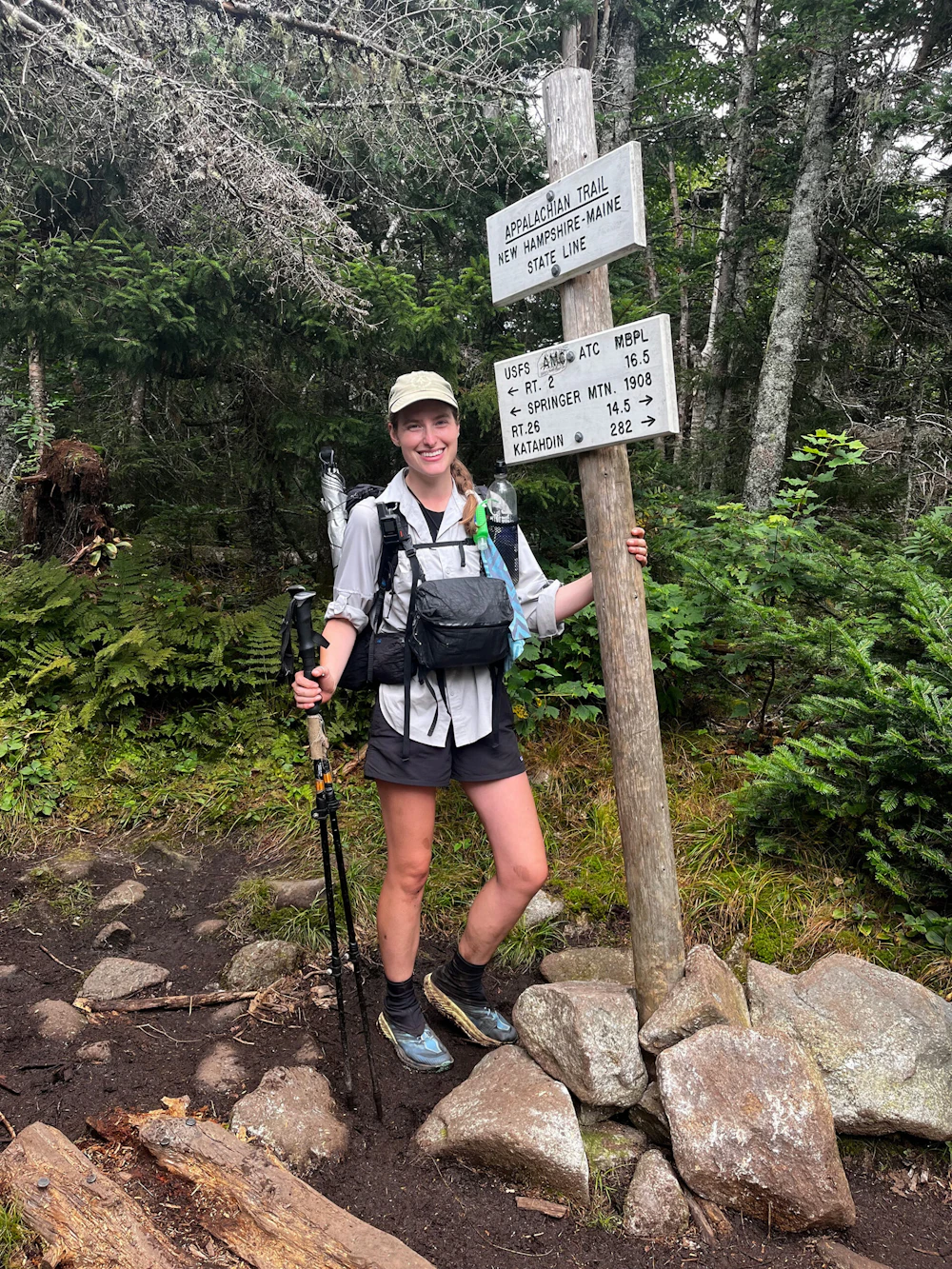
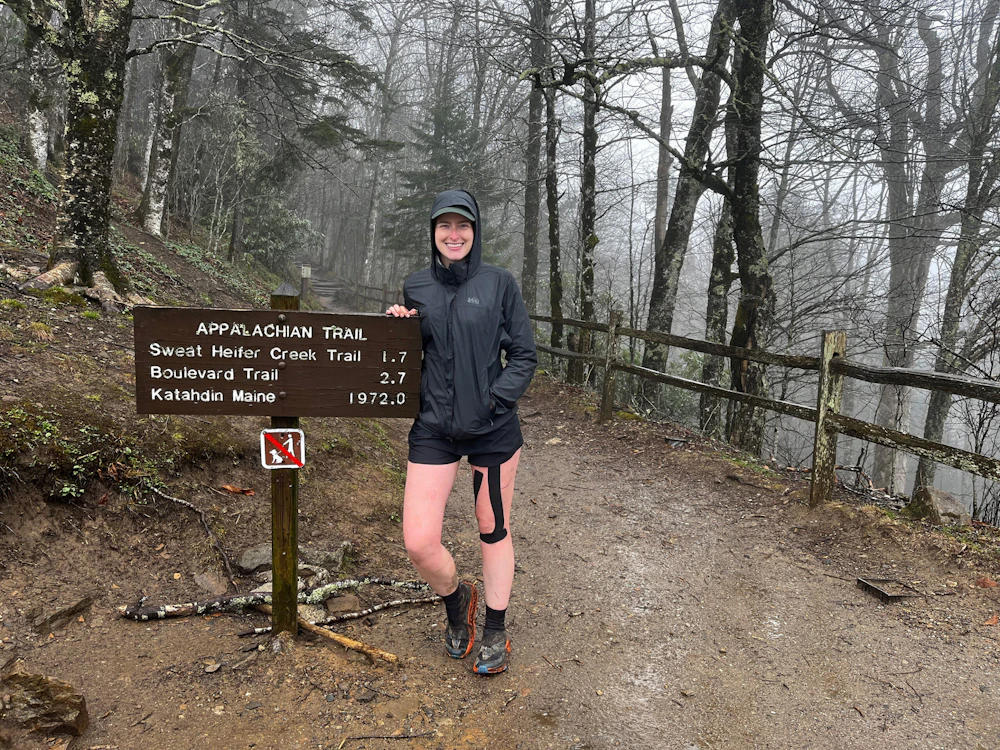
My husband and I had re-opened the hostel after its previous owner passed away. Our journey to this way of life, like our relationship, was a whirlwind: a trailhead meet-cute, followed by months of no contact as I thru-hiked the Appalachian Trail and he hiked the Pacific Crest Trail.
We found each other again when we both happened to move to Asheville. Six months into dating, we saw the property listing, signed a deed, and moved over an hour west, mere minutes from the trail that had brought us together.
During our first season, the basement that housed our bunk beds was filled with SOBOs: southbound thru-hikers of the Appalachian Trail. It was also filled with celebration, as hikers marked the start of the last hundred of a 2,200-mile journey.
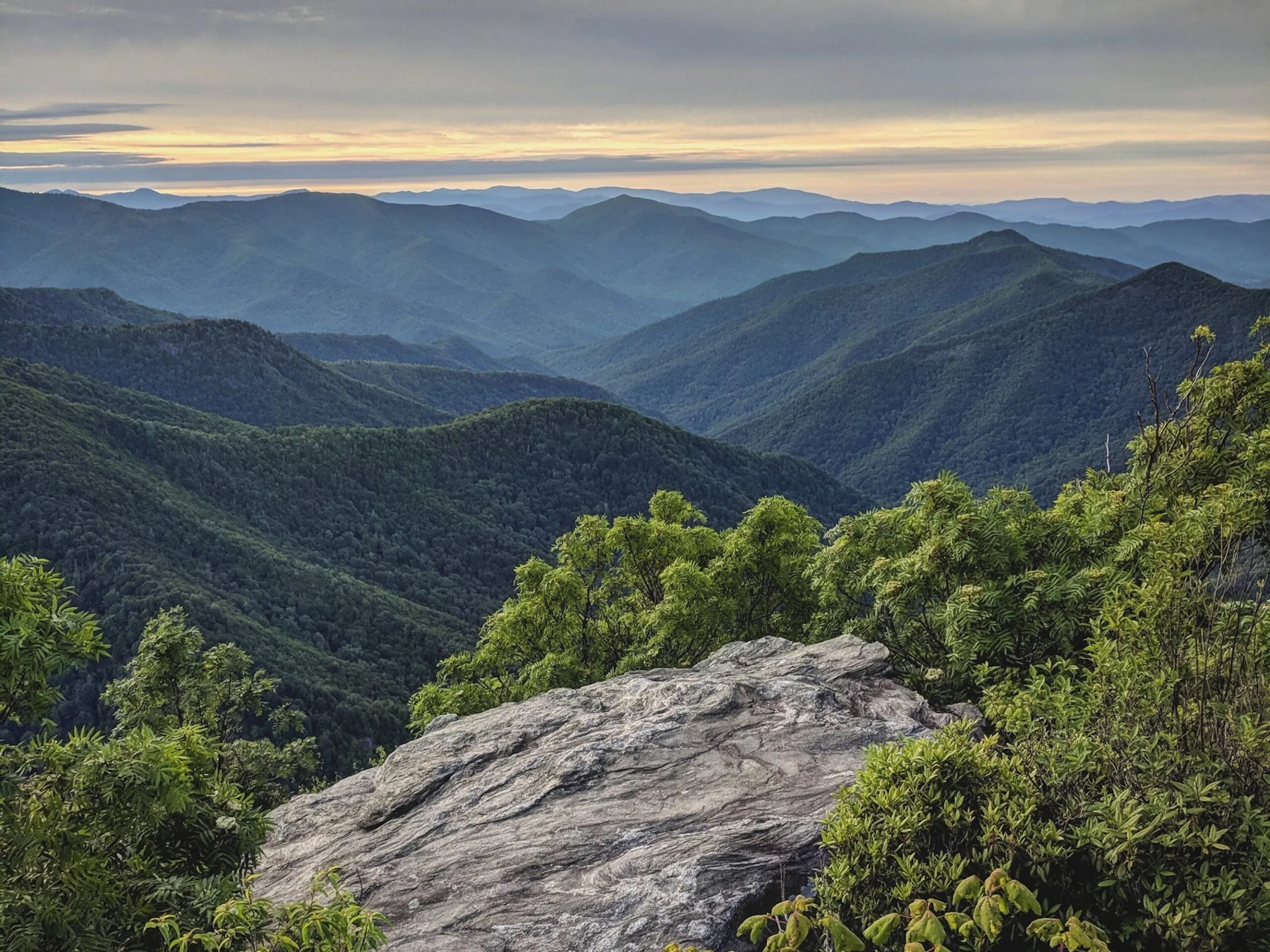
But in September 2024, at the start of the SOBO season, Hurricane Helene ripped through the mountains, shredding that beloved ribbon of dirt and flooding storied trail towns like Hot Springs, Erwin, and Damascus beyond recognition. Many of the hostels north of us flooded and were unable to take in hikers, even if they were still coming.
A bridge over the Nolichucky River, where the trail crossed, had been torn in two. The other miles that wound through northern North Carolina, eastern Tennessee, and southern Virginia were forever changed: obliterated by landslides and made impassable by tangled webs of fallen trees.
"Rumors of thru-hikers passing through other regions spread between hostels along the trail, a trickling of financial lifeblood.”
In Helene’s wake, we’d only seen three SOBOs of our usual 100-plus. They hunkered down in our trail town as the storm passed over. The others? Rumors of their passage through other regions spread between hostels along the trail, a trickling of financial lifeblood.
Some thru-hikers were hacking their way south through the Smokies; others were still in Virginia and planning to hitch rides around the trail closures. But many more had simply given up, a scant few hundred miles from the trail’s terminus, and gone home.
The impact on our scrappy, hiker economy were felt by all: the hostel owners and shuttle drivers, but also the local restaurants and outfitters of our small trail towns. While the lion’s share of our yearly income comes from the northbound crowd, the SOBOs help us stretch through the off-season in between.
Our trail town was largely unscathed from Helene’s wrath, but communities to the north and east of us were not so lucky, and the damage was unlike anything I had seen before.
Even the 2016 thousand-year flood in my hometown couldn’t compare. In Louisiana, the creeks rise, the bayous back up, and the water flows through homes, unearthing graves and lingering for days before slowly receding, as if into a backed-up drain. Once the water abated, it left a faint, muddy impression stamped on tree trunks, two feet above our heads.
But here—where more than two feet of rain fell on the Appalachians’ highest point, Mount Mitchell, then roared with terminal velocity into nearby mountain towns—the water left as quickly as it arrived. Pigeon River overflowed and howled through the community, a wave clearing everything in its path.
A week after Helene, as we drove to the nearby town of Canton to bring a friend some supplies, I saw disemboweled homes now leaning on ruined foundations, strung with caution tape. The same impression of water I saw in Louisiana marked the few trees and telephone poles and buildings left standing—but it wasn’t all that remained.
Above our heads, in the days immediately following the hurricane, first responders found bodies strewn in a vast web of unearthed roots. They found homes and shipping containers above mudslides and loose boulders; structures that had been lifted and borne upon the current, tossed like playing dice.
After the hurricane, a wave of speculation arrived. When will the Appalachian Trail reopen?
Well-meaning hikers flocked to social media with their questions: were sections open, were the roads clear, were there services available? The locals clapped back: The trail is the last thing on our radar right now. Stay home.
"We will eventually rebuild our homes, the trail, and the community surrounding it. But when will the hikers—and our livelihoods—return?”
Hostels, shuttle drivers, and other trail providers depend on northbound hikers each spring to provide the majority of their yearly income. We will eventually rebuild our homes, the trail, and the community surrounding it. But when will the hikers—and our livelihoods—return? And what is next for us, in this strange new reality, when hurricanes can appear, deep in the mountains, hundreds of miles from the coast?
Once the hiker waved goodbye and rumbled down the driveway, I walked outside again to the rhododendron. I reached out and touched the tips of my fingers to its thin petals and fought a sudden urge to twist the buds away from the branches. Maybe if I prune the flowers, it’ll bloom again, I thought, trying to reason with myself. In spring, when it should.
But I let them be. We would both have to face our new, uncertain world.
Visit the Pisgah and Nantahala National Forests, where U.S. Forest Service workers have been hard at work clearing and opening trails, but check fs.usda.gov for the latest updates before you go. To help with the forests’ recovery, check out the Southern National Forest Recovery Fund at nationalforests.org/southernforestsrecovery.
About the Author
Mary Leavines is a writer, photographer, and long-distance hiker working on her first memoir. You can find her essays, trail journals, and more at maryleavines.com.
Want to receive a physical copy of Light & Seed® in your mailbox? Become an annual donor of $25 or more to start receiving your copy twice a year.
Our Forests Need Us Today.
Your donation powers critical, on-the-ground conservation—from wildfire recovery to watershed restoration—protecting forests for the future.