Garlic Mustard Early Detection and Eradication Project
Protecting Southern California's forests from invasive species


A small plant can have an outsized impact. The Garlic Mustard Early Detection and Eradication Project is helping stop one of the nation’s most aggressive invasive plants before it can spread across California’s forests and waterways. Through early detection, rapid response, and strong partnerships, this work is protecting native ecosystems, wildlife habitat, and healthy watersheds for the future.
Where Native Plants Thrive, Forests Flourish
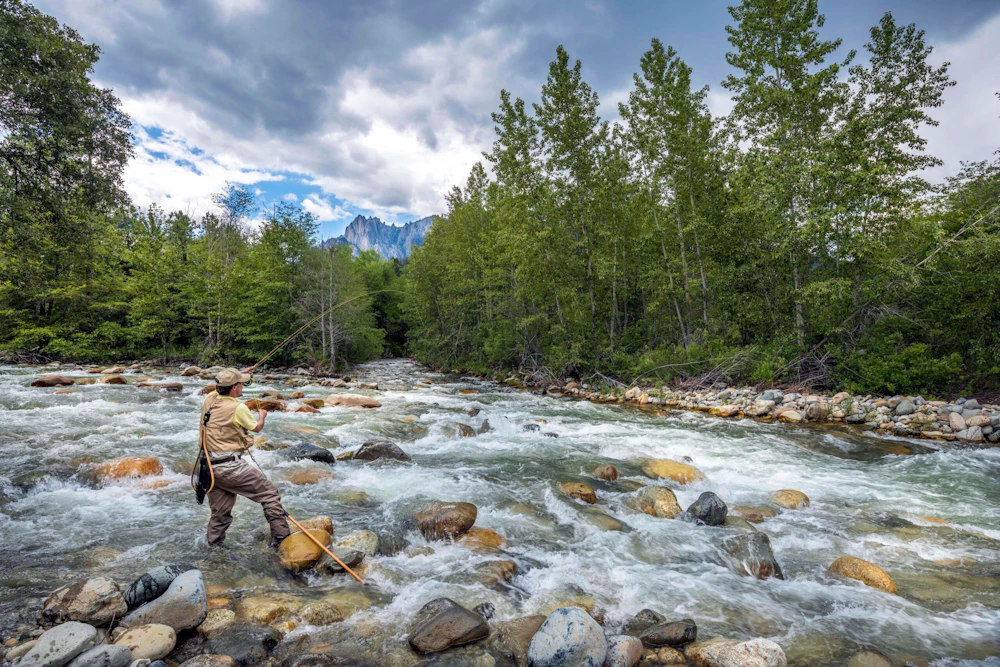
Healthy stream corridors support clean water, wildlife habitat, and resilient forests. Garlic mustard threatens these systems by outcompeting native vegetation that stabilizes streambanks and provides food and habitat for local species.
First detected in California in 2020, the invasive plant now threatens sensitive riparian habitats in the San Bernardino and Shasta-Trinity National Forests.
One challenge with garlic mustard is that seeds can remain viable in the soil for more than ten years. Waterways are interconnected; without sustained treatment, small infestations can quickly spread downstream, impacting an entire watershed and creating long-term ecological challenges that are much more difficult to manage.
By acting early, the National Forest Foundation and its partners have an opportunity to eradicate garlic mustard before it becomes established across California.
Key Project Outcomes
- Detect and remove new garlic mustard populations
- Protect native plants and wildlife habitat
- Reduce the risk of spread through connected waterways
- Preserve healthy riparian ecosystems
- Strengthen long-term forest resilience through early intervention
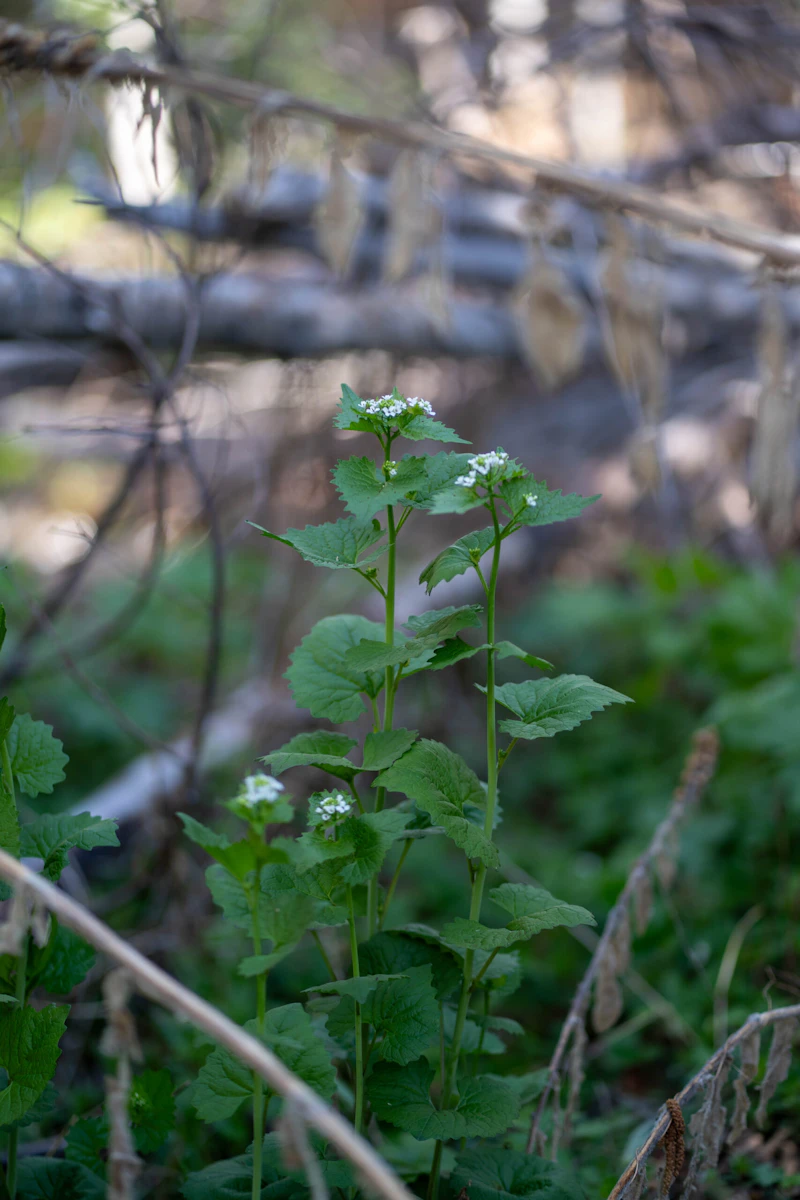
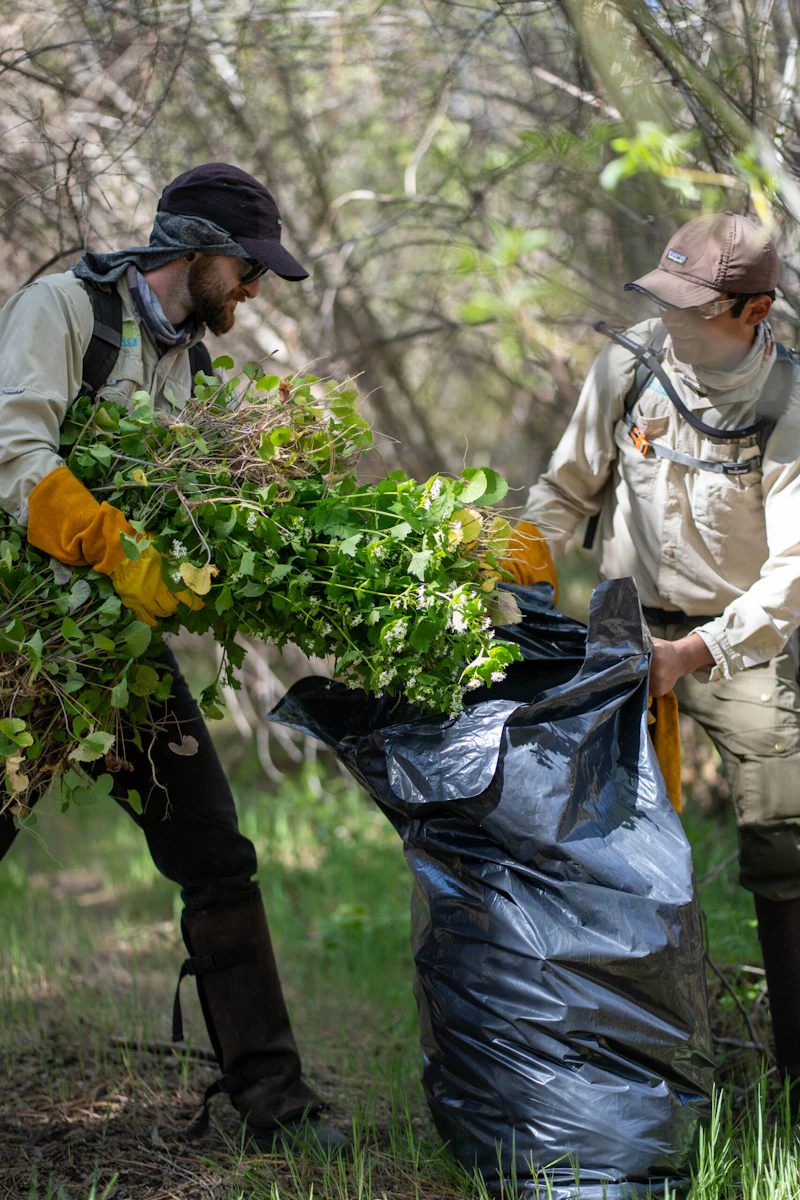
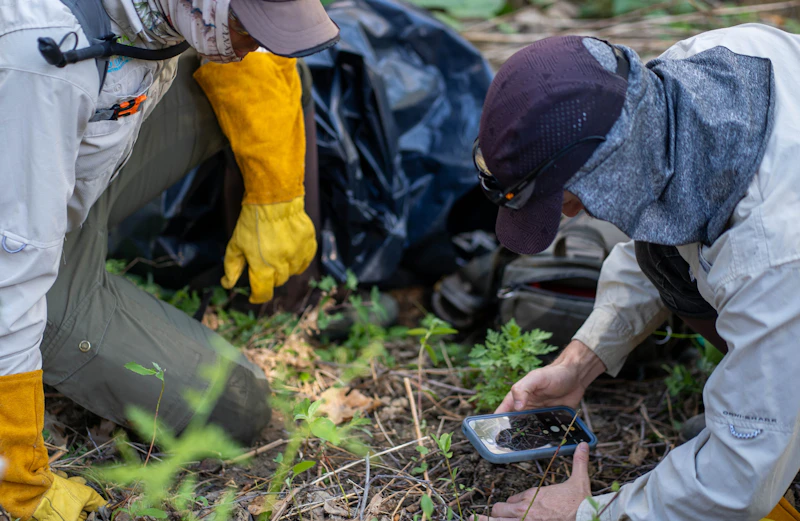 Crews remove Garlic Mustard along Deep Creek in the San Bernardino National Forest. Photo by Aaron Echols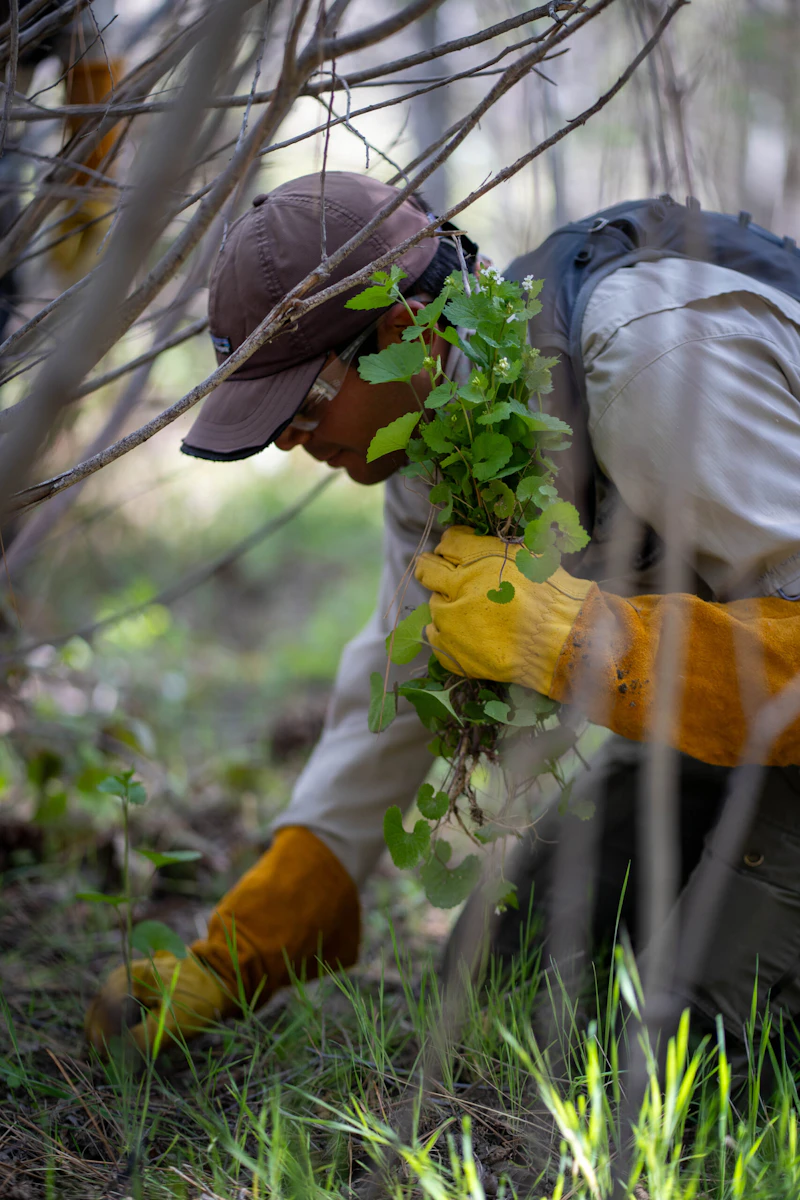
Early Action Makes the Difference
Garlic mustard was first discovered in California along Hook Creek by California Botanic Garden within the Deep Creek Wild and Scenic River in the San Bernardino National Forest. Deep Creek is one of many tributaries of the Mojave River Watershed and these interconnected waterways create opportunities for the plant to spread impacting a critical source of groundwater and recreation opportunities for High Desert communities.
Because the infestation was identified early, land managers were able to launch an Early Detection Rapid Response which included a 6,500 acre survey and removal of garlic mustard along approximately 2.5 miles of Hook Creek. While this is a small footprint, early action prevents a much larger impact on these important ecosystems.
Concurrent efforts have been launched in the Shasta-Trinity National Forest along 2.95 miles of Rush Creek through both private and Forest Service lands.
Garlic mustard grows on both National Forest and adjacent private lands, treating the infestation requires coordinated action across property boundaries. Continued monitoring and follow-up treatments over the coming decade will be essential to achieving long-term eradication.
Stopping invasive species takes more than one organization. The National Forest Foundation works alongside the U.S. Forest Service, Inland Empire Resource Conservation District, University of California Agriculture and Natural Resources, Cal-IPC, The Watershed Research and Training Center, and Trinity Weed Management Area to survey, treat, and monitor garlic mustard across California.
By combining funding, technical expertise, and field capacity, these partnerships make it possible to respond quickly when new invasive species are discovered—protecting California’s forests before small problems become much larger ones.
Our Forests Need Us Today.
Your donation powers critical, on-the-ground conservation—from wildfire recovery to watershed restoration—protecting forests for the future.