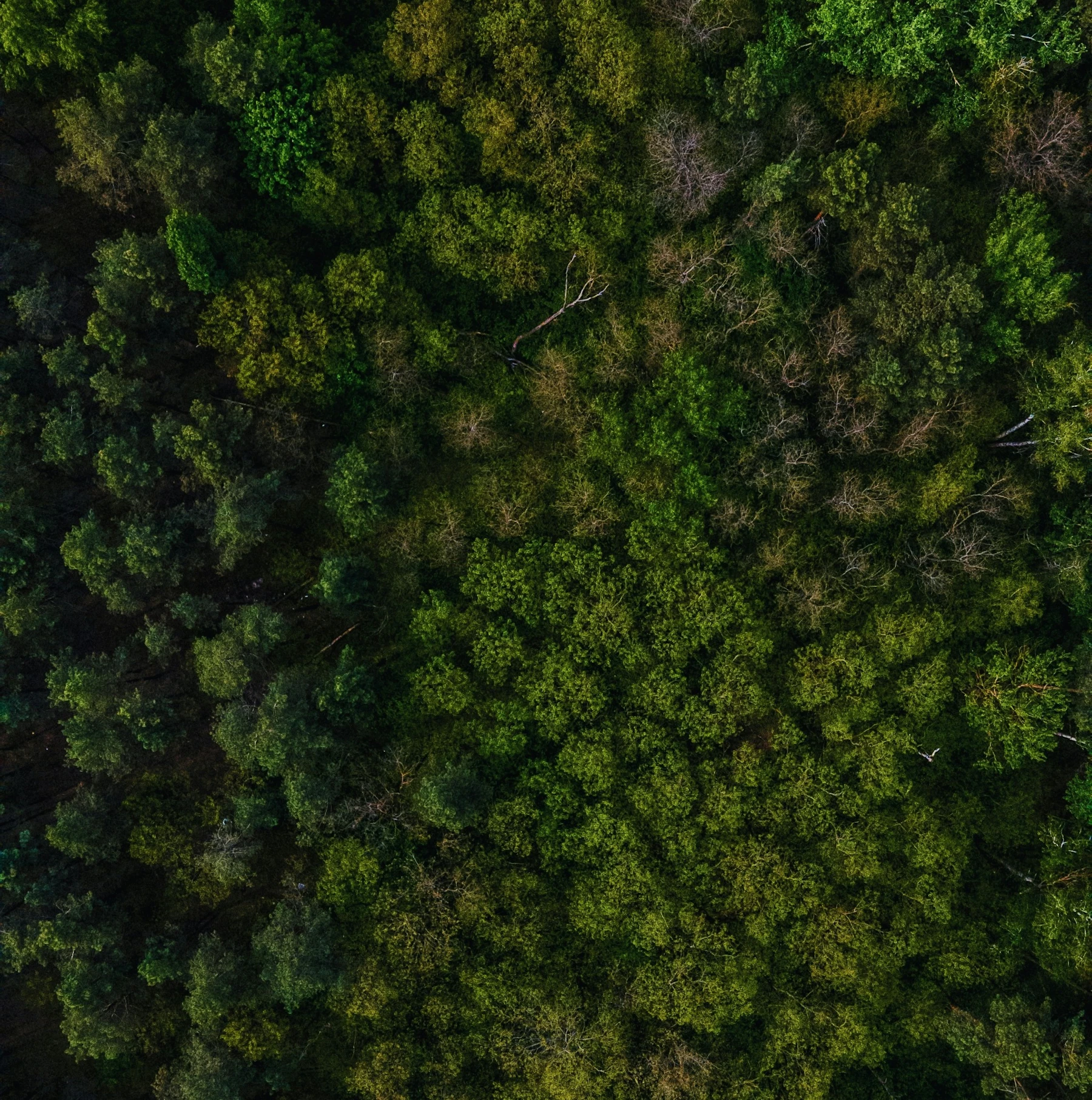
North Big Bear Landscape Restoration Project
Restoring forest health and reducing wildfire risk in the San Bernardino National Forest
A Healthier Forest Starts Here
The North Big Bear Landscape Restoration Project is working across 13,000 acres of National Forest land to restore forest health, reduce wildfire risk, and protect critical habitat in the San Bernardino Mountains.
These forests support wildlife, safeguard critical water supplies, and provide year-round recreation to thousands of visitors. But decades of fire suppression, drought, and climate stress have left them dense, dry, and increasingly vulnerable to severe wildfire.
This project takes a proactive approach to the many challenges facing the area. By improving forest structure and strengthening the landscape, it can better withstand future stress.
Key Project Outcomes:
- Lower wildfire intensity and risk
- Healthier, more resilient forest conditions
- Improved watershed function
- Protected wildlife habitat
- Improved community safety
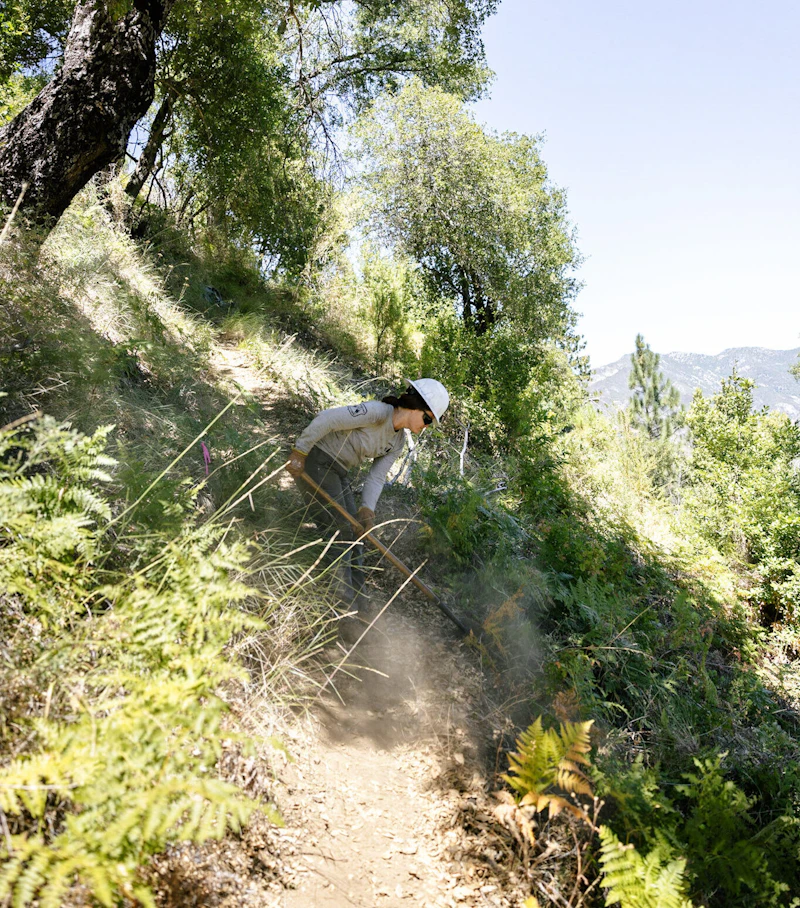
Today’s forests in the Big Bear Lake area are overcrowded with small trees and built-up fuels, creating conditions for fast-moving, high-severity wildfire.
“Without action, these landscapes face increasing risk of widespread tree loss and long-term ecological change.”
Brian RobeySouthern California Program Manager
Building Resilience on the Ground
Restoration efforts focus on thinning overly dense tree stands and reducing surface fuels to create a more balanced, fire-resilient forest.
Treatments prioritize:
- Retaining large, fire-resistant trees
- Removing dense understory growth
- This work helps reduce wildfire intensity, supports safer fire response, and aligns with broader restoration efforts across the region.
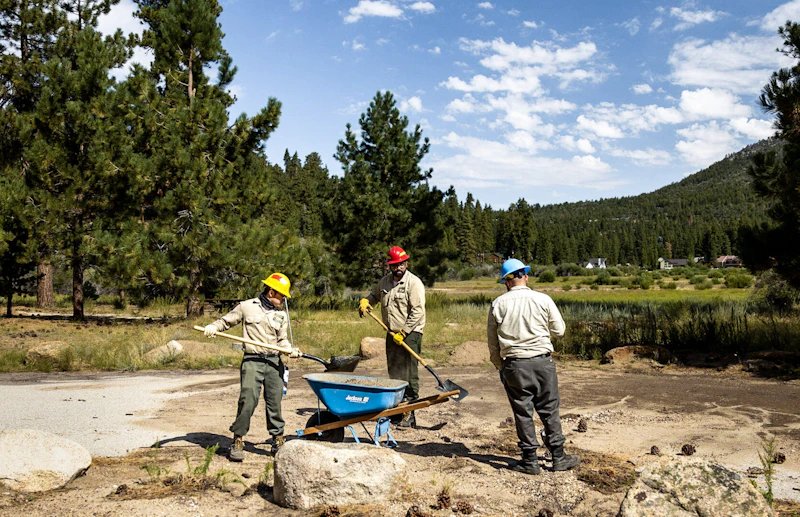
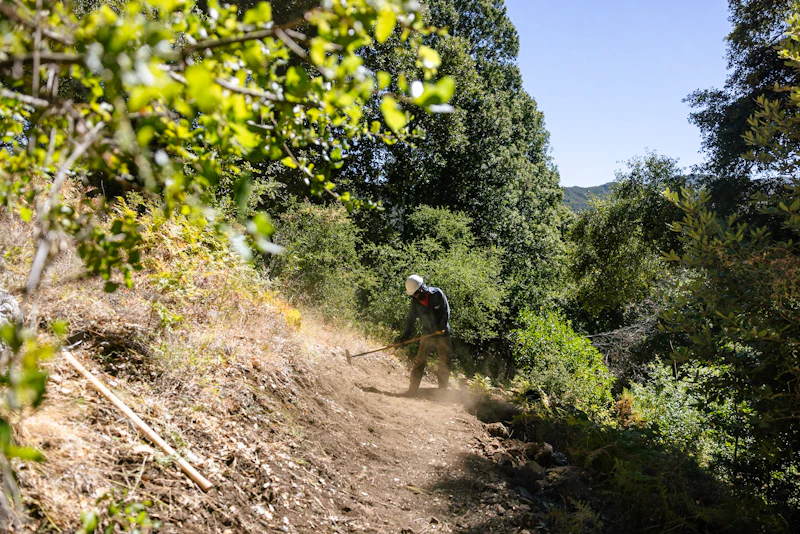 Photo by Sabrina Claros
 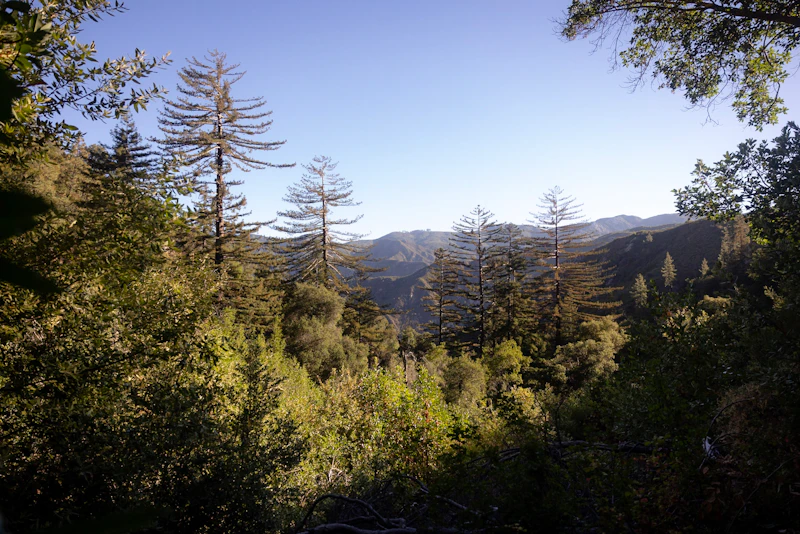 Photo by Sabrina Claros
 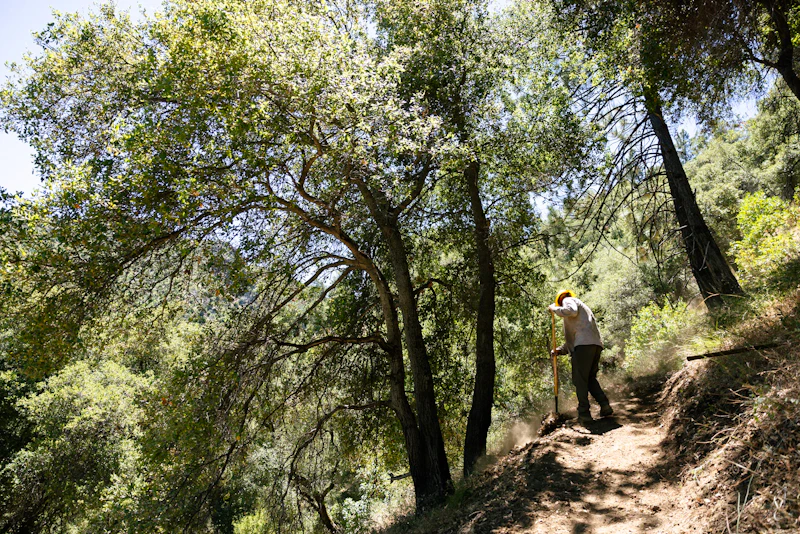 Photo by Sabrina Claros
 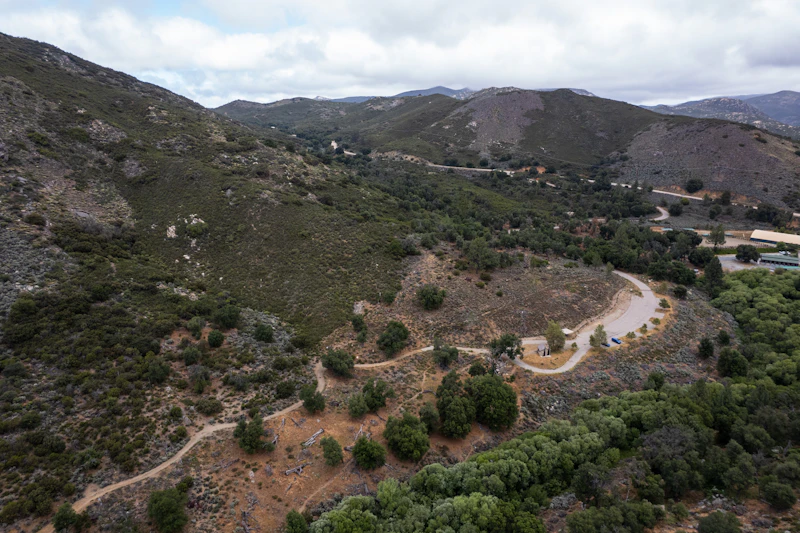 Photo by Condor Visual Media
 Protecting Water and Wildlife
Healthier forests also mean stronger watersheds. Reducing tree density helps stabilize soils, protect water quality, and improve resilience to post-fire erosion.
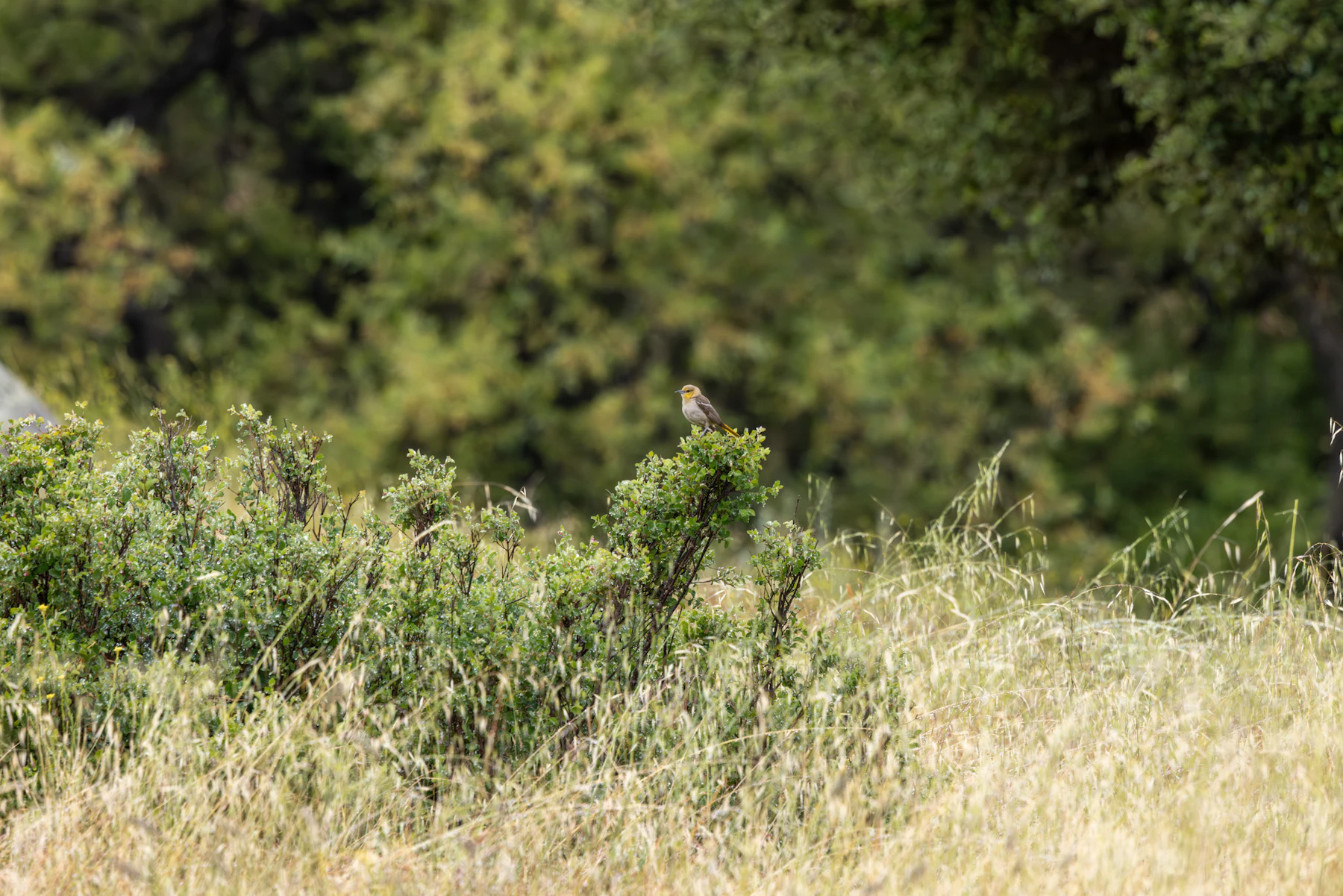
The project supports important habitat for species such as California Spotted Owl, Bald Eagle, and Southwestern Willow Flycatcher. By maintaining large trees, enhancing structural diversity, and protecting meadows and riparian areas, the project helps sustain biodiversity across the landscape.

This effort is driven by collaboration. The National Forest Foundation is working with regional partners to bring technical expertise, local knowledge, and community engagement to the project.
Together, these partnerships help build a more resilient future for the Big Bear landscape.
Our Forests Need Us Today.
Your donation powers critical, on-the-ground conservation—from wildfire recovery to watershed restoration—protecting forests for the future.