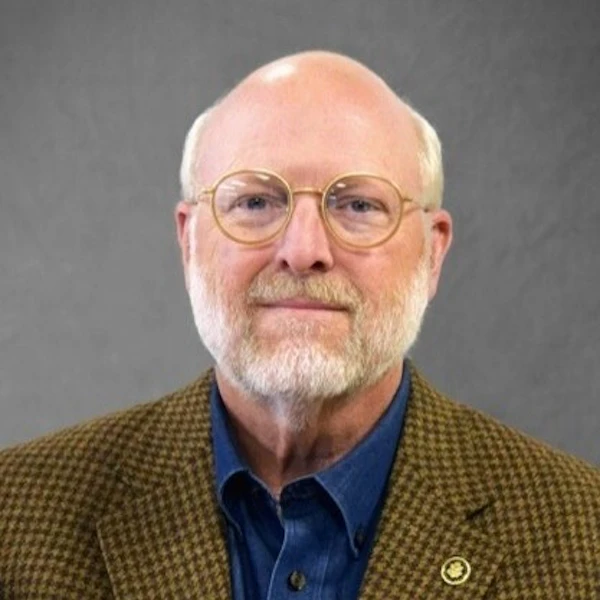
James Lamar Cummins, Jr.
Board MemberJames, a native of Greenville, Mississippi, is a graduate of Greenville High School. He received his B.S. degree from Mississippi State University, his M.S. degree from Virginia Tech, and is a certified fisheries and wildlife biologist. He is currently the Executive Director of Wildlife Mississippi. He conceptualized legislation for the Wildlife Habitat Incentives Program, Healthy Forests Reserve Program, Emergency Forest Restoration Program, and the Endangered Species Recovery Program. He formerly worked in the U.S. Senate for Senator Thad Cochran. He is the Immediate Past-President of the Boone and Crockett Club, North America’s oldest conservation organization. As a Regular Member of the Club, he also serves as a member of the Board of Directors, Co-Chairman of the Conservation Policy Committee, and Co-Chairman of the Strategic Planning Committee. He is Vice-Chairman of the Board of Directors of the Congressional Sportsmen’s Foundation, formerly serving as Chairman of its Federal Policy Committee. He serves on the board of the National Bobwhite and Grasslands Initiative, the Black Landowners Agricultural and Conservation Land Trust, and The Piney Woods School, the largest, private black boarding school in the nation. He is the previous Chairman of the Mississippi Institute for Forest Inventory, a former Commissioner for the Mississippi Forestry Commission, and currently serves on the Board of the Binational Softwood Lumber Council. He co-edited the books, Fish and Wildlife Management, A Handbook for Mississippi Landowners, the textbook, North American Wildlife Policy and Law, and edited the book, The Poachers Nightmare, Untold Stories of an Undercover Game Warden. He owns his family’s farm, which has been in his family continuously since 1833. He enjoys hunting big game, upland birds, fly fishing, and photographing wildlife. He is married to Martha Dalrymple of Amory and assists her with the family’s timber and cattle operations.
Return to DirectoryOur Forests Need Us Today.
Your donation powers critical, on-the-ground conservation—from wildfire recovery to watershed restoration—protecting forests for the future.