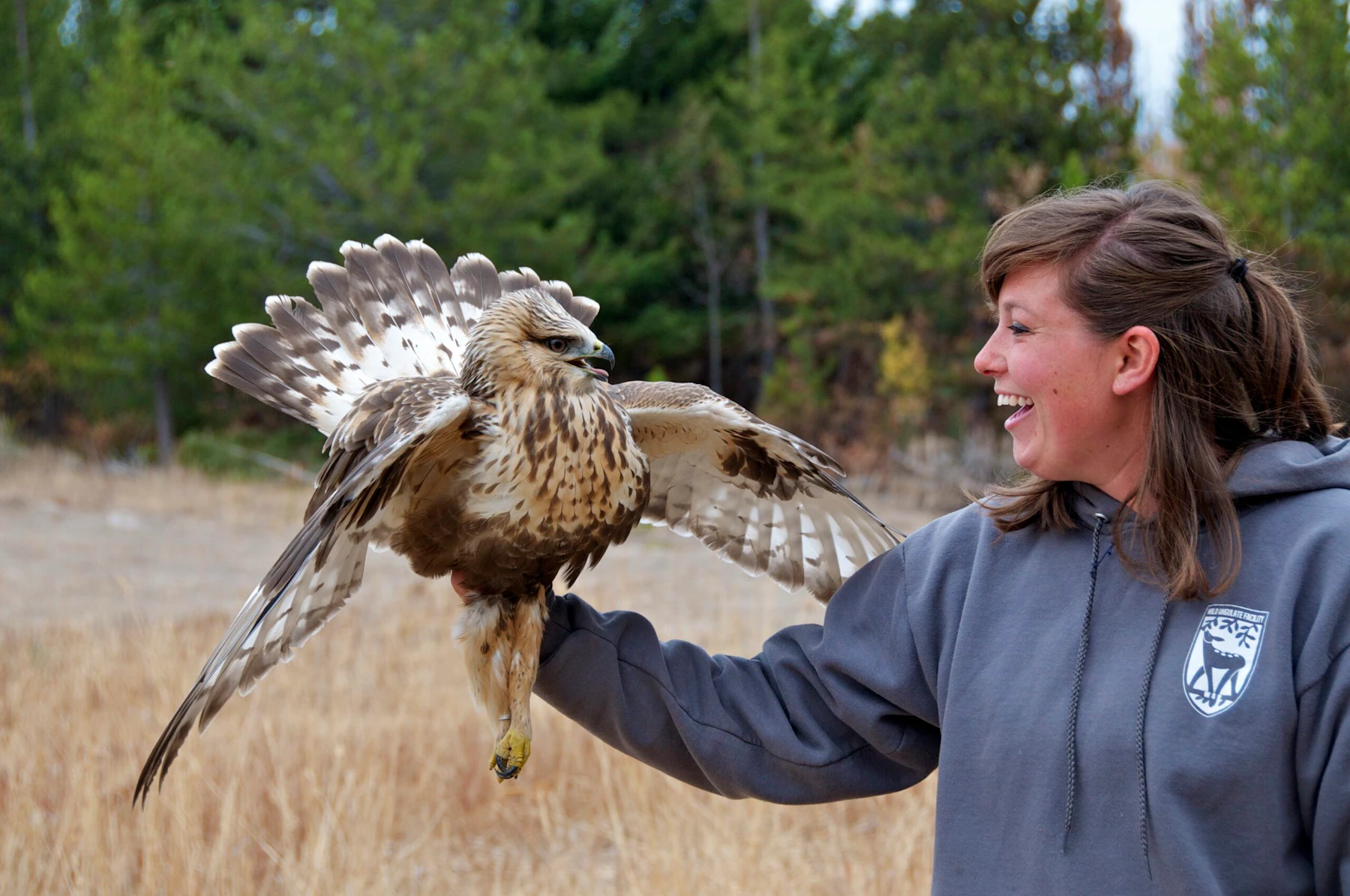
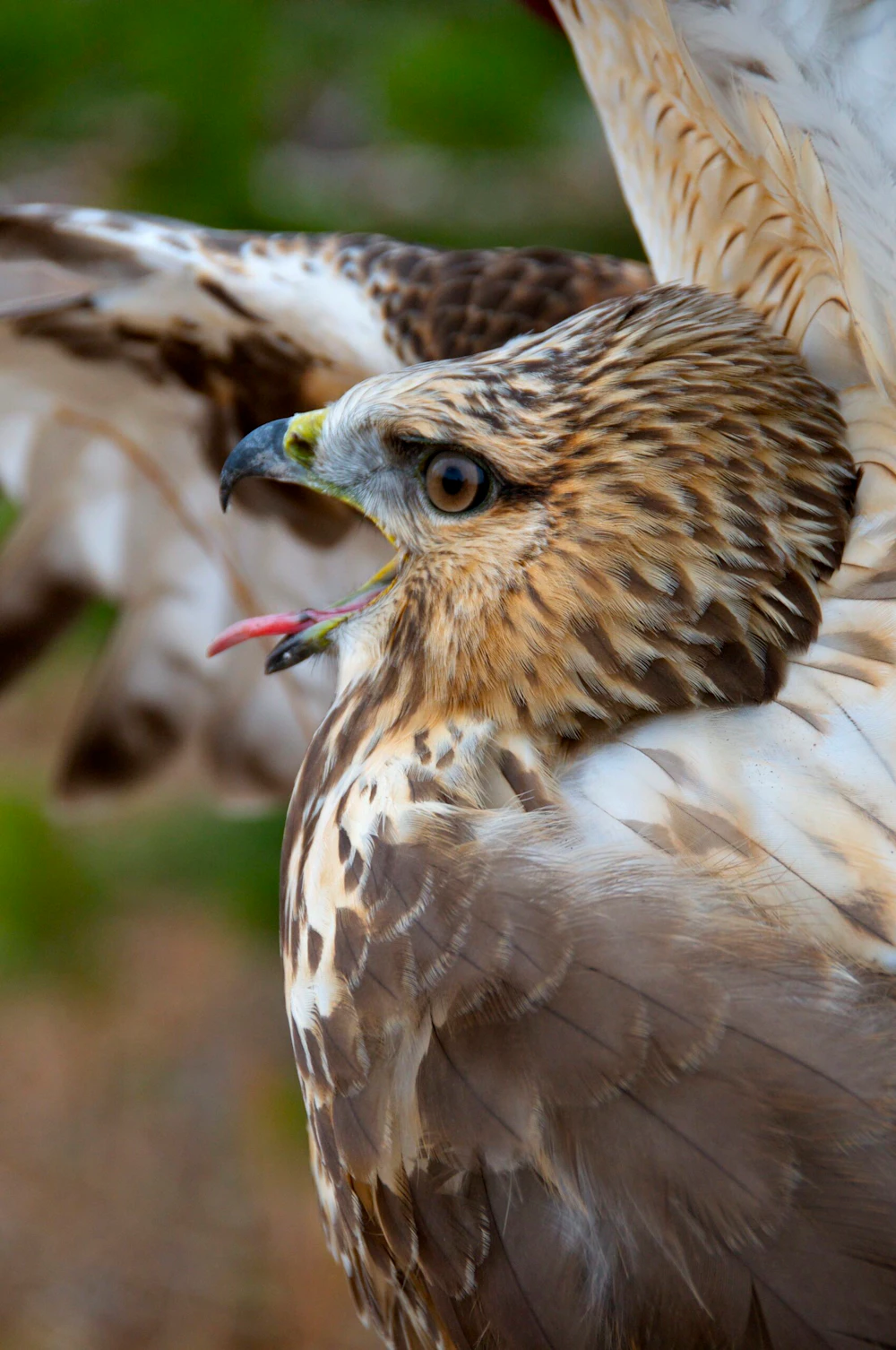
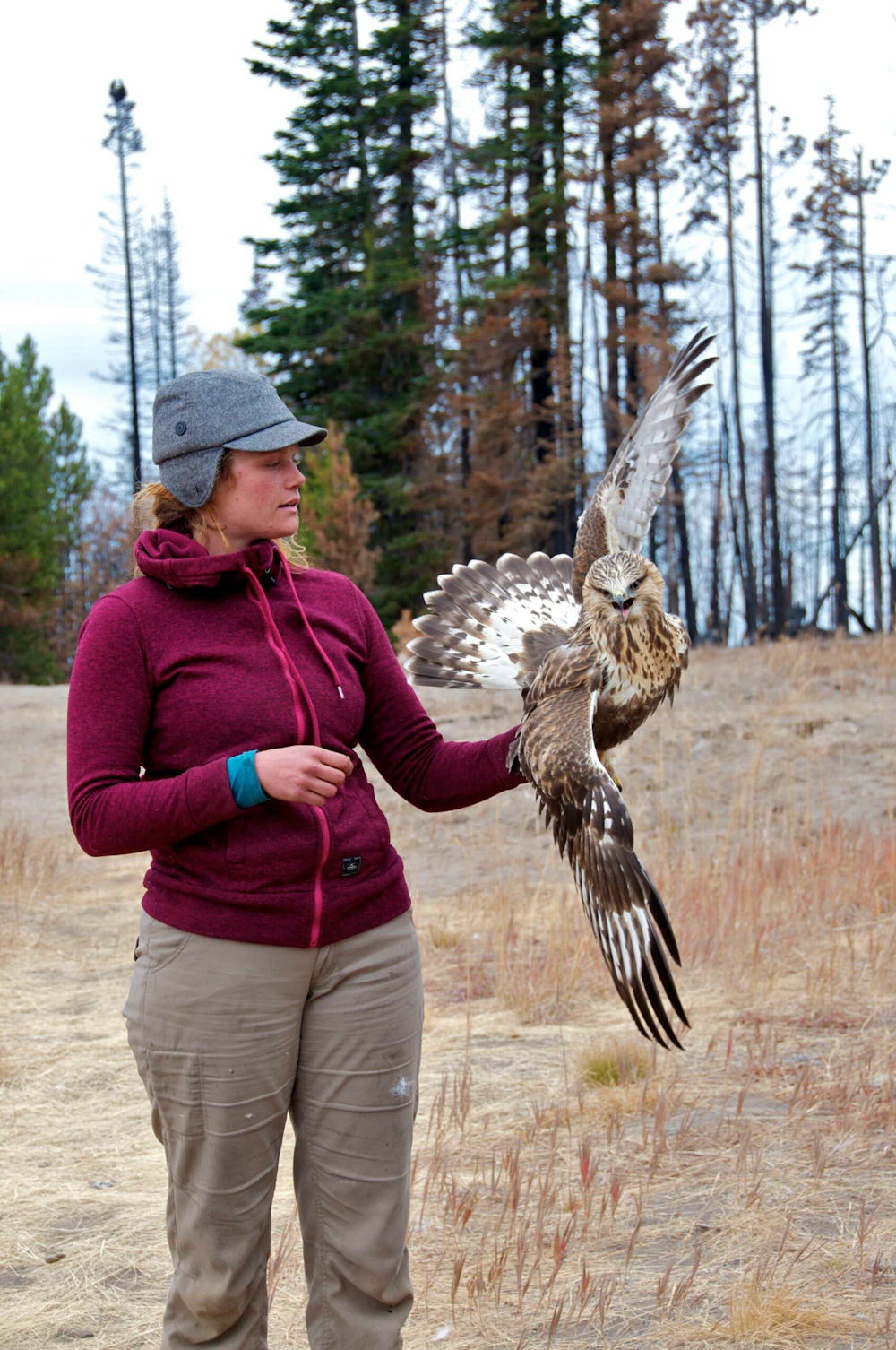
There is little more thrilling than standing on the top of a mountain cliff and watching a golden eagle soar past you, followed by sharp shinned hawks zipping by and, if you are really lucky, a rough-legged hawk hovering overhead, wearily looking for prey on its long migration from Alaska.
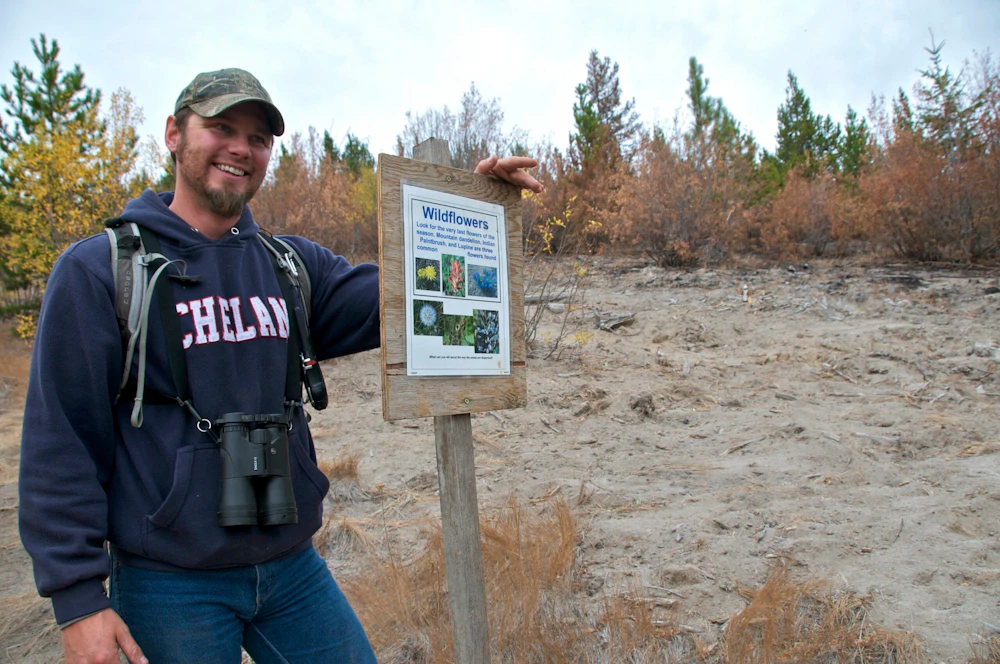
Last week, when I visited the Chelan Ridge Raptor Migration Project, that’s exactly how lucky I was.
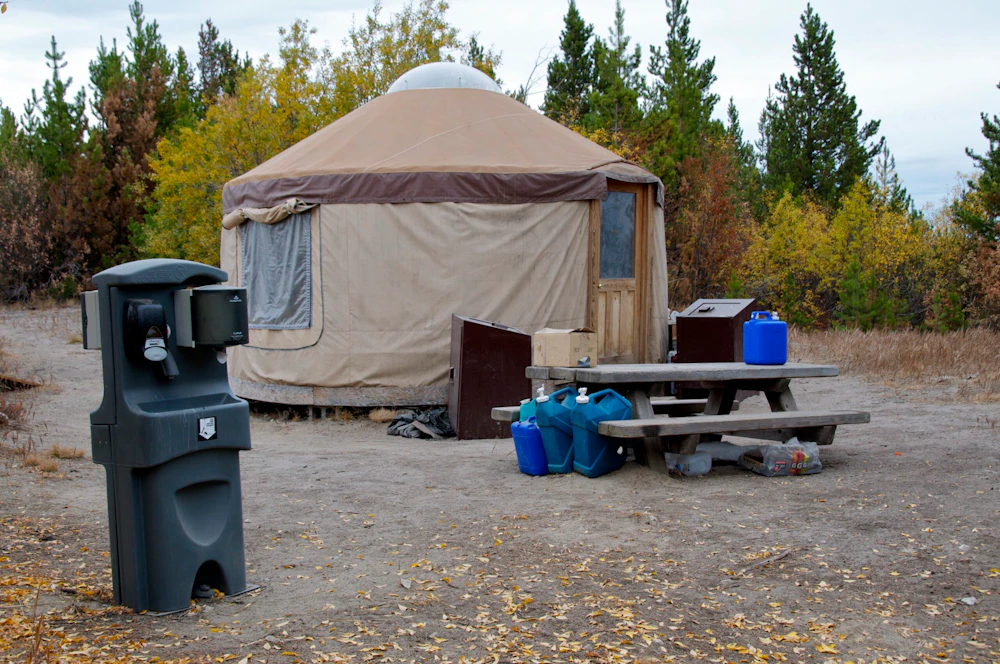
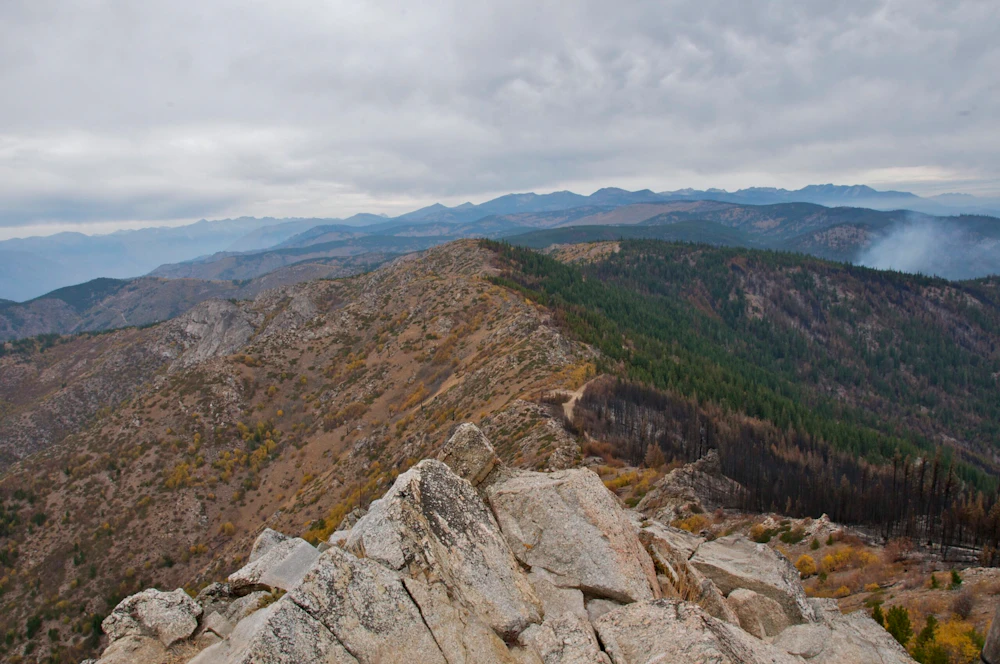
For the past 19 years, the Okanogan-Wentchee National Forest has partnered with HawkWatch International to operate this project high up in the Northern Cascades, near Cooper Mountain (5,862 feet). Chelan Ridge is located right in the Pacific Coast Flyway, a band of air that stretches from Alaska in the north all the way down to Patagonia in the south. Flanked by Lake Chelan on one side and the Methow Valley on the other, Chelan Ridge experiences strong updrafts that raptors use to be carried high in the sky with minimal effort as they travel thousands of miles on their winter migration. It is one of the best places in the Pacific Northwest to spot hawks, falcons, eagles and harriers.
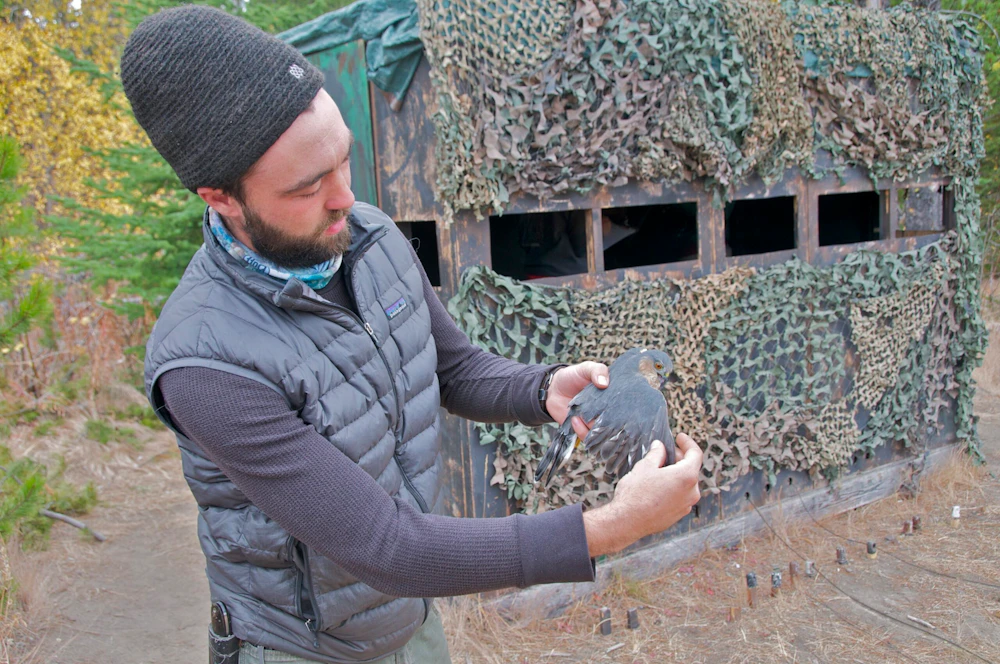
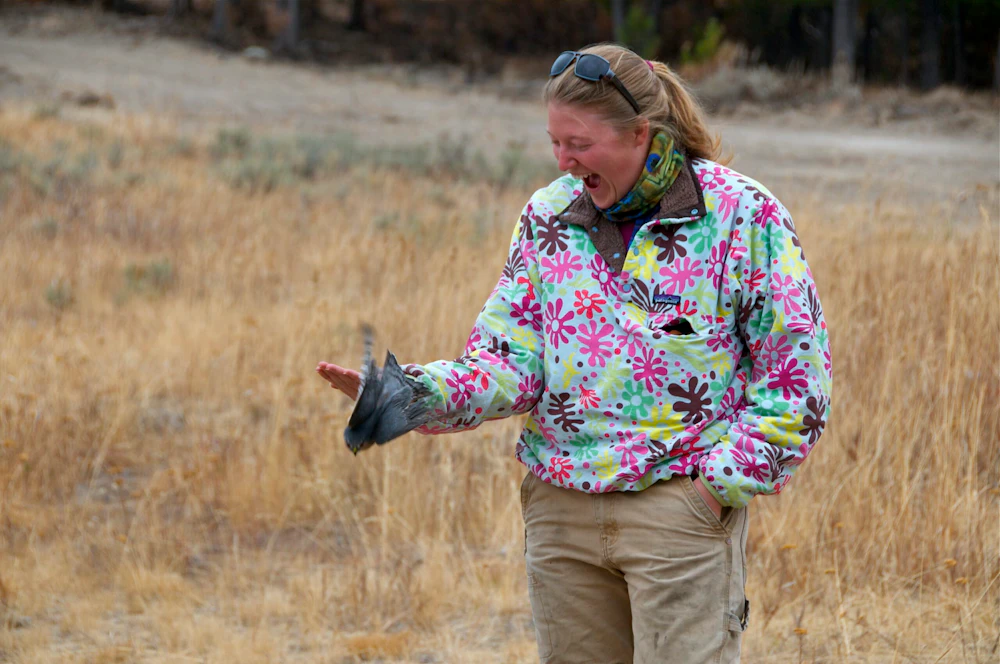
And every year, from late August to late October six volunteer wildlife biologists with a strong background in avian studies spend nine hours a day standing on the exposed cliffs, binoculars to their eyes, or hover quietly in an unheated blind. They are paid a stipend of $40 a day, barely enough to cover their food and sleep in little tents hidden from public view. It’s a 30-mile roundtrip over rough dirt roads just to the nearest grocery store. Even so, competition for these jobs is stiff. It isn’t every day, after all, that you get a chance to release a rough-legged hawk that was just caught, examined and banded.
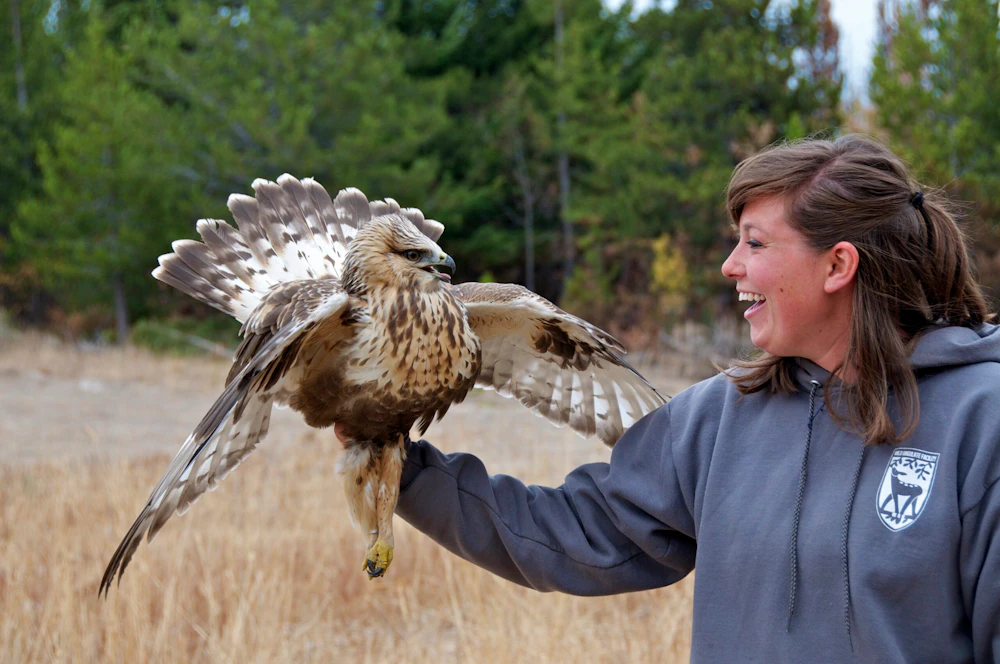
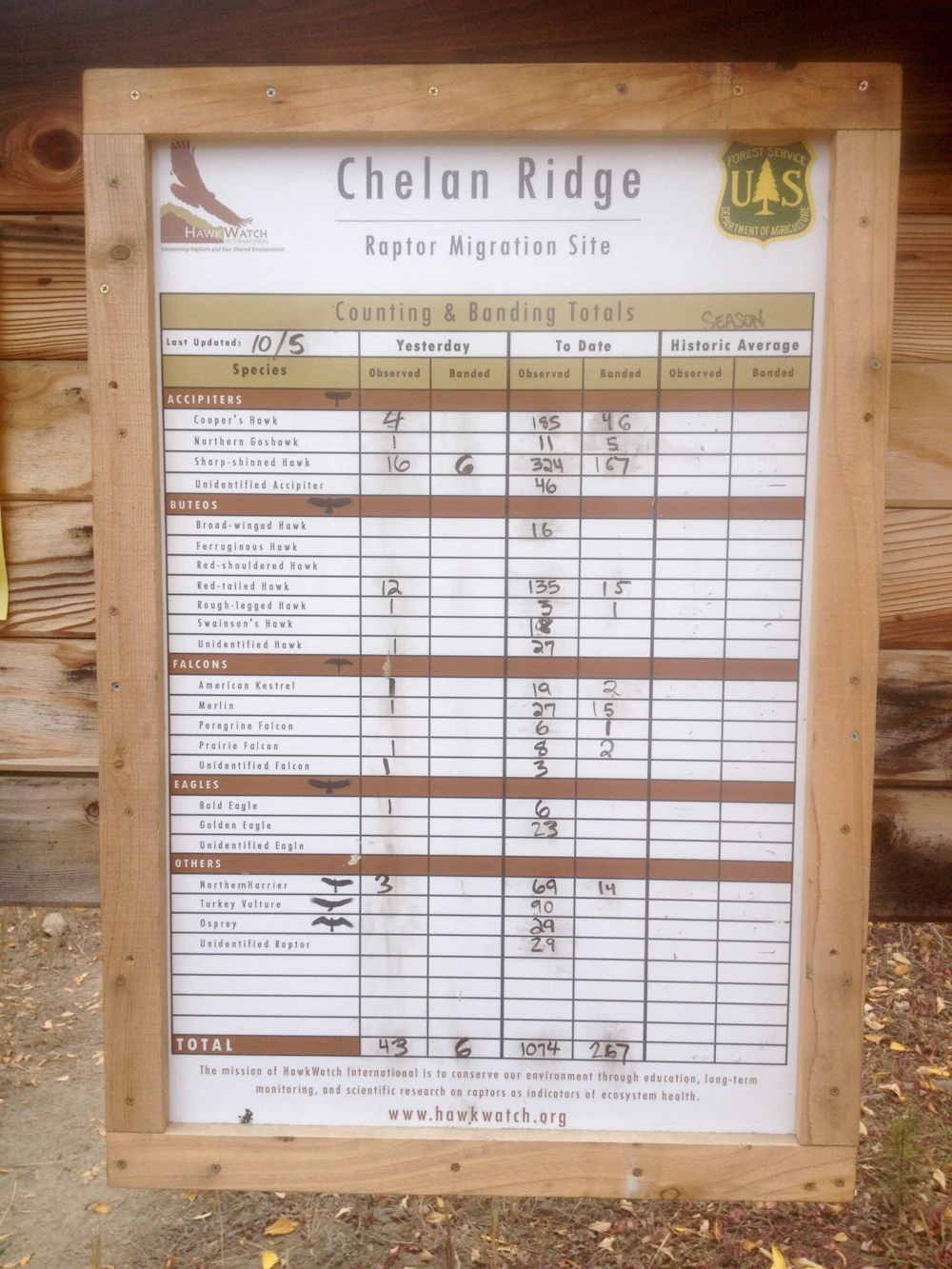
The volunteers count and identify every migrating raptor
that flies by and gather detailed statistics – including sex, weight, age, and
the existence of parasites – on birds that are trapped. Each of the captured
birds is also outfitted with a leg band. The resulting data, together with
information from HawkWatch’s eight other sites across the country, is used to
track long-term population trends and enhance understanding of the life
histories, ecology, status and conservation needs of raptor populations in
North America.
This year the record-setting fires in Washington State
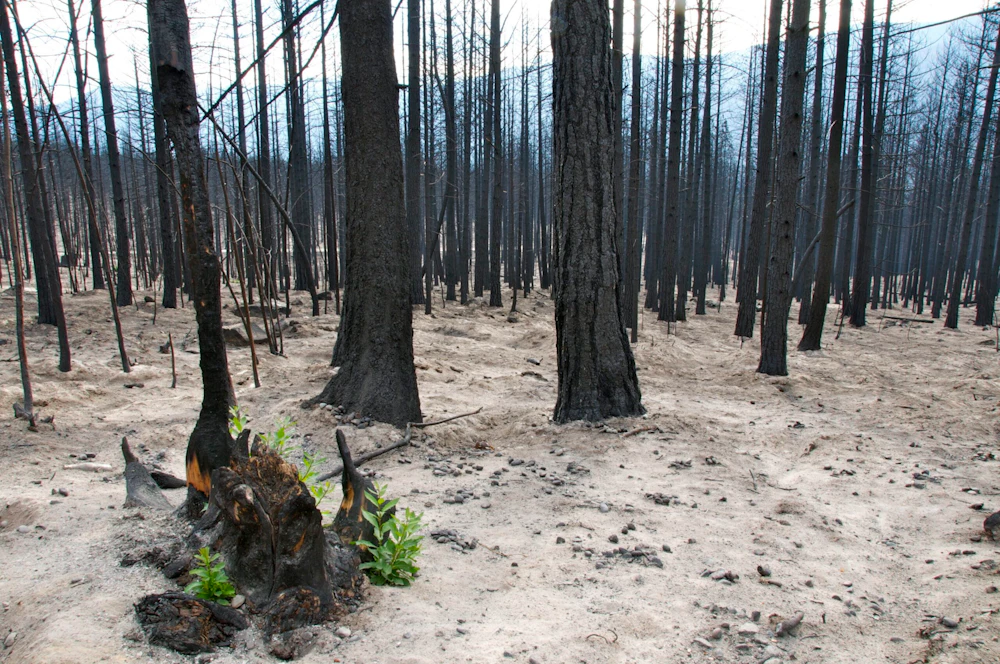
nearly prevented the long-running project from operating. The area, already
affected by last-year’s devastating fires, burned right up to the mountain
ridge in the Black Canyon fire. Safety concerns forced the volunteers to start
the raptor count unusually late; in fact, and the fire reached right up to the line
constructed by the fire crews a few feet from the observation point and blind.
Scientists are now eager to explore whether the fires
have affected the migrating raptors. They have, in any event, affected the
project staff: Jesse McCarty, the Forest Service wildlife biologist for the
Entiat and Chelan Ranger Districts who oversees the volunteers’ work, lost all
of his outbuildings to the fires. Nonetheless, he is up at Chelan Ridge at almost
every other day. McCarty, who due to tight budgets donates most of his time to
ensure the project’s success, encourages the public to come up and visit: one
of the few things he loves more than raptors is sharing his passion for them
with others.


Our Forests Need Us Today.
Your donation powers critical, on-the-ground conservation—from wildfire recovery to watershed restoration—protecting forests for the future.