If you’ve been scrolling through stunning trail photos and thinking “I should get outside more,” you’re not alone. Maybe you’ve made this promise before only to have those hiking boots collect dust. Or maybe you’ve never spent much time outdoors and don’t know where to begin.
The truth is, epic summits inspire us, but they don’t sustain us. Our aspirations get ahead of us, and it is hard to know where to start. We need gear. We need a training montage. We need to know how to read a topographic map.
We are here to give you permission to start small. You don’t need to conquer the highest peak to experience the profound joy of being in nature. A short hike through the woods in your old tennis shoes counts just as much as a 12-mile trek to a hidden waterfall.
Whether you’re totally new to trails or just need help turning good intentions into actual plans, we’ll walk you through the bare-bones basics from finding beginner-friendly trails to knowing what to toss in your bag. No expert knowledge or peak fitness required. Just a willingness to start small and see where it takes you.
Finding the Right Trail

More than seven in ten Americans live within driving distance of a National Forest or Grassland. That’s nearly 150,000 miles of trails and 5,100 campgrounds where you can experience the wonder of nature without the crowds—perfect for easing into the outdoors at your own pace.
New to National Forests? Get started by finding a forest near you.
What Makes a Trail Beginner-Friendly?
It might be tempting to take on a tough hike right away, but starting small and building gradually isn’t just safer, it’s what keeps your adventure fun and leaves you wanting more. When you are getting started, look for trails that are:
- 2-5 miles long
- Wide, well-marked, and made of hard-packed dirt or gravel
- Have less than 500 feet of elevation gain
Trail apps are a great resource for taking the guesswork out of finding beginner-friendly hikes in your area. Apps like AllTrails will show you trail difficulty ratings, distance, elevation gain, and current conditions from recent hikers so you know what to expect.
💡 Pro tip: You can call the local National Forest Ranger District Office for expert advice on area trail conditions and difficulty. Forest Service staff are happy to help, and will likely have insider tips for you on how to prepare for and make the most of your visit.
Planning Your Time
Remember that if the trail is an out-and-back (versus a loop) you’ll need to count the miles you hike back to the trailhead too. Plan on about 30 to 45 minutes per mile on relatively easy terrain. That means a 3-mile hike could be 90 minutes to over two hours once you factor in snack breaks and photo shoots.
Ready to Spend the Night?
Start with Car Camping

Once you’ve gotten comfortable on the trails, you might find yourself wanting more than just a day trip. Start with car camping at developed campgrounds, where you can literally park steps away from your tent.
What to Expect at Developed Campgrounds
Developed campgrounds offer the perfect launch pad for overnight adventures. You’ll typically find running water, community bathrooms, a picnic table, a designated parking spot, and a cleared area to pitch your tent—amenities that make a huge difference when you’re starting out.
💡 Pro tip: Before you head out, check online or call the camp host to verify whether the water at your campground is treated. If it isn’t, you’ll need to bring your own (or treat it).
Gearing Up (Without Breaking the Bank)
You don’t need to spend a lot of money packing your car, but you should be prepared to live primitively (remember there won’t be any electricity!). That means food that doesn’t need to be kept cold, utensils to eat it with, lights for after dark, etc.
REI’s Camping Checklist is a good place to start to understand what you’ll need to pack. The good thing about car camping is that you don’t need to worry about getting expensive, ultra-light gear or overpacking. If you think you’ll need it, throw it in the trunk!
💡 Pro tip: For your first couple of camping trips, borrowing or renting the most expensive items (a tent, sleeping bag, and sleeping pad) will save you money and let you figure out if camping is for you before committing to any gear.
Booking Your Campsite
Recreation.gov is your one-stop-shop for finding and reserving campsites on public lands.
Popular campgrounds, especially on weekends and holidays, can book out months in advance, but don’t let that discourage you. Many locations offer shorter booking windows (ex. seven days, two days, or even day-of) to accommodate more spontaneous visits, and some operate on a first-come, first-served basis; no reservation required.
📖 The NFF’s guide to booking unforgettable experiences on National Forests is a great place to start if you want to learn more about common booking windows, the different kinds of lodging you can reserve on forests, and tips on making reservations.
Stay Safe and Have Fun

Getting outside should be an adventure, not a misadventure. A few simple precautions will keep your outings safe and enjoyable without requiring you to become a wilderness expert.
Safety Essentials
First rule: don’t go alone, especially when you’re starting out. Hiking or camping with friends is safer and more fun. Always let someone know where you’re going and when you expect to be back. If your plans change, update them.
Before you head out, download or print maps of your trail and the surrounding area. Many trailheads have little to no cell service, so you can’t count on GPS or looking things up on your phone.
What to Pack
Keep it simple, but don’t skip the basics:
-
- Water: For a 5-mile hike, bring at least 1 to 2 liters. Hot weather or steep terrain? Bring more. It’s always better to carry extra than to run out.
- Snacks: Trail mix, energy bars, or whatever keeps your energy up
- Basic first aid kit: Bandages, wipes, antibiotics ointment, multi-tool, pain relievers
- Sun protection: Sunscreen, hat, sunglasses
- Bug spray or Bear spray: Depending on where you are, this might be necessary. Check local recommendations for your area.
Trust Your Gut
Here’s the most important safety tip: knowing your limits is the best way to stay safe. Listen to your body. Pay attention to the weather. Feeling exhausted? Trail conditions deteriorating? There is absolutely no shame in turning back.
The goal is to build a sustainable outdoor habit, and that means making choices that keep you safe, comfortable, and excited to get back out there again.
Stay Inspired All Year Long
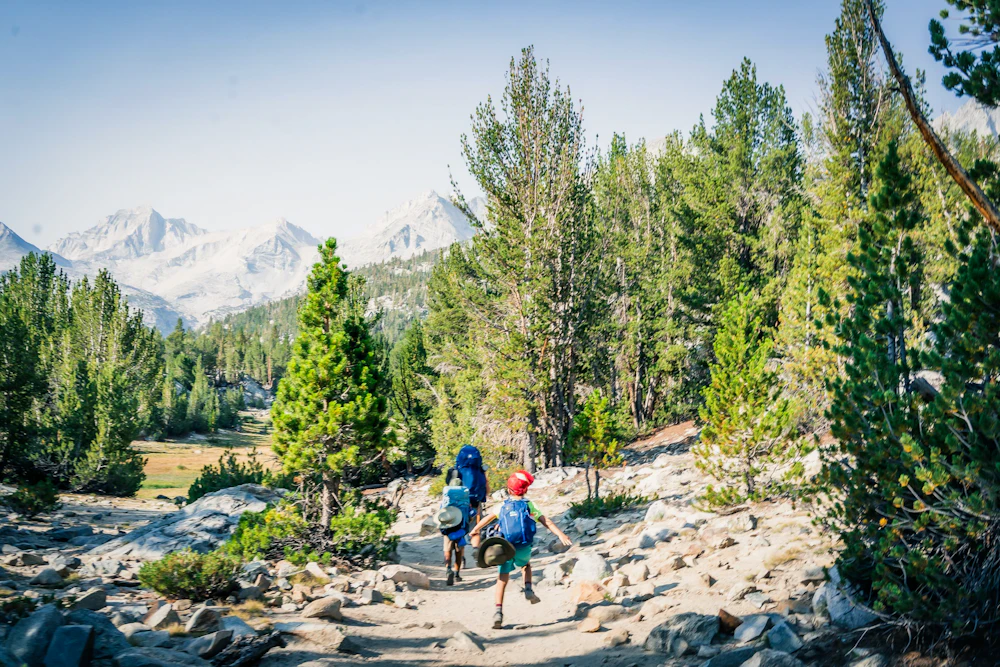
Starting your resolution to get outside more is one thing, sticking with it is another. A little ongoing inspiration can make all the difference.
Subscribe to Tree-Mail™, our monthly newsletter packed with inspiring stories about recreation and restoration in National Forests and Grasslands. You’ll discover new trails to explore and learn about the incredible work being done to protect these spaces. Consider it your monthly reminder that nature is waiting for you, and you don’t need to be an expert to enjoy it.
Subscribe to Tree-Mail™ and keep the momentum going all year long.
Cover photo of Arapaho and Roosevelt National Forests by Bonfire.

Our Forests Need Us Today.
Your donation powers critical, on-the-ground conservation—from wildfire recovery to watershed restoration—protecting forests for the future.