Black Fire Trail Restoration Project
Restoring and rebuilding trails after the 2022 Black Fire
Restoring Trails After the Black Fire
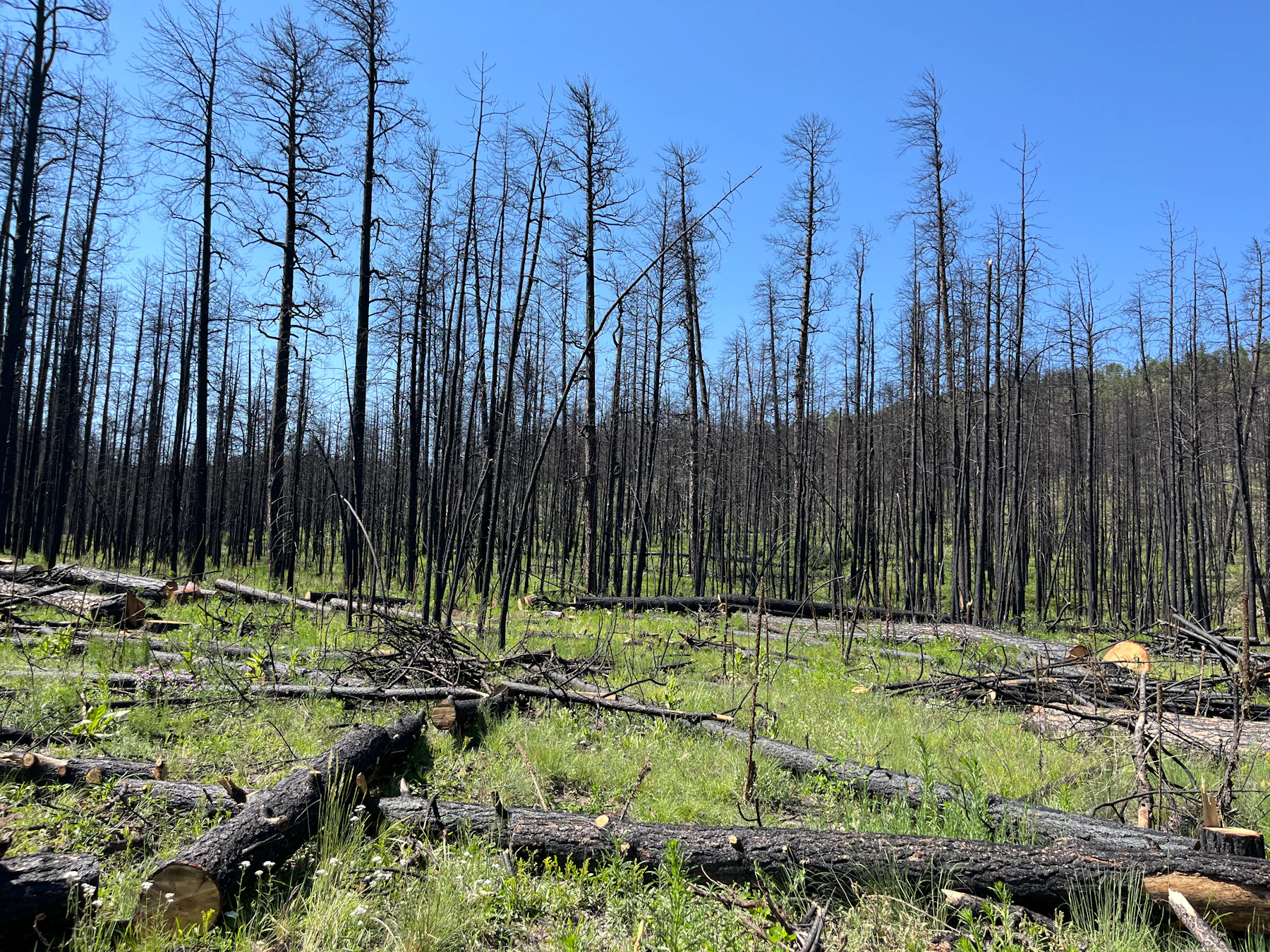
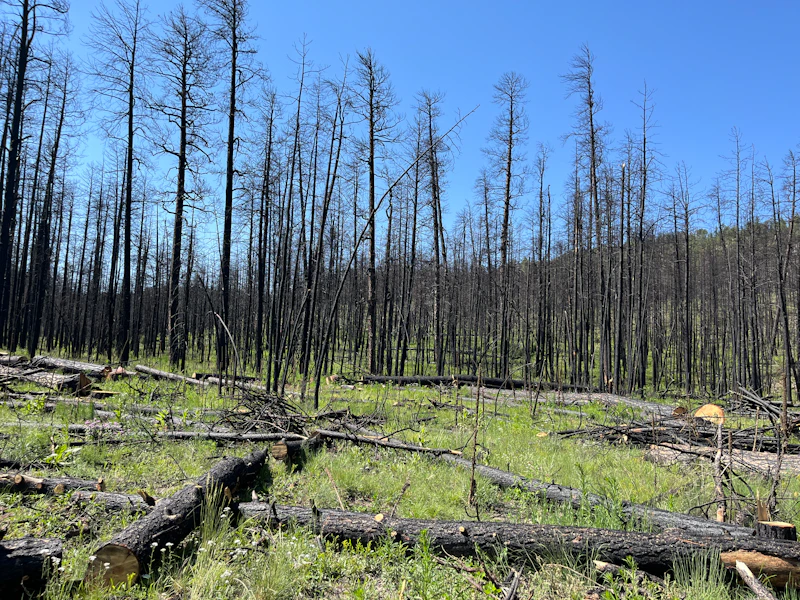
In 2022, the Black Fire burned across much of the Gila National Forest, severely damaging trails, recreation infrastructure, and surrounding landscapes. In partnership with the Forest Service and local organizations, the National Forest Foundation is helping restore priority trails, rebuild access, and support long-term recovery in one of the Southwest’s most iconic wilderness areas.
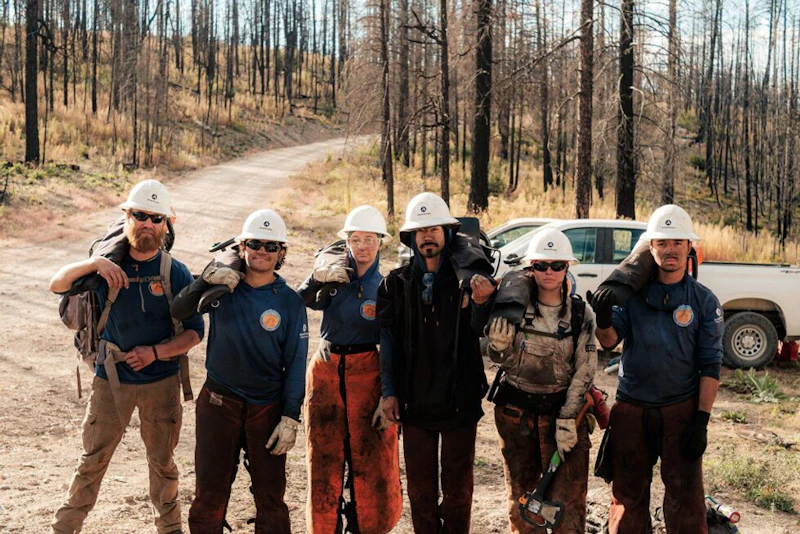
A Landscape Changed by Fire
The Black Fire burned approximately 325,000 acres across the Gila National Forest, including nearly the entire Aldo Leopold Wilderness. Severe soil and vegetation loss, followed by monsoon rains and flooding, resulted in widespread erosion, stream damage, and the loss of hundreds of miles of trails.
Trail-based recreation is the primary way people experience and enjoy the Gila National Forest, but limited staffing, reduced funding, and the scale of post-fire damage has made recovery a major challenge. Restoring trails within the Black Fire footprint became a priority for rebuilding safe access, protecting sensitive resources, and supporting long-term stewardship.
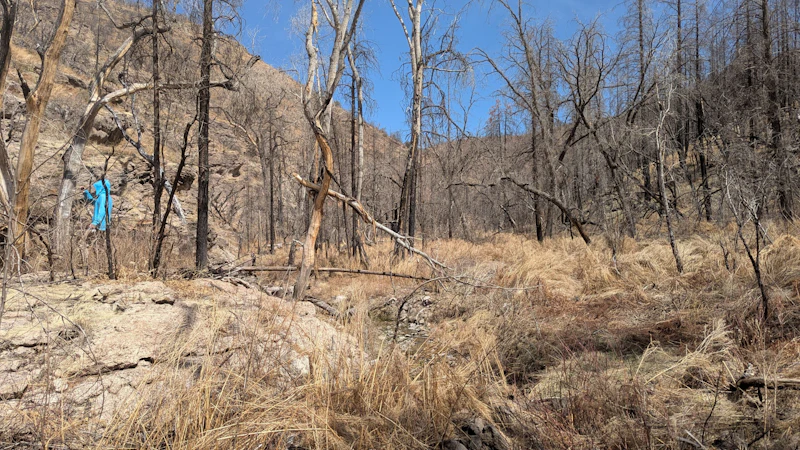
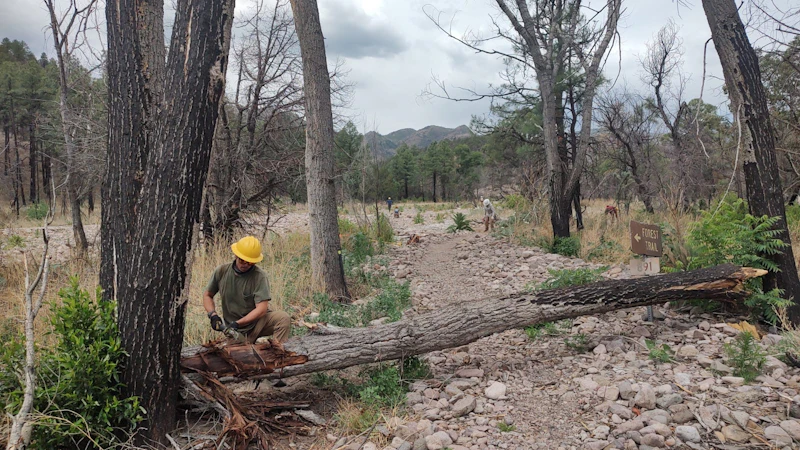 Photo by Natural Curiosity
 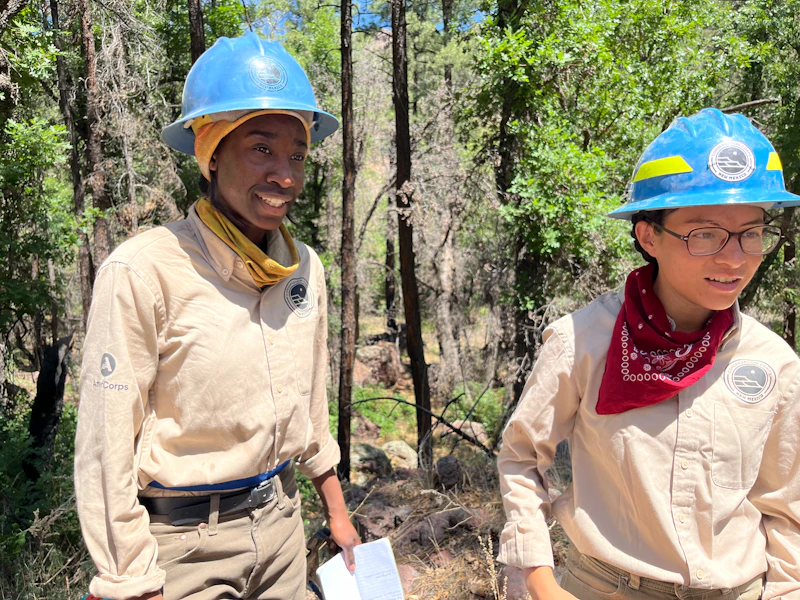 Photo by NFF
 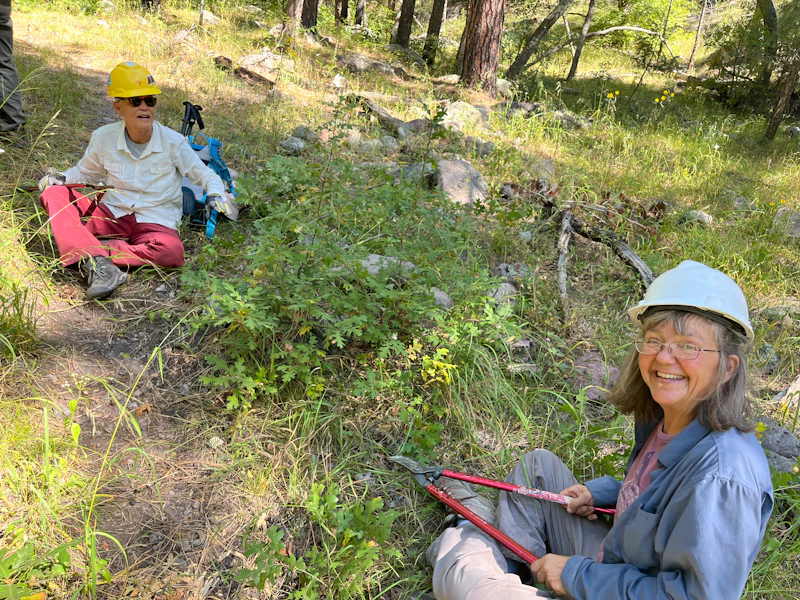 Photo by NFF
 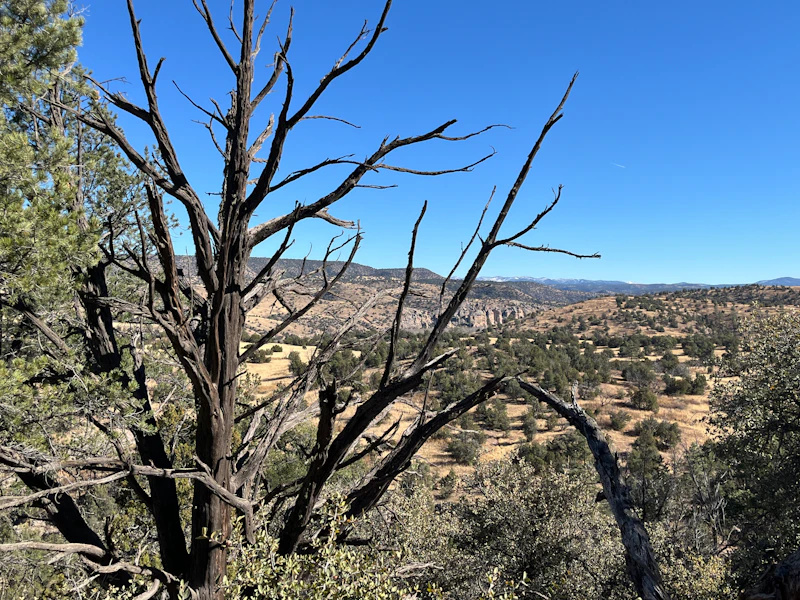 Photo by NFF
 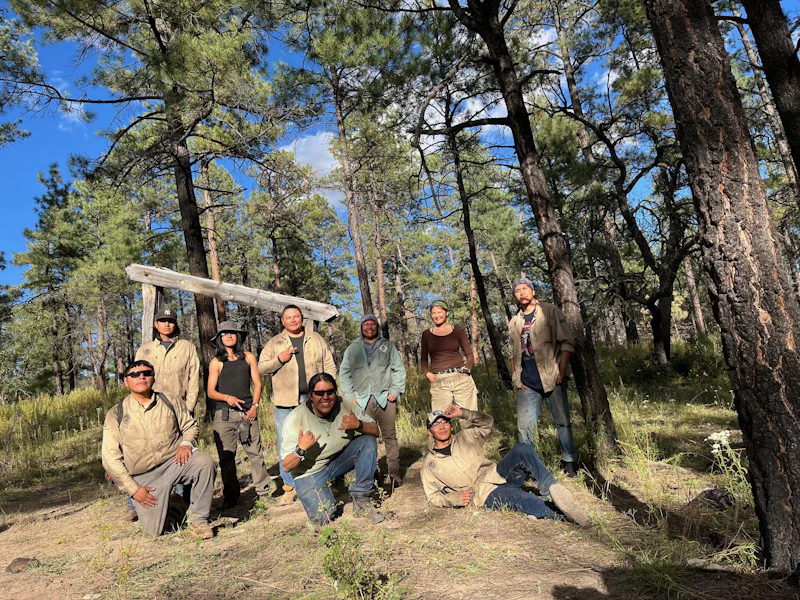 Photo by Ancestral Lands Conservation Corps
 Strategic Trail Restoration
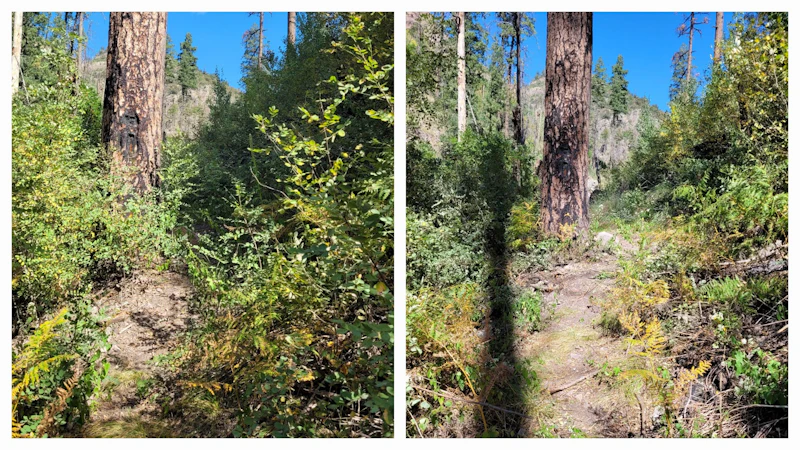
Given the scale and remoteness of the landscape, restoration efforts focus on strategic trail prioritization. Working closely with the Gila National Forest and partners, priority routes were identified to reopen access from multiple directions, reconnect trail systems, create functional loops, and support safe logistics for crews.
Restoration work includes clearing and rebuilding tread, repairing drainage, rerouting trails where needed, and addressing post-fire hazards. This approach helps reduce user-created trails, improve visitor experience, and ensure trails are restored to sustainable standards in a challenging post-fire environment.
Partnerships, Training, and Workforce Development
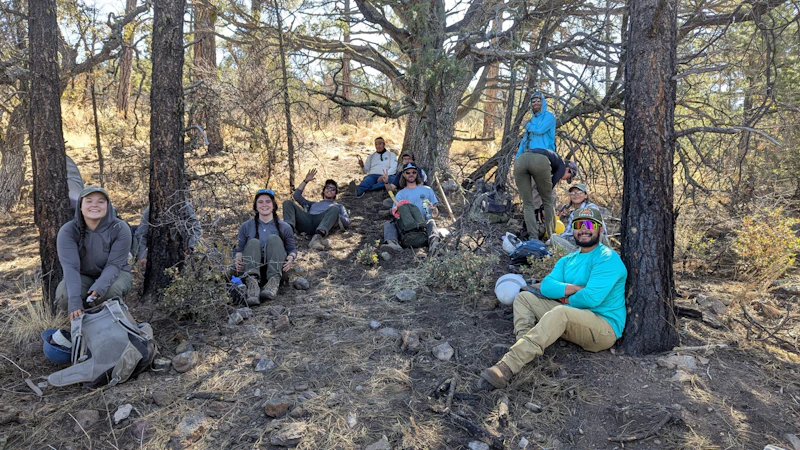
Trail restoration in the Black Fire footprint depends on strong partnerships. NFF is working with organizations that bring deep local knowledge and technical expertise, including Natural Curiosity, the Continental Divide Trail Coalition, and the Gila Chapter of Back Country Horsemen. These partners provide critical support such as pack stock to move water, tools, and supplies into remote areas.
Youth corps play a central role in implementation, paired with experienced partners who provide training, mentorship, and supervision. Grant funding has also supported free trail and post-fire management trainings for Forest Service staff and partners, building shared skills and coordination across agencies and organizations. Together, these efforts are accelerating recovery and rebuilding capacity on the Gila National Forest.
Behind every project is a story about the people that love and rely on their National Forest for clean water, strong economies, and safe communities.
Seeing the impact first hand on the Grand Mesa, Uncompaghre and Gunnison National Forests
Seven Years of Reopening Trails After the Eagle Creek Fire
Nature-based solutions are bringing life back to streams and wetlands in the Colorado River Watershed, securing water for people, wildlife,…
The largest, most destructive wildfires in California’s history have occurred in the last ten years—everything is at stake for mountain…
Our Forests Need Us Today.
Your donation powers critical, on-the-ground conservation—from wildfire recovery to watershed restoration—protecting forests for the future.