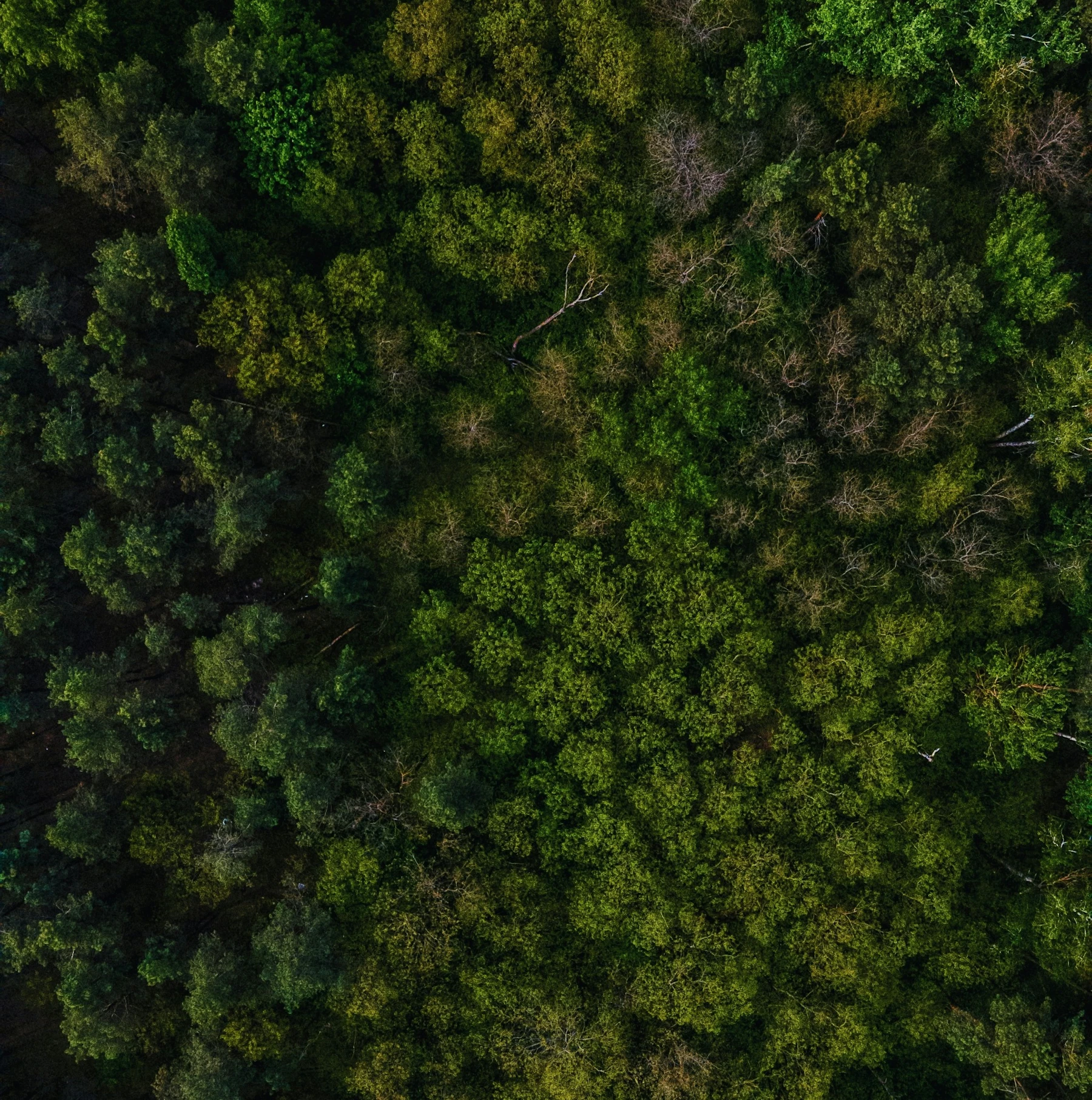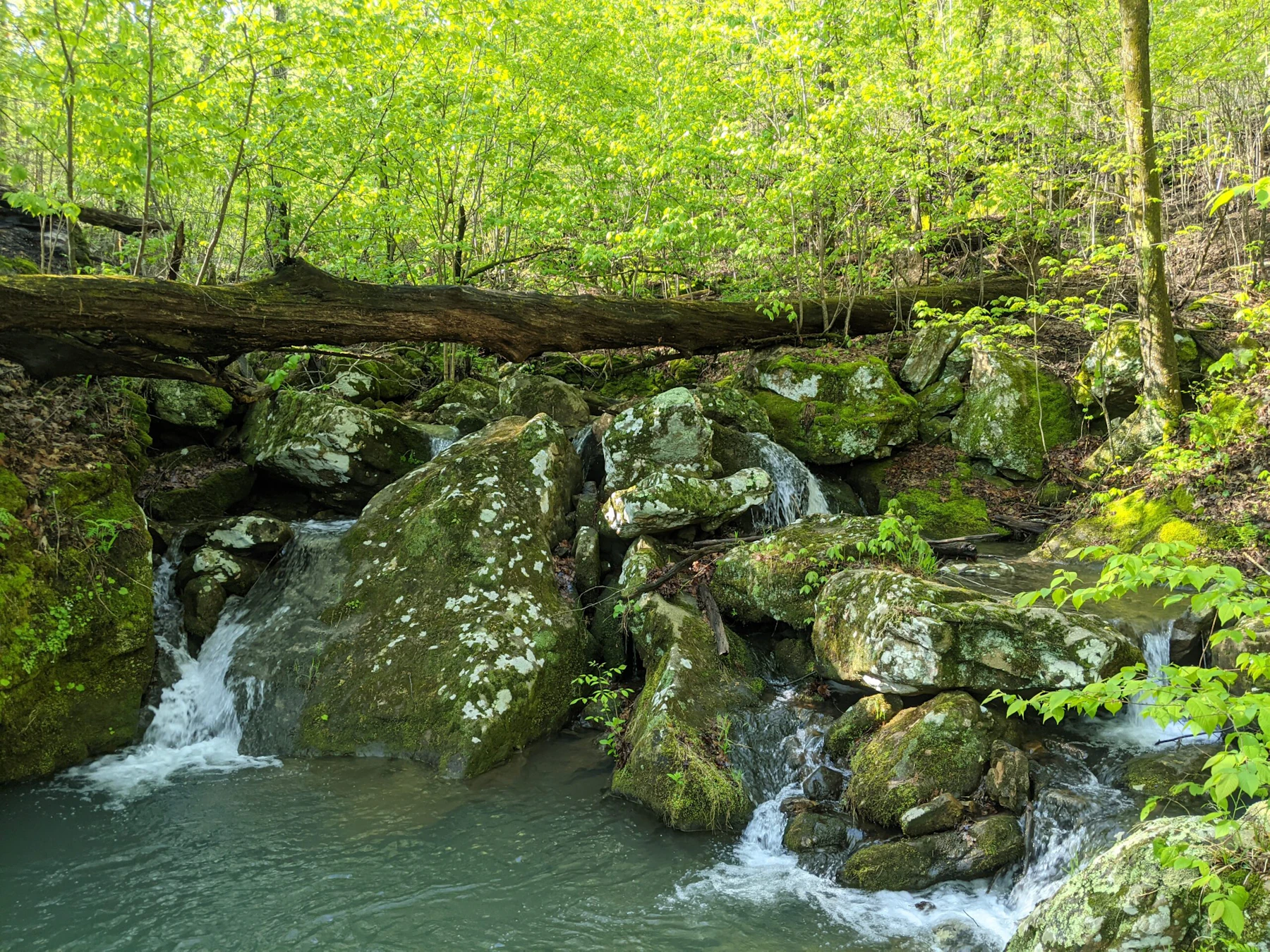
Discover the Ozark–St. Francis National Forest, 1.2 million acres in Arkansas split among the Ozark mountains in the state’s north and the Mississippi River in its east.
The “Ozarks” are characterized by narrow valleys of sandstone and limestone. The southern portion of the Ozark National Forest runs along the Arkansas River Valley south to the Ouachita Mountains.
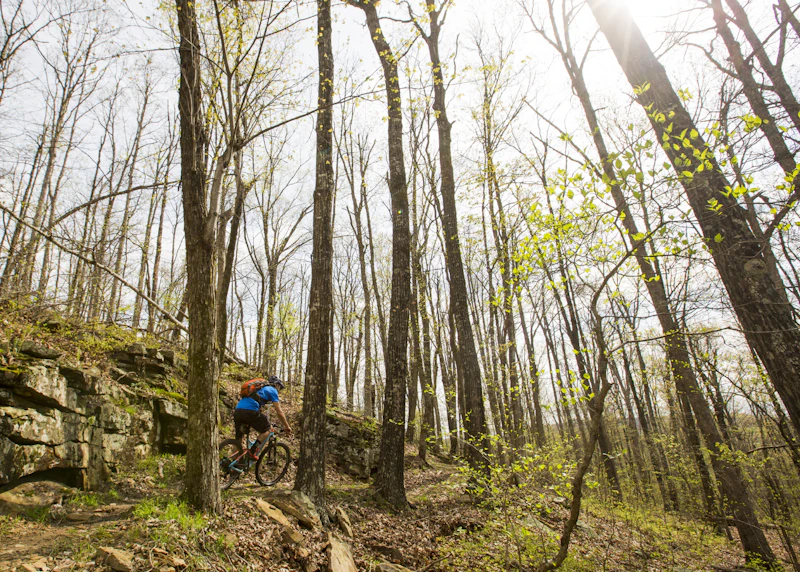
The forest includes four Wilderness Areas and also borders the Buffalo National River, famed for paddling. Numerous trails traverse the forest’s rugged terrain, offering exciting hiking, biking, horseback riding, and off-roading.
The St. Francis National Forest, located on the east central edge of the state, derives its name from the St. Francis River. It is the only place in the National Forest System where the public can experience the awesome grandeur of the mighty Mississippi River from its shoreline. Its hardwood forests and wetland are ideal for waterfowl hunting.
Storm Creek and Bear Creek Lakes, along with the St. Francis and Mississippi Rivers, attract large numbers of anglers. Popular game fish include striped bass, largemouth bass, crappie, catfish and bream.
 Photo by Alayne Mayo
 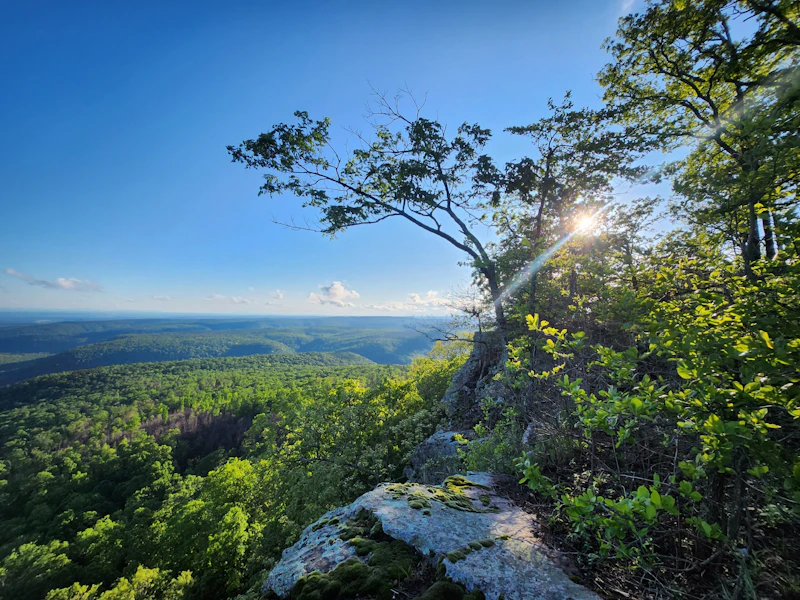 White Rock Mountain Recreation Area. Photo by Danielle Warner
  Photo by Stephanie Saldivar
 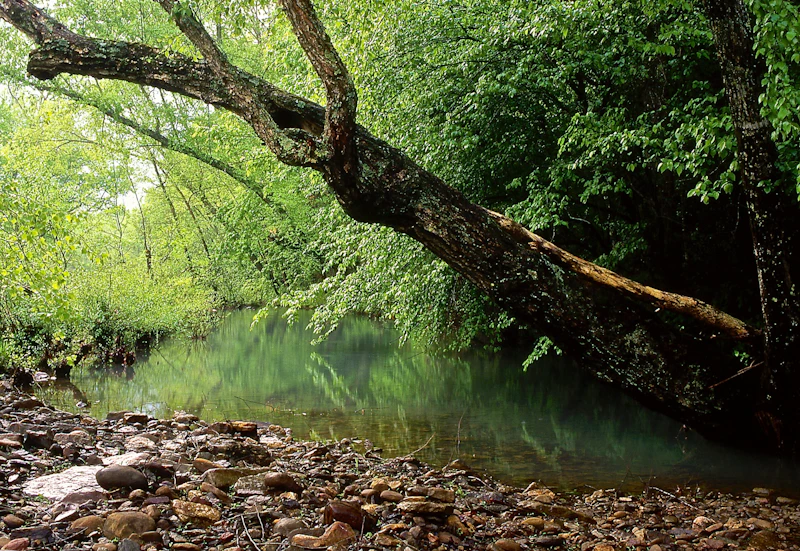 Mulberry River. Photo by Tim Palmer, courtesy of the U.S. Forest Service
  Photo by Dan Holtmeyer
 What is the History of the Ozark–St. Francis National Forest?
Reportedly, “Ozark,” was the anglicized version of “Aux Arcs,” or “with bows,” the name an early French explorer used for the Quapaw, who, along with Osage, are native to the region.
The Ozark National Forest was officially established in 1908, making it one of the earliest National Forests in the southern United States. The St. Francis National Forest was added much later, in 1960.
How to Get to the Ozark–St. Francis National Forest
The Ozark National Forest is best reached via U.S. Highway 65, which runs north-south through towns like Harrison, Marshall, and Mountain View. Highway 7, a scenic route, passes through the heart of the forest, connecting communities such as Russellville and Hector.
Highway 16 and 123 also provide routes to key recreational areas, including the Ozark Highlands Trail and Pedestal Rocks.
The St. Francis National Forest, in eastern Arkansas, is accessible from U.S. Highway 70 and 49 and from gateways like Forrest City and Marianna.
- Fayetteville, Arkansas: 1 to 1.5 hours by car from the Ozark National Forest
- Memphis, Tennessee: 1 to 1.5 hours by car from the St. Francis National Forest
- Little Rock, Arkansas: 1.5 hours by car to the St. Francis National Forest, 2.5 to 3 hours by car from the Ozark National Forest

This 165-mile route that crosses the Ozark National Forest is considered one of the state’s outdoor highlights for its scenic bluffs. Walk along rocky ridges, through dense oak and pine forests, and across clear streams, and stay in primitive campsites for a multiday adventure.
With its rich bottomland hardwoods, wetlands, and open fields. The St. Francis National Forest is a popular destination for deer, turkey, and small-game hunting. Be sure to review the designated seasons and secure permits before heading out.
One of Arkansas’ most impressive natural features, this “living” cave system features more than five miles of mapped passages, which are continuing to develop as minerals are deposited. Be sure to book a tour with a Forest Service interpreter in advance.
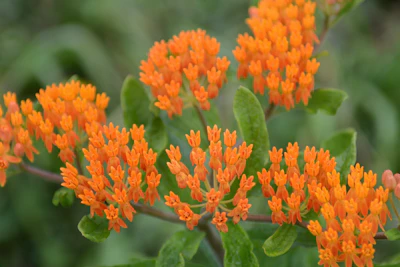 Butterfly weed With its bright orange clusters of nectar-rich blooms, this wildflower thrives in the forest’s open woodlands and rocky slopes.
 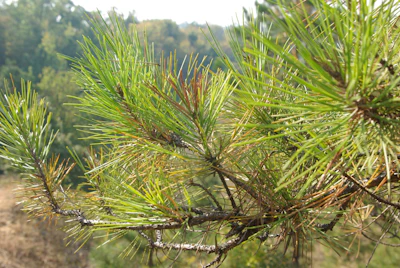 Shortleaf pine This vital species—the only pine native to the region—stabilizes soil and contributes to the forest’s fire-adapted ecosystem.
 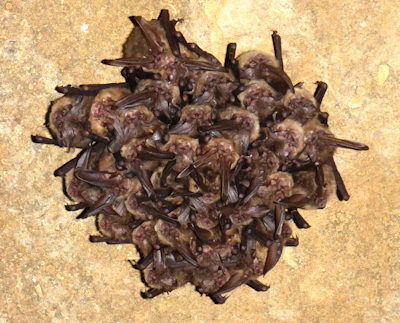 Ozark big-eared bat Recognizable by its massive ears, which can exceed an inch in length, this rare and endangered rat is native to the caves of the forest.
 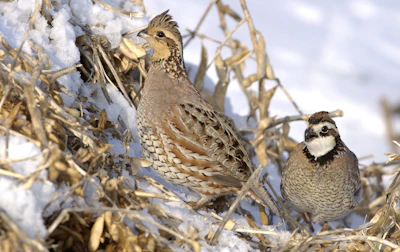 Northern bobwhite quail This species of game bird are active during mornings and late afternoons and occupy open pine forests and grassy clearings.
 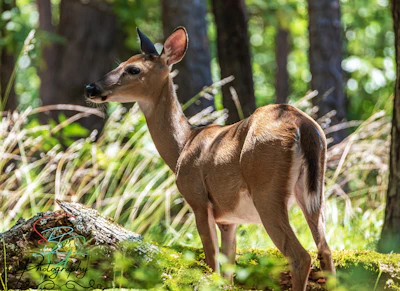 White-tailed deer One of the most common sights in the recreation area, this deer is active at dawn and dusk and supports predators like coyotes and bobcats.
 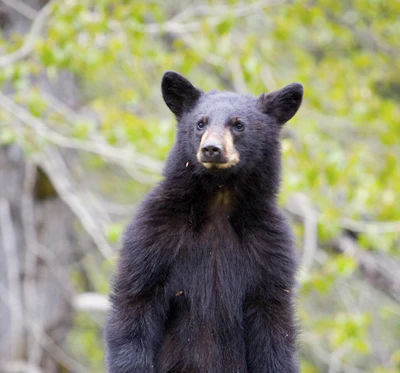 Black bear This elusive species ranges in coloration from black to cinnamon. Adult males can weigh 250 to 400 pounds, while females are smaller, from 90 to 170 pounds.
 Related Impact
Building Watershed Resiliency in North Texas
The streams and creeks of the LBJ National Grassland flow into the Trinity River Basin, which supplies water for over 6 million people across the Dallas-Fort Worth metropolitan area. At the Basin’s headwaters, the Grassland’s health directly impacts water supply in the region.
What’s the Best First-Timer’s Adventure in the Ozark–St. Francis National Forest
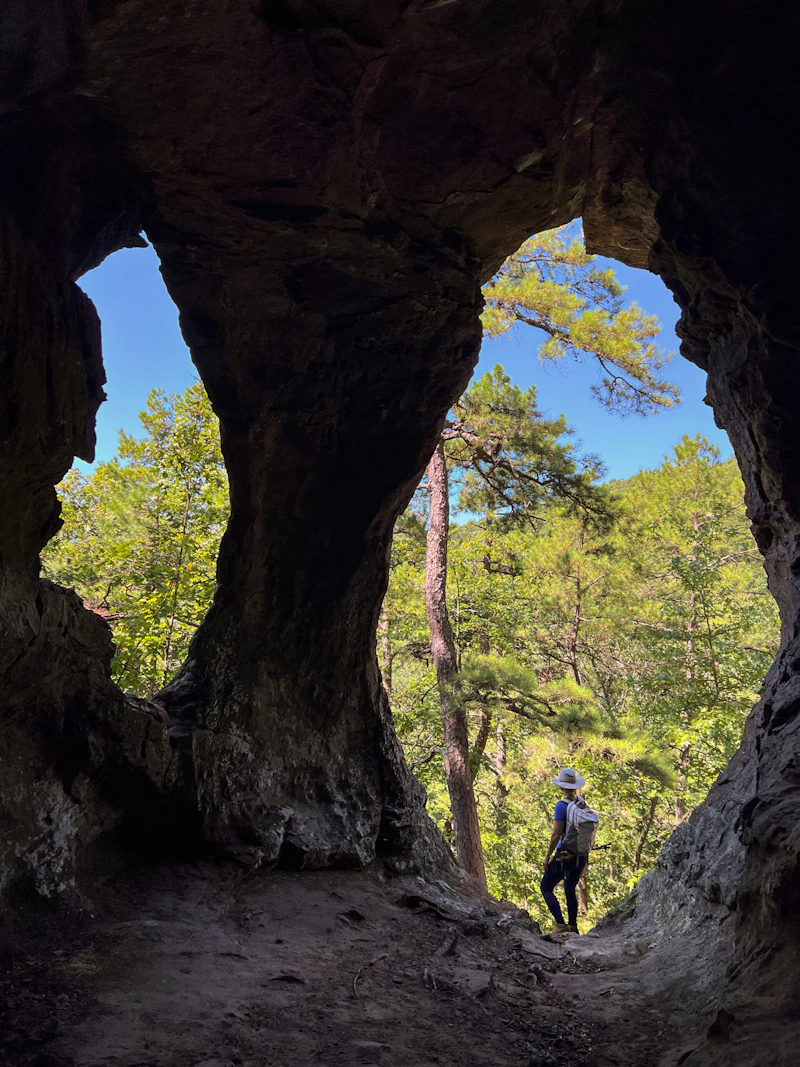
Hike through rugged cliffs, narrow valleys, and rocky outcrops before reaching the iconic rock formations at Pedestal Rock Scenic Area in the Ozark National Forest. The area offers a unique glimpse of the Ozark Mountains’ geological history.
Where to Find More Information on the Ozark–St. Francis National Forest
For more information or questions, visit https://www.fs.usda.gov/r08/ozark-stfrancis.
Discover how communities, volunteers, and partners are shaping the future of our National Forests and Grasslands.
The National Forest Foundation works with partners across Northern Colorado to restore forests, reduce wildfire risk, and care for the…
After years of damage, recovery, and reconstruction, the trail to Hanging Lake has been fully rebuilt, creating a more durable,…
Erosion and wildfire had left Arizona's historic Highline Trail rutted and unsafe. After five years of work with the Tonto…
Forest restoration near Flagstaff is reducing wildfire risk for local communities and safeguarding the water supply for millions across the…
Colorado's 14ers draw thousands of visitors each year, and the pressure on these fragile alpine landscapes is growing. Here's a…
Visitors of all ages can explore forest trails and sparkling waters, discover wildlife and underwater habitats, and connect with Tahoe’s…
A partnership-driven program connecting youth on Montana’s Flathead Reservation with hands-on conservation work, heritage education, and pathways in natural resource…
Seeing the impact first hand on the Grand Mesa, Uncompaghre and Gunnison National Forests
Seven Years of Reopening Trails After the Eagle Creek Fire
Field Ranger Program Connects Diverse Communities to Forests in Southern California
Our Forests Need Us Today.
Your donation powers critical, on-the-ground conservation—from wildfire recovery to watershed restoration—protecting forests for the future.