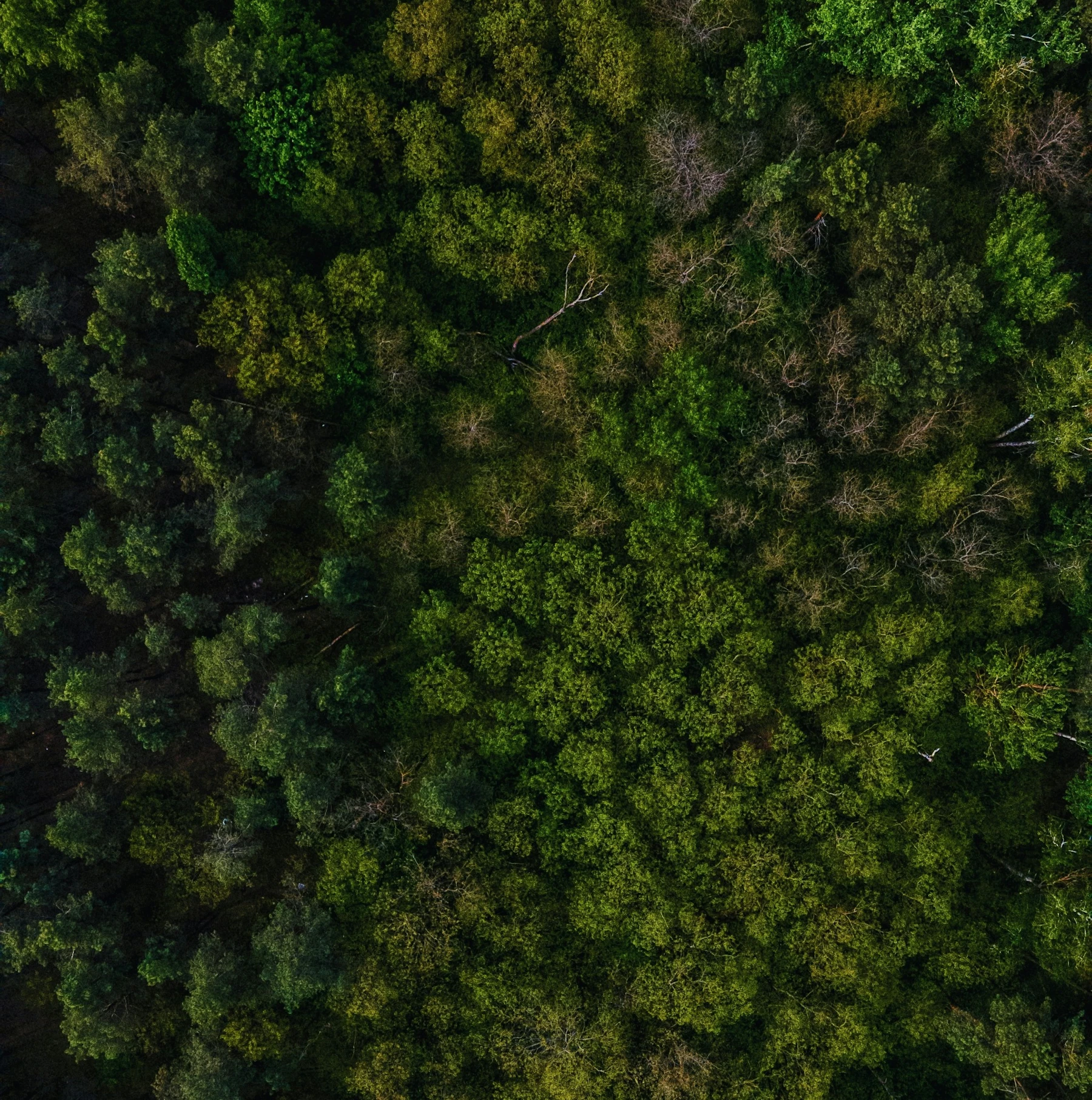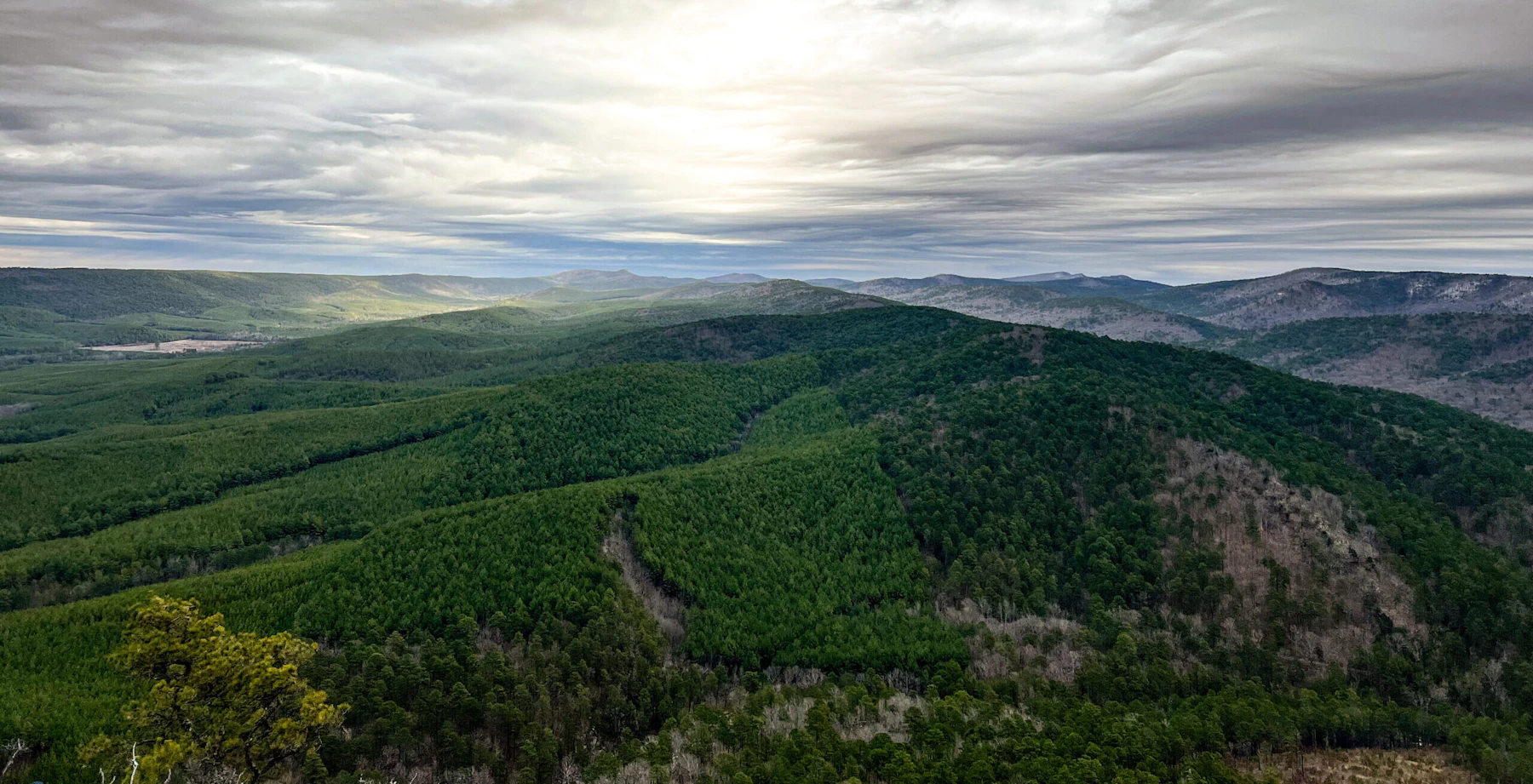
Explore the Ouachita National Forest, 1.8 million wild and wooded acres in central Arkansas and southeastern Oklahoma. The Forest is located primarily in the Ouachita Mountains, known for their unique east-west orientation, unlike most North American ranges.
The Winding Stair Mountain National Recreation Area sits atop the Winding Stair ridge in the Ouachita Mountains, and features rolling ridges and forests of shortleaf pine, oaks, and lush hardwoods.
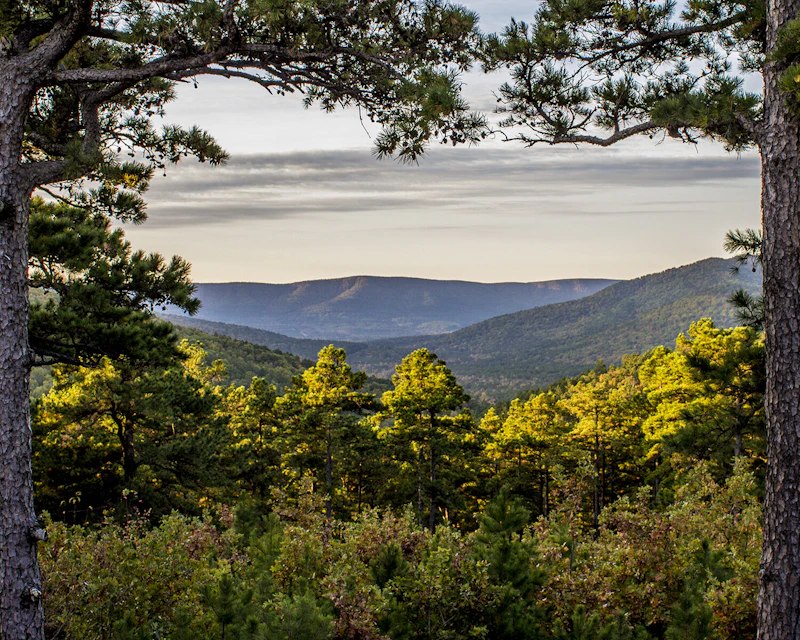
Outstanding mountain views coupled with picturesque streams, rivers and lakes provide a unique and highly valued setting for camping, as well as an extensive trail network for hiking, mountain biking, horseback riding, and off-roading. The Ouachita National Recreation Trail, stretching 192 miles, is one of the longest continuous hiking trails in the South.
Scenic drives like the Talimena Scenic National Byway provide breathtaking views of the forested Ouachita Mountains. While numerous lakes and miles of rivers offer boating, swimming, and fishing.
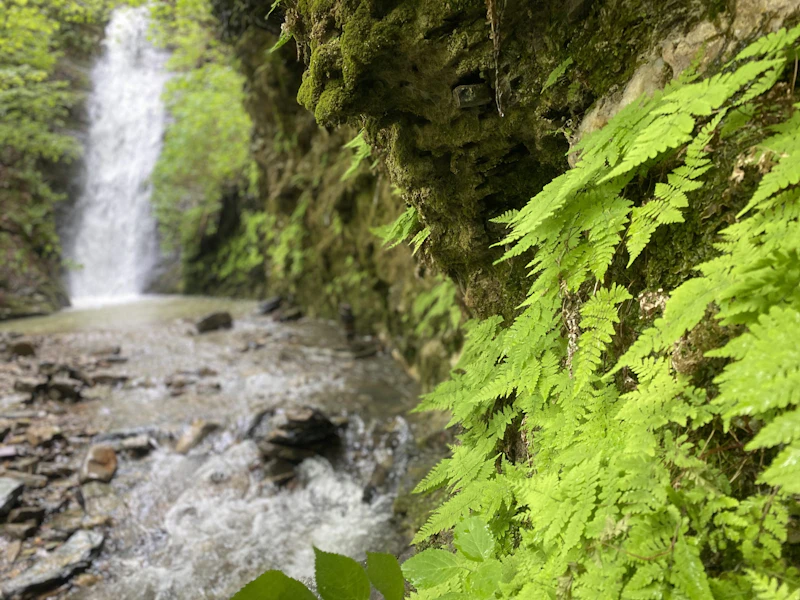
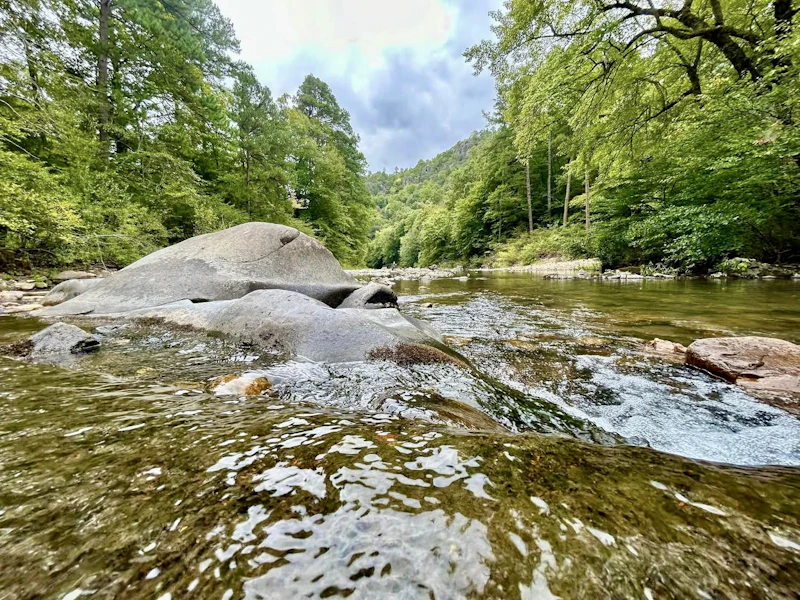 Caney Creek. Photo by Christine Stipe
 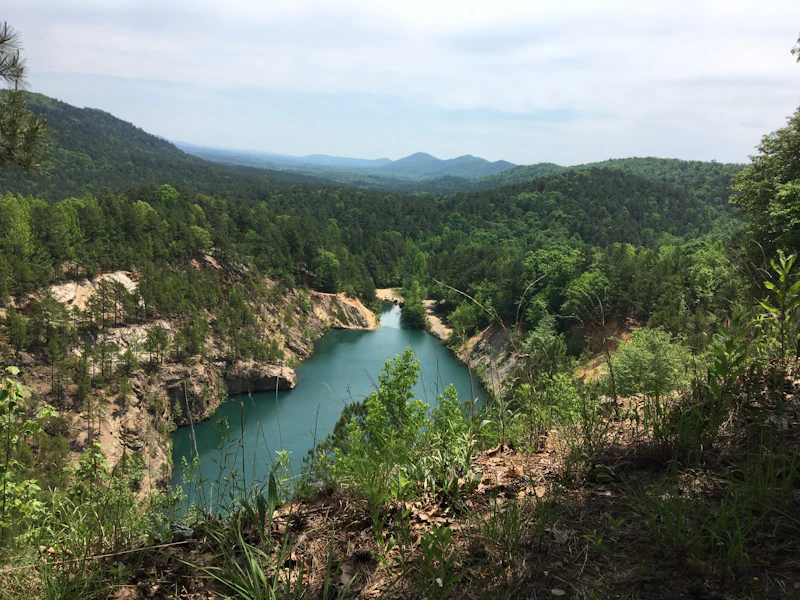 Photo by Melissa Scheve
 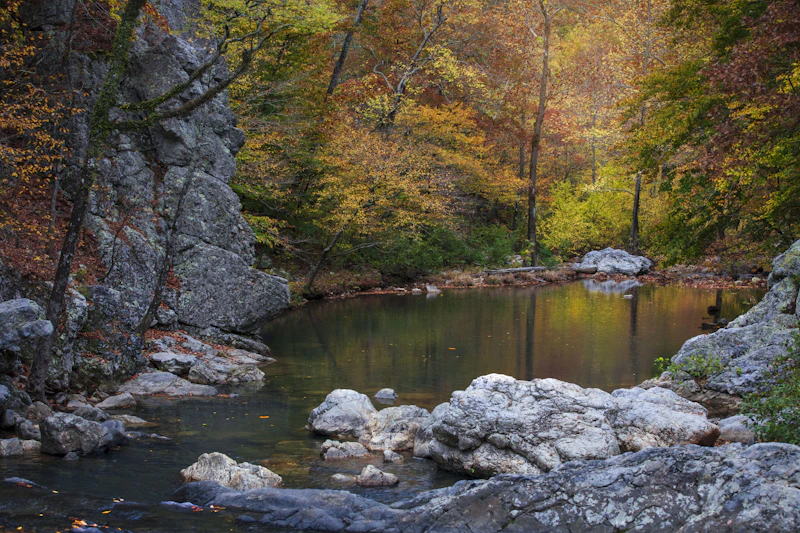 Photo by Michelle Esclovon
 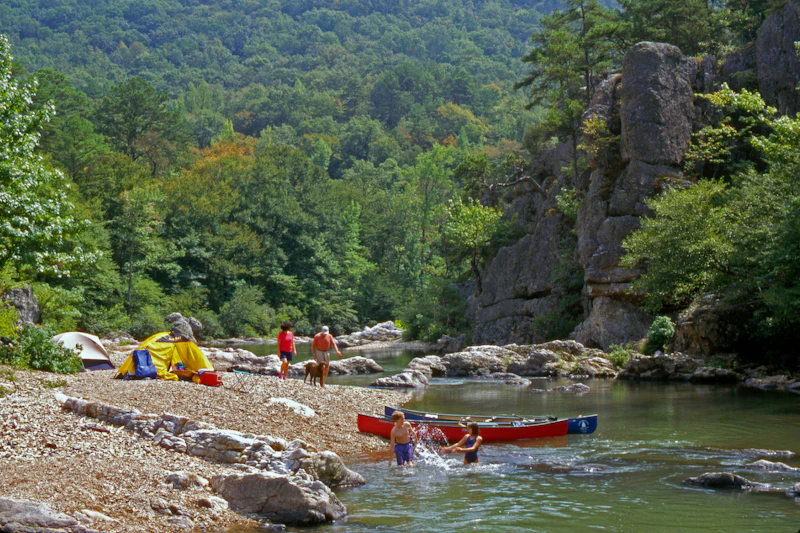 Little Missouri River. Photo by the U.S. Forest Service
 What is the History of the Ouachita National Forest?
Established in 1907, the land that is now the Ouachtia National Forest is one of the oldest national forests in the United States (it was originally known as Arkansas National Forest before a name change in 1926).
Before its designation following widespread logging in the 19th and early 20th centuries, tribes such as the Caddo, Quapaw, and Choctaw relied on the region’s forests. The Ouachita name came from the French word of the Caddo word washita, meaning “good hunting ground.”
How to Get to the Ouachita National Forest
From the north and east, Interstate 40 goes through Little Rock, Arkansas, and connects to U.S. Highway 270 or 7 to reach the forest’s northern and central areas. Highway 71 and 259 and smaller state routes lead to southern forest regions.
In Arkansas, Mena, Hot Springs, and Russellville serve as popular entry points. In Oklahoma, Talihina and Antlers offer access to the Winding Stair Mountain National Recreation Area and Talimena Scenic Drive.
- Little Rock, Arkansas: 1.5 to 2 hours by car
- Fayetteville, Arkansas: 2 to 2.5 hours by car
- Bentonville, Arkansas: 2.5 to 3 hours by car
- Tulsa, Oklahoma: 3.5 to 4 hours by car
- Oklahoma City, Oklahoma: 4 to 4.5 hours by car

The state’s longest hiking trail, at 192 miles, spans Talimena State Park, Pinnacle Mountain State Park, and the Ouachita National Forest. Campsites along the route support multi-day backpacking trips, and spur trails lead to various points of interest.
This self-guided environmental education area features interpretive trails where visitors can learn about native species like dwarf white oaks and yellow buckeye. Picnic areas, scenic overlooks, and historical exhibits can also be found along the drive.
This recreation area just 40 miles from Little Rock, Arkansas, is centered on an 18-acre lake. The site features interpretive trails, including the Trees of the Forest loop and a spur path to the Ouachita National Recreation Trail.
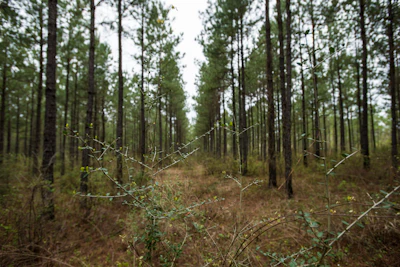 Loblolly pine This important tree species grows rapidly compared to many hardwoods, providing habitat and food for wildlife such as birds, squirrels, and deer.
  Cedar waxwing With brown and gray plumage, a black face, and yellow-tipped tail, this striking bird often travels in flocks, feeding on berries, fruits, and insects.
  Northern bobwhite quail This species of game bird are active during mornings and late afternoons and occupy open pine forests and grassy clearings.
  Bobcat Known for its tufted ears and spotted coats, this predator hunts rabbits, birds, and rodents throughout the forest. While seeing a bobcat is rare, visitors often spot their tracks.
 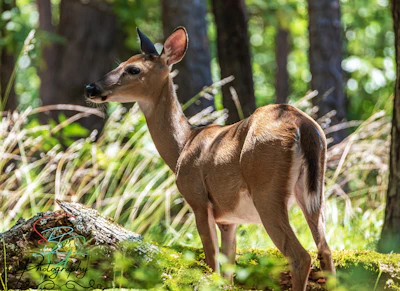 White-tailed deer One of the most common sights in the recreation area, this deer is active at dawn and dusk and supports predators like coyotes and bobcats.
  Black bear This elusive species ranges in coloration from black to cinnamon. Adult males can weigh 250 to 400 pounds, while females are smaller, from 90 to 170 pounds.
 Related Impact
Building Watershed Resiliency in North Texas
The streams and creeks of the LBJ National Grassland flow into the Trinity River Basin, which supplies water for over 6 million people across the Dallas-Fort Worth metropolitan area. At the Basin’s headwaters, the Grassland’s health directly impacts water supply in the region.
What’s the Best First-Timer’s Adventure in the Ouachita National Forest
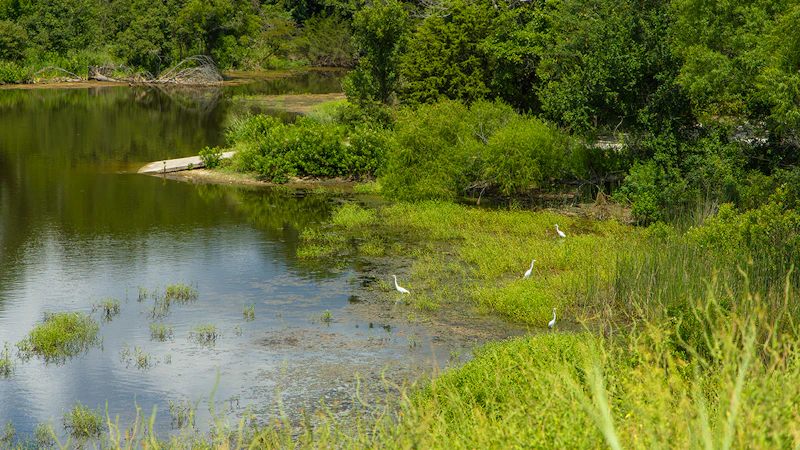
Drive the Talimena Scenic National Byway, a 54-mile route from Talihina, Oklahoma, to Mena, Arkansas that winds along ridge tops, offering panoramic views of the Ouachita Mountains.
Where to Find More Information on the Ouachita National Forest
For more information or questions, visit https://www.fs.usda.gov/r08/ouachita.
Discover how communities, volunteers, and partners are shaping the future of our National Forests and Grasslands.
The National Forest Foundation works with partners across Northern Colorado to restore forests, reduce wildfire risk, and care for the…
After years of damage, recovery, and reconstruction, the trail to Hanging Lake has been fully rebuilt, creating a more durable,…
Erosion and wildfire had left Arizona's historic Highline Trail rutted and unsafe. After five years of work with the Tonto…
Forest restoration near Flagstaff is reducing wildfire risk for local communities and safeguarding the water supply for millions across the…
Colorado's 14ers draw thousands of visitors each year, and the pressure on these fragile alpine landscapes is growing. Here's a…
Visitors of all ages can explore forest trails and sparkling waters, discover wildlife and underwater habitats, and connect with Tahoe’s…
A partnership-driven program connecting youth on Montana’s Flathead Reservation with hands-on conservation work, heritage education, and pathways in natural resource…
Seeing the impact first hand on the Grand Mesa, Uncompaghre and Gunnison National Forests
Seven Years of Reopening Trails After the Eagle Creek Fire
Field Ranger Program Connects Diverse Communities to Forests in Southern California
Our Forests Need Us Today.
Your donation powers critical, on-the-ground conservation—from wildfire recovery to watershed restoration—protecting forests for the future.