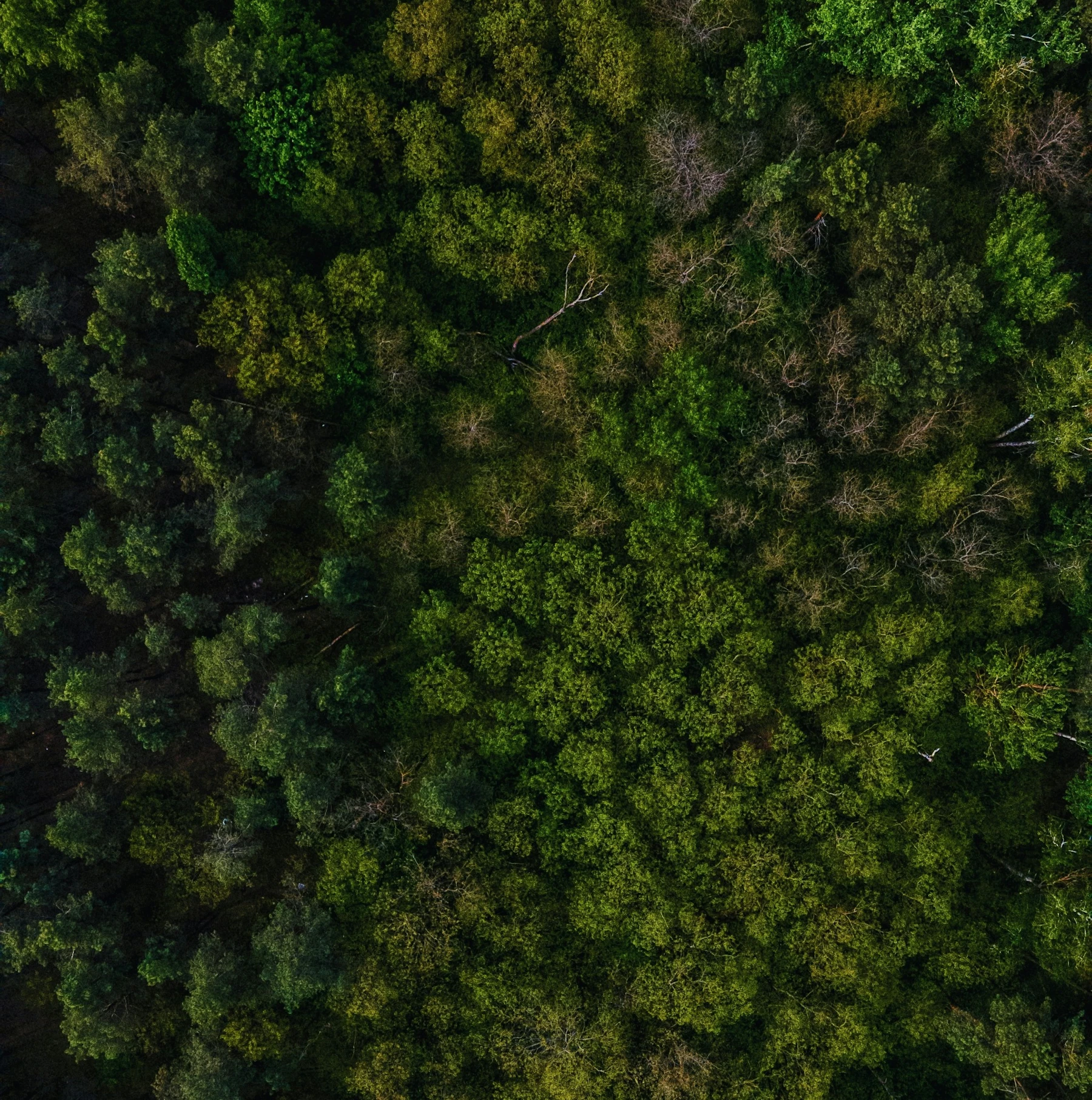
Explore the Coconino National Forest in Arizona, one of the most diverse National Forests in the country. Its 1.8 million acres range from red rocks and ponderosa pine to alpine tundra.
The dominant feature of the forest is the San Francisco Peaks, a group of dormant volcanoes that top out at 12,633-foot Humphreys Peak, Arizona’s highest mountain. This rolling highland is a land of ponderosa pine forests and pinyon-juniper woodlands clustered around broad prairies and small lakes. Views from the summit can stretch to the Grand Canyon’s North Rim, over 80 miles away.
The superlatives don’t end there: Dropping as much as 2,000 feet in some areas, the Mogollon Rim provides some of the most far-reaching scenery in Arizona. The rugged escarpment forms the southern limit of the Colorado Plateau and is filled with recreation.
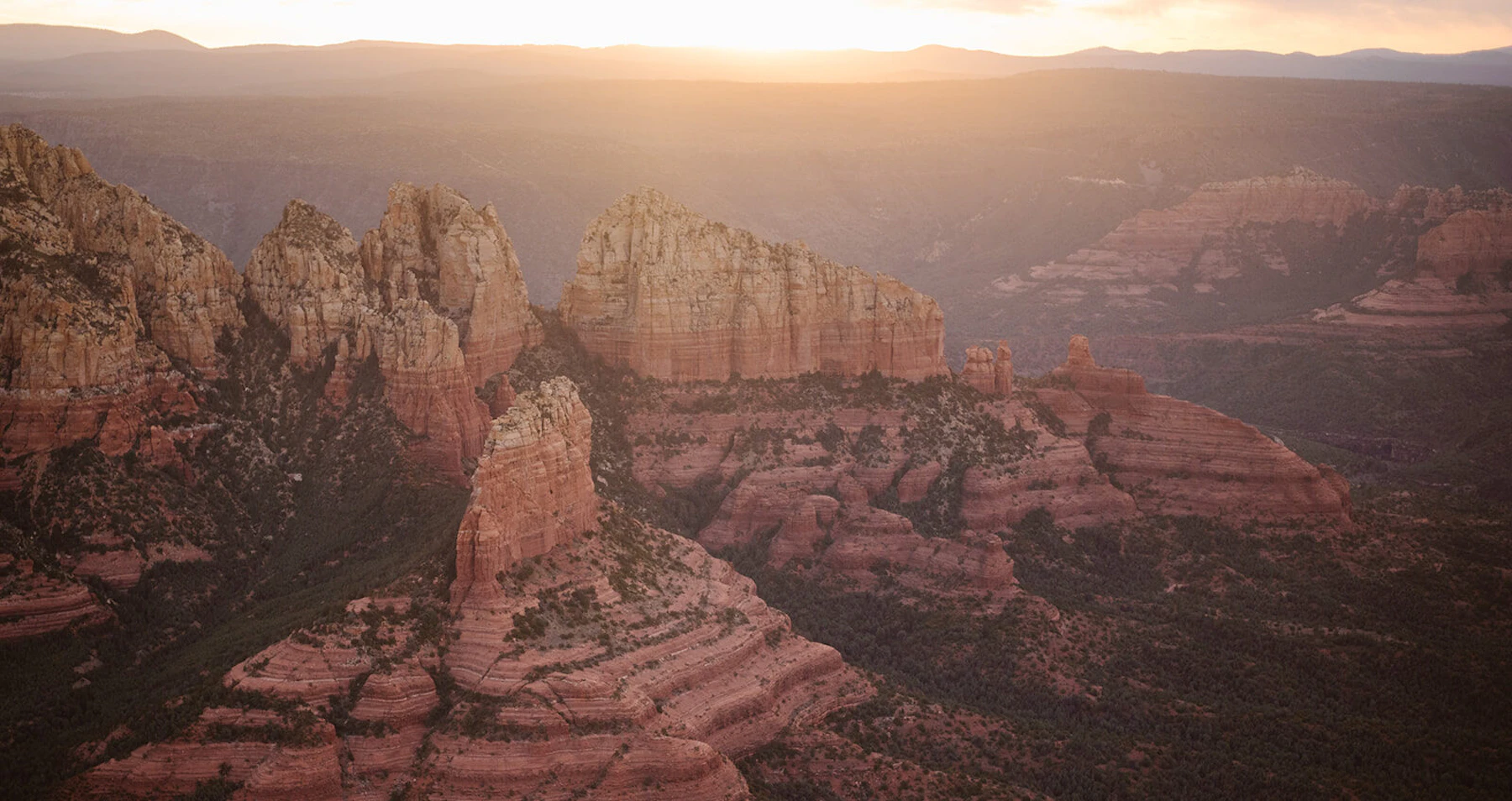
The forest also encompasses the colorful collection of buttes, pinnacles, mesas and canyons surrounding Sedona. Over the years, this area has served as the setting of many western novels and movies and has been the subject of uncounted paintings, photographs, and other works of art.
The Coconino National Forest, just south of Flagstaff, is a year-round recreation hub nestled between several other National Forests. Mountain bike Sedona’s sandstone formations, ski Flagstaff’s San Francisco Peaks, and take in the vistas from the Mogollon Rim.
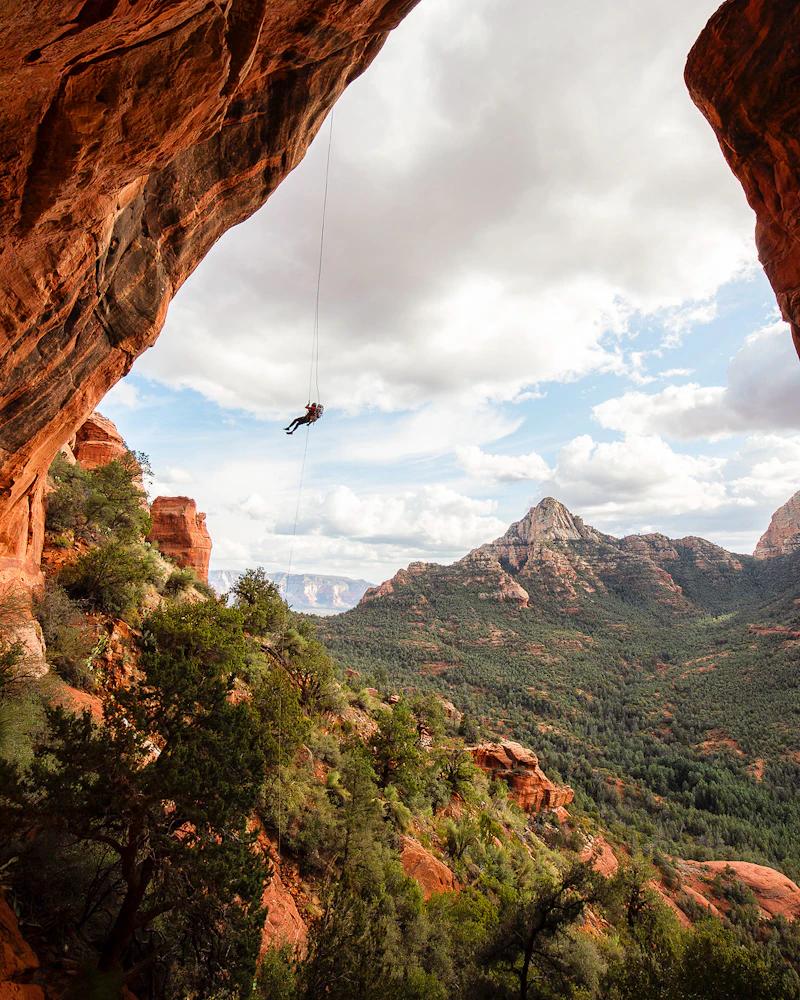 Canyoneering in Sedona area. Photo by Jim Grindley
  Photo by Jennifer Arlia
  Devil's Bridge. Photo by Mark-Gruenhaupt
 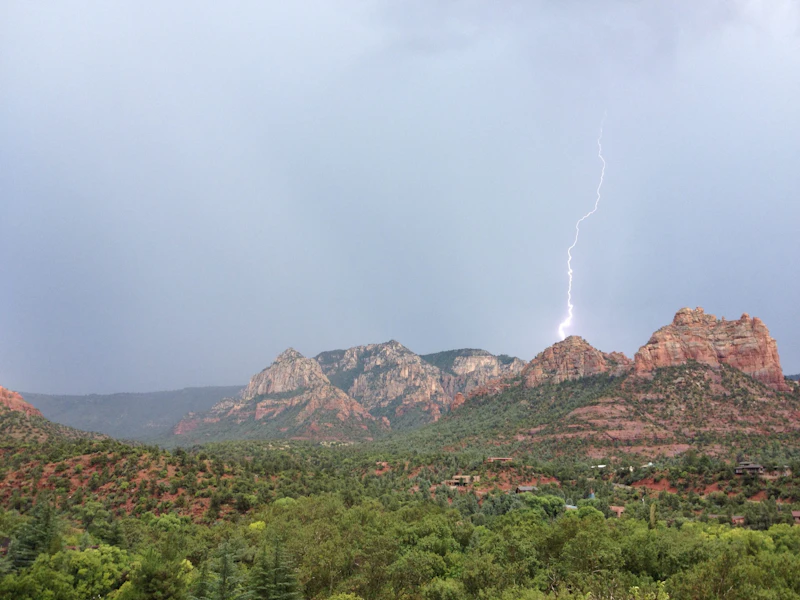 Photo by Mike Carey
 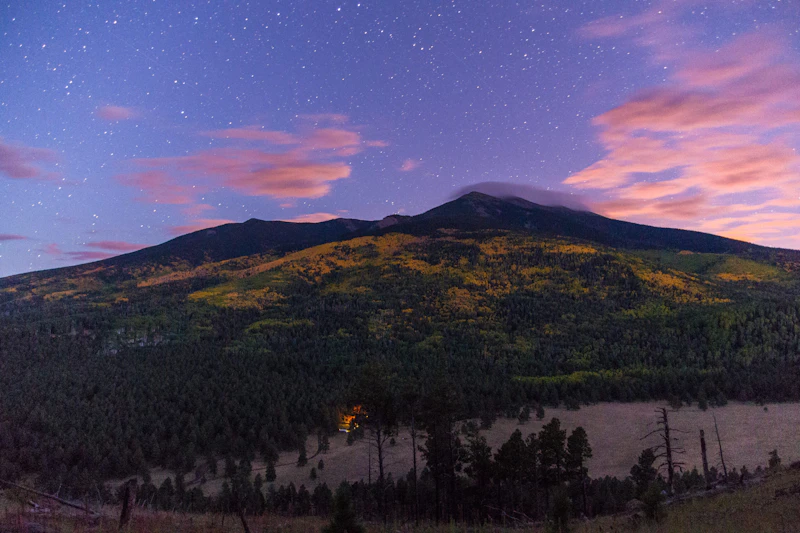 Fall color on the San Francisco Peaks. Photo by the U.S. Forest Service
 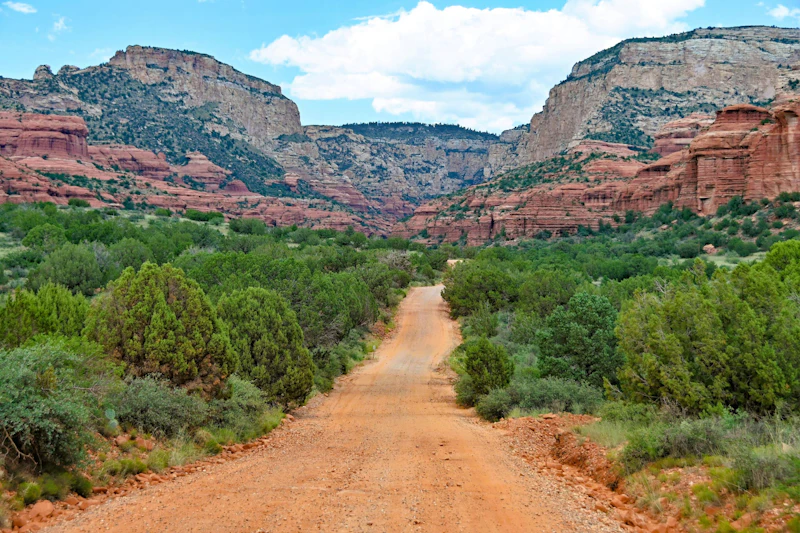 Photo by Suzanne Wilkinson
 What is the History of the Coconino National Forest?
This rich geological area has been inhabited by Indigenous peoples for centuries, including the Sinagua, Ancestral Puebloans, Apache, Hopi, Yavapai, and Navajo. The Sinagua, who inhabited central and northern Arizona from A.D. 600 to 1450, left behind cliff dwellings and petroglyphs throughout the area.
The presence of Ancestral Puebloans can be traced to as early as 1500 B.C. The communities lived across the Southwest but traveled to the area for sacred observances. Today, members of the Yavapai-Apache Nation visit a tributary of the Verde River, Oak Creek, to perform ceremonies every year.
The forest’s modern iteration began in 1898 when it was designated as part of the San Francisco Mountains Forest Reserve. In 1908, the Coconino National Forest was officially established, combining parts of the San Francisco Mountains and other protected areas. Today, the Coconino National Forest attracts 4.4 million visitors annually.
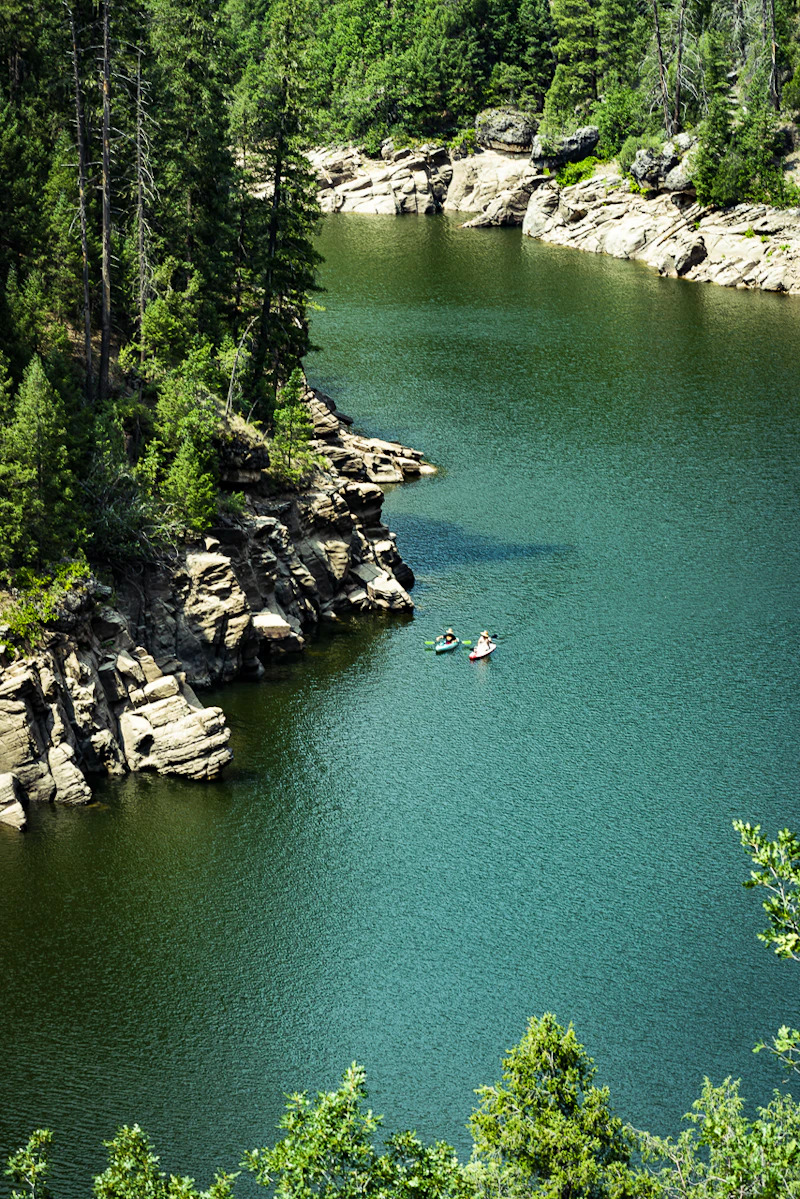
How to Get to the Coconino National Forest
Coming from Phoenix, 130 miles south, visitors take Interstate 17. From the east and west, Interstate 40 leads to the first. And from the north, Interstate 89 traces entry points to Kaibab National Forest, Grand Canyon National Park, and Vermillion Cliffs National Monument, while cutting through the Hopi Reservation.
The gateway communities of Flagstaff, Sedona, and Oak Creek Canyon are excellent bases from which to adventure the Coconino National Forest. To the north, Flagstaff offers access to the San Francisco Peaks, while Sedona is surrounded by the forest’s famed red-rock formations.
- Flagstaff, Arizona: 1 to 1.5 hours by car
- Phoenix, Arizona: 2 to 2.5 hours by car
- Tuscon, Arizona: 3.5 to 4 hours by car
- Las Vegas, Nevada: 4 hours by car
- Albuquerque, New Mexico: 5 to 6 hours by car

Whether you want to summit a monumental butte with far-reaching views over millenia-old rock formations or meander through striated canyons, Sedona has a spectacular hike in store. Among the most popular trails are Bell Rock, which can be seen from afar via a one-mile path, and the 6.6-mile out-and-back Boynton Canyon Trail.
Arizona’s largest natural lake, Mormon Lake, is located near Flagstaff. The area is known for its plentiful wildlife: large herds of elk roam the forests and edgelands, bald eagles and ospreys live and hunt around the lakes, and pronghorn antelope graze the prairies.
In the San Francisco Peaks is one of the state’s best skiing destinations, Arizona Snowbowl Ski Resort, which averages 260 inches of snow annually. With 55 trails, eight lifts, and terrain for every level, the resort is a year-round destination, with excellent hiking and biking in the summer. For cross-country skiing, head to Kachina Peaks Wilderness in Coconino National Forest.
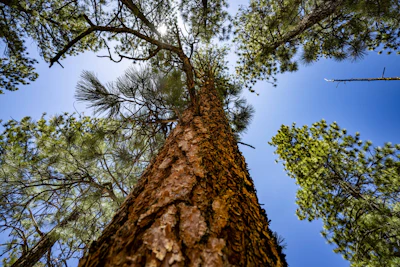 Ponderosa pine One of the most dominant trees in the Coconino, it inhabits elevations between 6,500 and 8,000 feet and is known for vanilla-scented bark and large cones.
 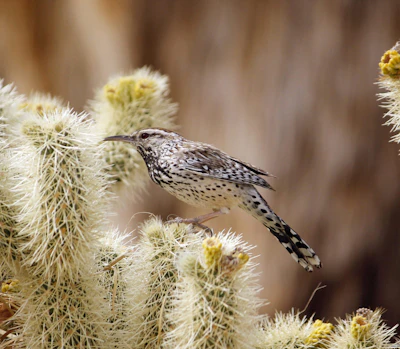 Cactus wren The largest wren, cactus wren is known for its white speckles and eye stripes and raspy call. It's Arizona’s state bird and relies on desert fauna like cholla and prickly-pear for nesting.
 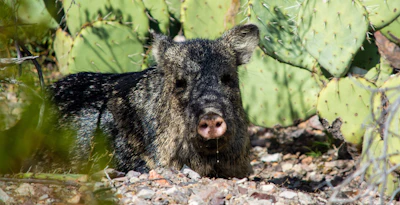 Javelina Also known as collared peccaries, this pig-like animal travels in small herds, foraging for roots, fruits, and cactus. Though generally shy, they can be defensive if threatened.
 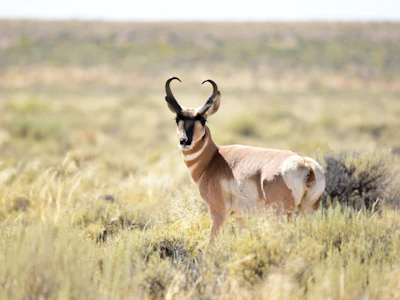 Pronghorn North America’s fastest land animal, capable of reaching speeds of up to 60 miles per hour, can be spotted throughout the prairies surrounding the San Francisco Peaks.
 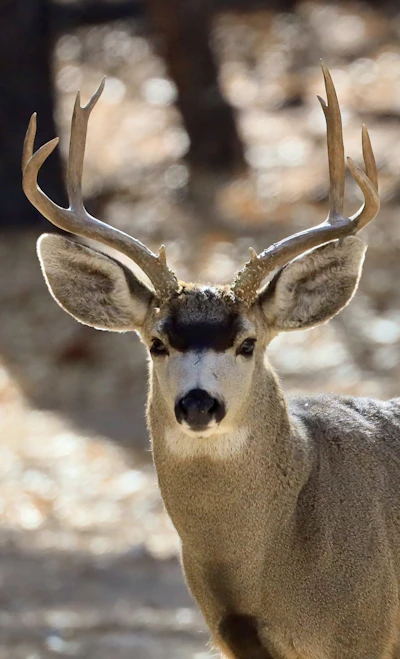 Mule deer With a stocky build, black-tipped tail, and a brown coat that turns gray in the winter, this deer feeds on shrubs, grasses, and acorns and prefers high elevation areas across the forest.
 Related Impact
Restoring the Coconino National Forest Protects Water and Communities
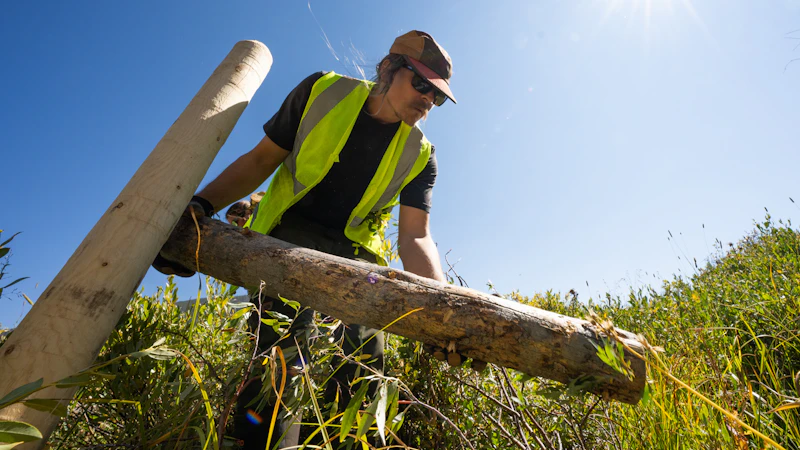
The NFF and our partners are restoring forests above Flagstaff, reducing wildfire risk for local communities and safeguarding the water supply for millions across the Southwest.
What’s the Best First-Timer’s Adventure in the Coconino National Forest?
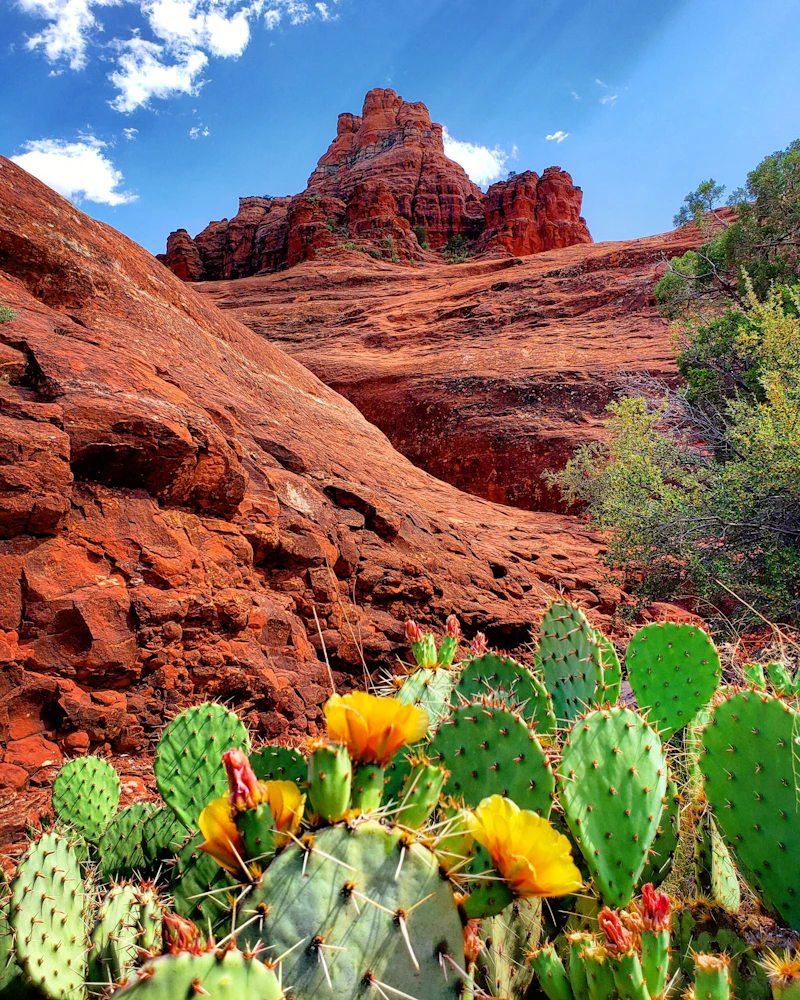
Often called a “museum without walls,” the Red Rock Scenic Byway is one of the most unique drives in the country. This 7.5-mile route offers breathtaking views of red-rock formations like Bell Rock, Cathedral Rock, and Courthouse Butte. Along the byway, visitors can access various hiking and biking trailheads, scenic pullouts, and—when in Sedona—vortex sites.
Where to Find More Information on the Coconino National Forest
For more information or questions, visit https://www.fs.usda.gov/r03/coconino
Discover how communities, volunteers, and partners are shaping the future of our National Forests and Grasslands.
The National Forest Foundation works with partners across Northern Colorado to restore forests, reduce wildfire risk, and care for the…
After years of damage, recovery, and reconstruction, the trail to Hanging Lake has been fully rebuilt, creating a more durable,…
Erosion and wildfire had left Arizona's historic Highline Trail rutted and unsafe. After five years of work with the Tonto…
Forest restoration near Flagstaff is reducing wildfire risk for local communities and safeguarding the water supply for millions across the…
Colorado's 14ers draw thousands of visitors each year, and the pressure on these fragile alpine landscapes is growing. Here's a…
Visitors of all ages can explore forest trails and sparkling waters, discover wildlife and underwater habitats, and connect with Tahoe’s…
A partnership-driven program connecting youth on Montana’s Flathead Reservation with hands-on conservation work, heritage education, and pathways in natural resource…
Seeing the impact first hand on the Grand Mesa, Uncompaghre and Gunnison National Forests
Seven Years of Reopening Trails After the Eagle Creek Fire
Field Ranger Program Connects Diverse Communities to Forests in Southern California
Our Forests Need Us Today.
Your donation powers critical, on-the-ground conservation—from wildfire recovery to watershed restoration—protecting forests for the future.