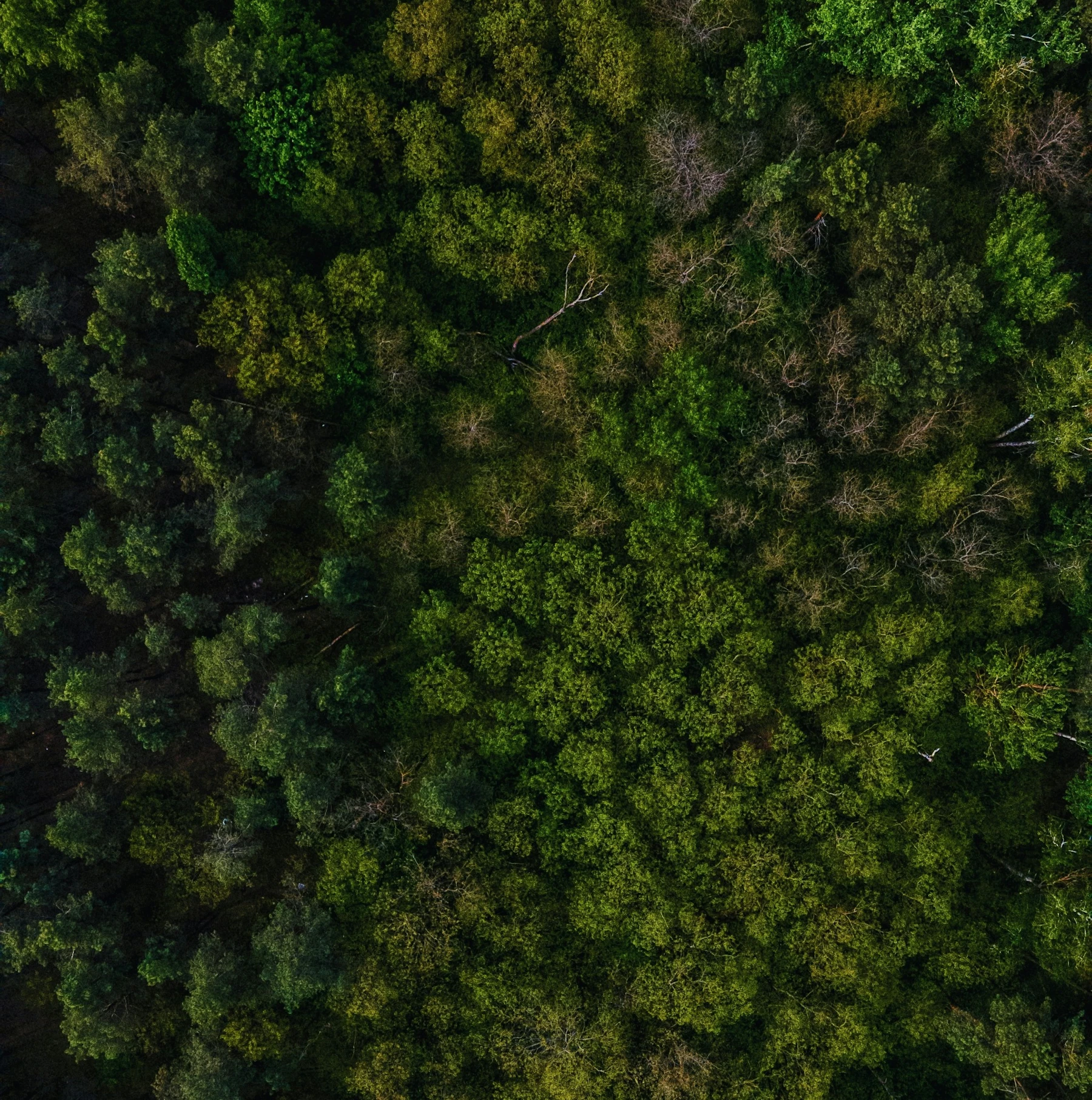
Uncover the Coronado National Forest, 1.7 million acres in southeastern Arizona and southwestern New Mexico that encompass one of the most geographically diverse forests in the country, from desert lowlands to alpine tundra.
One of the Coronado National Forest’s most special features is its 16 widely scattered mountain ranges, or “sky islands,” that rise dramatically from the desert floor, ranging in elevation from 3,000 to 10,720 feet.
The extreme elevation and habitat variations result in greater diversity of plants and wildlife than in most other National Forests in the country. Many of the 576 species of mammals, birds, reptiles, and amphibians that call the Coronado their home are found on no other National Forest.
The Coronado National Forest has eight Wilderness Areas, with at least one found in each Ranger District: the Chiricahua in the Douglas District, the Pajarita and Mount Wrightson in the Nogales District, Pusch Ridge and Rincon Mountain in the Santa Catalina District, Galiuro and Santa Teresa in the Safford District, and Miller Peak in the Sierra Vista District.
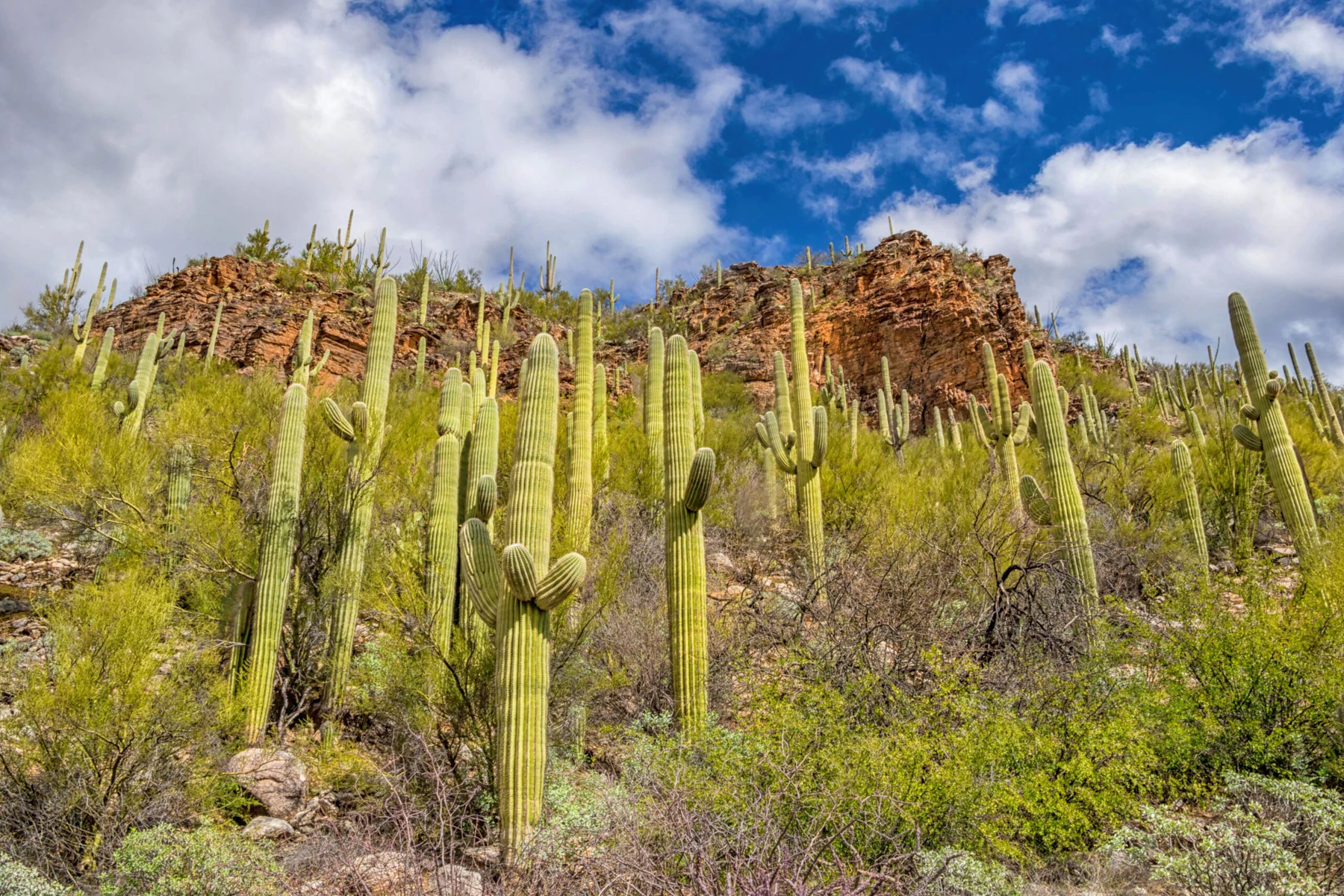
Views are spectacular from these mountains, and visitors may experience all four seasons during a single day’s journey, wandering through the desert among giant saguaro cactus and colorful wildflowers in the morning, enjoying lunch beside a mountain stream or lake, and playing in the snow later in the afternoon.
Recreational opportunities abound, from hiking, mountain biking, and horseback riding on more than 1,000 miles of trails to camping, rock climbing, caving, and scenic drives. Hike part of the Arizona Trail, go birdwatching in Madera Canyon, and rock climb the Santa Catalina Mountains.
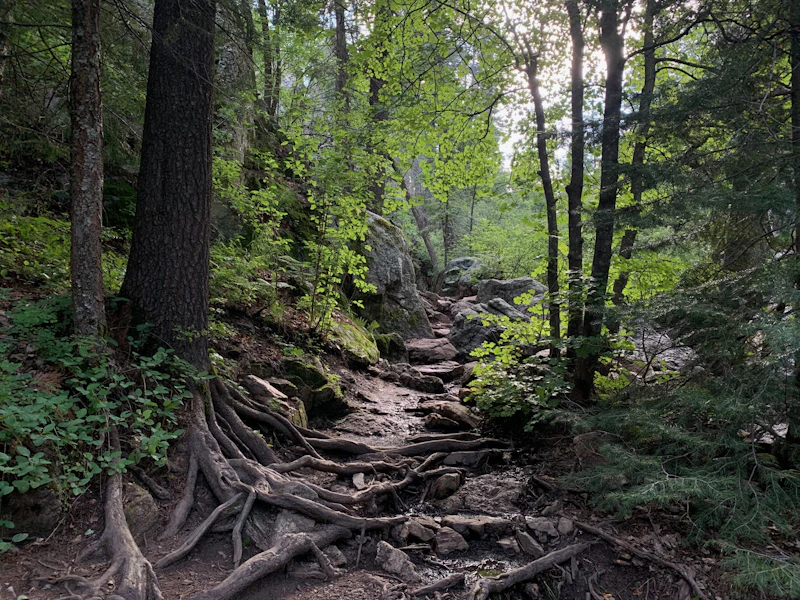 Photo by Ryan Wissmann
 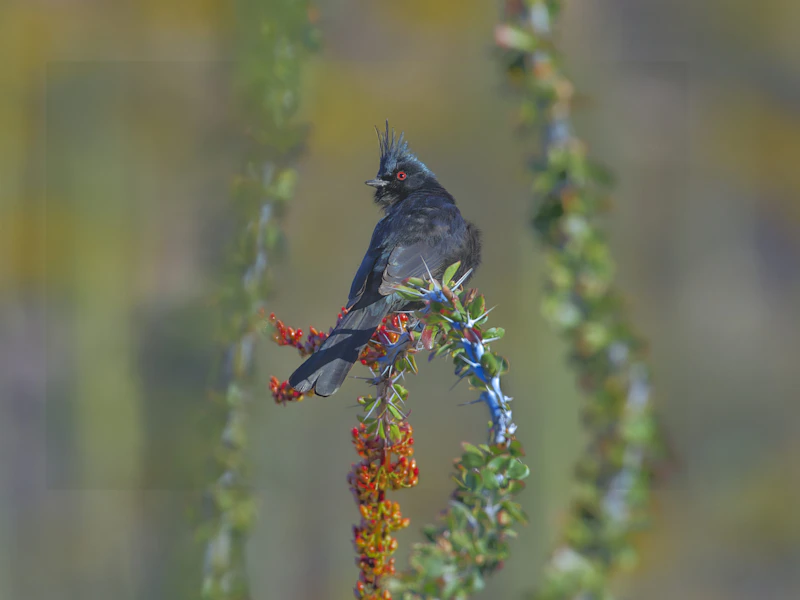 Photo by Rick Williams
 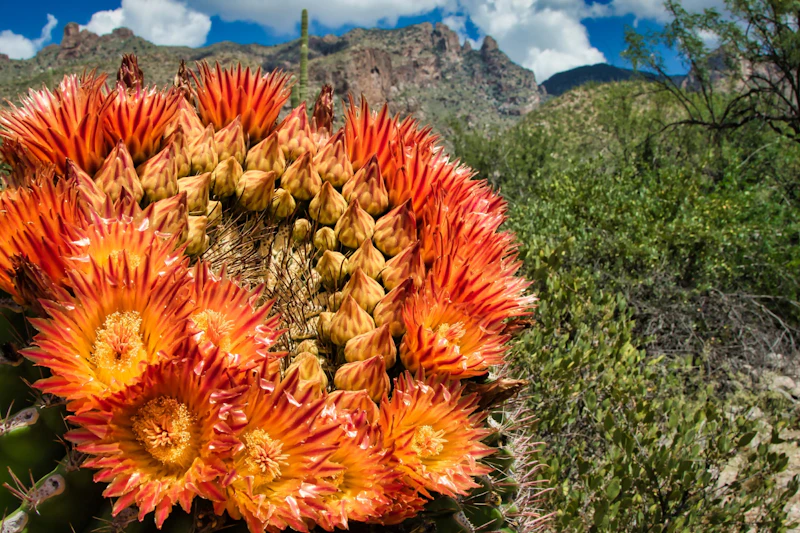 Photo by Rick Williams
 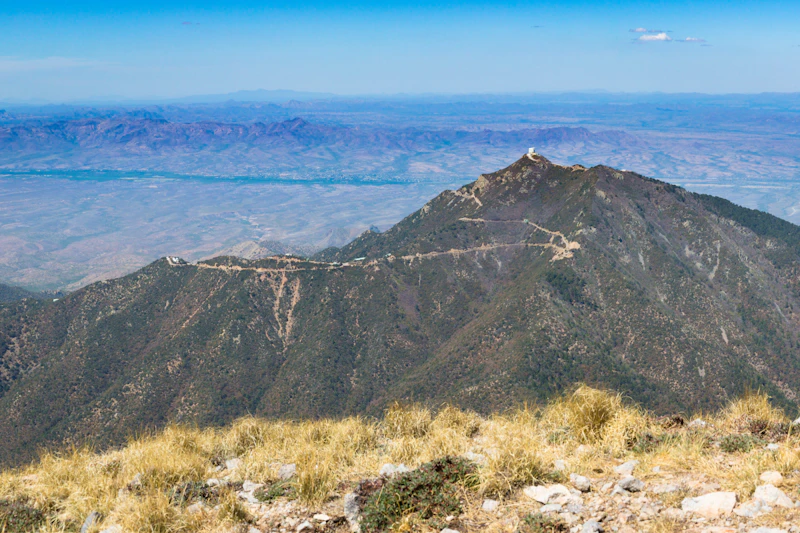 Photo by Steve Diephuis
 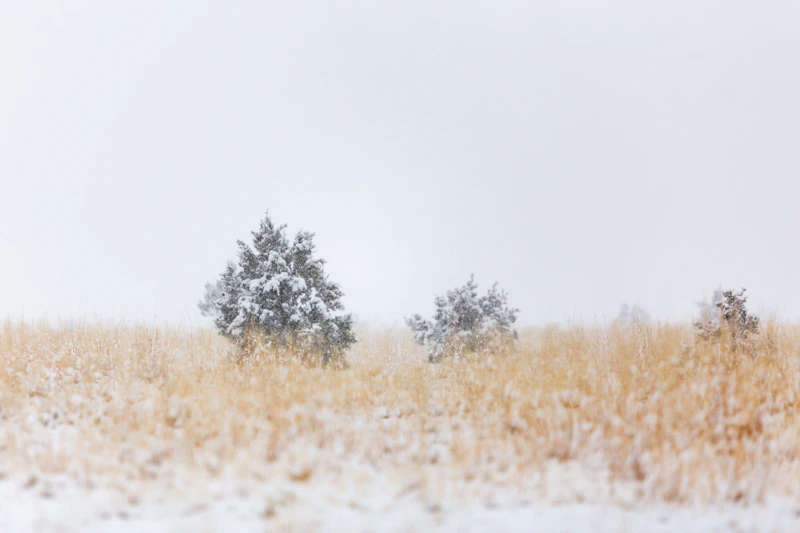 Photo by Royal Rugg
  Photo by Marisa Geraghty
 What is the History of the Coronado National Forest?
Evidence of agricultural peoples, such as the Mogollon and Hohokam, have been found in the forest, though archaeologists continue to trace their relationship to the peoples who came after: the Sobaipuri, Tohono O’Odham, and Pima. These tribes inhabited the area when the Apaches arrived from present-day Canada and the Spaniards from their conquest of Mexico.
Late in the 19th century, the east slope of the Santa Rita Mountains bustled with the activity of hundreds of miners. Gold had been discovered in 1874, in what became known as the Greaterville mining district. It proved to be the largest and richest placer deposit in southern Arizona. An old mining camp, Kentucky Camp, is located on the Coronado, and cabins are available as rental properties.
The Forest was named for Francisco Vasquez de Coronado, who journeyed in 1540 to the Zuni and Hopi villages through part of what is today the Coronado National Forest, which was officially designated in 1908.
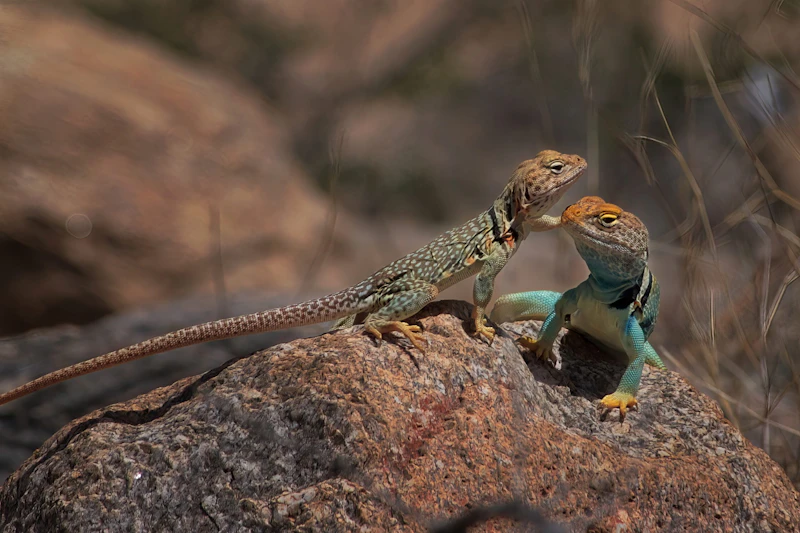
How to Get to the Coronado National Forest
The most common gateway to Coronado National Forest is Tucson, Arizona, which provides easy access to the Santa Catalina Mountains and Mount Lemmon via the Sky Island Scenic Byway.
The town of Willcox, Arizona, is another gateway, from where visitors can reach the Chiricahua Mountains via Interstate 10 and Highway 80, and the Huachuca Mountains via Interstate 10 and Highway 90.
Nogales, on the U.S.–Mexico border, provides access to the Santa Rita Mountains via Highway 82. On the New Mexico side, Highway 180 and the Old West town of Silver City offer access to the forest’s eastern sections.
- Tuscon, Arizona: Half-hour to 1 hour by car
- Phoenix, Arizona: 3 hours by car
- Flagstaff, Arizona: 5 hours by car
- Las Cruces, New Mexico: 5 to 5.5 hours by car

One of the Coronado National Forest’s unique features is its cave systems, a number of which are open to visitors. Explore the multidirection passages of Chiricahua Crystal Cave, the gallery of rock at Cave of Bells, and the limestone rooms of Onyx Cave. Because these caves are fragile environments and have endured vandalism in the past, visitors must obtain keys from a Forest Service office in advance.
This hike packs a punch: dropping 2,000 feet in just two miles, but offering views that make the strenuous descent and climb back up worth it. From the top of Lemmon Rock, the site of a historic Forest Service lookout cabin, hikers can see far-reaching views of southeastern Arizona.
The sight of rocky outcroppings and stony hoodoos is enough to take a rock climber’s breath away. The Santa Catalina Ranger District has a wealth of rock climbing opportunities with over 1,000 established routes within a short hike of the Santa Catalina Highway.
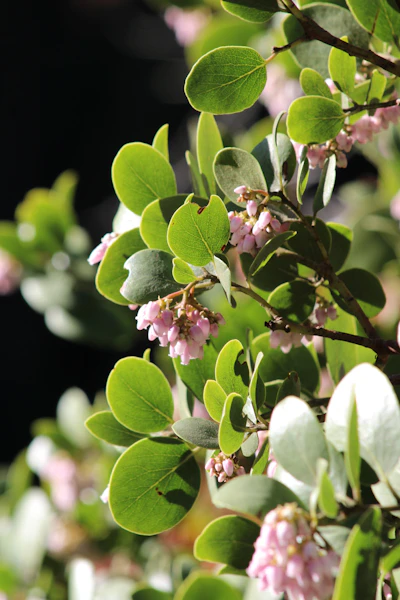 Manzanita A drought-tolerant shrub with twisted branches and evergreen leaves is found in the dry and rocky slopes of Coronado.
 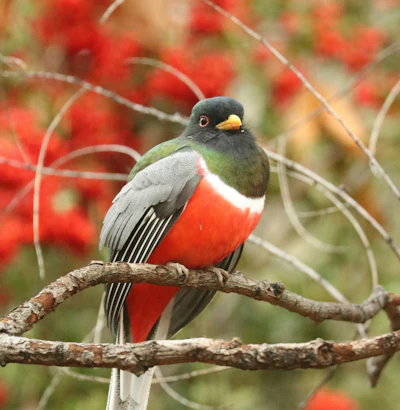 Elegant trogon With its iridescent green plumage, red belly, and white chest band, the elegant trogon is a sight to behold—and a sight only possible (within the U.S.) in the Coronado National Forest.
 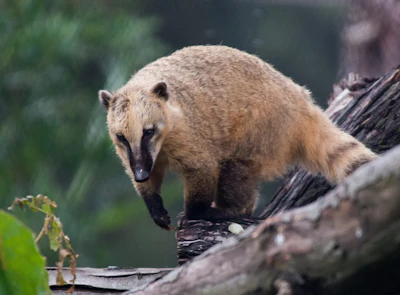 Coatimundi This racoon-like mammal, with long snouts and ringed tails, can be found in groups in lower elevation areas. They’re active foragers and agile climbers, often spotted in trees.
 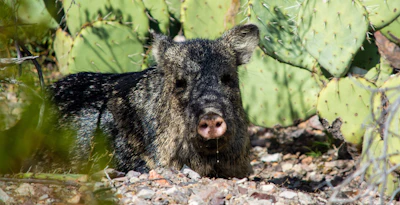 Javelina Often mistaken for pigs, this mammal can weigh up to 55 pounds and has a distinct white collar of fur. It travels in groups around desert scrub and woodlands, feeding on cactus, roots, and fruits.
 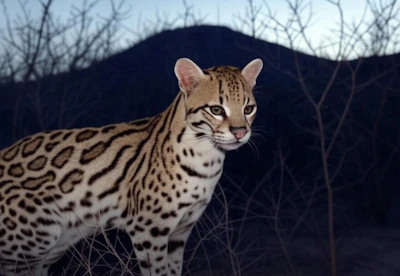 Ocelot This endangered and elusive wild cat is about the size of a bobcat, but with a golden-tan and dark-striped coat. They’re nocturnal, solitary, and therefore very rarely spotted.
 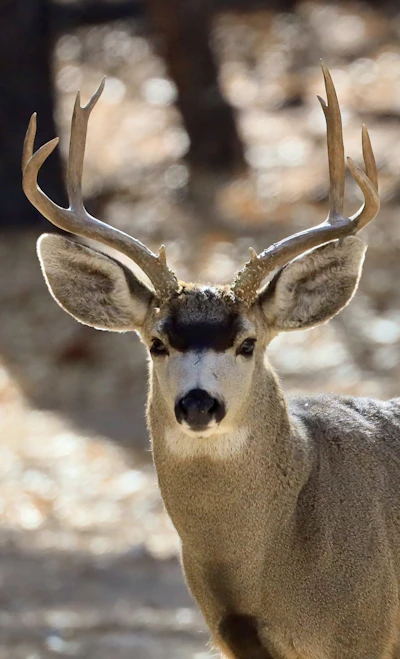 Mule deer One of the more common sights in Coronado, this deer, with large ears and black-tipped tails, is most active at dawn and dusk.
 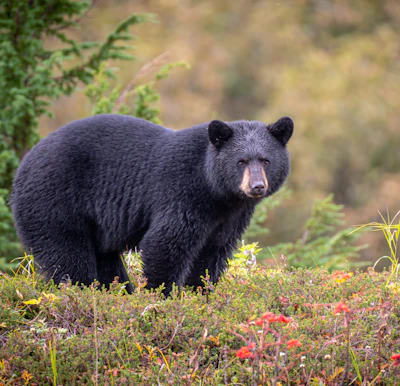 Black bear This medium-sized bear resides in the dense forests and open meadows of the forest, foraging for berries, insects, and small animals.
 Related Impact
Restoring the Colorado River Watershed through Nature Based Solutions
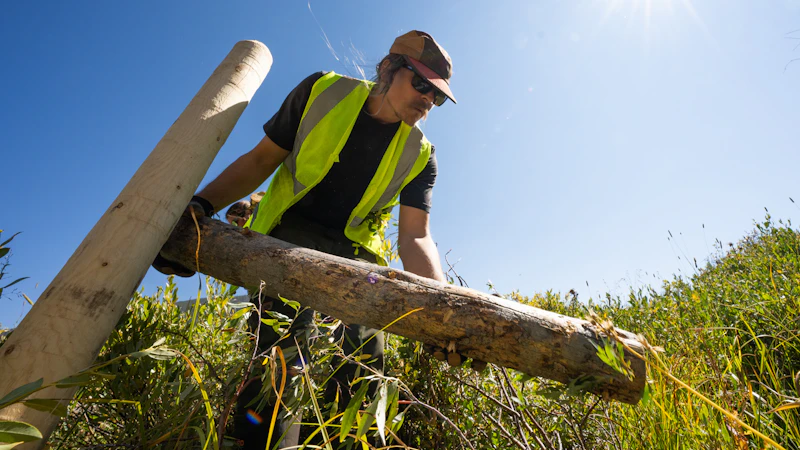
The National Forest Foundation and our partners are taking action through process-based restoration techniques that work with nature to bring life back to streams and wetlands in the Colorado River Watershed, securing water for people, wildlife, and the future.
What’s the Best First-Timer’s Adventure in the Coronado National Forest?
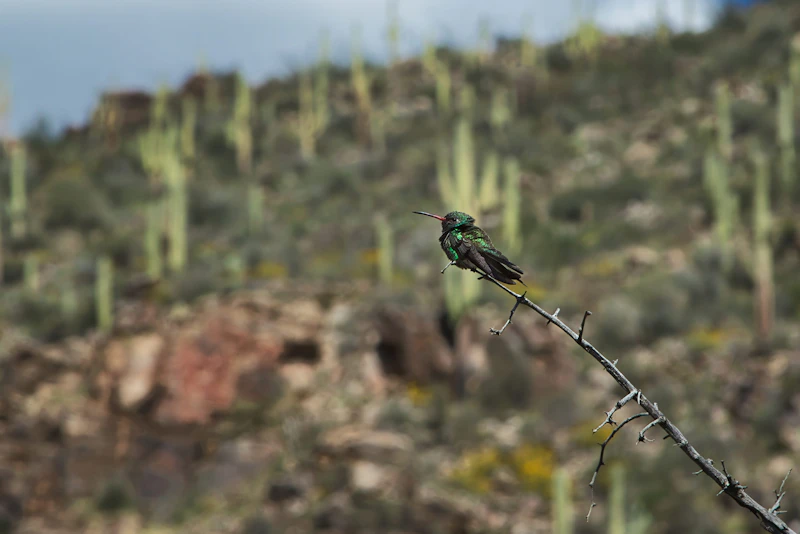
More than 400 species of birds can be found in the “sky islands” of the Coronado National Forest, including species that can’t be found elsewhere in the country, such as the Elegant Trogon and Whiskered Screech-Owl. Madera Canyon, in the Santa Rita Mountains, is a renowned bird-watching area for both rare and migratory species.
Where to Find More Information on the Coronado National Forest
For more information or questions, visit https://www.fs.usda.gov/r03/coronado
Discover how communities, volunteers, and partners are shaping the future of our National Forests and Grasslands.
The National Forest Foundation works with partners across Northern Colorado to restore forests, reduce wildfire risk, and care for the…
After years of damage, recovery, and reconstruction, the trail to Hanging Lake has been fully rebuilt, creating a more durable,…
Erosion and wildfire had left Arizona's historic Highline Trail rutted and unsafe. After five years of work with the Tonto…
Forest restoration near Flagstaff is reducing wildfire risk for local communities and safeguarding the water supply for millions across the…
Colorado's 14ers draw thousands of visitors each year, and the pressure on these fragile alpine landscapes is growing. Here's a…
Visitors of all ages can explore forest trails and sparkling waters, discover wildlife and underwater habitats, and connect with Tahoe’s…
A partnership-driven program connecting youth on Montana’s Flathead Reservation with hands-on conservation work, heritage education, and pathways in natural resource…
Seeing the impact first hand on the Grand Mesa, Uncompaghre and Gunnison National Forests
Seven Years of Reopening Trails After the Eagle Creek Fire
Field Ranger Program Connects Diverse Communities to Forests in Southern California
Our Forests Need Us Today.
Your donation powers critical, on-the-ground conservation—from wildfire recovery to watershed restoration—protecting forests for the future.