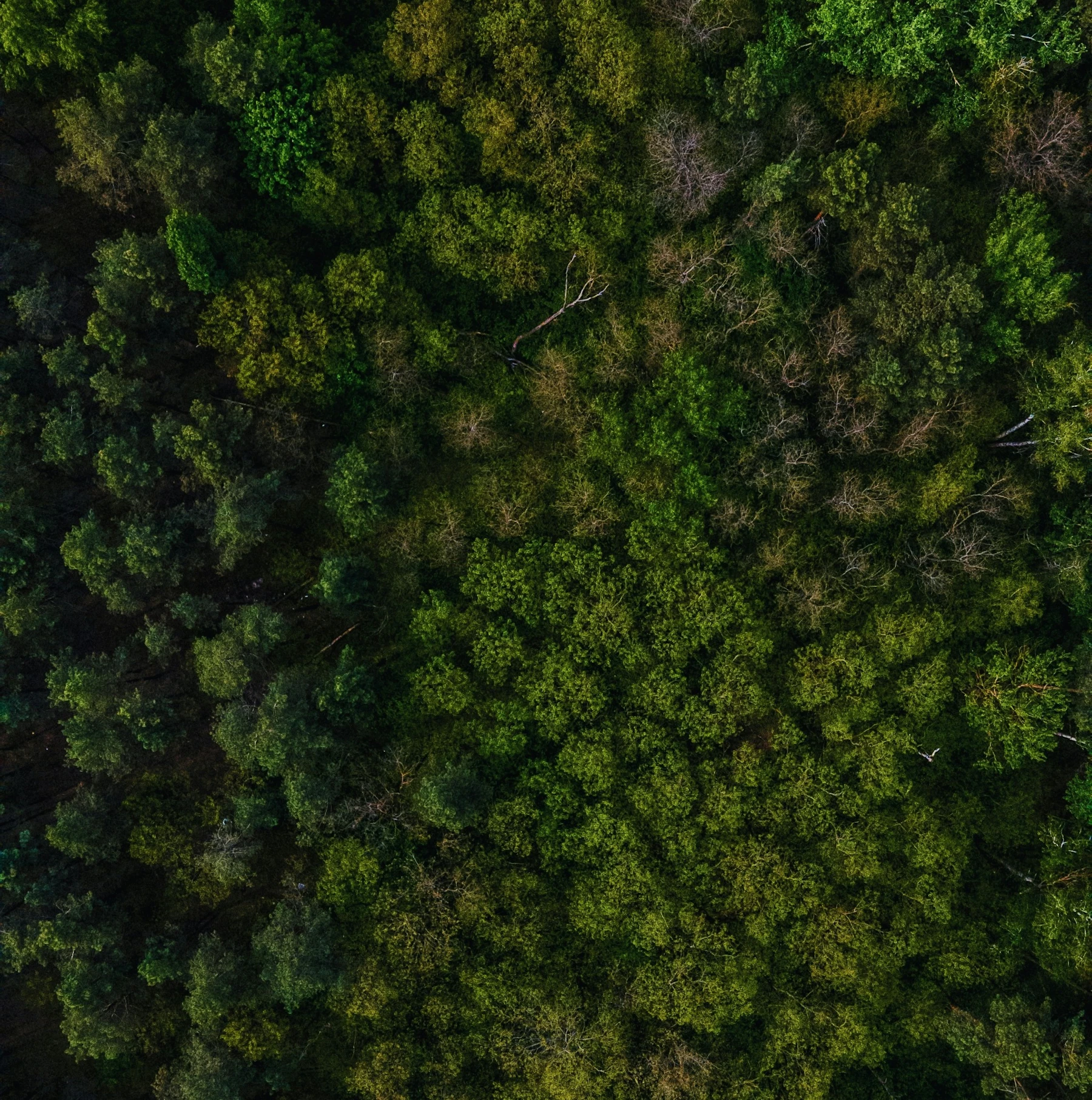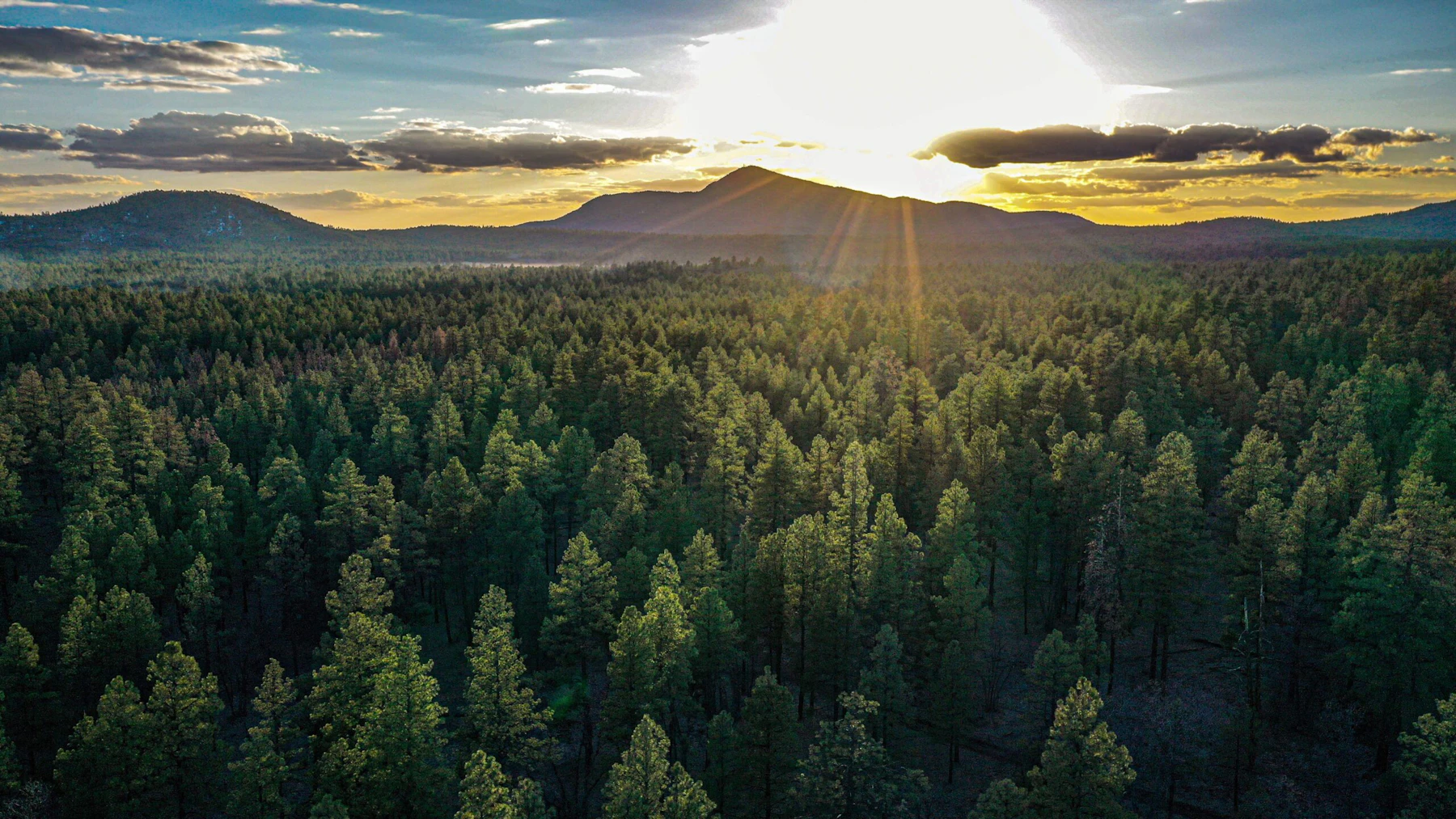
Experience the Kaibab National Forest, 1.6 million acres in Arizona that border both the north and south rims of the Grand Canyon and comprise the largest contiguous ponderosa pine forest in the United States. Breathtaking views, outstanding forest scenery, and unusual geologic formations come together to create a unique forest experience.
The Mogollon Rim marks the southern boundary and reaches near Arizona’s border with Utah border, while Grand Canyon National Park bisects the center of the forest. Elevations vary on the forest from 5,500 feet in the southwest corner to 10,418 feet at the summit of Kendrick Peak.
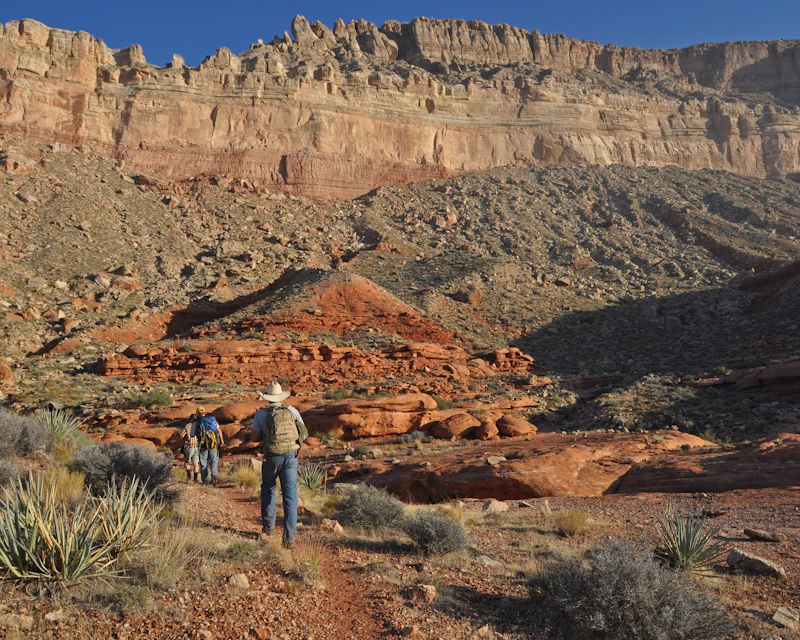
There are four designated Wilderness Areas in the Kaibab National Forest that are shared with other forests. The Sycamore Canyon Wilderness Area borders the forest on the south, an area of red-rock buttes across the Mogollon Rim and part of the Colorado Plateau.
The Kendrick Mountain Wilderness is located on the eastern edge of the Williams Ranger District, straddling a boundary with the Coconino National Forest and covering the slopes of northern Arizona’s second highest peak. The Saddle Mountain Wilderness and Kanab Creek Wilderness feature unique geological formations.
Hikers, bikers, and riders will find solitude, wildlife viewing, and spectacular views throughout the Kaibab National Forest, as will cross-country skiers and snowmobilers. A few of the trails are best suited for the experienced hiker, but there are trails for a variety of levels of expertise and desire. Fishing occurs at lakes, many of which have developed campgrounds nearby and accommodate fishing boats, canoes, kayaks, and small sailboats.
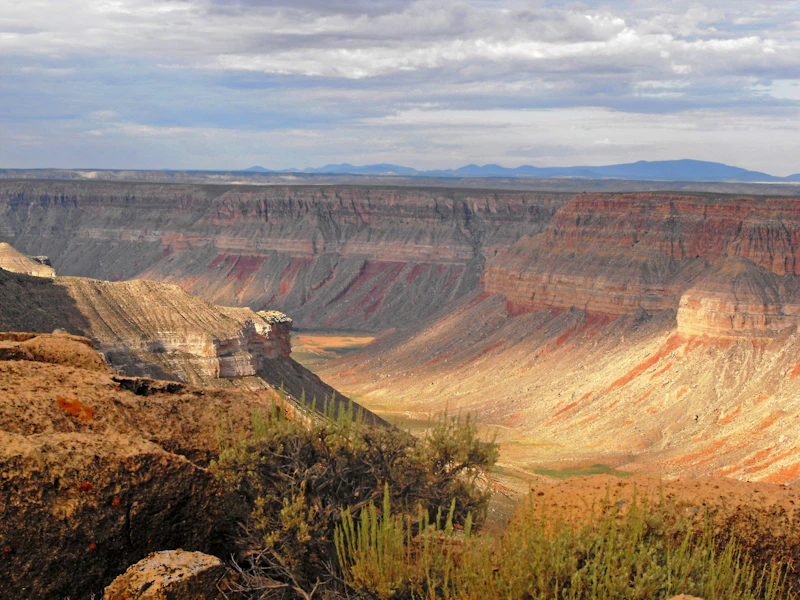 Photo by the U.S. Forest Service
 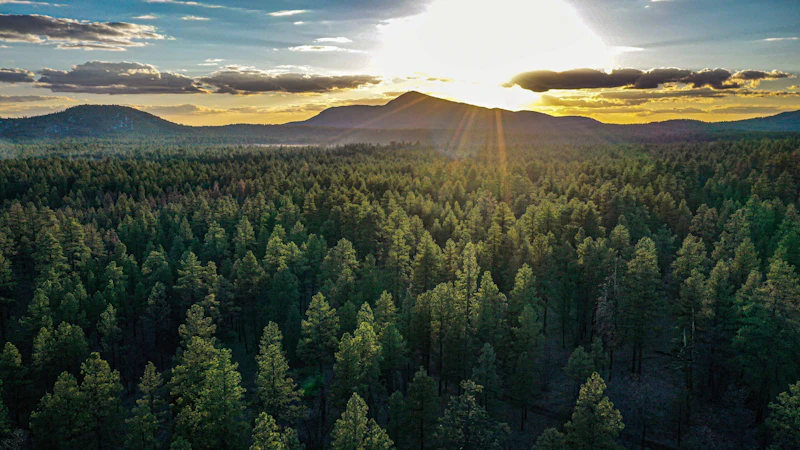 Kaibab National Forest. Photo by Cy McMains
  Sycamore Canyon. Photo by Rennan Kooistra
 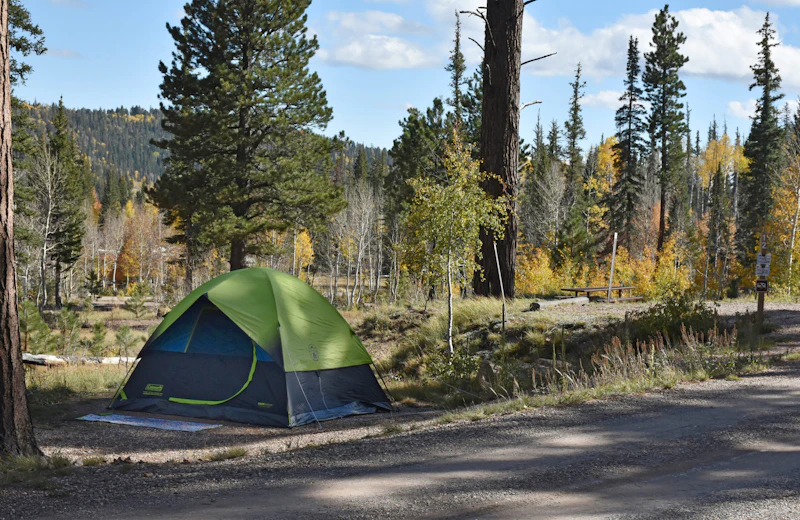 Tent camping at DeMotte campground. Photo by Dyan Bone, courtesy of the U.S. Forest Service
  Photo by Eva Oberg
 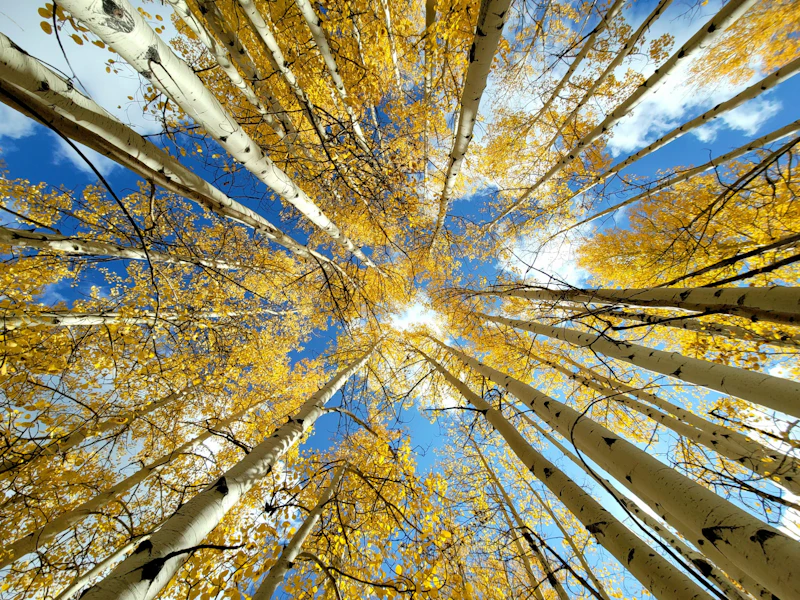 Photo by the U.S. Forest Service
 What is the History of the Kaibab National Forest?
Most archeological remains on the Kaibab National Forest south of Grand Canyon are between 1,200 and 850 years old, a period when people lived in semi-subterranean pit houses and stone houses, made pottery, and grew crops.
The Cohonina culture was most prominent in what is now the Williams area, followed by the Kayenta Anasazi, which shared the south rim of the Grand Canyon with the Cohonina. Both cultures first appeared in about AD 700 and disappeared, for unknown reasons, by about AD 1150. The word “kaibab” is from a Paiute language meaning “mountain lying down,” their name for the Grand Canyon. Other tribes including the Hopi and Navajo also call this area home.
The government established Kaibab National Forest in 1908, initially to manage timber, grazing, and watersheds. Since then, the forest has been the site of many ecological management projects, including wildlife restoration, particularly the famous Kaibab deer population recovery.
How to Get to the Kaibab National Forest
For those heading to the North Kaibab Ranger District, which includes the North Rim of the Grand Canyon, Arizona State Route 67 is the main road, connecting the forest to Jacob Lake, a small gateway town.
The gateway to the southern part of the forest is Williams, Arizona, directly off Interstate 40, a major east-west highway linking Flagstaff to the east and Kingman to the west, making it a popular base for visitors. The Grand Canyon’s South Rim is accessed via the U.S. Route 64 from Flagstaff, 80 miles south, or from Williams via the same route.
- Flagstaff, Arizona: 1.5 to 2 hours by car
- Phoenix, Arizona: 3.5 to 4 hours by car
- Las Vegas, Nevada: 4.5 hours by car
- St. George, Utah: 5.5 hours by car

This 9.2-mile round-trip hike brings you to one of the highest vistas in the area, 10,425-foot Kendrick Mountain. At the top, take in views of the Grand Canyon and Oak Canyon, and along the way, stop at an old lookout cabin built in the early 1900s and listed in the National Register of Historic Places.
This high-country route climbs to over 8,000 feet, offering high-desert landscapes, wildlife sightings, and dramatic vistas before ending at Grand Canyon National Park’s North Rim.
And if you are spending the night, you might want to consider staying at the historic Spring Valley Cabin, originally built in the early 20th century for forest rangers. It provides basic amenities, including a wood stove and bunk beds for eight people.
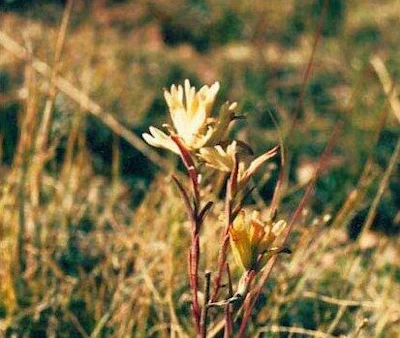 Kaibab Indian paintbrush Endemic to the Kaibab Plateau, this rare wildflower blooms yellow to red-orange in a paintbrush-like shape in high-elevation meadows and forest openings.
 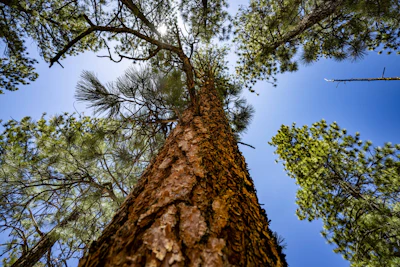 Ponderosa pine One of the most dominant trees in Coconina, it inhabits elevations between 6,500 and 8,000 feet and is known for vanilla-scented bark and large cones.
 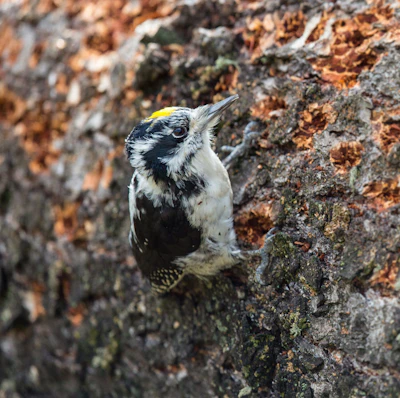 Three-toed woodpecker With its barred black-and-white plumage and yellow crown patch on males, this woodpecker thrives in Kaibab’s pine forests.
 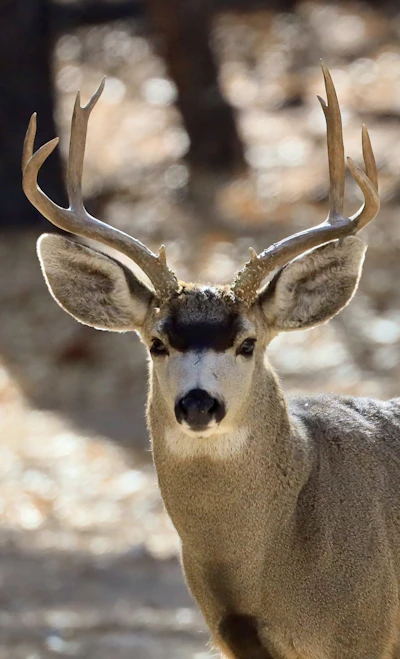 Mule deer With a stocky build, black-tipped tail, and a brown coat that turns gray in the winter, this deer feeds on shrubs, grasses, and acorns and prefers high elevation areas across the forest.
 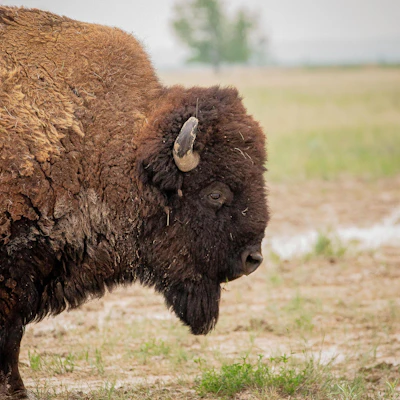 Buffalo In the upper portion of House Rock Valley, a herd of buffalo roam. These massive animals, weighing up to a ton, are best viewed from a distance.
 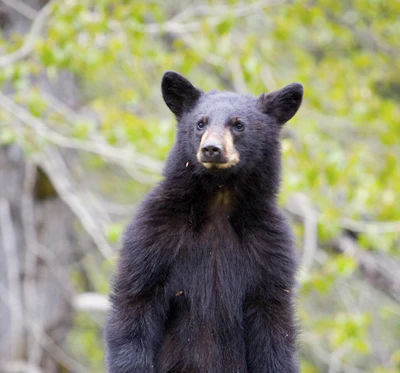 Black bear This medium-sized bear resides in the dense forests and open meadows of the forest, foraging for berries, insects, and small animals. It’s important to keep all food stored when recreating in the Inyo.
 Related Impact
Restoring the Colorado River Watershed through Nature Based Solutions
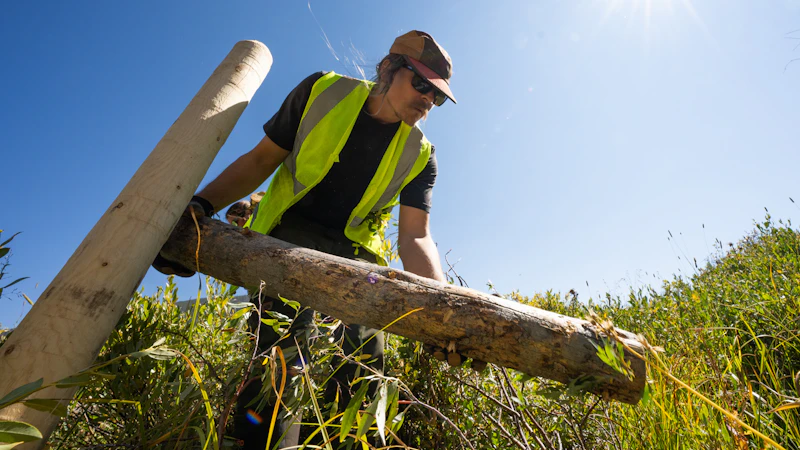
The National Forest Foundation and our partners are taking action through process-based restoration techniques that work with nature to bring life back to streams and wetlands in the Colorado River Watershed, securing water for people, wildlife, and the future.
What’s the Best First-Timer’s Adventure in the Kaibab National Forest
A section of the iconic Arizona National Scenic Trail passes through the North Kaibab Ranger District. It is the oldest section of the Arizona Trail, and it traces mixed woodlands before reaching East Rim Viewpoint, from where hikers can take in views of the Saddle Mountain Wilderness, House Rock Valley, and Marble Canyon.
Where to Find More Information on the Kaibab National Forest
For more information or questions, visit https://www.fs.usda.gov/r03/kaibab
Discover how communities, volunteers, and partners are shaping the future of our National Forests and Grasslands.
The National Forest Foundation works with partners across Northern Colorado to restore forests, reduce wildfire risk, and care for the…
After years of damage, recovery, and reconstruction, the trail to Hanging Lake has been fully rebuilt, creating a more durable,…
Erosion and wildfire had left Arizona's historic Highline Trail rutted and unsafe. After five years of work with the Tonto…
Forest restoration near Flagstaff is reducing wildfire risk for local communities and safeguarding the water supply for millions across the…
Colorado's 14ers draw thousands of visitors each year, and the pressure on these fragile alpine landscapes is growing. Here's a…
Visitors of all ages can explore forest trails and sparkling waters, discover wildlife and underwater habitats, and connect with Tahoe’s…
A partnership-driven program connecting youth on Montana’s Flathead Reservation with hands-on conservation work, heritage education, and pathways in natural resource…
Seeing the impact first hand on the Grand Mesa, Uncompaghre and Gunnison National Forests
Seven Years of Reopening Trails After the Eagle Creek Fire
Field Ranger Program Connects Diverse Communities to Forests in Southern California
Our Forests Need Us Today.
Your donation powers critical, on-the-ground conservation—from wildfire recovery to watershed restoration—protecting forests for the future.