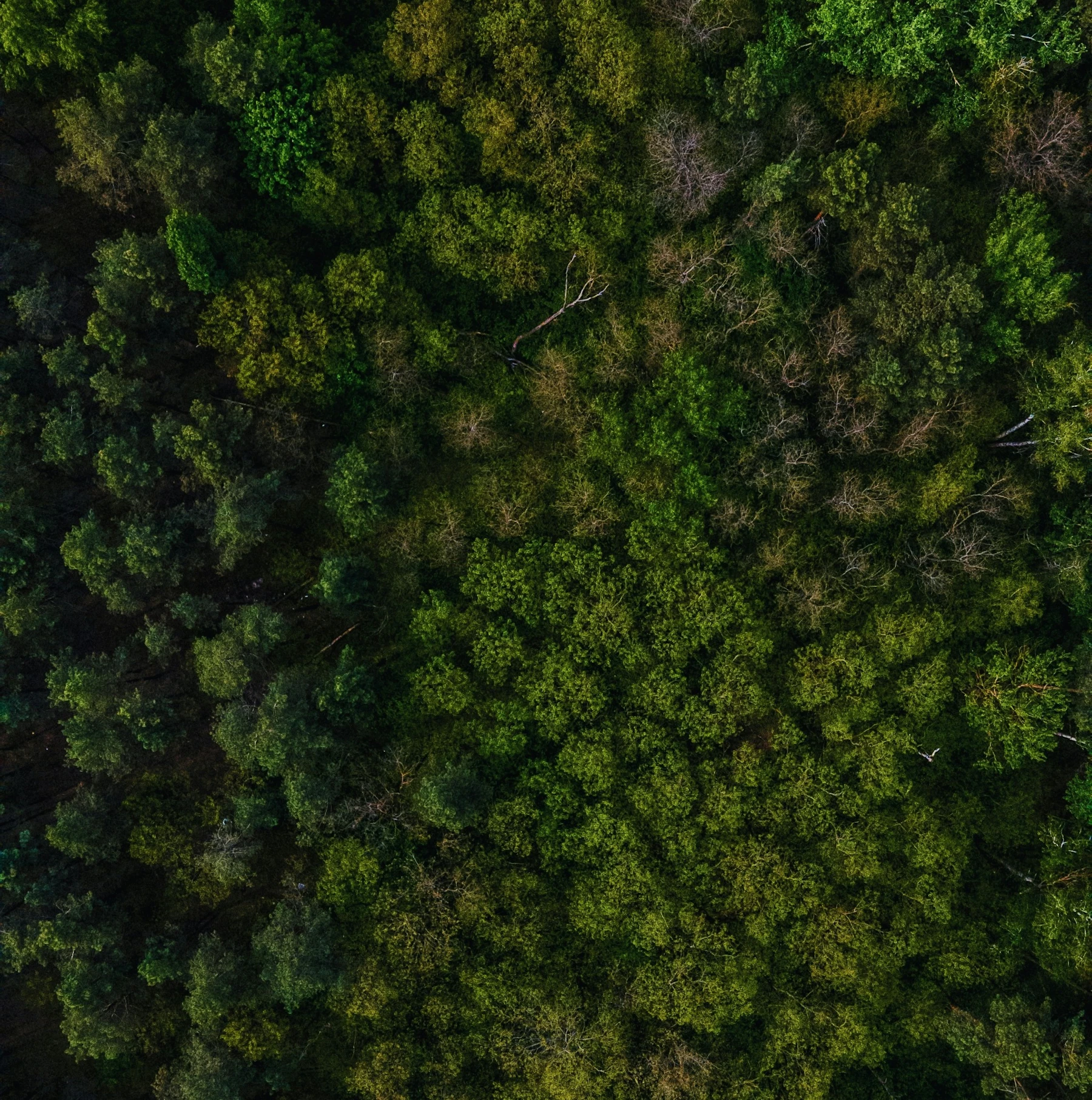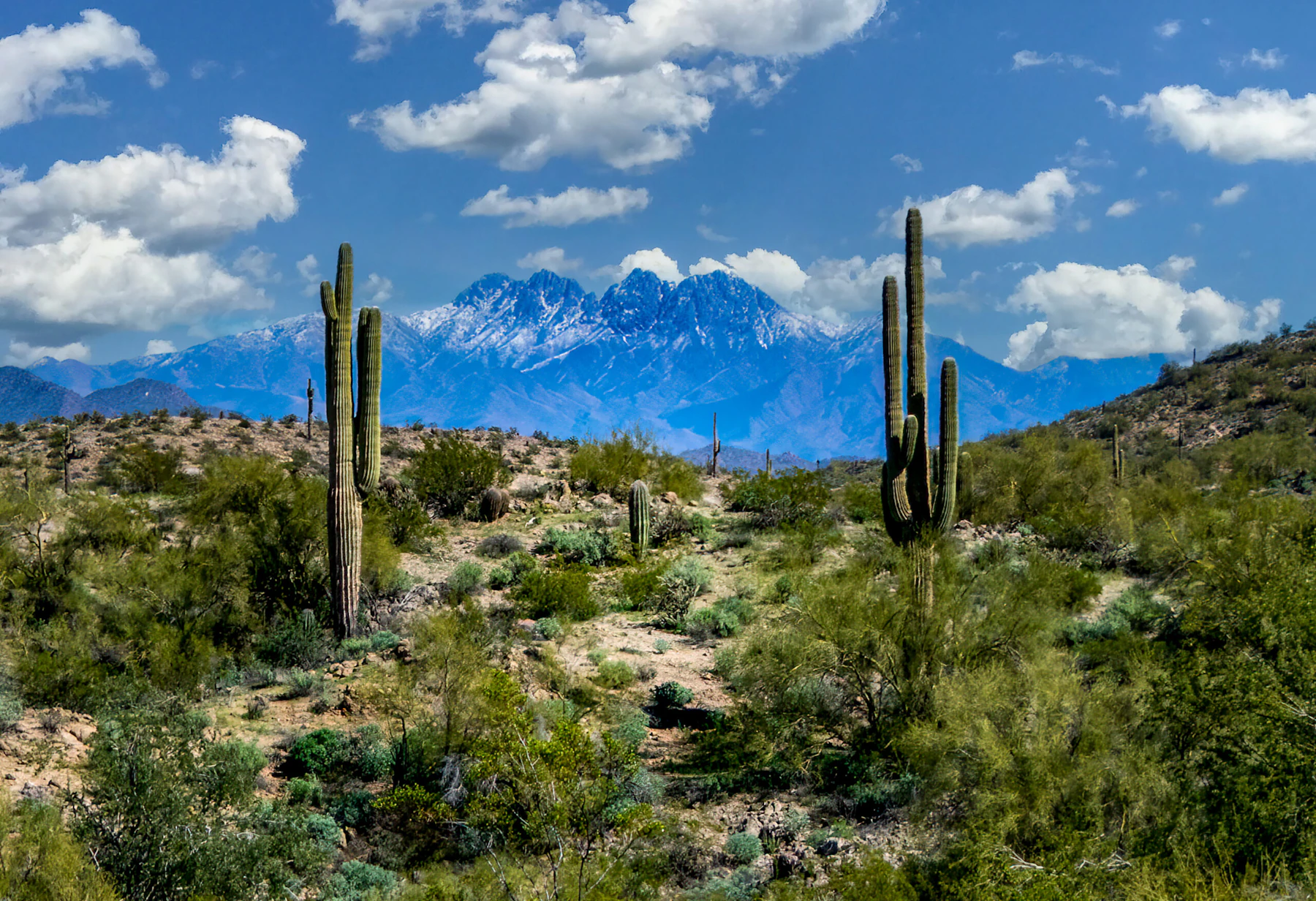
Discover the Tonto National Forest, nearly three million acres in Arizona ranging from the Saguaro cactus-studded desert to pine-forested mountains beneath the Mogollon Rim. The sheer range of elevation, from 1,300 to 7,900 feet, makes for incredible recreational opportunities throughout the year, whether it’s swimming at lake beaches or mountain-biking through cool pine forests.
The forest’s defining feature is its water, namely the Salt and Verde Rivers, which carve deep canyons and feed six lakes formed by historic dam projects, including the Roosevelt, Apache, Canyon, and Saguaro Lakes. These waterways make Tonto a major recreation hub for boating, fishing, and swimming. World-class whitewater can be experienced on the upper stretches of the Salt River.
The forest contains seven Wilderness Areas, from the Salt River Canyon Wilderness, often referred to as Arizona’s other Grand Canyon, to Mazatzal Wilderness, topped by 7,903-foot Mazatzal Peak. The Tonto is also home to ancient archaeological sites from the Hohokam and Salado cultures, such as the Tonto National Monument cliff dwellings.
Camping is one of the most popular activities in the forest, from boat-camping at one of the reservoirs or escaping the heat at one of the many high-elevation, pine-shrouded campgrounds. Near 900 miles of trails cater to hikers, mountain bikers, and horseback riders. The forest also has a number of designed areas for off-highway vehicle use.
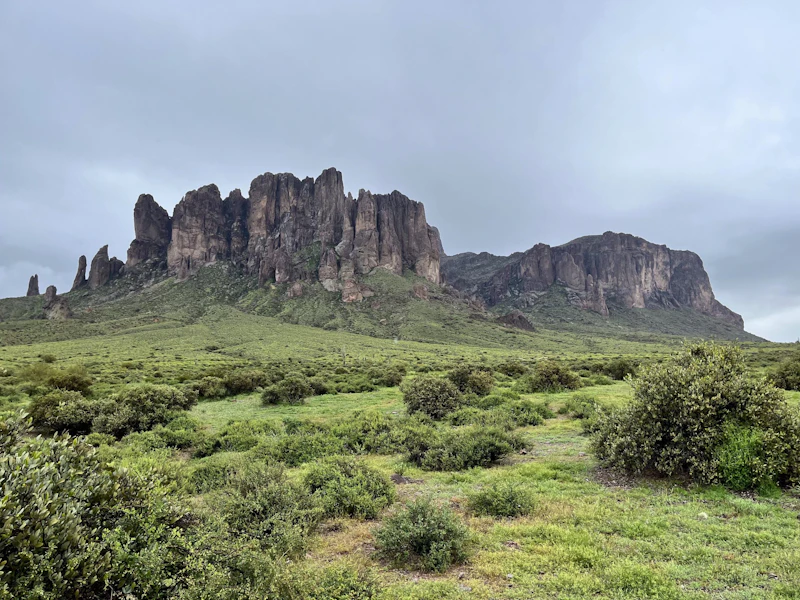 Spring in the foothills of Superstition Mountains. Photo by Tristan Munchinsky
 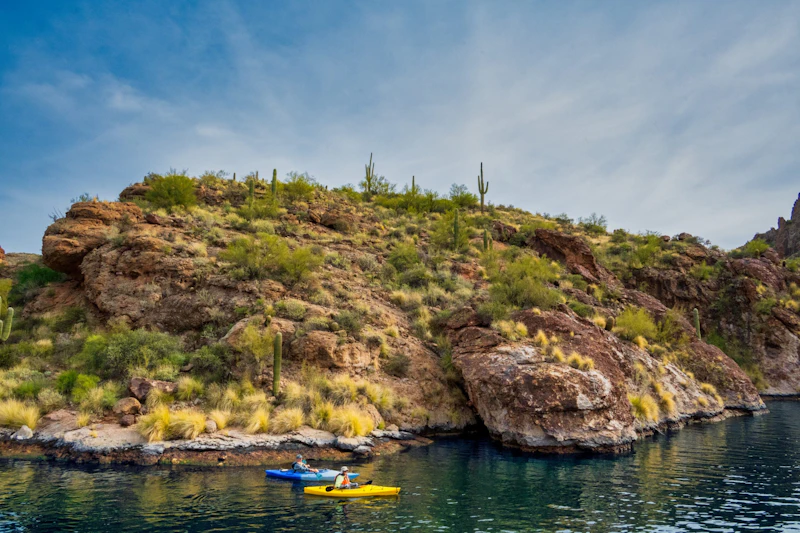 Canyon Lake kayakers. Photo by Jamie Lee Peterson
 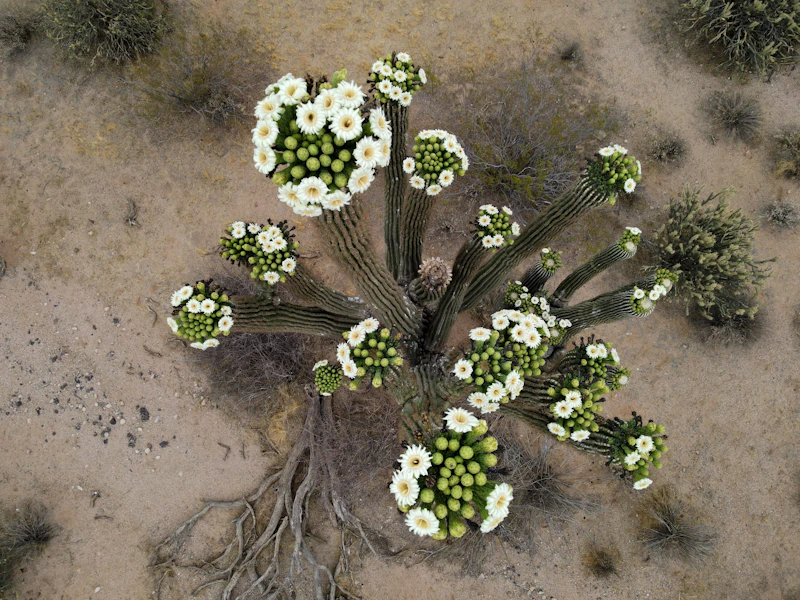 Saguaro cactus in bloom. Photo by Justin Eddinger
 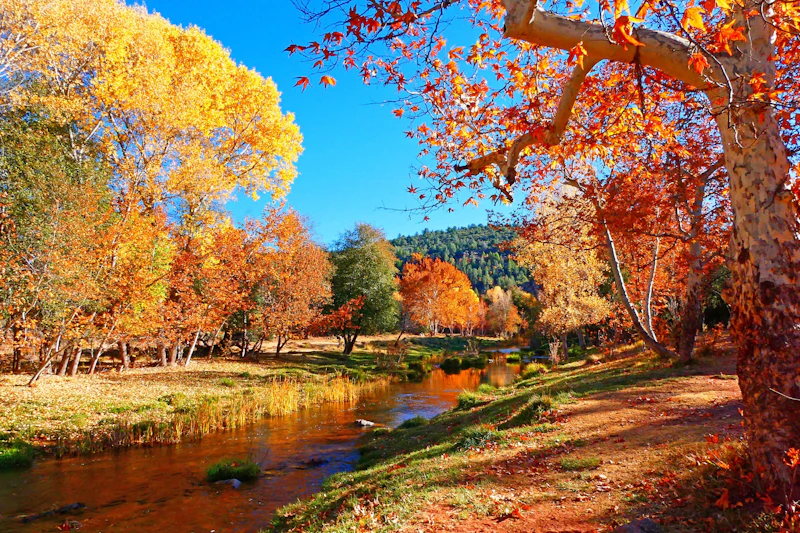 Photo byBrenda Darling
 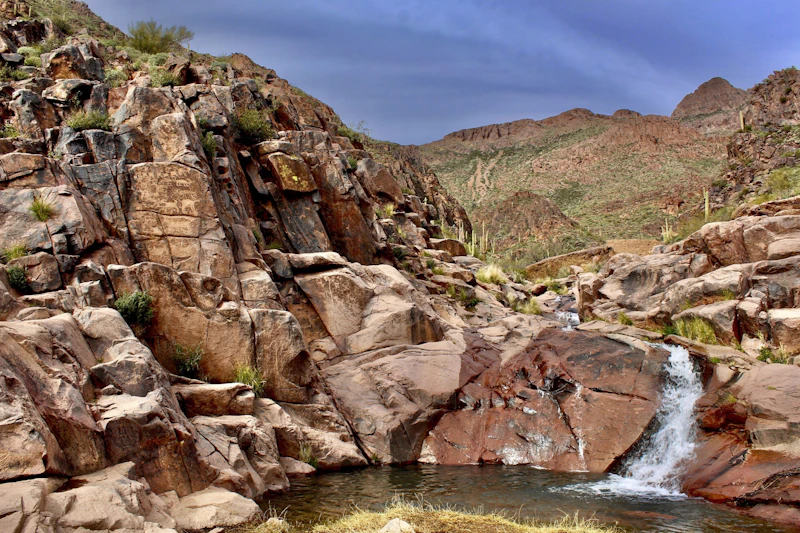 Seasonal spring. Photo by Bob Oldt
  The Milky Way rises over Picketpost Mountain. Photo by Jenny Clark
 What is the History of the Tonto National Forest?
Thousands of years ago, the area that now includes Tonto National Forest was home to Indigenous peoples like the Hohokam and Salado, who built extensive irrigation systems and cliff dwellings, some of which remain preserved at the Tonto National Monument.
Its modern chapter began in the late 19th century as settlers, ranchers, and miners moved into central Arizona. Overgrazing, mining, and concerns about watershed degradation led to calls for federal protection. Recognizing the importance of the Salt and Verde Rivers, which would become vital water supplies for Phoenix, President Theodore Roosevelt established the Tonto Forest Reserve in 1905. Two years later, it became the Tonto National Forest.
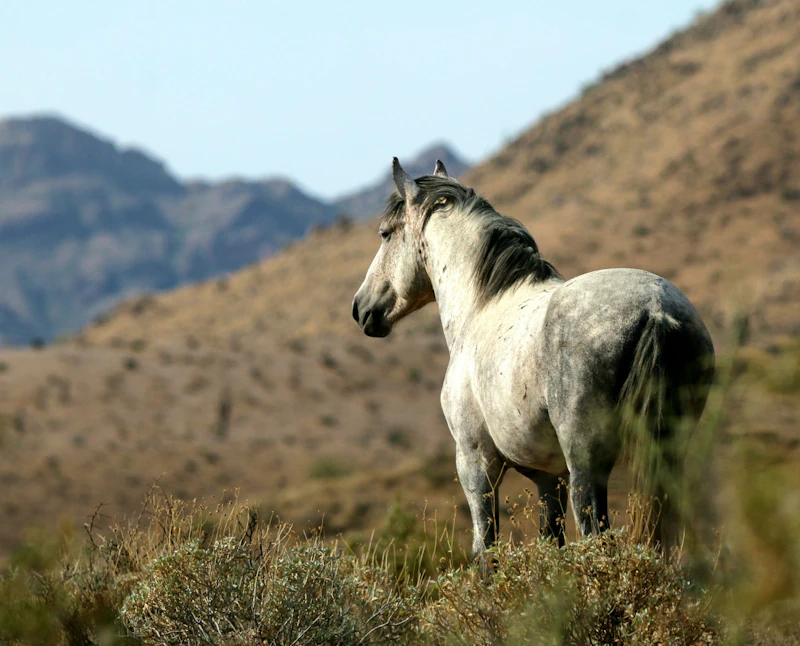
How to Get to the Tonto National Forest
The Tonto National Forest is only 30 to 60 miles from Phoenix, making it a very popular urban retreat. From Phoenix, U.S. Route 60 leads toward the Superstition Mountains and the Tonto Basin, State Route 87 connects to the town of Payson and northern portions of the forest like the Mogollon Rim, and State Route 188 provides access to Roosevelt Lake.
- Phoenix, Arizona: Half hour to 1 hour by car
- Tuscon, Arizona: 2.5 to 3 hours by car
- Flagstaff, Arizona: 2.5 to 3 hours by car

Located along the shoreline of Roosevelt Lake, this viewing area features accessible trails, observation points, and picnic spots for enjoying the forest’s diverse wildlife. Spot bald eagles, herons, and waterfowl, while mule deer and javelina roam the surrounding desert and riparian habitats.
The forest is home to two scenic byways: the 74-mile From the Desert to the Pines Scenic Byway and the 35-mile Gila-Pinal Scenic Road. Both drives focus on showing off the forest’s four biotic communities, from the Sonoran Desert to the Ponderosa Pine.
Visiting this monument offers a unique glimpse into the lives of the Salado people who inhabited central Arizona over 700 years ago. The area features well-preserved cliff dwellings tucked into rugged canyon walls, accessible via short, interpretive trails.
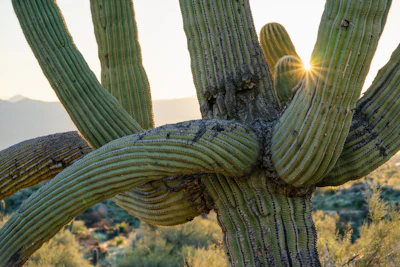 Saguaro This characterful cactus, which can grow up to 40 feet tall, is one of the most iconic silhouettes of the forest. Its white flowers blossom in late spring, and the bright red fruits that follow the blooms feed wildlife.
 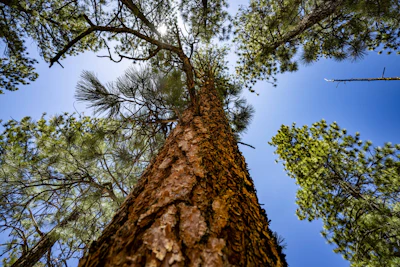 Ponderosa pine One of the most dominant trees in the forest, it inhabits elevations between 6,500 and 8,000 feet and is known for vanilla-scented bark and large cones.
 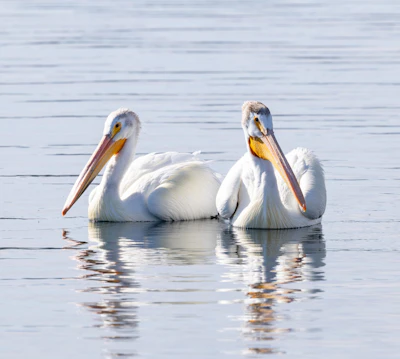 American white pelican One of the largest birds in North America, with a nine-foot average wingspan, the white pelican often travels in flocks.
 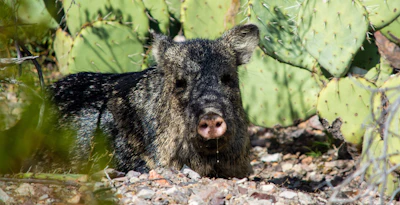 Javelina Often mistaken for pigs, this mammal can weigh up to 55 pounds and has a distinct white collar of fur. It travels in groups around desert scrub and woodlands, feeding on cactus, roots, and fruits.
 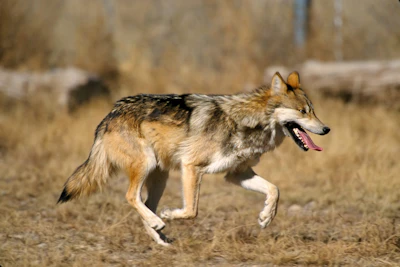 Mexican gray wolf Native to Mexico and the southwestern US, this smaller of the gray wolf subspecies weighs between 50 and 80 pounds.
 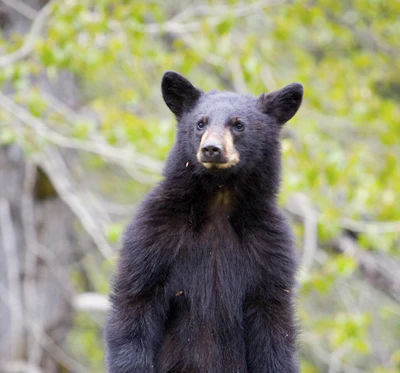 Black bear This medium-sized bear resides in the dense woodlands and open meadows of the forest, foraging for berries, insects, and small animals.
 Related Impact
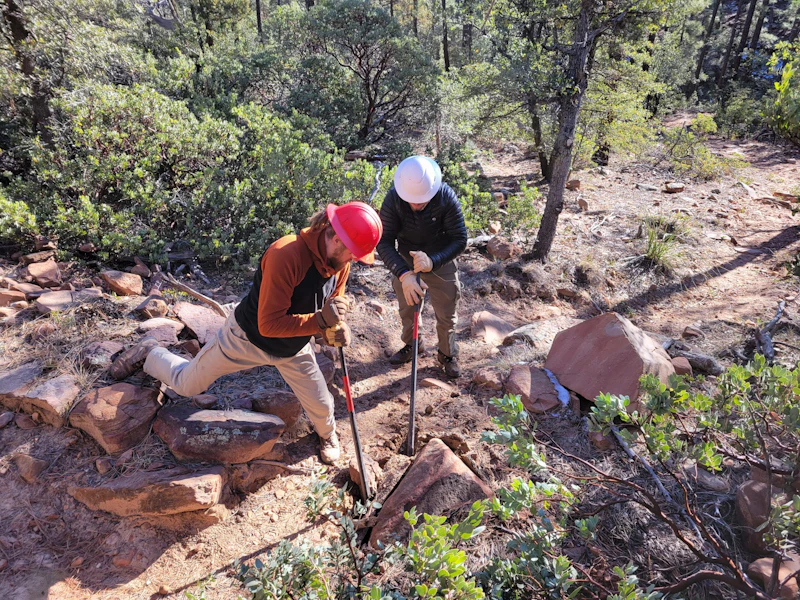
Restoring a Rim Country Classic
After five years of restoration, the Highline Trail, a historic route used by homesteaders in the 1800s turned National Recreation Trail, is back and better than ever.
What’s the Best First-Timer’s Adventure in the Tonto National Forest
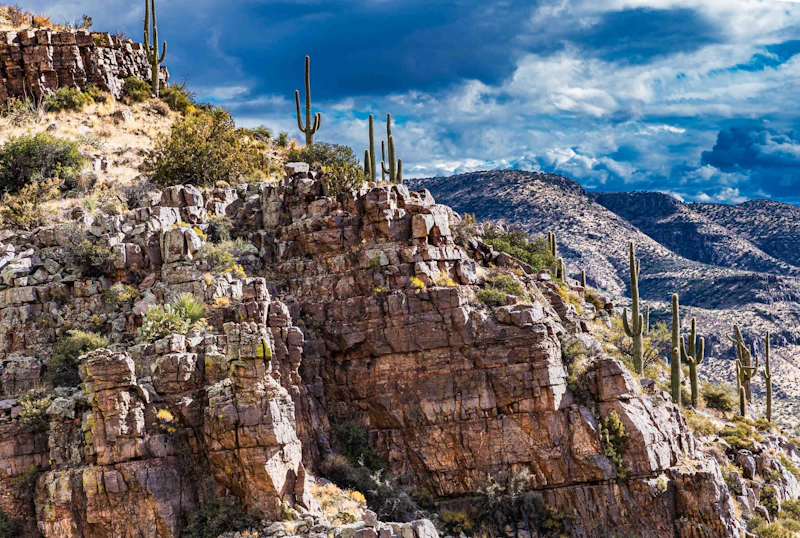
For an easy hike that combines desert flora with the area’s ancient human history, hike the 1.1-mile one-way Hieroglyphic Trail near Roosevelt Lake. The trail winds through Sonoran Desert terrain, featuring saguaro cacti, desert shrubs, and panoramic lake views. Its highlight is a series of ancient petroglyphs etched into rocks.
Where to Find More Information on the Tonto National Forest
For more information or questions, visit https://www.fs.usda.gov/r03/tonto.
Discover how communities, volunteers, and partners are shaping the future of our National Forests and Grasslands.
The National Forest Foundation works with partners across Northern Colorado to restore forests, reduce wildfire risk, and care for the…
After years of damage, recovery, and reconstruction, the trail to Hanging Lake has been fully rebuilt, creating a more durable,…
Erosion and wildfire had left Arizona's historic Highline Trail rutted and unsafe. After five years of work with the Tonto…
Forest restoration near Flagstaff is reducing wildfire risk for local communities and safeguarding the water supply for millions across the…
Colorado's 14ers draw thousands of visitors each year, and the pressure on these fragile alpine landscapes is growing. Here's a…
Visitors of all ages can explore forest trails and sparkling waters, discover wildlife and underwater habitats, and connect with Tahoe’s…
A partnership-driven program connecting youth on Montana’s Flathead Reservation with hands-on conservation work, heritage education, and pathways in natural resource…
Seeing the impact first hand on the Grand Mesa, Uncompaghre and Gunnison National Forests
Seven Years of Reopening Trails After the Eagle Creek Fire
Field Ranger Program Connects Diverse Communities to Forests in Southern California
Our Forests Need Us Today.
Your donation powers critical, on-the-ground conservation—from wildfire recovery to watershed restoration—protecting forests for the future.