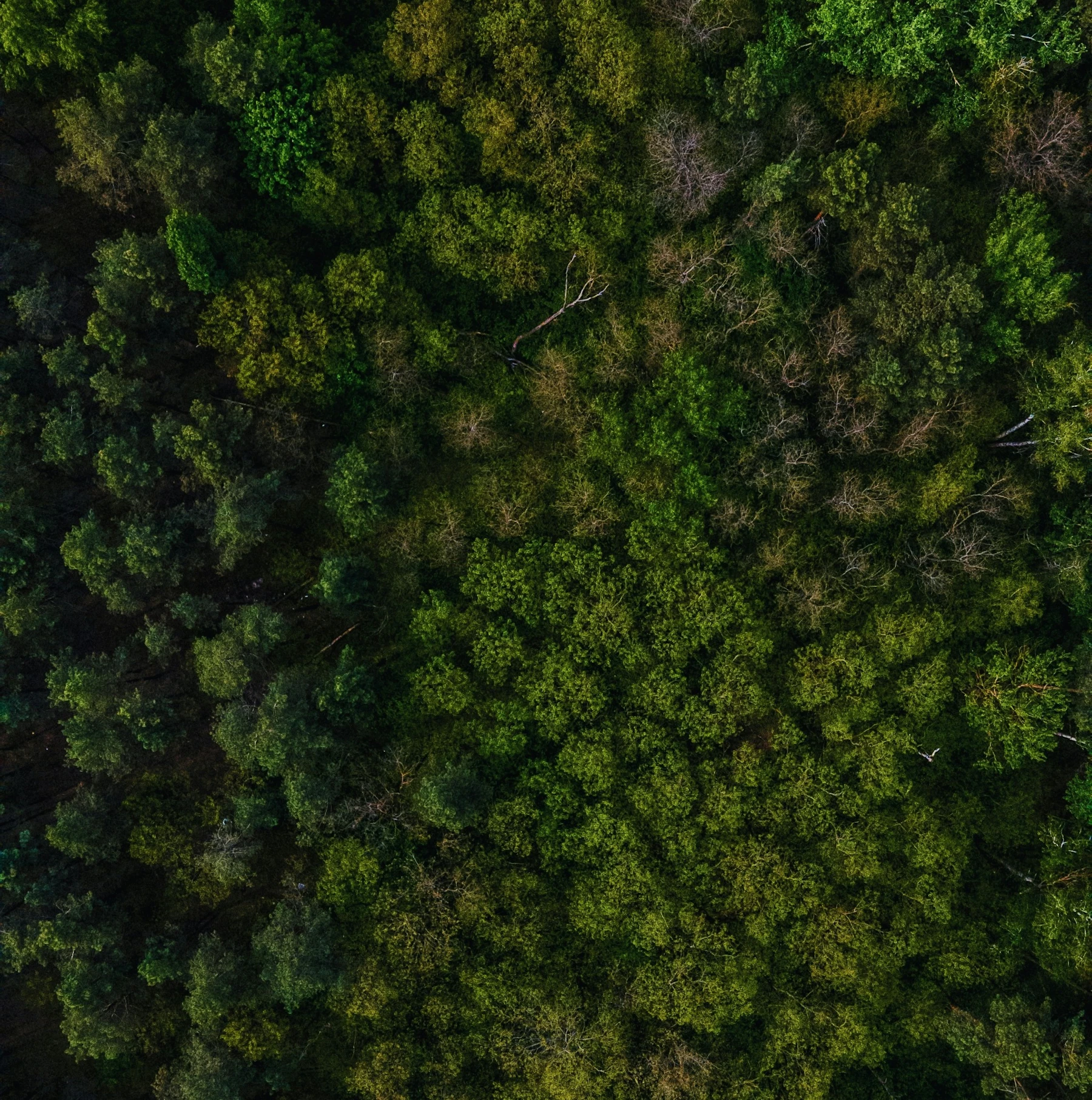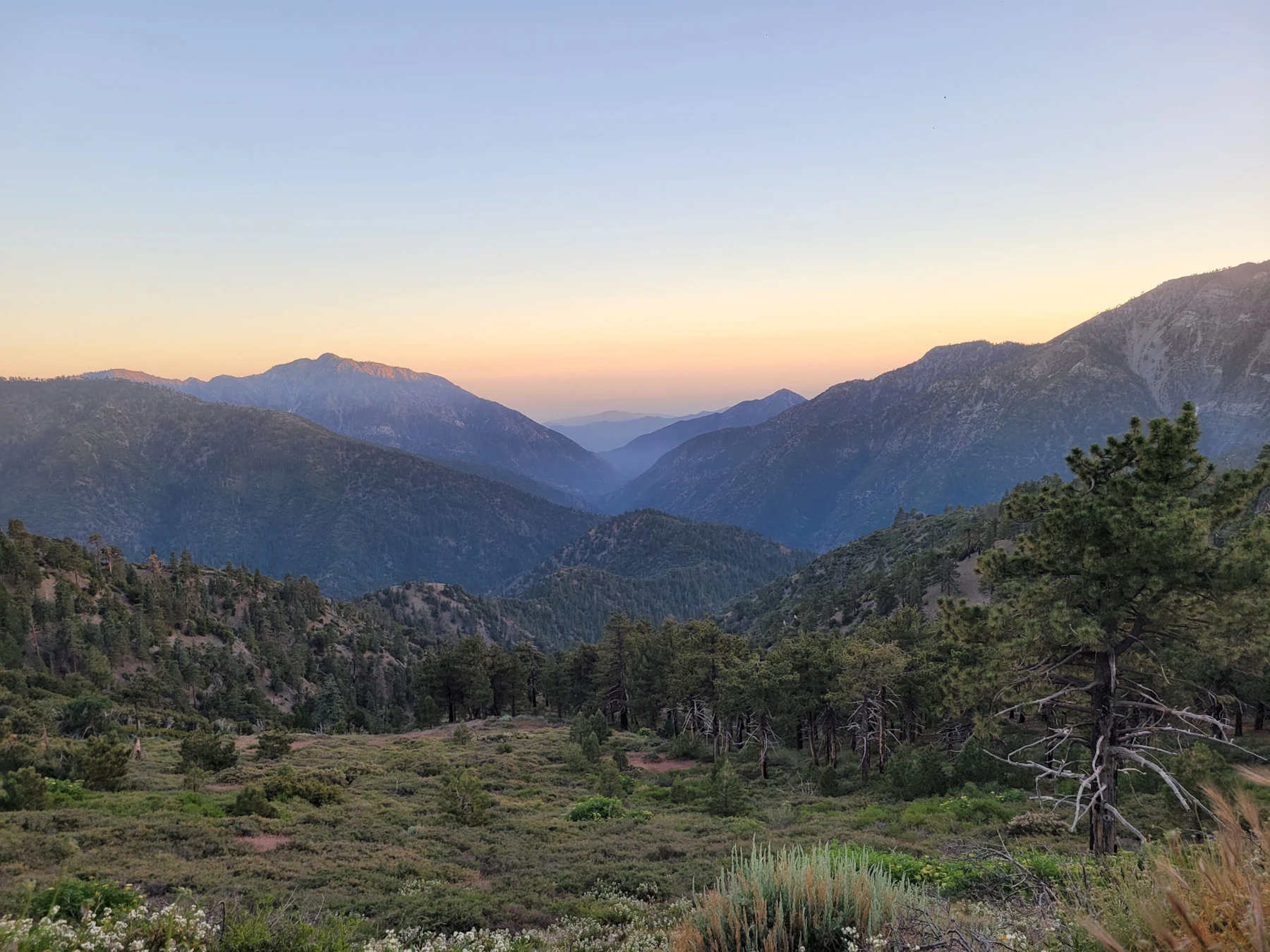
The Angeles National Forest, located in southern California, is one of the country’s best city escapes. Half of its nearly 700,000 acres cover the biodiverse San Gabriel Mountains, which tops out at 10,064-foot Mount Baldy. The forest encompasses two truly unique wildernesses: the San Gabriel and Sheep Mountain.
With 557 miles of hiking and equestrian trails, 176 miles of which are part of the Pacific Crest Trail; lakes and streams offering various water activities, and skiing and snowmobiling across its five ski areas, Angeles National Forest is an exciting year-round destination.
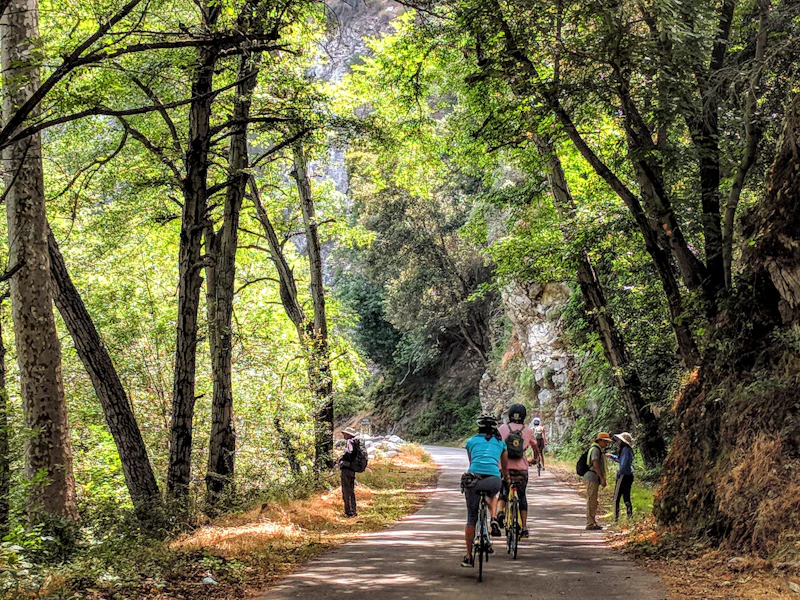 Photo by Bryan Matsumoto
 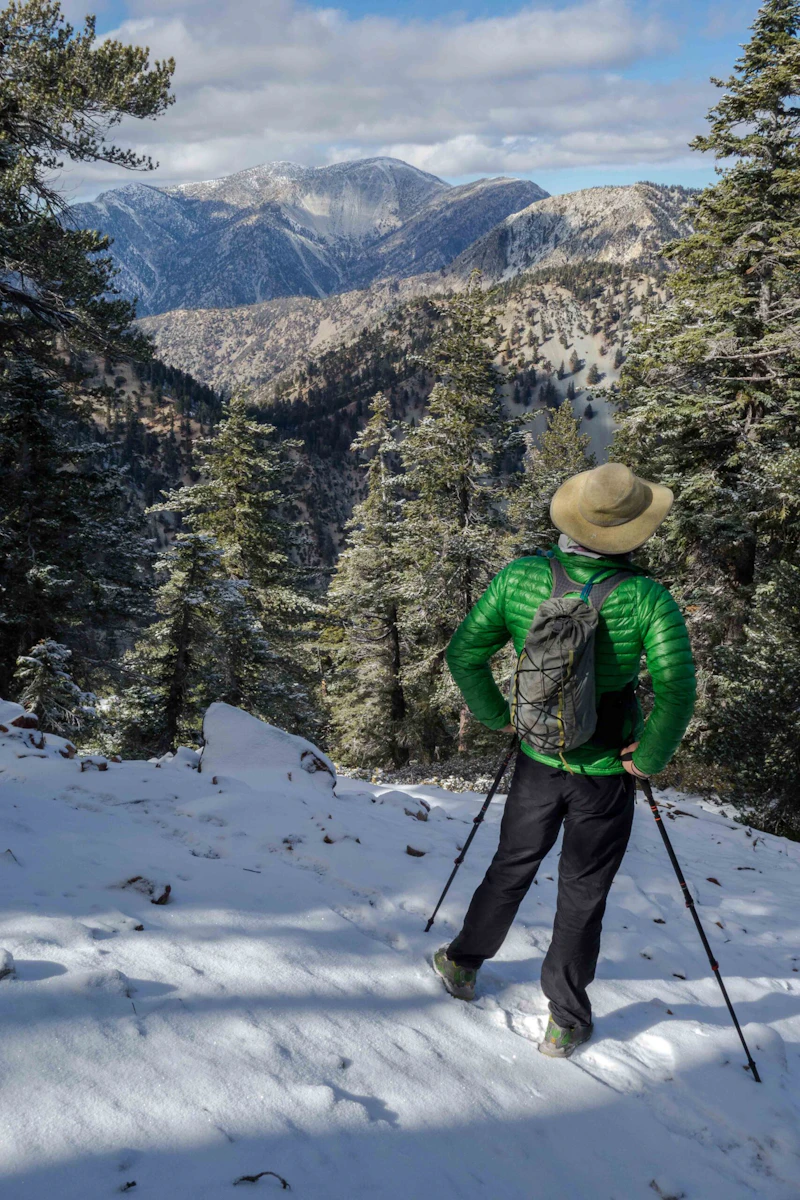 Photo by Jeremy Boggs
 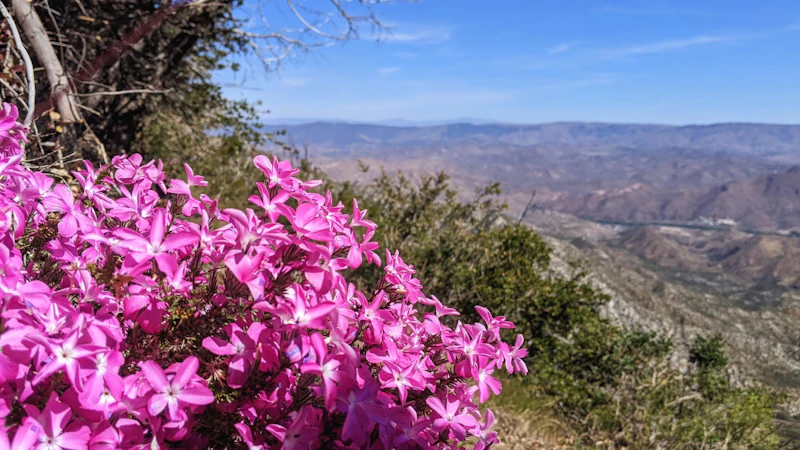 Photo by Amanda Smith
 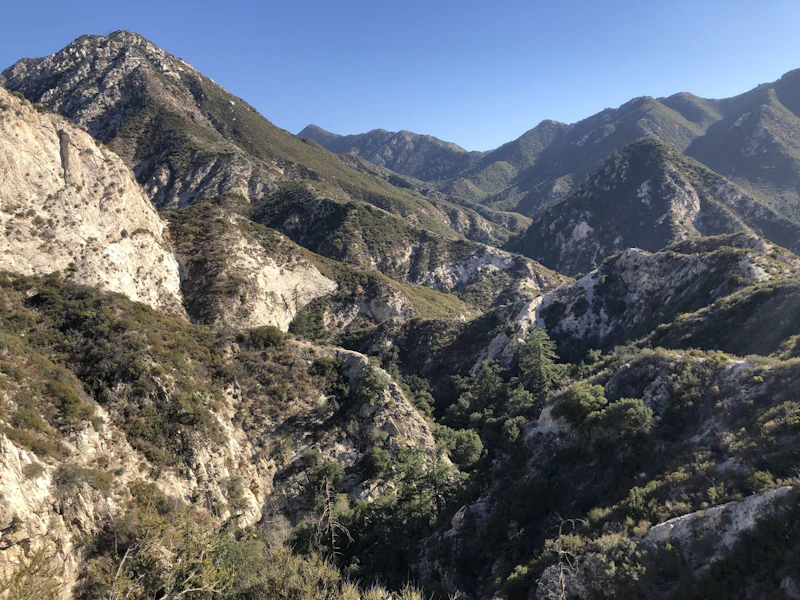 Photo by Paul Preston
 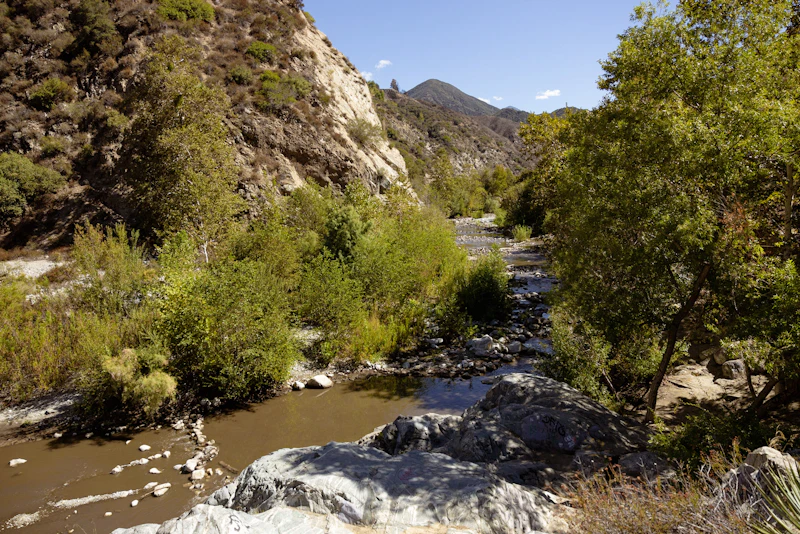 Photo by Sabrina Claros
 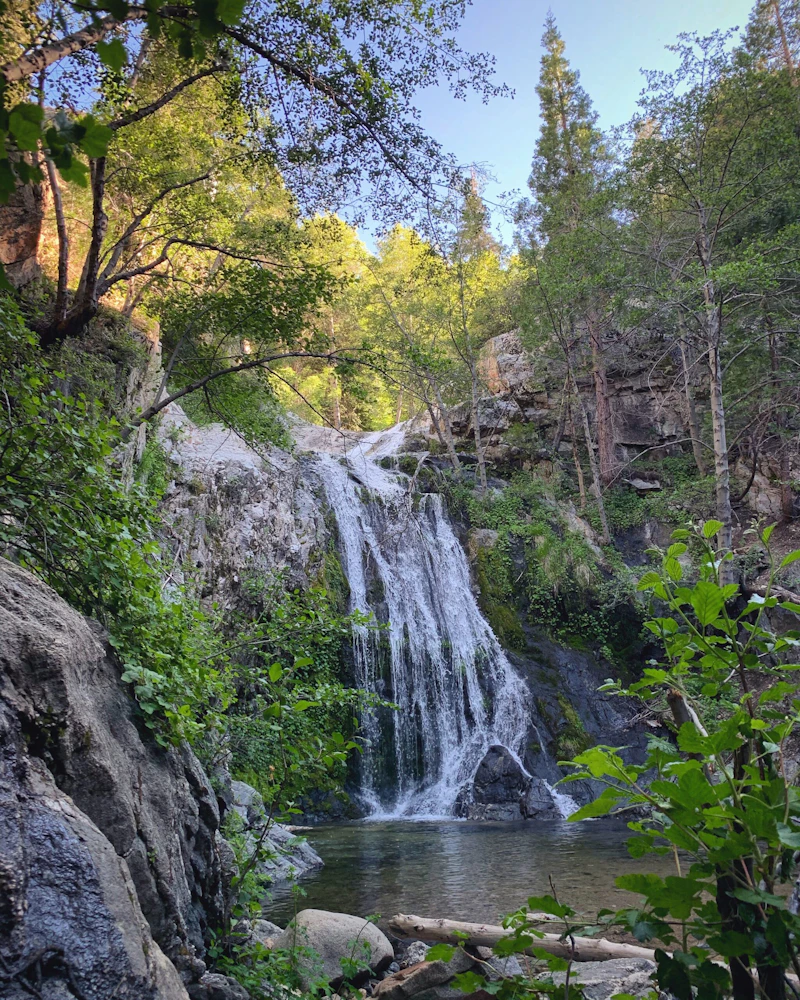 Photo by Caleb Peterson
 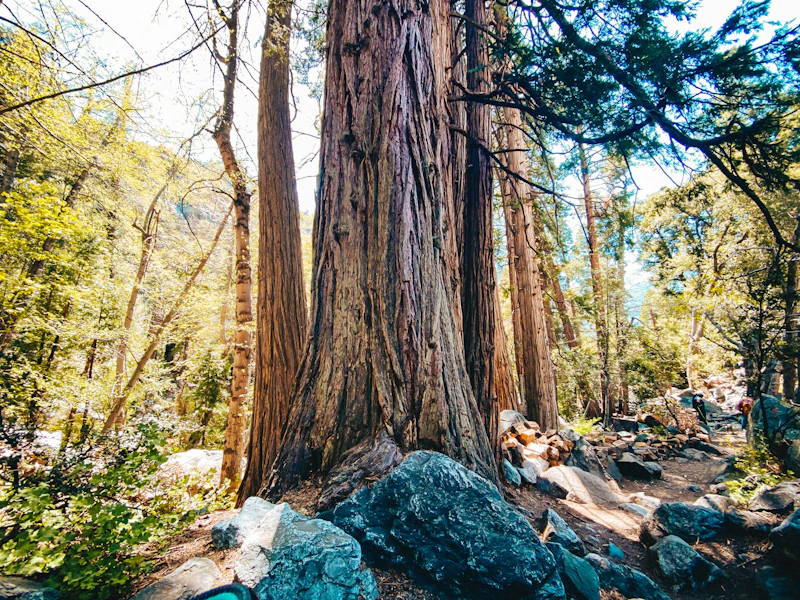 Photo by Lisa Christine
 What is the History of the Angeles National Forest?
The Angeles National Forest has gone through many iterations over the course of its more than century-old history as protected habitat, starting in 1892 when President Benjamin Harrison signed an executive order establishing it as the San Gabriel Timberland Reserve.
Nearly a decade later, the reserve was transferred from the Department of the Interior to the Department of Agriculture. It was designated the Angeles National Forest in 1907, becoming the first National Forest in California. In 2010, President Barack Obama declared the San Gabriel Mountain Range a national monument, a site encircled by the National Forest.
Since the early 1900s, the population of Los Angeles has increased eight-fold. Today, the Angeles National Forest is one of the most popular recreation hubs in the country, hosting 3.5 to 4 million visitors annually—more than Montana’s Glacier National Park. The forest is also home to watersheds that supply 30 percent of L.A. County’s water and dams and debris basins that protect the city from destructive flooding.
How to Get to the Angeles National Forest
For the millions of residents in Los Angeles and Orange counties who live within an hour’s drive, as well as visitors from all over the country and beyond, Angeles National Forest offers an easy-access wilderness. From Los Angeles, most visitors drive via Interstate 10 to get to the forest’s popular San Gabriel River Ranger District and State Highway 2 to enter via the central Los Angeles River Ranger District. Coming from the north, most take Interstate 15 to enter the community of Big Pines
- Pasadena, California: 15 minutes by car
- Glendale, California: 15 minutes by car
- Los Angeles, California: Half-hour to 1 hour by car

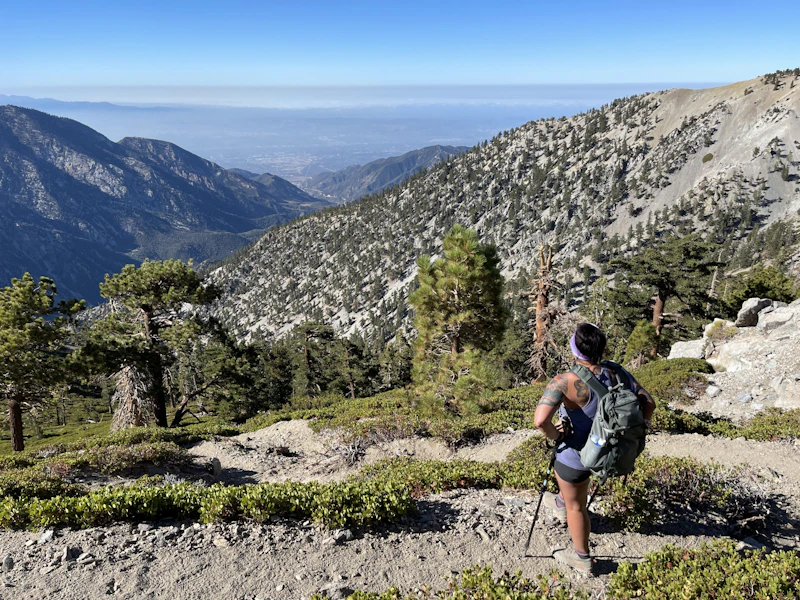
There’s nothing like the sense of accomplishment in reaching the summit of Mount Baldy, the highest point in L.A. County at 10,064 feet. It’s reached via a popular but challenging 11-mile hike that features some 4,000 feet of climbing.
Established in 1904 by astronomer George Ellery Hale, this historic observatory at Mount Wilson’s 5,710-foot summit is home to the telescope that Edwin Hubble used to learn that the Universe goes beyond the Milky Way. The observatory hosts docent-led walking tours every Saturday and Sunday at 11:30 am and 1 pm in the spring and summer.
In addition to cross-country skiing and snowmobiling trails, the Angeles National Forest offers spectacular downhill skiing across three ski areas: Mt. Baldy, Mountain High, and Mt. Waterman. The most popular, Mt. Baldy Ski Resort has four lifts, a skiable area of 800 acres, and 26 runs that cater to all ski levels.
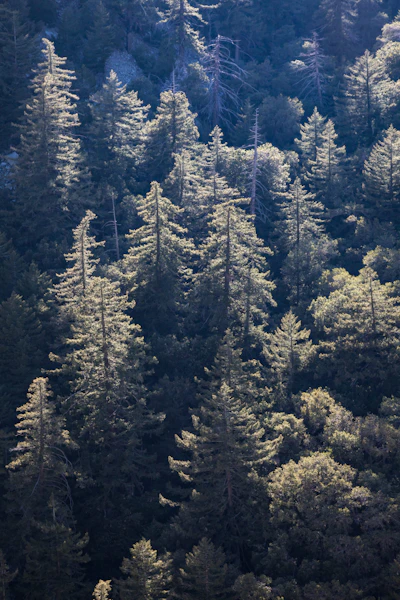 Bigcone Douglas-fir This fire-resistant conifer is native to Southern California’s mountains and plays a crucial role in stabilizing steep slopes and canyons.
 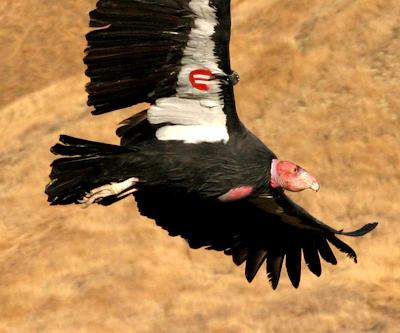 California condor This federally endangered species is North America’s largest flying land bird, with a wingspan that can reach up to 10 feet. It’s also one of the world’s longest living birds, with an average lifespan of 60 years.
 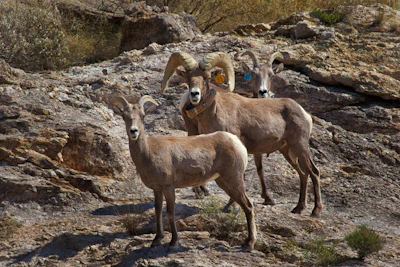 Desert bighorn sheep This desert-adapted subspecies, with its curved horns, can be spotted on mountainsides across Sheep Mountain Wilderness in Angeles National Forest.
 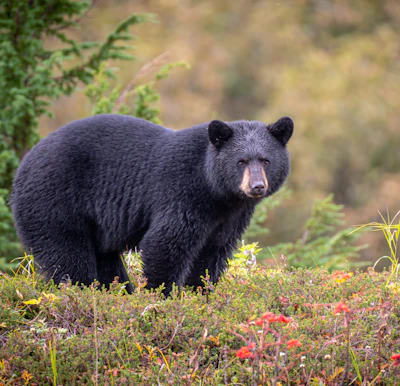 Black bear This medium-size bear is shy and usually avoids humans, but has an excellent sense of smell, so visitors should keep food stowed properly when camping.
 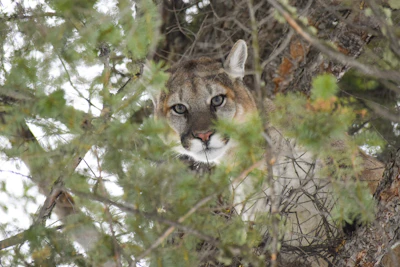 Mountain lion While there have been a few sightings in the San Gabriel Mountains, this big cat—also known as the cougar, puma, panther, or catamount—remains elusive in Angeles National Forest. It primarily hunts for deer at dawn and dusk.
 Related Impact
The Next Generation of Land Stewards
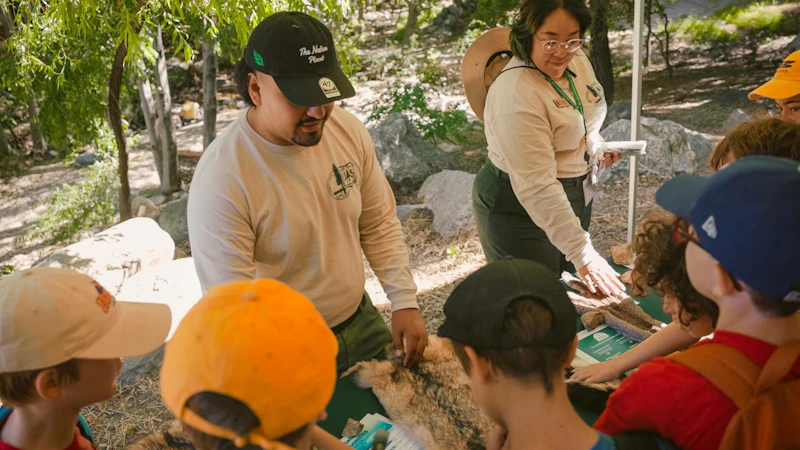
The Field Ranger Program connects communities to forests in Southern California through experiential hands-on learning and mentorship geared towards outdoor careers.
What’s the Best First-Timer’s Adventure in the Angeles National Forest?
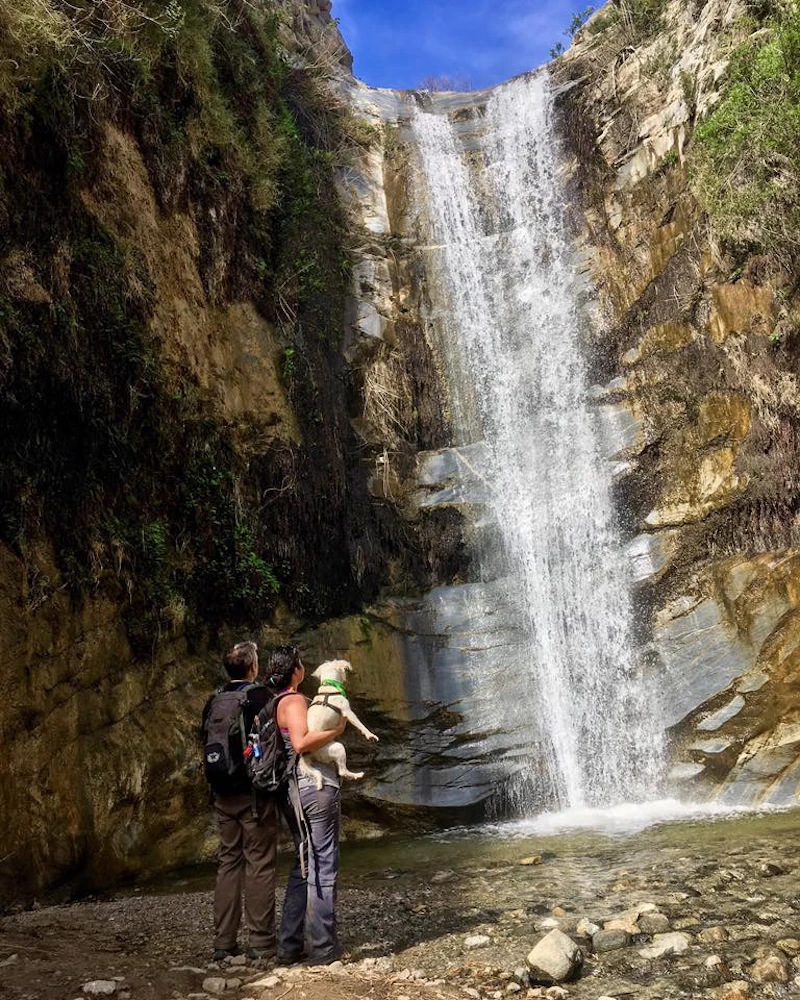
The Angeles National Forest offers 557 miles of hiking and equestrian trails, including 73 miles of National Recreation Trails and 176 miles of the Pacific Crest Trail. For a short and rewarding day hike, set off on the 4.4-mile Trail Canyon Falls that leads to a 50-foot waterfall.
Where to Find More Information on the Angeles National Forest
For more information or questions, visit https://www.fs.usda.gov/r05/angeles
Discover how communities, volunteers, and partners are shaping the future of our National Forests and Grasslands.
The National Forest Foundation works with partners across Northern Colorado to restore forests, reduce wildfire risk, and care for the…
After years of damage, recovery, and reconstruction, the trail to Hanging Lake has been fully rebuilt, creating a more durable,…
Erosion and wildfire had left Arizona's historic Highline Trail rutted and unsafe. After five years of work with the Tonto…
Forest restoration near Flagstaff is reducing wildfire risk for local communities and safeguarding the water supply for millions across the…
Colorado's 14ers draw thousands of visitors each year, and the pressure on these fragile alpine landscapes is growing. Here's a…
Visitors of all ages can explore forest trails and sparkling waters, discover wildlife and underwater habitats, and connect with Tahoe’s…
A partnership-driven program connecting youth on Montana’s Flathead Reservation with hands-on conservation work, heritage education, and pathways in natural resource…
Seeing the impact first hand on the Grand Mesa, Uncompaghre and Gunnison National Forests
Seven Years of Reopening Trails After the Eagle Creek Fire
Field Ranger Program Connects Diverse Communities to Forests in Southern California
Our Forests Need Us Today.
Your donation powers critical, on-the-ground conservation—from wildfire recovery to watershed restoration—protecting forests for the future.