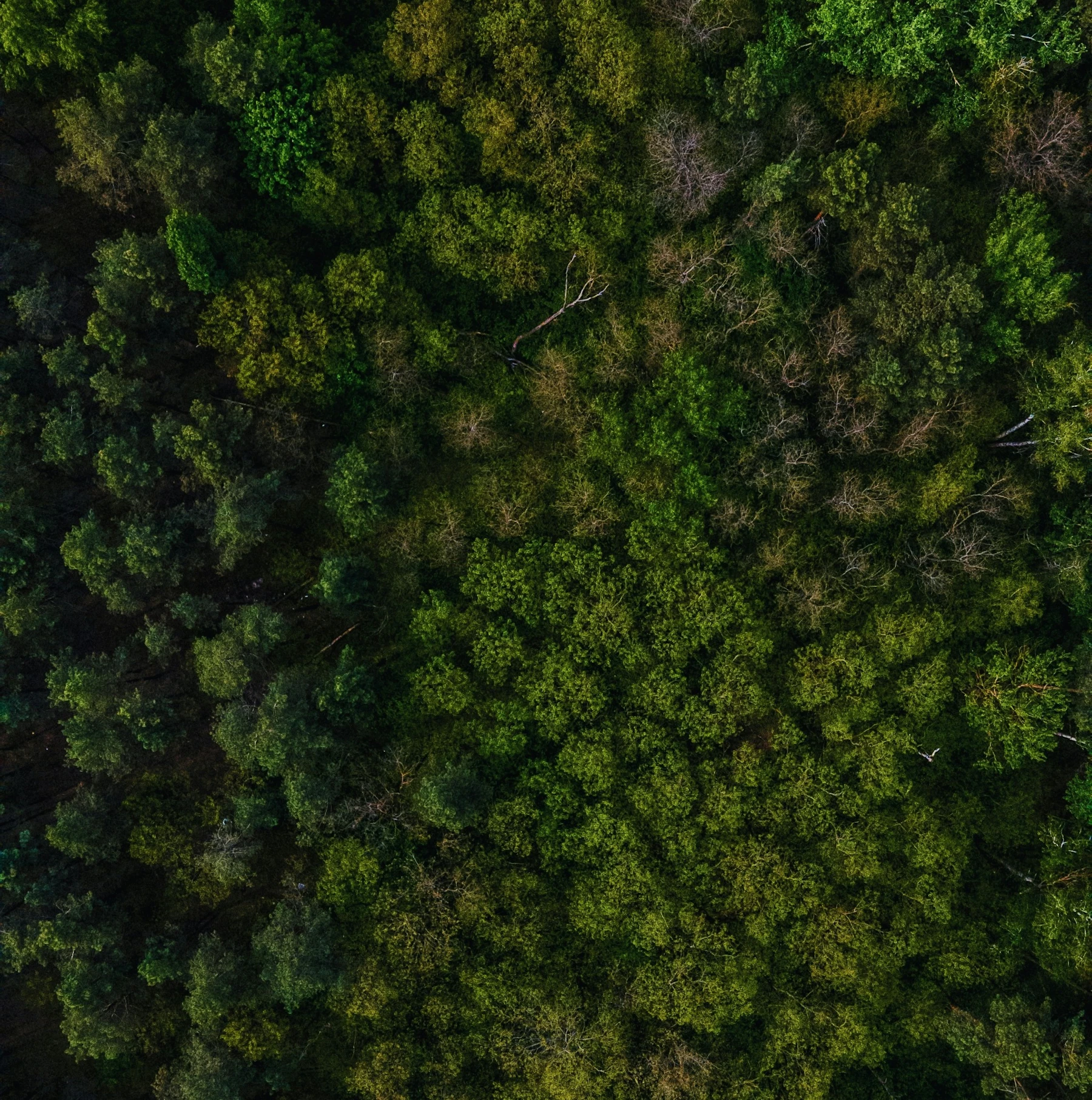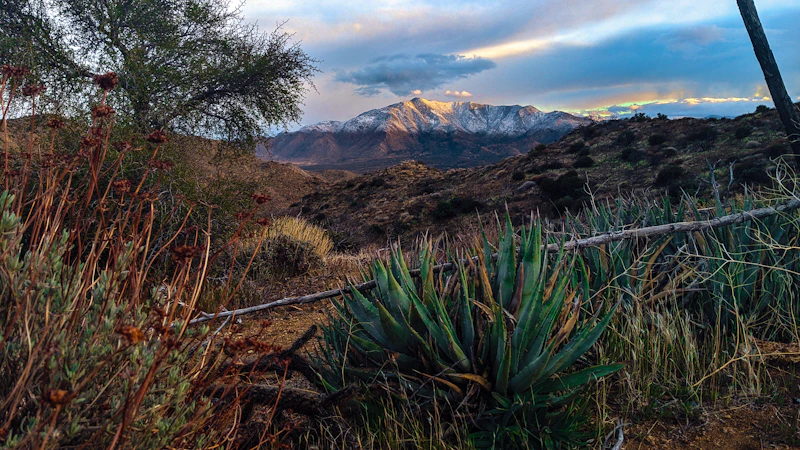
Explore the Cleveland National Forest in Southern California, an exciting year-round destination covering nearly 175,000 acres of rugged mountains, scenic waterfalls, deep canyons, and chaparral ecosystems.
The wild shrub and tree-covered mountains are remnants of a landscape that at one time covered most of southern California. With a mix of chaparral, meadows, and oak and pine forests, the forest includes four wilderness areas and three mountain ranges.
One of its highest points, 6,126-foot Mount Palomar, offers dual views of both the desert and the coast on a clear day. The mountain is also known for Palomar Observatory, which was home to the world’s largest telescope for half a century.
This National Forest offers a huge variety of recreation: camping, mountain biking, ATV riding, target shooting, and hiking, including part of the Pacific Crest Trail (PCT). Discover the area’s waterfall-fed swimming holes, go birding at Laguna Meadow, and summit Garnet Peak along the PCT.
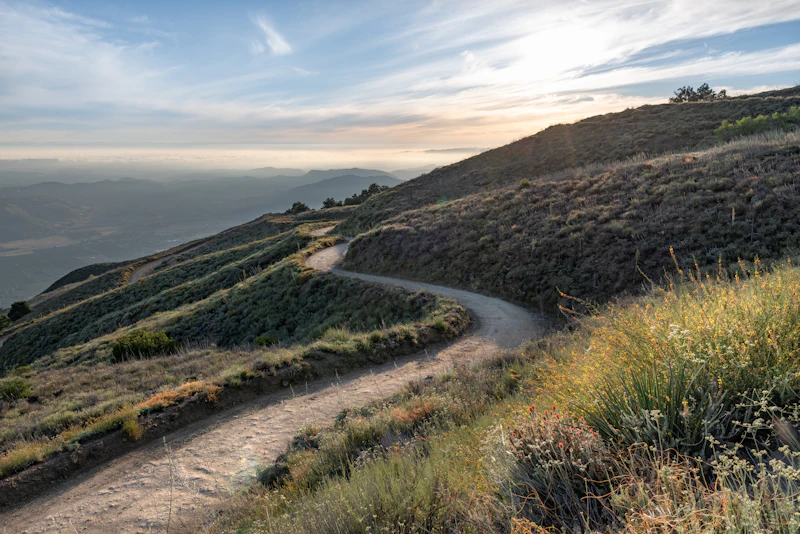 Photo by Veronika Vaneckova
 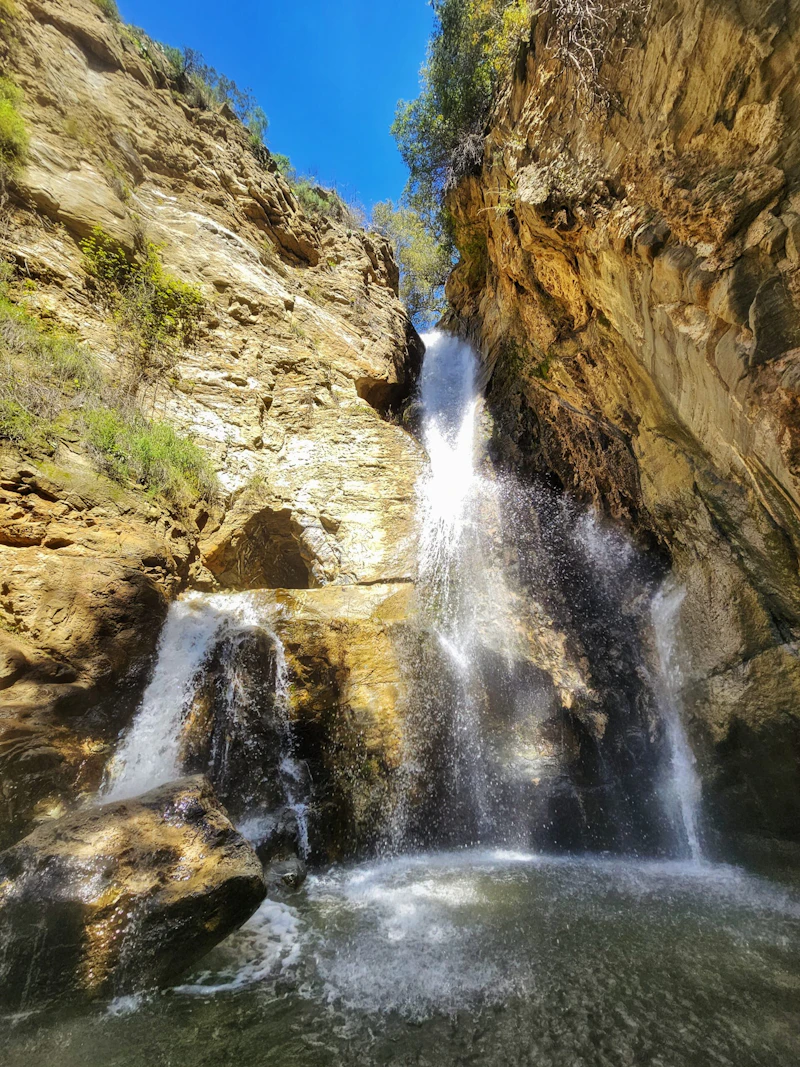 Photo by Fabiola Jordan
 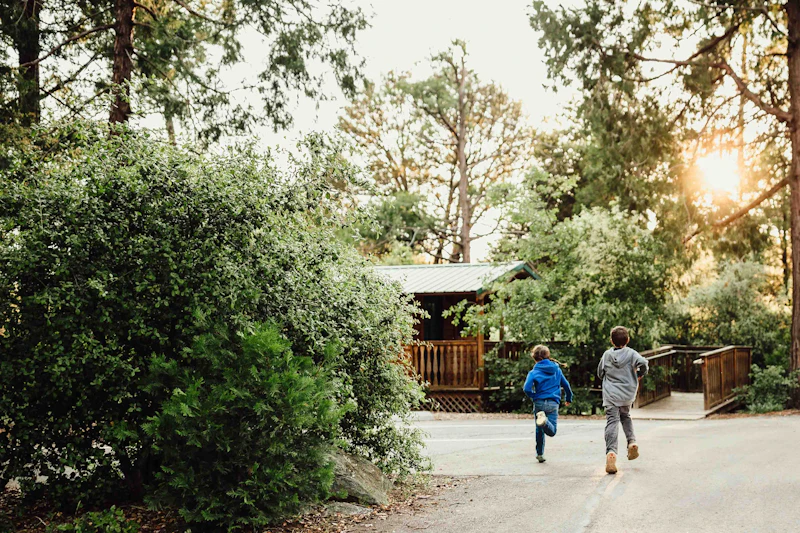 Photo by Wendy Cox
 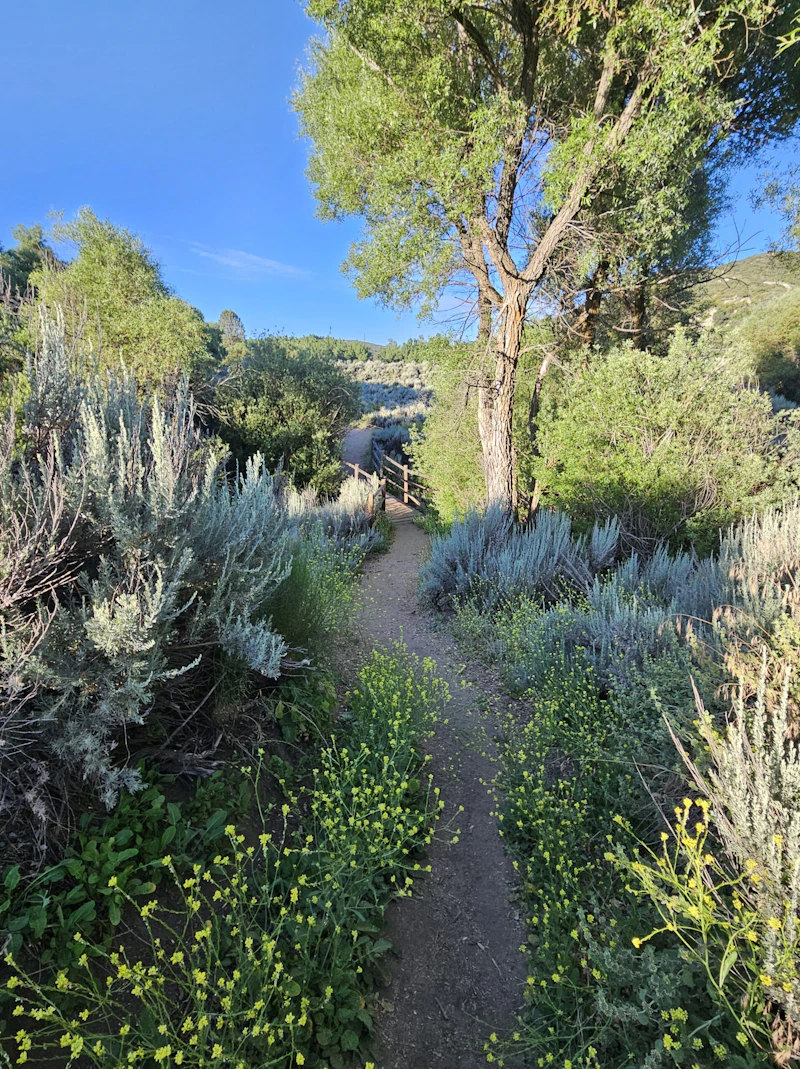 Photo by Tommy LaNier
 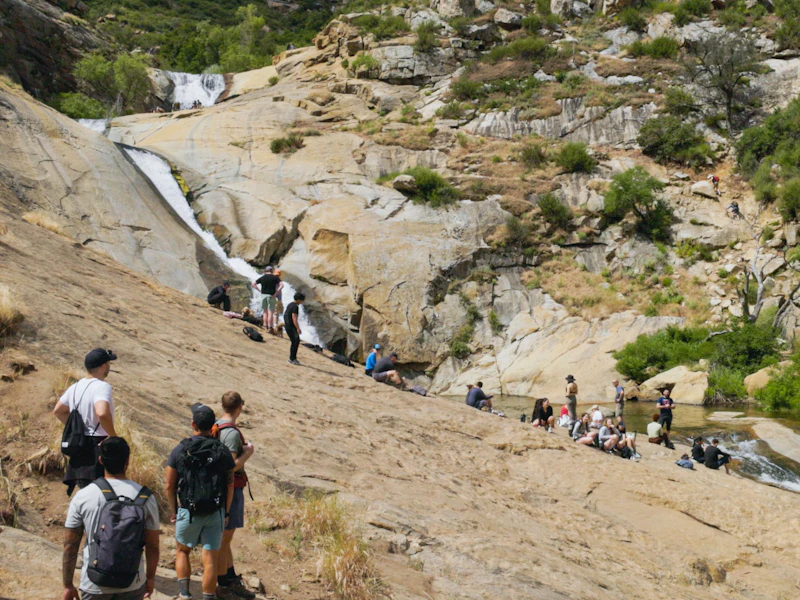 Photo by Sabrina Claros
 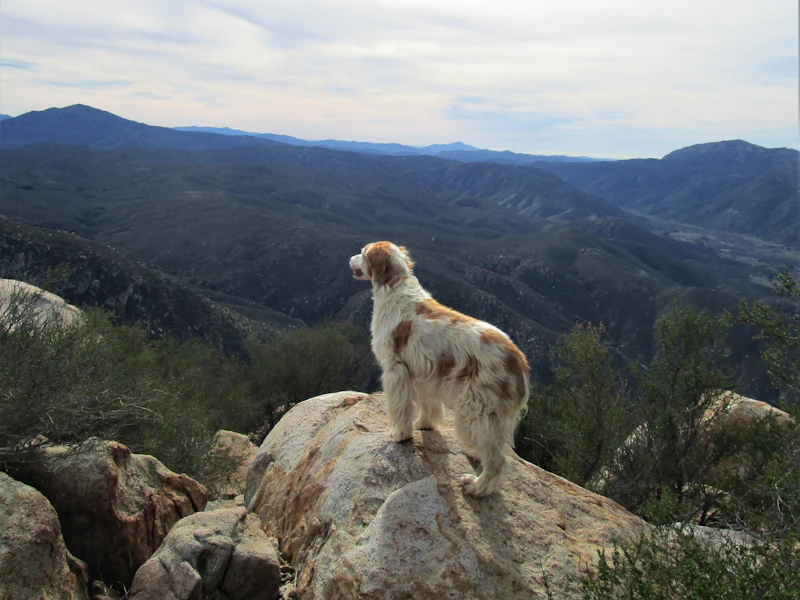 Photo by Leanne Kelly
 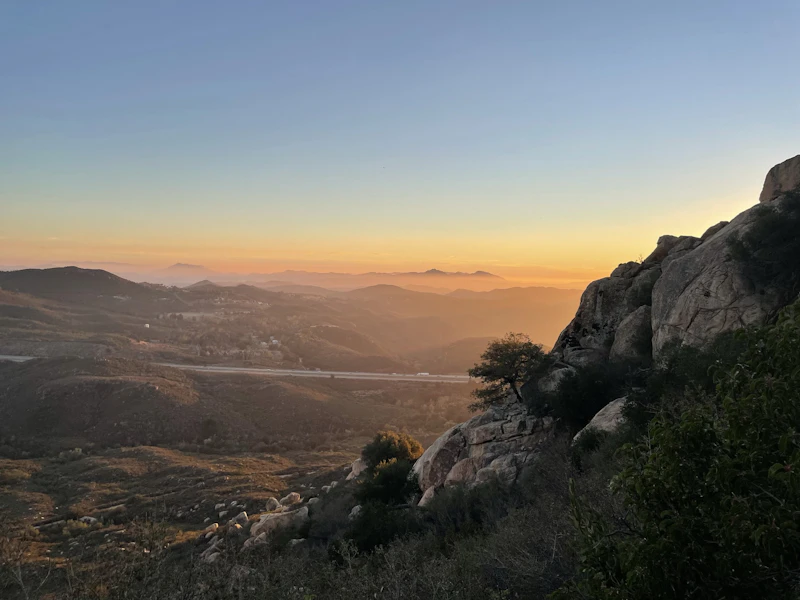 Photo by Shiou Huang
 What is the History of the Cleveland National Forest?
Before the late 18th century, these lands were inhabited by the desert and coastal tribes of Kumeyaay, Luiseños, Cahuilla, and Cupeño. Many of the trails that make up the forest today follow those early routes first used by these early dwellers.
Juan Rodríguez Cabrillo, the Portuguese explorer who surveyed much of the West Coast of North America on behalf of the Spanish Empire, first arrived in 1542. But it wasn’t until 1769, when Spain sent Catholic priest and missionary Junípero Serra to establish the first of their California Missions, that the make-up of the region changed, both socially and environmentally.
Ranching, overgrazing, and the introduction of land grants transformed the ecology of the area, which was further impacted by the discovery of gold in 1869. These actions caused severe soil erosion and damage to the watersheds.
Named in honor of President Cleveland, the land was designated a National Forest in 1908 by President Theodore Roosevelt, the result of combining and reallocating former Forest Reserves.
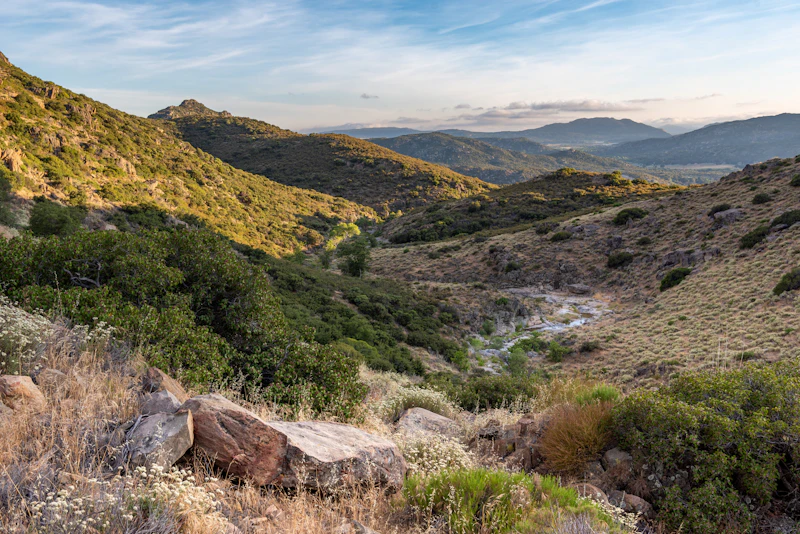
How to Get to the Cleveland National Forest
The Cleveland National Forest is an important recreation resource for the people of southern California. An estimated 20 million people live within a two-hour drive of Cleveland National Forest, which is easily accessible from several major cities, including Temecula, Irvine, and San Diego, home to a major airport.
The forest is divided into three ranger districts. Trabuco Ranger District, reached via Interstate 5 or 15 and Highway 74, overlaps the Santa Ana Mountains. The Palomar Ranger District, off of Highway 76, includes Mount Palomar and popular hiking trails. The Descanso Ranger District, off of Interstate 8, features the Laguna Mountain range and access to the Pacific Coast Trail.
- Temecula, California: 1 to 1.5 hours by car
- Oceanside, California: 1.5 hours by car
- San Clemente, California: 1.5 hours by car
- San Diego, California: 1.5 to 2 hours by car
- Los Angeles, California: 2.5 to 3 hours by car

This challenging out-and-back hike, covering 1,108 feet of climbing over 5.5 miles, comes with a big payoff: a swimming hole fed by an 80-foot waterfall. Along the way, enjoy long-range views of San Diego River Gorge. Be sure to secure a permit before embarking on this popular trail. If you can’t snag a permit, consider the 4.5-mile hike to Three Sisters Falls, which involves some scrambling.
For expansive views over the surrounding Laguna Mountains and Borrego Desert, hike a 4.2-mile out-and-back path via some of the Pacific Crest Trail up to 5,900-foot Garnet Peak. The primarily chaparral landscape means there’s little shade, so avoid hiking the moderate trail at the height of the day.
This 9,000-acre wet meadow is a birding paradise, with two lakes that attract shorebirds and waterfowl. Head out in the early morning or late afternoon with binoculars in hand to spot everything from ash-throated flycatchers to pygmy nuthatches. If you go in the spring or summer, you’ll also be able to catch a display of wildflowers.
 Coastal sage This type of chaparral, with its aromatic gray-green growth, likes dry but foggy coastal areas across the Cleveland National Forest.
 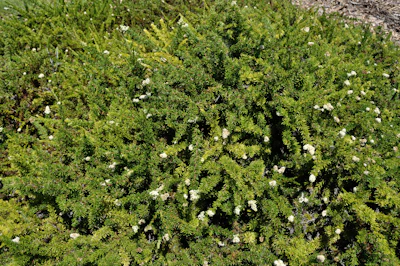 Chamise A dominant shrub in chaparral ecosystems, this plant has needle-like leaves that grow densely and can reach up to 10 feet. It produced white, star-shaped flowers in the late spring and early summer, and regrows quickly after wildfire.
 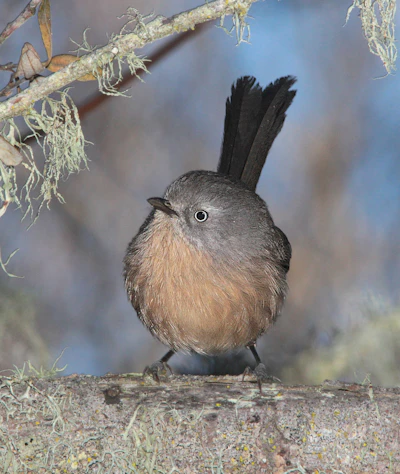 Wrentit Small but plumb, this gray bird is one of 200 resident and migratory birds in the forest, and likes to inhabit areas of chaparral and oak.
 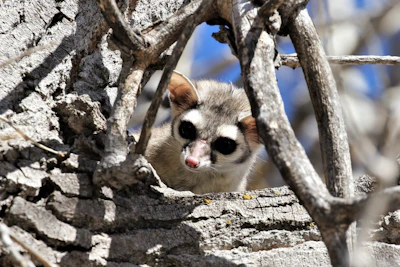 Ringtail cat This small, nocturnal mammal is a member of the raccoon family but has a more slender body. Just like raccoons, ringtail cats are nocturnal, great climbers, and primarily insect-eaters.
 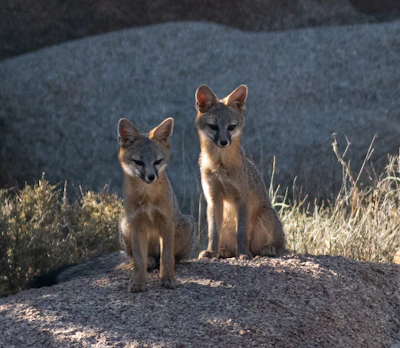 Gray fox This small and agile predator, shorter and stockier than red foxes, has a unique adaptation: it can climb trees to hunt squirrels and birds and to reach its dens.
 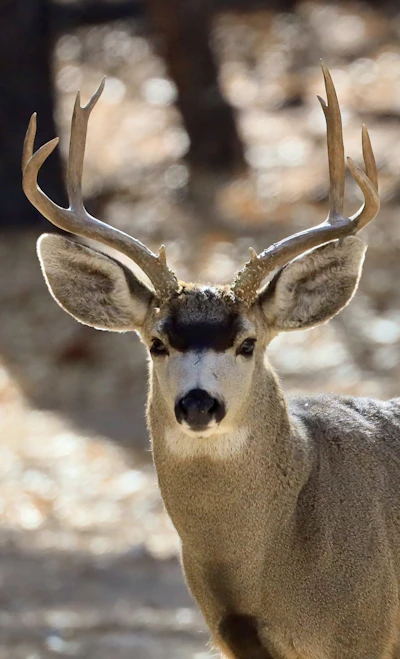 Mule deer With a stocky build, black-tipped tail, and a brown coat that turns gray in the winter, this deer feeds on shrubs, grasses, and acorns and prefers high elevation areas across the forest.
 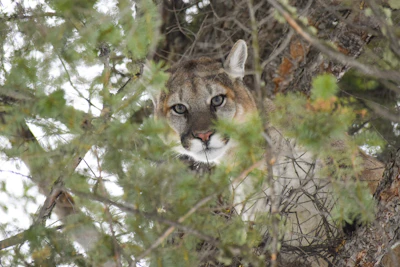 Mountain lion While there’s a healthy population of these big cats in the Cleveland National Forest, its elusive and solitary nature means it is rarely sighted. It primarily hunts deer but will also go after smaller mammals.
 Related Impact
The Next Generation of Land Stewards
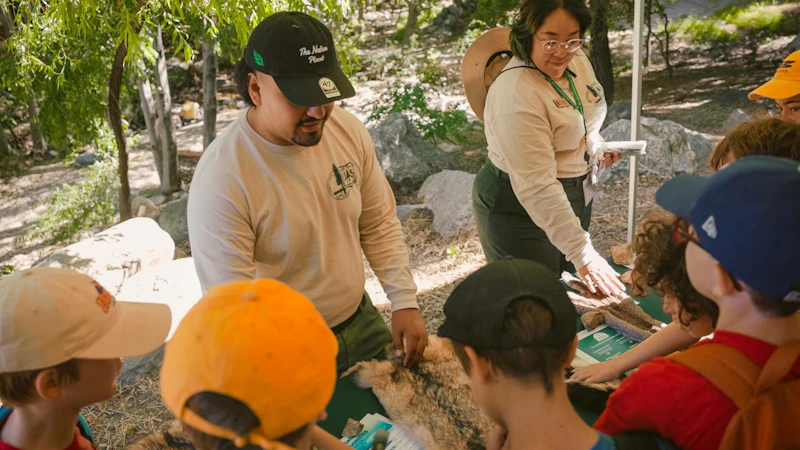
The Field Ranger Program connects communities to forests in Southern California through experiential hands-on learning and mentorship geared towards outdoor careers.
What’s the Best First-Timer’s Adventure in the Cleveland National Forest?
For a high-elevation escape, head out on the Sunrise Scenic Byway, stopping at Laguna Mountain. Its recreation area has multiple campgrounds surrounded by pines and oaks. It’s an ideal base from which to access the Big Laguna Meadow hiking and mountain biking trails, and the historic El Prado Cabin, the forest’s first ranger cabin built in 1911.

Where to Find More Information on the Cleveland National Forest?
For more information or questions, visit https://www.fs.usda.gov/r05/cleveland
Discover how communities, volunteers, and partners are shaping the future of our National Forests and Grasslands.
The National Forest Foundation works with partners across Northern Colorado to restore forests, reduce wildfire risk, and care for the…
After years of damage, recovery, and reconstruction, the trail to Hanging Lake has been fully rebuilt, creating a more durable,…
Erosion and wildfire had left Arizona's historic Highline Trail rutted and unsafe. After five years of work with the Tonto…
Forest restoration near Flagstaff is reducing wildfire risk for local communities and safeguarding the water supply for millions across the…
Colorado's 14ers draw thousands of visitors each year, and the pressure on these fragile alpine landscapes is growing. Here's a…
Visitors of all ages can explore forest trails and sparkling waters, discover wildlife and underwater habitats, and connect with Tahoe’s…
A partnership-driven program connecting youth on Montana’s Flathead Reservation with hands-on conservation work, heritage education, and pathways in natural resource…
Seeing the impact first hand on the Grand Mesa, Uncompaghre and Gunnison National Forests
Seven Years of Reopening Trails After the Eagle Creek Fire
Field Ranger Program Connects Diverse Communities to Forests in Southern California
Our Forests Need Us Today.
Your donation powers critical, on-the-ground conservation—from wildfire recovery to watershed restoration—protecting forests for the future.