Explore the Lassen National Forest, 1.2 million acres that span the sagebrush steppe of the Great Basin, the volcanic features of the Modoc Plateau, and the craggy peaks of the Sierra Nevada and Cascade ranges in northern California.
The Lassen is home to three Wilderness Areas: Ishi, Caribou, Ten Thousand Lakes. Volcanic and glacial features abound in the Ten Thousand Lakes Wilderness, capped by 8,677-foot Crater Peak, the forest’s highest point.
The Ishi Wilderness is characterized by basaltic outcroppings, whimsical lava formations, and dense clusters of ponderosa pine that reside on terraces caused by erosion. The Caribou Wilderness, on the eastern slope of the Cascades, is a volcanic plateau of forest and glacial lakes.
Within the Lassen National Forest, explore a lava tube or the land of Ishi, the last survivor of the Yahi Yana Native American tribe. Watch pronghorn antelope glide across sage flats or osprey catch fish out of pristine waterways. Discover spring wildflowers on stunning hikes and bike rides or go off-roading or horseback riding into high granite country dotted with sapphire lakes.
Wintertime adventures include snowmobiling over miles and miles of groomed trails, cross-country skiing through open forests, and downhill skiing on volunteer-operated Stover Mountain.
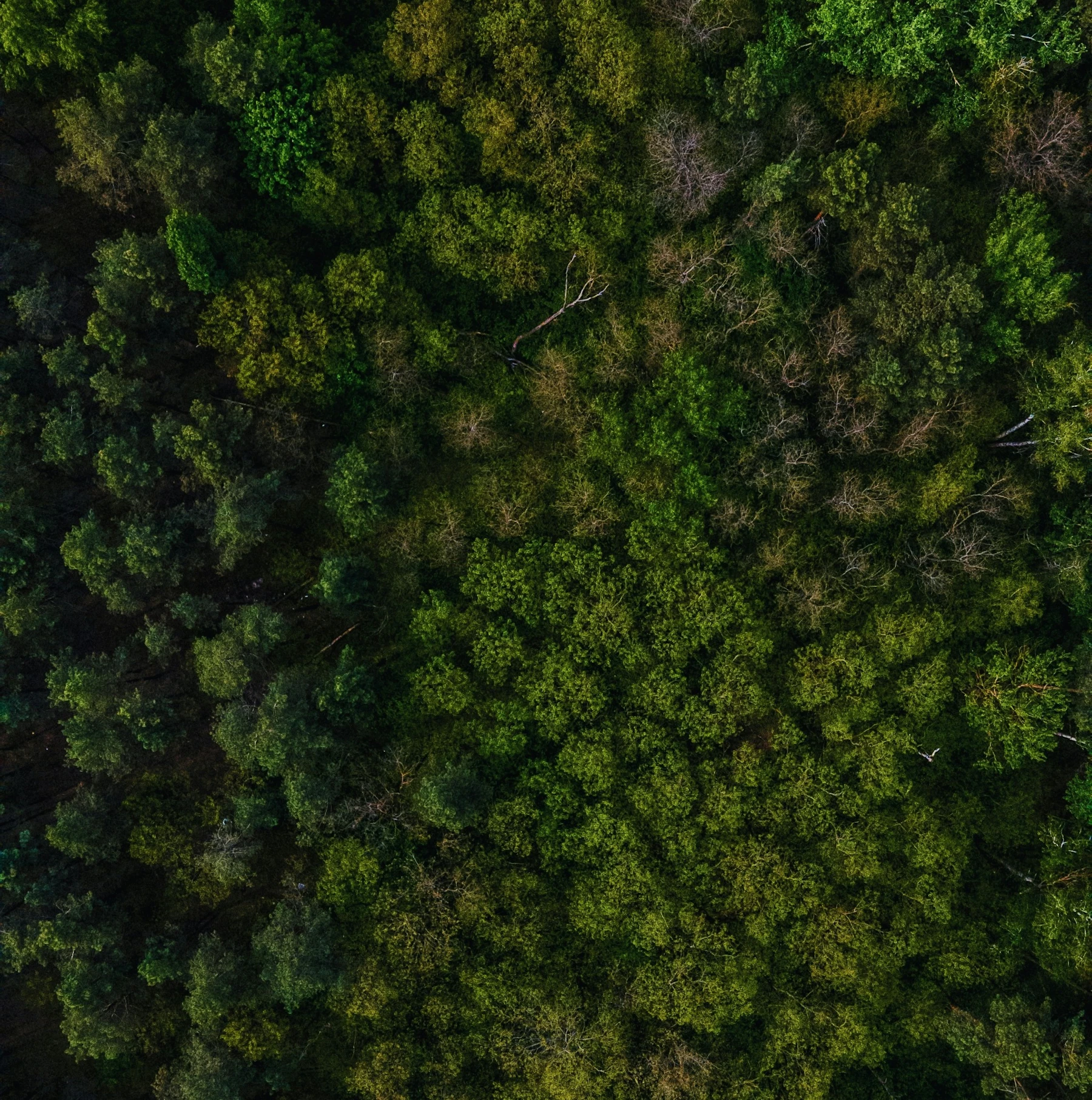
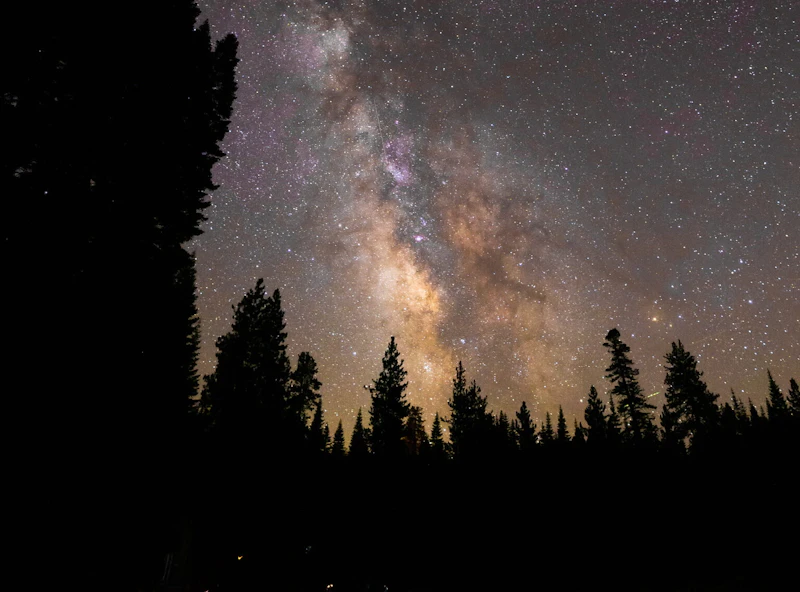 Photo by Shuocheng Huang
 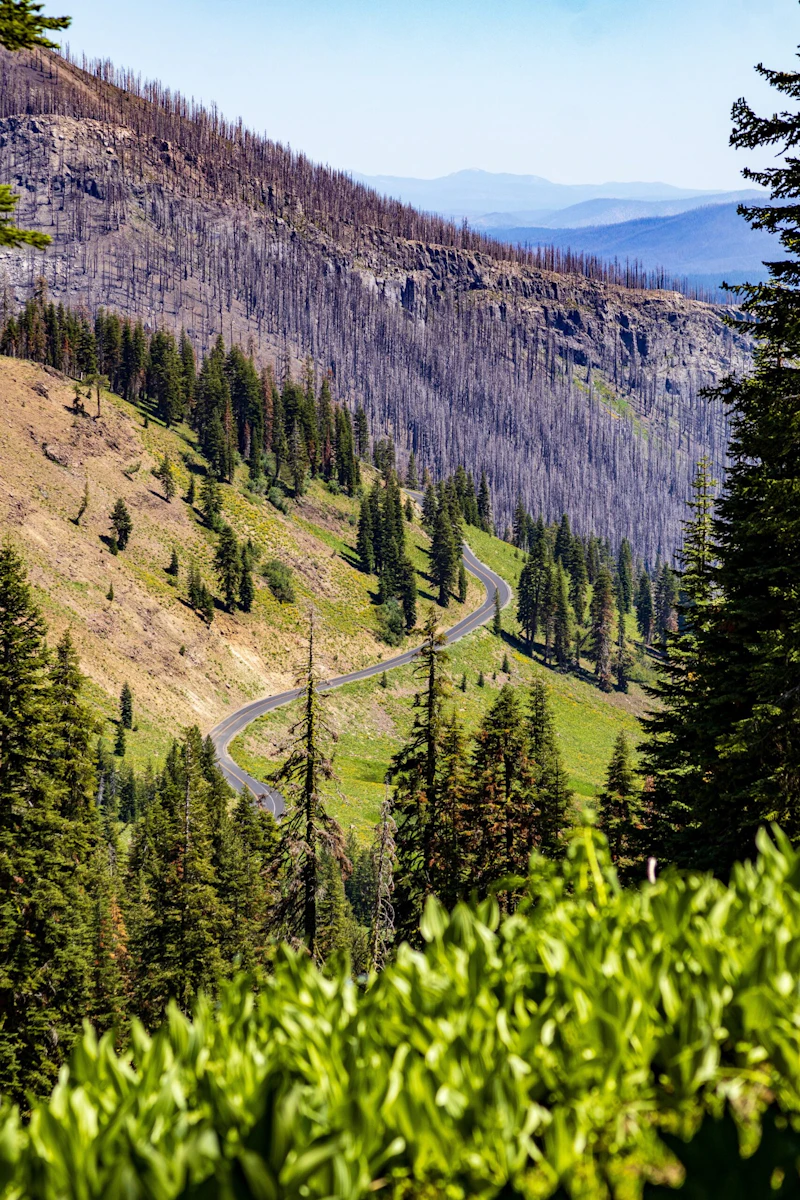 Photo by Jeremy Nechev
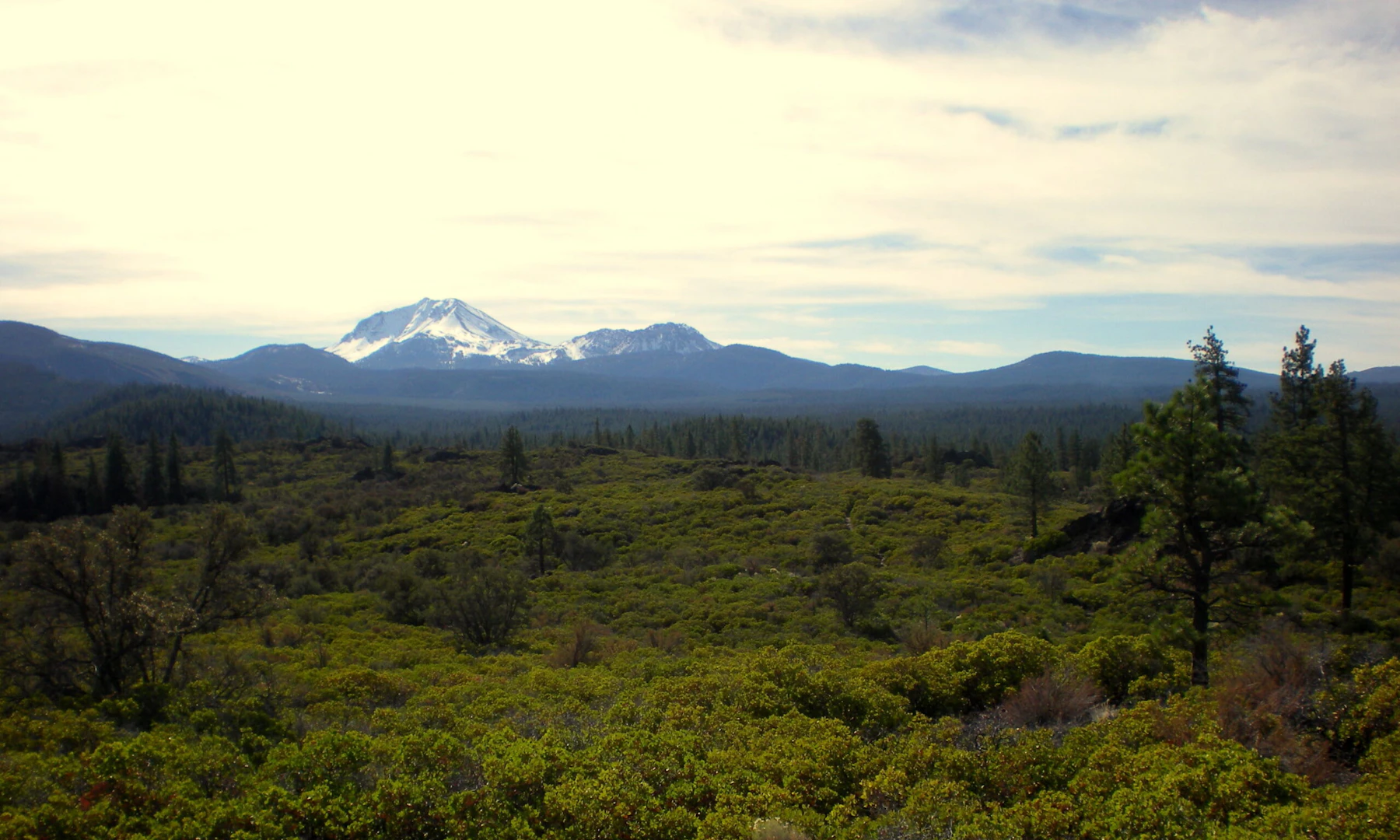
 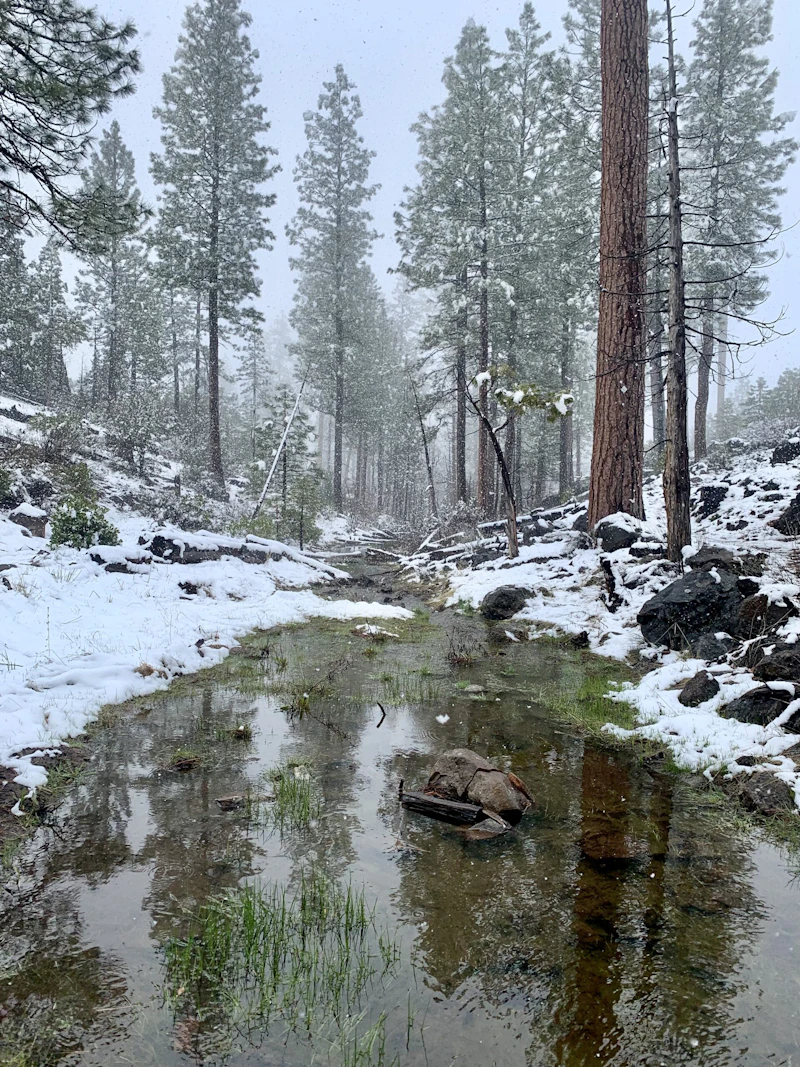 Hat Creek Rim. Photo by Scott Davidson
 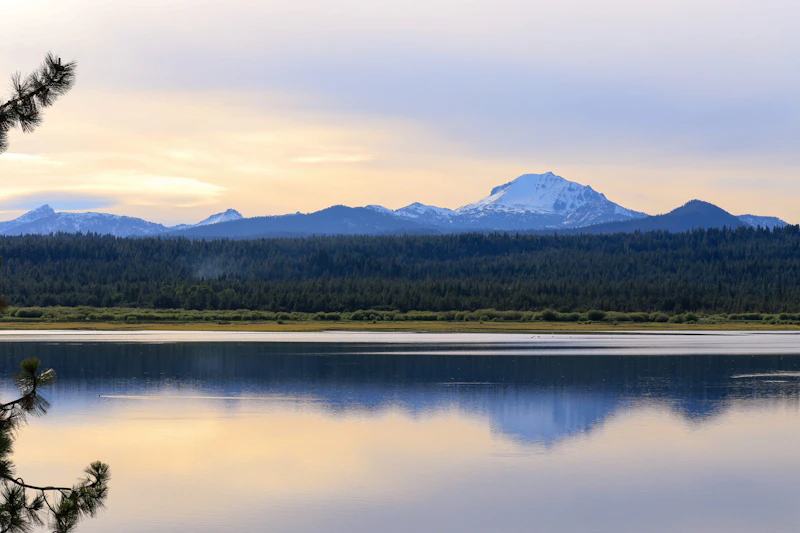 Photo by Yesenia Cachu Rios
 What is the History of the Lassen National Forest?
Long before it became a federally protected forest, this region was home to several Native American tribes, including the Yana, Atsugewi, Yahi, and Maidu peoples. European-American settlement began in the mid-19th century, following the California Gold Rush.
The forest takes its name from Peter Lassen, a Danish-born pioneer who led emigrants through the area in the 1840s. His “Lassen Trail” became one of several difficult wagon paths through northern California, though many travelers later blamed Lassen for how dangerous these routes were.
Logging and ranching rapidly expanded through the late 1800s, as pine and fir trees were harvested for timber and meadows were cleared for grazing. In response to growing national concern for forest conservation, the Lassen Forest Reserve was established in 1905, before merging with other nearby lands to become Lassen National Forest in 1907.

How to Get to the Lassen National Forest
From the west, Interstate 5 connects Redding, the largest nearby city to Highway 44, which lead to towns of Shingletown, Viola, and Old Station, popular gateways to the forest’s western and northern regions.
Highway 36 also provides access from the west through Red Bluff and Mineral, offering scenic routes to the southern forest areas and to Lassen Volcanic National Park.
From the north and east, Highway 89 connects the forest and provides access from the entry points of Burney, Susanville, and Chester. Susanville, on the forest’s eastern edge, is the primary gateway for visitors arriving from Nevada via U.S. Highway 395.
- Redding, California: 1.5 to 2 hours by car
- Reno, Nevada: 2 hours by car
- Chico, California: 2 to 2.5 hours by car
- Sacramento, California: 4.5 to 5 hours by car
- San Francisco, California: 5 to 5.5 hours by car

Near the town of Chester, Lake Almanor is one of the largest man-made lakes in California at 75 square miles. An 11-mile trail along the lake’s western shore offers views of Lassen Peak and intersects with Almanor Beach, a lovely swimming and picnicking area.
Part of this 500-mile route passes through the Lassen National Forest and nearby volcanic landscapes, offering pull-offs for photography, short hikes, and wildlife spotting.
This lake at 6,500 feet is known for its trophy trout averaging three to five pounds, as well as its native Eagle Lake trout, a species unique to this high-altitude environment. It has a five-mile-long route framed by pine trees that allows for easy access to the banks, and is also ideal for bicycles or just an easy pleasant stroll.
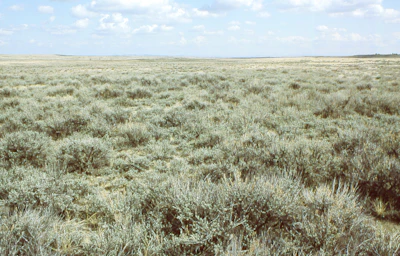 Sagebrush This hardy shrub thrives in volcanic soils and open meadows, providing critical habitat and food for wildlife such as mule deer, pronghorn, sage-grouse, and small mammals.
  Incense cedar With its reddish-brown, fibrous bark, and feathery foliage, this tree’s wood is highly aromatic, historically used by Native Americans for incense, ceremonial purposes, and crafting.
 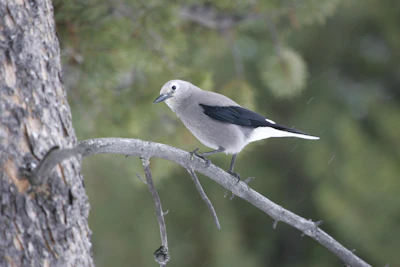 Clark’s nutcracker This striking gray-and-white bird thrives in high-elevation forests and plays a vital role in harvesting and caching pine seeds, which helps regenerate the forest.
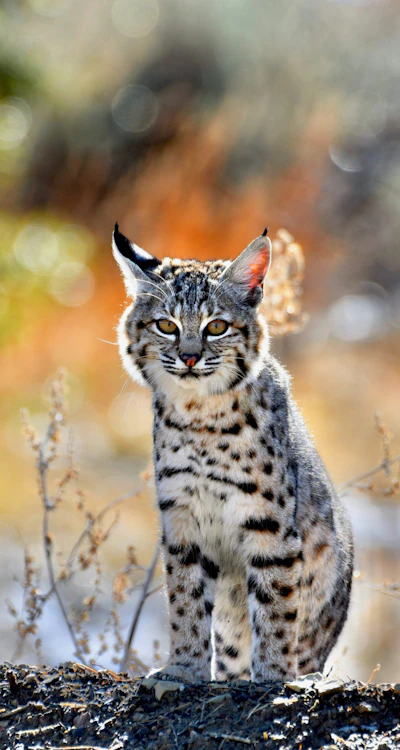 Bobcat This elusive predator, with tufted ears and spotted coats, hunts rabbits, birds, and rodents throughout the forest. While seeing a bobcat is rare, visitors often spot their tracks.
 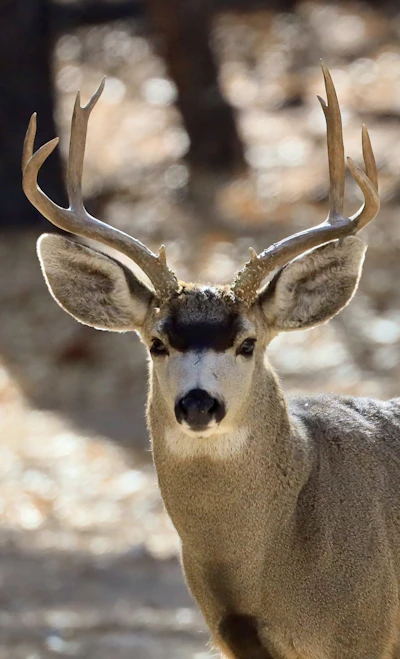 Mule deer The Tehama deer herd is the largest migratory mule-deer population in California, and winters in Ishi Wilderness.
 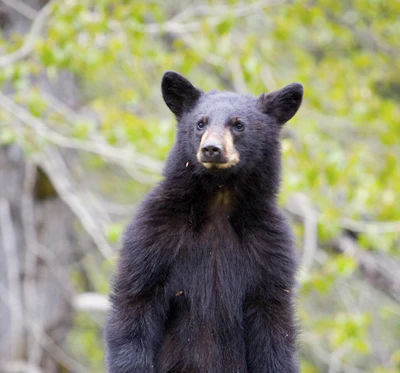 Black bear This medium-sized bear resides in the dense forests and open meadows of the forest, foraging for berries, insects, and small animals.
 Related Impact
Creating a Fire Resilient Truckee
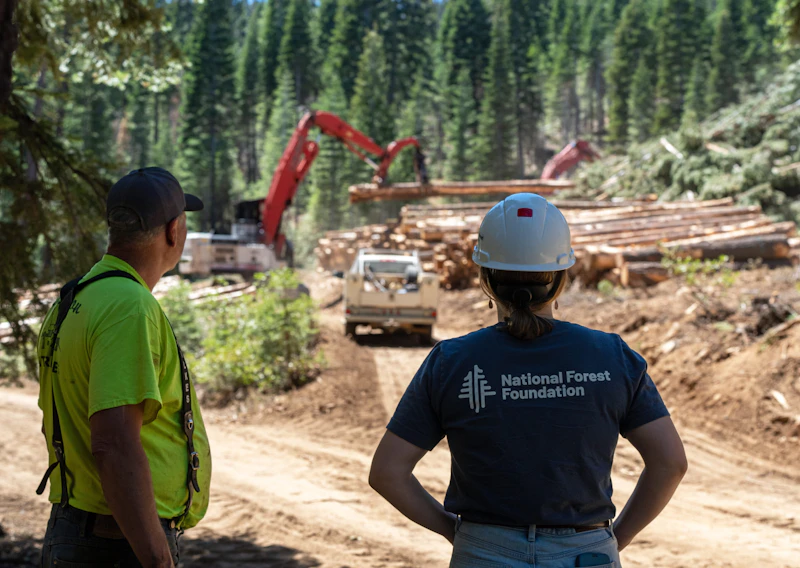
The largest, most destructive wildfires in California’s history have occurred in the last ten years. Everything is at stake for mountain communities like Truckee.
What’s the Best First-Timer’s Adventure in the Lassen National Forest
Head out on the 4.6-mile roundtrip Deer Creek Trail, which follows the scenic river as one of the most important habitats for the threatened spring run Chinook salmon. The path passes through Deer Creek Preserve, where a fish ladder is worth a stop.
Where to Find More Information on the Lassen National Forest
For more information or questions, visit https://www.fs.usda.gov/r05/lassen
Discover how communities, volunteers, and partners are shaping the future of our National Forests and Grasslands.
The National Forest Foundation works with partners across Northern Colorado to restore forests, reduce wildfire risk, and care for the…
After years of damage, recovery, and reconstruction, the trail to Hanging Lake has been fully rebuilt, creating a more durable,…
Erosion and wildfire had left Arizona's historic Highline Trail rutted and unsafe. After five years of work with the Tonto…
Forest restoration near Flagstaff is reducing wildfire risk for local communities and safeguarding the water supply for millions across the…
Colorado's 14ers draw thousands of visitors each year, and the pressure on these fragile alpine landscapes is growing. Here's a…
Visitors of all ages can explore forest trails and sparkling waters, discover wildlife and underwater habitats, and connect with Tahoe’s…
A partnership-driven program connecting youth on Montana’s Flathead Reservation with hands-on conservation work, heritage education, and pathways in natural resource…
Seeing the impact first hand on the Grand Mesa, Uncompaghre and Gunnison National Forests
Seven Years of Reopening Trails After the Eagle Creek Fire
Field Ranger Program Connects Diverse Communities to Forests in Southern California
Our Forests Need Us Today.
Your donation powers critical, on-the-ground conservation—from wildfire recovery to watershed restoration—protecting forests for the future.