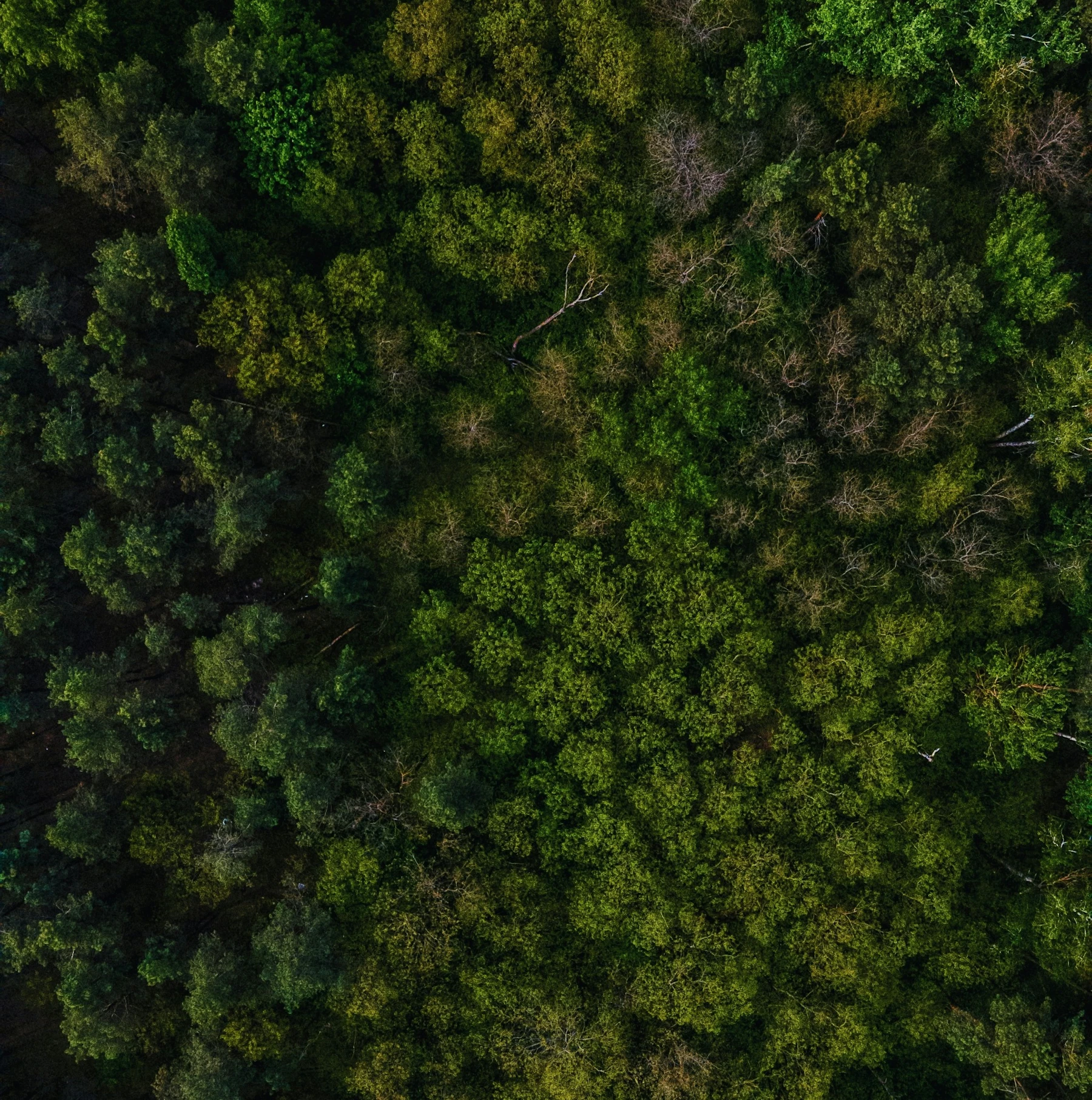
Discover the Mendocino National Forest, 927,650 acres of the Coastal Mountain Range in northwestern California. The only one of California’s 18 national Forests not crossed by a paved road or highway, the Mendocino National Forest is especially attractive to people seeking an outdoor experience of tranquility and solitude.
Some 65 miles long and 35 miles across, the forest straddles the eastern spur of the Coastal Mountains, with elevations ranging from 750 feet in Grindstone Creek Canyon in the Sacramento Valley foothills to 8,000-foot South Yolla Bolly Mountain in the northern part of the forest. The Mendocino National Forest contains four designated Wilderness Areas: Yolla Bolly-Middle Eel, Yuki, Snow Mountain, and Sanhedrin.
Hikers and horseback riders can explore hundreds of miles of trails in and out of the Snow Mountain Wilderness. Mountain bikers and off-roading enthusiasts can enjoy extensive trail systems like those in the Stonyford Recreation Area and Upper Lake Ranger District. For campers, there are both developed campgrounds and dispersed sites. Fishing and kayaking are popular on the Eel, Black Butte, and Stony Creeks.
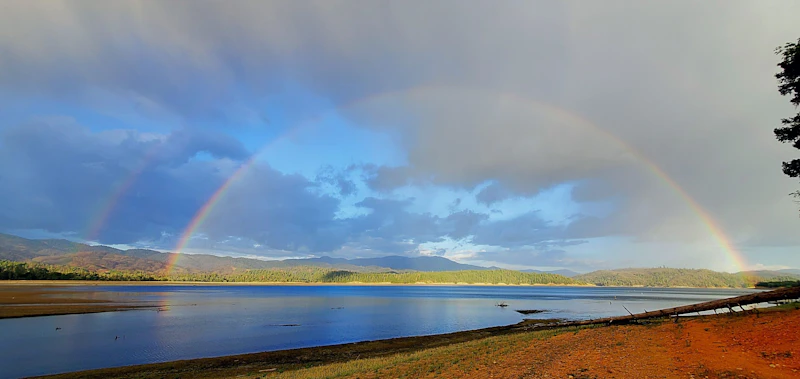
 Letts Lake. Photo by Susan Knight-Ashley, courtesy of the U.S. Forest Service
 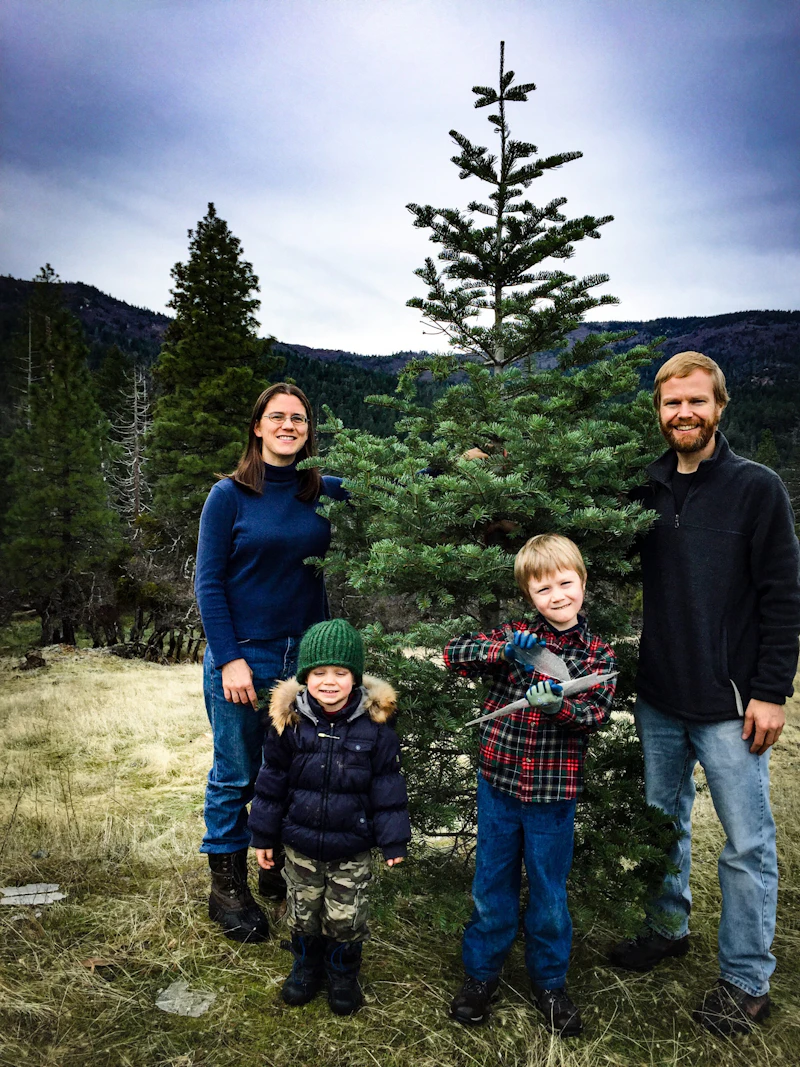 Family with their Mendocino National Forest Christmas tree. Photo by Scott Davidson
  Dirt biking the Grindstone Ranger District. Photo by Susan Knight-Ashley, courtesy of the U.S. Forest Service
 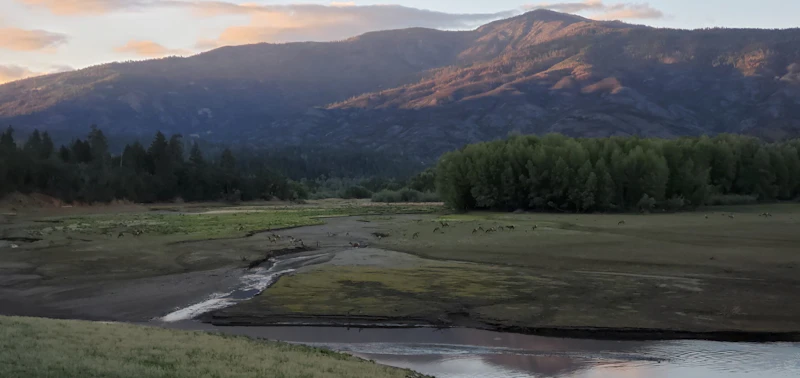 Photo by Stacey Newcomer
 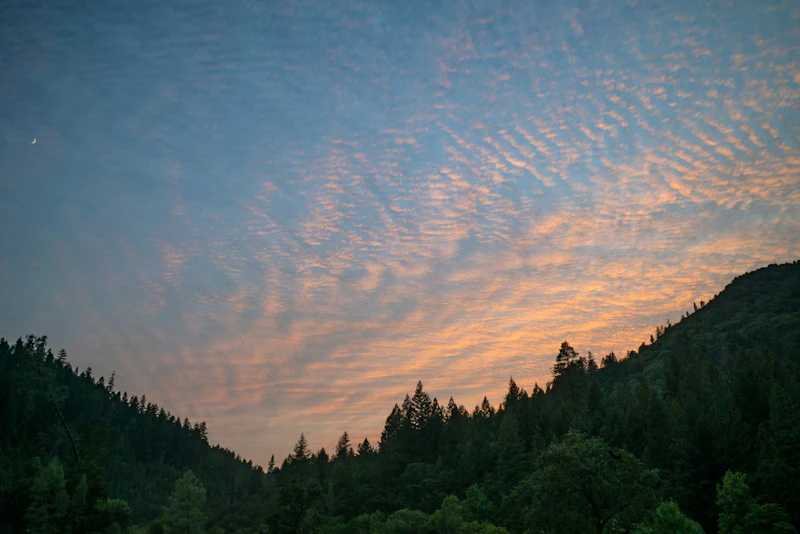 Photo by Cecilio Ricardo, courtesy of the U.S. Forest Service
 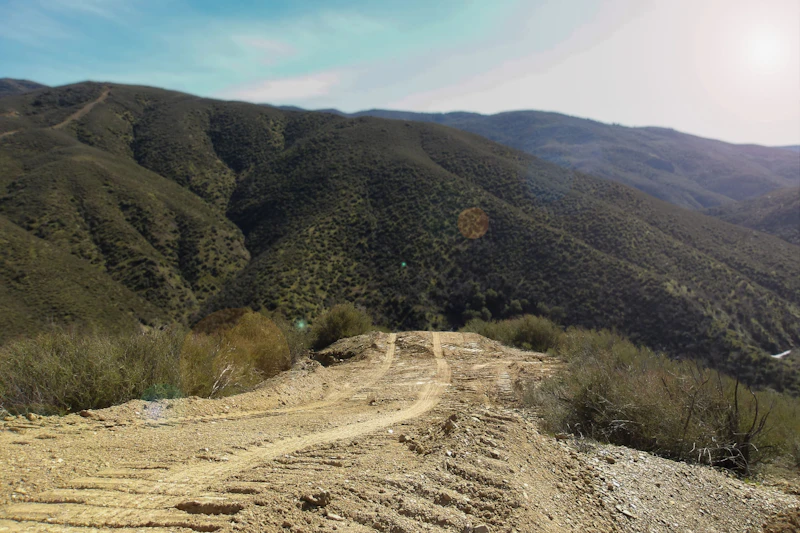 OHV trail. Photo by Susan Knight-Ashley, courtesy of the U.S. Forest Service
 What is the History of the Mendocino National Forest?
In 1907, President Theodore Roosevelt established the Stony Creek and Yolla Bolly National Forests, which merged and were renamed the Mendocino National Forest in 1932.
During the 1930s, Civilian Conservation Corps crews built roads, trails, and campgrounds that are still used today.
Long before it became public land, the region was home to diverse Native American tribes, including the Yuki, Nomlaki, Wintu, Pomo, and Patwin peoples.

How to Get to the Mendocino National Forest
From the west, Highway 101 leads to Highway 20, where the town of Upper Lake, about 130 miles north of San Francisco, is a popular gateway. From Upper Lake, Forest Road M1 leads into the heart of the forest and toward the Snow Mountain Wilderness.
From the east, the town of Willows along Interstate 5 serves as another major access point. Visitors can take Highway 162 west from Willows into the Stonyford and Grindstone Ranger Districts, offering entry to popular recreation areas such as Fouts Springs and Letts Lake.
Farther north, the town Covelo, reached via Highway 162, provides access to the Yolla Bolly–Middle Eel Wilderness.
- Santa Rosa, California: 1.5 to 2 hours by car
- San Francisco, California: 2.5 to 3 hours by car
- Stockton, California: 4 to 4.5 hours by car
- Reno, Nevada: 5 to 6 hours by car

This varied landscape, ranging from low-elevation chaparral to 6,000-foot Goat Mountain, is home to more than 200 miles of off-highway vehicle (OHV) trails including a 40-mile corridor that connects this area to the Upper Lake Ranger District.
This Wild and Scenic River is home to rainbow trout, and threatened runs of steelhead and Chinook salmon. Stay at the Eel River Campground, where a trail leads to the confluence of the Eel River’s Middle Fork and the area’s other Wild and Scenic River, the Black Butte.
The 4.5-mile one-way Summit Springs Trail leads to Snow Mountain, offering panoramic views across the Coast Range and Central Valley. In spring and early summer, wildflowers blanket the meadows, and snowmelt streams provide water for backcountry camping.
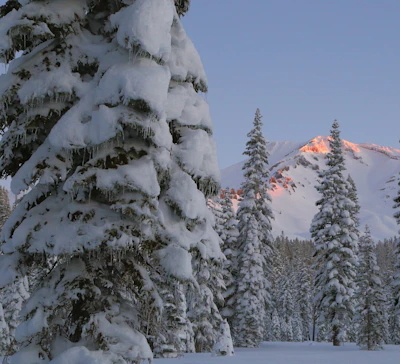 Shasta red fir This tall, straight tree can reach over 150 feet in height and is recognized by its reddish-brown bark and dense needles.
 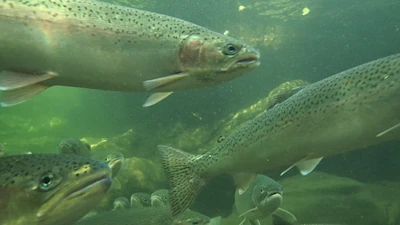 Steelhead trout This prized species spawns in the streams of the Covelo and Upper Lake ranger districts, and attract anglers during the early spring for fly fishing and drift fishing.
 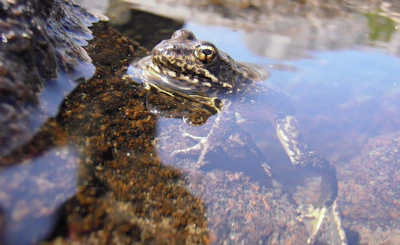 Yellow-legged frog With its yellow-brown skin and spotting, this rare and threatened frog relies on the clear streams in the Coastal Mountain Range.
 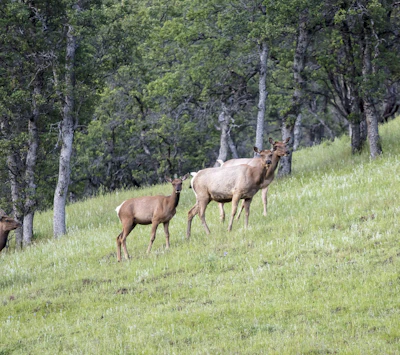 Tule elk This subspecies of elk, found only in California, occupies the grasslands and marshlands of the forest, and can often be spotted in the Upper Lake Ranger District.
 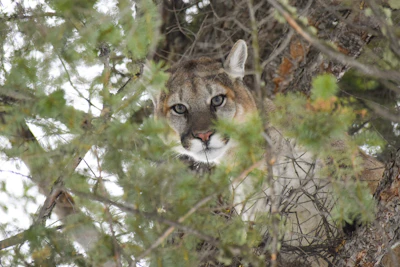 Mountain lion Also known as the cougar, puma, panther, or catamount, this big cat remains elusive and primarily hunts for deer at dawn and dusk.
 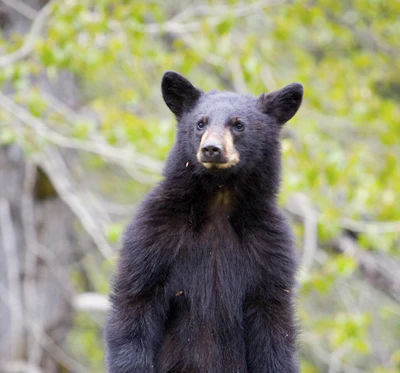 Black bear This medium-sized bear resides in the dense forests and open meadows of the forest, foraging for berries, insects, and small animals. It’s important to keep all food stored when recreating in the Mendocino.
 Related Impact
Creating a Fire Resilient Truckee
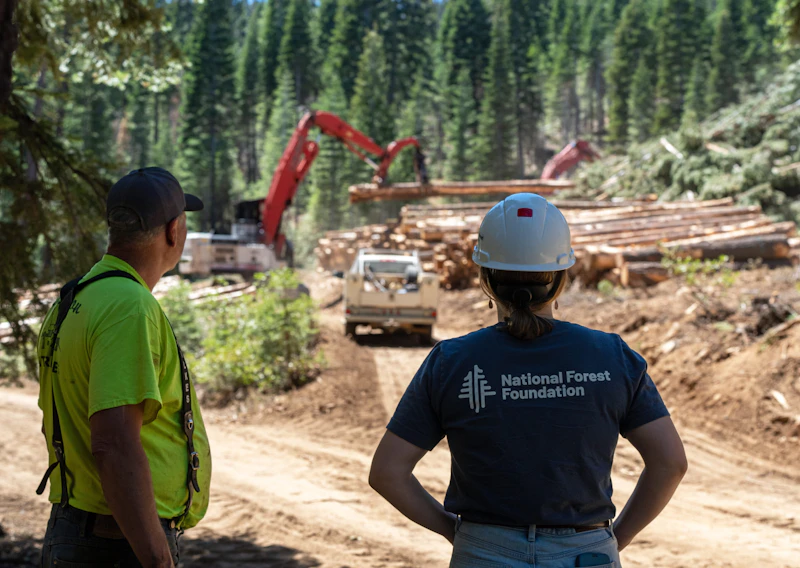
The largest, most destructive wildfires in California’s history have occurred in the last ten years. Everything is at stake for mountain communities like Truckee.
What’s the Best First-Timer’s Adventure in the Mendocino National Forest
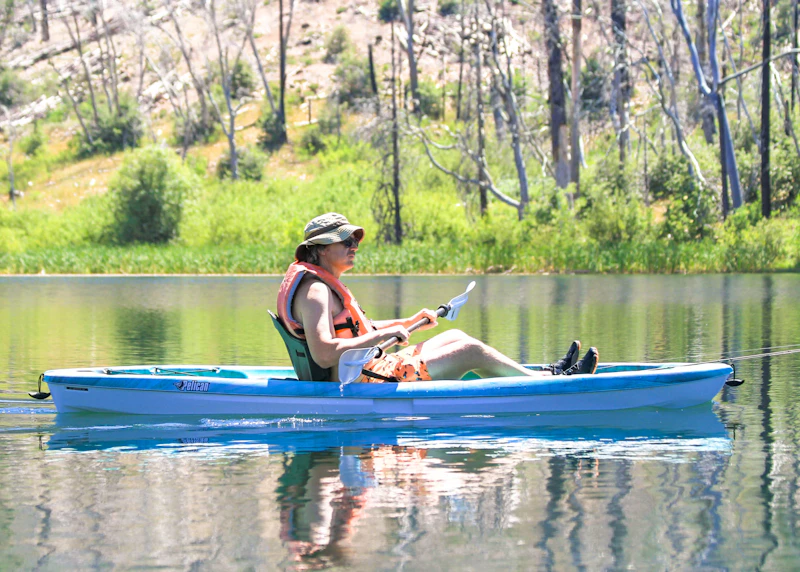
Spend the weekend at Letts Lake, a 35-acre reservoir that, at 5,000 feet in elevation, makes or a cool summer getaway. Stay at the 42-site campground, from where you can fish for rainbow trout and hike scenic trails around the lake.
Where to Find More Information on the Mendocino National Forest
For more information or questions, visit https://www.fs.usda.gov/r05/mendocino.
Discover how communities, volunteers, and partners are shaping the future of our National Forests and Grasslands.
The National Forest Foundation works with partners across Northern Colorado to restore forests, reduce wildfire risk, and care for the…
After years of damage, recovery, and reconstruction, the trail to Hanging Lake has been fully rebuilt, creating a more durable,…
Erosion and wildfire had left Arizona's historic Highline Trail rutted and unsafe. After five years of work with the Tonto…
Forest restoration near Flagstaff is reducing wildfire risk for local communities and safeguarding the water supply for millions across the…
Colorado's 14ers draw thousands of visitors each year, and the pressure on these fragile alpine landscapes is growing. Here's a…
Visitors of all ages can explore forest trails and sparkling waters, discover wildlife and underwater habitats, and connect with Tahoe’s…
A partnership-driven program connecting youth on Montana’s Flathead Reservation with hands-on conservation work, heritage education, and pathways in natural resource…
Seeing the impact first hand on the Grand Mesa, Uncompaghre and Gunnison National Forests
Seven Years of Reopening Trails After the Eagle Creek Fire
Field Ranger Program Connects Diverse Communities to Forests in Southern California
Our Forests Need Us Today.
Your donation powers critical, on-the-ground conservation—from wildfire recovery to watershed restoration—protecting forests for the future.