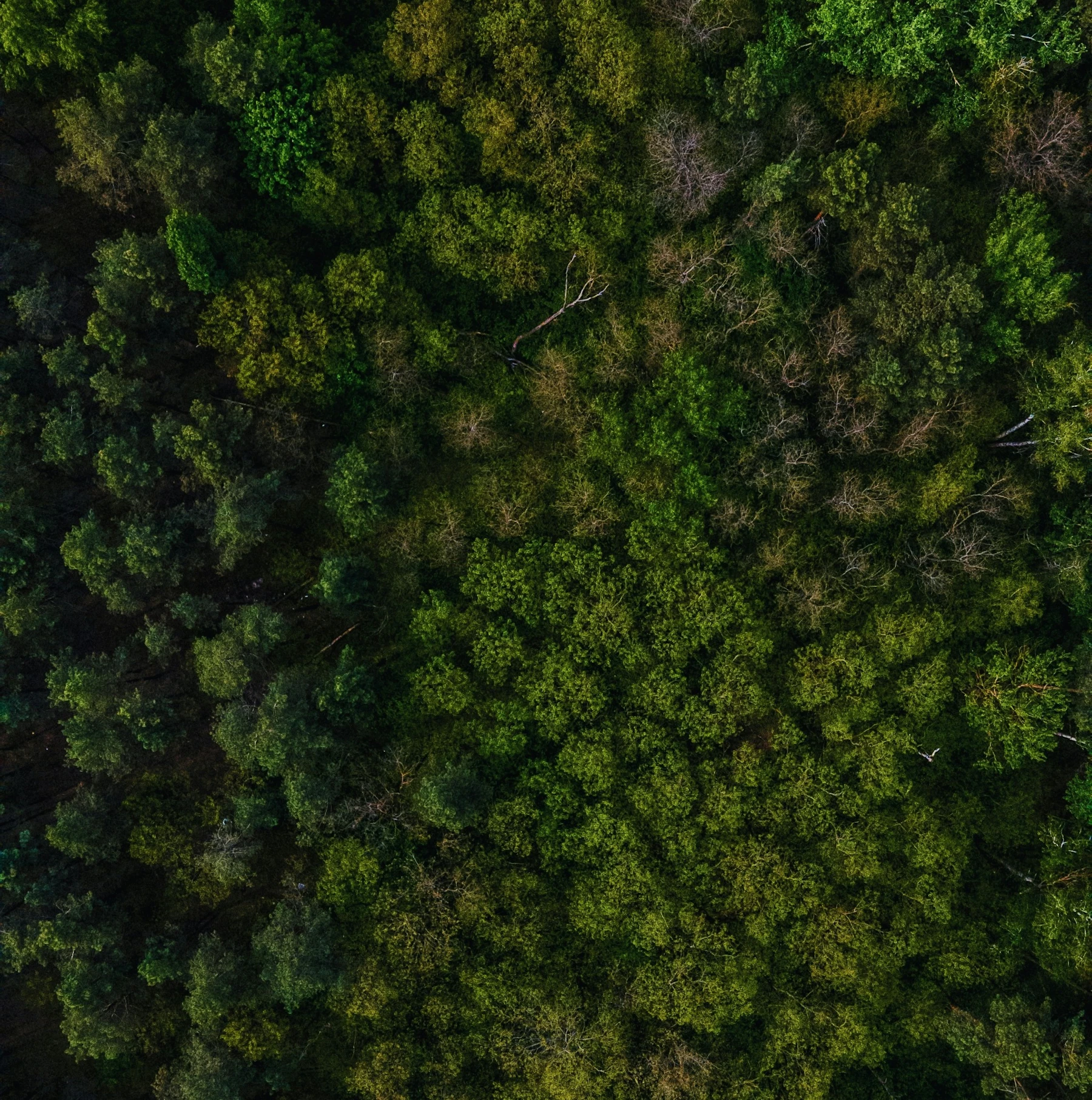
Discover the Modoc National Forest, 1.65 million acres in the extreme northeastern corner of California. The Modoc spans mountains, pine forests and meadows, rugged canyons, wetlands, lava beds, and high-desert plateaus.
The forest is characterized by the volcanic Cascades, the remote Warner Mountains, and the vast Devil’s Garden Plateau, a plateau that’s home to a large population of wild horses. Lava Beds National Monument, located within the forest, and is known for 800-plus lava tube caves and historical significance from the Modoc War.
Hiking, mountain biking, and horseback riding trails traverse volcanic plateaus, lava beds, and pine forests, while camping and fishing abound at Tule Lake, Eagle Lake, and other reservoirs, as well as seasonal hunting. Winter brings opportunities for snowmobiling at Doorknob Warming Hut Snowpark and skiing and at volunteer-run Cedar Pass Snow Park.
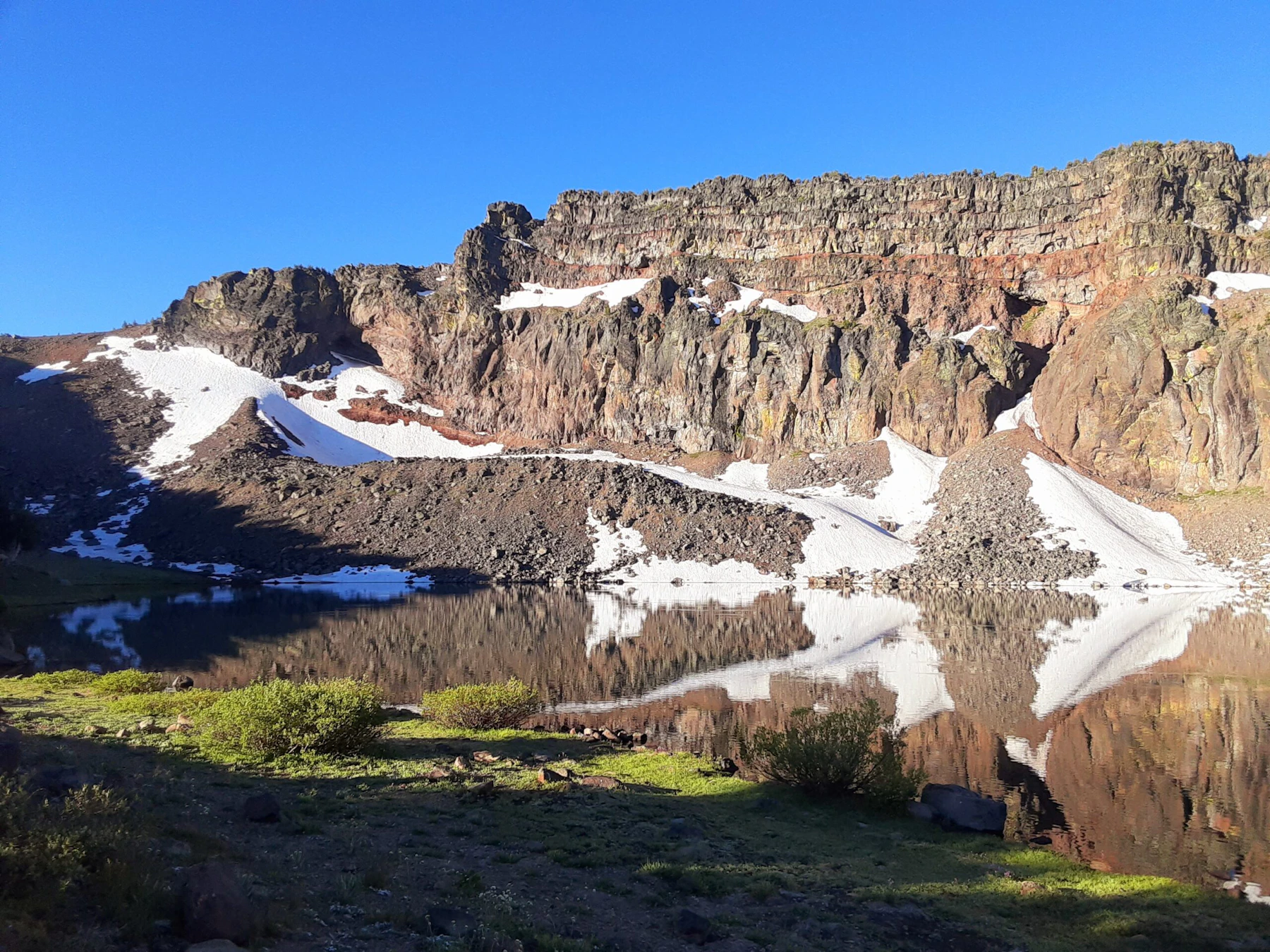
 Photo by Ky Anderson
  Monkeyflower. Photo by the U.S. Forest Service
  Summit Trail, South Warner Wilderness. Photo by the U.S. Forest Service
 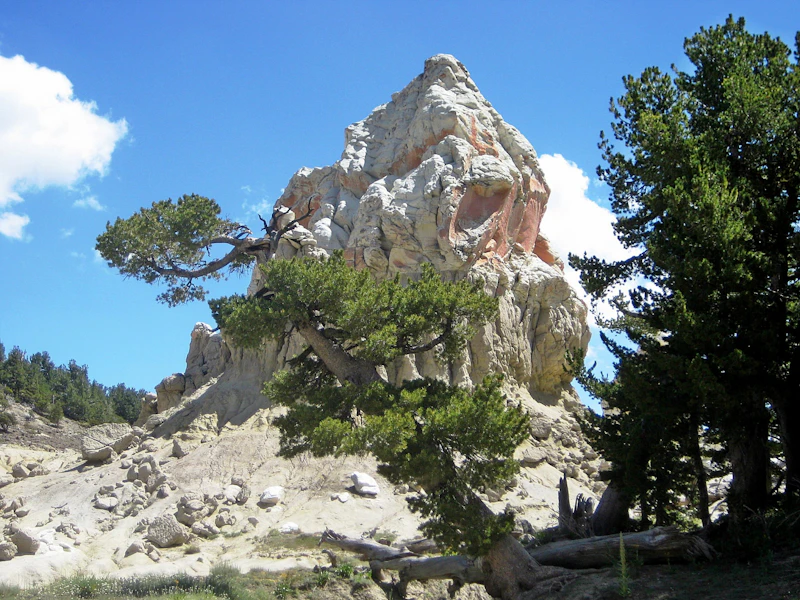 Photo by the U.S. Forest Service
 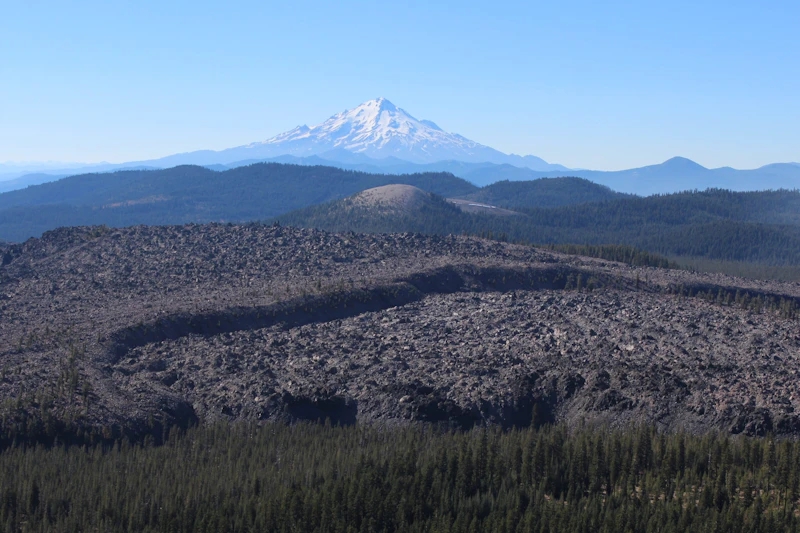 Photo by Kevin Citta
 What is the History of the Modoc National Forest?
The forest is named for the county in which the greater part of the forest is situated. The county, in turn, is named after the Indian tribe, the Modocs, who fought the U.S. government at the lava beds from 1872 to 1873, a tragic chapter in the region’s history.
After European-American settlement, logging, grazing, and fire suppression altered portions of the landscape, prompting federal efforts to protect and manage the area. Established as a national forest in 1904, Modoc has been managed by the U.S. Forest Service to balance conservation, recreation, and sustainable resource use.
How to Get to the Modoc National Forest
The primary gateway town of Alturas is reached via the U.S. Highway 395, a major north–south route runs to the eastern and central sections of the forest. From the west, travelers can take California State Route 299 east, which intersects U.S. 395 in Alturas and serves as a key route into the forest’s western areas.
Another important highway is California State Route 139, which runs north–south along the forest’s eastern side and connects smaller towns like Adin and Tulelake, providing access to northern and remote forest sections.
- Redding, California: 2.5 to 3 hours by car
- Medford, Oregon: 3 to 3.5 hours by car
- Reno, Nevada: 3 to 3.5 hours by car
- Eugene, Oregon: 4.5 to 5 hours by car
- Sacramento, California: 5 to 6 hours by car

Start at the Pepperdine Trailhead on the northern boundary of the South Warner Wilderness, this out-and-back route stretches approximately 22 miles through wide meadows and ridgelines on the western flank of the Warner Mountains, passing scenic Patterson Lake along the way.
The trailhead to this year-round waterfall is at the end of the only paved road in the South Warner Wilderness. From a pine-dotted campground, a 0.25-mile hike leads to the overlook for the falls.
Enjoy 200 miles of groomed snowmobile trails at Doorknob Warming Hut Snowpark. The site is part of the larger Tri‑Forest Snowmobile Trails network, which provides access to groomed trails across the Modoc, the Klamath National Forest, and the Shasta-Trinity National Forest.
 Mule’s Ear Named for paddle-shaped petals that resemble mule ears, this wildflower blooms bright yellow in the late spring and early summer.
  Incense cedar With its reddish-brown, fibrous bark, and feathery foliage, this tree’s wood is highly aromatic, historically used by Native Americans for incense, ceremonial purposes, and crafting.
 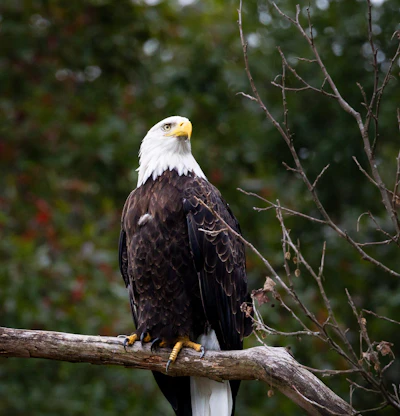 Bald eagle This majestic bird can often be spotted gracefully scanning lakes and reservoirs for fish, its primary food source.
 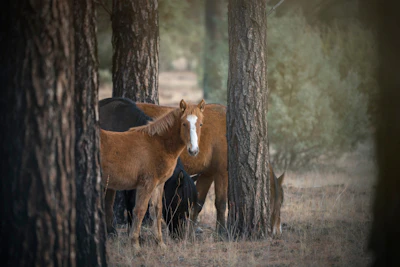 Wild horse A large herd of free‑roaming wild horses thrives in the sage‑juniper terrain of the Devil’s Garden Plateau.
 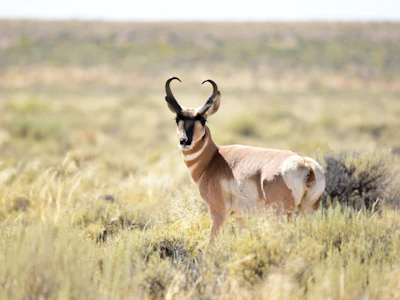 Pronghorn North America’s fastest land animal, capable of reaching speeds of up to 60 miles per hour, can be spotted throughout the forest’s prairie areas.
 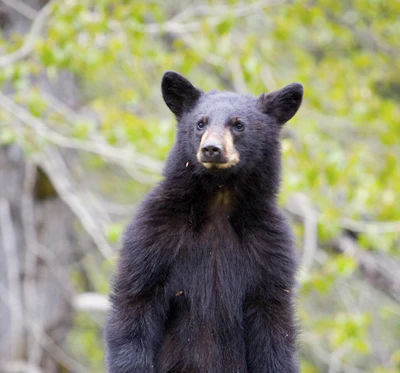 Black bear This medium-sized bear resides in the dense forests and open meadows of the forest, foraging for berries, insects, and small animals. It’s important to keep all food stored when recreating in the Modoc.
 Related Impact
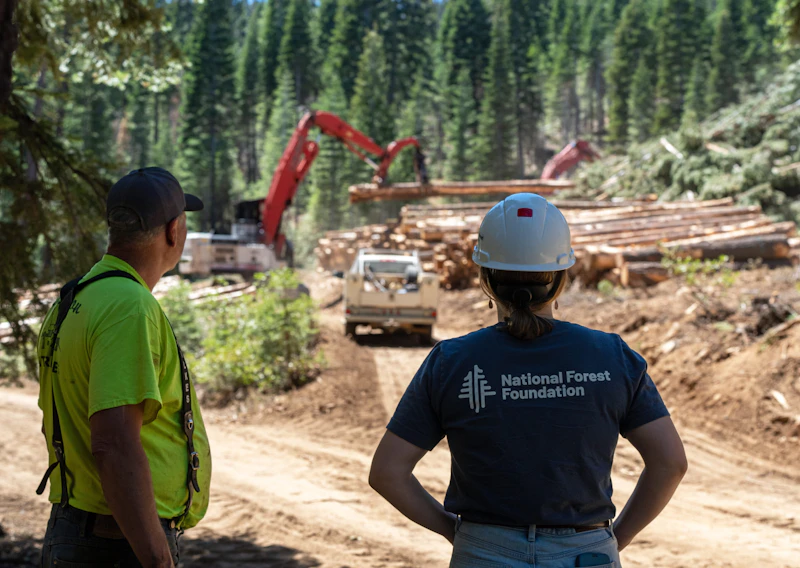
Creating a Fire Resilient Truckee
The largest, most destructive wildfires in California’s history have occurred in the last ten years. Everything is at stake for mountain communities like Truckee.
What’s the Best First-Timer’s Adventure in the Modoc National Forest
For a scenic drive that gets you to the heart of the Modoc’s volcanic landscape, embark on the loop around Medicine Lake in the Medicine Lake Highlands. The route—part of the 500-mile Volcanic Legacy Scenic Byway—can be started from either the southwest via the U.S. Highway 89/Forest Service Road 15 or from the north via California State Route 139 and Forest Service Road 49.
Where to Find More Information on the Modoc National Forest
For more information or questions, visit https://www.fs.usda.gov/r05/modoc.
Discover how communities, volunteers, and partners are shaping the future of our National Forests and Grasslands.
The National Forest Foundation works with partners across Northern Colorado to restore forests, reduce wildfire risk, and care for the…
After years of damage, recovery, and reconstruction, the trail to Hanging Lake has been fully rebuilt, creating a more durable,…
Erosion and wildfire had left Arizona's historic Highline Trail rutted and unsafe. After five years of work with the Tonto…
Forest restoration near Flagstaff is reducing wildfire risk for local communities and safeguarding the water supply for millions across the…
Colorado's 14ers draw thousands of visitors each year, and the pressure on these fragile alpine landscapes is growing. Here's a…
Visitors of all ages can explore forest trails and sparkling waters, discover wildlife and underwater habitats, and connect with Tahoe’s…
A partnership-driven program connecting youth on Montana’s Flathead Reservation with hands-on conservation work, heritage education, and pathways in natural resource…
Seeing the impact first hand on the Grand Mesa, Uncompaghre and Gunnison National Forests
Seven Years of Reopening Trails After the Eagle Creek Fire
Field Ranger Program Connects Diverse Communities to Forests in Southern California
Our Forests Need Us Today.
Your donation powers critical, on-the-ground conservation—from wildfire recovery to watershed restoration—protecting forests for the future.