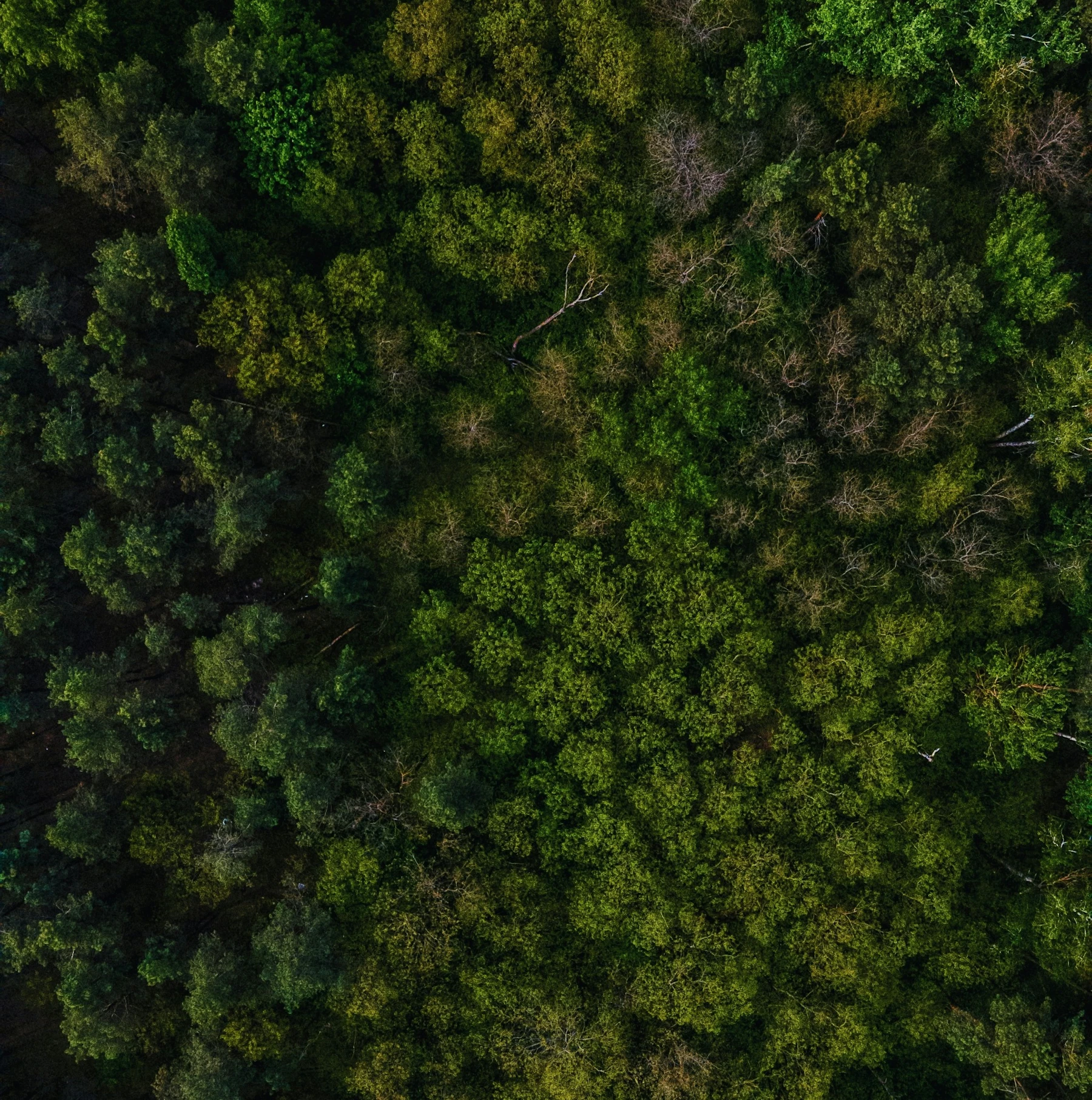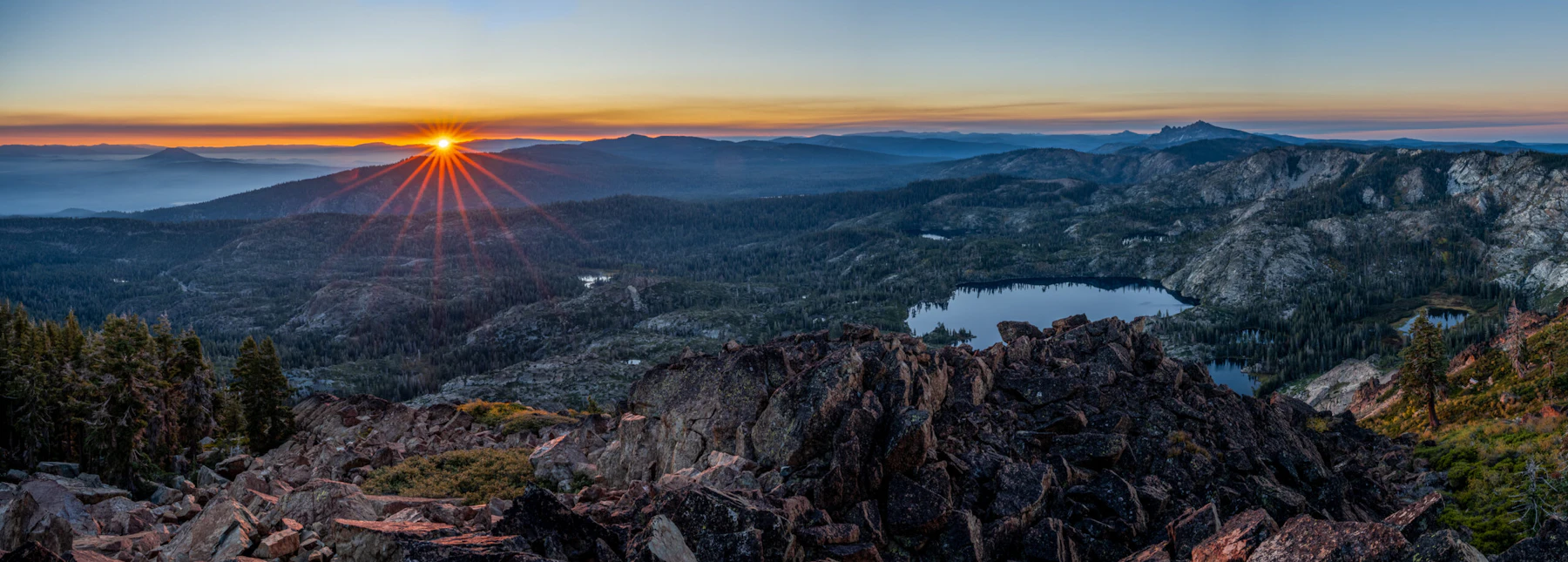
Explore the Plumas National Forest, nearly 1.2 million acres of deep canyons, rich mountain valleys, meadows, and lofty peaks in California’s Sierra Nevada. Located south of the Cascade Range, the forest is also home to the Bucks Lake Wilderness Area, where elevations range from 2,000 feet in the Feather River Canyon to 7,017 feet at Spanish Peak.
The Plumas has close to 300 miles of trails for hiking, biking, and horseback riding. Some 75 miles of the Pacific Crest Trail also extends across the forest, crossing two major canyons.
From lakeside campgrounds and remote mountain stream hideouts to high-alpine wilderness more than 7,000 feet in elevation, camping in the Plumas is one of the most popular activities. As is visiting its many lake-based Recreation Areas, which include the resort-dotted Bucks Lake Recreation Area, recreation-packed Davis Lake Recreation Area, and very remote Antelope Lake Recreation Area.
Over a hundred lakes and miles of river offer fishing and boating. The Middle Fork of the Feather River was one of the first nationally designated Wild and Scenic Rivers, though its precipitous cliffs, waterfalls, and rugged boulders make it quite difficult to access.
To experience some of it, embark on the 130-mile Feather River Scenic Byway or hike the Feather Falls National Recreation Trail and Campground, a wonderful destination for camping, hiking, and enjoying the beauty of the Falls.
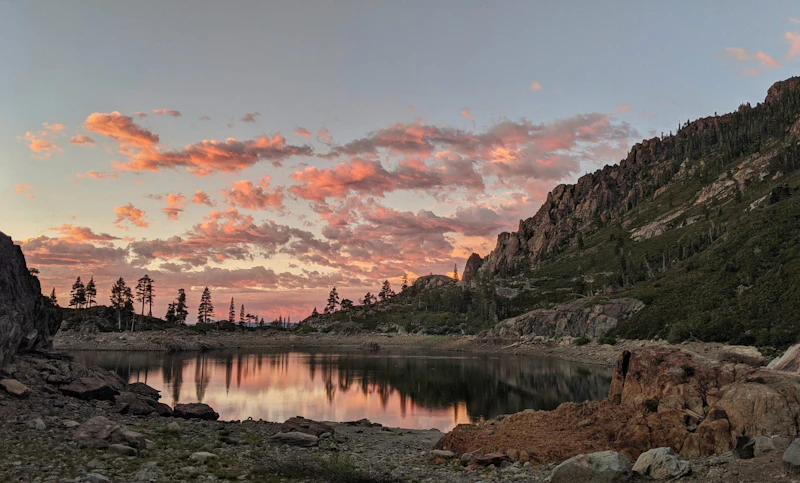 Photo by Nola George
 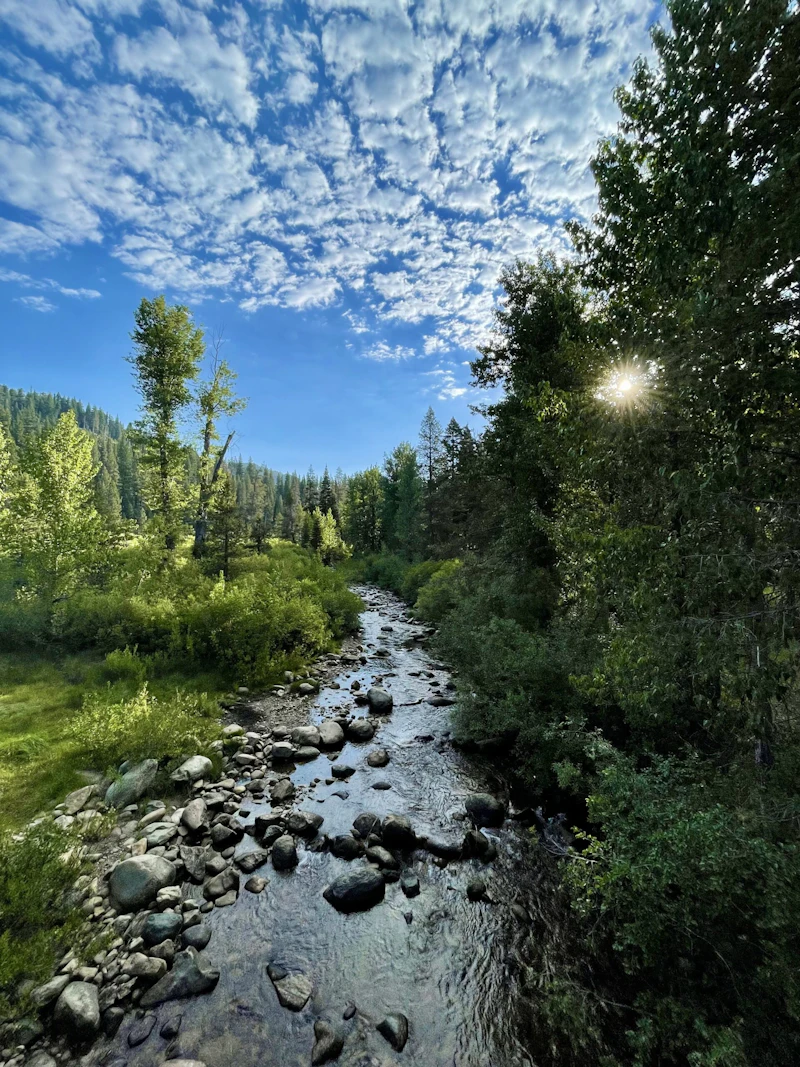 Photo by Genovevo Gonzales
 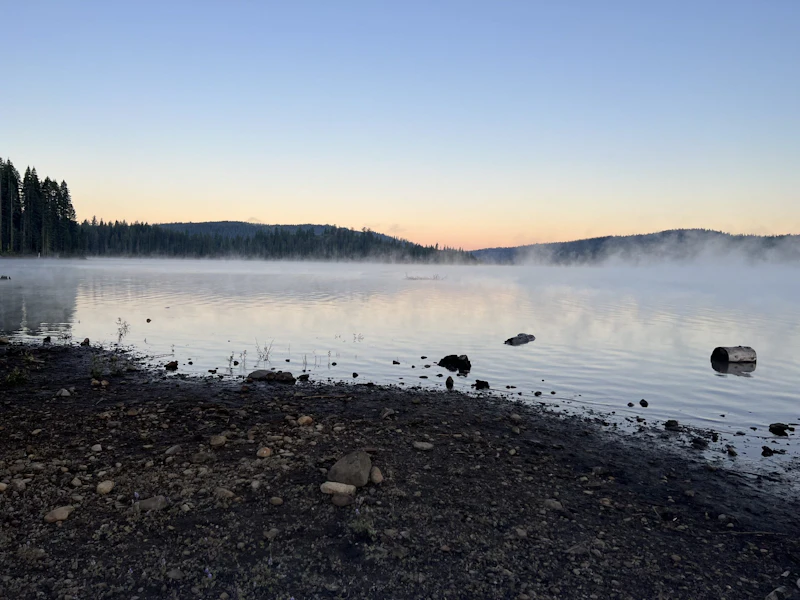 Photo by Terry Zanchi
 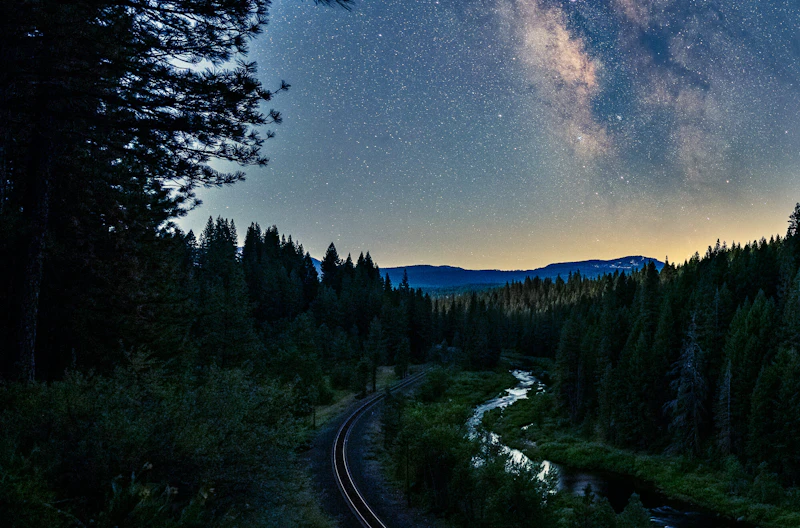 Milky Way above the Middle Fork Feather River and railroad. Photo by Shyam Krishnan
 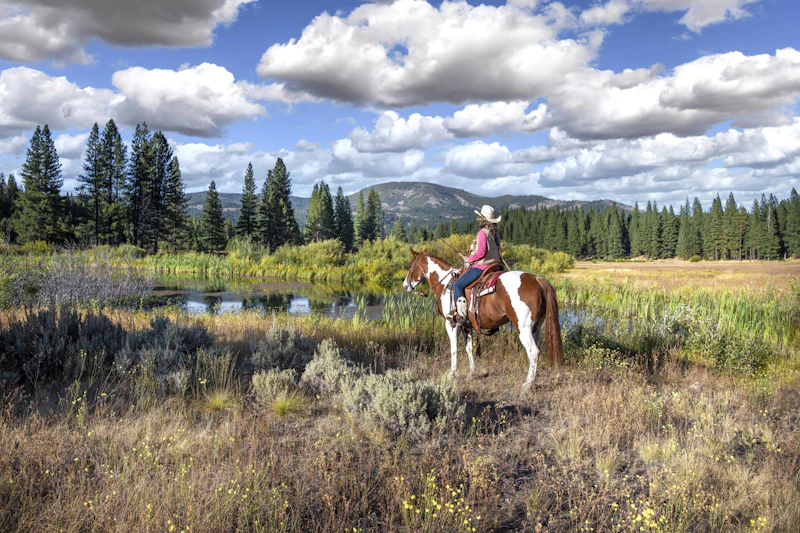 Photo by Phil Reedy
 What is the History of the Plumas National Forest?
The Plumas National Forest has been used by humans for at least 8,000 years. It’s the homeland of the Mountain, Konkow Maidu Indians, Washo, and Paiute. The ruggedness of the area discouraged exploration until the Gold Rush. Spanish exploration in the early 1800s was limited to the Sacramento Valley. The Hudson Bay Fur Company, however, had entered the Plumas Region by the early 1830s.
Gold miners spread into the area by 1850. Although Native Americans had known about the Sierra’s lowest pass for centuries, James Beckwourth, an African American mountain man, did not “discover” it until 1851. Immigrants and miners soon began moving through the pass and into the area.
The government created the Plumas Forest Reserve in 1905 and later redesignated it as Plumas National Forest in 1907.
How to Get to the Plumas National Forest
From the west, travelers can reach the forest via Interstate 5, connecting to Highway 36 toward the western gateway towns of Chester and Susanville. From Sacramento or the San Francisco Bay Area, Interstate 80 to Highway 70 or Highway 89 accesses the forest.
Highway 70, also known as the Feather River Scenic Byway, runs through the forest and provides access to the main gateway town of Quincy, the boating hub of Chester, and the Sierra Valley entrypoint of Portola.
- Reno, Nevada: 2 to 2.5 hours by car
- Chico, California: 2.5 to 3 hours by car
- Redding, California: 3 to 3.5 hours by car
- Sacramento, California: 3.5 to 4.5 hours by car
- San Francisco, California: 5 to 5.5 hours by car

The Feather Falls Recreation Trail consists of two sections, the 4.5-mile upper trail and the 3.5-mile lower trail, which can be joined in a loop. From these trails, a half-mile spur trail leads to an overlook for Feather Falls, the sixth highest waterfall in the country at 410 feet.
This four-person rental cabin on the eastern border of the Beckwourth Ranger District is an ideal summer getaway. From the lookout, take in views of Honey Lake and Last Chance Creek.
With 30-plus miles of trails, 20 small lakes, and numerous campgrounds and historic lodges, this recreation area is a must-stop in the Plumas National Forest. The area’s trails offer panoramic views of multiple lakes and surrounding mountains.
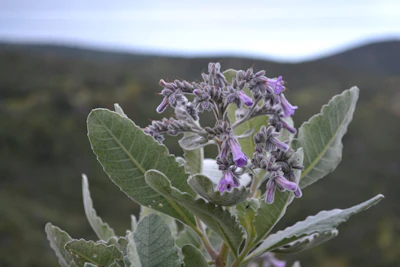 Yerba santa This hardy evergreen shrub, which blooms purple, regenerates quickly after disturbances, making it well-adapted to wildfire-prone areas.
 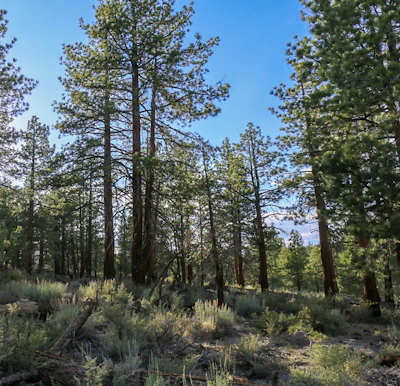 Jeffrey pine Growing in elevations between 5,000 and 7,000 feet, this native pine is known for emitting a butterscotch-like scent.
 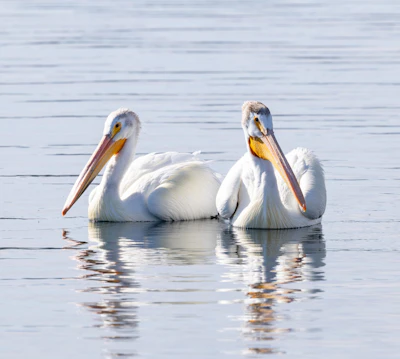 American white pelican One of the largest birds in North America, with a nine-foot average wingspan, the white pelican often travels in flocks.
 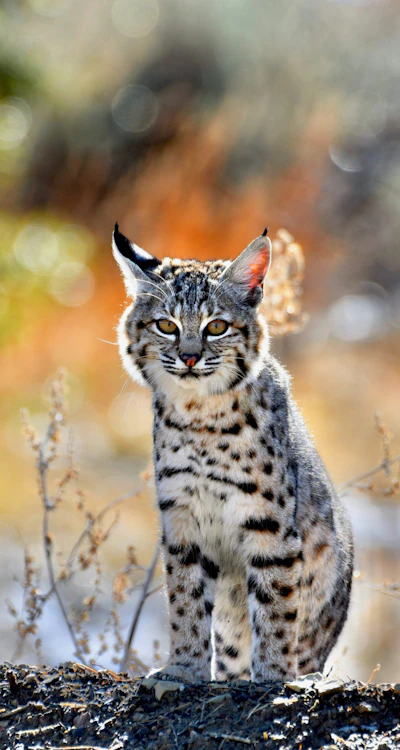 Bobcat This elusive predator, with tufted ears and spotted coats, hunts rabbits, birds, and rodents throughout the forest. While seeing a bobcat is rare, visitors often spot their tracks.
 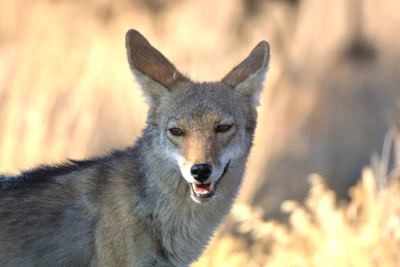 Coyote This highly adaptable predator is an opportunistic feeder, hunting small mammals, birds, insects alone and sometimes in pairs.
 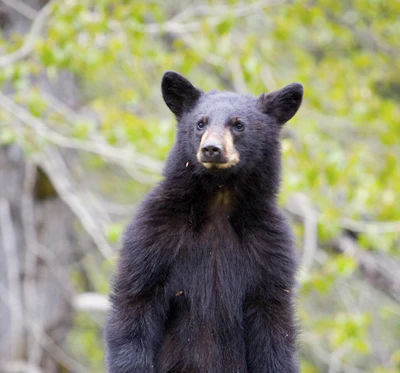 Black bear This medium-sized bear resides in the dense woodlands and open meadows of the forest, foraging for berries, insects, and small animals.
 Related Impact
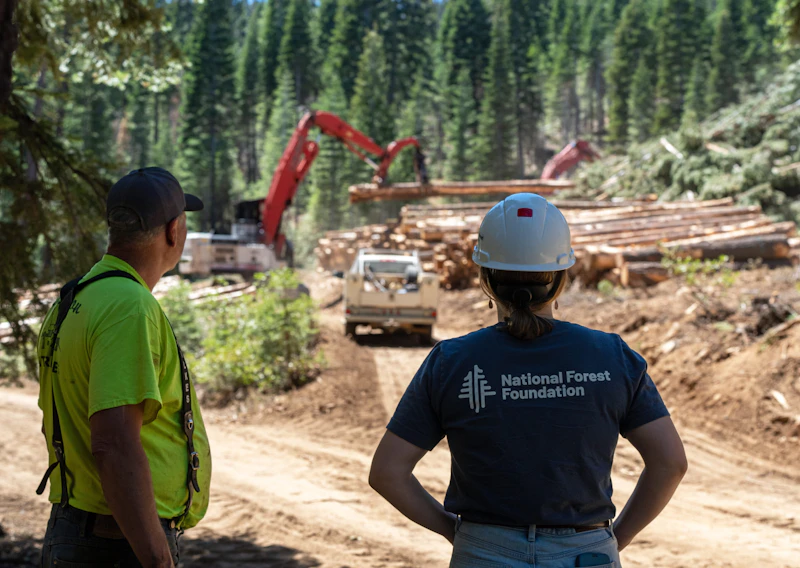
Creating a Fire Resilient Truckee
The largest, most destructive wildfires in California’s history have occurred in the last ten years. Everything is at stake for mountain communities like Truckee.
What’s the Best First-Timer’s Adventure in the Plumas National Forest
Drive the Feather River Scenic Byway, a 130-mile route that traces an awesome granite gorge, conifer forests, and high mountain meadows. Expect dramatic views of steep canyons, waterfalls, and historic railroad engineering.
Where to Find More Information on the Plumas National Forest
For more information or questions, visit https://www.fs.usda.gov/r05/plumas.
Discover how communities, volunteers, and partners are shaping the future of our National Forests and Grasslands.
The National Forest Foundation works with partners across Northern Colorado to restore forests, reduce wildfire risk, and care for the…
After years of damage, recovery, and reconstruction, the trail to Hanging Lake has been fully rebuilt, creating a more durable,…
Erosion and wildfire had left Arizona's historic Highline Trail rutted and unsafe. After five years of work with the Tonto…
Forest restoration near Flagstaff is reducing wildfire risk for local communities and safeguarding the water supply for millions across the…
Colorado's 14ers draw thousands of visitors each year, and the pressure on these fragile alpine landscapes is growing. Here's a…
Visitors of all ages can explore forest trails and sparkling waters, discover wildlife and underwater habitats, and connect with Tahoe’s…
A partnership-driven program connecting youth on Montana’s Flathead Reservation with hands-on conservation work, heritage education, and pathways in natural resource…
Seeing the impact first hand on the Grand Mesa, Uncompaghre and Gunnison National Forests
Seven Years of Reopening Trails After the Eagle Creek Fire
Field Ranger Program Connects Diverse Communities to Forests in Southern California
Our Forests Need Us Today.
Your donation powers critical, on-the-ground conservation—from wildfire recovery to watershed restoration—protecting forests for the future.