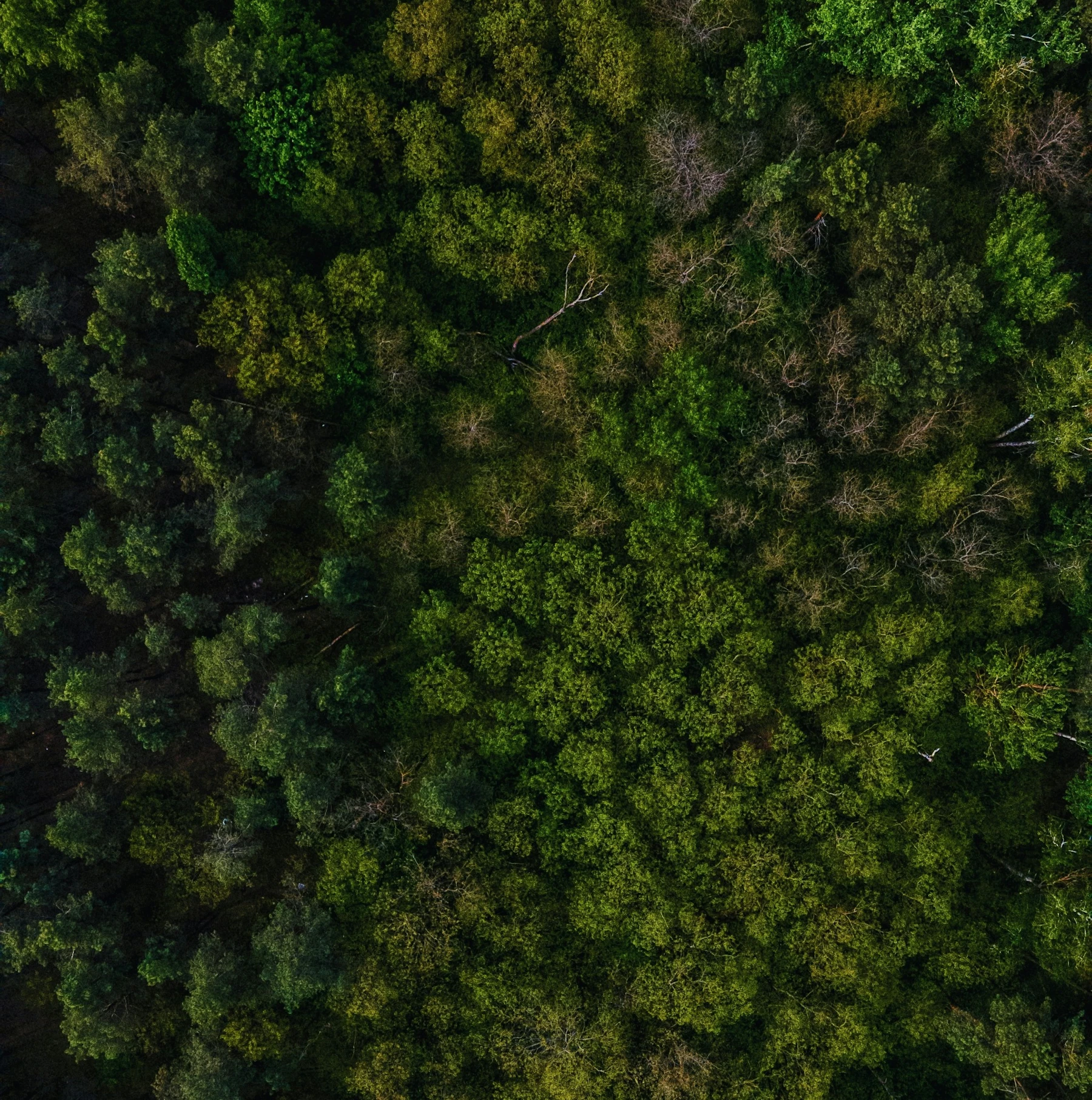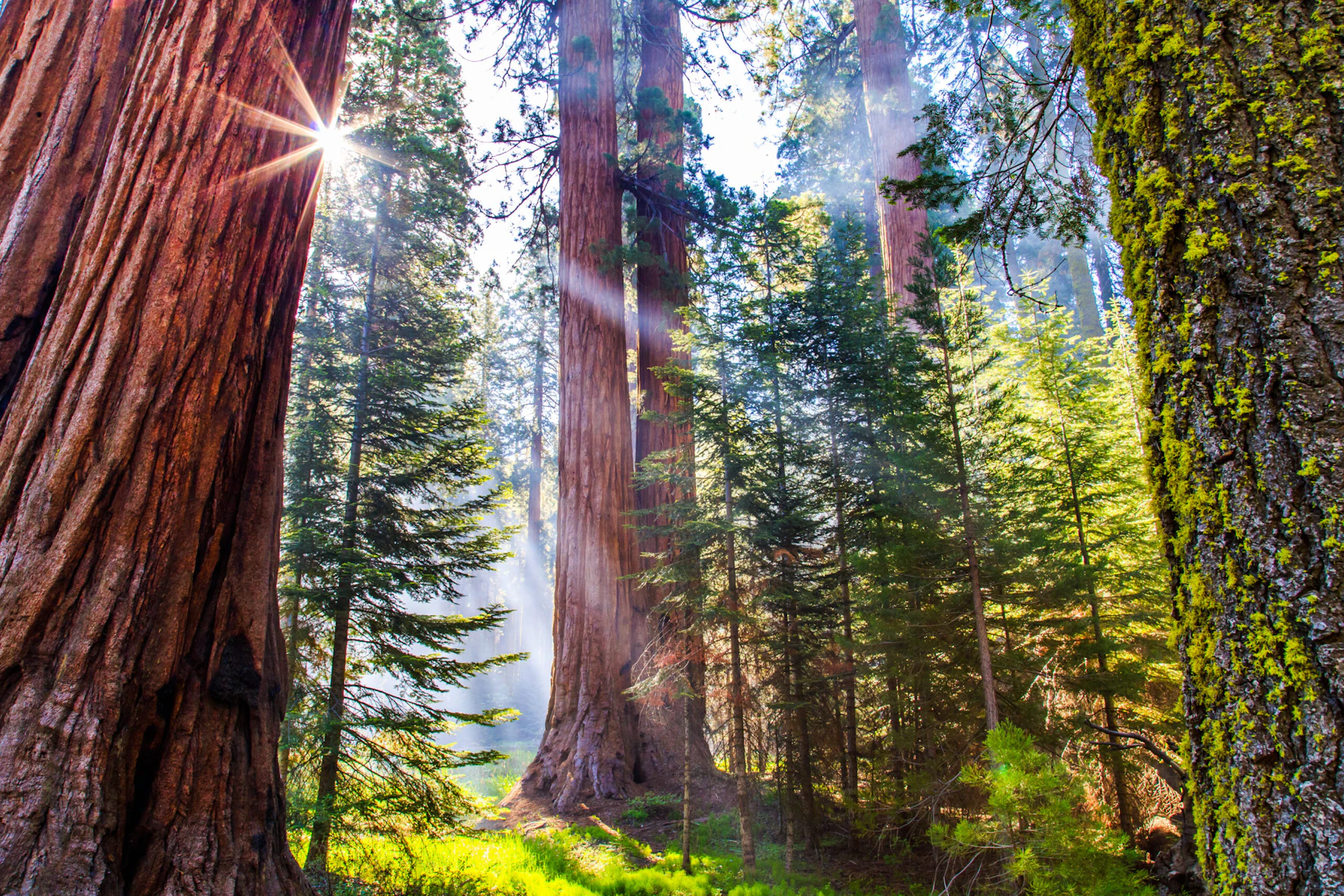
Uncover the Sequoia National Forest, 1.1 million acres of limestone caves, granitic spires, deep gorges, and groves of towering sequoias in northern California. The forest is home to some of the world’s most iconic giant sequoias, which reach up to 275 feet tall and grow 26 feet in diameter.
The Sequoia contains portions of six designated Wilderness Areas totaling more than 300,000 acres: Kiavah, Monarch, South Sierra, Domeland, Jennie Lakes, and Golden Trout. Also in the forest is the Giant Sequoia National Monument, which protects 33 groves of sequoia trees, some of which are thousands of years old.
More than a thousand miles of trails draw hikers, mountain bikers, and horseback riders. The Pacific Crest National Scenic Trail, which stretches 2,600 miles from Canada to Mexico, crosses the Sequoia National Forest for about 47 miles. The forest is also home to three National Recreation Trails: Summit, Cannell Meadow, and Jackass Creek. For longer adventures, consider booking a spot in one of 52 developed campgrounds throughout the Sequoia.
More than 2,600 rivers and streams, 150 ponds and lakes, 200 miles of Wild and Scenic Rivers make the Sequoia National Forest a coveted fishing, paddling, and whitewater rafting destination. In the winter, there’s plenty of cross-country skiing and snowmobile trails, as well as downhill skiing at Alta Sierra Ski Resort.
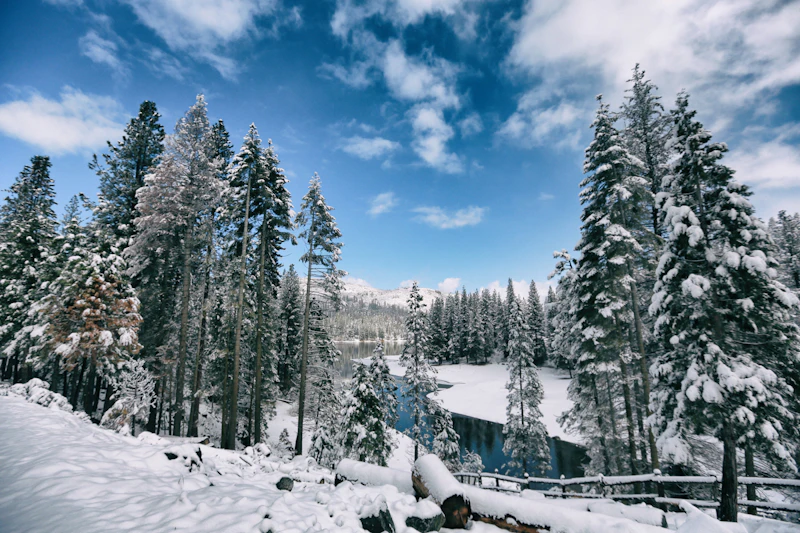 Photo by Brian Petersen
 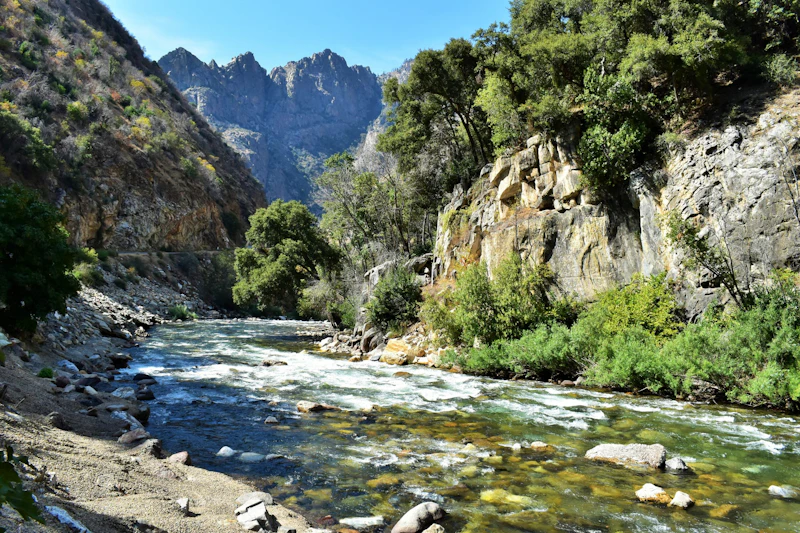 Photo by Dianne Cron
 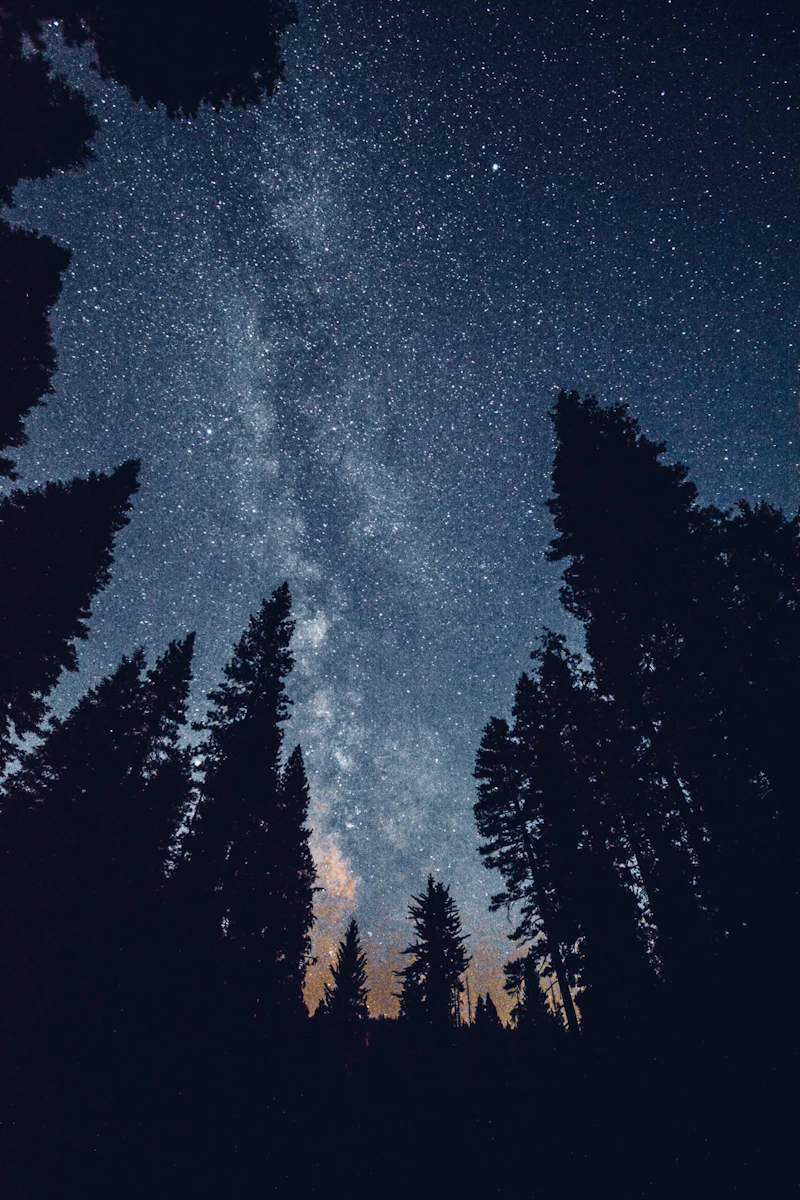 Photo by Emily Henkel
 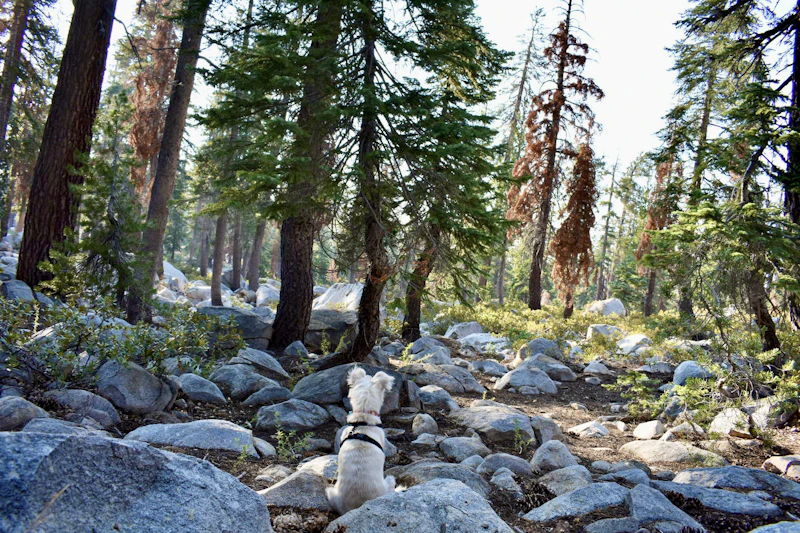 Photo by Roslyn Rivera
 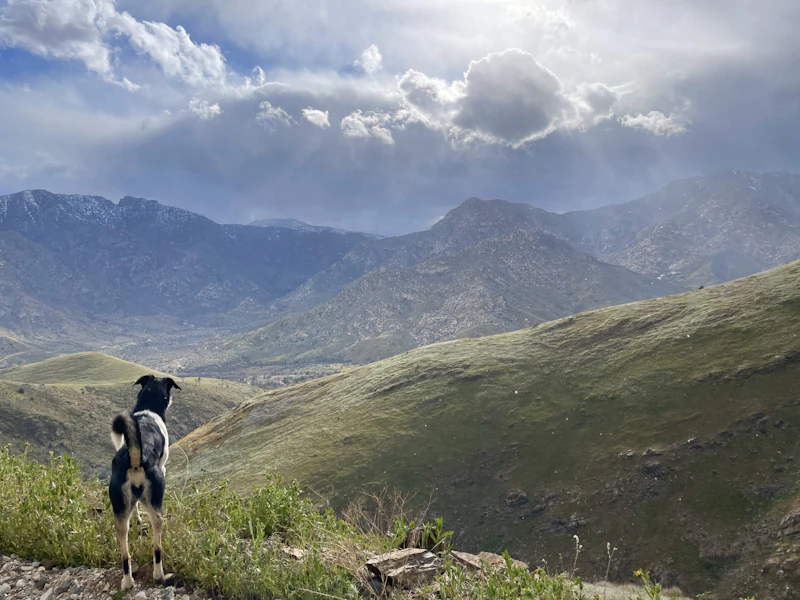 Photo by Tara Gibb
 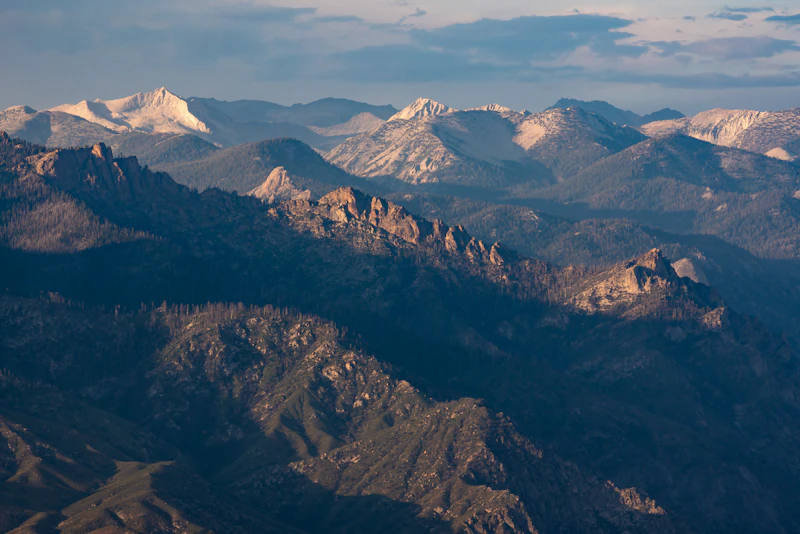 Photo by Veronika Vaneckova
 What is the History of the Sequoia National Forest?
The forest was officially established in 1908 by President Theodore Roosevelt, part of a broader national effort to preserve the country’s dwindling forests and protect vital watersheds in the Sierra Nevada. In 2000, the designation of the Giant Sequoia National Monument expanded the forest’s protected status. Before federal protection, the region had been inhabited for thousands of years by Indigenous peoples, including the Mono and Yokuts tribes.
How to Get to the Sequoia National Forest
For the western and central parts of the forest, including the Giant Sequoia National Monument, Highway 99 serves as the primary north–south artery in California’s Central Valley. Highway 99 connects to Highway 198 through Visalia, a key gateway city. This route leads toward the western edge of the forest and the popular Hume Lake and Kings River regions. Highway 180, accessed near Fresno, also provides a scenic approach to the northern part of the forest.
To reach the southern and eastern sections of the Sequoia National Forest, Highway 178 connects the gateway of Bakersfield to the forest, while Highway 190 links the forest’s southern sections to the city of Porterville.
- Visalia, California: 1 to 2 hours by car
- Bakersfield, California: 1 to 3 hours by car
- Fresno, California: 1.5 to 2 hours by car
- San Francisco, California: 5 to 6 hours by car

An easy 1.5-mile one-way hike, one of two designated trails in Domeland Wilderness, offers a look at the area’s unique granite domes, including Church Dome, with its cathedral-like spires.
This underground world of fascinating limestone formations sits beneath the 2,000-foot-high marble walls of the famous Kings Gates. A short but steep trail leads to the cavern, where visitors can enjoy a 45-minute guided tour to learn about its geology, history, and unique ecosystem.
Known for its reliable afternoon gusts that average 35 to 50 miles per hour, this lake in the Sequoia National Forest has become an exciting destination for experienced windsurfers. Spend a few days camping along the shoreline and catching the breeze.
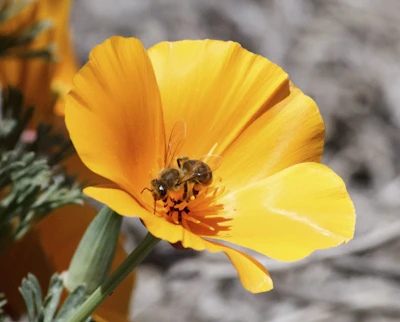 California poppy The state’s wildflower blankets open meadows and hillsides in bright orange every spring, providing nectar for bees and other pollinators.
 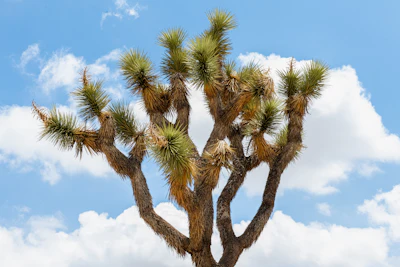 Joshua tree Along with its famed Sequoias, the forest is also home to this iconic species in the yucca family, which appear in the southern foothills.
 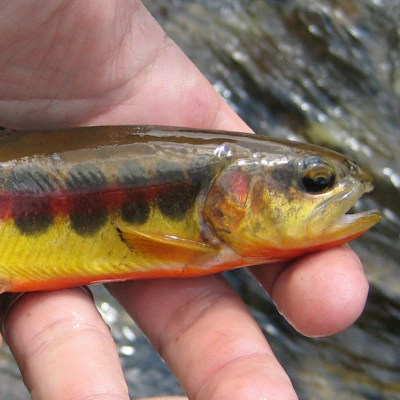 Little Kern golden trout This threatened subspecies, recognized by its golden body with red lateral stripes and distinctive spotting, resides primarily in the waterways of the Golden Trout Wilderness.
 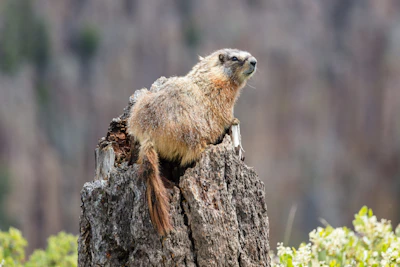 Yellow-bellied marmot This large rodent, with its golden-yellow underbelly, can often be seen sunning on boulders or darting among rocks.
 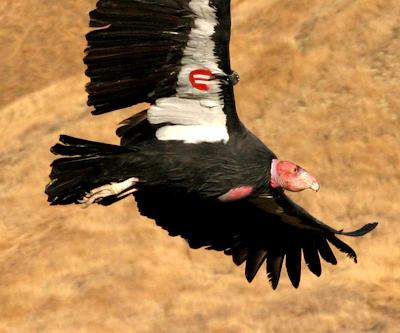 California condor With a wingspan reaching nearly 10 feet, this scavenger—and North America’s largest bird—has returned to the Sierra Nevada after near extinction.
 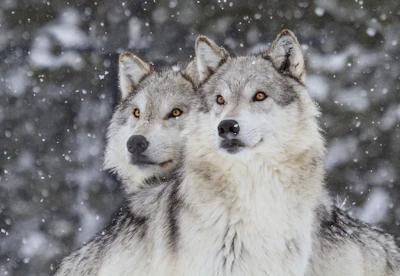 Gray wolf This elusive predator, which can weigh up to 80 pounds, has returned to California in recent years, including to the forest.
 Related Impact
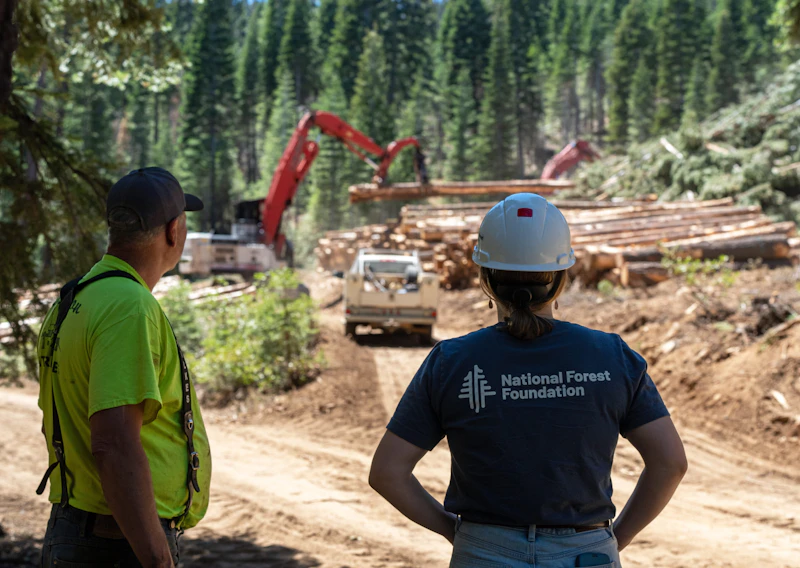
Creating a Fire Resilient Truckee
The largest, most destructive wildfires in California’s history have occurred in the last ten years. Everything is at stake for mountain communities like Truckee.
What’s the Best First-Timer’s Adventure in the Sequoia National Forest
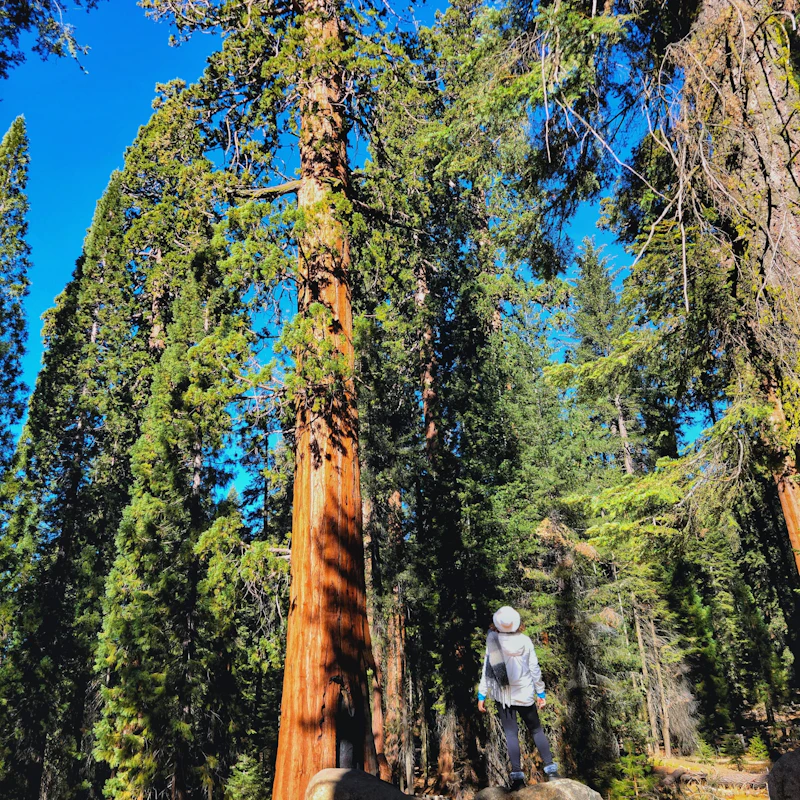
The easy and accessible Trail of 100 Giants brings you through the Long Meadow Grove, one of the premier groves of giant sequoias in the National Monument. There’s a main 1.3-mile paved trail from which you can choose to walk several loops, many of which feature information about the trees.
Where to Find More Information on the Sequoia National Forest
For more information or questions, visit https://www.fs.usda.gov/r05/sequoia.
Discover how communities, volunteers, and partners are shaping the future of our National Forests and Grasslands.
The National Forest Foundation works with partners across Northern Colorado to restore forests, reduce wildfire risk, and care for the…
After years of damage, recovery, and reconstruction, the trail to Hanging Lake has been fully rebuilt, creating a more durable,…
Erosion and wildfire had left Arizona's historic Highline Trail rutted and unsafe. After five years of work with the Tonto…
Forest restoration near Flagstaff is reducing wildfire risk for local communities and safeguarding the water supply for millions across the…
Colorado's 14ers draw thousands of visitors each year, and the pressure on these fragile alpine landscapes is growing. Here's a…
Visitors of all ages can explore forest trails and sparkling waters, discover wildlife and underwater habitats, and connect with Tahoe’s…
A partnership-driven program connecting youth on Montana’s Flathead Reservation with hands-on conservation work, heritage education, and pathways in natural resource…
Seeing the impact first hand on the Grand Mesa, Uncompaghre and Gunnison National Forests
Seven Years of Reopening Trails After the Eagle Creek Fire
Field Ranger Program Connects Diverse Communities to Forests in Southern California
Our Forests Need Us Today.
Your donation powers critical, on-the-ground conservation—from wildfire recovery to watershed restoration—protecting forests for the future.