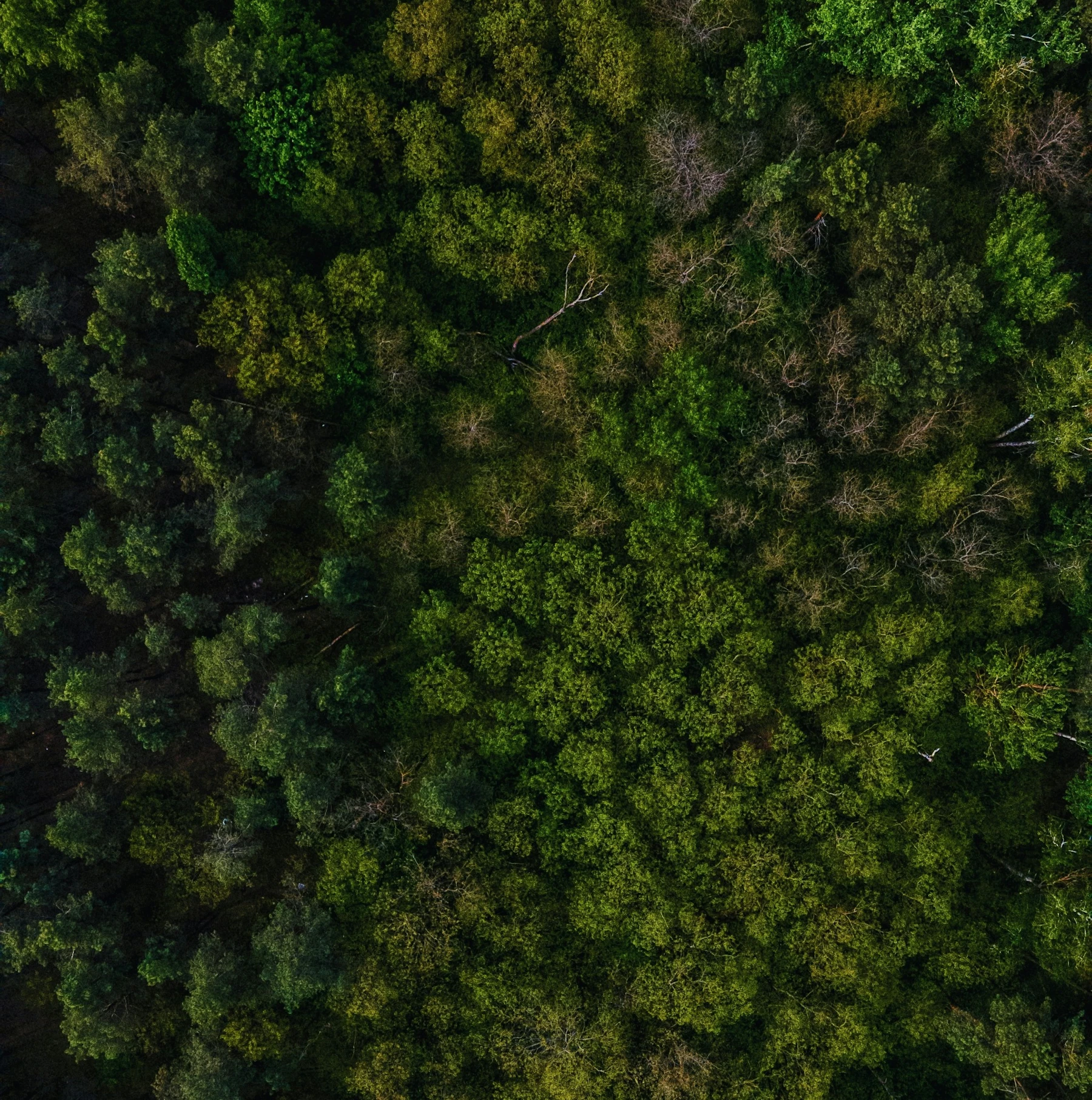
Discover the Shasta-Trinity National Forest, more than two million acres of dramatic volcanic peaks, deep river canyons, and vast wilderness areas in northern California. It’s the largest and one of the most ecologically diverse National Forests in the state.
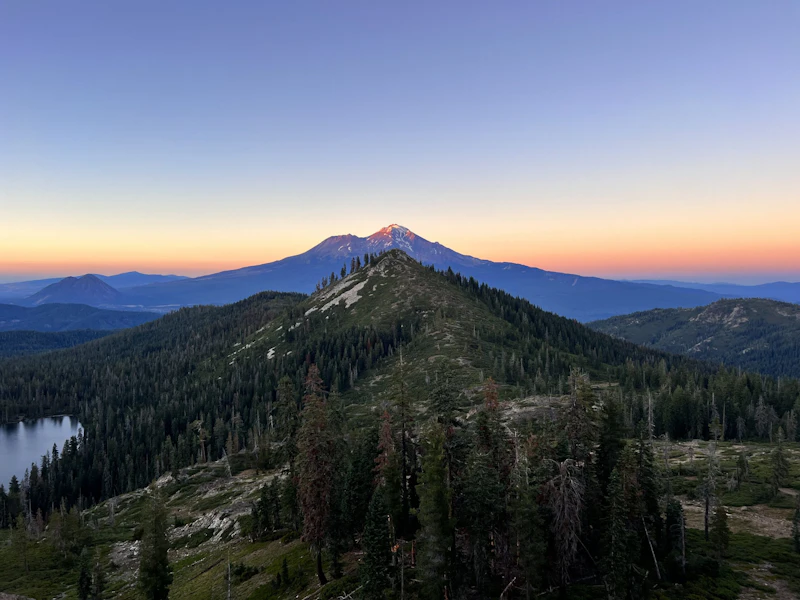
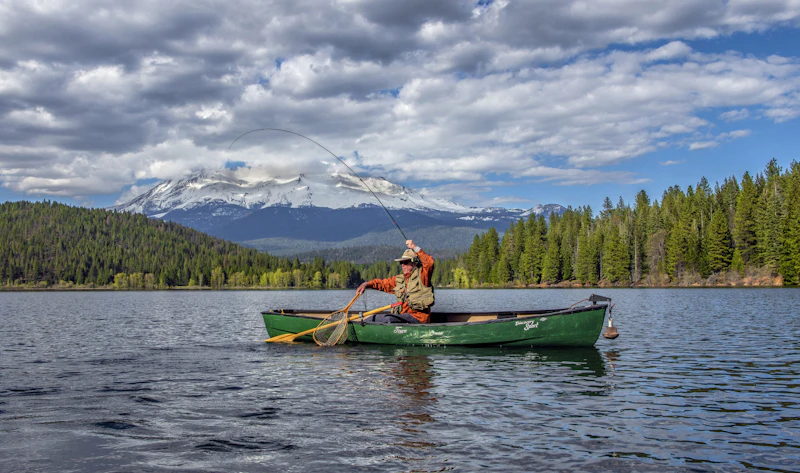
The Shasta-Trinity is defined by two icons: 14,179-foot Mount Shasta, an active stratovolcano that’s the second-highest peak in the Cascades (after Mount Rainier), and the rugged Trinity Alps, a granite and marble mountain range known for its glacially carved basins and alpine lakes.
The forest is also home to five designated Wilderness Areas: Trinity Alps, Castle Crags, Chanchelulla, Mount Shasta, and Yolla Bolly–Middle Eel. An extensive network of rivers—including the Trinity, Sacramento, and McCloud Rivers—creates exceptional fishing, rafting, and kayaking.
Trails that trace landscapes ranging from 1,000 feet to 14,162 feet offer exciting hiking, biking, and horseback riding. A 154-mile section of the Pacific Crest Trail also runs in an east–west direction across the forest, as do two National Recreation Trails. For a longer excursion, the forest has a number of refurbished guard stations and lookouts to rent.
In the winter, the Shasta-Trinity, Klamath, and Modoc National Forests jointly maintain a 260-mile snowmobile trail system.
 Photo by Ting Chiang
 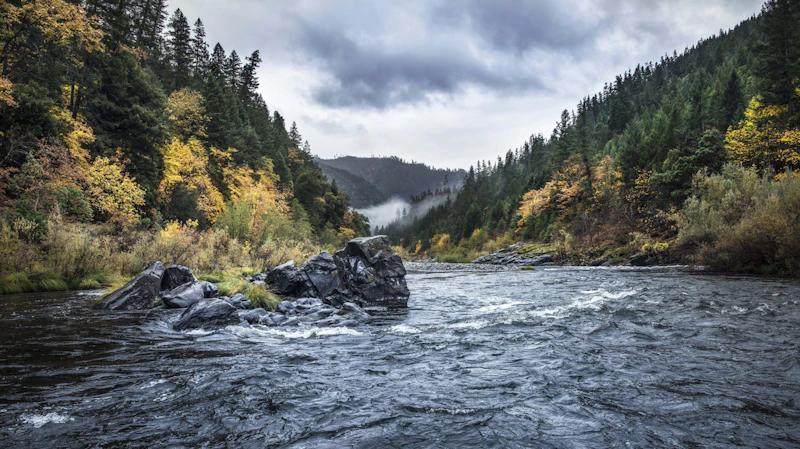 Autumn on Klamath River. Photo by Phil Reedy
 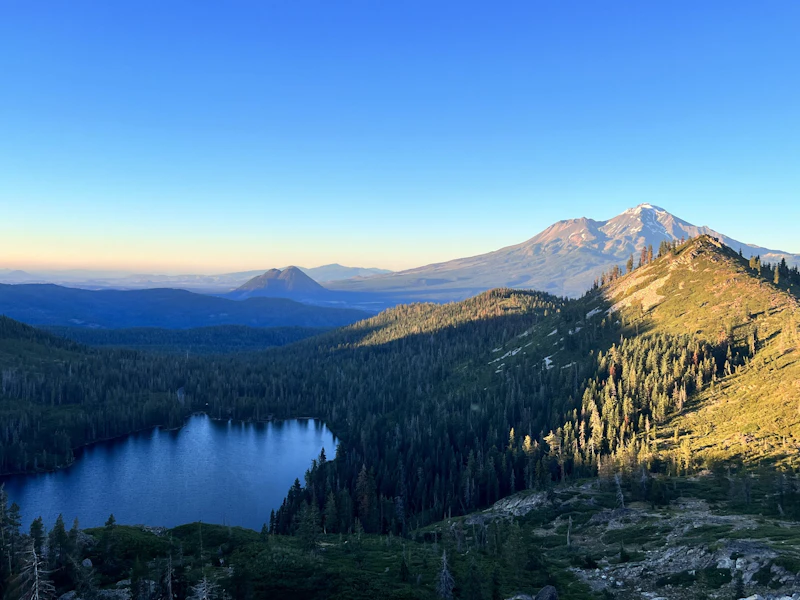 Sunrise over Heart Lake. Photo by Coral Shafer
 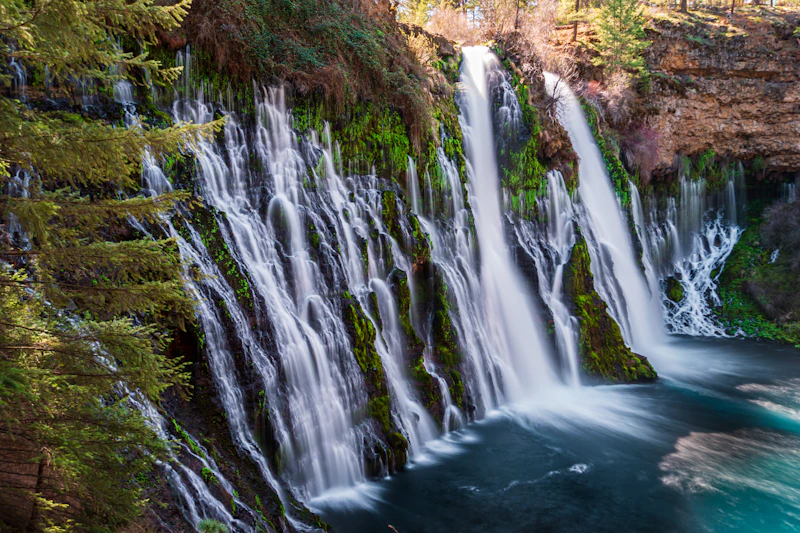 Burney Falls. Photo by Tuong Van Stanoff
 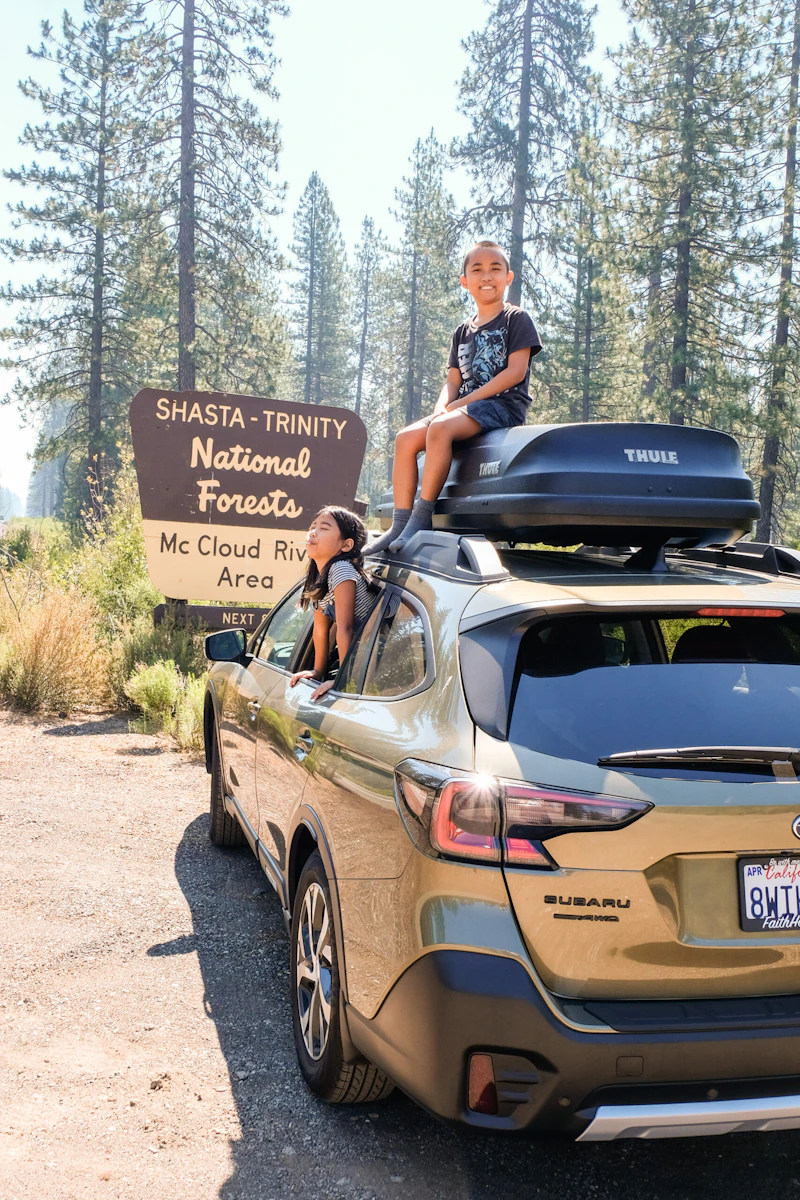 Photo by Lila Soriano
 What is the History of the Shasta-Trinity National Forest?
The earliest identified inhabitants of the area of the Shasta-Trinity was the Chimariko, whose language was part of the Hokan stock, a linguistic grouping ranging from Southern Oregon to Central America. Other early residents were the Nor-Rel-Muk Wintu peoples.
European settlement in the 19th century brought gold mining, logging, and ranching, while transportation routes connected remote valleys and rivers. Recognizing the need to protect the forest’s ecological and water resources, the government established the Shasta National Forest in 1905, later merging it with Trinity National Forest in 1954.
How to Get to the Shasta-Trinity National Forest
For the Mount Shasta area, Interstate 5 is the primary access route, connecting to the gateway town of Mount Shasta.
The Trinity Alps and more remote northern areas can be accessed by Highway 299, which runs east–west through the forest, connecting towns like Weaverville, Hayfork, and Trinity Center.
For visitors coming from outside the region, the nearest major airports are in Redding, 80 miles south, and Medford, Oregon, 120 miles north.
- Redding, California: Half-hour to 1 hour by car
- Chico, California: 1.5 to 2 hours by car
- Medford, Oregon: 2 to 3 hours by car
- Sacramento, California: 3 to 3.5 hours by car
- Reno, Nevada: 3.5 to 4 hours by car

For an up-close look at some of the best mountain scenery in the forest, hike this 10-mile route from the Sacramento River to the Trinity Divide, near 9,037-foot Mount Eddy. The trail passes meadows, lakes, and campsites, and features spectacular views of Mount Shasta, Castle Crags, and the Trinity Alps.
To summit Mount Shasta requires navigating cross-country routes (ideally with a guide), but it’s possible to experience the mountain at its base and surrounding wilderness. The six-mile Avalanche Gulch Route, starting from Bunny Flat, is considered the easiest, climbing steadily over 7,000 feet in elevation.
At 7,309 feet in elevation, this historic lookout has an incredible 360-degree of Mount Shasta, Mount Lassen, Mount McLaughlin. The cabin has been restored to its original form, and is sometimes still used as a lookout by the Forest Service. It’s equipped with basic amenities, such as a wood stove and picnic table.
 Pacific hound's tongue This wildflower has tongue-shaped leaves and clusters of bluish-purple flowers that bloom bright in the spring.
  Incense cedar With its reddish-brown, fibrous bark, and feathery foliage, this tree’s wood is highly aromatic, historically used by Native Americans for incense.
  Yellow-breasted chat With its bright yellow chest and white spectacles, this songbird is known for its varied calls that range from whistles to croaking sounds.
 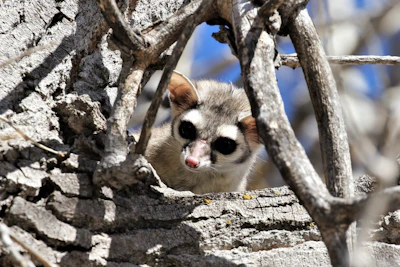 Ring-tailed cat This elusive relative of the racoon, distinguished by its smaller body and larger tail, is a nocturnal hunter of insects and small mammals.
 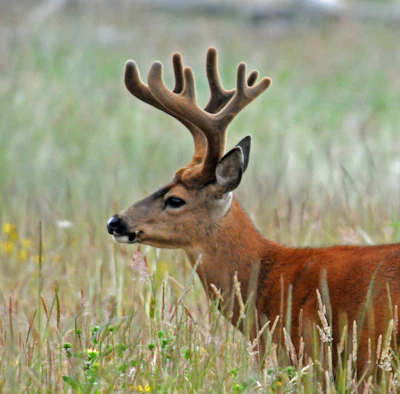 Columbia black tail deer This subspecies of mule deer is recognized by its distinct dark tail and is most active at dawn and dusk.
 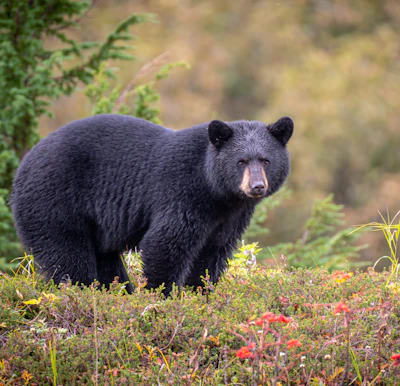 Black bear Ranging in color from black to light brown, this bear resides in the forest’s mixed woodlands, so be sure to stow food away properly and be bear aware.
 Related Impact
Creating a Fire Resilient Truckee
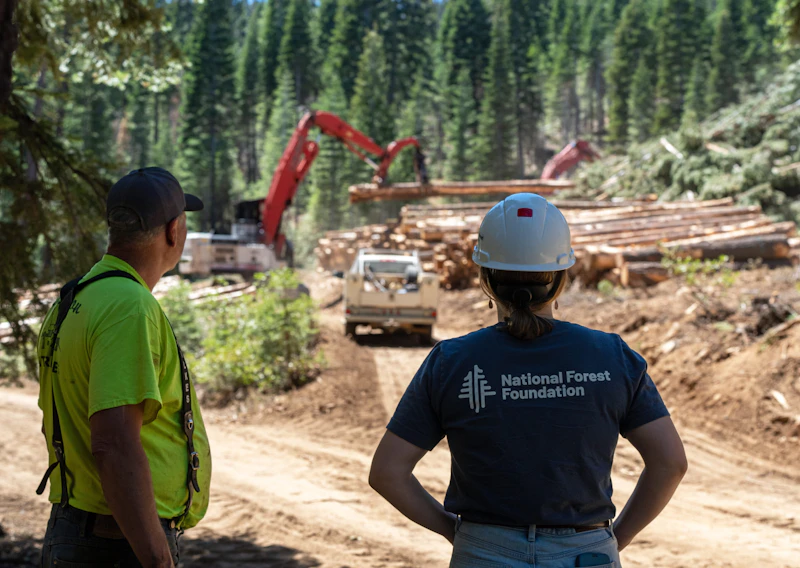
The largest, most destructive wildfires in California’s history have occurred in the last ten years. Everything is at stake for mountain communities like Truckee.
What’s the Best First-Timer’s Adventure in the Shasta-Trinity National Forest
Visiting Shasta Lake combines big mountain scenery with a huge selection of adventure. With its sprawling shoreline and hidden coves, the lake is ideal for boating, kayaking, and paddleboarding. Houseboat rentals are especially popular, as is fishing and hiking to scenic viewpoints.
Where to Find More Information on the Shasta-Trinity National Forest
For more information or questions, visit https://www.fs.usda.gov/r05/shasta-trinity.
Discover how communities, volunteers, and partners are shaping the future of our National Forests and Grasslands.
The National Forest Foundation works with partners across Northern Colorado to restore forests, reduce wildfire risk, and care for the…
After years of damage, recovery, and reconstruction, the trail to Hanging Lake has been fully rebuilt, creating a more durable,…
Erosion and wildfire had left Arizona's historic Highline Trail rutted and unsafe. After five years of work with the Tonto…
Forest restoration near Flagstaff is reducing wildfire risk for local communities and safeguarding the water supply for millions across the…
Colorado's 14ers draw thousands of visitors each year, and the pressure on these fragile alpine landscapes is growing. Here's a…
Visitors of all ages can explore forest trails and sparkling waters, discover wildlife and underwater habitats, and connect with Tahoe’s…
A partnership-driven program connecting youth on Montana’s Flathead Reservation with hands-on conservation work, heritage education, and pathways in natural resource…
Seeing the impact first hand on the Grand Mesa, Uncompaghre and Gunnison National Forests
Seven Years of Reopening Trails After the Eagle Creek Fire
Field Ranger Program Connects Diverse Communities to Forests in Southern California
Our Forests Need Us Today.
Your donation powers critical, on-the-ground conservation—from wildfire recovery to watershed restoration—protecting forests for the future.