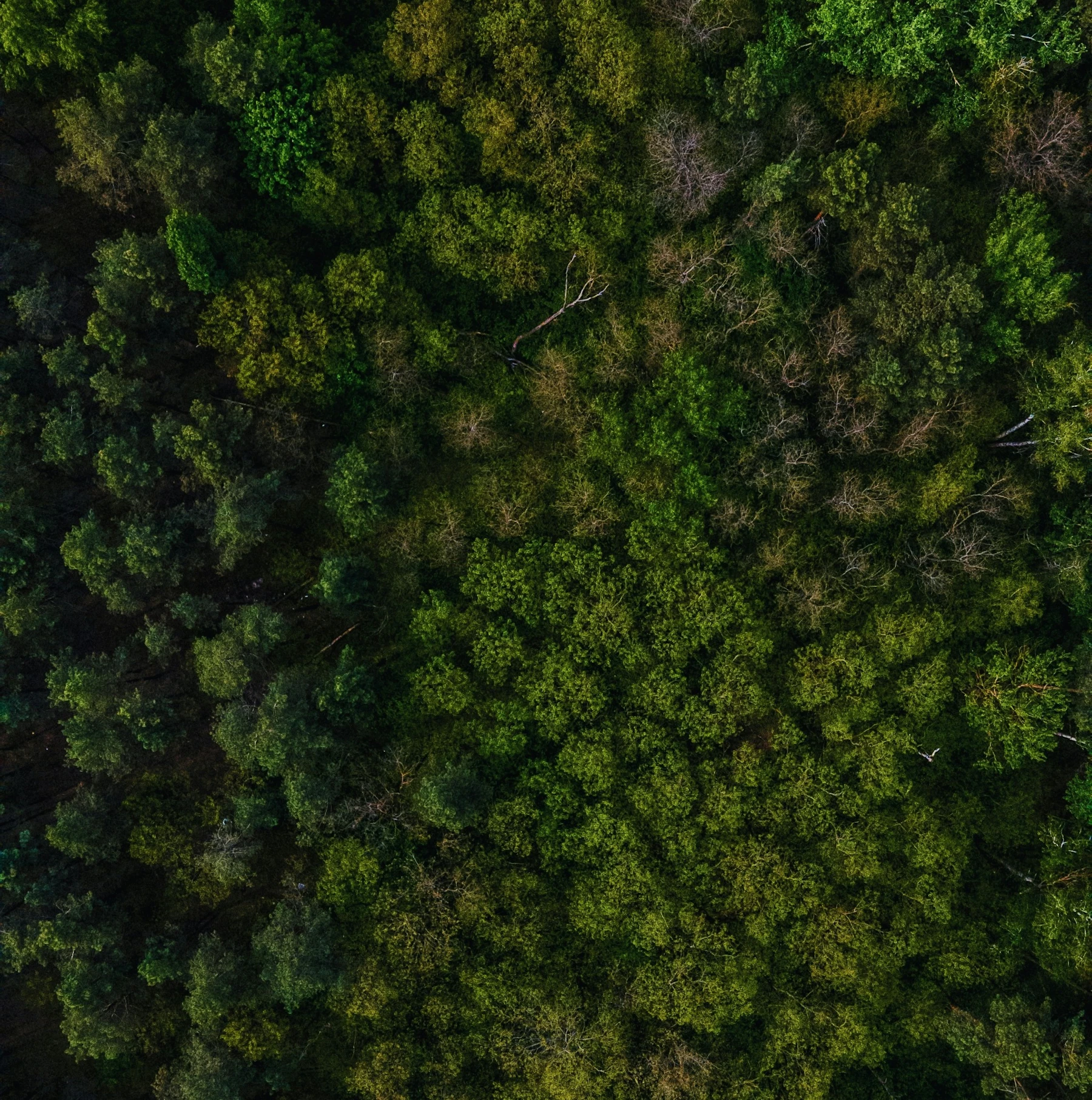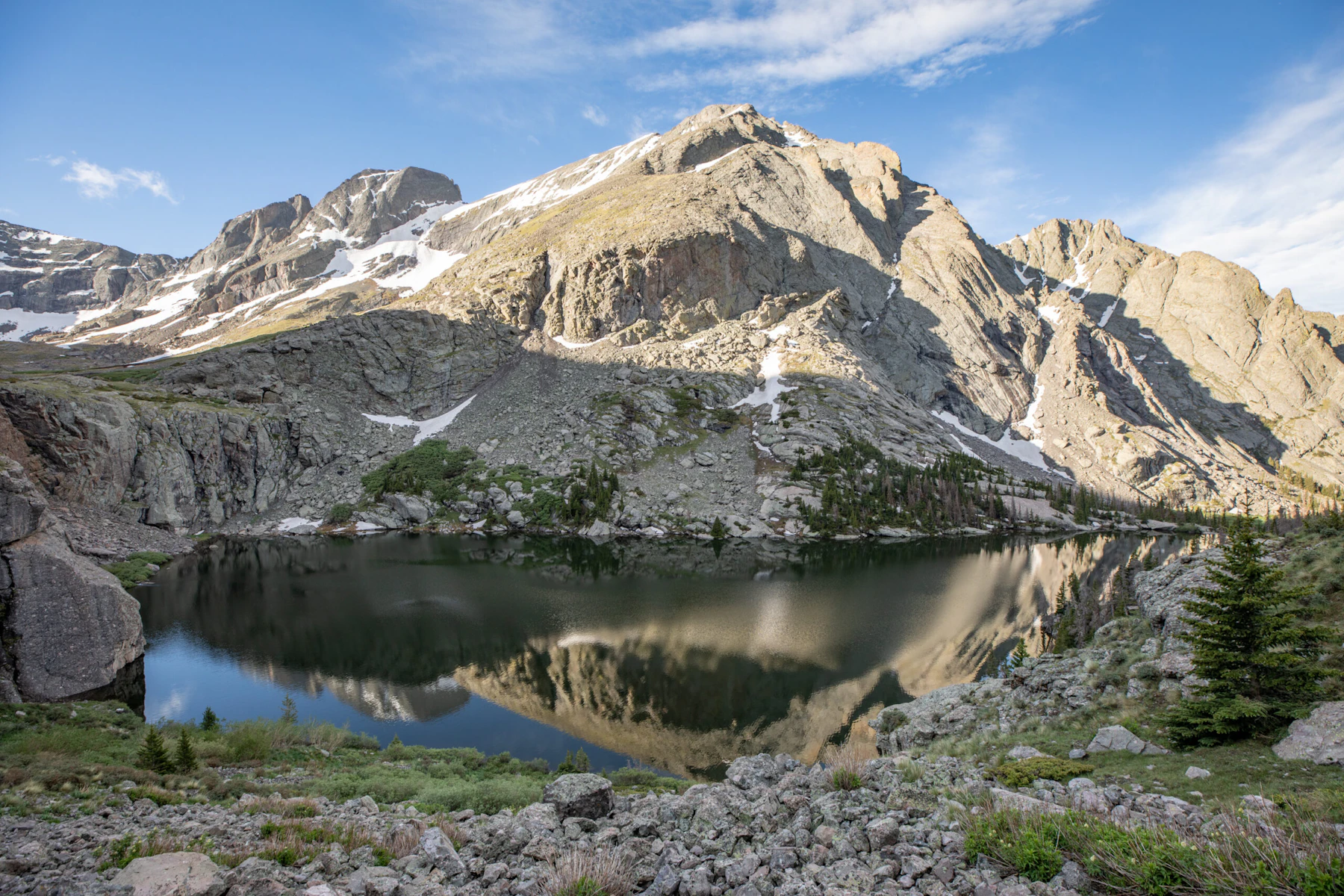
Explore the Rio Grande National Forest, over 1.8 million acres in south-central Colorado. The forest spans the high-desert San Luis Valley at 7,600 feet and the majestic Sangre de Cristo Range on the eastern side, to the Continental Divide, runs for 236 miles along most of the western border of the forest.
The forest embraces the San Luis Valley, the largest agricultural alpine valley in the world and includes all or parts of four Wilderness Areas: South San Juan, Weminuche, La Garita, and Sangre de Cristo. The Sangre de Cristo Wilderness has four “fourteeners,” including 14,197-foot Crestone Needle, considered by many climbers to be Colorado’s most challenging.
Over 1,350 miles of trails for hiking, biking, and horseback riding traverse the forest, including parts of the Continental Divide National Scenic Trail, the Colorado Trail, and historic routes of the Old Spanish Trail.
The headwaters of the Rio Grande River reside in the forest, which draws paddlers and anglers. A permittee of it, Wolf Creek, is renowned for its annual amount of snowfall, as well as its incredible terrain and lack of lift lines. Along with the ski area, the Rio Grande National Forest offers some of the best backcountry skiing in the country.
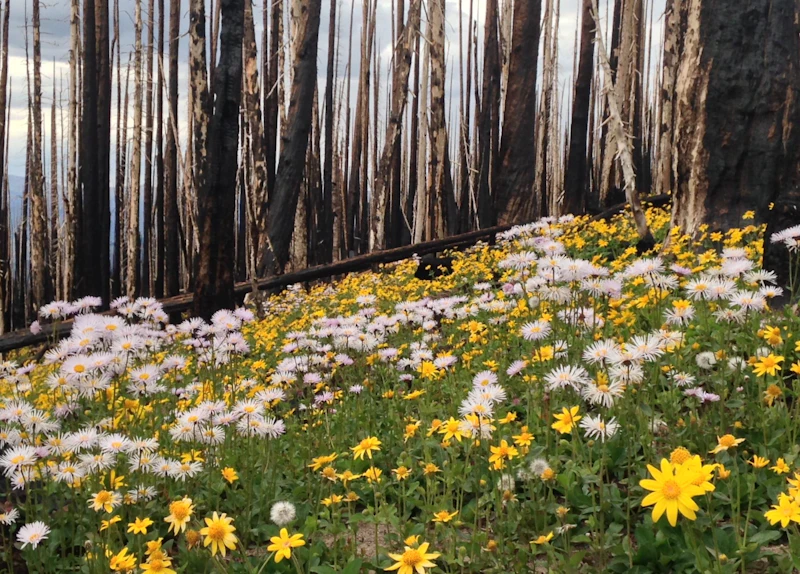 Big Meadow Campground. Photo by Andrea Shaw
 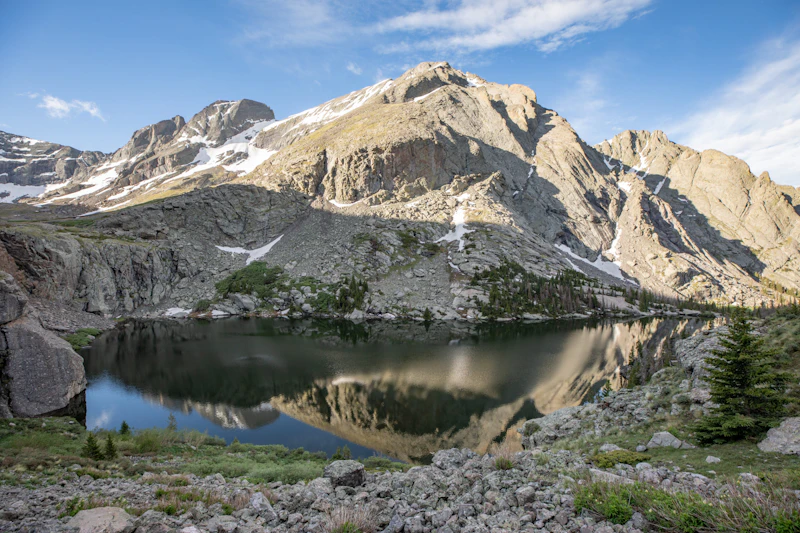 Photo by Kellon Spencer
 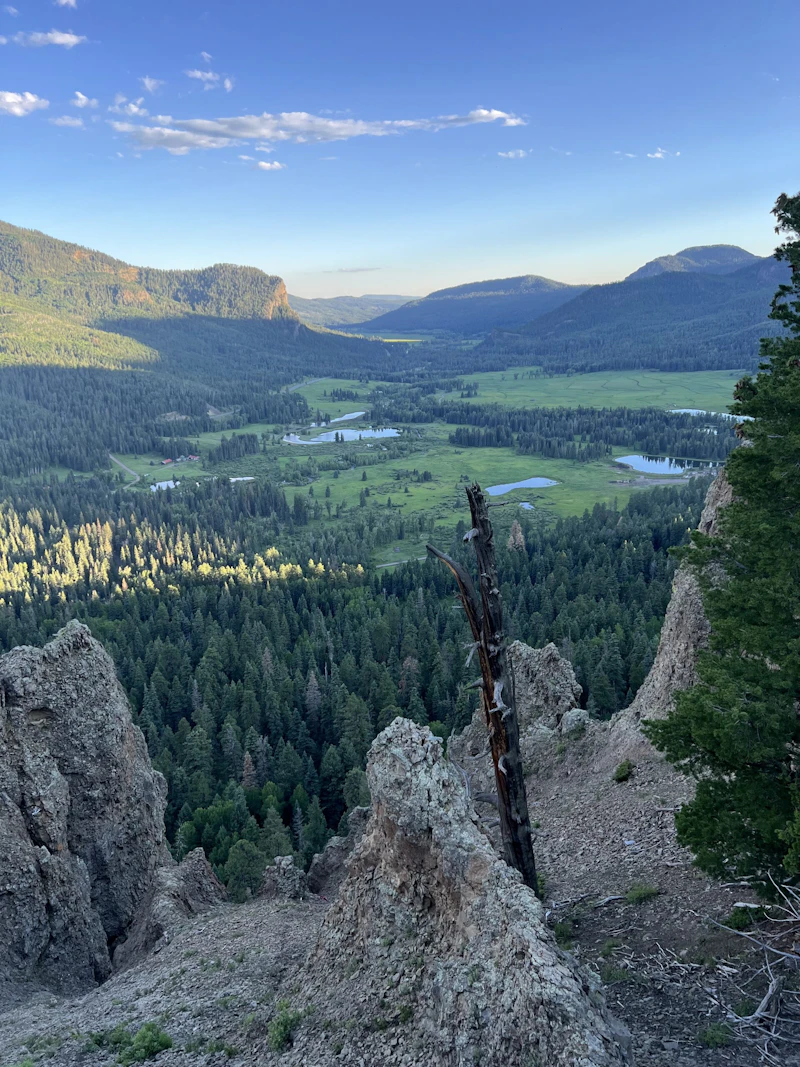 Photo by Jennifer Lintz
 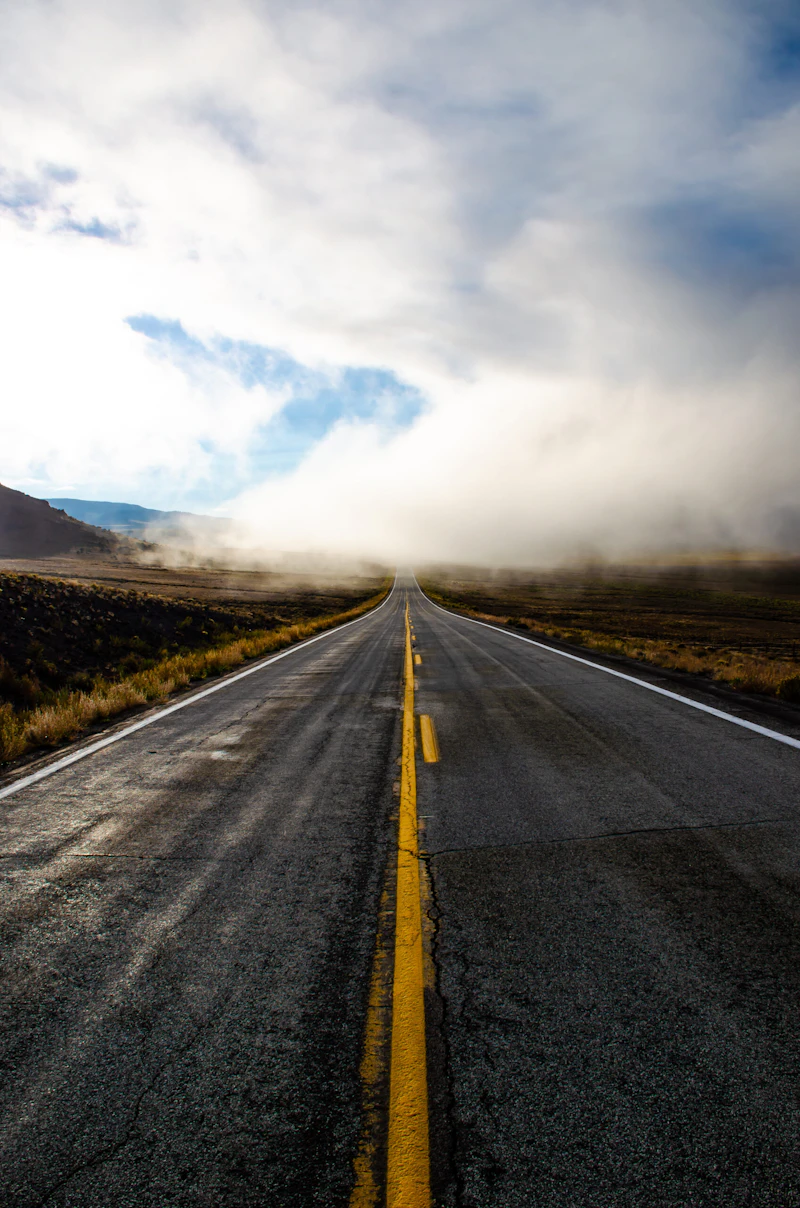 Photo by Devin Codina
 What is the History of the Rio Grande National Forest?
President Theodore Roosevelt established the San Juan National Forest Reserve in 1905, which was then designated the Rio Grande National Forest three years later. Long before that, the region was home to ancestors of the Ute Indian Tribe and Mescalero Apache, who relied on the San Juan Mountains and the upper Rio Grande watershed.
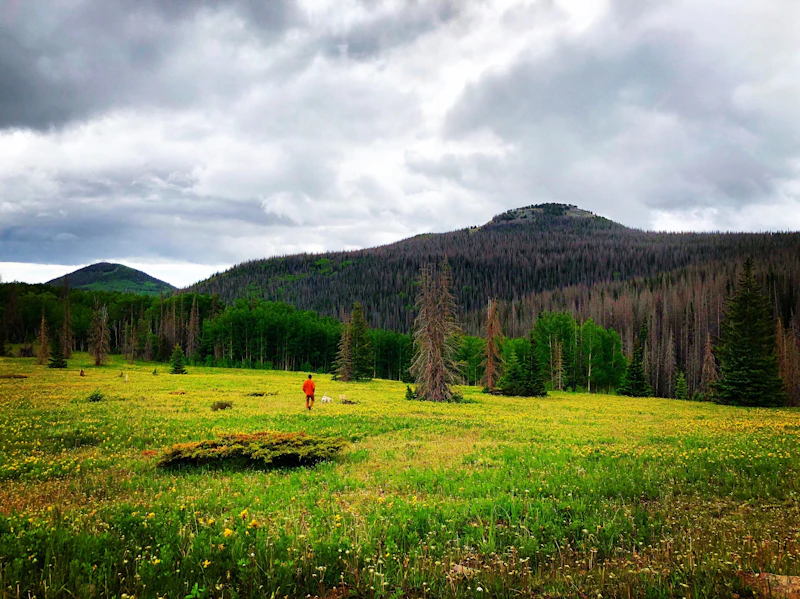
How to Get to the Rio Grande National Forest
From the north, U.S. Highway 285 connects the towns of Poncha Springs and Buena Vista to the northern edge of the forest. From the south, U.S. Highway 285 and U.S. Highway 160 meet in Alamosa, the largest nearby city and a primary gateway, and easy access to the forest’s central region and the Rio Grande River corridor.
From the west, U.S. Highway 160 connects the western gateway towns of South Fork and Del Norte. From the east, U.S. 160 leads from Fort Garland and Walsenburg toward the central and southeastern forest sections.
- Pueblo, Colorado: 3 to 3.5 hours by car
- Colorado Springs, Colorado: 3.5 to 4 hours by car
- Santa Fe, New Mexico: 3 to 4 hours by car
- Denver, Colorado: 4 to 5 hours by car

There’s nothing quite like reaching the top of the divide and taking in the view of the surrounding San Juan Mountains. The climb along U.S. Highway 160 reaches over 10,800 feet, where a trailhead connects to the Continental Divide Trail in summer and to sledding and cross-country skiing in winter.
In the winter, the Rio Grande’s forest roads are transformed into ski and snowmobile trails, and offer the outdoor enthusiast outstanding access to pristine country. The Rock Creek Ski Trail features a series of loops for all skill levels, and skiing it will make you feel like you have the entire San Juan Valley to yourself. If downhill skiing is more for you, there’s always Wolf Creek Ski Area.
This moonscape wonder in the Rio Grande National Forest is famed for its towering volcanic formations, carved into cathedral-like spires and hoodoos. Reaching Wheeler requires effort: visitors either hike a strenuous 7-mile hike or take four-wheel-drive ride from the former mining town of Creede.
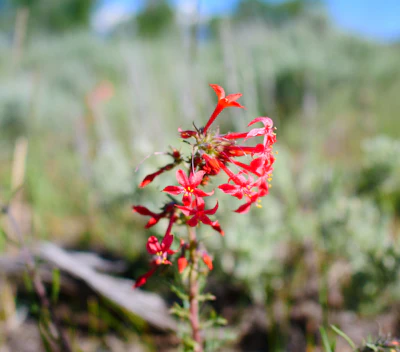 Scarlet gilia Blooming from late spring through summer, it features tall, slender stems topped with vibrant red, trumpet-shaped flowers that attract hummingbirds.
 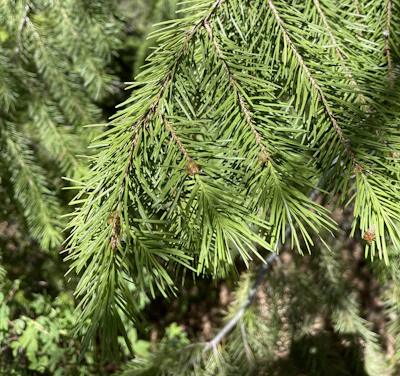 Douglas fir One of the most common species found in the forest is this hefty evergreen, which can grow over 250 feet and live for centuries.
 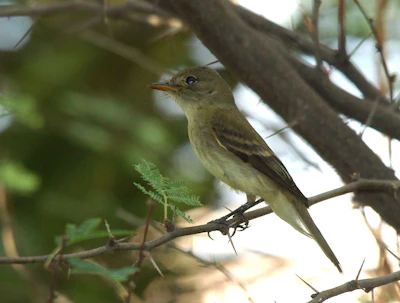 Southwestern willow flycatcher This endangered subspecies favors dense stands of willows, cottonwoods, and other shrubs growing near streams and wetlands.
 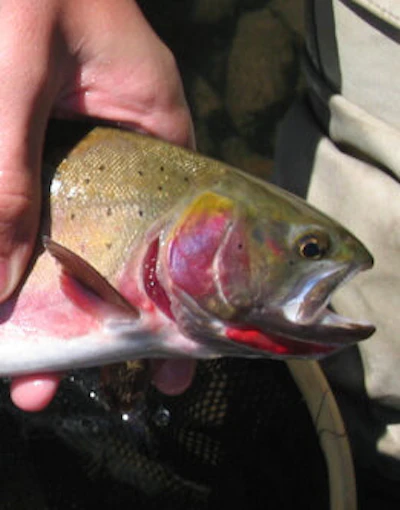 Rio Grande cutthroat trout This iconic species, with its orange throat slashes and speckled sides, is the only trout native to the upper Rio Grande Basin.
 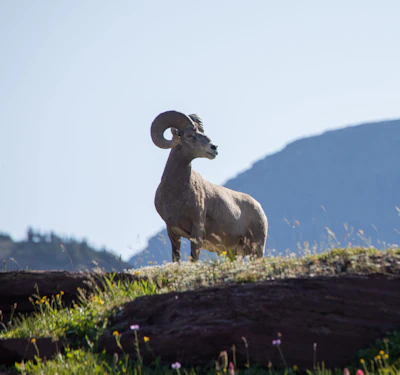 Bighorn sheep Known for its massive curled horns and climbing skills, this sheep can be found in the high elevation areas of the mountain ranges.
 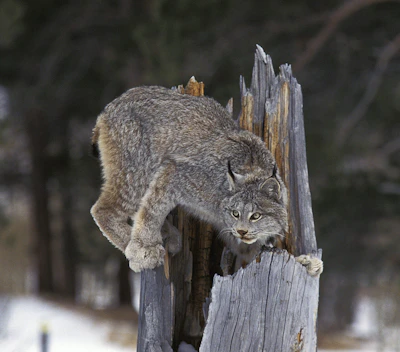 Canada lynx This elusive wild cat, known for their unique proportions—long legs and large, furry paws—rely on snowshoe hares for sustenance.
 Related Impact
Restoring the Colorado River Watershed through Nature Based Solutions
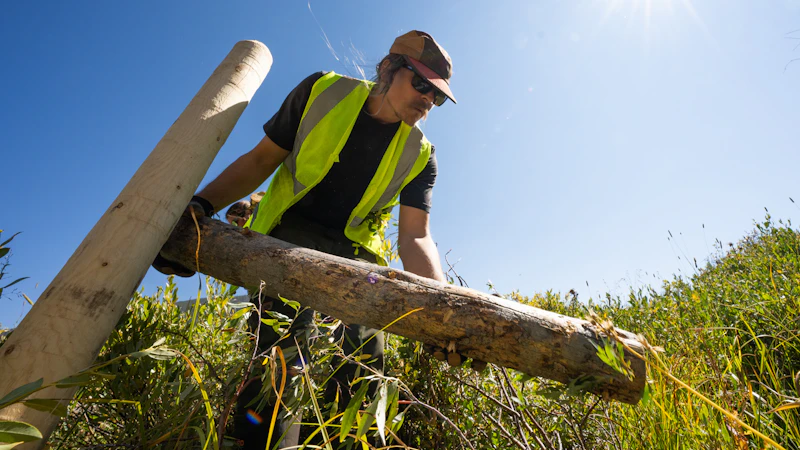
The National Forest Foundation and our partners are taking action through process-based restoration techniques that work with nature to bring life back to streams and wetlands in the Colorado River Watershed, securing water for people, wildlife, and the future.
What’s the Best First-Timer’s Adventure in the Rio Grande National Forest
Enjoy the backcountry from the Cumbres & Toltec Narrow Gauge Railroad, which runs from Antonito, Colorado across the Forest to Chama, New Mexico. It’s a magical way to traverse a slice of Rio Grande National Forest’s rugged beauty. The historic 64-mile narrow-gauge route, originally part of the Denver & Rio Grande’s San Juan Extension, climbs to 10,015 feet at Cumbres Pass—the highest railroad pass in the U.S.
Where to Find More Information on the Rio Grande National Forest
For more information or questions, visit https://www.fs.usda.gov/r02/riogrande.
Discover how communities, volunteers, and partners are shaping the future of our National Forests and Grasslands.
The National Forest Foundation works with partners across Northern Colorado to restore forests, reduce wildfire risk, and care for the…
After years of damage, recovery, and reconstruction, the trail to Hanging Lake has been fully rebuilt, creating a more durable,…
Erosion and wildfire had left Arizona's historic Highline Trail rutted and unsafe. After five years of work with the Tonto…
Forest restoration near Flagstaff is reducing wildfire risk for local communities and safeguarding the water supply for millions across the…
Colorado's 14ers draw thousands of visitors each year, and the pressure on these fragile alpine landscapes is growing. Here's a…
Visitors of all ages can explore forest trails and sparkling waters, discover wildlife and underwater habitats, and connect with Tahoe’s…
A partnership-driven program connecting youth on Montana’s Flathead Reservation with hands-on conservation work, heritage education, and pathways in natural resource…
Seeing the impact first hand on the Grand Mesa, Uncompaghre and Gunnison National Forests
Seven Years of Reopening Trails After the Eagle Creek Fire
Field Ranger Program Connects Diverse Communities to Forests in Southern California
Our Forests Need Us Today.
Your donation powers critical, on-the-ground conservation—from wildfire recovery to watershed restoration—protecting forests for the future.