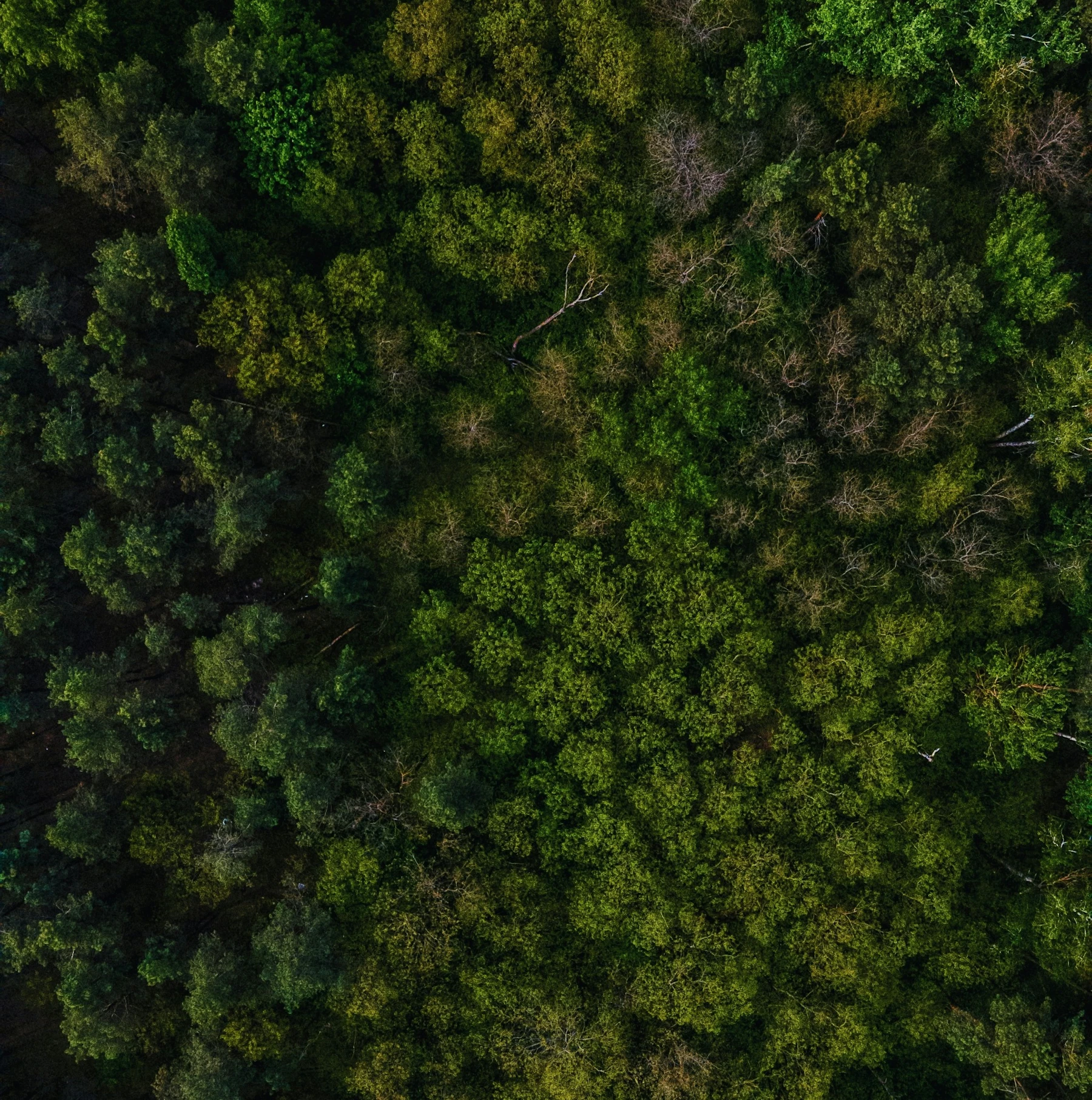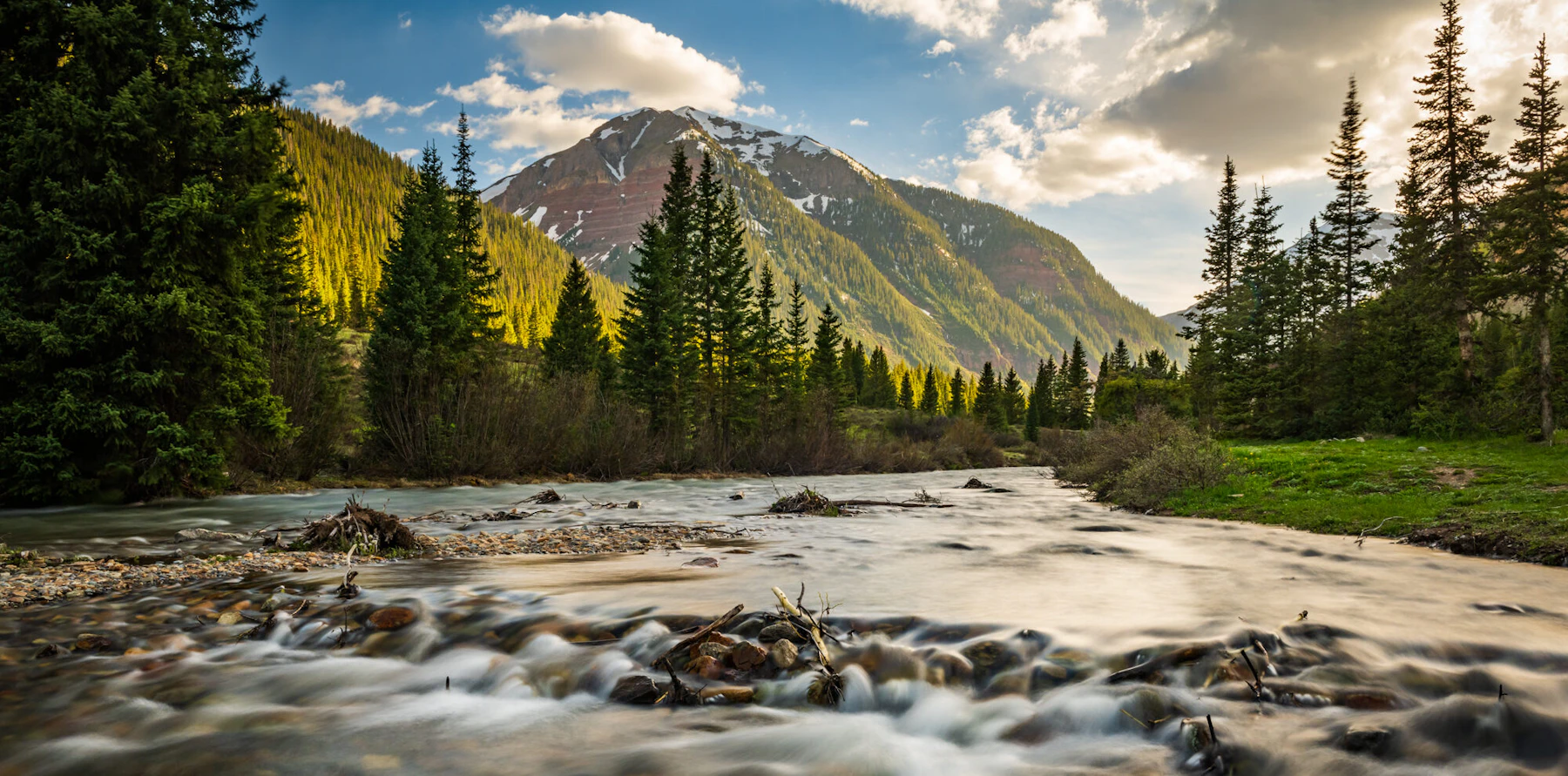
Experience the San Juan National Forest, 1.8 million acres covering high-desert expanses to snow-capped peaks in Colorado’ southwestern corner. Five distinct life zones range from elevations near 5,000 feet to above 14,000 feet, which includes several of Colorado’s famous “Fourteeners” across the San Juan Mountains.
The forest is also home to four designated Wilderness Areas: Weminuche, Lizard Head, South San Juan, and Hermosa. The Weminuche protects the headwaters of both the Rio Grande River and the San Juan River, which provide drinking water to millions of people.
Archaeological sites dot the landscape, from historic mining ghost towns to Ancestral Puebloan cliff dwellings and pit houses. Some heritage sites offer guided tours; others are unmarked treasures you may happen across in the backcountry. Chimney Rock National Monument, within the forest, preserves ancient Pueblo settlements dating back more than a thousand years.
From hiking along parts of the Colorado Trail to mountain biking, horseback riding, or off-roading on high‑elevation trails and tracks, there’s plenty of ways to get out into the San Juan’s alpine areas. With thousands of miles of streams, numerous lakes, and habitats filled with big game, the San Juan is also a great fishing, hunting, and paddling destination.
In the winter, the San Juan National Forest transforms into a major hub of skiing, with plenty of cross-country ski trails and four resorts on forestlands: Purgatory Resort, Wolf Creek Ski Area, Telluride Ski Resort, and Silverton Mountain.
 Photo by Elizabeth Hastings
 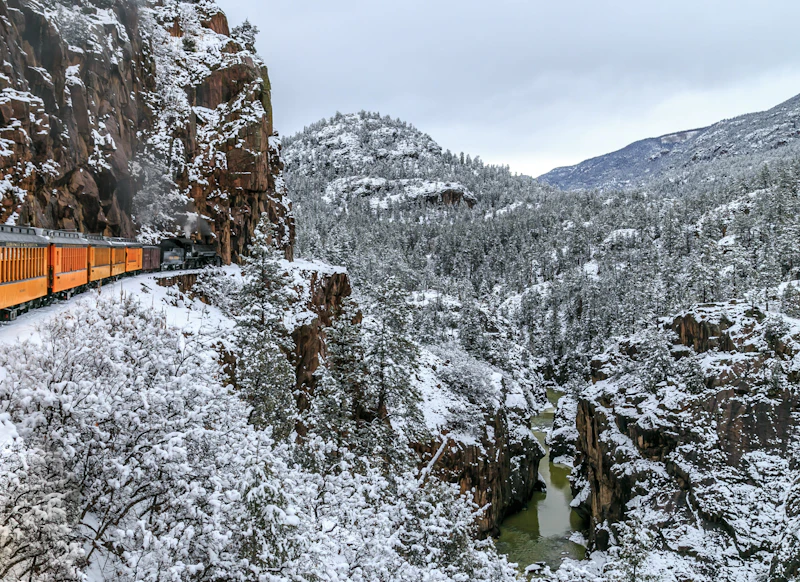 Photo by Nina Ritchie
 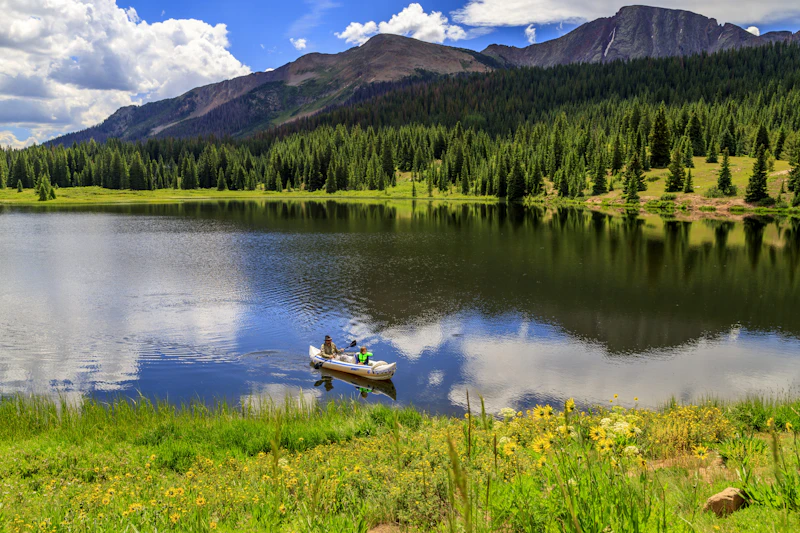 Photo by Nina Ritchie
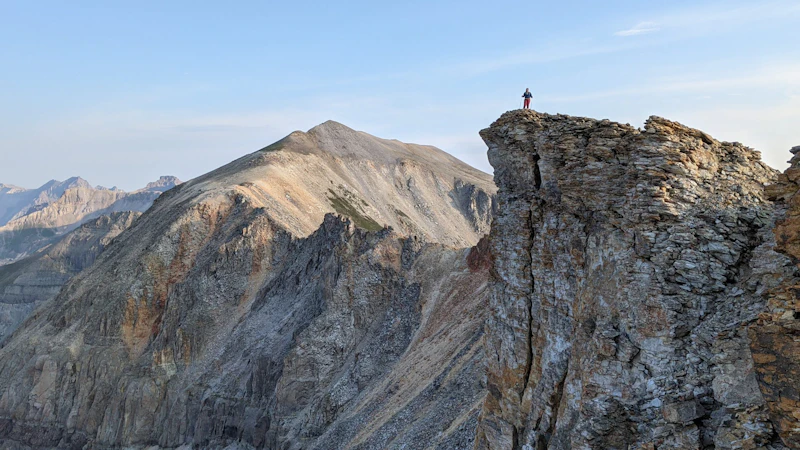
  North Twilight Peak. Photo by Ryan Mott
 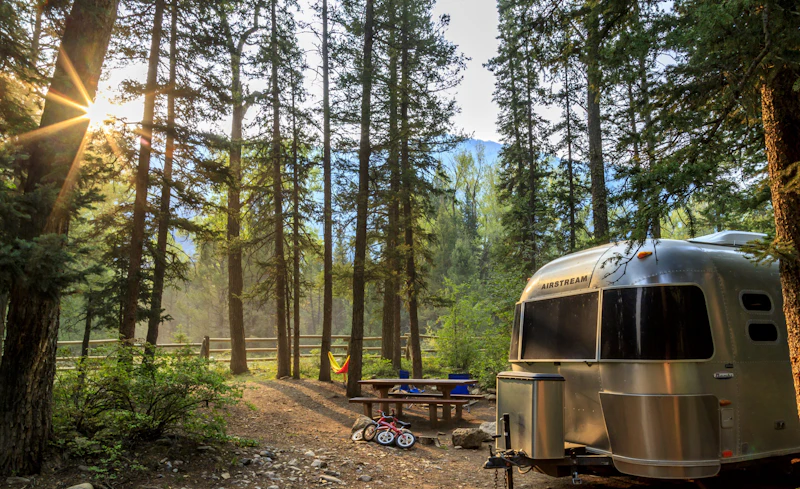 Photo by Nina Ritchie
 What is the History of the San Juan National Forest?
The San Juan National Forest was established in 1905 by President Theodore Roosevelt to protect its valuable watersheds, timber, and wildlife while allowing sustainable resource use.
Long before its European settlers arrived, the area was home to ancestral Puebloan peoples, who left behind remarkable archaeological sites such as Chimney Rock National Monument, which contains ceremonial kivas and astronomical markers dating back over a thousand years.
How to Get to the San Juan National Forest
From the west, U.S. Highway 160 runs east-west through southern Colorado, connecting the forest to Durango, a major gateway city and home to a regional airport. U.S. Highway 550, also known as the Million Dollar Highway, provides access to the northern and eastern portions of the forest, including towns like Silverton and Ouray. State Highway 145 connects Telluride to the forest’s northern sections, and U.S. Highway 84/160 to Pagosa Springs, another gateway town famous for hot springs.
- Santa Fe, New Mexico: 3 to 3.5 hours by car
- Pueblo, Colorado: 4 to 4.5 hours by car
- Colorado Springs, Colorado: 4.5 to 5 hours by car
- Flagstaff, Arizona: 4.5 to 5 hours by car
- Denver, Colorado: 5 to 5.5 hours by car

This popular—and challenging—7.5-mile out-and-back trail ascends through wildflower-filled meadows, streams, and rugged mountain terrain to reach Ice Lake, a glacial-fed lake with striking turquoise waters framed by jagged peaks, including the iconic Summit Peak.
This archaeological area, set on the San Juan National Forest between Durango and Pagosa Springs, was home to the ancestral Puebloans over a thousand years ago. Interpretive trails lead to ceremonial kivas, Great Houses, and astronomical markers aligned with solstices and lunar cycles.
Across the San Juan’s Columbine Ranger District are miles upon miles of groomed cross-country ski and snowmobile trails that offer a true winter wilderness experience. From exploring near Vallecito Reservoir to Bolsam Pass, there are trails for every adventure style.
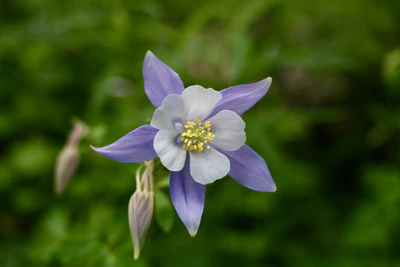 Colorado columbine The state flower turns the forest’s aspen groves, open forests, meadows, and talus slopes white and blue come summer.
 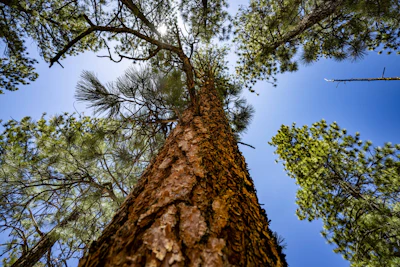 Ponderosa pine One of the most dominant trees in the forest, it inhabits elevations between 6,500 and 8,000 feet and is known for vanilla-scented bark and large cones.
 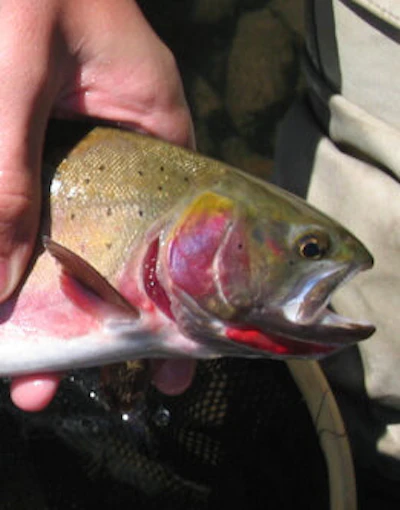 Rio Grande cutthroat trout This iconic species, with its orange throat slashes and speckled sides, is the only trout native to the Rio Grande Basin.
 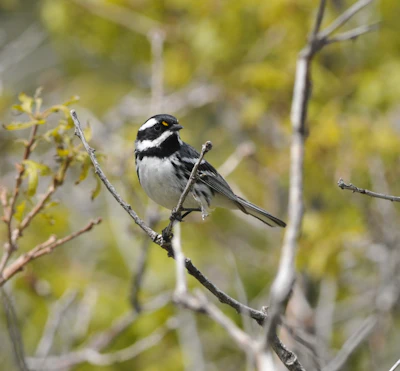 Black-throated gray warbler Recognizable by its black-and-white streaked plumage and bold black throat, this songbird often perches in pine, fir, and juniper trees.
 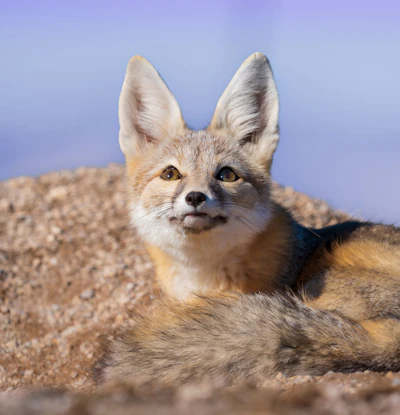 Kit fox With large ears, a slender body, and a bushy tail, this species is well adapted to arid environments and is primarily a nocturnal hunter.
 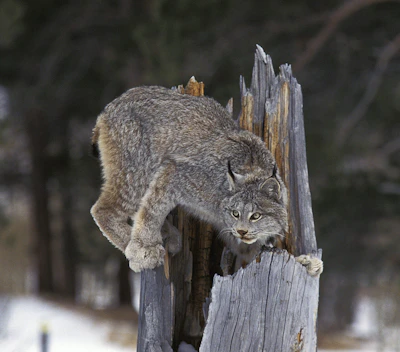 Canada lynx This elusive wild cat, known for their unique proportions—long legs and large, furry paws—rely on snowshoe hares for sustenance.
 Related Impact
Restoring the Colorado River Watershed through Nature Based Solutions
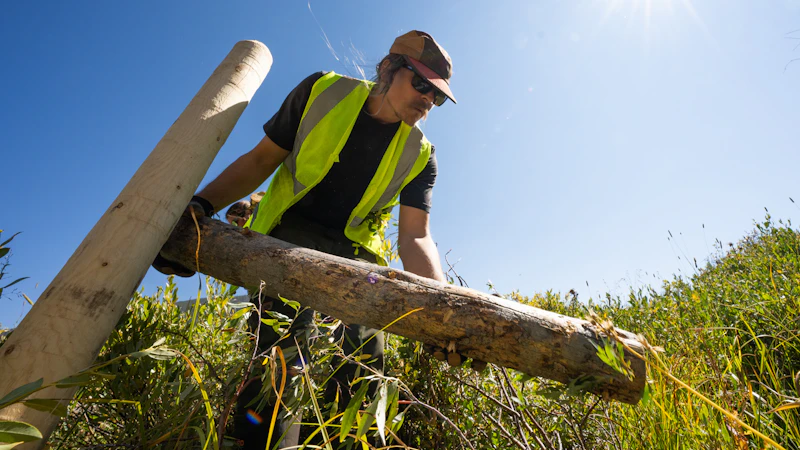
The National Forest Foundation and our partners are taking action through process-based restoration techniques that work with nature to bring life back to streams and wetlands in the Colorado River Watershed, securing water for people, wildlife, and the future.
What’s the Best First-Timer’s Adventure in the San Juan National Forest
To experience one of the most iconic drives in Colorado—and a top fall-foliage adventure—drive the Million Dollar Highway from Durango to Silverton and Ouray. The 25-mile route traces steep mountain passes, dramatic cliffs, deep canyons, and historic mining towns. Be sure to navigate carefully, the highway is known for sharp curves, narrow lanes, and occasional drop-offs.

Where to Find More Information on the San Bernardino National Forest
For more information or questions, visit https://www.fs.usda.gov/r02/sanjuan.
Discover how communities, volunteers, and partners are shaping the future of our National Forests and Grasslands.
The National Forest Foundation works with partners across Northern Colorado to restore forests, reduce wildfire risk, and care for the…
After years of damage, recovery, and reconstruction, the trail to Hanging Lake has been fully rebuilt, creating a more durable,…
Erosion and wildfire had left Arizona's historic Highline Trail rutted and unsafe. After five years of work with the Tonto…
Forest restoration near Flagstaff is reducing wildfire risk for local communities and safeguarding the water supply for millions across the…
Colorado's 14ers draw thousands of visitors each year, and the pressure on these fragile alpine landscapes is growing. Here's a…
Visitors of all ages can explore forest trails and sparkling waters, discover wildlife and underwater habitats, and connect with Tahoe’s…
A partnership-driven program connecting youth on Montana’s Flathead Reservation with hands-on conservation work, heritage education, and pathways in natural resource…
Seeing the impact first hand on the Grand Mesa, Uncompaghre and Gunnison National Forests
Seven Years of Reopening Trails After the Eagle Creek Fire
Field Ranger Program Connects Diverse Communities to Forests in Southern California
Our Forests Need Us Today.
Your donation powers critical, on-the-ground conservation—from wildfire recovery to watershed restoration—protecting forests for the future.