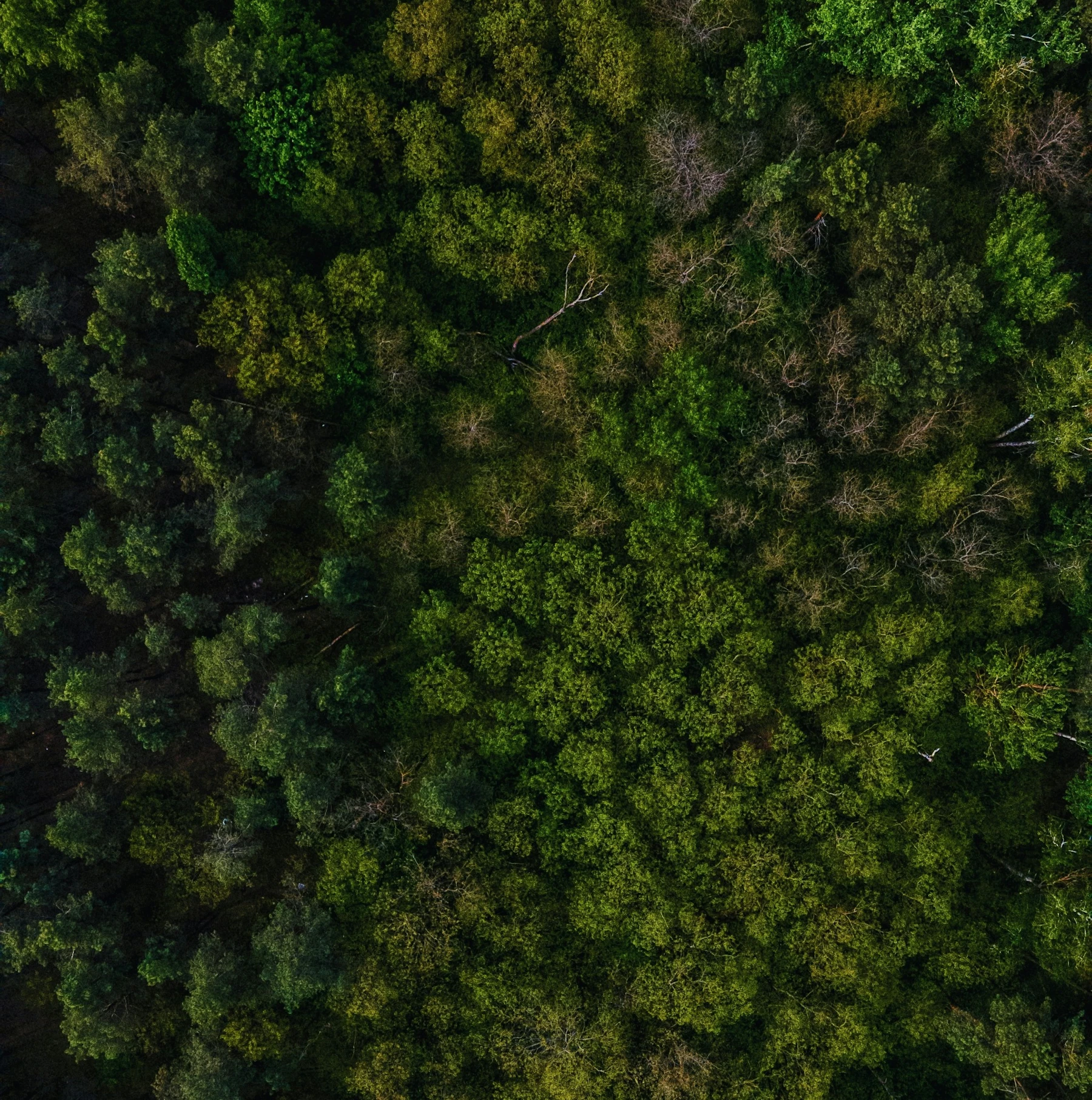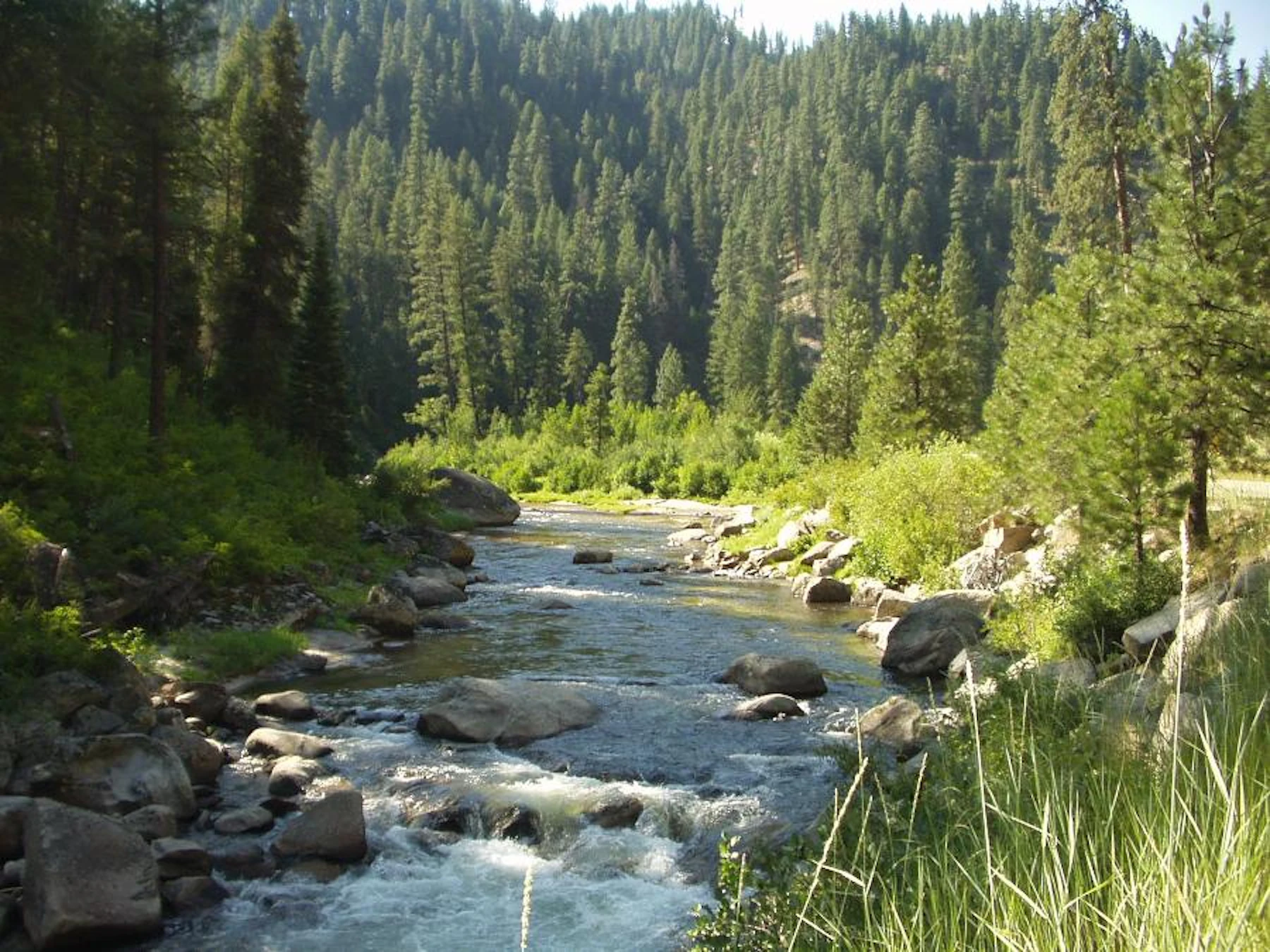
Discover the Boise National Forest, which spans more than 2.5 million acres of rugged mountains, dense forests, and clear rivers in central Idaho. Most of the forest lies within the Idaho Batholith, a large and highly erodible geologic formation. Its volcanic past has shaped parts of the terrain, including the many natural hot springs in the forest.
With more than 1,300 miles of trails, 250 lakes and reservoirs, ski trails, 70 campgrounds and picnic areas, including some sites that are wheelchair accessible, the Boise National Forest is a year-round adventure destination. Spend a few days at a scenic remote cabin, fly fish the Boise River, or ski more than 80 runs at Bogus Basin.
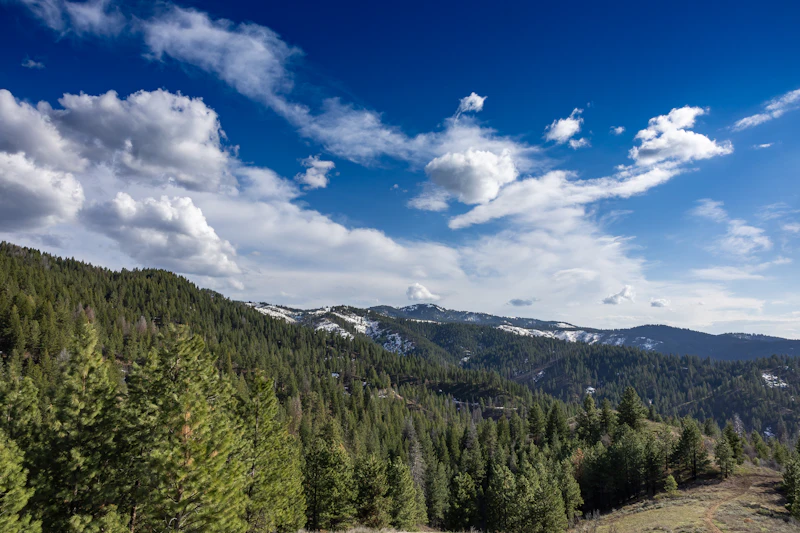 Photo by U.S. Forest Service
 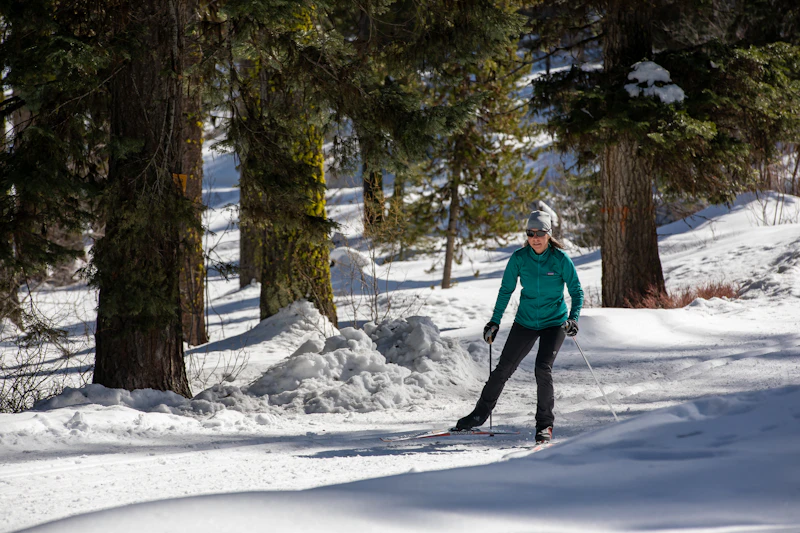 Photo by U.S. Forest Service
 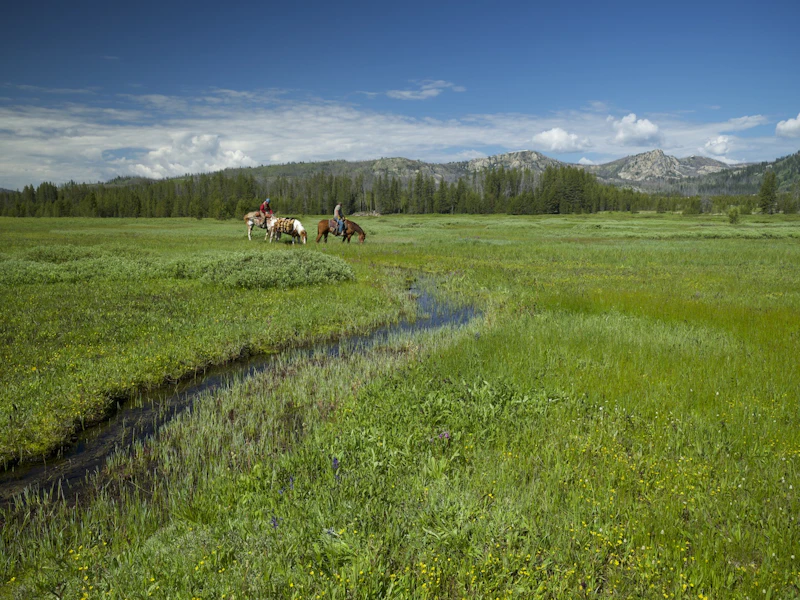 Photo by Jay Krajic
 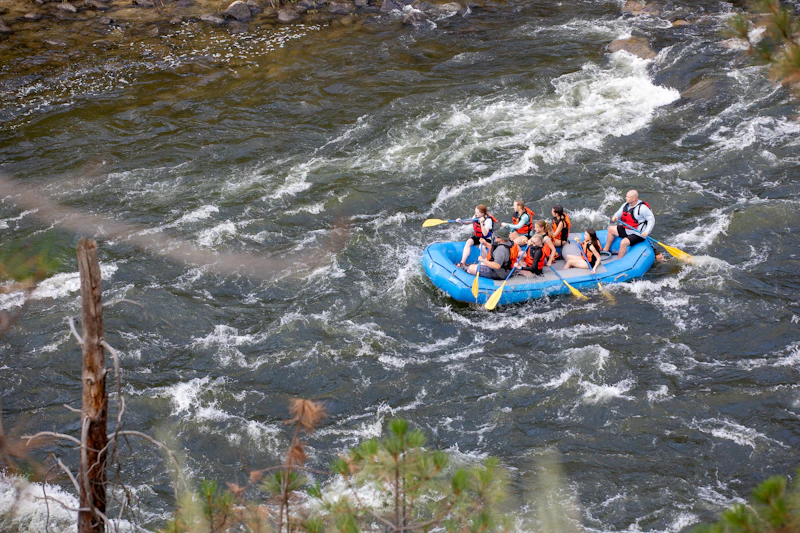 Photo by U.S. Forest Service
  Photo by Logan Maddox
  Photo by Anna Cannady
 What is the History of the Boise National Forest?
In 1908, Boise National Forest was established from sections of the original Sawtooth, Payette, and Weiser Forest Reserves that were created by President Roosevelt to protect the land from unregulated logging.
Before that, archaeological evidence points to this area of the Great Basin being inhabited for millenia, with Shoshoni, Bannock, Northern Paiute, and Nez Perce relying on its plentiful natural resources.
The forest was named for the river that flows through it, whose name is from the French word for “wooded.” Shortly following Lewis and Clark’s Idaho crossing in 1805, fur traders and trappers settled the area, before the discovery of gold brought miners and other industry.
Since its designation, Boise National Forest has served a variety of priorities, from timber and grazing to watershed management and wildfire research. In Boise, the National Interagency Fire Center coordinates wildfire resources for the country, while the Boise Basin Experimental Forest, within the forest, studies ponderosa pine management.
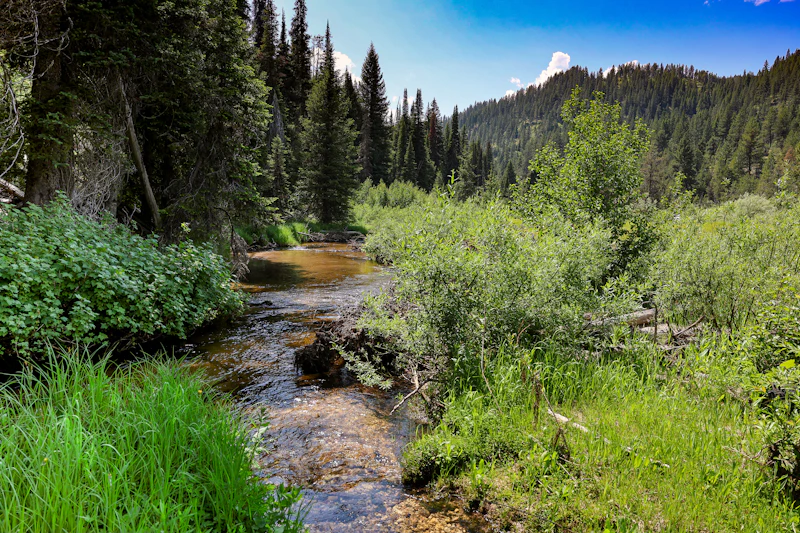
How to Get to the Boise National Forest
From the primary gateway city of Boise, which is home to an airport, take Highway 21, or Ponderosa Pine Scenic Byway, to the forest. Coming from the popular gateway towns of Cascade and McCall, from the northeast, means taking Highway 55. From the historic mining town of Idaho City, in the southeast, take Highway 21.
- Boise, Idaho: 2.5 to 3 hours by car
- Nampa, Idaho: 2.5 to 3 hours by car
- Idaho Falls, Idaho: 5.5 to 6 hours by car

Its volcanic history means that the Boise National Forest is a hub of geothermal activity, offering several natural hot springs. A number of trails off of Highway 21, also known as the Ponderosa Pine Scenic Byway, and the Banks-Lowman Highway, also known as the Wildlife Canyon Scenic Byway, lead to thermal pools. Located at 4,000 feet, Kirkham Hot Springs is a pine-shrouded area along South Fork Payette River.
The South Fork of the Boise River is an angler’s paradise, with ideal nymphing conditions for rainbow, brown, and bull trout. The section of the river that intersects with the National Forest flows through a scenic and remote canyon, making for a less-trafficked stretch of the famed Boise River.
The nonprofit ski resort, partly located on the Boise National Forest, features 2,600 acres of skiable terrain with 1,800-foot of vertical drop. For all that it offers—more than 80 runs serviced by 10 lifts, and an average of 250 inches of annual snowfall—Bogus Basin is a relatively less crowded alternative to other Mountain West destinations.
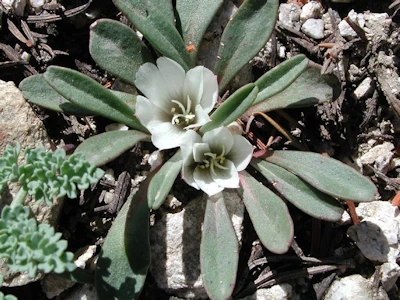 Sacajawea Bitterroot This unique species, named in honor of the Shoshone guide and interpreter, is endemic to central Idaho, with the majority of its known growing area in Boise National Forest. The low-lying plant grows between 5,000 and 9,500 feet and blooms after snowmelt, first with succulent leaves, then with white flowers.
 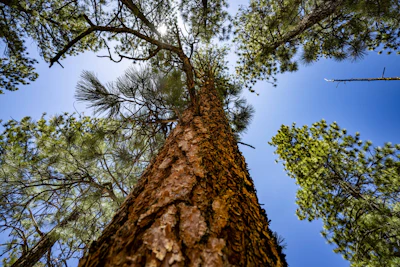 Ponderosa pine This critical species thrives in the dry slopes, including in the Boise Basin Experimental Forest, which was established in the 1930s to study the management of ponderosa pine regeneration.
 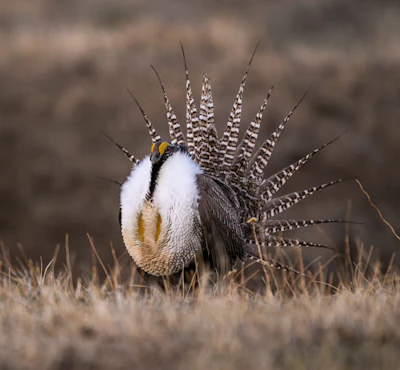 Greater Sage-Grouse This ground-dwelling bird loves the sagebrush habitats of the Boise National Forest, which is working on rehabilitating the species.
 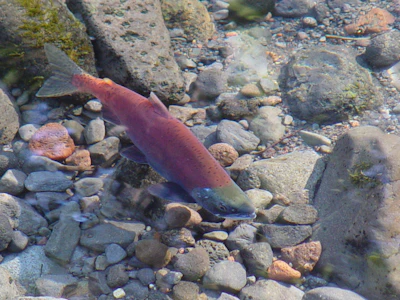 Kokanee salmon This landlocked sockeye salmon typically spawn in a tributary to the Anderson Ranch Reservoir before spending most of their life in the reservoir.
 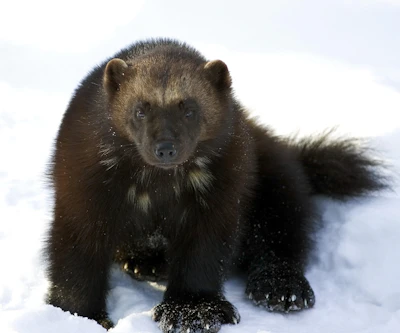 Wolverine This elusive member of the weasel family can weigh up to 40 pounds and stand up to 1.5 feet tall. Populations have been in decline, but have been spotted in the remote mountains of the Boise, where they require deep snow for denning.
 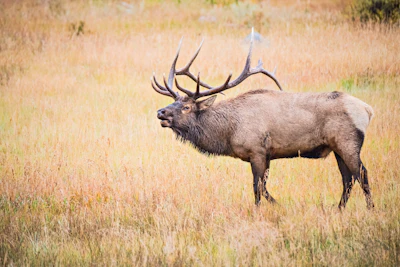 Rocky Mountain elk This majestic animal, the second largest species in the deer family after moose, inhabits the forest’s higher terrain in the summer and moves to its lower-elevation forests in the winter.
 Related Impact
Cultivating Leaders in the Mission Mountains
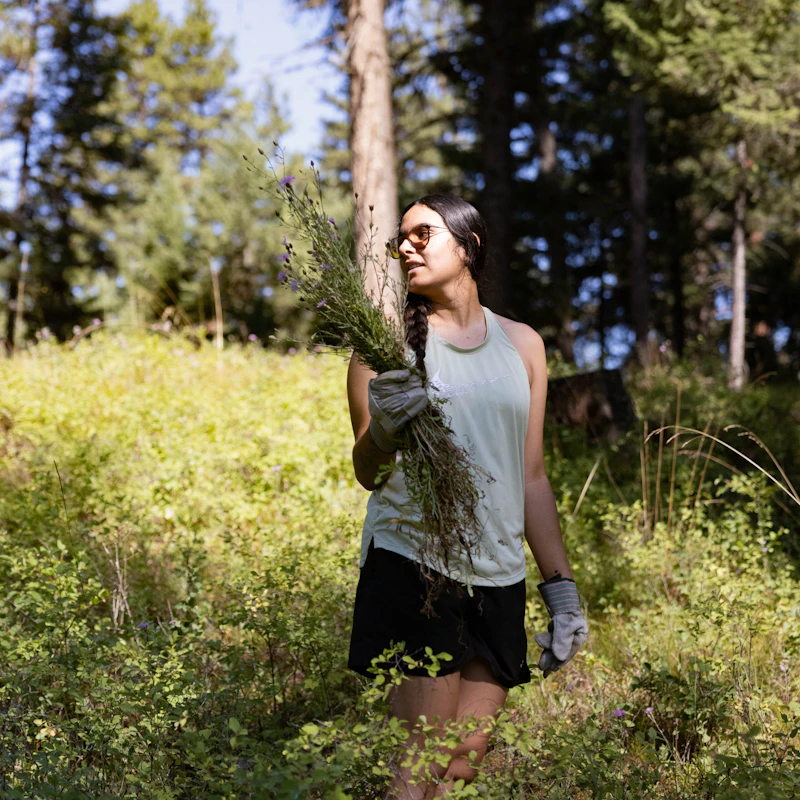
A partnership-driven program connects youth on Montana’s Flathead Reservation with hands-on conservation work, heritage education, and pathways in natural resource careers.
What’s the Best First-Timer’s Adventure in the Boise National Forest?
For a tour of central Idaho’s diverse landscapes, drive the 130-mile Ponderosa Pine Scenic Byway through the city of Boise, the Sawtoon Mountains, and Boise National Forest. Stop in the historic Gold Rush town of Idaho City, hike short trails that lead to hot springs, and enjoy water activities on Arrowrock Reservoir.

Where to Find More Information on the Boise National Forest
For more information or questions, visit https://www.fs.usda.gov/r04/boise
Discover how communities, volunteers, and partners are shaping the future of our National Forests and Grasslands.
The National Forest Foundation works with partners across Northern Colorado to restore forests, reduce wildfire risk, and care for the…
After years of damage, recovery, and reconstruction, the trail to Hanging Lake has been fully rebuilt, creating a more durable,…
Erosion and wildfire had left Arizona's historic Highline Trail rutted and unsafe. After five years of work with the Tonto…
Forest restoration near Flagstaff is reducing wildfire risk for local communities and safeguarding the water supply for millions across the…
Colorado's 14ers draw thousands of visitors each year, and the pressure on these fragile alpine landscapes is growing. Here's a…
Visitors of all ages can explore forest trails and sparkling waters, discover wildlife and underwater habitats, and connect with Tahoe’s…
A partnership-driven program connecting youth on Montana’s Flathead Reservation with hands-on conservation work, heritage education, and pathways in natural resource…
Seeing the impact first hand on the Grand Mesa, Uncompaghre and Gunnison National Forests
Seven Years of Reopening Trails After the Eagle Creek Fire
Field Ranger Program Connects Diverse Communities to Forests in Southern California
Our Forests Need Us Today.
Your donation powers critical, on-the-ground conservation—from wildfire recovery to watershed restoration—protecting forests for the future.