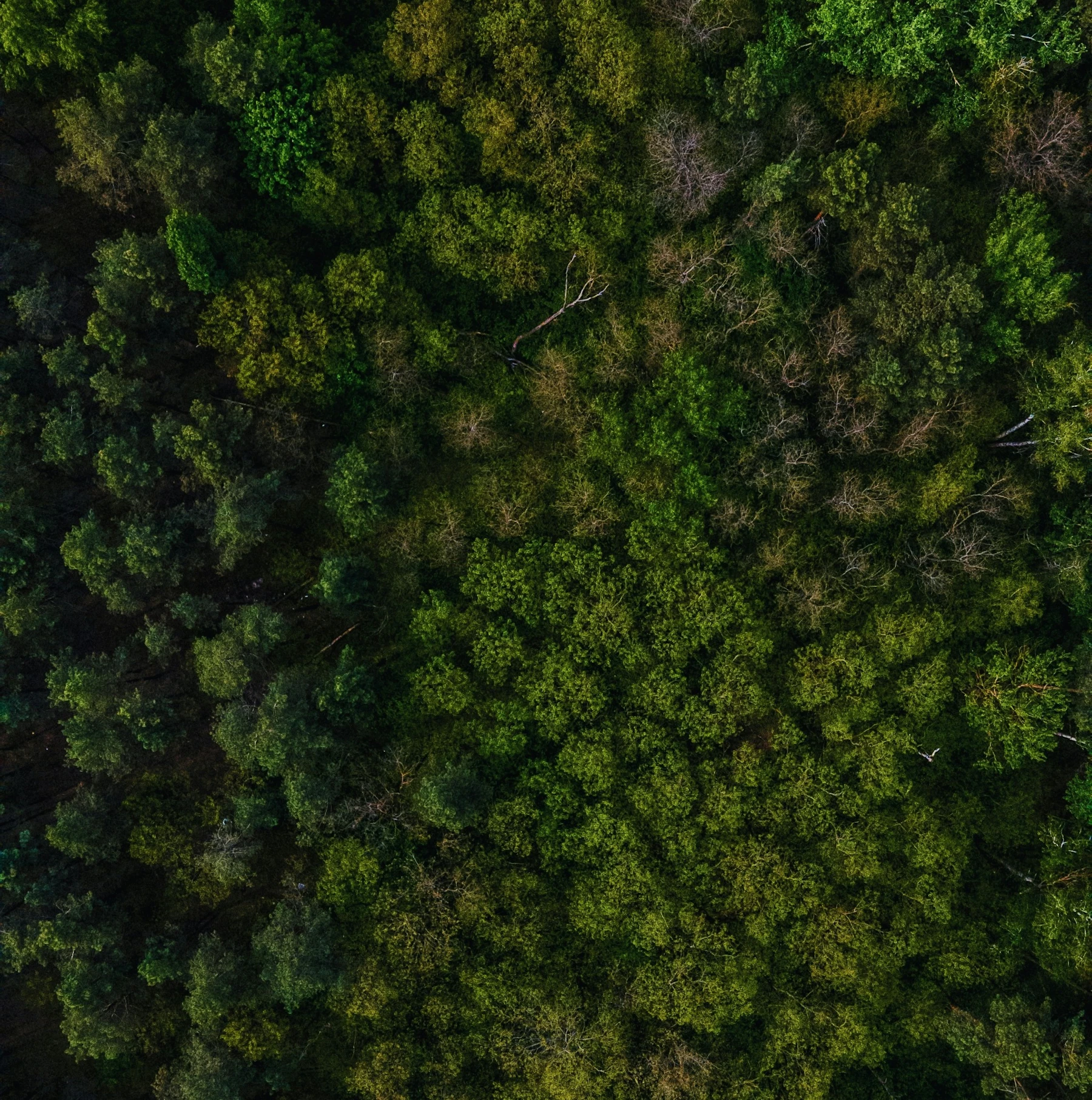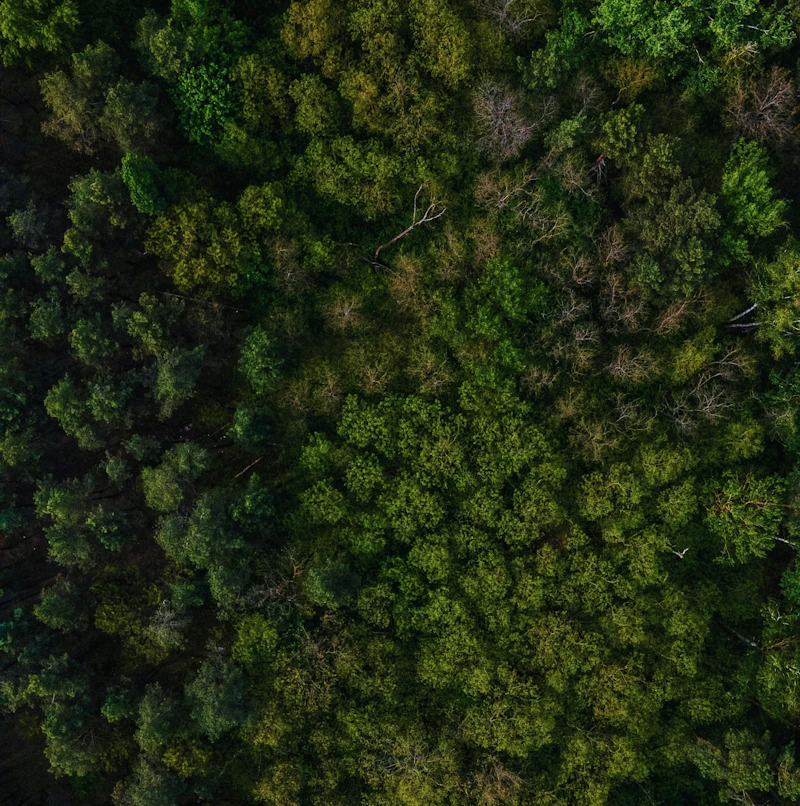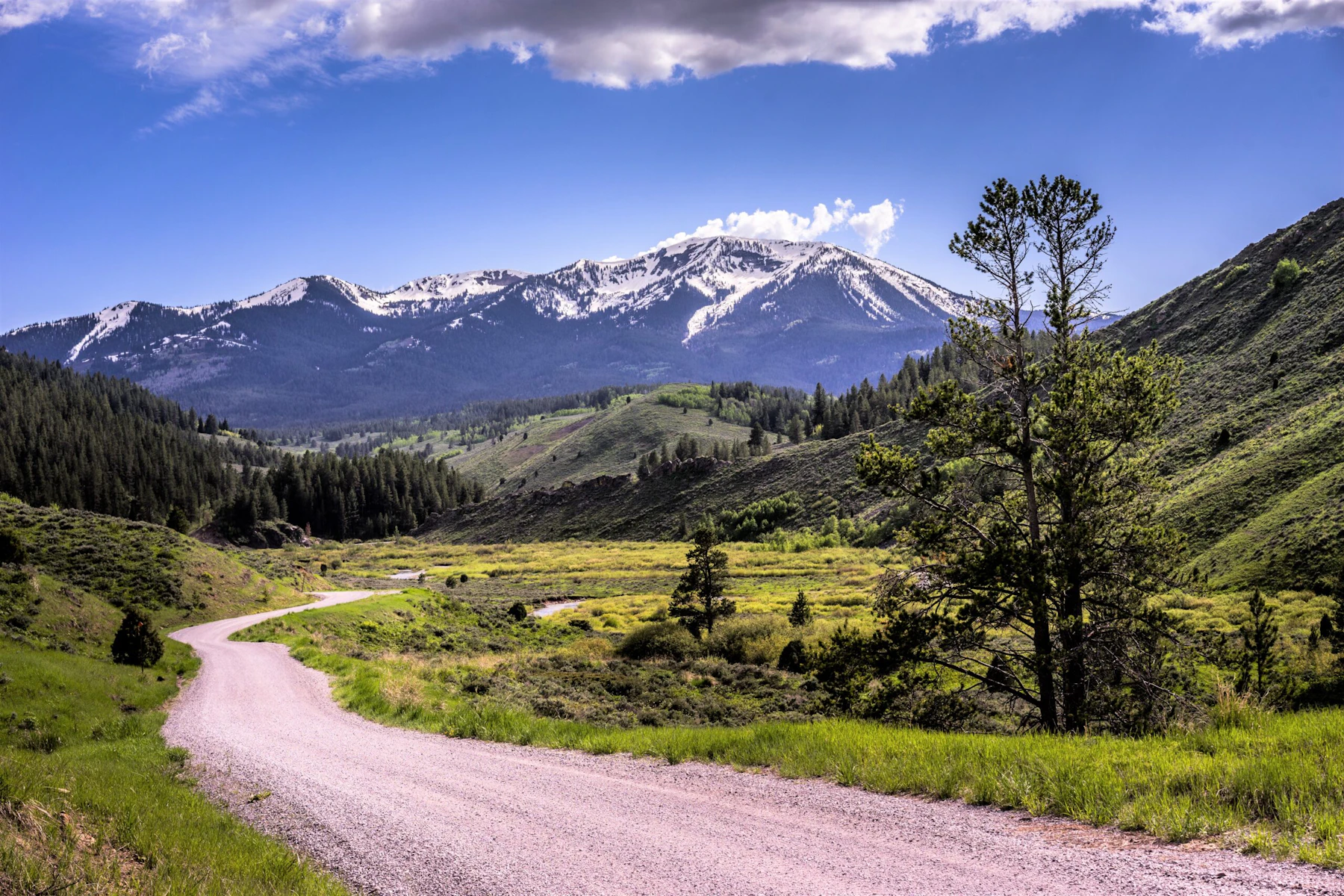
Explore the Caribou-Targhee National Forest, which captures the very best of the three states it spans: Idaho, Wyoming, and Utah. This gateway to Yellowstone and Grand Teton national parks is part of the Greater Yellowstone Ecosystem, an area of over 12 million acres and the largest remaining block of relatively undisturbed habitats in the contiguous United States.
With alpine peaks, lush valleys, roaring rivers, volcanic geology, and majestic big game—it offers something for every outdoor enthusiast. Behold the spectacle of Mesa Falls, hike the Teton Crest Trail, and ski 500-plus inches of annual snowfall.
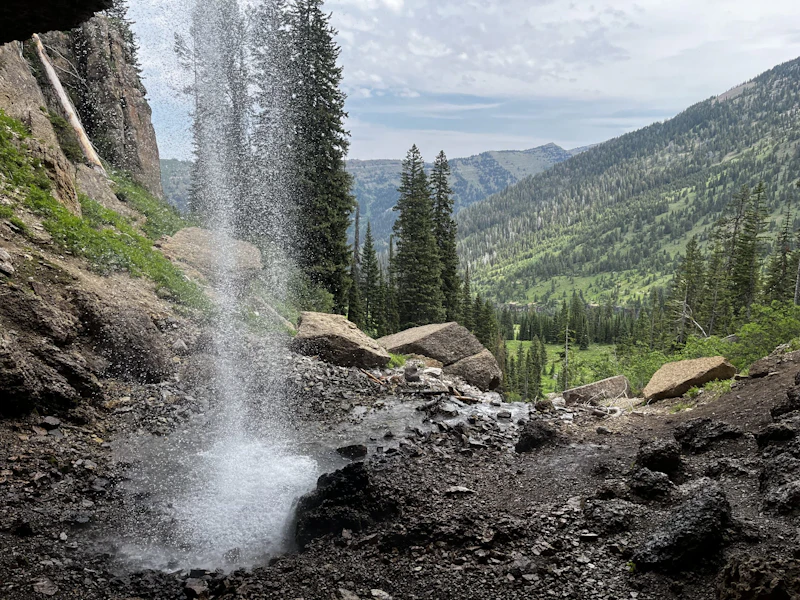 Photo by Kendra Penry
 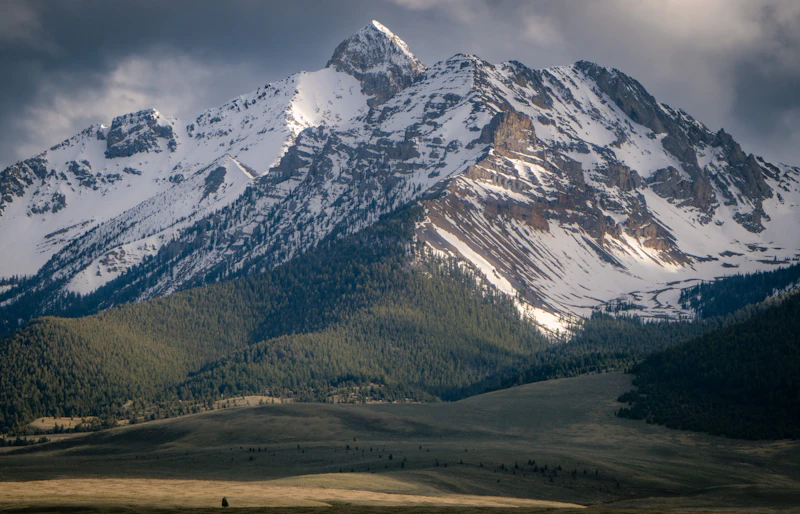 Bell Mountain. Photo by Logan Holstien
 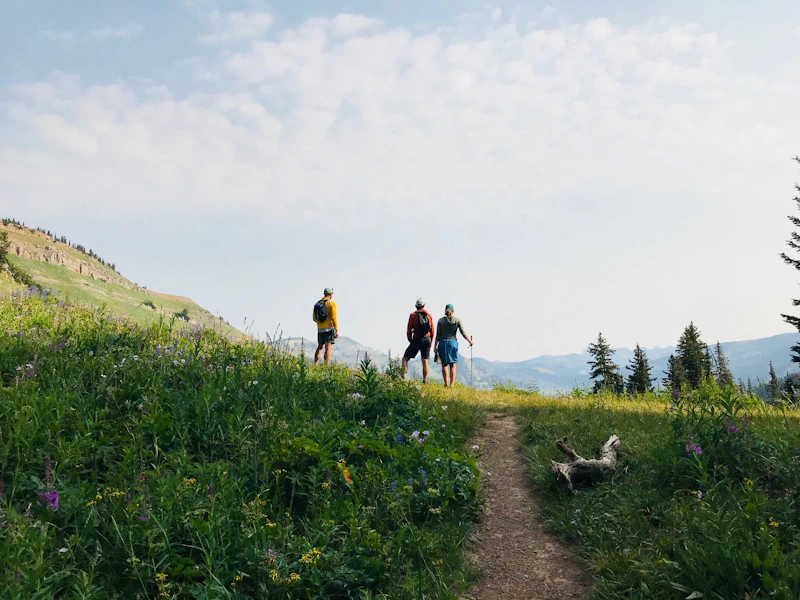 Coal Creek Meadows. Photo by Meghan Hanson
 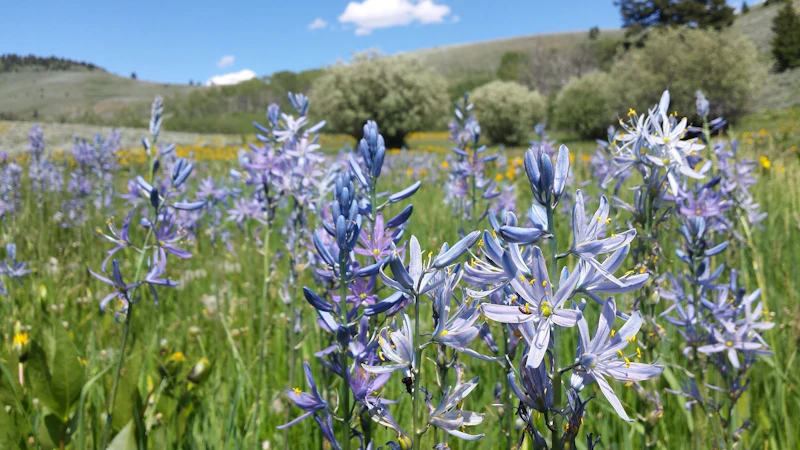 Photo by Samantha Farr
 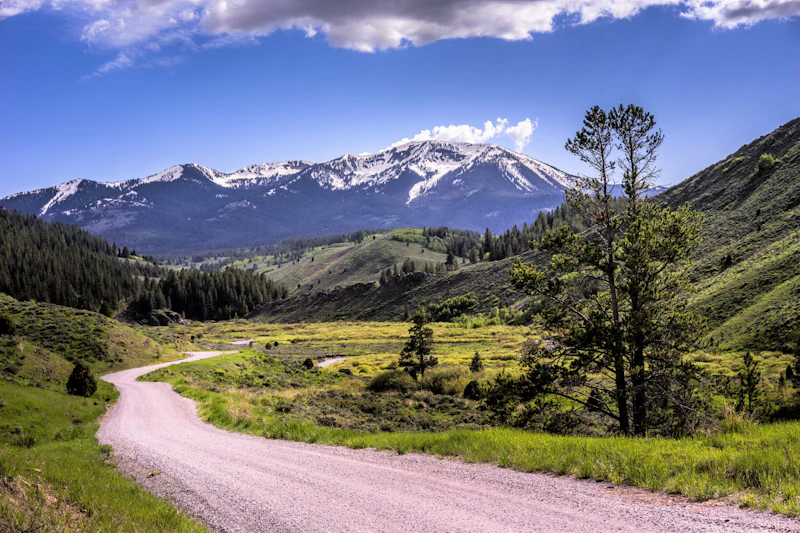 Caribou Mountain. Photo by the U.S. Forest Service
 What is the History of the Caribou-Targhee National Forest?
The lands that now include the Caribou-Targhee National Forest have been occupied for more than 11 centuries, with the Shoshone-Bannock Tribe among the descendants of their earliest inhabitants. The 19th century saw the influx of trappers, prospectors, and other settlers, many of whom traveled along the forest’s north via the Oregon Trail.
President Theodore Roosevelt established the Caribou National Forest in 1907, followed by the Targhee in 1908. Caribou was named after prominent prospector in the area, Jesse Fairchild, nicknamed “Cariboo Jack” for his stories about his time mining in Canada’s Cariboo Mountains. The name Targhee came from the chief of the Bannock Indian Tribe, who was known for his peaceful approach to resistance.
In 1984, the wilderness area of Jedediah Smith, within the forest, was designated for its karst limestone caves. The area continues to gain prominence for its ecological integrity. The United Nations has identified the area as a Biosphere Reserve.
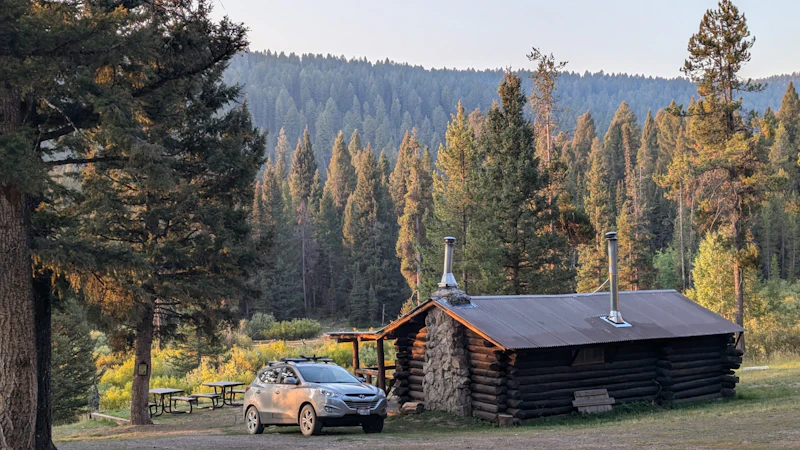
How to Get to the Caribou-Targhee National Forest
The main gateway city of the Caribou-Targhee National Forest is Idaho Falls, a lively hub straddling the Snake River off of I-15 and US-26. The city sits near the forest’s Palisades Reservoir. Near Interstate 15 and 86 is Pocatello, home of Idaho State University, next to the forest’s southern edge, where the Portneuf Range, the Snake River Plain, and the Curlew National Grassland reside.
The tiny farming town of Ashton, on Highway 20, is the gateway to the volcanic terrain of the Caribou-Targhee National Forest. The Mesa Falls Scenic Byway starts in Ashton and brings visitors to the Upper and Lower Mesa Falls. Nearby, the hippy mountain town of Driggs, off of Highway 33, offers access to hiking the Teton Range, exploring the Jedediah Smith Wilderness, and skiing at Grand Targhee Resort.
The historic town Montpelier, once a stop on the Oregon Trail off Highway 89, offers access to the forest’s southern reaches, where you’ll find Bear Lake Valley and Bear River Range. Caribou-Targhee borders Bridger-Teton National Forest, making it easy to explore both on one trip.
- Pocatello, Idaho: Half-hour by car
- Idaho Falls, Idaho: Half- hour to 1 hour by car
- Ogden, Utah: 1.5 hours by car
- Salt Lake City, Utah: 2 hours by car
- Boise, Idaho: 3.5 to 4 hours by car

This 15-mile, moderately challenging out-and-back trail leads to spectacular Upper Palisades Lake, known for its crystal-clear turquoise waters that reflect the surrounding Palisades Mountains. The path follows Palisades Creek up to alpine lakes and meadows—keep your eyes peeled for moose.
A five-mile road runs the length of Teton Canyon, a beautiful stretch of wildlife-filled meadows and creeks. The area is a less-crowded way to experience the Tetons, with the road providing access to dispersed camping and trailheads, including the Teton Crest Trail, in the summer, and cross-country skiing and snowshoeing opportunities in the winter.
This half-mile-long cave near Bear Lake is filled with incredible stalactites, stalagmites, and banded travertine. Guided 90-minute hikes bring visitors more than 400 steps down into the formation.
This 2,600-acre resort near the Teton Range is one of three ski areas in the Caribou-Targhee National Forest. The resort is known for 500-plus inches of annual snowfall, six lifts, and vertical drop of 2,270 feet. Alternatively check out Kelly Canyon Ski Area, Pebble Creek Ski Area, and plenty of backcountry areas like Teton Basin.
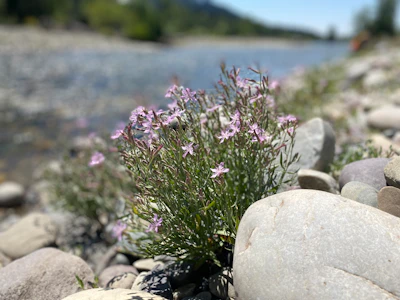 Teton wirelettuce Part of the rose family, this rare species blooms pink along the tributaries of Snake River. It was discovered relatively recently, in the 21st century, and botanists are still uncovering new populations. Photo by Sienna Wessel (CC BY-NC)
 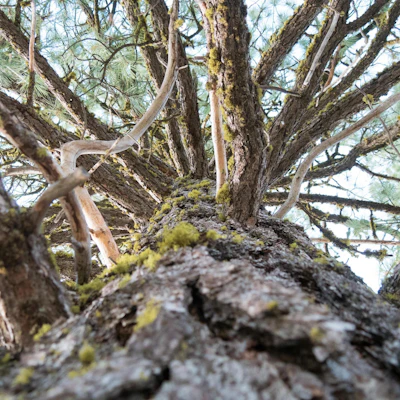 Lodgepole pine This tall conifer is the most common tree found on mountain slopes of the forest. Its name comes from its traditional use by Indigenous peoples for constructing tipis and lodges.
 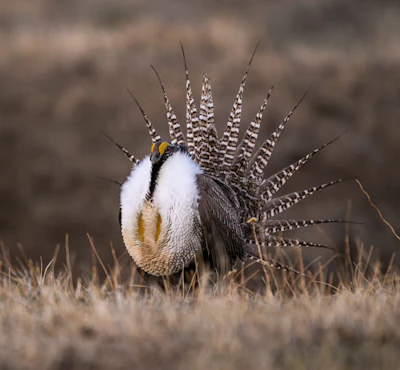 Sage grouse This ground-dwelling bird loves the sagebrush habitats of the Caribou-Targhee National Forest, which is working on rehabilitating the species. It is known for elaborate mating displays.
 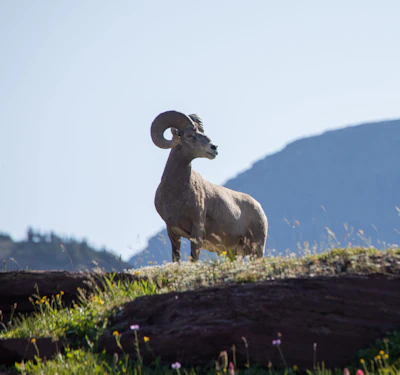 Rocky Mountain bighorn sheep Known for its massive curled horns and climbing skills, this sheep can be found in the forest’s mountain peaks.
 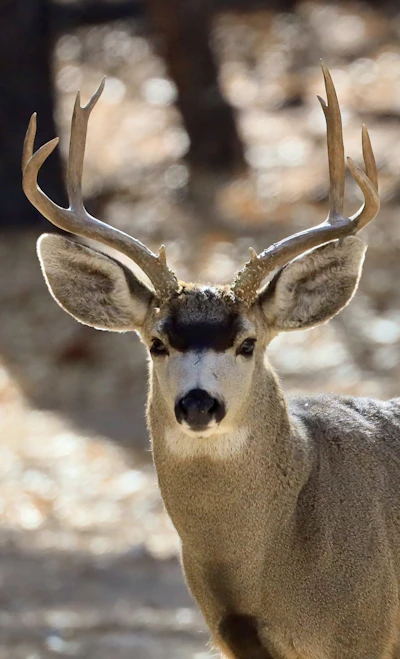 Mule deer This deer, one of the most common sights in the forest, has large ears and black-tipped tails and is most active at dawn and dusk.
 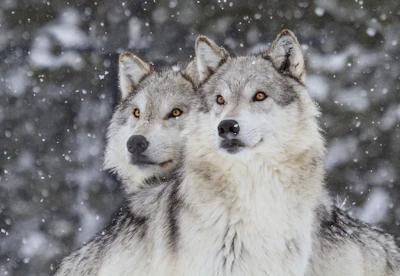 Wolves After the reintroduction of wolves to the Greater Yellowstone region in the 1990s, it now also resides in the Caribou-Targhee, helping manage the forest’s populations of elk and deer.
 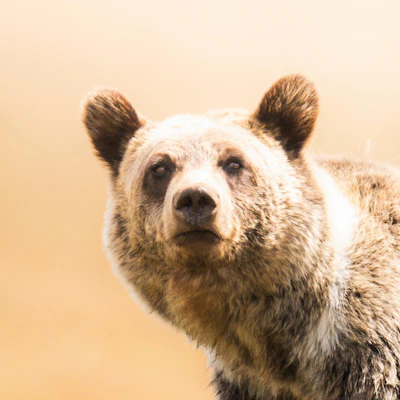 Grizzly bear This apex predator is growing in the Targhee section of the forest, especially in the Yellowstone area, so keeping food stowed properly and remaining aware are crucial when visiting.
 Related Impact
Cultivating Leaders in the Mission Mountains
A partnership-driven program connects youth on Montana’s Flathead Reservation with hands-on conservation work, heritage education, and pathways in natural resource careers.
What’s the Best First-Timer’s Adventure in the Caribou-Targhee National Forest?
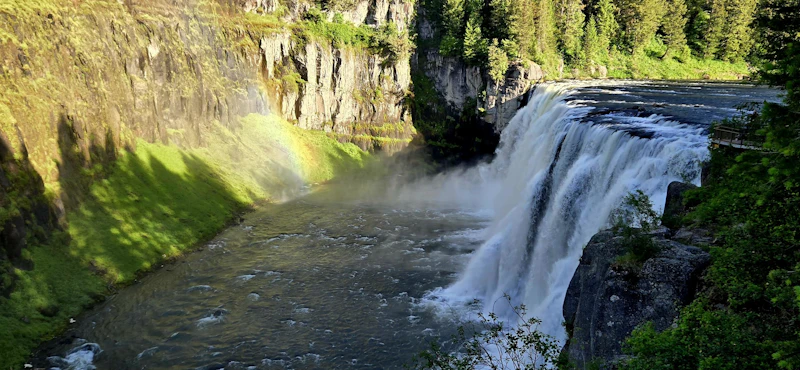
On the Henry’s Fork of the Snake River in the Caribou-Targhee National Forest are the must-stop Upper and Lower Mesa Falls. Together, these thundering cascades are the height of a 10-story building and create a spectacle as they crash over a formation of volcanic ash. The falls are the main stop along the Mesa Falls Scenic Byway.
Where Can I Find More Information on the Caribou-Targhee National Forest?
For more information or questions, visit https://www.fs.usda.gov/r04/caribou-targhee
Discover how communities, volunteers, and partners are shaping the future of our National Forests and Grasslands.
The National Forest Foundation works with partners across Northern Colorado to restore forests, reduce wildfire risk, and care for the…
After years of damage, recovery, and reconstruction, the trail to Hanging Lake has been fully rebuilt, creating a more durable,…
Erosion and wildfire had left Arizona's historic Highline Trail rutted and unsafe. After five years of work with the Tonto…
Forest restoration near Flagstaff is reducing wildfire risk for local communities and safeguarding the water supply for millions across the…
Colorado's 14ers draw thousands of visitors each year, and the pressure on these fragile alpine landscapes is growing. Here's a…
Visitors of all ages can explore forest trails and sparkling waters, discover wildlife and underwater habitats, and connect with Tahoe’s…
A partnership-driven program connecting youth on Montana’s Flathead Reservation with hands-on conservation work, heritage education, and pathways in natural resource…
Seeing the impact first hand on the Grand Mesa, Uncompaghre and Gunnison National Forests
Seven Years of Reopening Trails After the Eagle Creek Fire
Field Ranger Program Connects Diverse Communities to Forests in Southern California
Our Forests Need Us Today.
Your donation powers critical, on-the-ground conservation—from wildfire recovery to watershed restoration—protecting forests for the future.