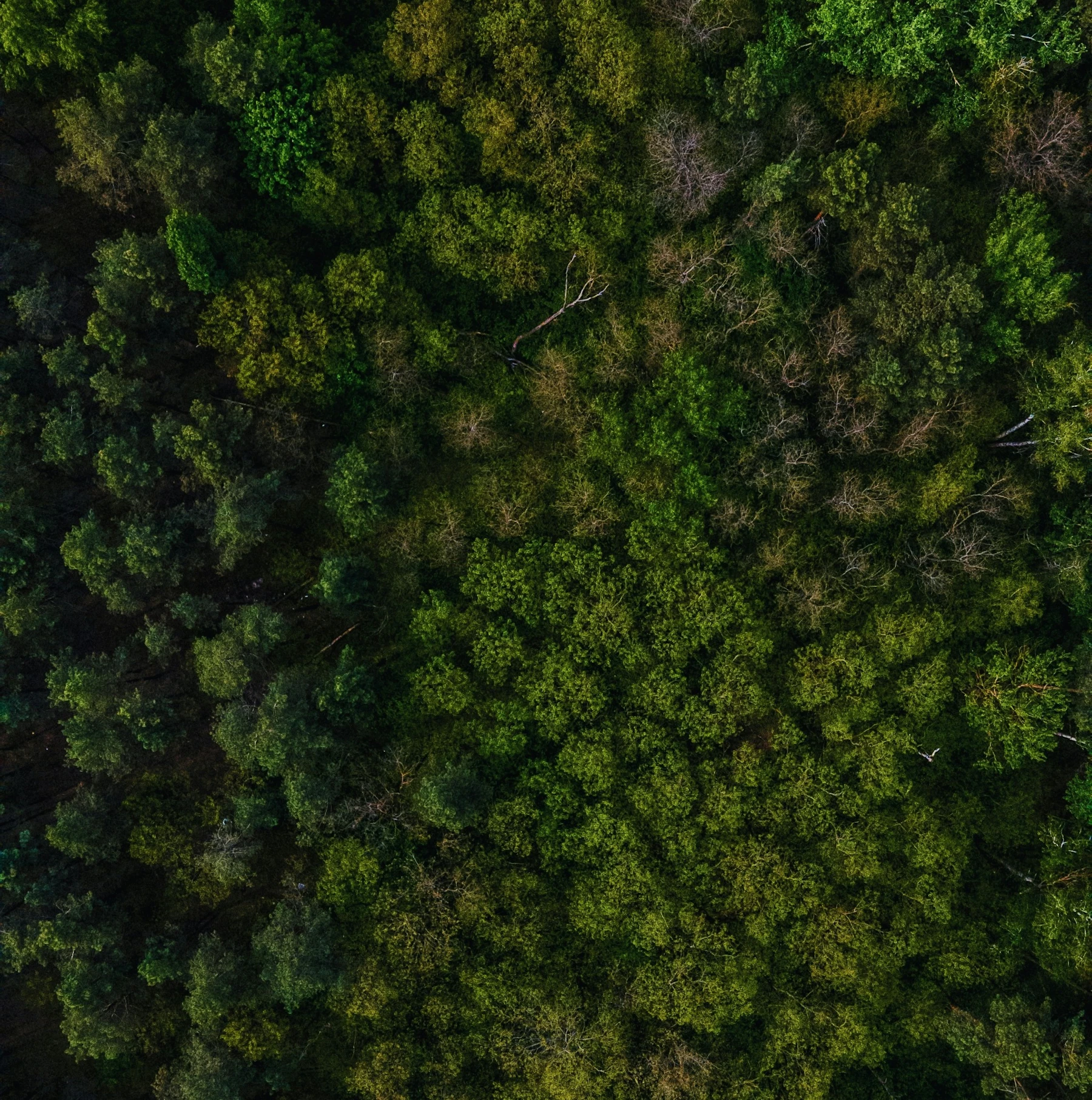
Explore the Nez Perce-Clearwater National Forests, four million acres of wild, beautiful and diverse landscapes across north-central Idaho. The deep canyons of the Salmon River, the cedar forests of the Selway, and the rugged peaks of the Bitterroot Mountains are among the forests’ highlights.
The Nez Perce-Clearwater National Forests are best known for their wild character. Nearly half of the forest is designated Wilderness Area. The Frank Church-River of No Return Wilderness, known for wild rivers and mountains, and the Selway-Bitterroot Wilderness, home of massive drainages, are two of the largest contiguous wildernesses in the lower 48. Gospel Hump Wilderness and Hells Canyon Wilderness are a mix of dense forests, high peaks, and barren slopes.
The Clearwater, Lochsa, and Selway Rivers are renowned for whitewater rafting, kayaking, and fishing. Anglers can pursue trout and steelhead in clear streams, while rafters and paddlers can take to Class II to IV rapids. Hikers, mountain bikers, and horseback riders can enjoy a vast array of trails, from interpretive loops to long backpacking routes.
The Lolo Visitor Center at the top of Lolo Pass serves as one of the many historical landmarks off Highway 12, also known as the Lewis and Clark Trail Scenic Byway. Winter season on the pass is quite busy, too, as it hosts major access points for cross-country skiing and snowmobiling.
 Photo by Hannah Jahn
  Photo by Nicholas Pandorf
 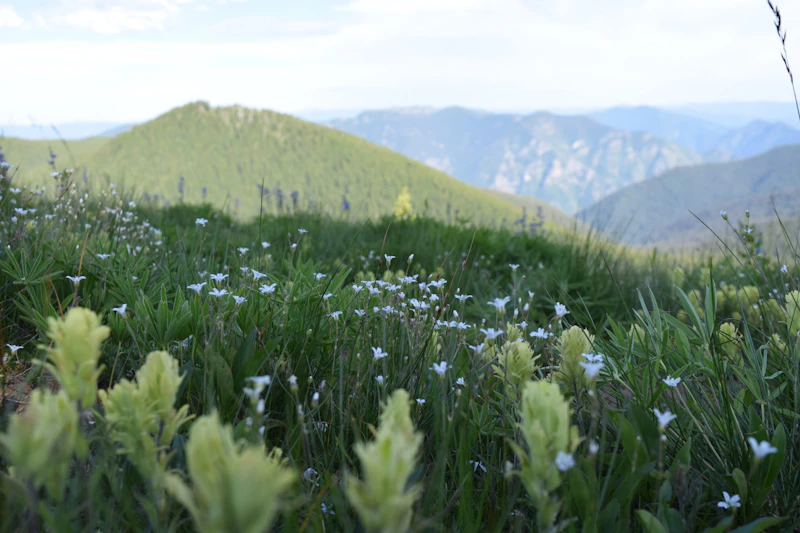 Photo by the NFF
 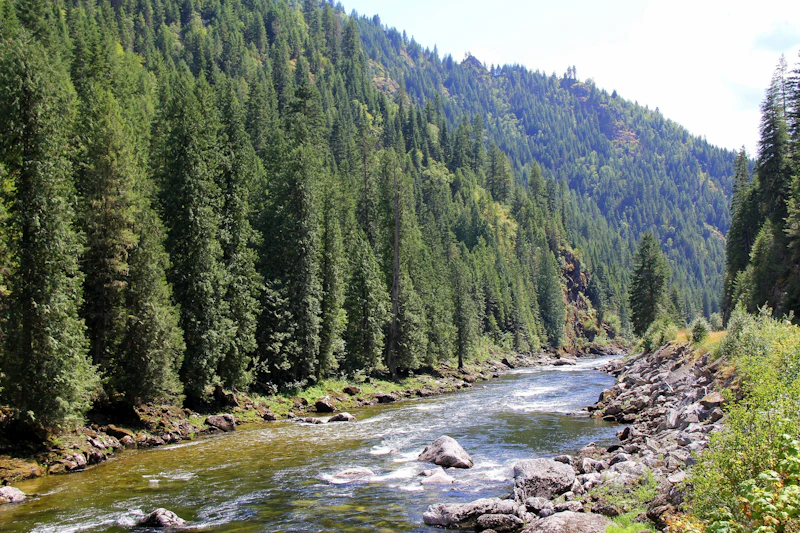 Lochsa River. Photo by the U.S. Forest Service
  Photo by Madeline Cameron
 What is the History of the Nez Perce-Clearwater National Forests?
The forests were the traditional home of the Ni Mii Puu (The People). The Ni Mii Puu were later named the Nez Perce Indians by the Lewis and Clark expeditions. The name was chosen when the forests administratively combined in 2012.
In 1805 Lewis and Clark followed the Lolo Trail through the mountains of Idaho and Montana. This rugged path had been carved over the centuries by Indigenous peoples traveling to hunting areas and to trade with neighboring tribes. Known locally as the “Lolo Motorway,” the Lolo Trail National Historic Landmark is still traveled by adventurous explorers and is still sacred to the Ni Mii Puu, or Nez Perce.
Today, the forests are managed to provide a variety of goods and services including breathtaking scenery, wilderness, wildlife, fisheries, timber harvest, livestock grazing, mining, pristine water quality and a wide array of recreation opportunities.
How to Get to the Nez Perce-Clearwater National Forests
The primary access to the Nez Perce-Clearwater National Forests is U.S. Highway 12, which runs east-west along the Clearwater and Lochsa River and connects gateway hubs like Lewiston and Kamiah. Another important route is U.S. Highway 95, running north-south and intersecting Highway 12 near Lewiston and Orofino.
- Missoula, Montana: 1 to 1.5 hours by car
- Coeur d’Alene, Idaho: 2 to 2.5 hours by car
- Meridian, Idaho: 3 to 3.5 hours by car
- Spokane, Washington: 3 to 3.5 hours by car
- Kalispell, Montana: 3 to 4 hours by car

Considered one of the best recreation experiences, whitewater rafting the Selway River provides unique access to the forests’ most wild and remote landscapes. Launch points near Gifford and Weir Creek and campsites along the river allow for multi-day guided or self-supported adventures.
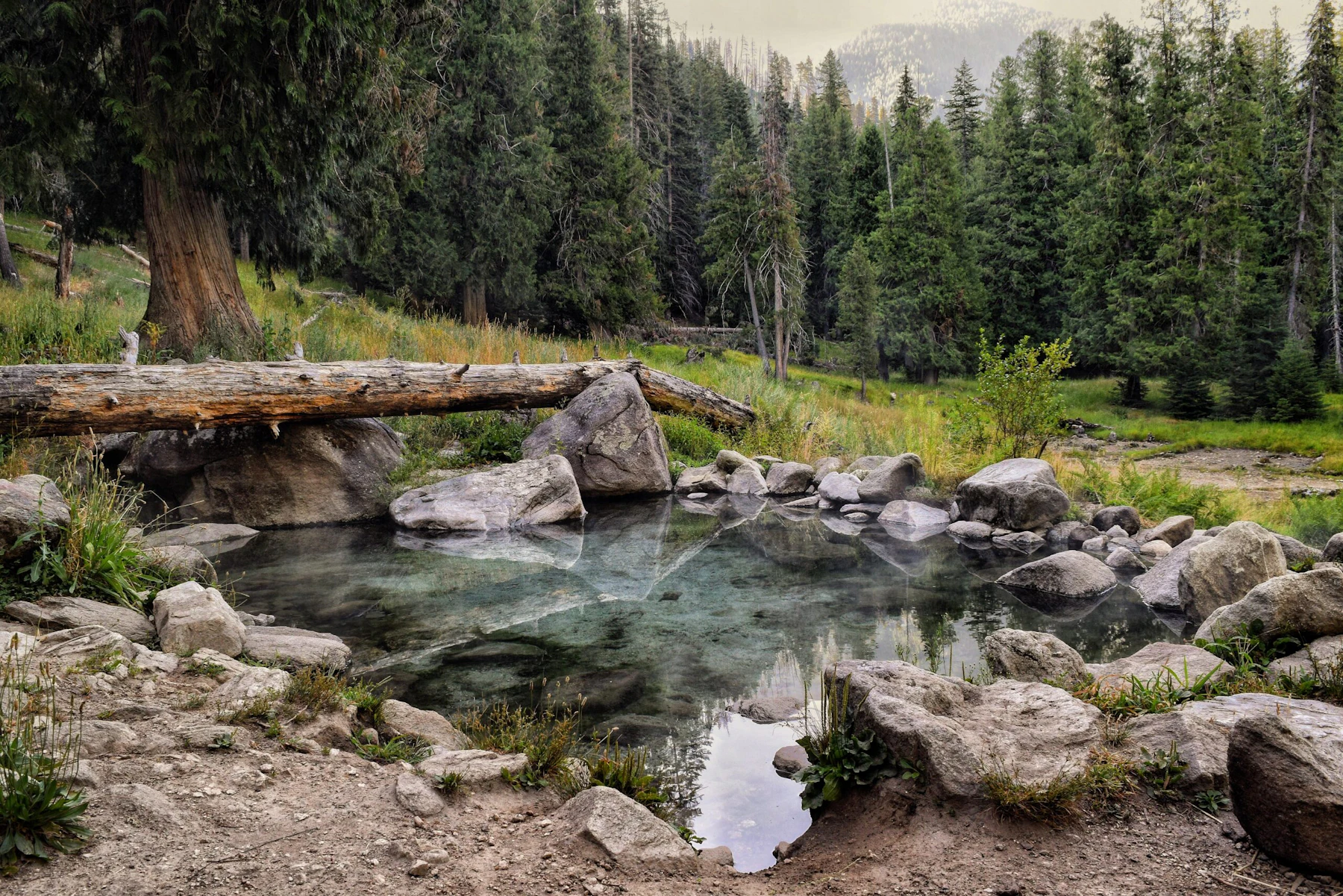
From the Warm Springs Trailhead on the famed Northwest Passage Scenic Byway, a nine-mile out-and-back hike through the Selway-Bitterroot Wilderness brings you to scenic hot springs off of Selway River.
A 2.5-mile out-and-back trail along Elk Creek, part of the scenic Palouse Corridor, leads to one of the most breathtaking waterfalls in Idaho. A basaltic canyon features three cascades that fall 140 feet into a plunge pool.
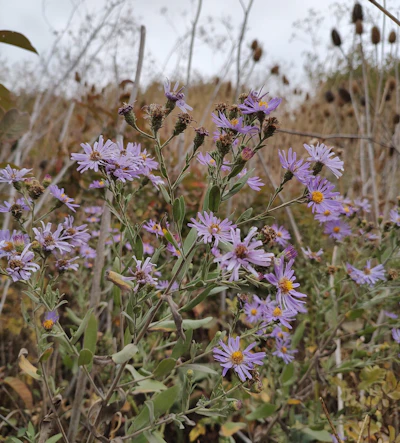 Jessica’s aster With its lavender to pale purple petals and golden centers, this native wildflower thrives along streams and across meadows.
 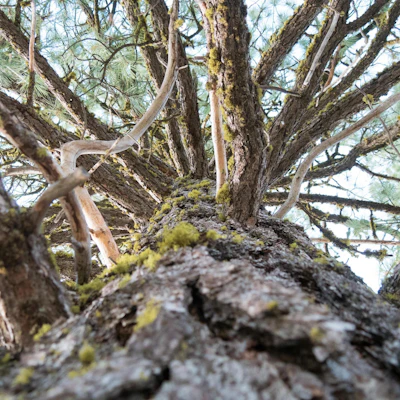 Lodgepole pine The tall and thin conifer plays an important part in regeneration after wildfire, as the resin in its cones melt—and seeds release—only when heated by fire.
 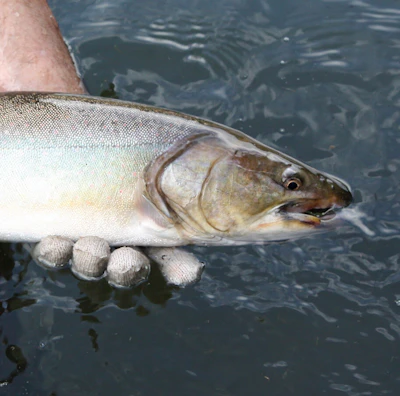 Bull trout This threatened species, with resident fish growing up to 10 inches long and migratory fish up to 35 inches long, requires cold waterways and clean gravel to spawn.
 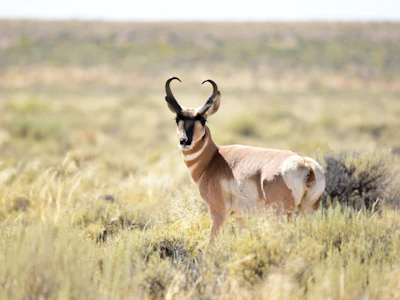 Pronghorn North America’s fastest land animal, capable of reaching speeds of up to 60 miles per hour, can be spotted throughout the forest’s prairie areas.
 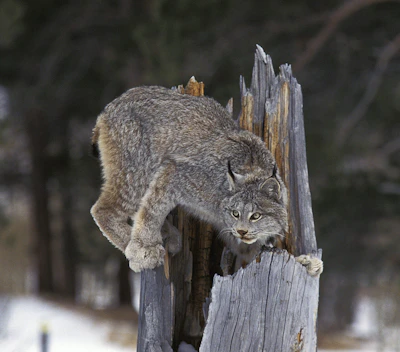 Canada lynx This elusive wild cat, known for its unique proportions—long legs and large, furry paws—rely on snowshoe hares.
 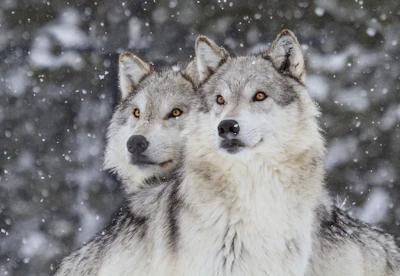 Gray wolf Once eradicated from the region, this intelligent and social predator now helps maintain healthy elk and deer populations.
 Related Impact
Cultivating Leaders in the Mission Mountains
A partnership-driven program connects youth on Montana’s Flathead Reservation with hands-on conservation work, heritage education, and pathways in natural resource careers.
What’s the Best First-Timer’s Adventure in the Nez Perce-Clearwater National Forests
There’s no better way to experience the sheer breadth of scenery within the Nez Perce-Clearwater National Forests than along the Lewis and Clark Trail Scenic Byway. The section along Clearwater River winds through deep canyons and towering cliffs, and features interpretive signs about the area’s history.
Where to Find More Information on the Nez Perce-Clearwater National Forests
For more information or questions, visit https://www.fs.usda.gov/r01/nezperce-clearwater.
Discover how communities, volunteers, and partners are shaping the future of our National Forests and Grasslands.
The National Forest Foundation works with partners across Northern Colorado to restore forests, reduce wildfire risk, and care for the…
After years of damage, recovery, and reconstruction, the trail to Hanging Lake has been fully rebuilt, creating a more durable,…
Erosion and wildfire had left Arizona's historic Highline Trail rutted and unsafe. After five years of work with the Tonto…
Forest restoration near Flagstaff is reducing wildfire risk for local communities and safeguarding the water supply for millions across the…
Colorado's 14ers draw thousands of visitors each year, and the pressure on these fragile alpine landscapes is growing. Here's a…
Visitors of all ages can explore forest trails and sparkling waters, discover wildlife and underwater habitats, and connect with Tahoe’s…
A partnership-driven program connecting youth on Montana’s Flathead Reservation with hands-on conservation work, heritage education, and pathways in natural resource…
Seeing the impact first hand on the Grand Mesa, Uncompaghre and Gunnison National Forests
Seven Years of Reopening Trails After the Eagle Creek Fire
Field Ranger Program Connects Diverse Communities to Forests in Southern California
Our Forests Need Us Today.
Your donation powers critical, on-the-ground conservation—from wildfire recovery to watershed restoration—protecting forests for the future.