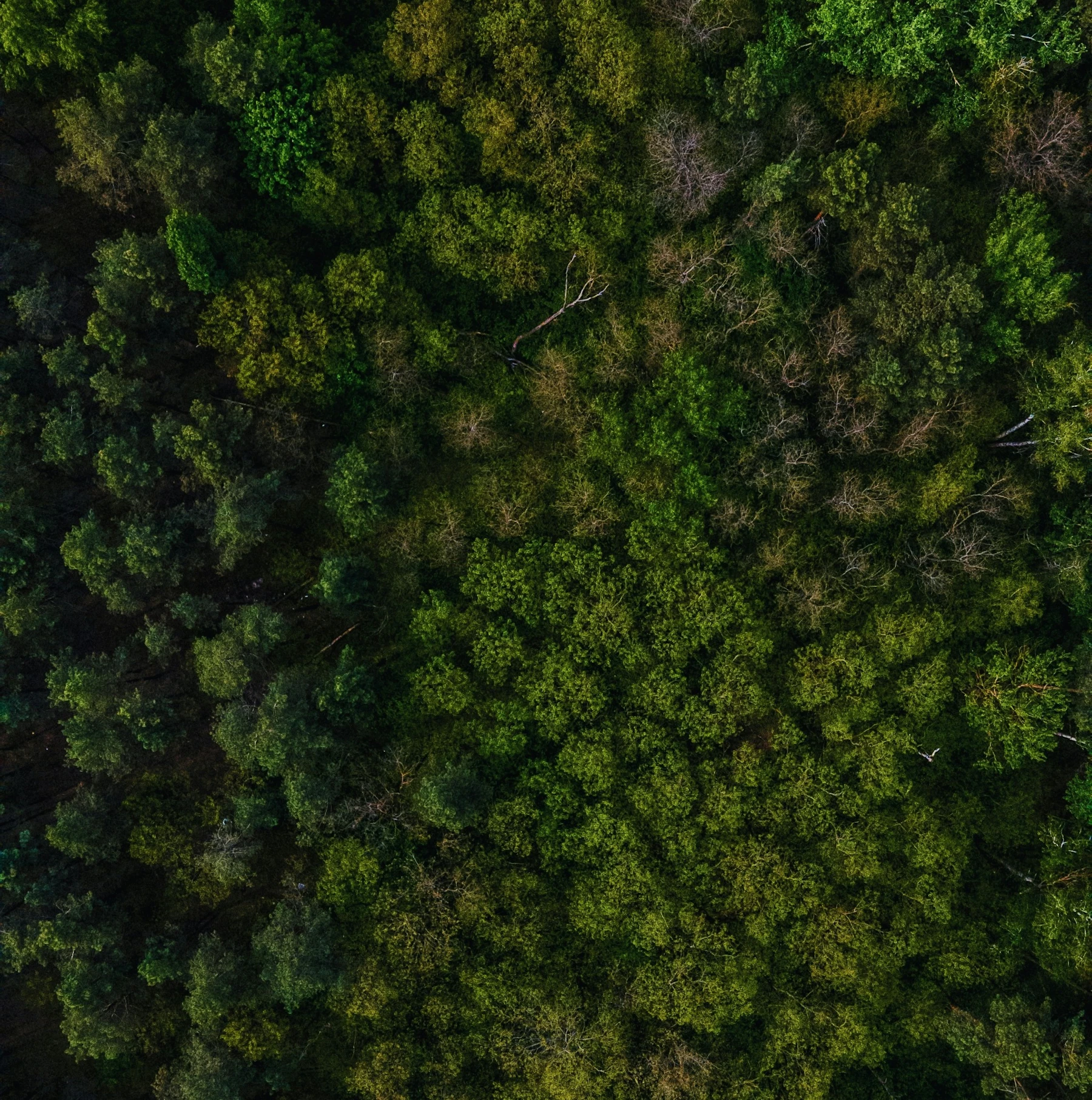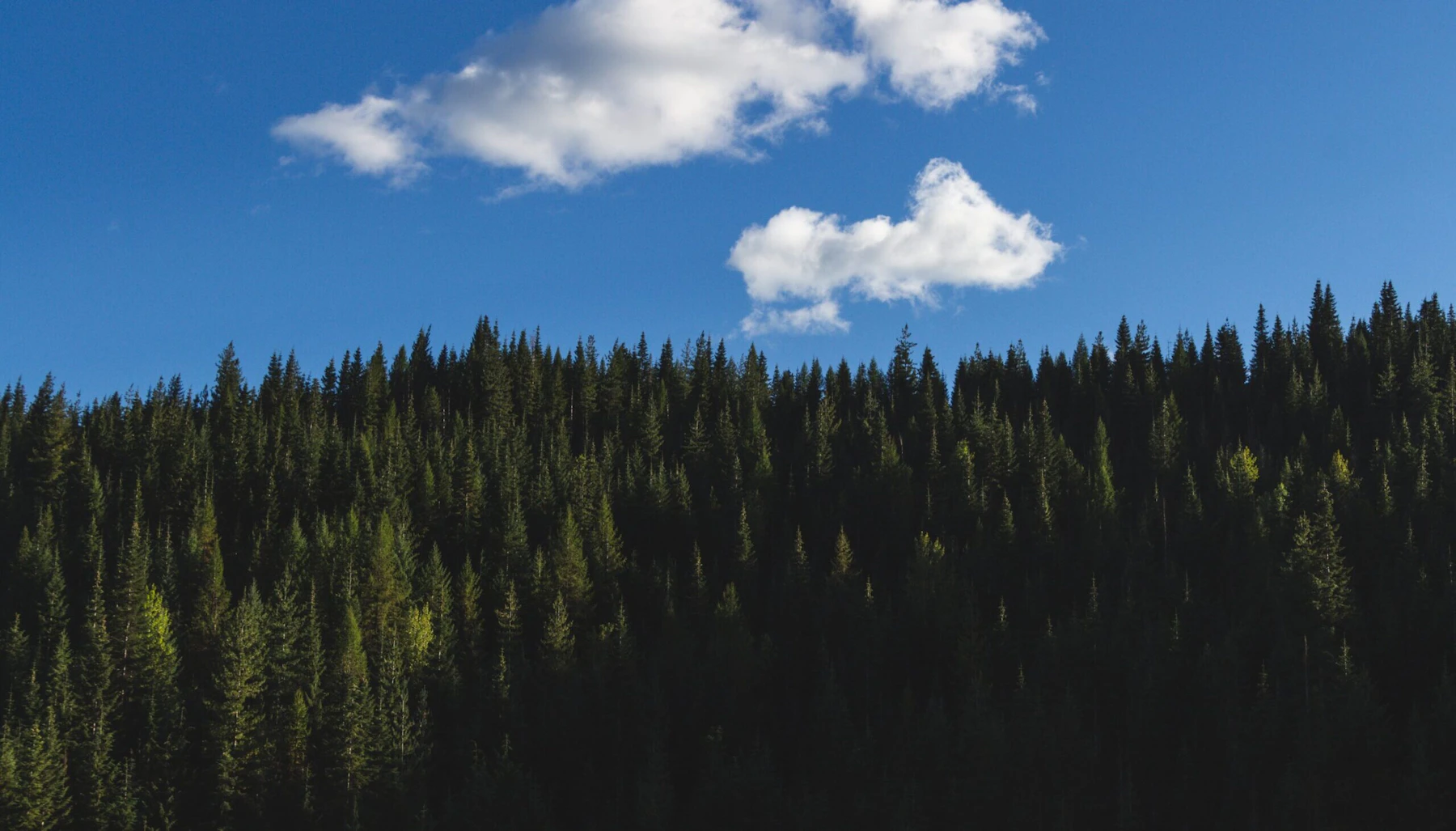
The Idaho Panhandle National Forests are an aggregation of the area of Coeur d’Alene and portions of the Kaniksu and St. Joe National Forests. The forests are the east-central part of the Columbia Plateau, between the Cascade Mountains to the west and the Bitterroot Mountains to the east, and cut through by the Columbia River.
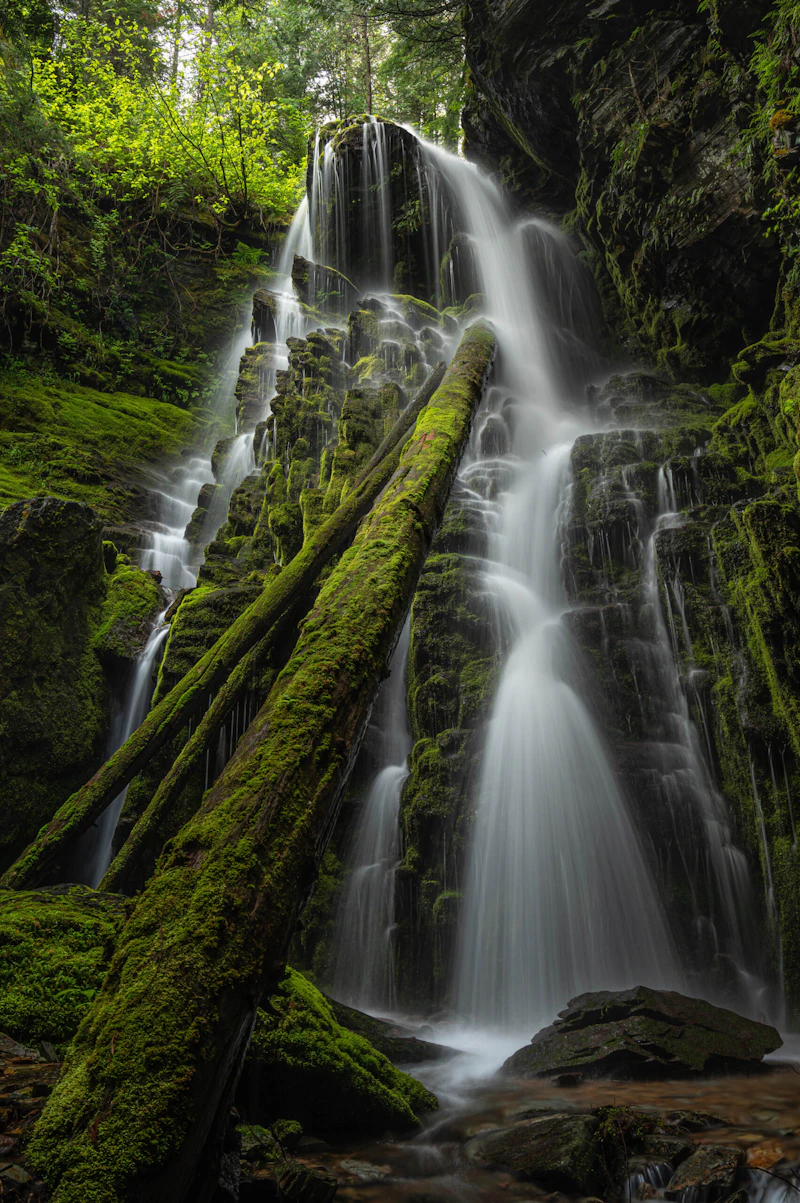
Quaint villages snuggle up against soaring peaks and hug the shores of deep blue lakes. Waterfalls meet ancient cedar groves. Evergreen forests carpet mountains that have been a major world supplier of silver. Quiet country lanes lead to abandoned mining towns and trace military wagon roads from the Civil War era.
More than 3,000 miles of trails, many of which lead to alpine lakes and spectacular views, support hiking, biking, and horseback riding. Miles of rivers and vast lakes offer world-class fishing. More than half of all the surface waters in Idaho are here, in the north country.
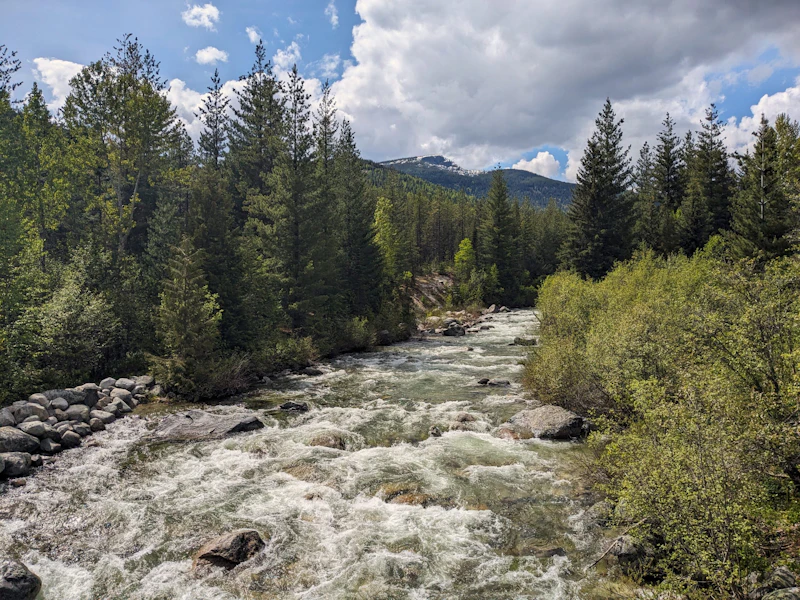
Foam-flecked rapids challenge the whitewater rafter. Glassy-quiet runs host canoes and kayaks where steamboats once paddled to remote mining and lumbering camps. Where there is fishing, there is boating and sailing. Public and private boat ramps are also available at Lake Pend Oreille and Lake Coeur d’Alene marinas and campgrounds.
In winter, the snowy wilds and hundreds of miles of groomed trails beckon cross-country skiers and snowmobilers. Regional ski resorts invite the downhill skier with runs for beginners to experts. There are also plenty of winter fishing opportunities at area lakes.
Plus, country inns and plush resorts, along with modern and rustic camping grounds, welcome travelers to Idaho’s premier north country.
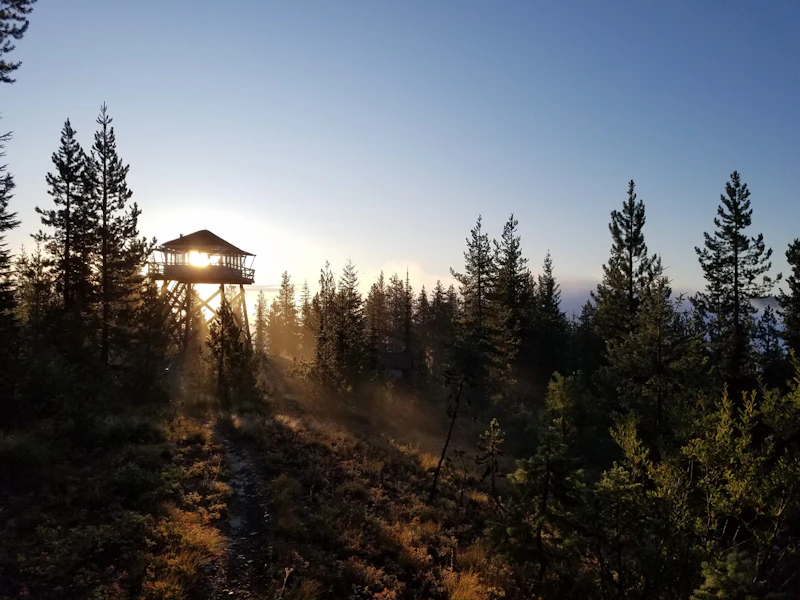


What is the History of the Idaho Panhandle National Forests?
Across Idaho the ancestors of tribes such as the Kootenai, Coeur d’Alene, and Kalispel inhabited what is now the Idaho Panhandle National Forests. Archaeological evidence shows human presence going back more than 10,000 years.
After concerns about watershed and ecosystem damage from mining, logging, and homesteading in the late 19th and 20th centuries, the government began designating forest reserves that would later become national forests.
The units that now form the Idaho Panhandle National Forests include the Coeur d’Alene National Forest (1906), the Kaniksu National Forest (1908), and the St. Joe National Forest (1908). In 1973, portions of these forests were administratively combined to make the Idaho Panhandle National Forests.
How to Get to the Idaho Panhandle National Forests
The main east–west route to the forests is Interstate 90, which runs across the northern part of the state and connects directly from Spokane, Washington, through Coeur d’Alene and eastward toward the Montana border.
The central north–south artery to the forests is U.S. Highway 95, which links the towns of Lewiston, Moscow, and Coeur d’Alene. From these routes, smaller highways and forest roads lead deeper into recreation areas.
The town of Sandpoint, on Lake Pend Oreille, serves as a prime base for exploring the northern and eastern sections of the forest. Coeur d’Alene, the largest nearby city, has lots of amenities and easy access to forest trails, lakes, and campgrounds along I-90.
- Coeur d’Alene, Idaho: 1 to 2 hours by car
- Spokane, Washington: 1.5 to 2 hours by car
- Missoula, Montana: 4 hours by car

Once considered one of the country’s most beautiful stretches of railroad, the former Milwaukee Road railway has since been converted to a unique rail-trail that stretches between Idaho and Montana, crossing the Bitterroot Mountains. Hike or bike the 15 miles, passing through tunnels and great mountain scenery.
On Interstate 90 along the Idaho–Montana border, this is one of the Pacific Northwest’s oldest ski destinations, established in 1935. Known for its abundant natural snowfall—often exceeding 400 inches annually—it offers a family-oriented atmosphere with terrain for all skill levels.
The Emerald Creek Garnett Area is one of only two places in the world where you can find star garnets (the other is in India!), named for the star-like reflection these crystals often display. Make a reservation on Recreation.gov for the chance to spot 12- to 24-sided crystals that range in size from sand to golf balls.
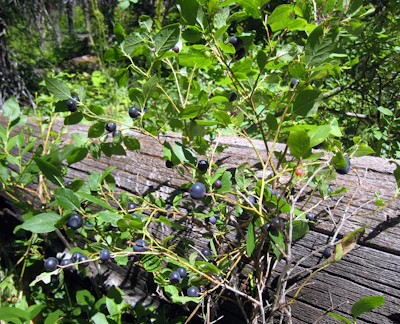 Wild huckleberry This sweet, tart berry thrives in the region’s cool, high-elevation forests, typically ripening from mid-July through August and creating a sweet scent and delicious snack for humans and bears alike.
 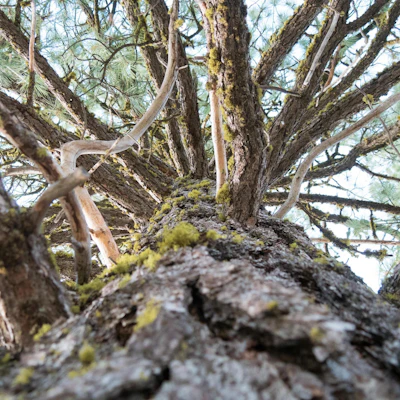 Lodgepole pine The tall and thin conifer plays an important part in regeneration after wildfire, as the resin in its cones melt—and seeds release—only when heated by fire.
 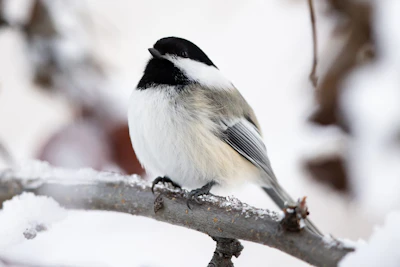 Black-capped chickadee Recognized by its black cap and bib and white cheeks, this small and curious songbird lives in woodpecker holes or nest boxes.
 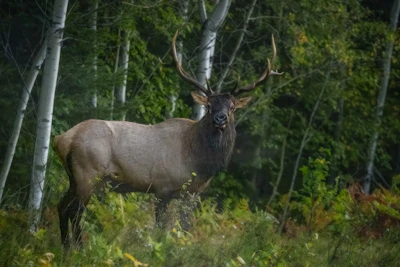 Elk This majestic animal, the second largest species in the deer family after moose, is most active during dawn and dusk and during fall rutting season.
 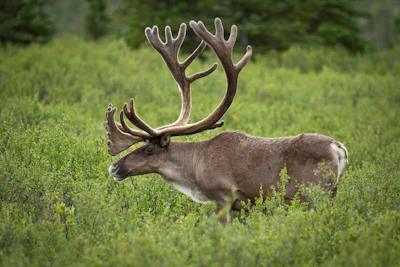 Woodland caribou Northernmost Idaho is the last remaining home in the lower 48 states of this endangered species, recognized by its large hooves and distinct antler shape.
 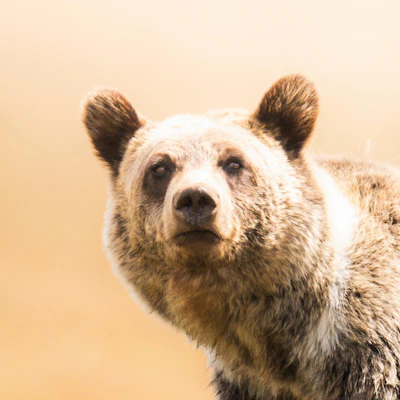 Grizzly bear This endangered species lives in small numbers in remote, forested mountains and valleys, relying on rich habitats of huckleberries, roots, fish, and small mammals.
 Related Impact
Cultivating Leaders in the Mission Mountains
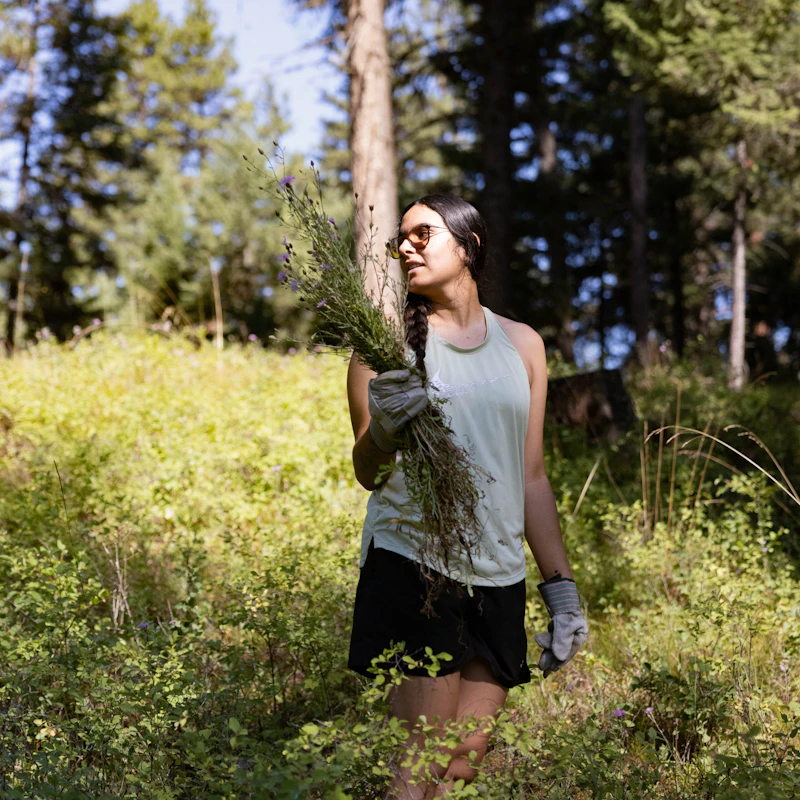
A partnership-driven program connects youth on Montana’s Flathead Reservation with hands-on conservation work, heritage education, and pathways in natural resource careers.
What’s the Best First-Timer’s Adventure in the Idaho Panhandle National Forests
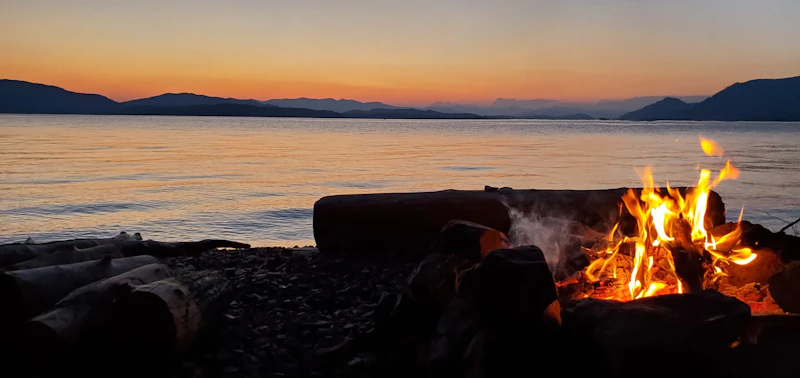
Spend a day or two on Priest Lake, often called Idaho’s crown jewel. The Forest Service and the State of Idaho have developed shoreline and island campgrounds on this spectacular waterway. In addition to enjoying the scenery of the rugged Selkirk Mountains, there are numerous trails that start at the lake, as well as excellent trout fishing (the world’s largest Mackinaw trout was caught here in 1963.)
Where to Find More Information on the Idaho Panhandle National Forest
For more information or questions, visit https://www.fs.usda.gov/r01/idahopanhandle
Discover how communities, volunteers, and partners are shaping the future of our National Forests and Grasslands.
The National Forest Foundation works with partners across Northern Colorado to restore forests, reduce wildfire risk, and care for the…
After years of damage, recovery, and reconstruction, the trail to Hanging Lake has been fully rebuilt, creating a more durable,…
Erosion and wildfire had left Arizona's historic Highline Trail rutted and unsafe. After five years of work with the Tonto…
Forest restoration near Flagstaff is reducing wildfire risk for local communities and safeguarding the water supply for millions across the…
Colorado's 14ers draw thousands of visitors each year, and the pressure on these fragile alpine landscapes is growing. Here's a…
Visitors of all ages can explore forest trails and sparkling waters, discover wildlife and underwater habitats, and connect with Tahoe’s…
A partnership-driven program connecting youth on Montana’s Flathead Reservation with hands-on conservation work, heritage education, and pathways in natural resource…
Seeing the impact first hand on the Grand Mesa, Uncompaghre and Gunnison National Forests
Seven Years of Reopening Trails After the Eagle Creek Fire
Field Ranger Program Connects Diverse Communities to Forests in Southern California
Our Forests Need Us Today.
Your donation powers critical, on-the-ground conservation—from wildfire recovery to watershed restoration—protecting forests for the future.