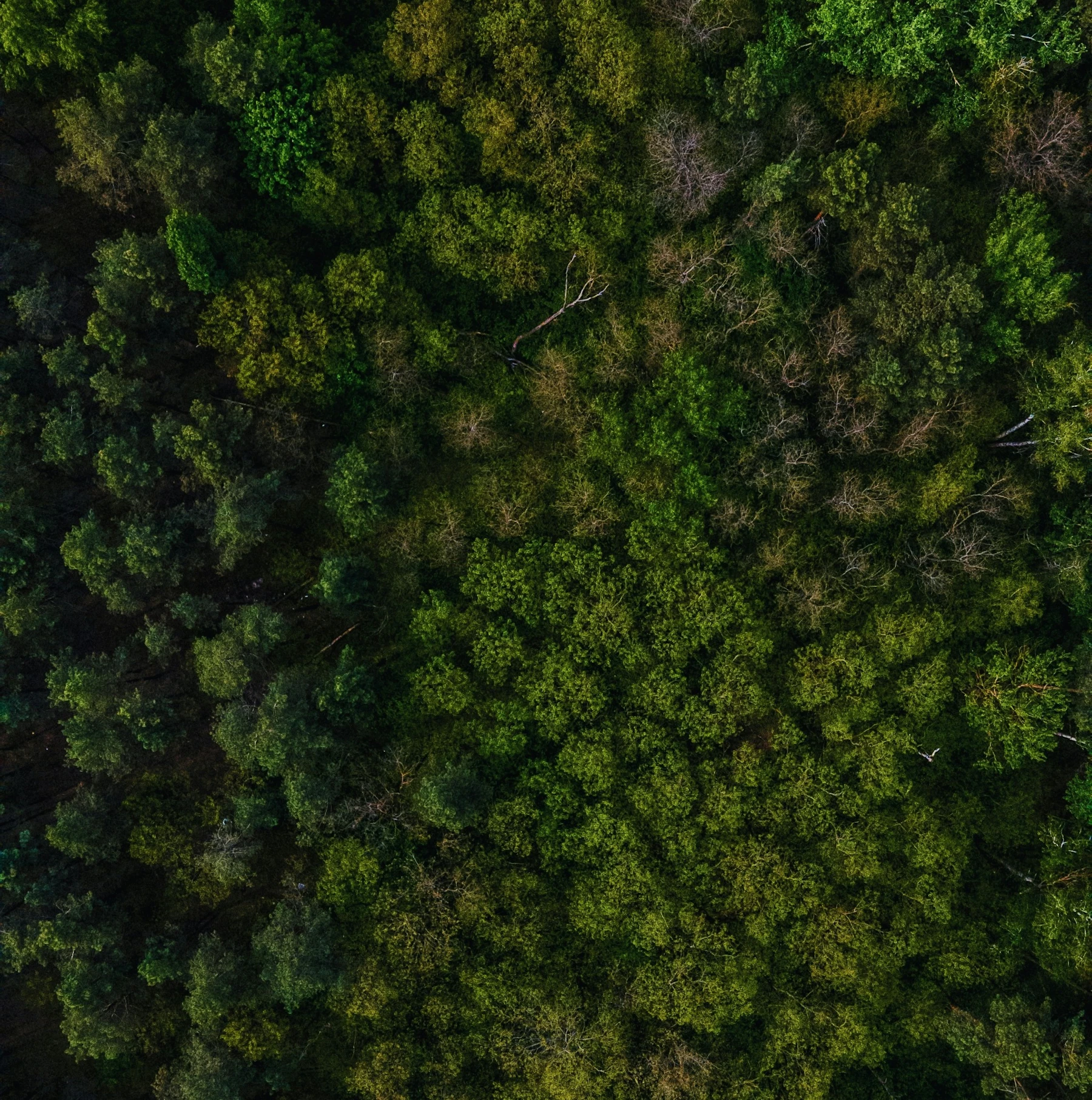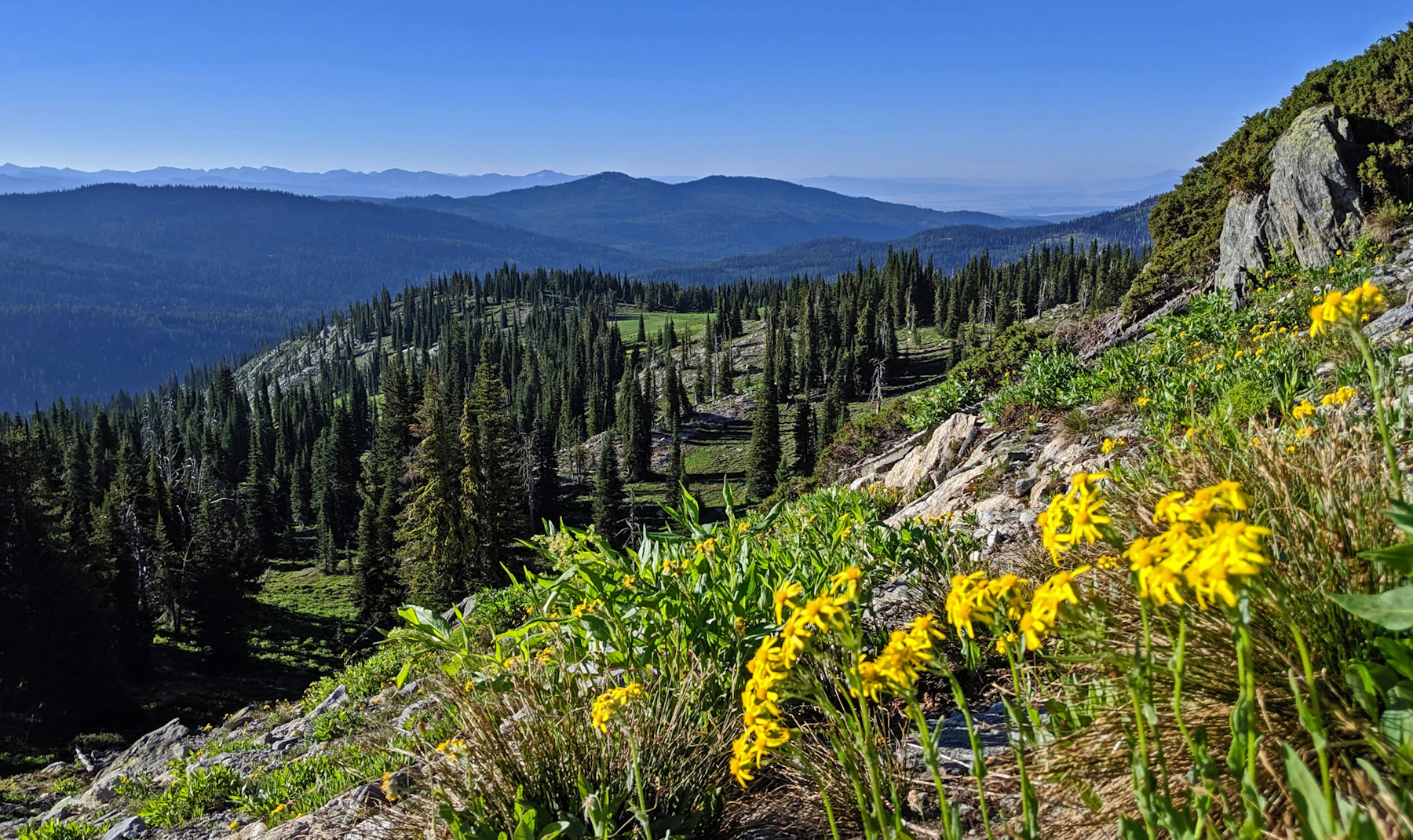
Discover the Payette National Forest, 2.3 million acres of some of west-central Idaho’s most beautiful and diverse country, from desert grasslands to snow-capped peaks. This forest is part of the larger Rocky Mountains ecosystems, charting stark elevations, from the deep recesses of Hell’s Canyon to peaks like North Loon Mountain reaching elevations of almost 9,500 feet.
The Payette contains the largest portion of the Frank Church-River of No Return Wilderness, the second-largest designated Wilderness Area outside Alaska. The Salmon River, often called the “River of No Return,” flows through the forest, providing a vital habitat—and fishing opportunities—for steelhead and a bucket-list destination for whitewater rafting.
Numerous trails and tracks along low-elevation canyons and high peaks offer exciting hiking, biking, horseback riding, and off-roading. Some 400 lakes and reservoirs, along with 4,000 miles of streams, contain up to 46 different fish species. Snowmobiling and cross-country skiing are popular in the winter months.
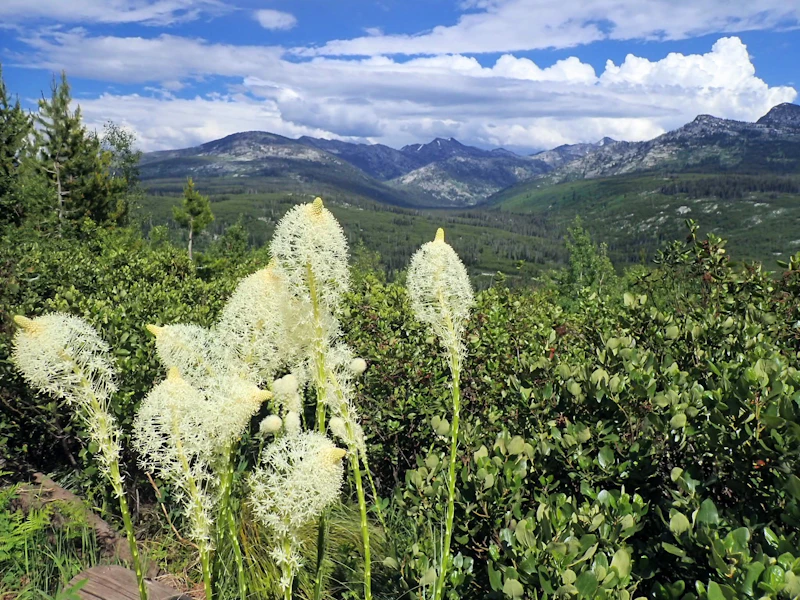 Photo by Dennis Murphy
 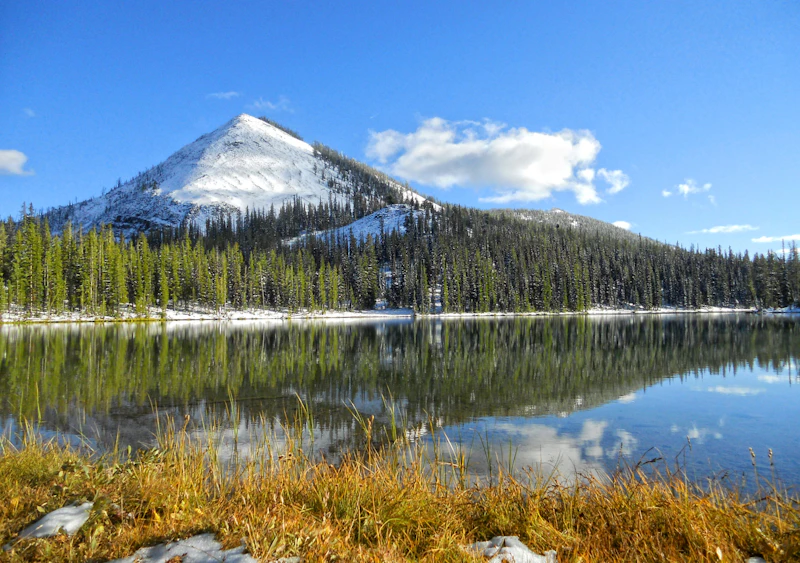 Bear Lake. Photo by Jeese Lutz, courtesy of U.S. Forest Service
 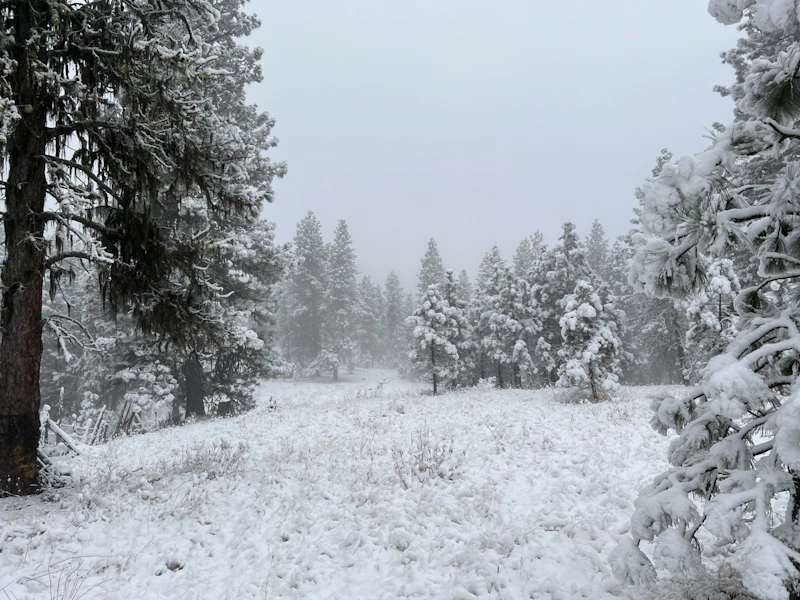 Photo by Jeff Watkins
 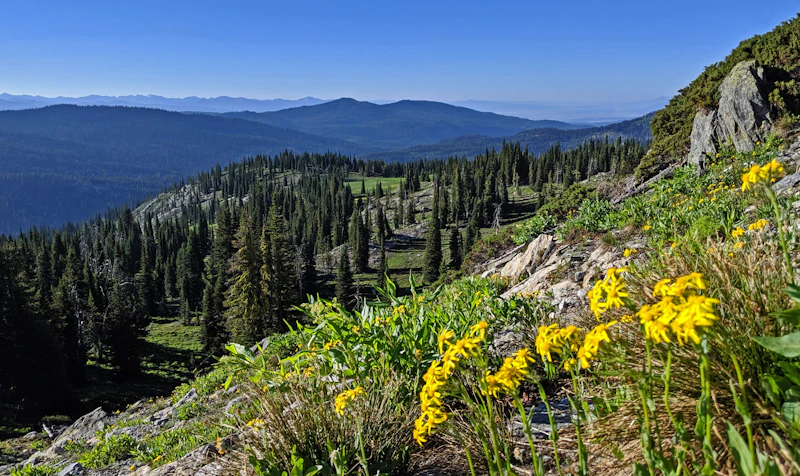 Granite Mountain. Photo by Rebecca Wallick
 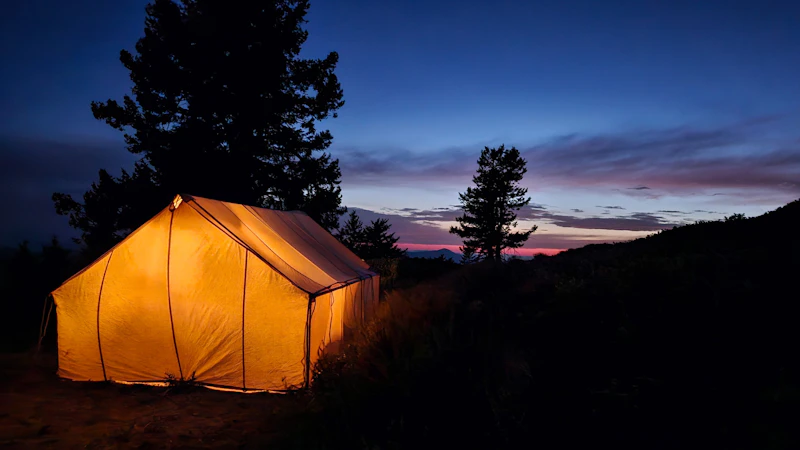 Photo by Wendy Peppersack
 What is the History of the Payette National Forest?
Named after the French-Canadian explorer François Payette, who settled in the region during the early 19th century, when the discovery of gold and other minerals brought miners and settlers. Long before the Europeans arrived, the area was home to Native American tribes such as the Nez Perce, Shoshone, and Paiute.
In 1944, the forest was officially designated as the Payette National Forest. Since then, efforts have focused on conservation, recreation, and sustainable resource use.
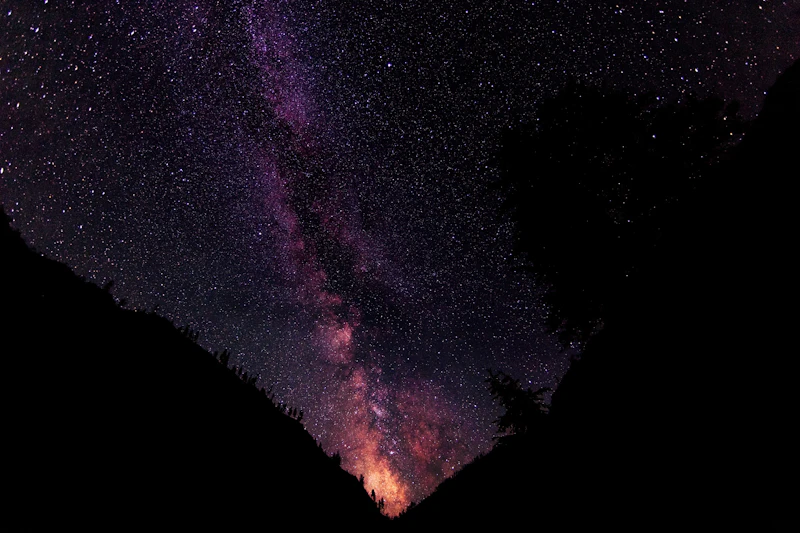
How to Get to the Payette National Forest
Interstate 84 is the primary route from Boise, home to the nearest airport, to the forest’s southern and western entrances. Highway 95, running north-south through Idaho, provides access to the northern and central sections, connecting towns like New Meadows and McCall.
Highway 55, also called the Payette River Scenic Byway, winds from Eagle and Boise up through Horseshoe Bend, Banks, and Cascade, offering a breathtaking route into the forest and toward the gateway hub of McCall.
- Boise, Idaho: 4 to 4.5 hours by car
- Missoula, Montana: 5 to 5.5 hours by car
- Spokane, Washington: 5 to 5.5 hours by car

This river attracts anglers from all over the world for its clear, fast-flowing waters filled with wild trout, including rainbow, cutthroat, and steelhead in certain seasons. Wade in shallow stretches or fish from drift boats for larger runs.
Known for its Class III and IV rapids, this part of the river offers a perfect mix of adrenaline and scenic beauty, winding through steep canyons and dense forests. Guided trips are popular, providing both safety and local expertise.
From the trailhead near Chinook Campground, ascends Loon Lake, a serene alpine lake surrounded by rugged peaks and, beyond its shores, a crash site with a relatively intact WWII aircraft. There are two available routes, six-mile Secesh River Trail, which follows a river, and five-mile Loon Lake Trail, a more direct climb to the lake.
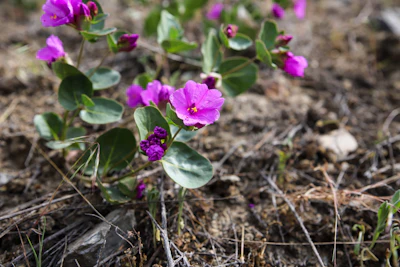 Macfarlane’s four-o’clock This threatened wildflower, recognized by pink to magenta flowers, can be spotted in the Hell’s Canyon area.
 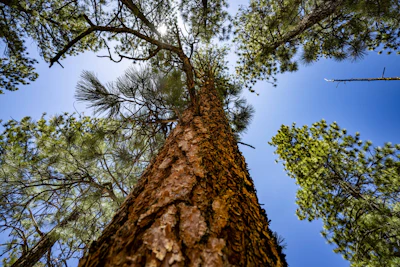 Ponderosa pine One of the most common trees in the forest, this pine is known for its orange-brown bark and can grow over 200 feet tall.
 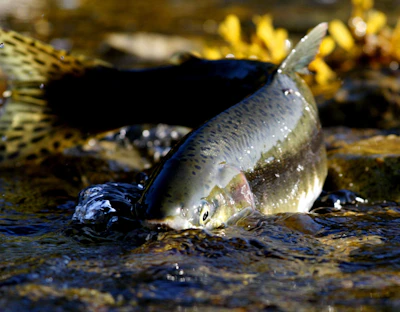 Chinook salmon This keystone species is native to the Salmon River migrates from the Pacific Ocean to the river to spawn.
 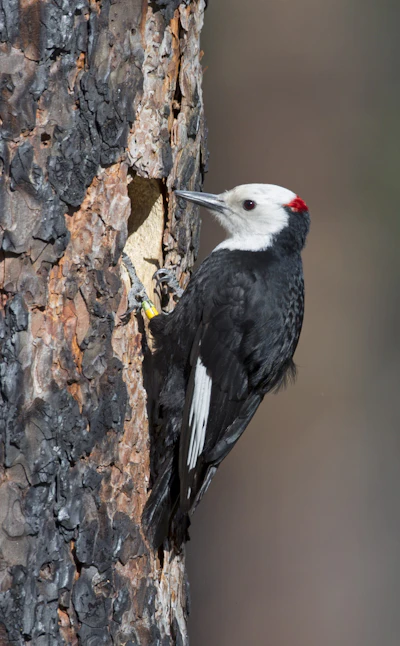 White-headed woodpecker With striking white head, black body, and white wing patches, this species relies on the ponderosa pine, feeding on its seeds and larvae under its bark.
 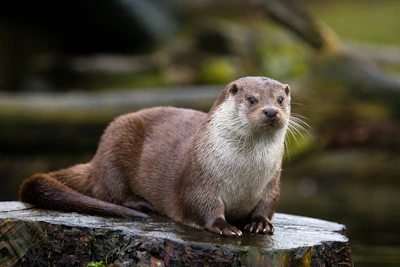 River otter This playful mammal thrives among the various wetlands of the forest, hunting for fish, crayfish, and amphibians.
 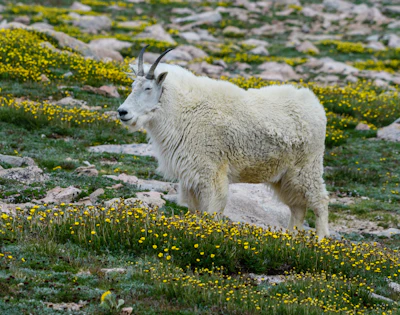 Mountain goat With a white coat and black horns, this agile climber uses rocky slopes to evade predators like mountain lions and eagles.
 Related Impact
Cultivating Leaders in the Mission Mountains
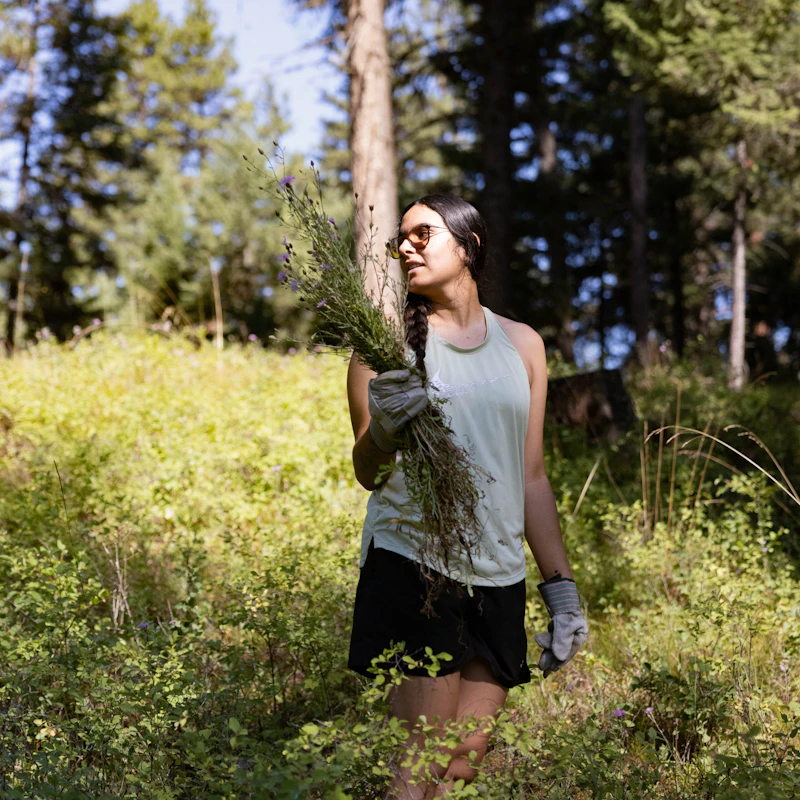
A partnership-driven program connects youth on Montana’s Flathead Reservation with hands-on conservation work, heritage education, and pathways in natural resource careers.
What’s the Best First-Timer’s Adventure in the Payette National Forest
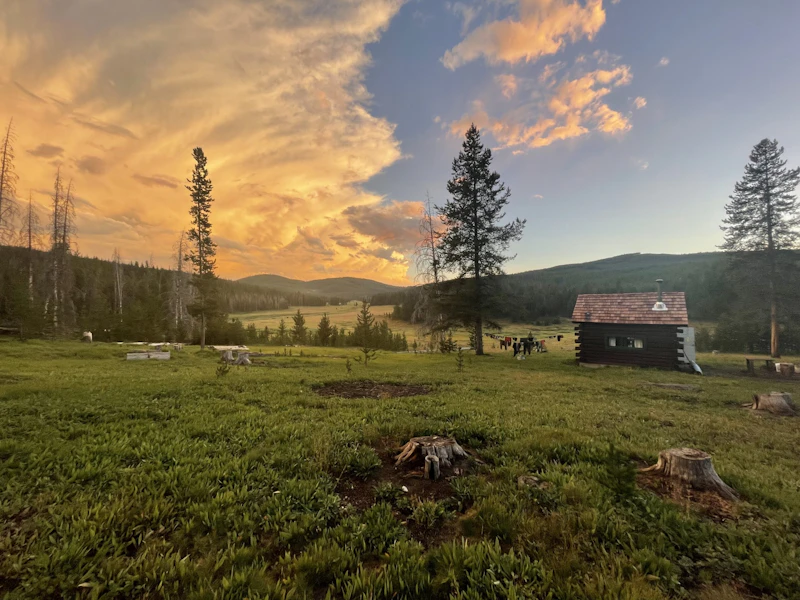
Spend a weekend in a newly renovated cabin set in a tranquil meadow flanked by mountains. The four-person rental cabin at the Burgdorf Guard Station includes a living room, two bedrooms, a kitchen and a full bathroom. A paved road means easy access and nearby Secesh River offers excellent fishing.
Where to Find More Information on the Payette National Forest
For more information or questions, visit https://www.fs.usda.gov/r04/payette.
Discover how communities, volunteers, and partners are shaping the future of our National Forests and Grasslands.
The National Forest Foundation works with partners across Northern Colorado to restore forests, reduce wildfire risk, and care for the…
After years of damage, recovery, and reconstruction, the trail to Hanging Lake has been fully rebuilt, creating a more durable,…
Erosion and wildfire had left Arizona's historic Highline Trail rutted and unsafe. After five years of work with the Tonto…
Forest restoration near Flagstaff is reducing wildfire risk for local communities and safeguarding the water supply for millions across the…
Colorado's 14ers draw thousands of visitors each year, and the pressure on these fragile alpine landscapes is growing. Here's a…
Visitors of all ages can explore forest trails and sparkling waters, discover wildlife and underwater habitats, and connect with Tahoe’s…
A partnership-driven program connecting youth on Montana’s Flathead Reservation with hands-on conservation work, heritage education, and pathways in natural resource…
Seeing the impact first hand on the Grand Mesa, Uncompaghre and Gunnison National Forests
Seven Years of Reopening Trails After the Eagle Creek Fire
Field Ranger Program Connects Diverse Communities to Forests in Southern California
Our Forests Need Us Today.
Your donation powers critical, on-the-ground conservation—from wildfire recovery to watershed restoration—protecting forests for the future.