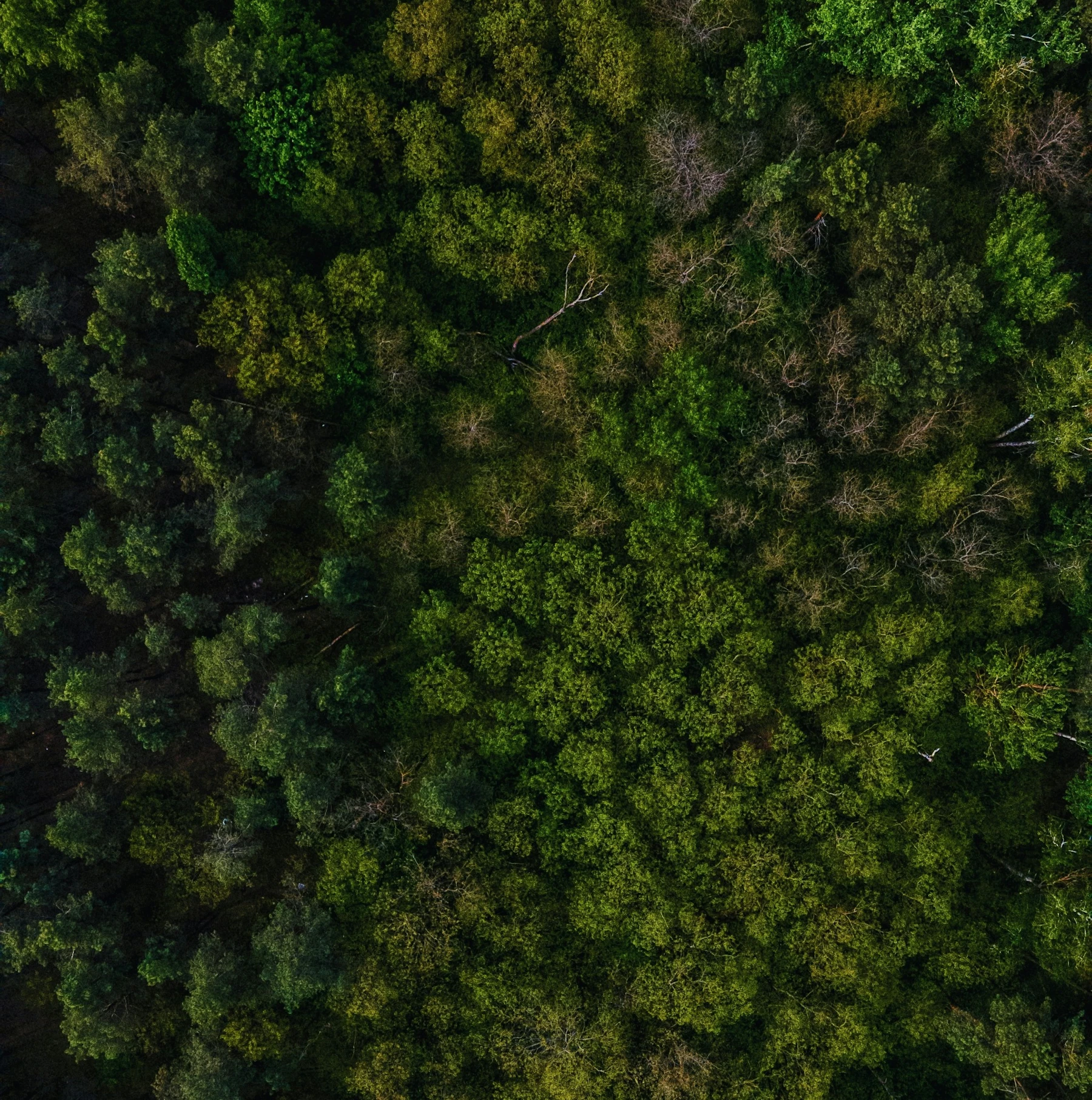
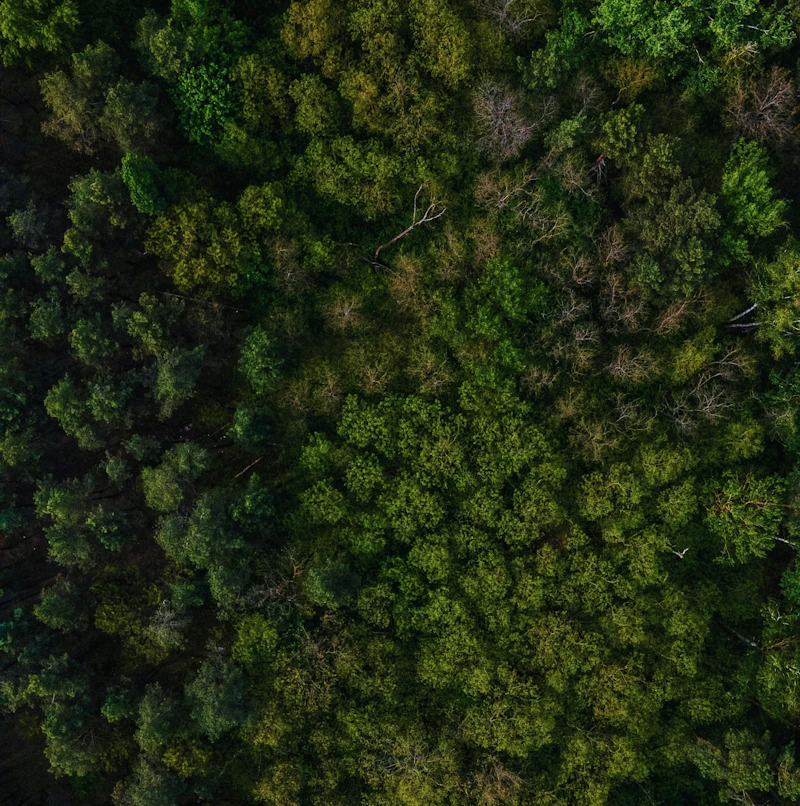
Experience the Salmon-Challis National Forest, 4.3 million rugged and remote acres in east-central Idaho. This forest is a study in superlatives. It contains the state’s tallest mountain, 12,661-foot Borah Peak; the Wild and Scenic Salmon River; and 1.3 million acres of the Frank Church–River of No Return Wilderness Area, the largest wilderness area in the Continental United States.
The forest is a land of clear rivers, deep canyons, and rugged mountains. Along with the Continental Divide, the Salmon River Mountains dominate. Without a major crest, these mountains splay out in numerous minor rises in all directions. Douglas fir and lodgepole pine cover most of the forest, with spruce and fir higher up and ponderosa pine at lower altitudes.
Every year, some 10,000 people float the Middle Fork of the Salmon River, which is one of the last undammed waterways in the country. It’s where steelhead and salmon start and end their long journeys, which offers excellent fishing. Hiking, biking, and horseback riding are popular along hundreds of miles of trails. In winter, areas around peaks that reach up to 12,000 feet make for incredible snowmobiling, cross-country skiing, and even ski-mountaineering.
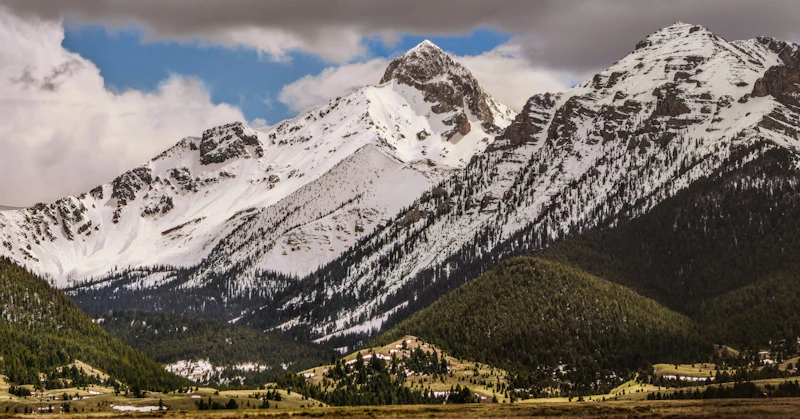 Bell Mountain. Photo by Matthew Durrant
 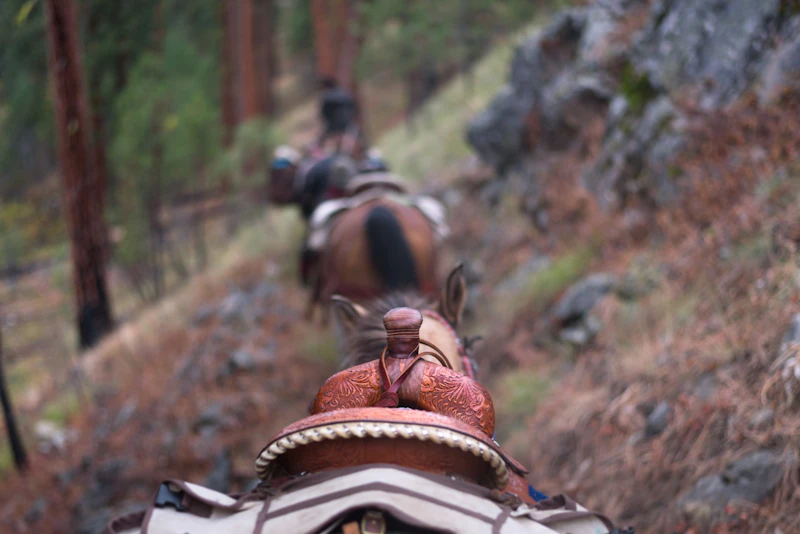 Frank Wilderness. Photo by the U.S. Forest Service
 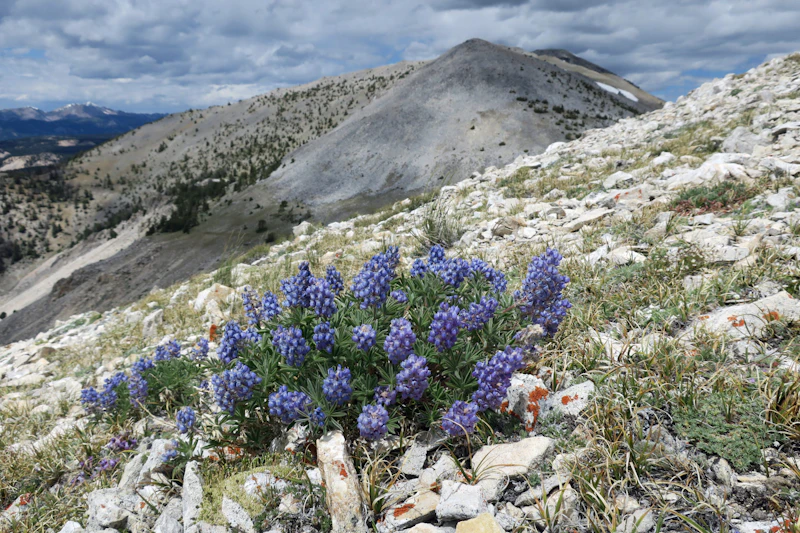 Sheep Mountain lupine. Photo by the U.S. Forest Service
 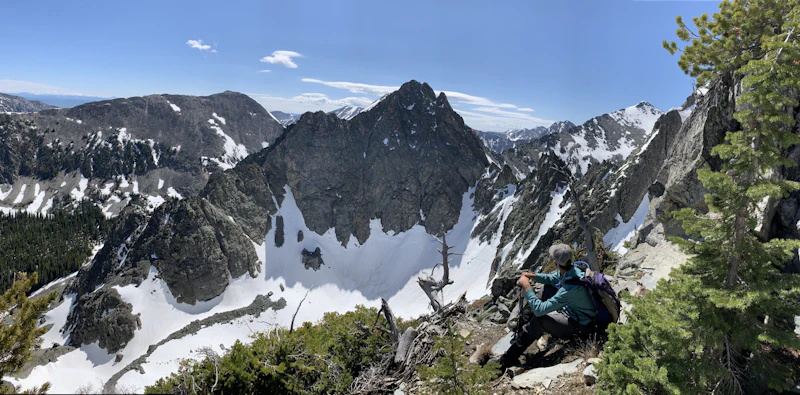 Freeman Peak. Photo by the U.S. Forest Service
  Photo by Jordan Lefler
 What is the History of the Salmon-Challis National Forest?
For thousands of years, the region was home to Native American tribes, including the Shoshone, Nez Perce, and Bannock. European-American explorers, miners, and settlers arrived in the 19th century, drawn by gold, silver, and fertile river valleys. The Salmon National Forest was created in 1903 and the Challis National Forest in 1908. These two forests were merged in 1998.
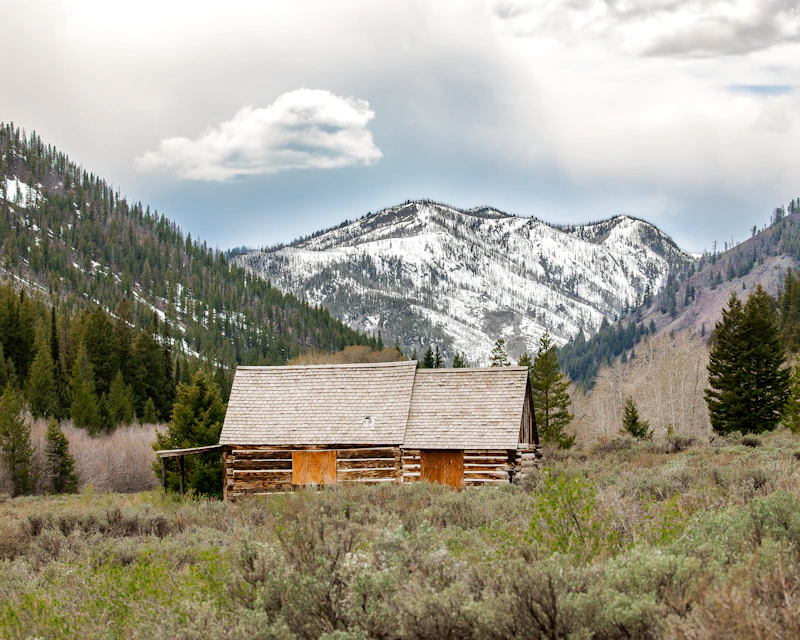
How to Get to the Salmon-Challis National Forest
U.S. Highway 93 serves as the primary north-south corridor for the forest, connecting the key gateway town of Salmon to smaller eastern gateways. From the north, U.S. Highway 20 provides access to the forest’s western areas.
Highway 75, the scenic Salmon River Scenic Byway, links towns like Shoshone and Stanley to the center of the forest, including the Frank Church–River of No Return Wilderness.
- Missoula, Montana: 4 to 5 hours by car
- Bozeman, Montana: 5 to 5.5 hours by car
- Boise, Idaho: 6.5 to 7 hours by car

To reach the top of Idaho’s tallest mountain, hike 3.5 miles over 5,262 feet in elevation. Start at the five-site campground near the trailhead at 7,4000 feet. This steep, rocky scramble requires good fitness and basic mountaineering skills.
This wild, free-flowing river winds through deep canyons, rugged mountains, and pristine wilderness, offering world-class whitewater rafting experiences ranging from Class II to Class V rapids.
This 7.1-mile round-trip trail climbs about 1,700 feet through mixed aspen and conifer forests, meadowlands, and alongside a rushing creek. The final mile requires careful navigation across a rocky scree field before reaching Kane Lake, a stunning lake surrounded by granite peaks.
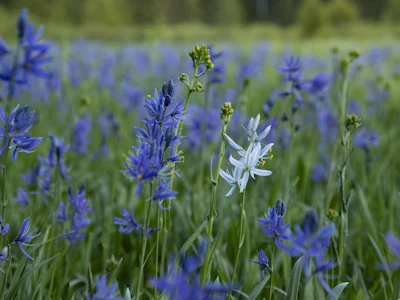 Camas lily Blooming in late spring, its vibrant blue to purple star-shaped flowers carpet meadows across the forest and its bulbs were once an important food source for the Shoshone and Nez Perce.
 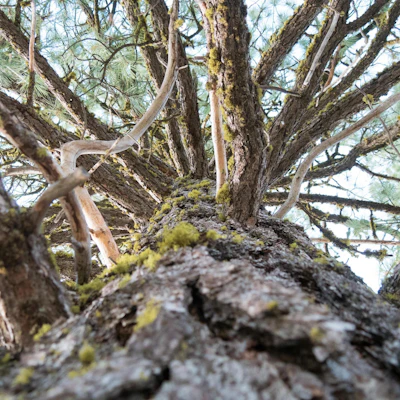 Lodgepole pine The tall and thin conifer plays an important part in regeneration after wildfire, as the resin in its cones melt—and seeds release—only when heated by fire.
 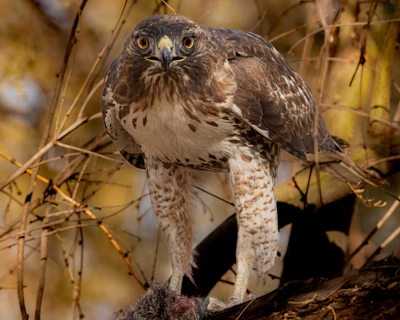 Red-tailed hawk This common raptor, recognized by a reddish-brown tail, often reuse the same tree or cliffside nests year after year.
 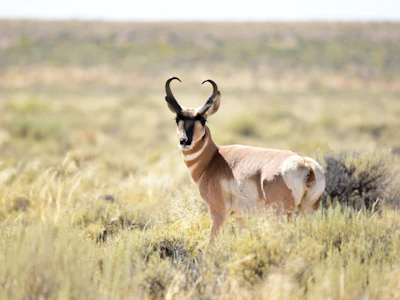 Pronghorn North America’s fastest land animal, this antelope is often seen in herds during spring and fall migrations, providing excellent wildlife viewing.
 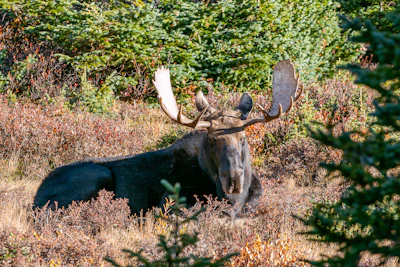 Moose Growing up to six feet tall and weighing up to 1,600 pounds makes this herbivore easy to spot, especially near lakes and rivers.
 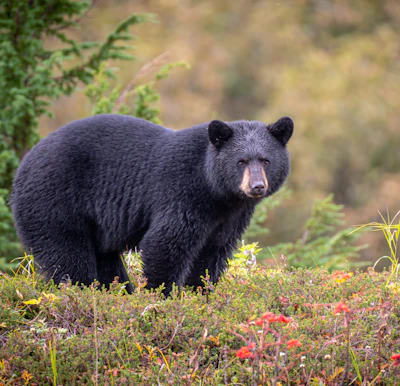 Black bear This medium-sized bear resides in the dense forests and open meadows of the forest, foraging for berries, insects, and small animals.
 Related Impact
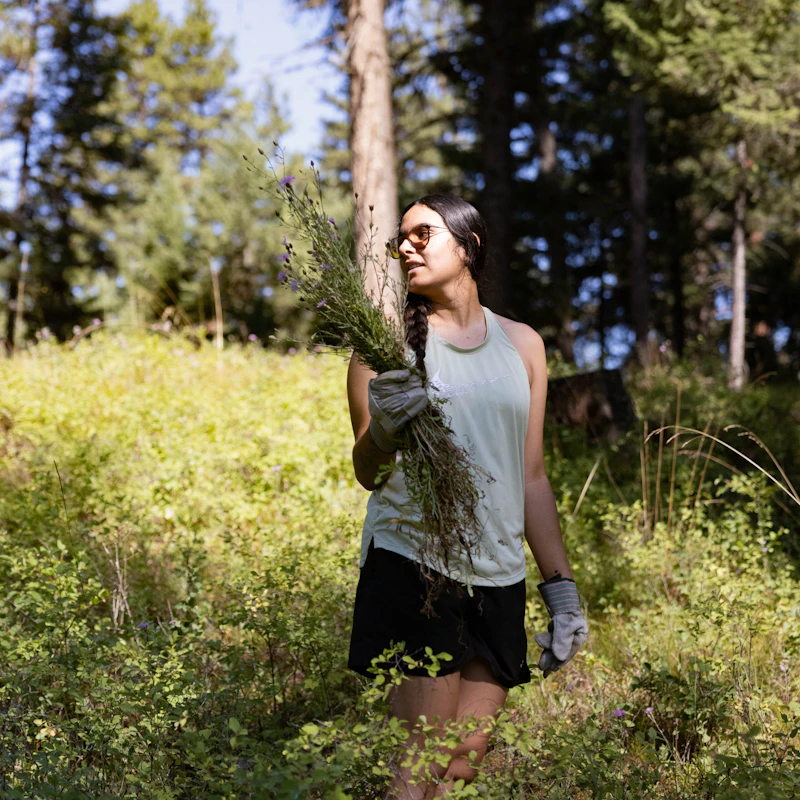
Cultivating Leaders in the Mission Mountains
A partnership-driven program connects youth on Montana’s Flathead Reservation with hands-on conservation work, heritage education, and pathways in natural resource careers.
What’s the Best First-Timer’s Adventure in the Salmon-Challis National Forest
Driving the Salmon River Scenic Byway is one of Idaho’s most breathtaking road trips. This 162-mile route follows the mighty Salmon River, passing deep canyons, historic mining towns, and plenty of scenic pullouts.
Where to Find More Information on the Salmon-Challis National Forest
For more information or questions, visit https://www.fs.usda.gov/r04/salmon-challis.
Discover how communities, volunteers, and partners are shaping the future of our National Forests and Grasslands.
The National Forest Foundation works with partners across Northern Colorado to restore forests, reduce wildfire risk, and care for the…
After years of damage, recovery, and reconstruction, the trail to Hanging Lake has been fully rebuilt, creating a more durable,…
Erosion and wildfire had left Arizona's historic Highline Trail rutted and unsafe. After five years of work with the Tonto…
Forest restoration near Flagstaff is reducing wildfire risk for local communities and safeguarding the water supply for millions across the…
Colorado's 14ers draw thousands of visitors each year, and the pressure on these fragile alpine landscapes is growing. Here's a…
Visitors of all ages can explore forest trails and sparkling waters, discover wildlife and underwater habitats, and connect with Tahoe’s…
A partnership-driven program connecting youth on Montana’s Flathead Reservation with hands-on conservation work, heritage education, and pathways in natural resource…
Seeing the impact first hand on the Grand Mesa, Uncompaghre and Gunnison National Forests
Seven Years of Reopening Trails After the Eagle Creek Fire
Field Ranger Program Connects Diverse Communities to Forests in Southern California
Our Forests Need Us Today.
Your donation powers critical, on-the-ground conservation—from wildfire recovery to watershed restoration—protecting forests for the future.