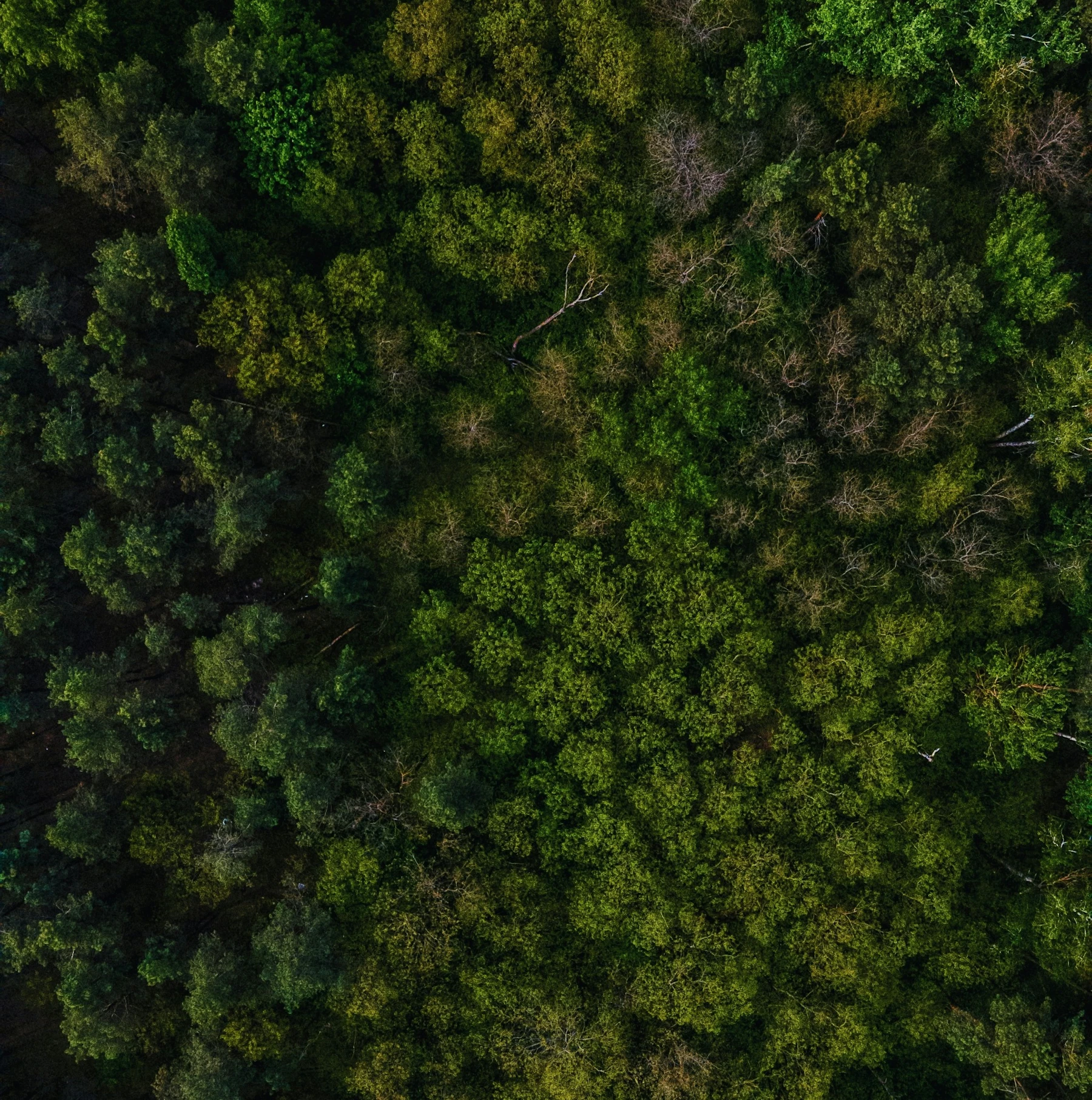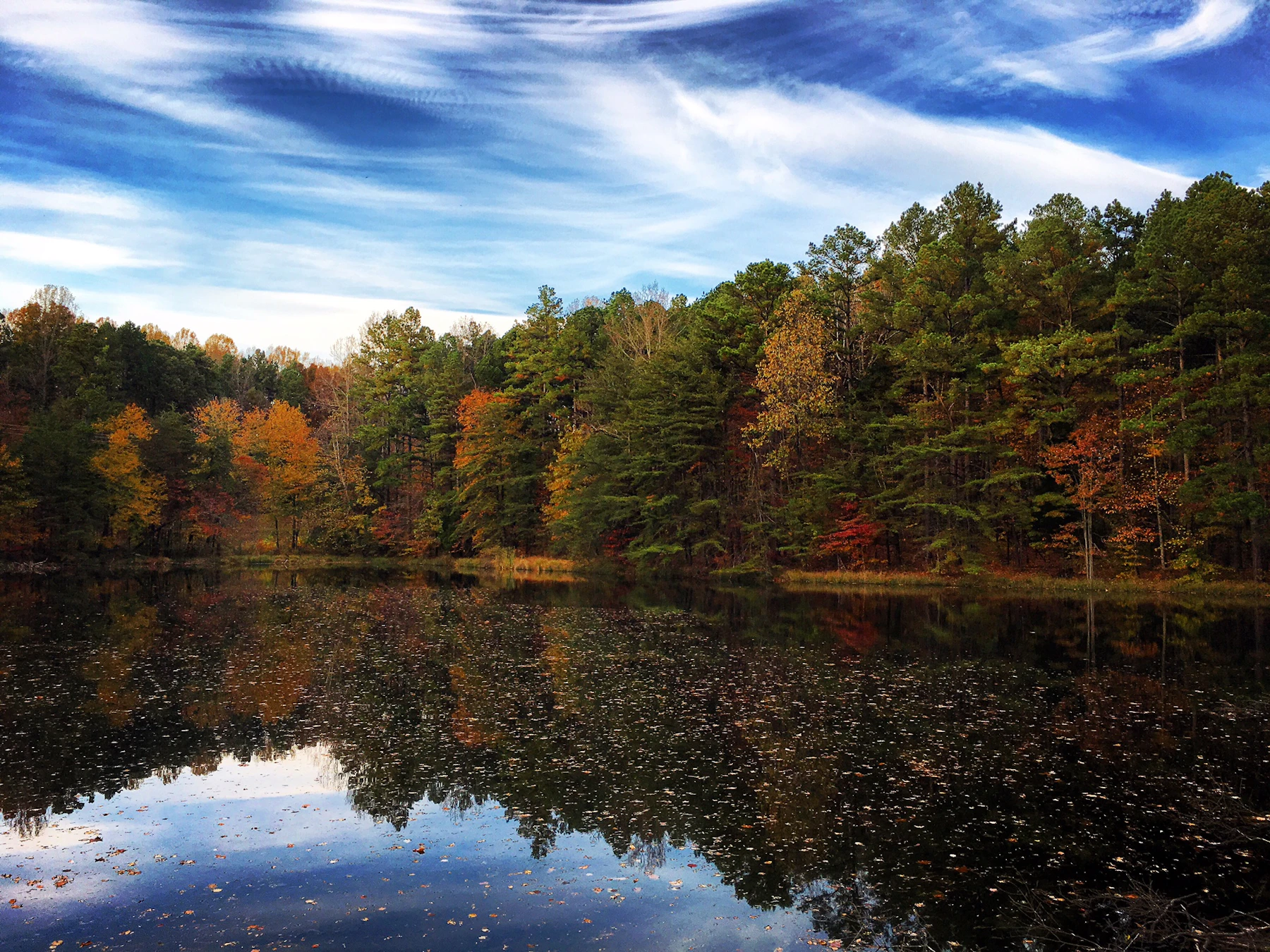
Discover the Hoosier National Forest, more than 200,000 acres of rolling hills, karst formations, and rich hardwoods in south-central Indiana. Unlike many National Forests in the western United States, Hoosier is primarily upland hardwood forest, interspersed with rugged hills, deep hollows, sandstone cliffs, and scenic rivers.
Indiana has one of the best-known karst areas in the United States due to the shifting of massive rock beds over time that developed cracks and faults. Many of these areas can be found in the Hoosier, including Mitchell Plain, home to the majority of the state’s 2,500 caves. Erosion has exposed the geologically older limestones, revealing sinkholes and disappearing streams.
The forest preserves evidence of human history, from Native American artifacts to remnants of 19th- and early 20th-century logging and homesteading. There are also six special wildlife-viewing sites. More than 260 miles of trails offer hiking, biking, and horseback riding, while rivers and lakes support fishing, kayaking, and swimming.
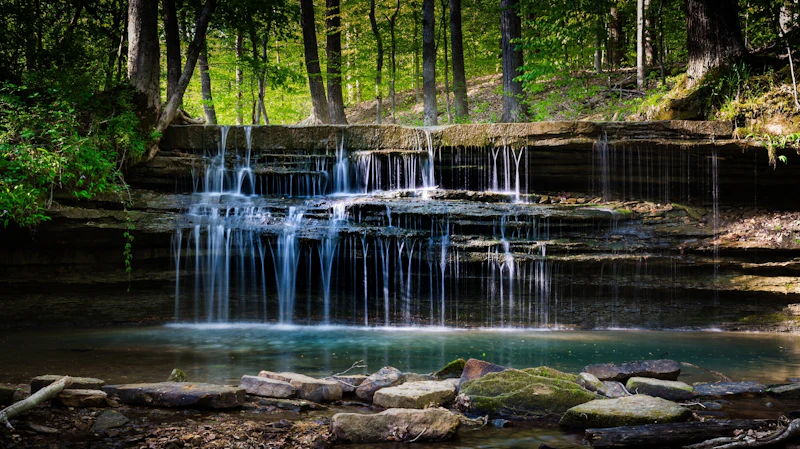 Photo by Duane Bollin
 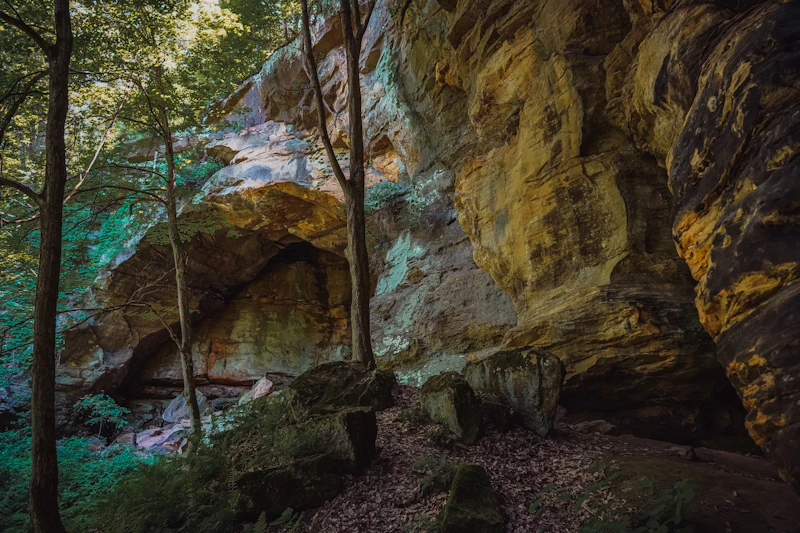 Photo by Duane Bolin
 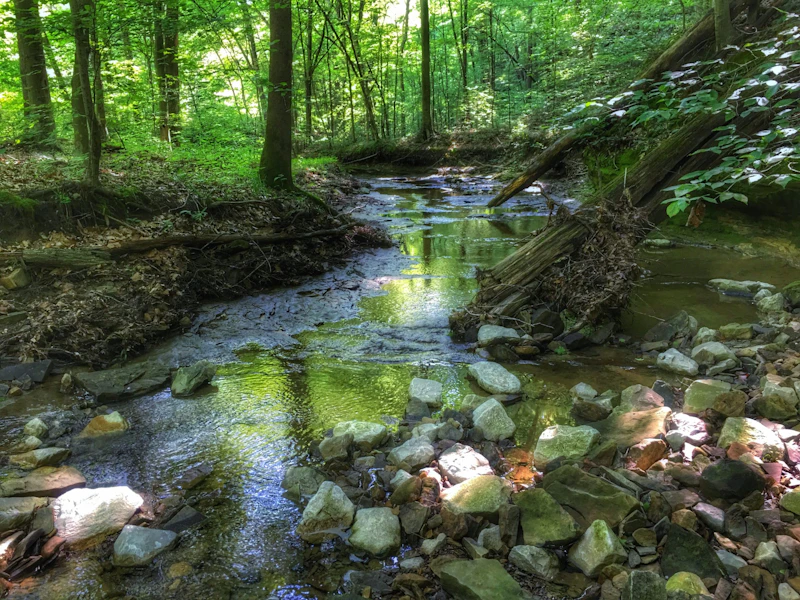 Potts Creek. Photo by Kathleen Ferguson
 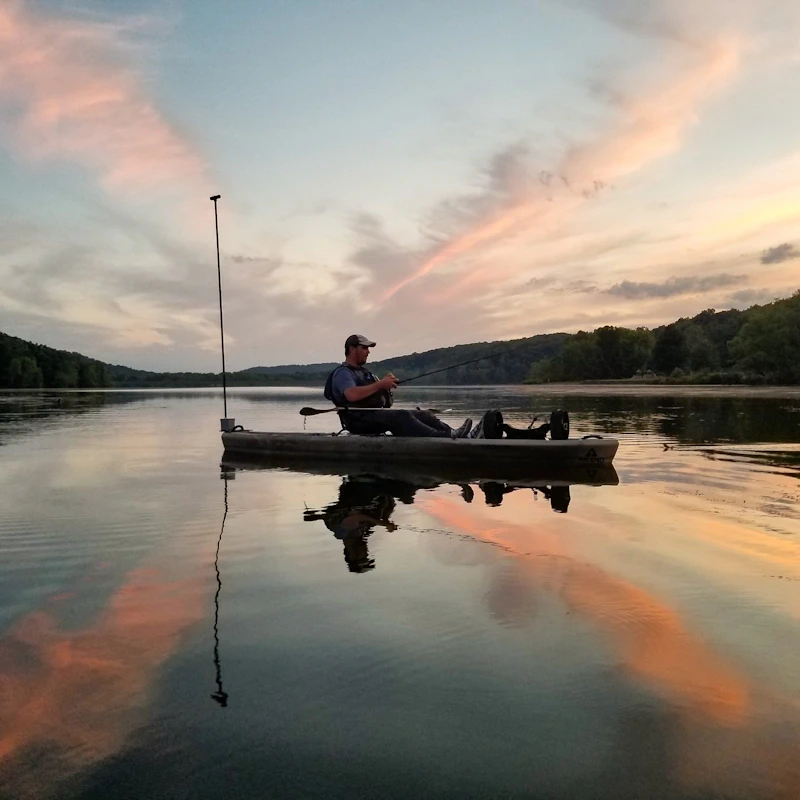 Indian Lake. Photo by Jennifer Wise
 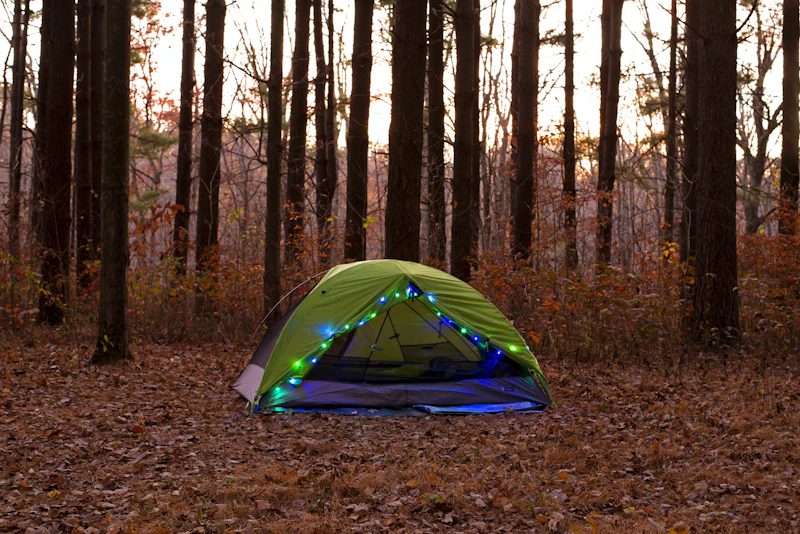 Deam Wilderness. Photo by Nick Peaper
 What is the History of the Hoosier National Forest?
The history of the area that now encompasses Hoosier National Forest stretches back 12,000 years, beginning with Native American tribes, including the Adena, Hopewell, and Shawnee peoples. Today, visitors can see remnants of the forest’s earliest history, including parts of the Buffalo Trace migratory route and petroglyphs.
European settlement in southern Indiana began in the late 18th and early 19th centuries, bringing widespread clearing of forests for agriculture, timber, and charcoal production. The forest was officially established in 1935, preserving both natural and cultural heritage.
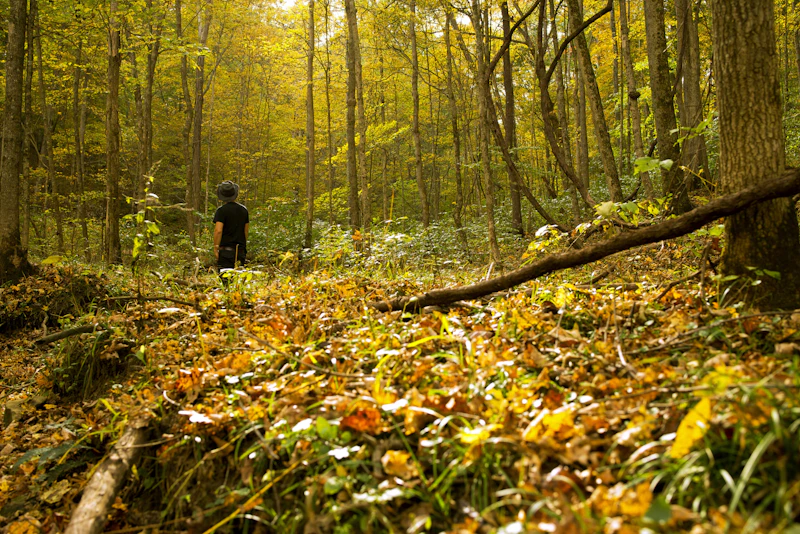
How to Get to the Hoosier National Forest
From the north and cities like Indianapolis, travelers can take Interstate 65 to nearby Bloomington or Mitchell. U.S. Highway 50 and State Road 37 also provide access from eastern and central Indiana, connecting visitors to the forest’s northern and central trailheads.
From the west, Interstate 64 and U.S. Highway 150 provide routes from Evansville and the surrounding region, with easy access to southern sections of the forest near towns like Paoli and French Lick. State Roads 60, 64, and 145 traverse the forest’s interior, linking scenic areas, campgrounds, and trailheads.
- Louisville, Kentucky: 1 to 1.5 hours by car
- Bloomington, Indiana: 1.5 hours by car
- Evansville, Indiana: 1.5 to 2 hours by car
- Indianapolis, Indiana: 2 to 2.5 hours by car
- Cincinnati, Ohio: 3 to 3.5 hours by car

Two cabins in the Hardin Ridge Recreation Area offer a tranquil retreat overlooking beautiful Monroe Lake. Visitors can enjoy hiking trails that wind through rolling hardwood forests, as well as opportunities for fishing, kayaking, and wildlife spotting.
The 110-foot-high tower, now standing guard over the Charles C. Deam Wilderness, was once a sentinel built to protect a fledgling forest from wildfire. Today, it stands as a tribute to its builders, the last lookout tower remaining on the Hoosier National Forest.
Hemlock Cliffs is a valley of special beauty in southern Indiana. Take a one-mile hike through the box canyon to see sandstone rock formations and seasonal waterfalls.
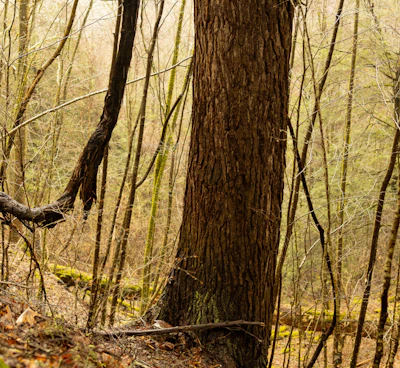 Hemlock This tall evergreen with short needles and small cones thrives in the cool climate of the Hemlock Cliffs area.
  Eurasian teal Recognized by the males’ striking green facial stripe and brown plumage, this duck visits the Hoosier during migration.
 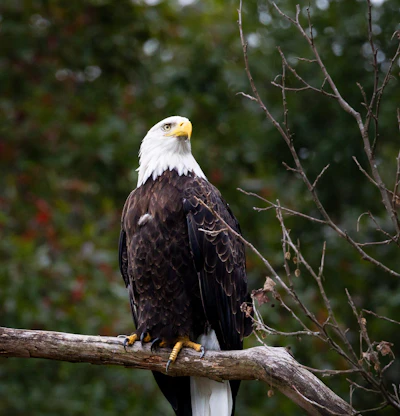 Bald eagle This large raptor, with its striking white head and tail, relies on the forest’s protected waterways, including the Ohio River tributaries and reservoir areas.
 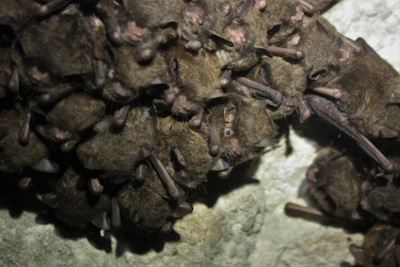 Indiana bat This endangered, mouse-eared bat hibernates in caves during the winter and roosts in tree cavities or bark during the summer.
 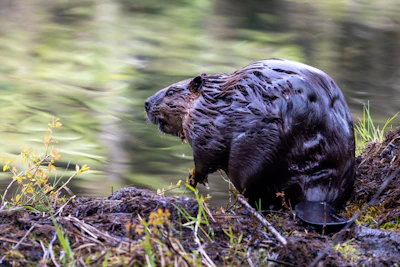 Beaver While nature’s engineer is mostly nocturnal, you may be able to spot a beaver when emerging from a lodge in the Paw Paw Marsh viewing area before sundown.
 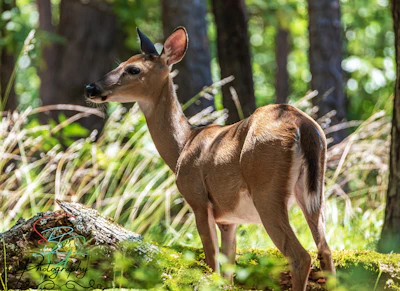 White-tailed deer With a red-brown coat that turns gray in the winter, this deer is frequently spotted throughout the forest. A buck, or adult male, grows antlers annually, which it sheds after mating season.
 What’s the Best First-Timer’s Adventure in the Hoosier National Forest
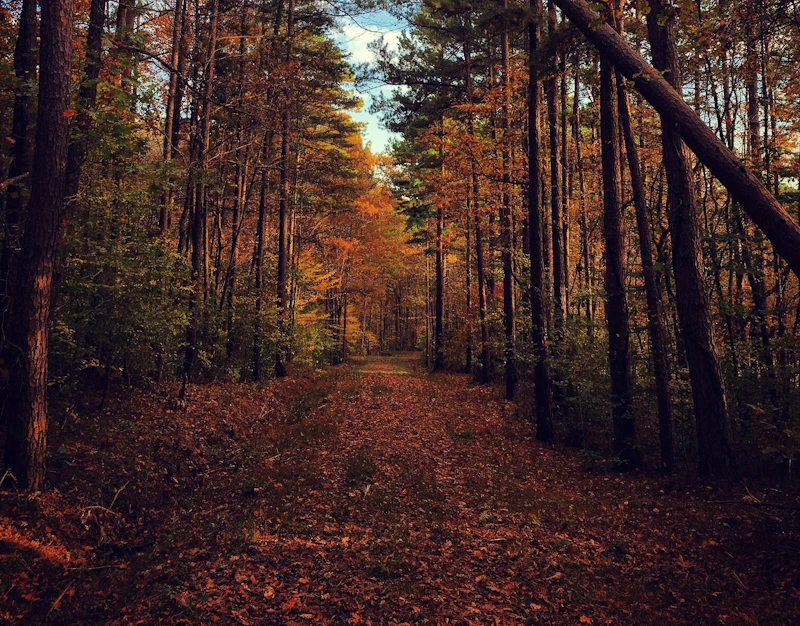
The Hoosier has a number of scenic drives that are especially popular during the fall when colors are at their peak, and in spring when dogwood, redbud, and spring wildflowers bring the woods to life. The Ohio River Scenic Byway, which follows the Ohio River through Ohio, Indiana, and Illinois, winds along the river through the southern portion of the Hoosier.
Where to Find More Information on the Hoosier National Forest
For more information or questions, visit https://www.fs.usda.gov/r09/hoosier
Discover how communities, volunteers, and partners are shaping the future of our National Forests and Grasslands.
The National Forest Foundation works with partners across Northern Colorado to restore forests, reduce wildfire risk, and care for the…
After years of damage, recovery, and reconstruction, the trail to Hanging Lake has been fully rebuilt, creating a more durable,…
Erosion and wildfire had left Arizona's historic Highline Trail rutted and unsafe. After five years of work with the Tonto…
Forest restoration near Flagstaff is reducing wildfire risk for local communities and safeguarding the water supply for millions across the…
Colorado's 14ers draw thousands of visitors each year, and the pressure on these fragile alpine landscapes is growing. Here's a…
Visitors of all ages can explore forest trails and sparkling waters, discover wildlife and underwater habitats, and connect with Tahoe’s…
A partnership-driven program connecting youth on Montana’s Flathead Reservation with hands-on conservation work, heritage education, and pathways in natural resource…
Seeing the impact first hand on the Grand Mesa, Uncompaghre and Gunnison National Forests
Seven Years of Reopening Trails After the Eagle Creek Fire
Field Ranger Program Connects Diverse Communities to Forests in Southern California
Our Forests Need Us Today.
Your donation powers critical, on-the-ground conservation—from wildfire recovery to watershed restoration—protecting forests for the future.