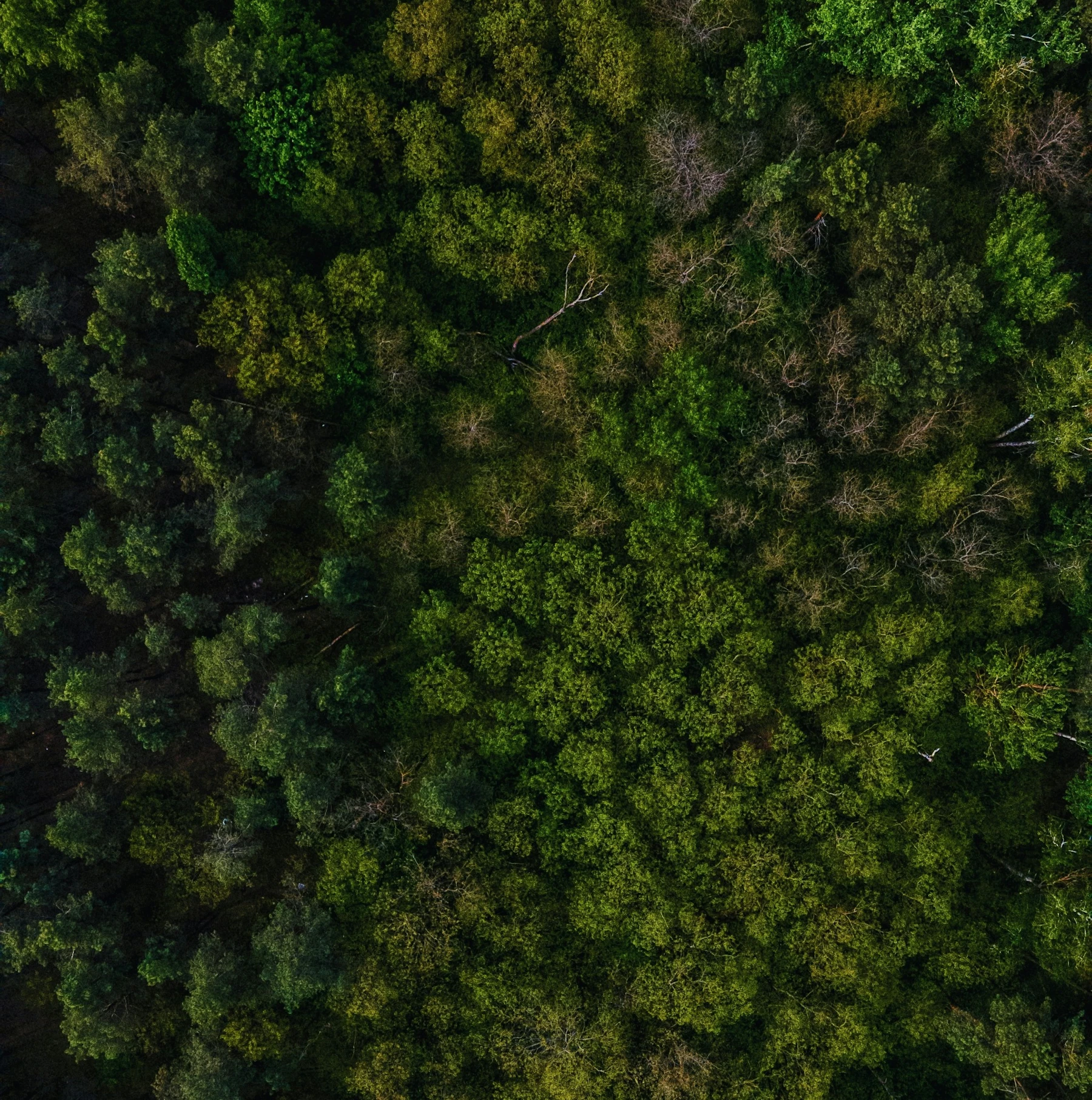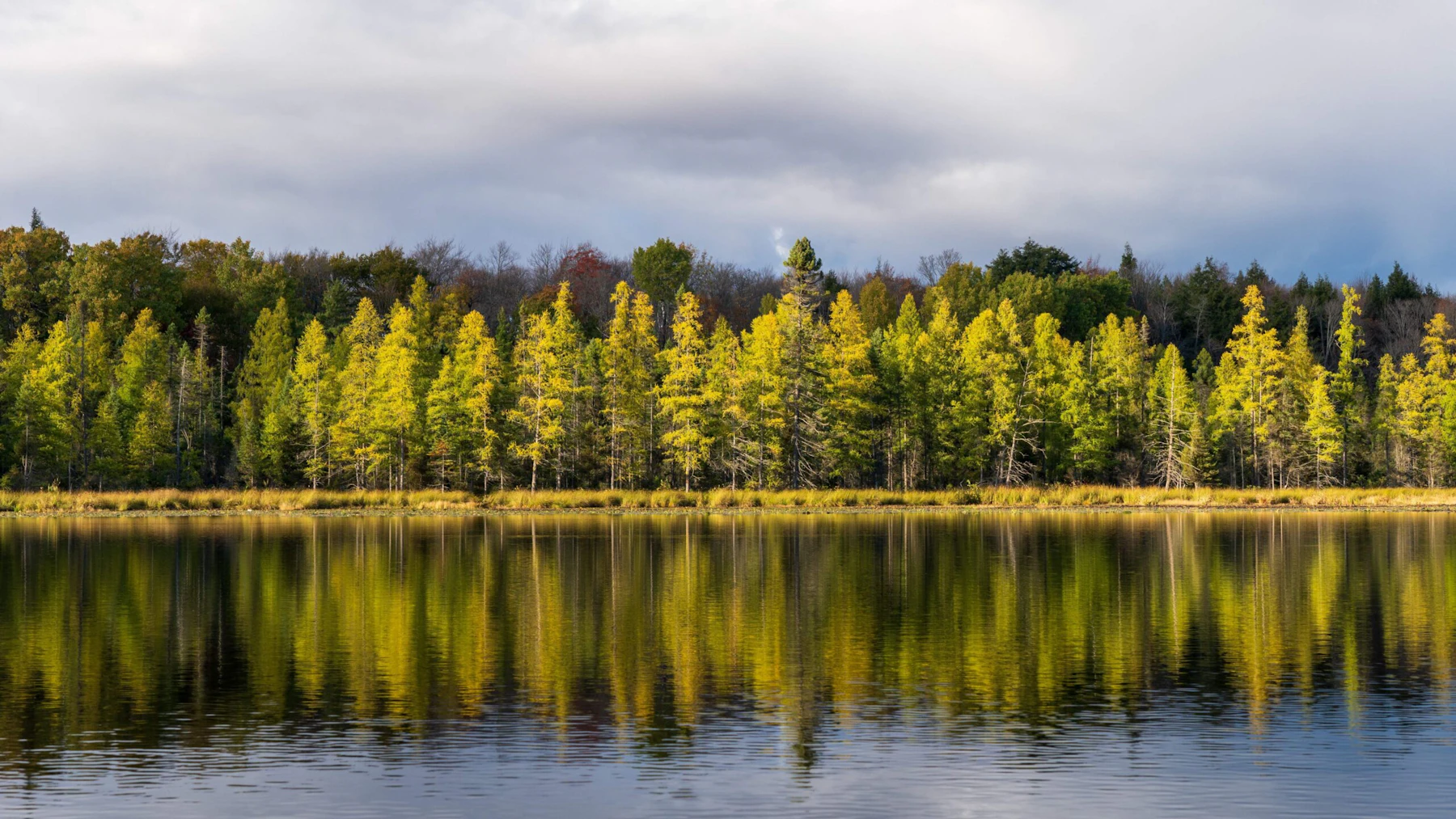
Explore the Ottawa National Forest, one million acres in the western Upper Peninsula of Michigan that extends from the south shore of Lake Superior to the border with Wisconsin. The forest sits within a region shaped by ancient glaciers, which left behind kettle lakes, conifer swamps, and rocky rivers.
Elevations in the Ottawa range from 600 feet at Lake Superior’s shoreline to more than 1,800 feet in the Sylvania Wilderness, one of three Wilderness Areas in the forest. The most dramatic changes are noted near Lake Superior, where the upward shift of the land with its exposed bedrock and resulting bluffs provide homes for cliff nesting Peregrine Falcons.
Part of the headwaters of the Huron, Dead, Pahokee, and the Wild and Scenic Yellow Dog Rivers are contained within the McCormick Wilderness, while Wild and Scenic Sturgeon River is the centerpiece of the Sturgeon River Gorge Wilderness.
The Ottawa National Forest contains over 200 miles of trails for hiking, mountain biking, and horseback riding. Along with many miles of Lake Superior’s shoreline, hundreds of lakes and nearly 2,000 miles of streams are ideal for fishing, paddling, and boating. The scenic Black River National Scenic Byway provides access to a series of waterfalls.
There are several alpine ski areas along the northern portions of the forest, as well as more than 450 miles of cross-country skiing and groomed snowmobile trails within the Ottawa National Forest.
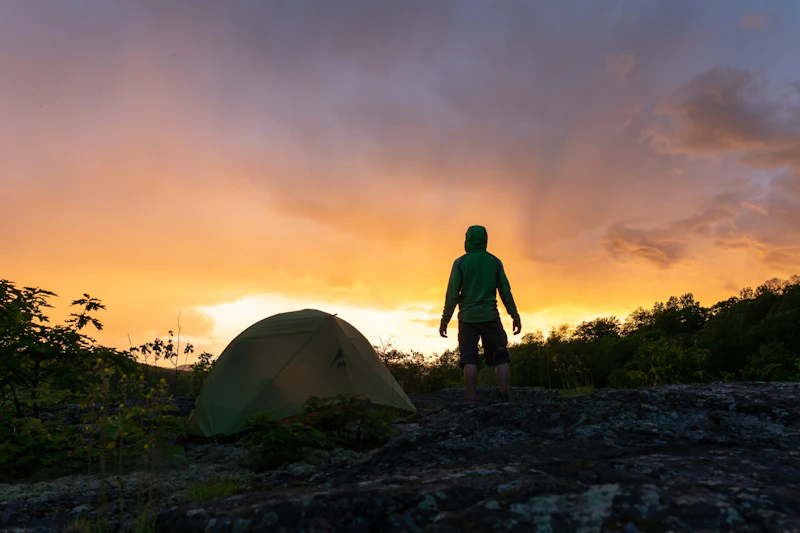 Photo by Nathan Miller
 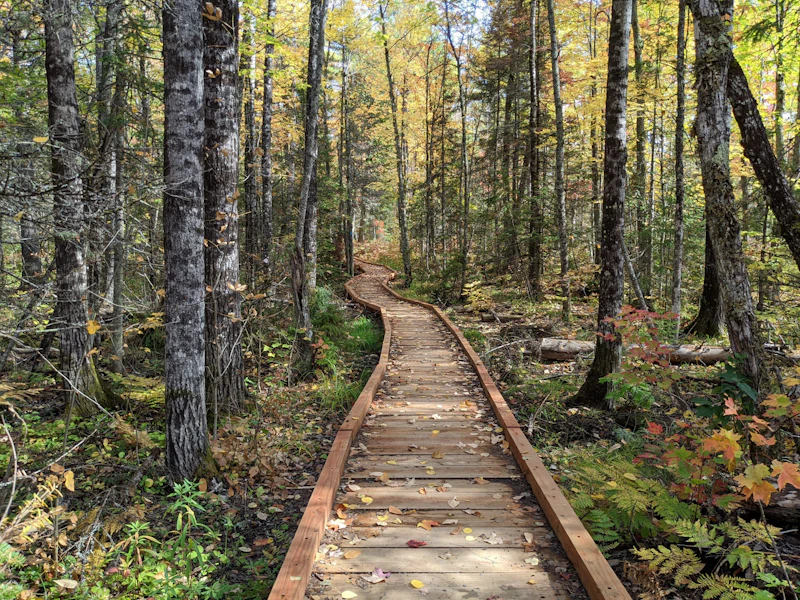 Photo by Nicole Mellin
 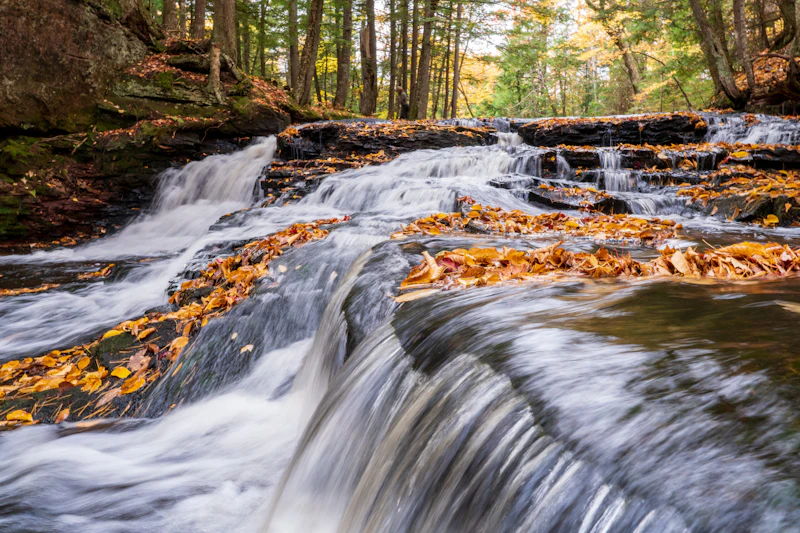 Hogger Falls. Photo by Nathan Miller
 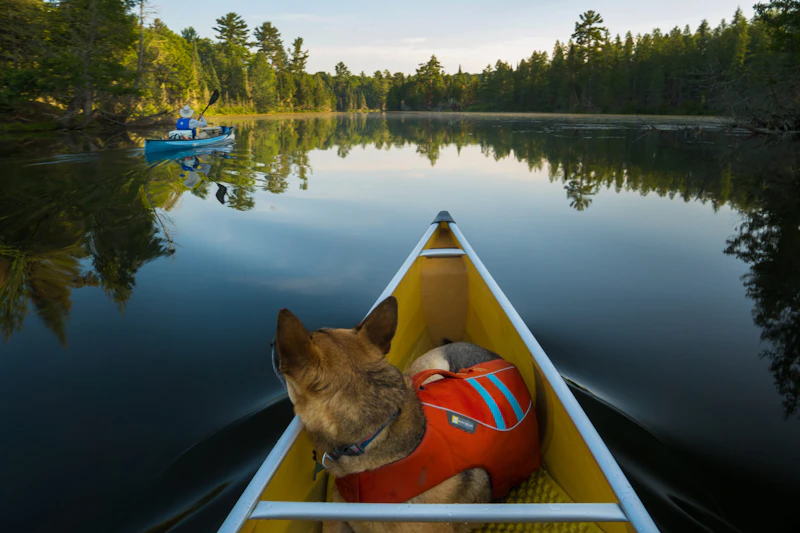 Photo by Christopher Brink
 What is the History of the Ottawa National Forest?
The history of the Ottawa National Forest is deeply intertwined with the heritage of the Ojibwe people and the dramatic environmental changes that reshaped the western Upper Peninsula.
Treaty agreements in the 1800s, including the Treaty of La Pointe, ceded large areas of territory to the United States but reserved tribal rights to hunt, fish, and gather in the region.
In the late 19th and early 20th centuries, white pine and other hardwoods were heavily harvested. Ottawa National Forest was formally established in 1931.
How to Get to the Ottawa National Forest
The main east–west route is U.S. Highway 2, which runs through the southern portion of the forest and connects many key communities. Travelers approaching from the west often enter near the gateway towns of Ironwood and Bessemer and from the east, through Watersmeet.
For north–south access, U.S. Highway 45 runs through the center of the forest, linking Watersmeet to Ontonagon, a lakeshore community on Lake Superior that serves as a major northern gateway. From Michigan’s Keweenaw or Marquette regions, M-28 connects to routes leading south into the forest.
- Duluth, Minnesota: 3 to 3.5 hours by car
- Green Bay, Wisconsin: 3.5 to 4 hours by car
- Madison, Wisconsin: 4.5 to 5.5 hours by car
- Milwaukee, Wisconsin: 5 to 5.5 hours by car
- Minneapolis, Minnesota: 5 to 5.5 hours by car

The Wild and Scenic Sturgeon River travels over the 20-foot volcanic outcroppings of Sturgeon Falls before entering a 350-foot-deep gorge. A one-mile one-way trail leads to the spectacular sight.
Two sections of this epic long-distance trail pass through the Ottawa National Forest: an 80-mile segment from Alberta to Cascade Falls and a 79-mile section from Cascade Falls to Ironwood. For an incredible backpacking tip, consider a few nights on one of these sections, staying in shelters and campgrounds along the trail.
More than 450 miles of groomed trails winding through dense forests, frozen lakes, and scenic river valleys of the Ottawa National Forest. The trails also connect small towns like Watersmeet, Ironwood, and Bessemer, making it easy to refuel.
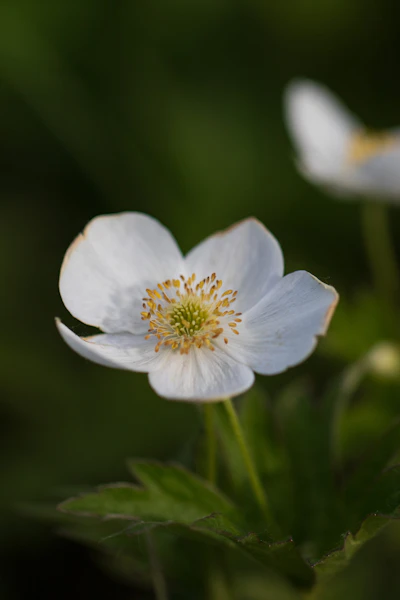 Canada anemone This perennial wildflower produces clusters of white, star-shaped flowers from late spring through summer and helps stabilize soil.
 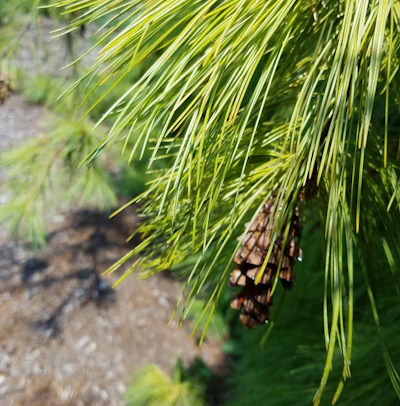 White pine The forest’s signature tree, distinguished by its large cylindrical cones, white pine can live for several centuries and grow up to 150 feet.
 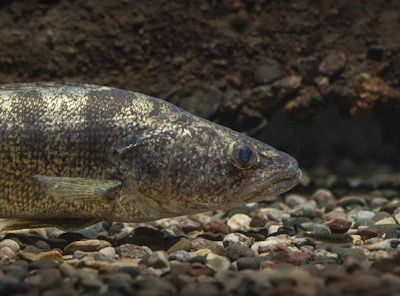 Walleye Known for its nocturnal feeding habits, this game fish is a popular catch during spring spawning runs and evening hours.
 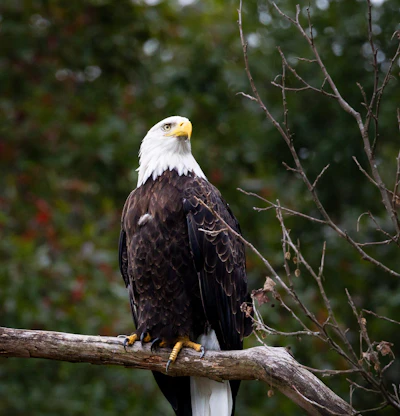 Bald eagle For the best chance of spotting this white-headed bird of prey, head out in the early morning, when it’s more active, to the forest’s creeks, lakes, and reservoirs.
 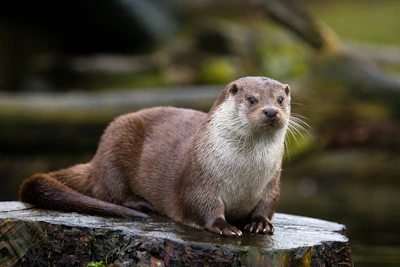 River otter This playful mammal thrives among the various wetlands of Hiawatha, hunting for fish, crayfish, and amphibians.
 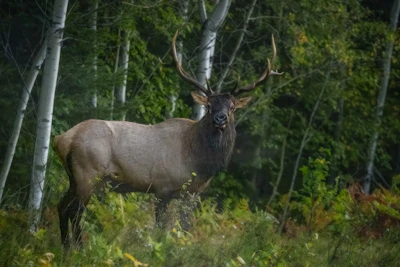 Elk Bulls are large and recognizable by palmate antlers, while females and calves are smaller and more secretive.
 What’s the Best First-Timer’s Adventure in the Ottawa National Forest
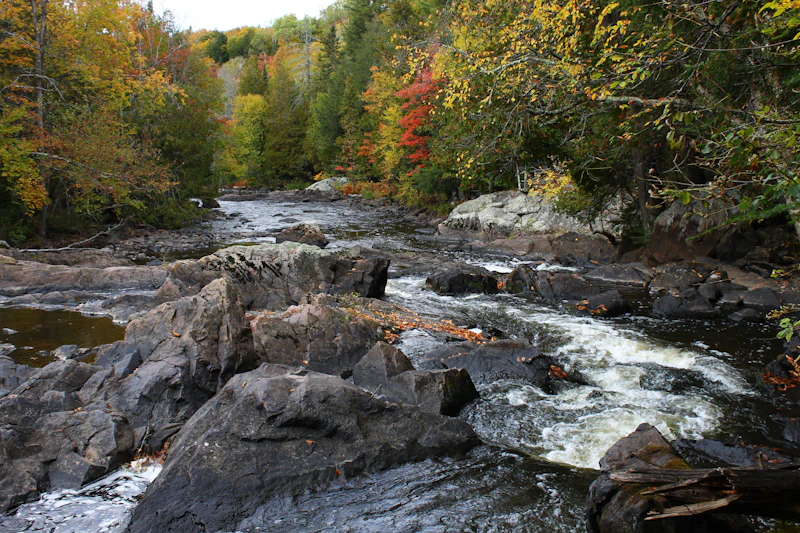
The 15-mile Black River National Scenic Byway, which travels from the town of Bessemer to Lake Superior, follows the Black River and features several stunning waterfalls, including Great Conglomerate Falls and Potawatomi Falls, accessible via short hiking trails and scenic pull-offs.
Where to Find More Information on the Ottawa National Forest
For more information or questions, visit https://www.fs.usda.gov/r09/ottawa.
Discover how communities, volunteers, and partners are shaping the future of our National Forests and Grasslands.
The National Forest Foundation works with partners across Northern Colorado to restore forests, reduce wildfire risk, and care for the…
After years of damage, recovery, and reconstruction, the trail to Hanging Lake has been fully rebuilt, creating a more durable,…
Erosion and wildfire had left Arizona's historic Highline Trail rutted and unsafe. After five years of work with the Tonto…
Forest restoration near Flagstaff is reducing wildfire risk for local communities and safeguarding the water supply for millions across the…
Colorado's 14ers draw thousands of visitors each year, and the pressure on these fragile alpine landscapes is growing. Here's a…
Visitors of all ages can explore forest trails and sparkling waters, discover wildlife and underwater habitats, and connect with Tahoe’s…
A partnership-driven program connecting youth on Montana’s Flathead Reservation with hands-on conservation work, heritage education, and pathways in natural resource…
Seeing the impact first hand on the Grand Mesa, Uncompaghre and Gunnison National Forests
Seven Years of Reopening Trails After the Eagle Creek Fire
Field Ranger Program Connects Diverse Communities to Forests in Southern California
Our Forests Need Us Today.
Your donation powers critical, on-the-ground conservation—from wildfire recovery to watershed restoration—protecting forests for the future.