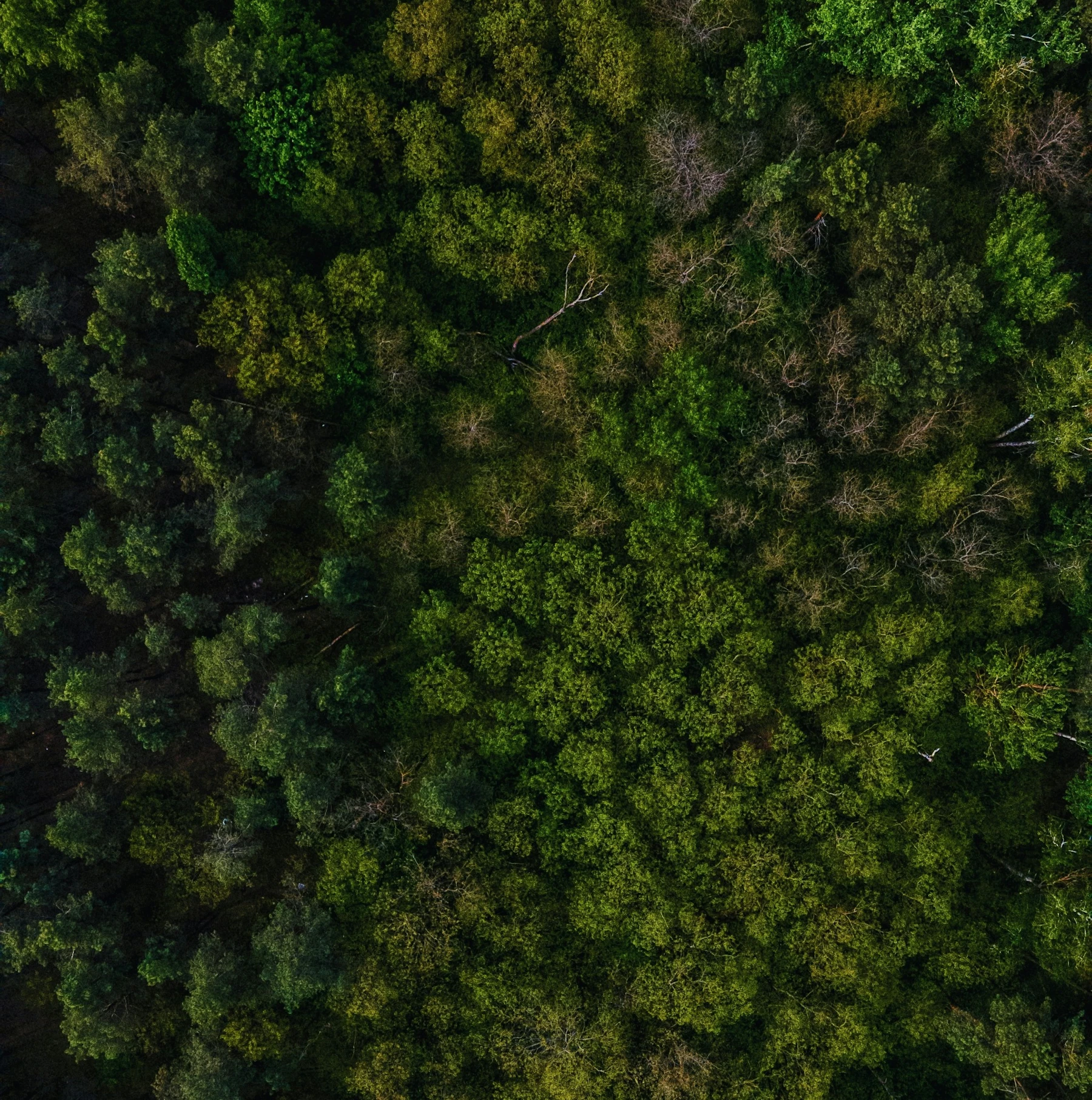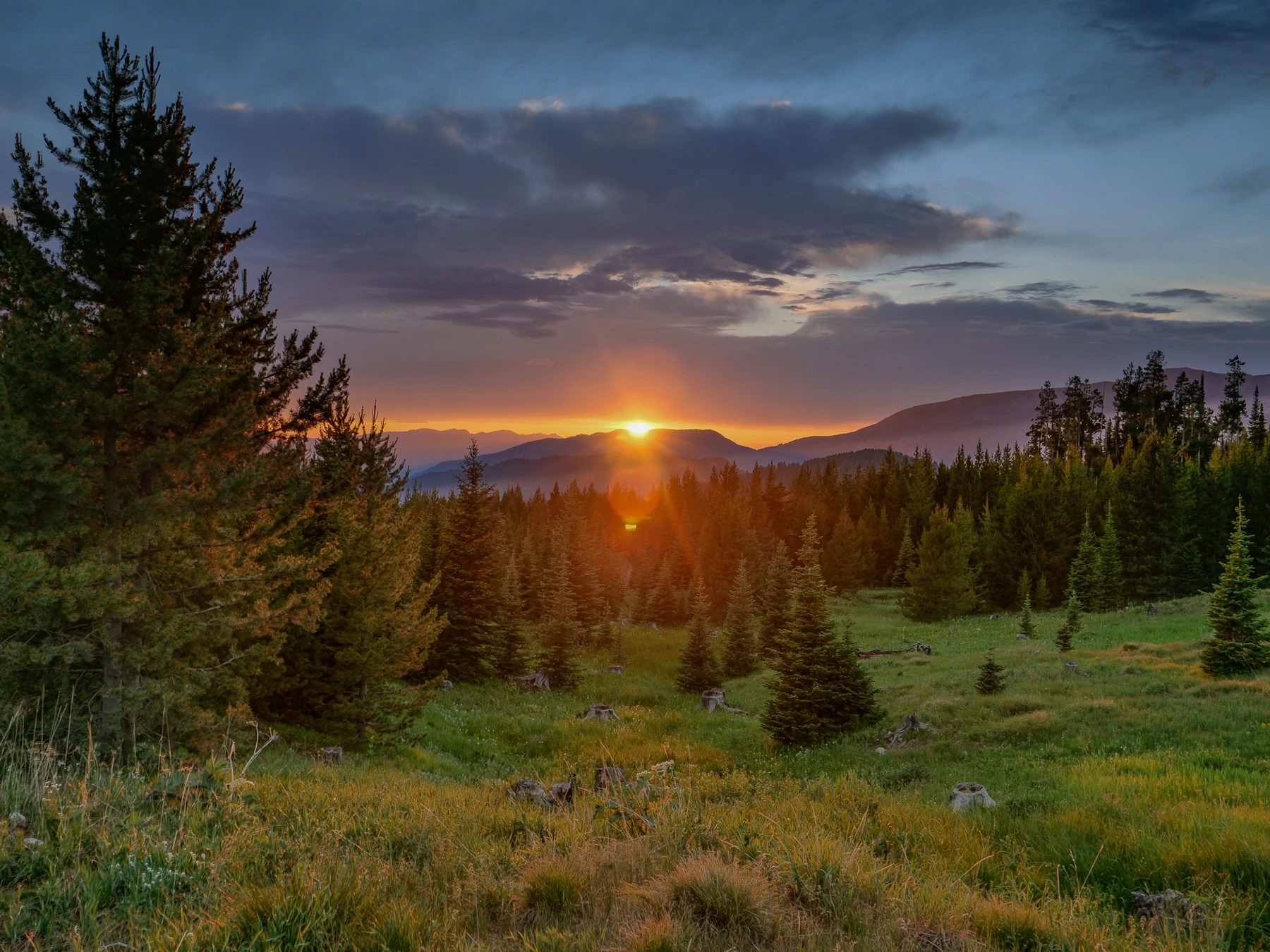
Uncover the Custer Gallatin National Forest, three million-plus acres in southeast Montana to northwest South Dakota that make up one of the most visited forests in the Northern Rockies. The forest stretches from the rugged Absaroka-Beartooth Wilderness Area to the northern edge of Yellowstone National Park, providing a less crowded alternative.
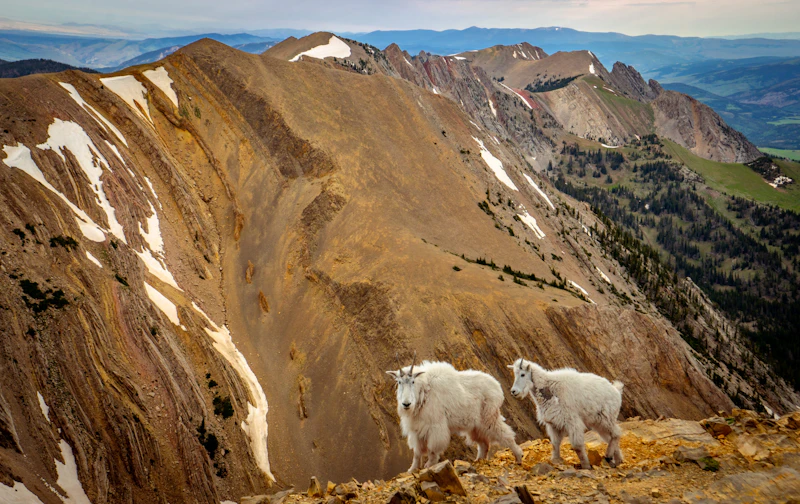
The Custer Gallatin National Forest is home to 12,799-foot Granite Peak, the tallest mountain in Montana. Granite Peak is located in the Absaroka-Beartooth Wilderness Area and reached via three arduous 21- to 25-mile roundtrip treks. Despite its reputation as the toughest state high-point in the lower-48 states, Granite Peak attracts hundreds of climbers each year.
The Custer Gallatin is an integral part of the Greater Yellowstone Ecosystem, home to a vast array of wildlife and critical wildlife corridors that serve as buffer zones for nearby Yellowstone National Park. The forest’s diverse habitats also support threatened species, making it a priority for conservation efforts.
Recreational activities abound year-round. In the warmer months, visitors can enjoy thousands of hiking and biking trails and just as many miles of fishable streams and rivers, plus camping, horseback riding, and rock climbing. Winter transforms the area into a haven for skiing, snowmobiling, and snowshoeing, throughout the backcountry and resorts like Bridger Bowl and Red Lodge Mountain.
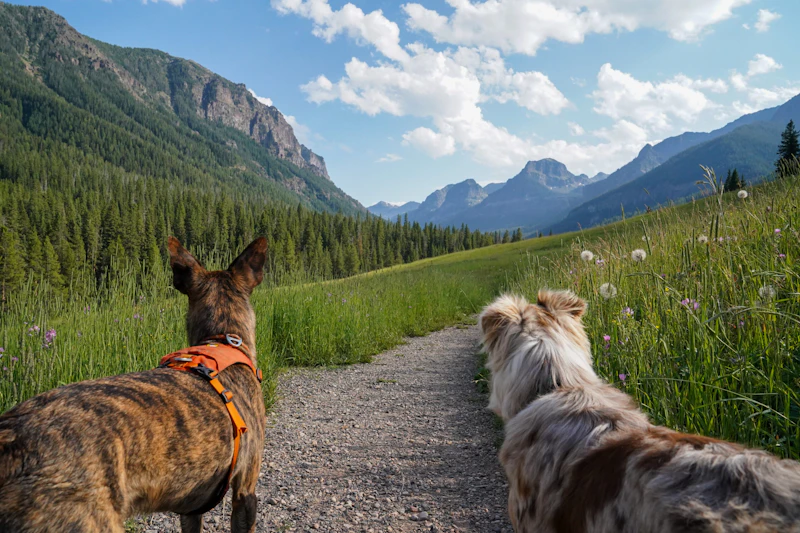 Photo by Megan Brief
 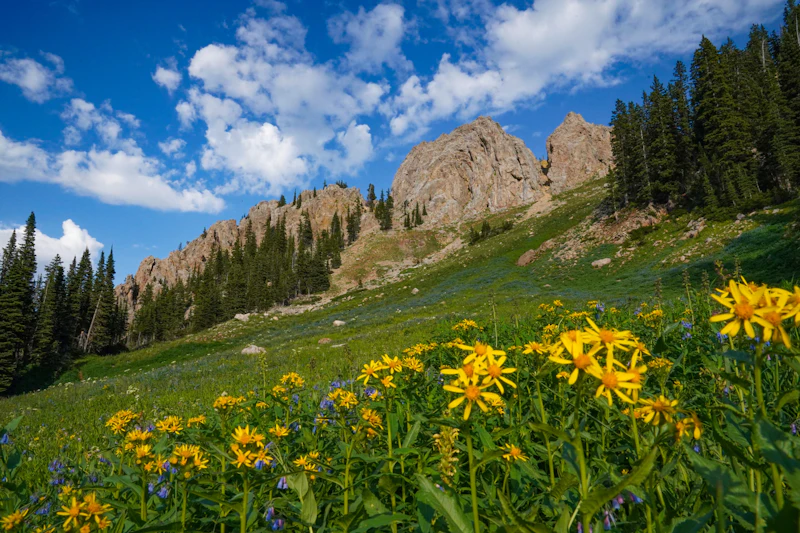 Alpine meadow near Frazier Lake. Photo by Megan Brief
 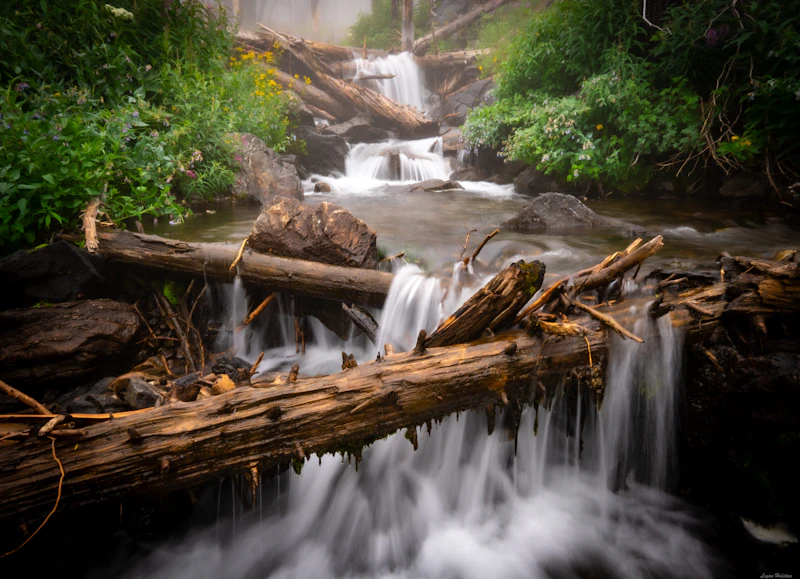 Beartooth Mountains. Photo by Logan Holstien
 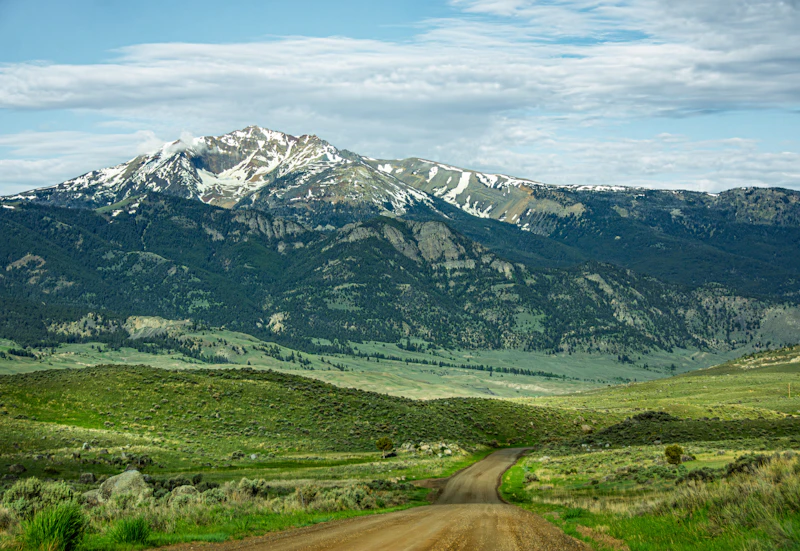 Photo by Jacqueline Boesinger-Meredyk
 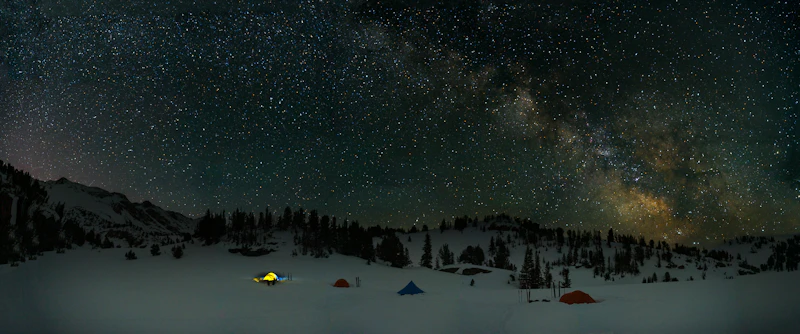 Photo by David Moxness
 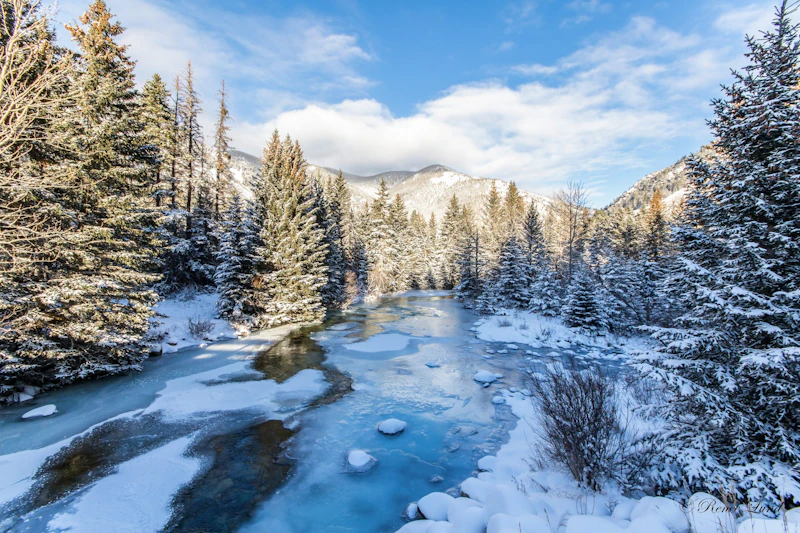 Beartooth Mountains. Photo by Renee Lund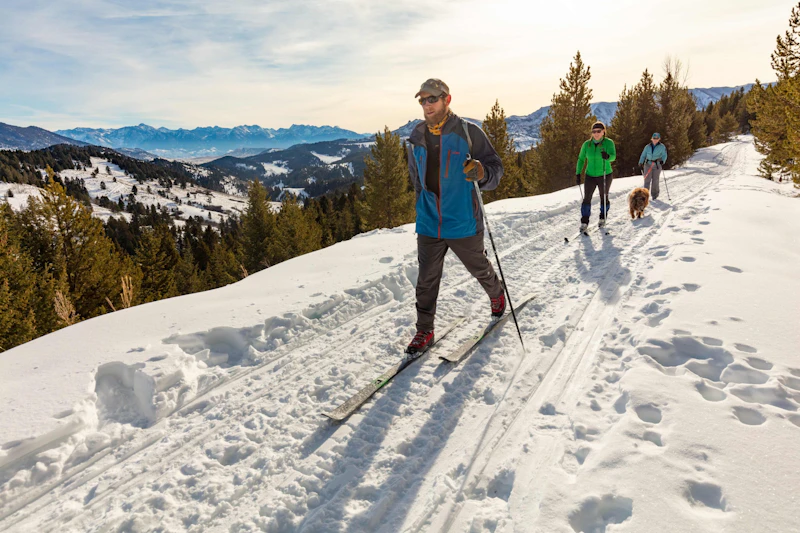
What is the History of the Custer Gallatin National Forest?
Originally managed as two separate forests, the two were administratively combined in 2014 to streamline operations and management. Though merged in name, both forests have distinct historical roots dating back to the early 20th century.
Gallatin National Forest was established in 1899, making it one of the oldest National Forests in the United States. Named after Albert Gallatin, a former U.S. Secretary of the Treasury, it originally formed part of the Yellowstone Forest Reserve. It borders the north and west sides of Yellowstone National Park, and has long played a role in protecting the greater Yellowstone ecosystem.
The Custer National Forest was established in 1907, named after General George Armstrong Custer. Much of this area was historically inhabited by Indigenous tribes, including the Crow, Northern Cheyenne, and Sioux. Their use of the land predates European-American settlement by centuries, and many areas within the forest remain culturally and spiritually significant to these communities.
Today, the Custer Gallatin National Forest serves as a vital part of both ecological preservation and recreation in the Northern Rockies. Its historical legacy continues to evolve, balancing environmental conservation with diverse needs.
How to Get to the Custer Gallatin National Forest
One of the main ways to get to the Custer Gallatin National Forest is via Interstate 90, which runs east-west across Montana. It connects major gateways like Bozeman and Billings, both of which have international airports.
To reach the Gallatin Range and Hyalite Canyon, enter via Bozeman; to reach the Absaroka Mountains, enter via Livingston; to reach the forest’s eastern edge, enter via Ashland.
- Bozeman, Montana: Half-hour to 1.5 hours by car
- Billings, Montana: 1.5 to 2 hours by car
- Great Falls, Montana: 3 hours by car
- Missoula, Montana: 3.5 to 4 hours by car
- Idaho Falls, Idaho: 3.5 to 4 hours by car

This adventure-packed recreation area is one of the most popular attractions in the Custer Gallatin National Forest. There’s excellent hiking in the summer, such as the family-friendly, half-mile Palisade Falls Trail, and incredible ice climbing in the winter, with dozens of frozen waterfalls offering options for all skill levels.
For breathtaking views of the Beartooth Mountains, embark on this 9.25-mile loop that has three trailheads off of Beartooth Scenic Byway. The trail passes three fishable lakes, including Gardner Lake, as well as a wildlife-filled plateau.
Located just a half-hour north of Bozeman, on the western edge of the Custer Gallatin National Forest, Bridger Bowl is known for its challenging terrain, deep powder, and local charm. It has more than 2,000 skiable acres, vertical drop of 2,700 feet, and 300-plus inches of snowfall annually.
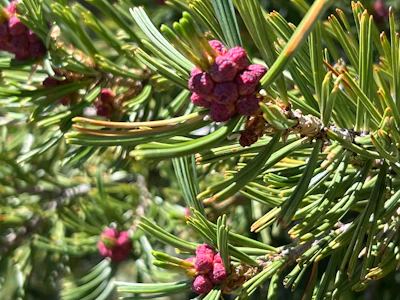 Whitebark pine This high-elevation conifer, a keystone species that provides critical food and shelter for species from squirrels to grizzly bears, has experienced rapid decline as a result of invasive fungal disease and species, like the mountain pine beetle.
 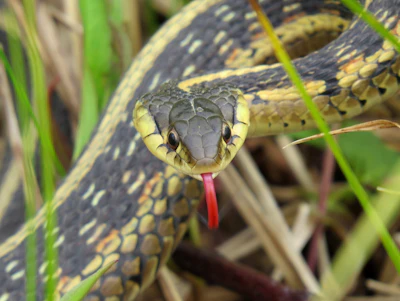 Garter snake This non-venomous species thrives in high-elevation regions and are important for controlling amphibian populations. During the winter, it hibernates in dens, often communally.
 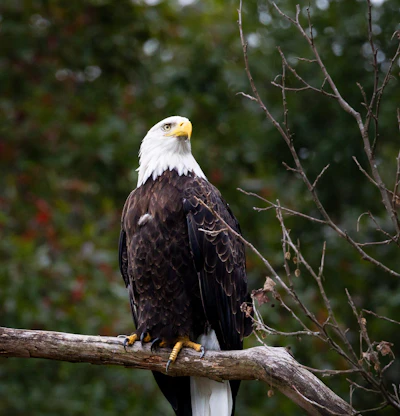 Bald eagle For the best chance of spotting this white-headed bird of prey, head out in the early morning, when it’s more active, to the forest’s creeks, lakes, and reservoirs.
 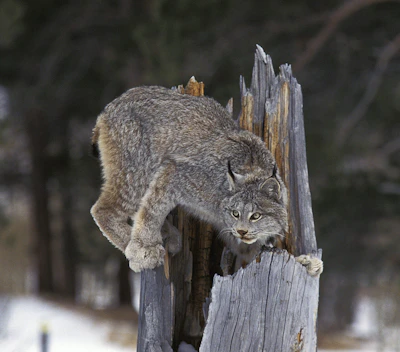 Canadian lynx This elusive wild cat, known for their unique proportions—long legs and large, furry paws—relies on snowshoe hares. It’s occasionally seen in the Custer Gallatin, but populations have been in decline due to habitat and prey loss.
 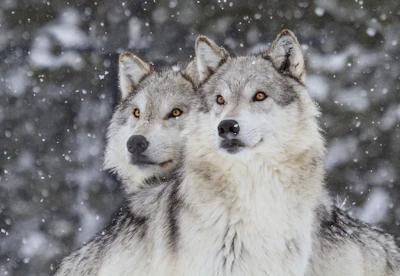 Gray wolf This top predator has had a complex trajectory in Greater Yellowstone, and its populations have fluctuated since their reintroduction in the 1990s. It lives in large packs and preys on deer and small mammals.
 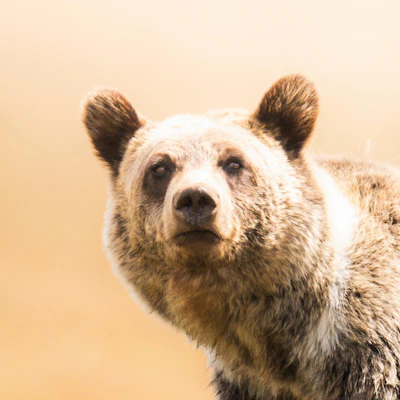 Grizzly bear This apex predator is growing in population size across this region and displays little fear of humans, so keeping food stowed properly and remaining aware are crucial when visiting the Custer Gallatin.
 Related Impact
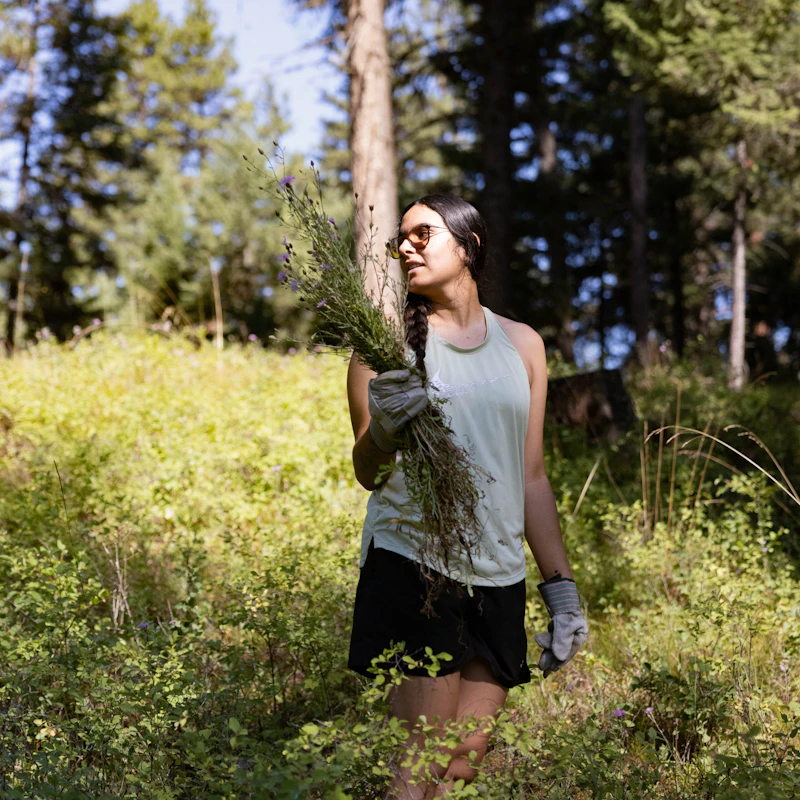
Cultivating Leaders in the Mission Mountains
A partnership-driven program connects youth on Montana’s Flathead Reservation with hands-on conservation work, heritage education, and pathways in natural resource careers.
What’s the Best First-Timer’s Adventure in the Custer Gallatin National Forest?
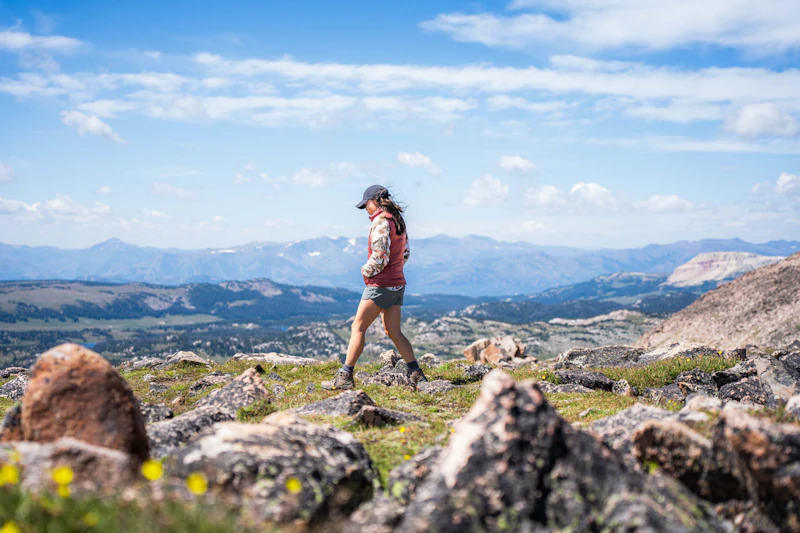
U.S. Highway 212, also known as the Beartooth Scenic Byway, is one of the most stunning drives in the country and leads into the Beartooth Mountains, part of which reside in the Custer Gallatin National Forest. The byway connects the towns of Red Lodge, Montana, and Cooke City, Montana, just northeast of Yellowstone National Park. The part of the highway that crosses 10,900-foot-high Beartooth Pass features views of alpine plateaus, snowcapped mountains, and glacial lakes.
Where to Find More Information on the Custer Gallatin National Forest
For more information or questions, visit https://www.fs.usda.gov/r01/custergallatin
Discover how communities, volunteers, and partners are shaping the future of our National Forests and Grasslands.
The National Forest Foundation works with partners across Northern Colorado to restore forests, reduce wildfire risk, and care for the…
After years of damage, recovery, and reconstruction, the trail to Hanging Lake has been fully rebuilt, creating a more durable,…
Erosion and wildfire had left Arizona's historic Highline Trail rutted and unsafe. After five years of work with the Tonto…
Forest restoration near Flagstaff is reducing wildfire risk for local communities and safeguarding the water supply for millions across the…
Colorado's 14ers draw thousands of visitors each year, and the pressure on these fragile alpine landscapes is growing. Here's a…
Visitors of all ages can explore forest trails and sparkling waters, discover wildlife and underwater habitats, and connect with Tahoe’s…
A partnership-driven program connecting youth on Montana’s Flathead Reservation with hands-on conservation work, heritage education, and pathways in natural resource…
Seeing the impact first hand on the Grand Mesa, Uncompaghre and Gunnison National Forests
Seven Years of Reopening Trails After the Eagle Creek Fire
Field Ranger Program Connects Diverse Communities to Forests in Southern California
Our Forests Need Us Today.
Your donation powers critical, on-the-ground conservation—from wildfire recovery to watershed restoration—protecting forests for the future.