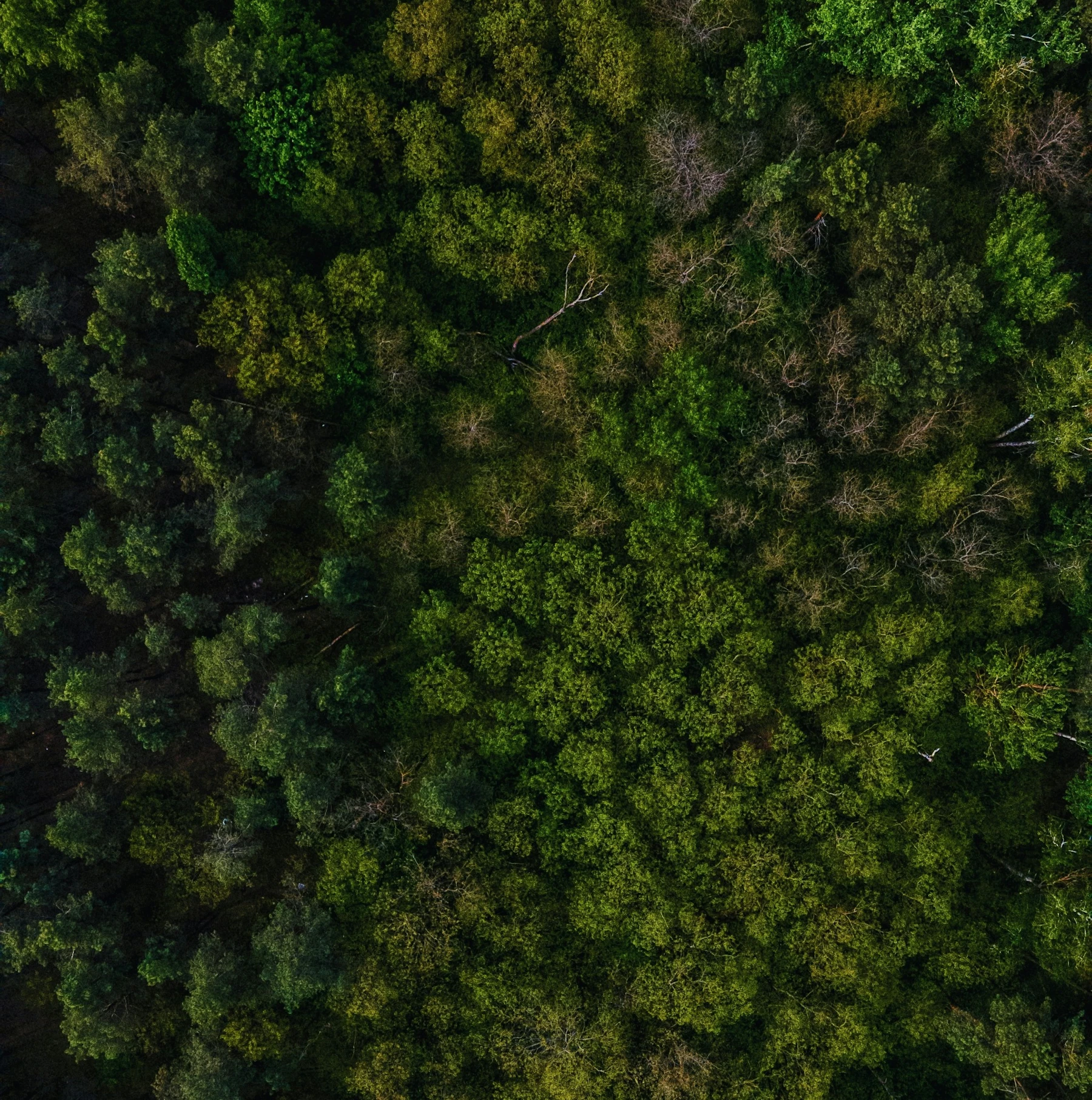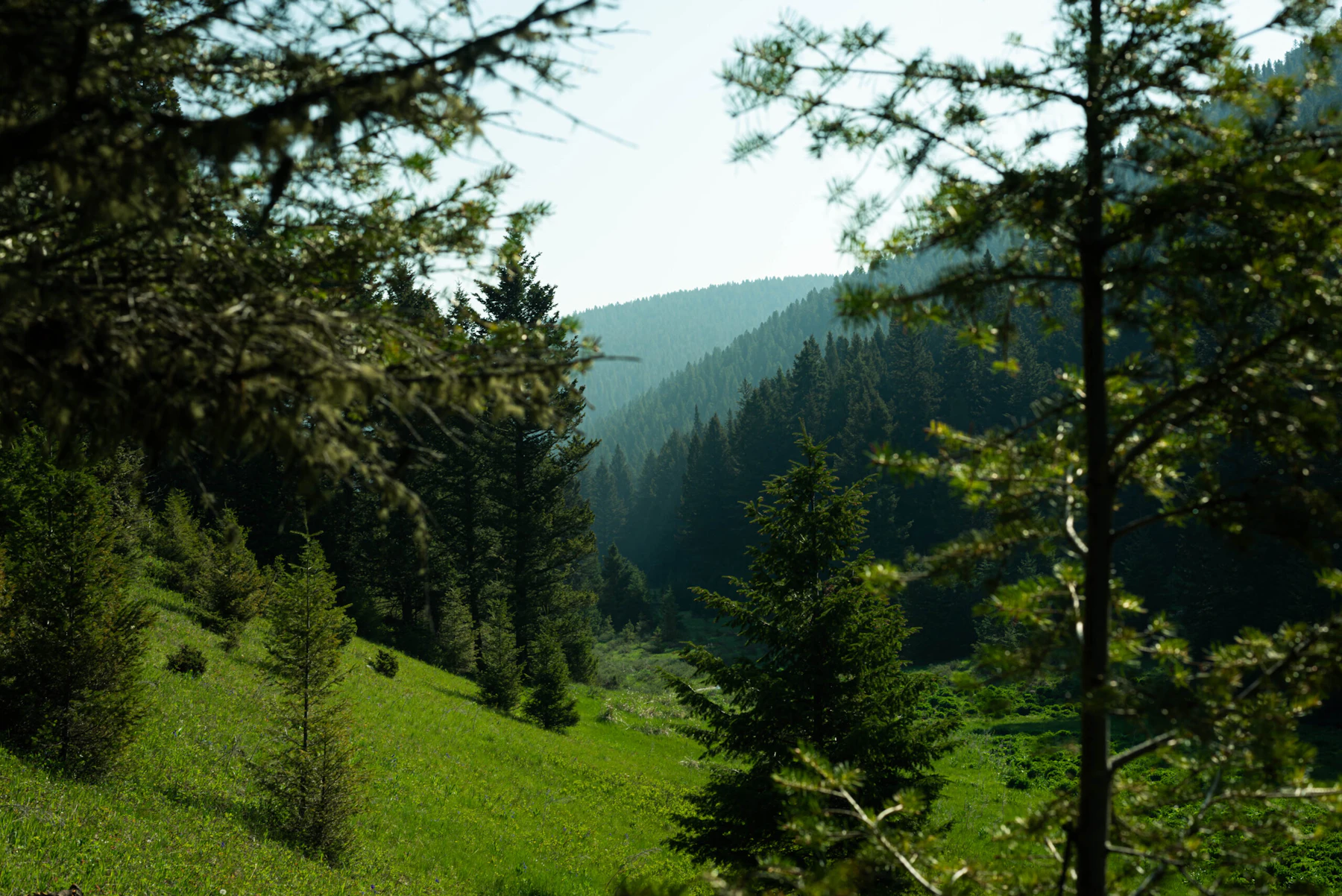
Experience the Helena-Lewis and Clark National Forest, some 2.8 million acres in central Montana within the upper Missouri River system and bisects the Continental Divide. The forest’s namesakes, Lewis and Clark led their expedition through these lands and waterways.
Almost 80 miles of the Continental Divide National Scenic Trail stretch through the Helena-Lewis and Clark National Forest, extending from the Scapegoat Wilderness to adjacent Beaverhead-Deerlodge National Forest. Much of the area along the Divide is rich in mining history, and the town of Helena owes its origins to the discovery of gold in 1864.
The Big Belt Mountain Range lies east of Helena, and is part of the Gates of the Mountains Wilderness, which takes its name from the distinctive cliffs along the Missouri River noted in the journals of Helena-Lewis and Clark. Much of the Big Belts are dissected by rugged limestone canyons and provide scenic enjoyment for hikers and motorists. It joins parts of other wilderness areas of Bob Marshall and Scapegoat.
Throughout the forest are more than 1,000 miles of trails for hiking, biking, horseback riding, cross-country skiing, and snowmobiling. There are also endless opportunities to camp in most developed sites and the backcountry.
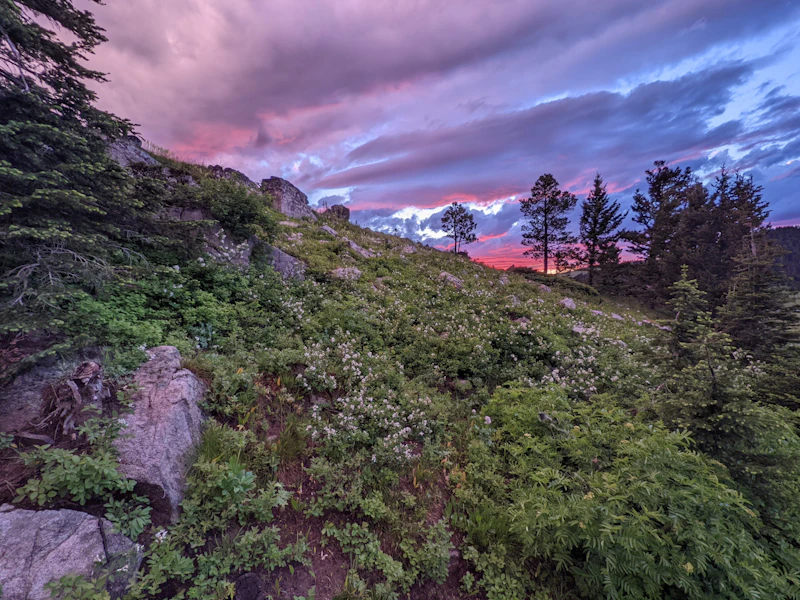 Photo by Andrew Schubauer
 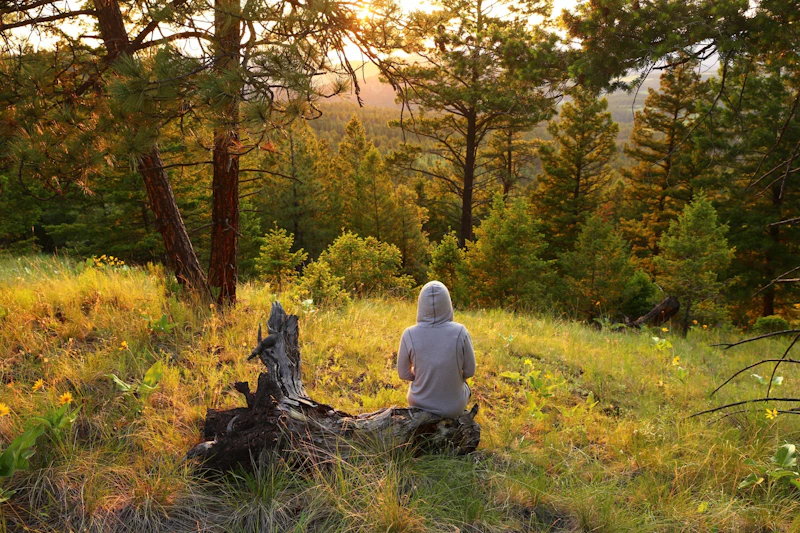 Photo by Paula Opperthauser
 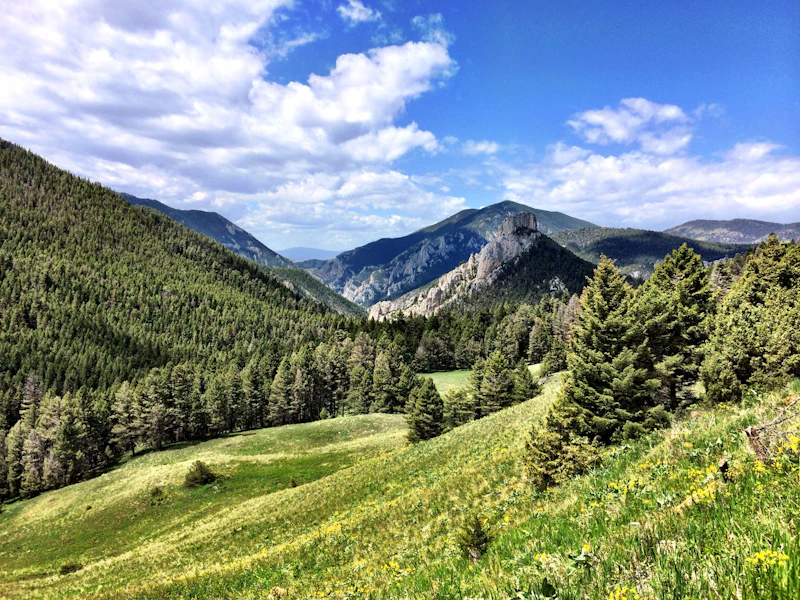 Beaver Creek Rd. Photo by the U.S. Forest Service
 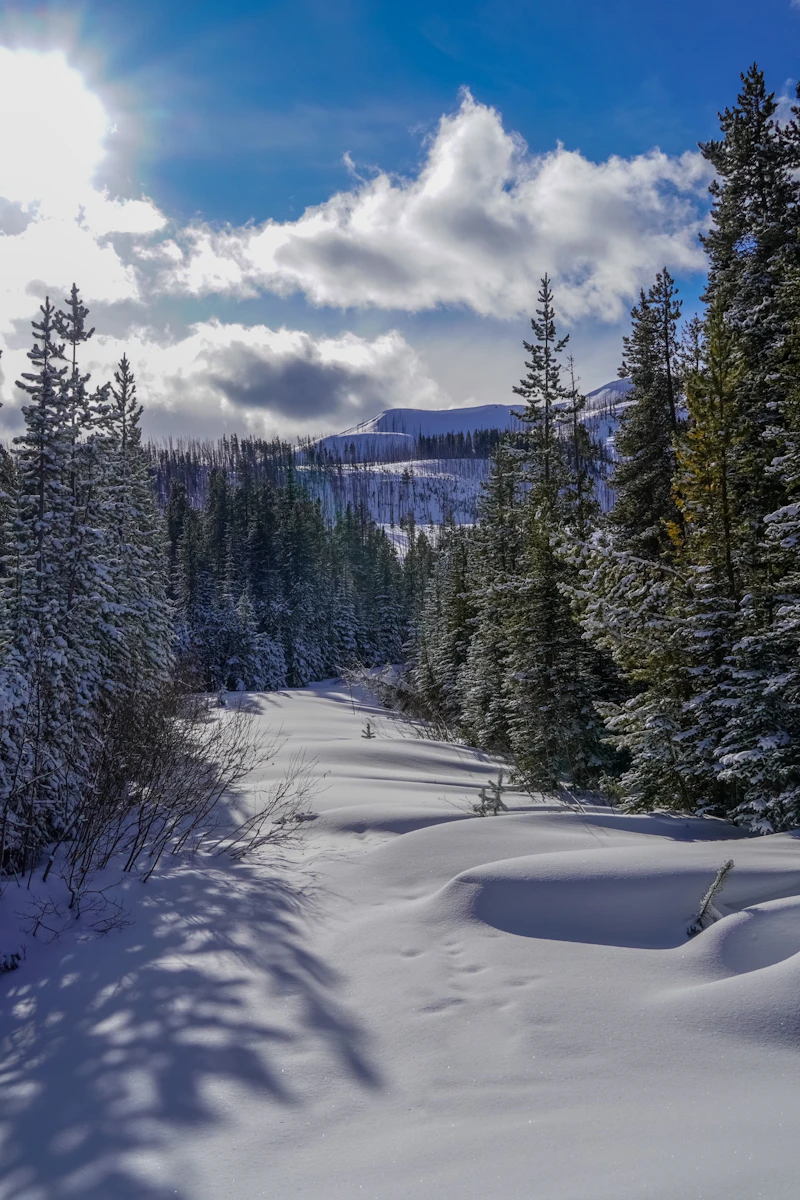 Photo by Joshua Lewis
 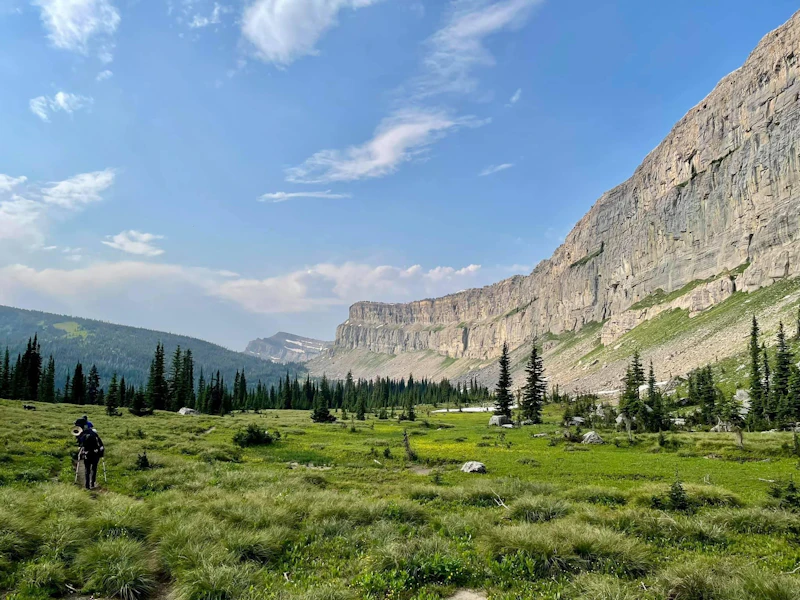 Photo by Kristen Inbody
 What is the History of the Helena-Lewis and Clark National Forest?
The Lewis and Clark Expedition of 1804 to 1806 spent many months traveling through the varied scenery of Montana. Many areas of the landscape along the expedition’s route on the Helena-Lewis and Clark National Forest look much the same as they did then.
The Blackfeet, Salish, Pend d’Oreille, and Apsáalooke, or Crow, peoples are among the tribes that inhabited this area, and some continue to honor their connection to sacred places like the Big Belt Mountains.
The area’s forests were heavily logged and mined to support mining towns such as Helena, founded during the gold rush of the 1860s. Responding to the area’s degradation, President Theodore Roosevelt established the Helena Forest Reserve in 1906 and the Little Belt Forest Reserve earlier in 1902. In 2015, the forests were administratively combined.
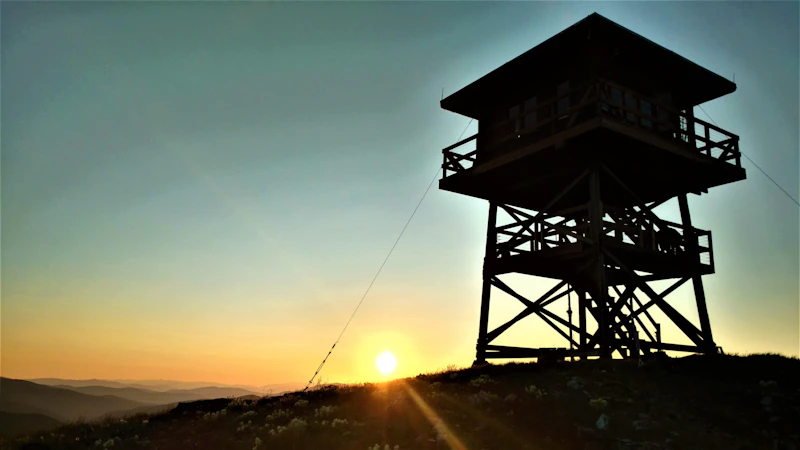
How to Get to the Helena-Lewis and Clark National Forest
The city of Helena, Montana’s capital, is the forest’s main gateway, located on Interstate 15, which runs north-south through the city. U.S. Highway 12 provides east–west access, linking Helena to scenic areas such as the Continental Divide and the Elkhorn Mountains. Regional airports can be found in Helena and Great Falls.
- Bozeman, Montana: 1.5 to 2 hours by car
- Missoula, Montana: 2 hours by car
- Great Falls, Montana: 1.5 to 2 hours by car
- Billings, Montana: 2.5 to 3 hours by car

Take a two-hour boat tour along the Missouri River, tracing the path of the famed explorers through the Gates of the Mountains Wilderness on the Missouri River. A guide will talk you through the history of the expedition, as well as about the area’s flora and fauna.
The 3.6-mile My Lake Trail, near a feature called the Chinese Wall, a 1,000-foot-long limestone cliff that runs along the Continental Divide, is part of the CDT and an accessible way to experience the million-acre Bob Marshall Wilderness.
With 28 group campsites and cabins, there are plenty of ways to experience remote and scenic corners of the Helena-Lewis and Clark National Forest on a longer backpacking adventure. The recently renovated six-person Calf Creek Cabin sits at 5,400 feet in Little Belt Mountain and has access to fishing and hiking.
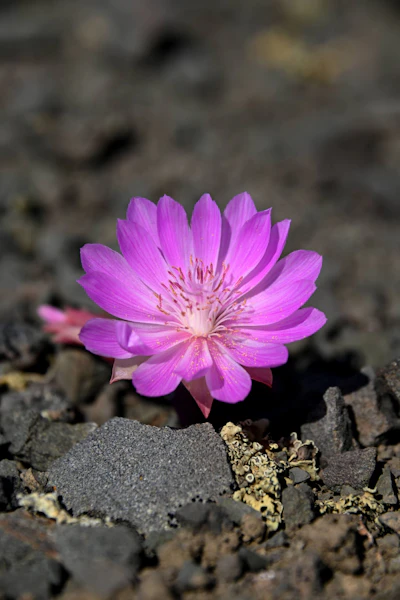 Bitterroot This perennial that blooms pink in the early summer is what gave the area its name. Its roots were a source of food for Native Americans.
 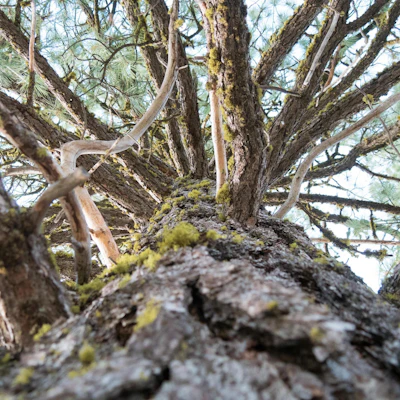 Lodgepole pine The tall and thin conifer plays an important part in regeneration after wildfire, as the resin in its cones melt—and seeds release—only when heated by fire.
 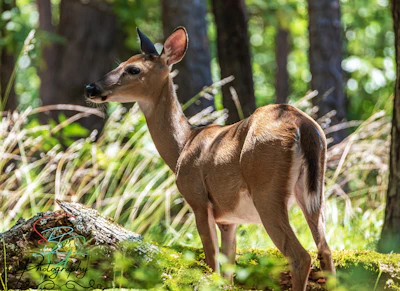 White-tailed deer With a red-brown coat that turns gray in the winter, this deer is frequently spotted throughout the forest. A buck, or adult male, grows antlers annually, which it sheds after mating season.
 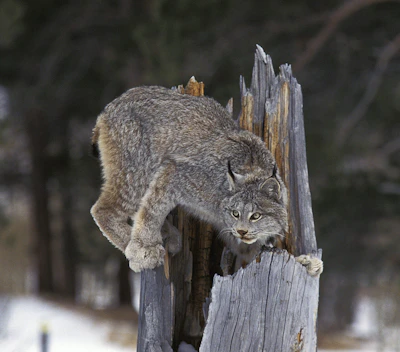 Canadian lynx This elusive wild cat, known for its unique proportions—long legs and large, furry paws—relies on snowshoe hares. It is occasionally seen, but its populations have been in decline due to habitat and prey loss.
 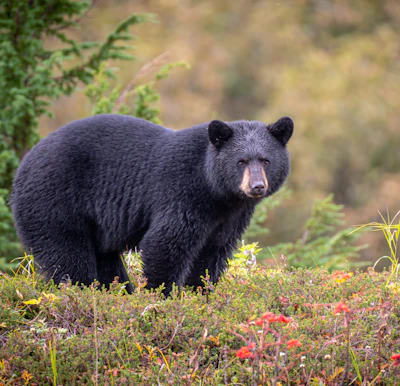 Black bear This medium-sized bear resides in the dense forests and open meadows of the forest, foraging for berries, insects, and small animals.
 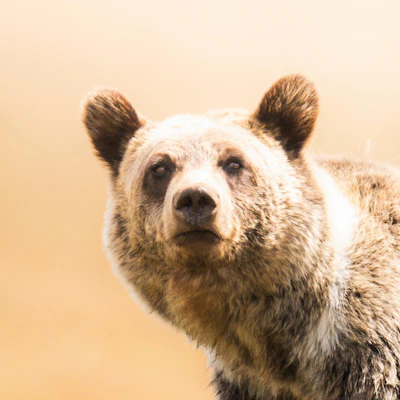 Grizzly bear This apex predator is growing in population size across this region and displays little fear of humans, so keeping food stowed properly and remaining aware are crucial when visiting the forest.
 Related Impact
Cultivating Leaders in the Mission Mountains
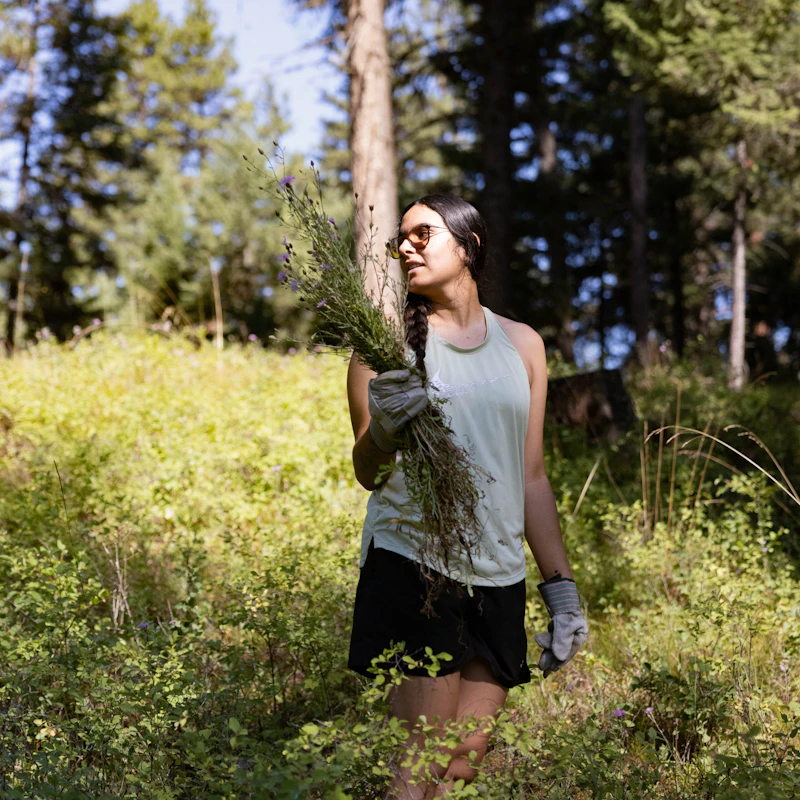
A partnership-driven program connects youth on Montana’s Flathead Reservation with hands-on conservation work, heritage education, and pathways in natural resource careers.
What’s the Best First-Timer’s Adventure in the Helena-Lewis and Clark National Forest
For an easy hike with a lot of history, set out on the two-mile Alice Creek Trail in the Scapegoat Wilderness. The route leads to the Lewis & Clark Pass, a scenic high point on the Continental Divide that the expedition crossed on July 7, 1806.
Where to Find More Information on the Helena-Lewis and Clark National Forest
For more information or questions, visit https://www.fs.usda.gov/r01/helena-lewisclark
Discover how communities, volunteers, and partners are shaping the future of our National Forests and Grasslands.
The National Forest Foundation works with partners across Northern Colorado to restore forests, reduce wildfire risk, and care for the…
After years of damage, recovery, and reconstruction, the trail to Hanging Lake has been fully rebuilt, creating a more durable,…
Erosion and wildfire had left Arizona's historic Highline Trail rutted and unsafe. After five years of work with the Tonto…
Forest restoration near Flagstaff is reducing wildfire risk for local communities and safeguarding the water supply for millions across the…
Colorado's 14ers draw thousands of visitors each year, and the pressure on these fragile alpine landscapes is growing. Here's a…
Visitors of all ages can explore forest trails and sparkling waters, discover wildlife and underwater habitats, and connect with Tahoe’s…
A partnership-driven program connecting youth on Montana’s Flathead Reservation with hands-on conservation work, heritage education, and pathways in natural resource…
Seeing the impact first hand on the Grand Mesa, Uncompaghre and Gunnison National Forests
Seven Years of Reopening Trails After the Eagle Creek Fire
Field Ranger Program Connects Diverse Communities to Forests in Southern California
Our Forests Need Us Today.
Your donation powers critical, on-the-ground conservation—from wildfire recovery to watershed restoration—protecting forests for the future.