Nebraska National Forests and Grasslands
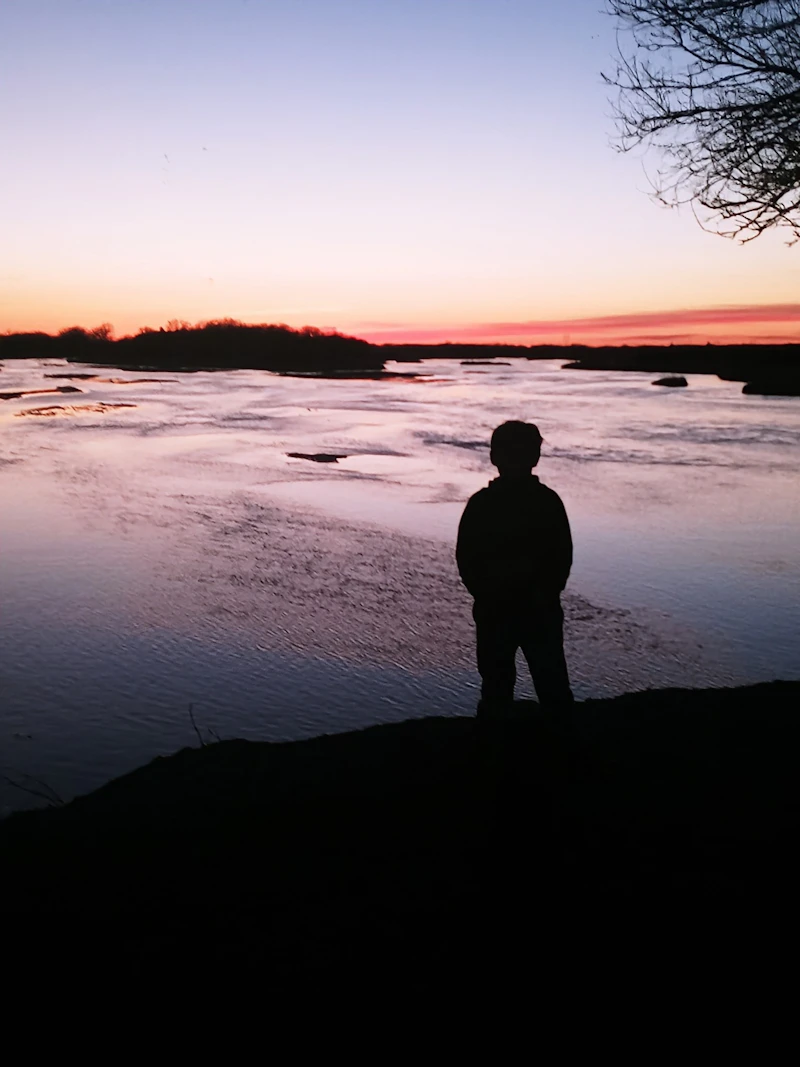
Sunset at the Buffalo Gap National Grasslands. Photo by Chad Davis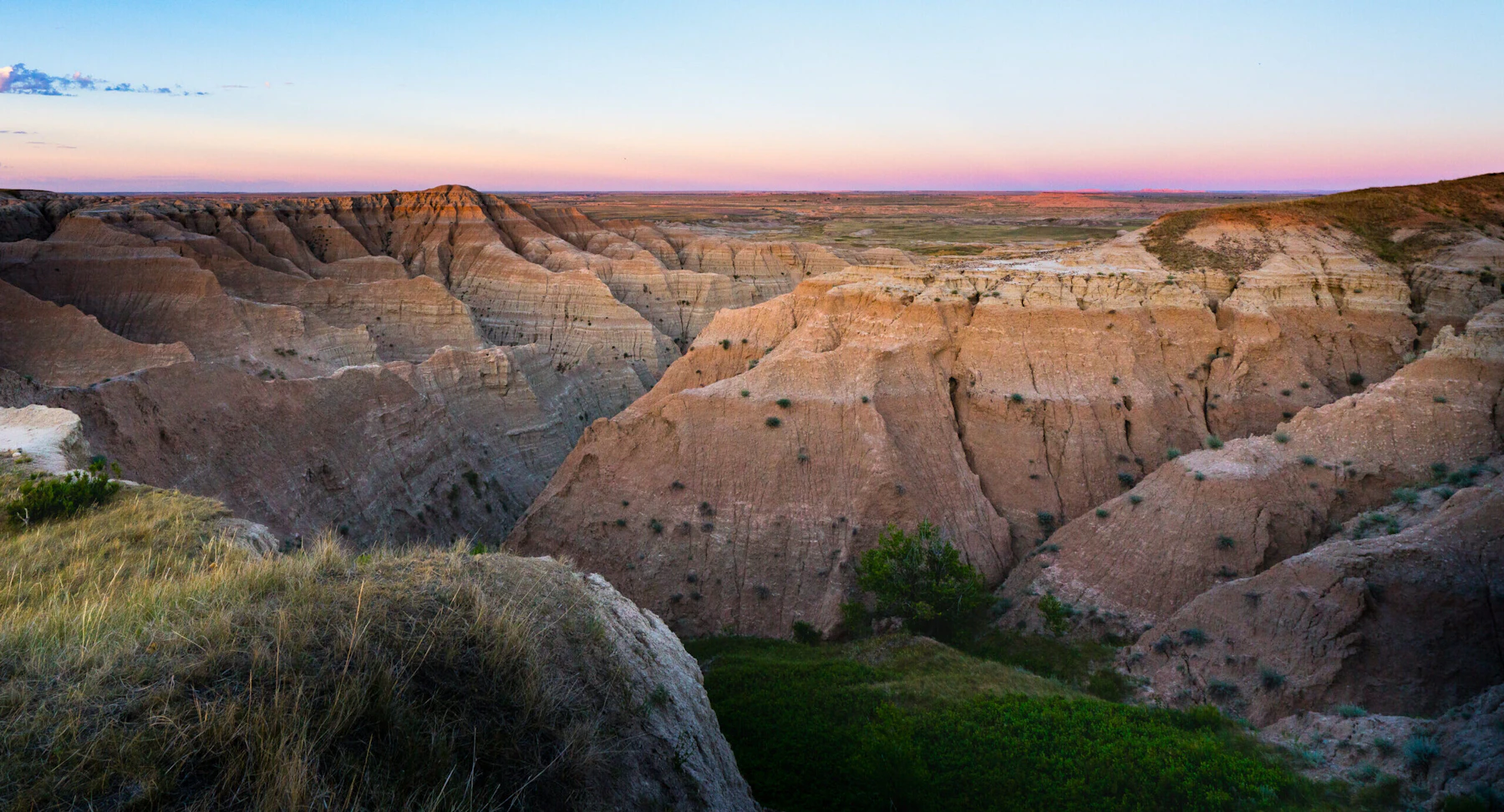
Discover the Nebraska National Forests and Grasslands, over one million acres shared among two National Forests and three National Grasslands.
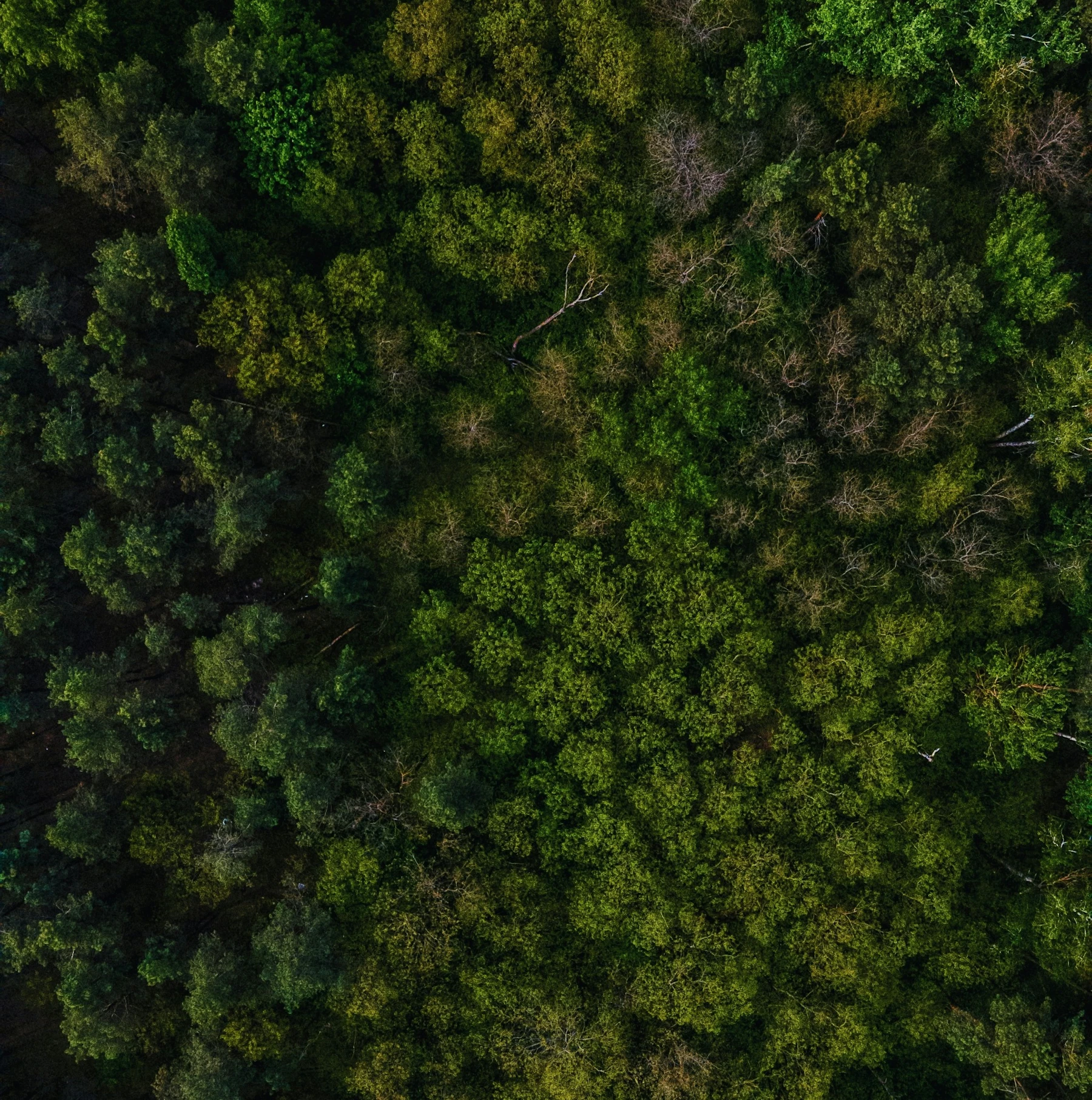
The Nebraska National Forest, in central and northwestern Nebraska, is largely made up of prairie grassland with interspersed pine stands. The Charles E. Bessey Tree Nursery, established in 1902, is the oldest continuously‑operated U.S. Forest Service nursery. It’s home to the Soldier Creek Wilderness, where a well-developed trail system hosts hikers and horseback riders.
In north‑central sandhills of Nebraska is the Samuel R. McKelvie National Forest, which also consists of mostly native prairie grasses dotted with pine forest. The highlight of the forest is the Niobrara River, a designated Wild and Scenic waterway that’s great for kayaking, canoeing, tubing, and fishing. The sandhills also host fat-tire biking and hunting.
The Fort Pierre National Grassland in central South Dakota gets the most rainfall of grasslands in the country, receiving an average of 18 inches annually. The Buffalo Gap National Grassland in southwestern South Dakota preserves mixed prairie and badlands ecosystems, and is home to over 300 black-footed ferrets, the most endangered mammal in North America. In the northwest corner of Nebraska, the Oglala National Grassland These grasslands are a destination for OHV riders and hunters.
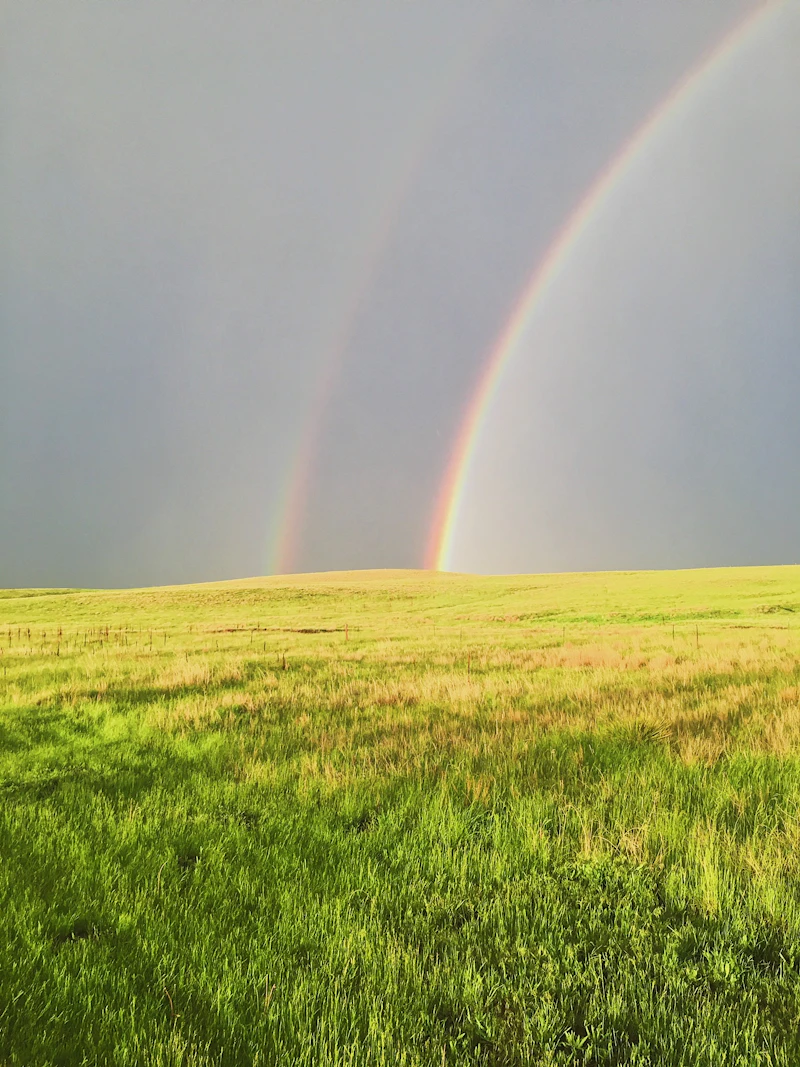 Photo by Emily Reif
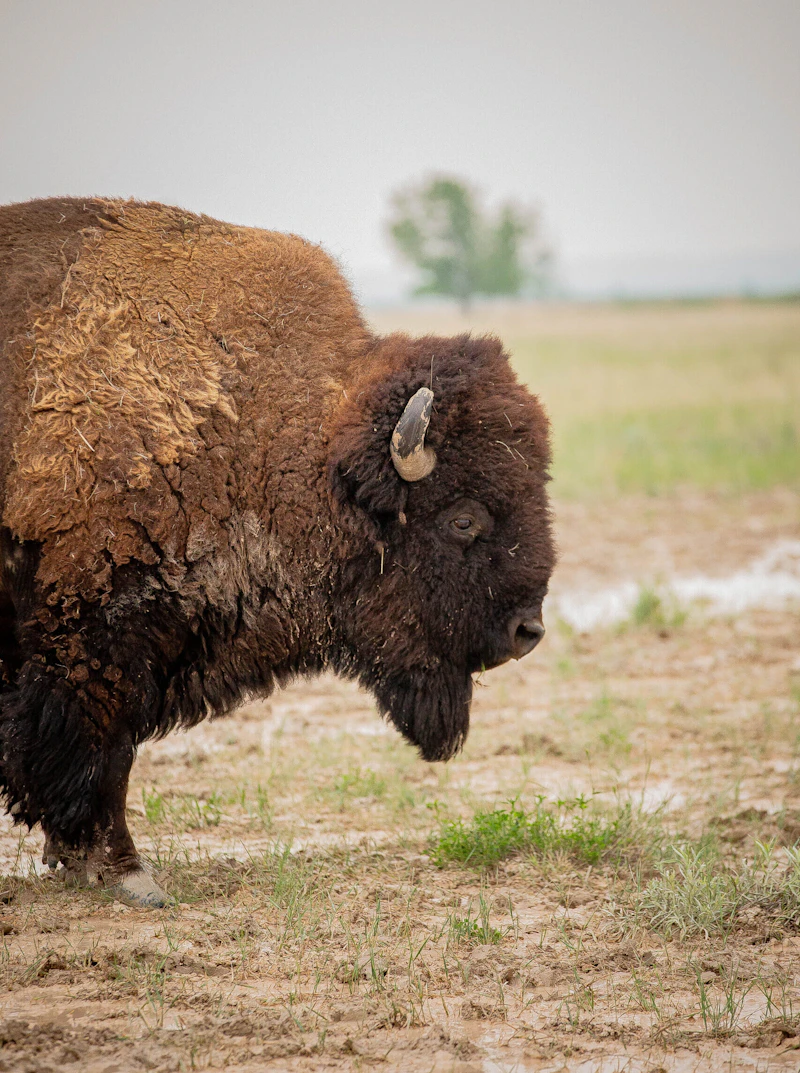
 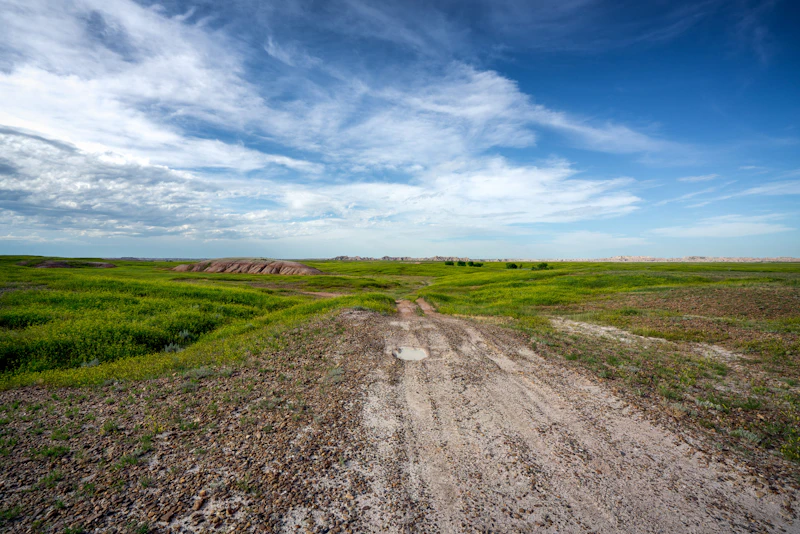 Photo by Chad Davis Sunset at the Buffalo Gap National Grasslands. Photo by Chad Davis
 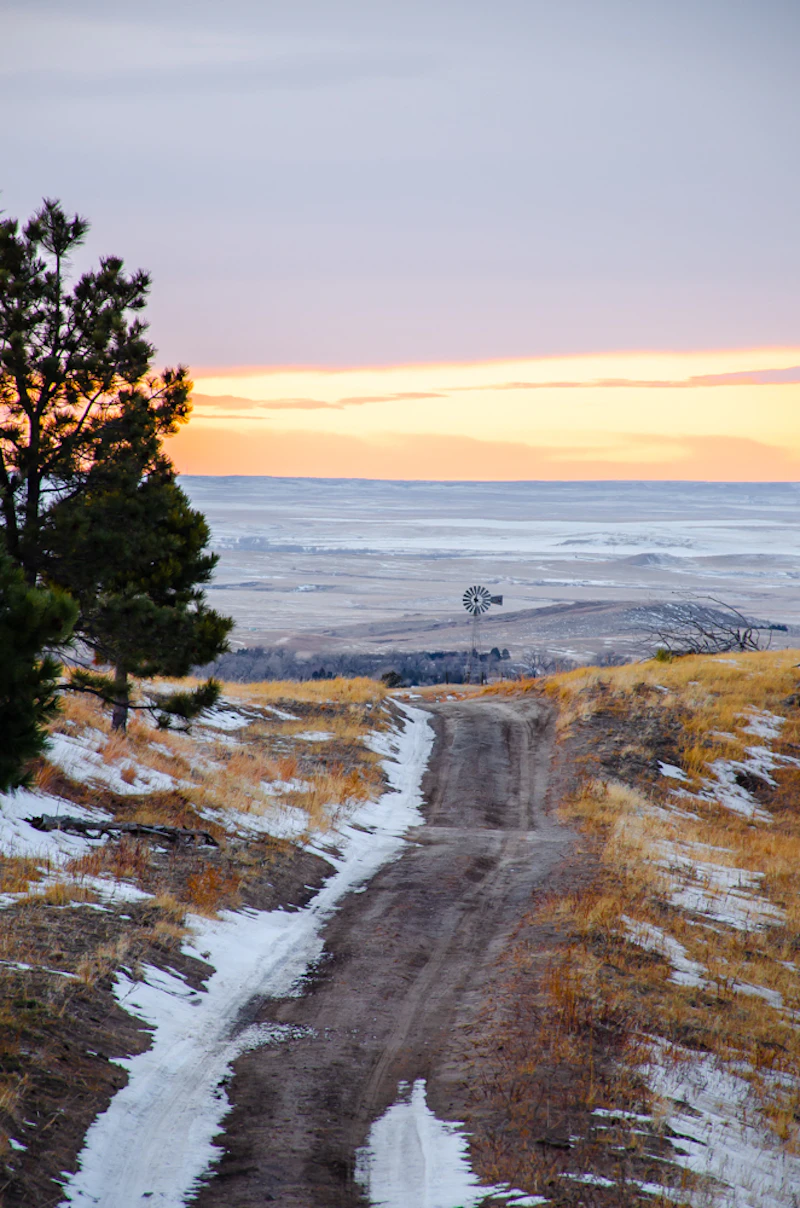 Photo by Devin Codina
 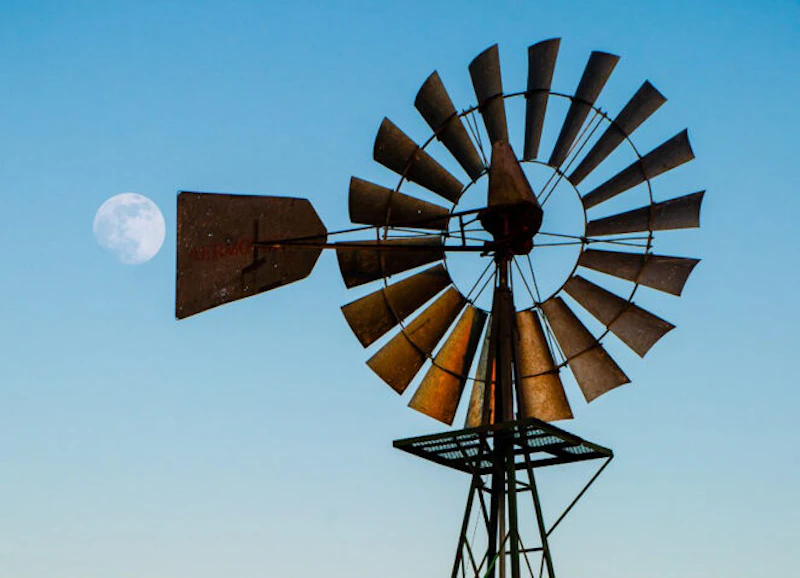 Photo by Devin Codina
 What is the History of the Nebraska National Forests and Grasslands?
The Nebraska National Forest began in 1902 as an experiment to create a forest in the treeless Great Plains, conceived by the botanist Charles E. Bessey. It is now the largest human-made forest in the United States and home to its oldest tree nursery.
The Samuel R. McKelvie National Forest began as the Niobrara Forest Reserve in 1902 and was redesignated in 1971, renamed after Nebraska Governor Samuel R. McKelvie. These lands were one home to numerous Native American tribes, including the Ponca, Lakota, and Pawnee peoples.
The Buffalo Gap, Fort Pierre and Oglala National Grasslands were established in the 1930s and 40s to restore these areas and manage soil and water resources. They were historically the home to Sioux, Lakota, and other Plains tribes.
How to Get to the Nebraska National Forests and Grasslands
The main gateway for the Nebraska National Forest is Halsey, accessible via U.S. Highway 83, which runs north-south through central Nebraska. The Samuel R. McKelvie National Forest, near the community of Whitney. is reachable via Nebraska Highway 2 and U.S. Highway 20.
The Buffalo Gap is accessed via U.S. Highway 18 and U.S. Highway 385, with access points near the southern entrance of Badlands National Park. The Fort Pierre National Grassland is east of Pierre along U.S. Highway 83. The Oglala National Grassland is accessed via U.S. Highway 20, with Chadron and Hot Springs serving as gateway communities.
- Rapid City, South Dakota: 1 hour by car from the Buffalo Gap National Grassland, 2 hours by car from the Oglala National Grasslands, 2.5 to 3 hours by car from the Fort Pierre National Grassland, 3 to 3.5 hours by car from the Samuel R. McKelvie National Forest
- Casper: Wyoming: 2.5 to 3 hours by car from the Nebraska National Forest, 5.5 hours by car from the Samuel R. McKelvie National Forest

For an exciting equestrian adventure, head out on either the seven-mile Boots & Saddle Trail or the 10.5-mile Trooper Trail Loop, both of which pass through the Pine Ridge section of the Nebraska National Forest.
This OHV riding area spans three sections that total 1,745 acres, making it a popular destination for long adventures (dispersed camping is allowed but there is no potable water).
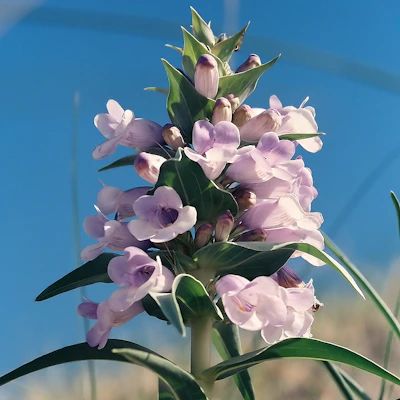 Blowout penstemon This very rare plant species, with its bright purple and tubular flowers, is native to the Great Plains and grows only in the Nebraska Sandhills.
  Sharp-tailed grouse A native bird known for its elaborate courtship display, this species of grouse thrive in open grasslands.
 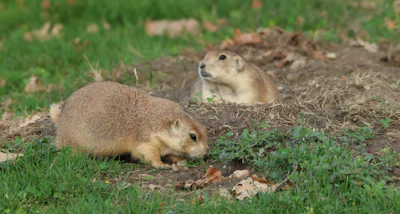 Black-tailed prairie dog This social rodent lives in large underground colonies and helps aerate soil and promote the growth of native grasses.
 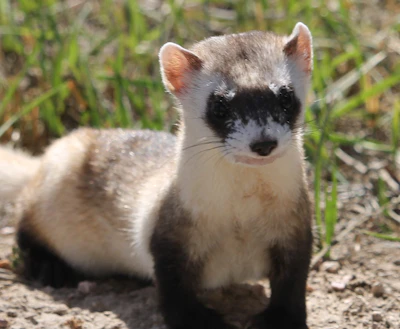 Black-footed ferret This native and endangered ferret, which depends on prairie dogs for food and shelter, has been reintroduced into the Buffalo Gap National Grassland.
 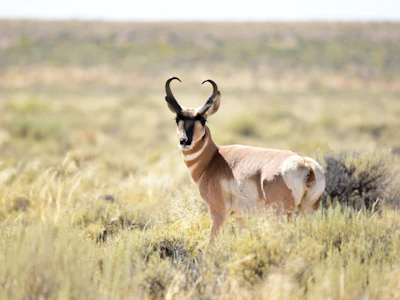 Pronghorn North America’s fastest land animal, capable of reaching speeds of up to 60 miles per hour, can be spotted throughout the forest’s prairie areas.
 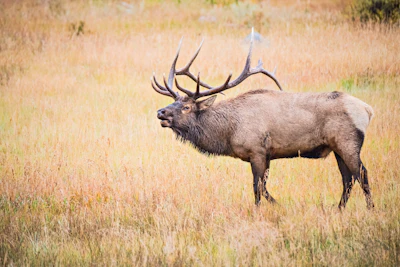 Elk This large herbivore, the second largest in the deer family, can be spotted at dawn and dusk in the Pine Ridge region.
 What’s the Best First-Timer’s Adventure in the Nebraska National Forests and Grasslands
Visit the Toadstool Geologic Park, a unique site in Oglala National Grassland that features a mix of badlands, colorful rock formations, and hoodoos. Several short trails wind through the area and showcase sedimentary layers and fossils.
Where to Find More Information on the Nebraska National Forests and Grasslands
For more information or questions, visit https://www.fs.usda.gov/r02/nebraska.
Discover how communities, volunteers, and partners are shaping the future of our National Forests and Grasslands.
The National Forest Foundation works with partners across Northern Colorado to restore forests, reduce wildfire risk, and care for the…
After years of damage, recovery, and reconstruction, the trail to Hanging Lake has been fully rebuilt, creating a more durable,…
Erosion and wildfire had left Arizona's historic Highline Trail rutted and unsafe. After five years of work with the Tonto…
Forest restoration near Flagstaff is reducing wildfire risk for local communities and safeguarding the water supply for millions across the…
Colorado's 14ers draw thousands of visitors each year, and the pressure on these fragile alpine landscapes is growing. Here's a…
Visitors of all ages can explore forest trails and sparkling waters, discover wildlife and underwater habitats, and connect with Tahoe’s…
A partnership-driven program connecting youth on Montana’s Flathead Reservation with hands-on conservation work, heritage education, and pathways in natural resource…
Seeing the impact first hand on the Grand Mesa, Uncompaghre and Gunnison National Forests
Seven Years of Reopening Trails After the Eagle Creek Fire
Field Ranger Program Connects Diverse Communities to Forests in Southern California
Our Forests Need Us Today.
Your donation powers critical, on-the-ground conservation—from wildfire recovery to watershed restoration—protecting forests for the future.