The Carson National Forest: New Mexico’s High Desert Haven
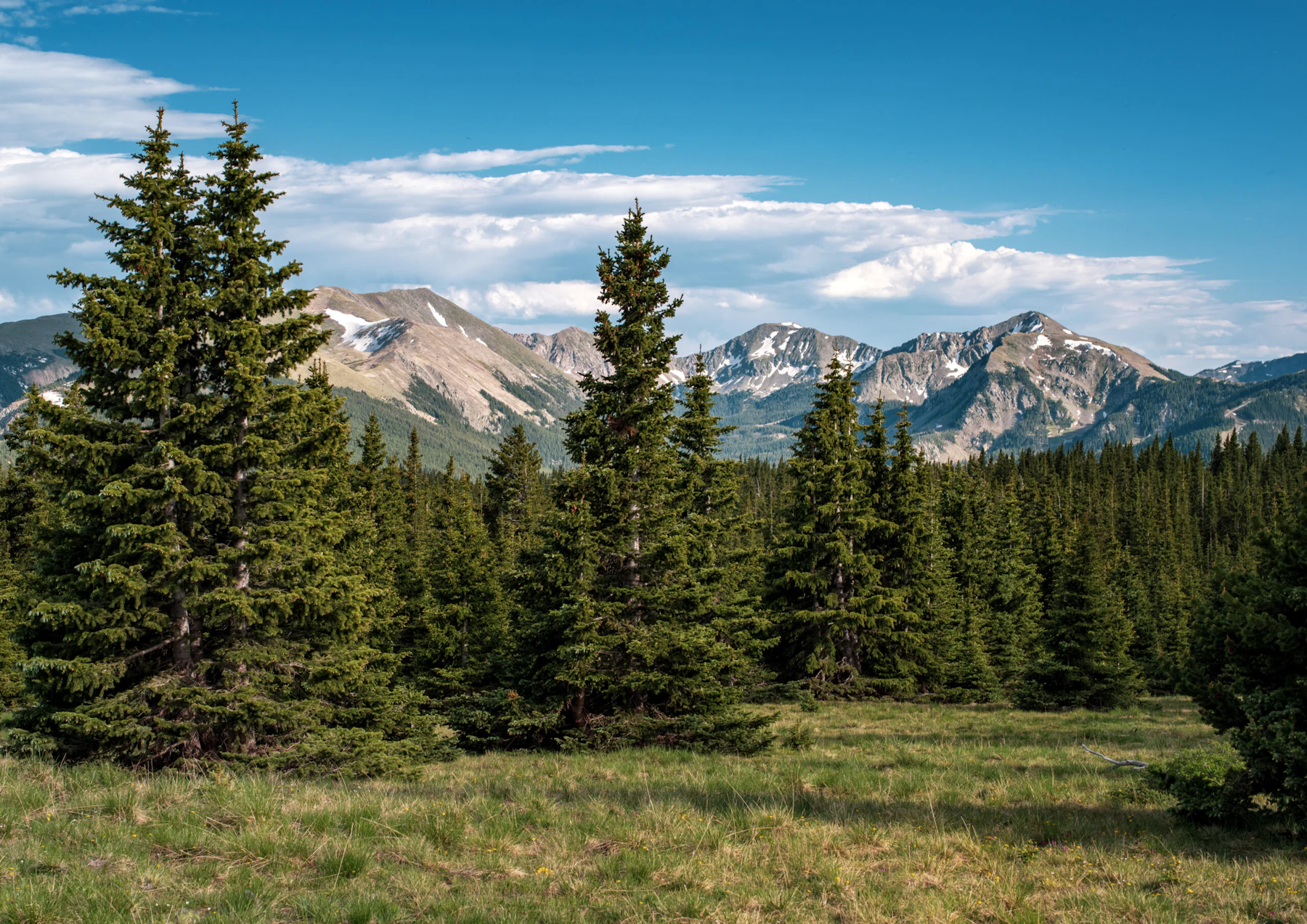
Discover the Carson National Forest in northern New Mexico, home to some of the finest mountain scenery in the Southwest. Its 1.5 million acres includes New Mexico’s highest point, 13,161-foot Wheeler Peak, six wilderness areas, and the spectacular Rio Grande Gorge.
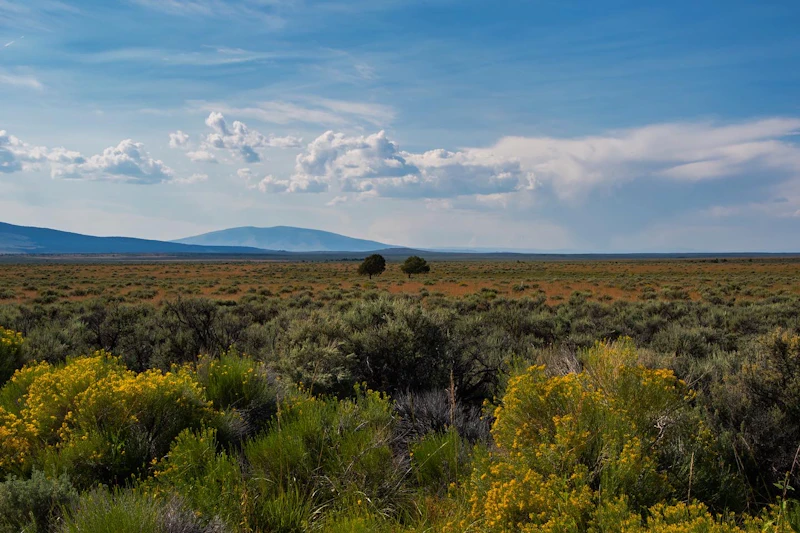
The forest overlaps with part of the Sangre de Cristo Mountains, San Juan Mountains, and the San Juan Basin. Hike 330 miles of trails through beautiful high-desert landscapes, fish 400 miles of trout-stocked streams, and enjoy some of the country’s best alpine downhill skiing.
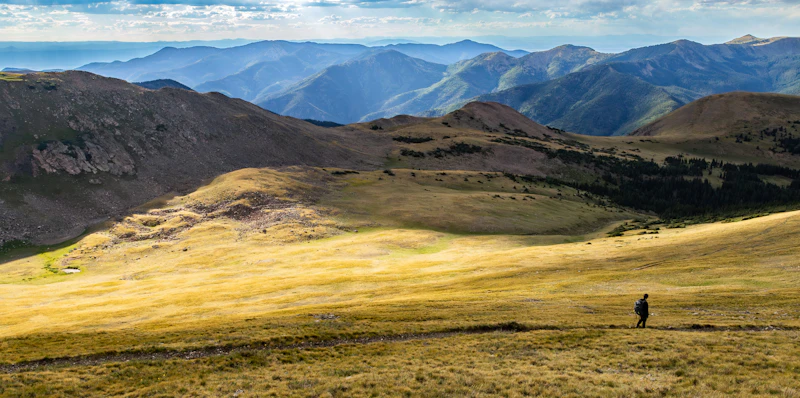 Hiking Back From Wheeler Peak. Photo by John Johnson
 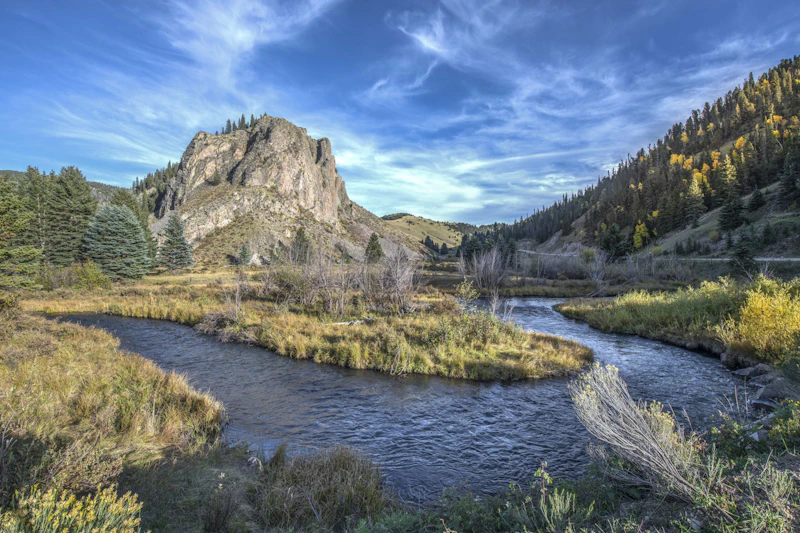 Photo by Phil Reedy
 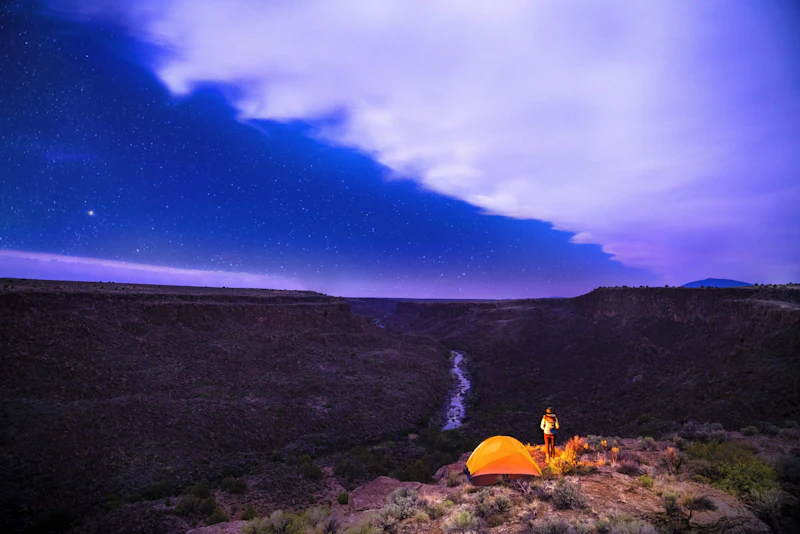 View Rio Grande. Photo by Gabriel Rovick
 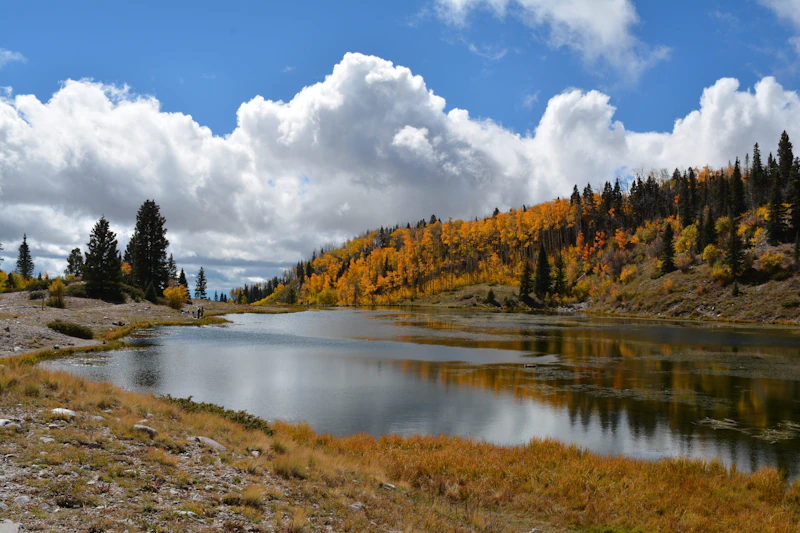 Photo by the U.S. Forest Service
 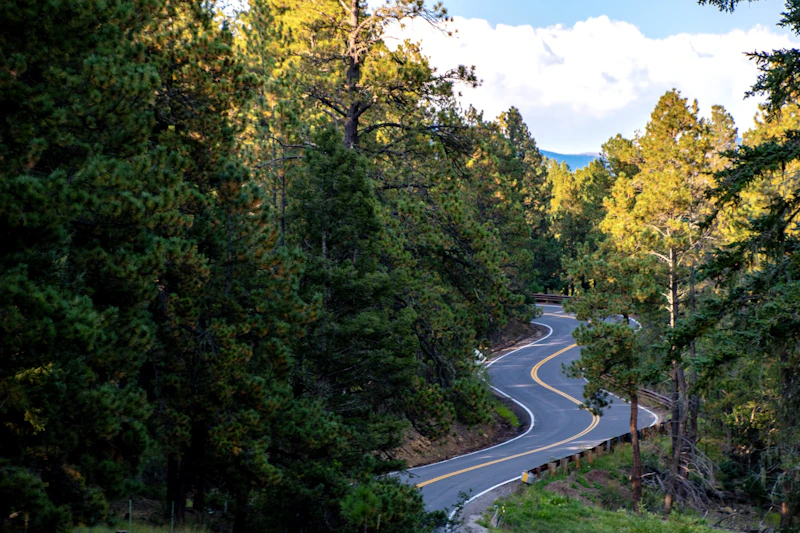 Photo by Karen Trusty
 What is the History of the Carson National Forest?
One of New Mexico’s oldest National Forests, Carson was established in 1908 from the merging of the Taos and Jemez National Forests. It was named for American pioneer Kit Carson, who guided westward expansion, served in the U.S. Army, and devastated Navajo lands to force a relocation of some 8,000 people to a remote reservation, an event known as the Long Walk.
Before the forest’s designation, the Ancestral Puebloans, or Anasazi, inhabited the area. Spanish settlers arrived in the 1600s, creating trails, land grants, and adobe settlements. During the 19th century, the region became a hub for fur trading, mining, and logging. Today, Taos Pueblo maintains cultural connection to the land.
The Carson National Forest reflects a complex blend of natural beauty and layered history, encompassing ancient Puebloan ruins, historic Hispanic settlements, and remnants of the American frontier, all while serving as a vital public recreation area.
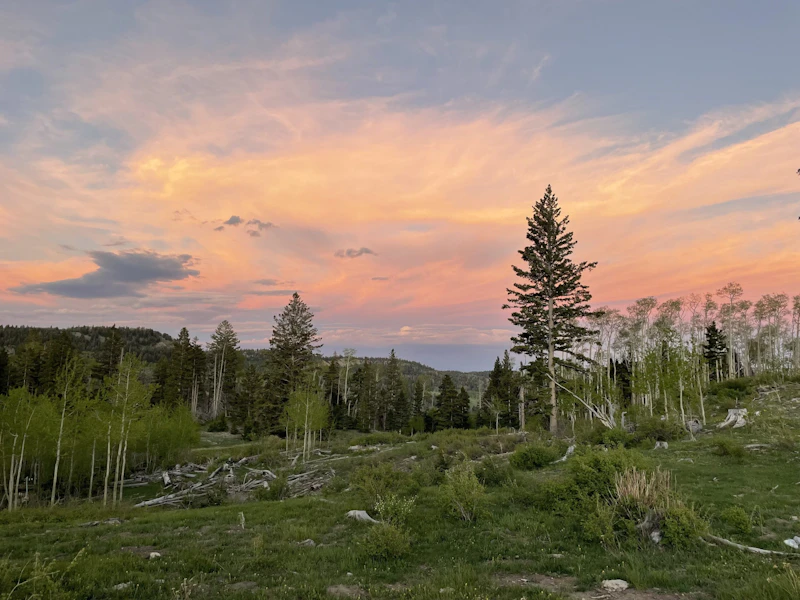
How to Get to the Carson National Forest
The Carson National Forest is accessible via Highway 64, Highway 285, and State Highway 518. Its main gateway is Taos, a historic town that offers direct access to the western parts of the forest, including Wheeler Peak Wilderness.
Visitors from out of state often fly into Albuquerque or Santa Fe, then follow I-25 and U.S. 285, or U.S. 84, respectively, to reach the forest. From Colorado, travelers can take Highway 64 or 285.
- Santa Fe, New Mexico: 1.5 to 2 hours by car
- Albuquerque, New Mexico: 2 to 3 hours by car
- Pueblo, Colorado: 4.5 to 5 hours by car
- Colorado Springs, Colorado: 5 to 6 hours by car

The best way to reach 13,161-foot Wheeler Peak is via the Williams Lake Trail, an eight-mile round trip with 3,000 feet of elevation gain. The trail starts near the Taos Ski Valley, and cuts through the trail passes alpine meadows and lakes before ascending steep switchbacks to the summit.
This 21.5-mile point-to-point IMBA Epic trail can be reached from the town of Angel Fire, Mondragon Canyon, or from the community of Valle Escondido via Osha Canyon Trail and Elliot Barker. The South Boundary Trail, a side-hill route that winds through meadows and pine forests, is home to some of the best mountain biking in the state.
Eagle Rock Lake Day Use Area, located off of Highway 38, is an ideal summer getaway for hiking, picnicking, and fishing. The recreation area underwent a recent restoration, and the lake is regularly stocked with fish from spring to fall.
With 20.5 miles of groomed trails, along with nine miles of trail exclusively for snowshowing), the Enchanted Forest Cross Country Ski Area is a great Nordic trail experience for families and beginners. Located east of Red River, the area spreads over 400 acres of the Carson National Forest, and even features a three-mile section that’s dog-friendly. The area offers ski, snowshoe, sled, and yurt rentals.
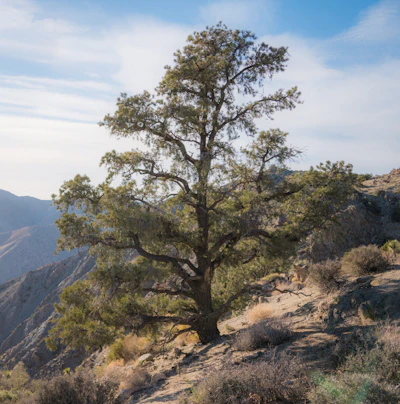 Piñon With a furrowed look and reddish-brown bark, this common New Mexican tree is known for providing very nutritious pine nuts and fragrant fire wood. Together with juniper trees, piñons account for a quarter of the Carson National Forest between the elevations of 5,900 to 7,500 feet.
 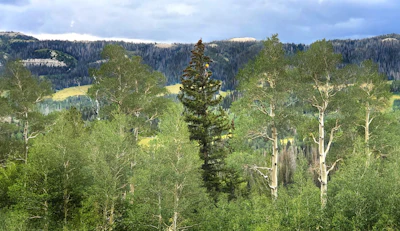 Engelmann spruce Along with firs, this spire-like tree with bluish-green needles accounts for 20 percent of Carson, occupying the coldest and wettest slopes, ridges, and valleys.
 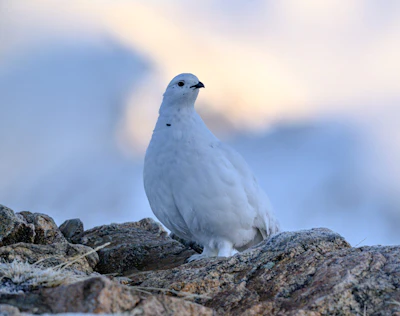 White-tailed ptarmigan This rare alpine bird inhabits the high elevations of the Carson National Forest, particularly around Wheeler Peak. It changes plumage with the seasons, turning white in winter and mottled in the mottled in summer.
  Golden eagles Often spotted soaring above canyons, this raptor has incredible vision and speed. It often uses columns of hot air, called thermals, to gain height and vantage, allowing it to spot small mammals.
 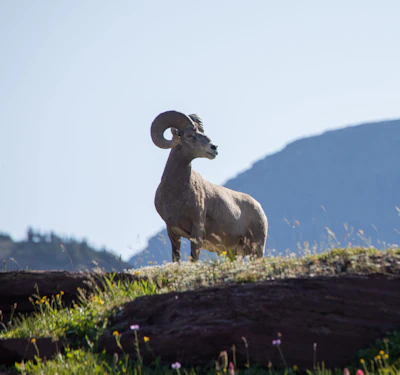 Rocky Mountain bighorn sheep Known for massive curled horns and climbing skills, this sheep can be found in the high elevation areas of Wheeler Peak and Pecos.
 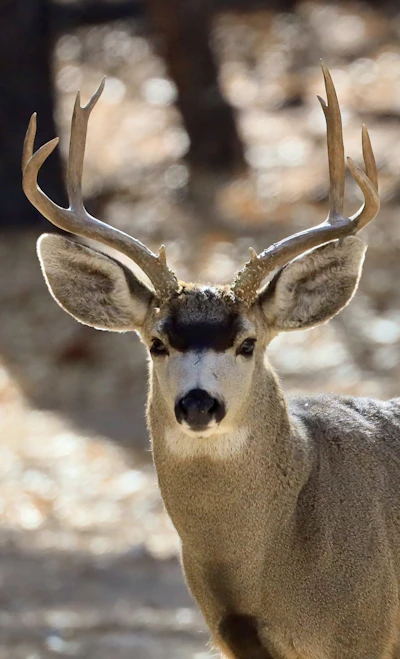 Mule deer One of the more common sights in Carson, this deer has large ears and black-tipped tails and is most active at dawn and dusk.
 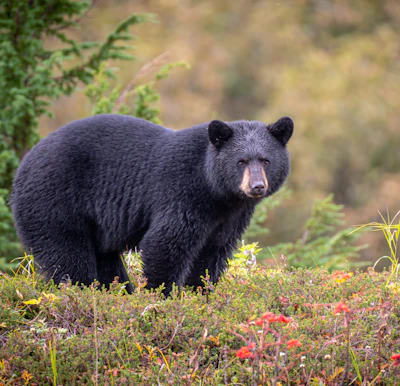 Black bear A fraction of New Mexico’s 8,000 to 9,000 black bears reside in Carson, primarily in Columbine-Hondo, Cruces Basin, and Pecos Wilderness Areas. It is shy and usually avoids humans, but visitors may spot tracks or scat along trails.
 What’s the Best First-Timer’s Adventure in the Carson National Forest?
There’s no better way to experience the rich cultural history and natural splendor of Carson National Forest than via the Enchanted Circle Scenic Drive, a 84-mile byway that circles Wheeler Peak. The drive connects some of the area’s best recreation points, including the year-round adventure destinations of Angel Fire Resort and Red River Ski & Summer Area, with old Western towns like Eagle Nest and cultural landmarks like Taos Pueblo.
Where to Find More Information on the Carson National Forest
For more information or questions, visit https://www.fs.usda.gov/r03/carson
Discover how communities, volunteers, and partners are shaping the future of our National Forests and Grasslands.
The National Forest Foundation works with partners across Northern Colorado to restore forests, reduce wildfire risk, and care for the…
After years of damage, recovery, and reconstruction, the trail to Hanging Lake has been fully rebuilt, creating a more durable,…
Erosion and wildfire had left Arizona's historic Highline Trail rutted and unsafe. After five years of work with the Tonto…
Forest restoration near Flagstaff is reducing wildfire risk for local communities and safeguarding the water supply for millions across the…
Colorado's 14ers draw thousands of visitors each year, and the pressure on these fragile alpine landscapes is growing. Here's a…
Visitors of all ages can explore forest trails and sparkling waters, discover wildlife and underwater habitats, and connect with Tahoe’s…
A partnership-driven program connecting youth on Montana’s Flathead Reservation with hands-on conservation work, heritage education, and pathways in natural resource…
Seeing the impact first hand on the Grand Mesa, Uncompaghre and Gunnison National Forests
Seven Years of Reopening Trails After the Eagle Creek Fire
Field Ranger Program Connects Diverse Communities to Forests in Southern California
Our Forests Need Us Today.
Your donation powers critical, on-the-ground conservation—from wildfire recovery to watershed restoration—protecting forests for the future.