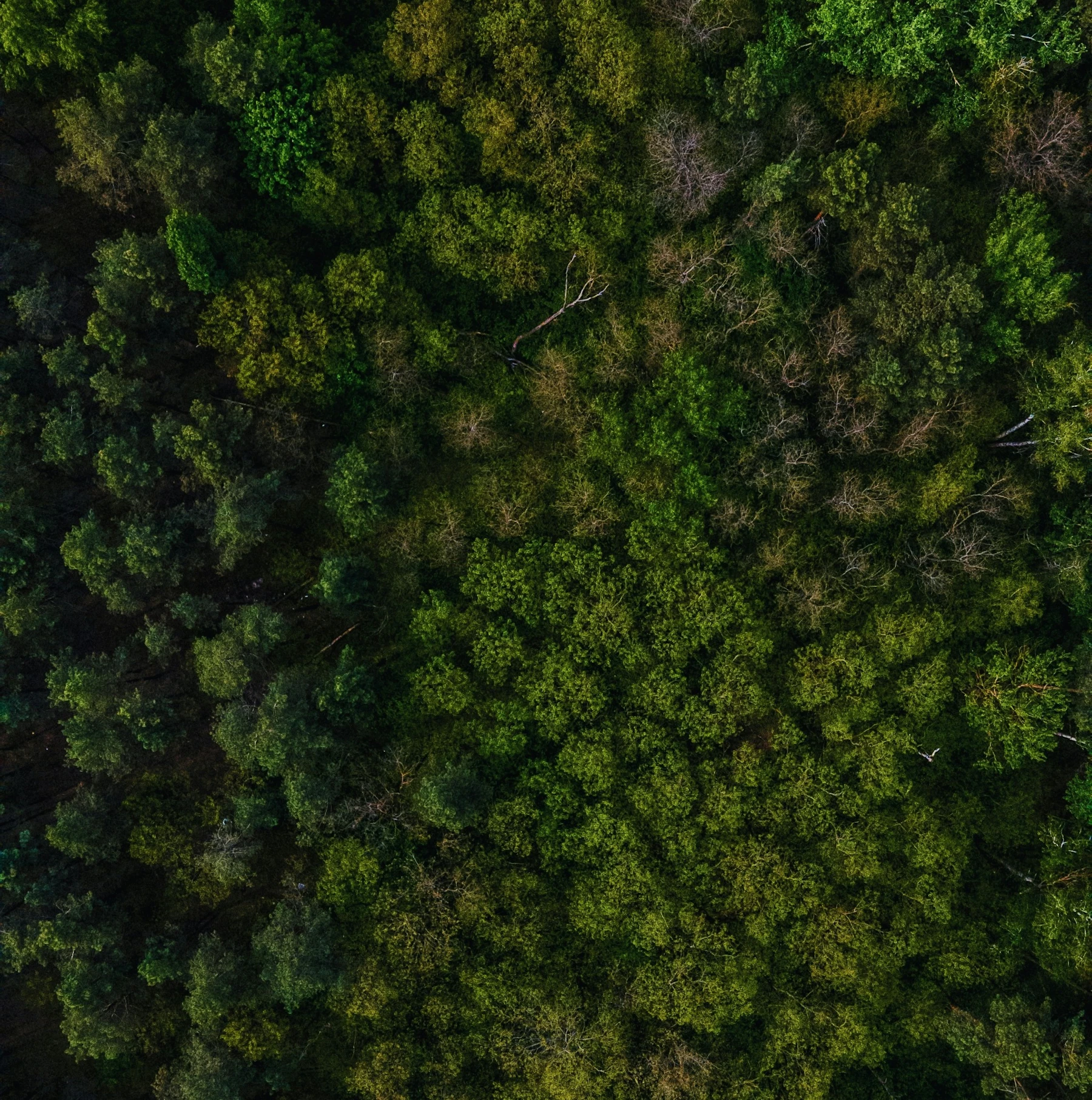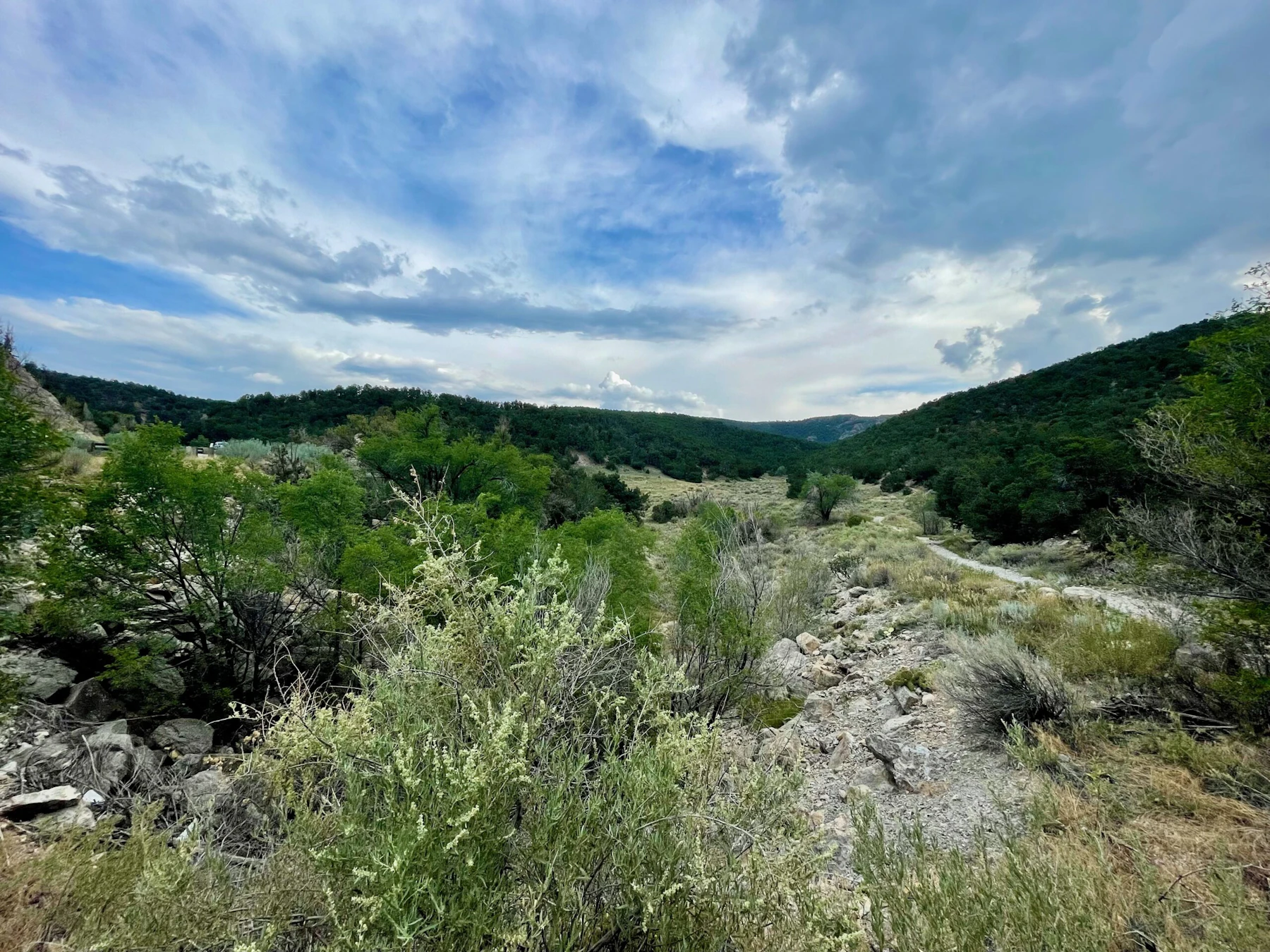
Uncover the Cibola National Forest and National Grasslands, which reaches 1.9 million acres across New Mexico to the grasslands of Texas and Oklahoma. With nine mountain ranges, four wilderness areas, and elevations that top out at 11,301 feet, Cibola spans a startlingly diverse alpine, high-desert, and prairie landscape—matched by its range of year-round recreation.
Whether you’re exploring the Sandia Mountains near Albuquerque or hiking 800 miles of trails, many of which are open to horseback riding and off-roading, Cibola is an exciting northern New Mexico getaway. Learn to ski at Sandia Peak Ski Area, go star-gazing in the Magdalena Mountains, rock climb Box Canyon, and hike the Sandia Mountains near Albuquerque.
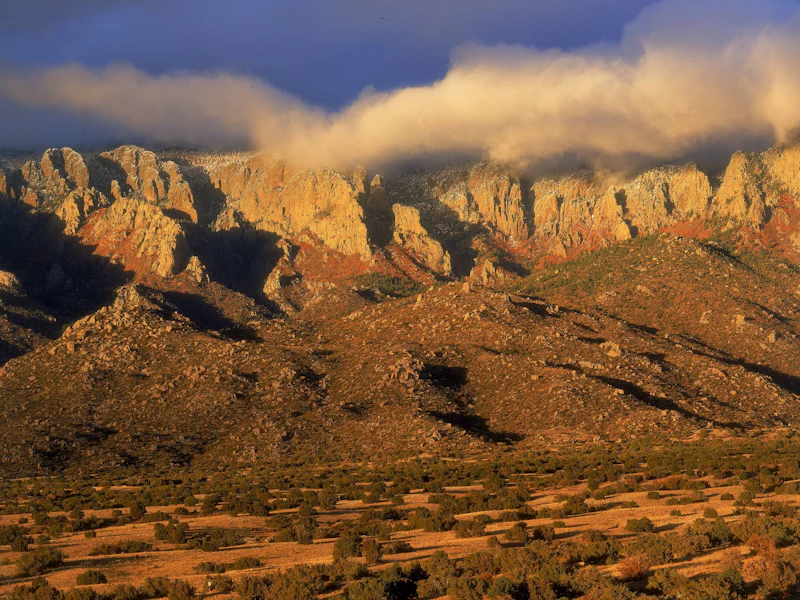 Sandia Mountains. Photo by the U.S. Forest Service
 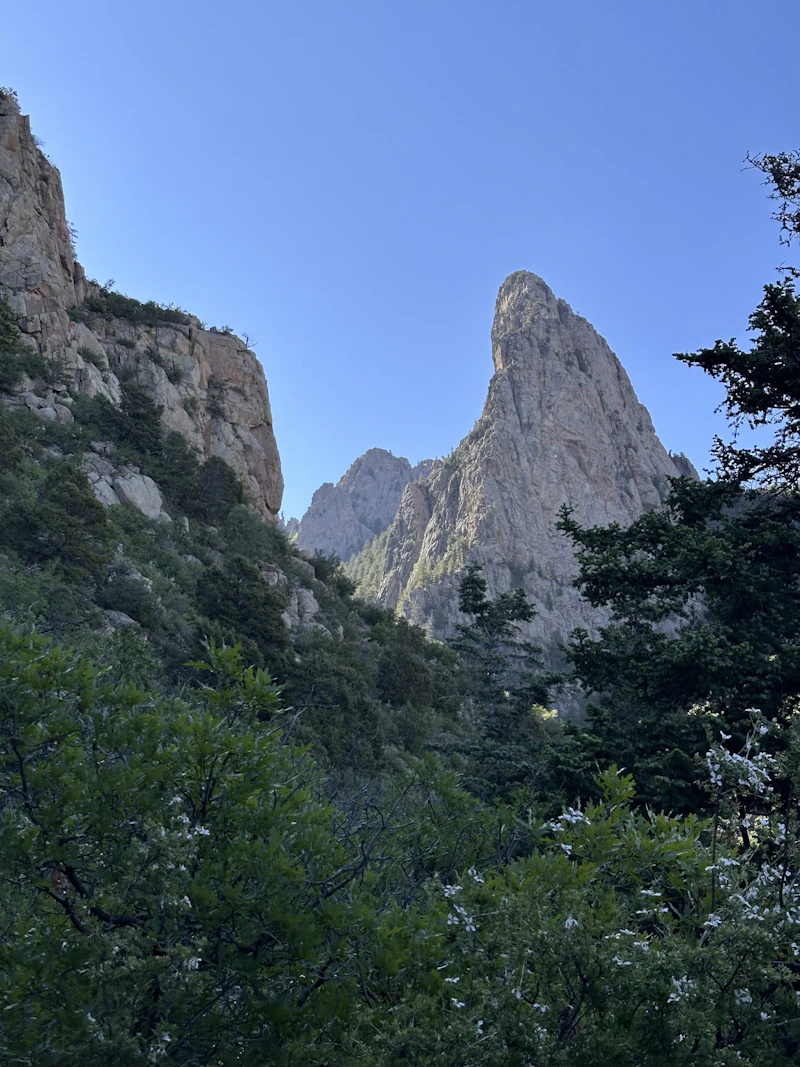 La Luz trail. Photo by Noah Patterson
 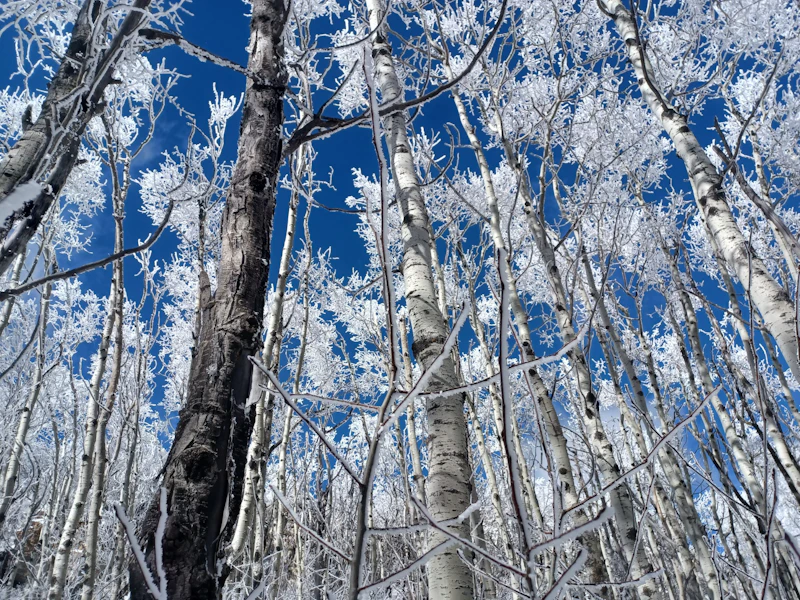 Photo by Nicolas Chavez
 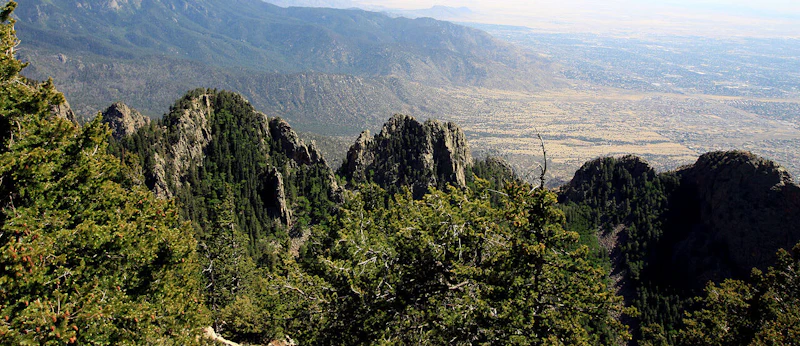 Sandia Crest Trail. Photo by Samat Jain
 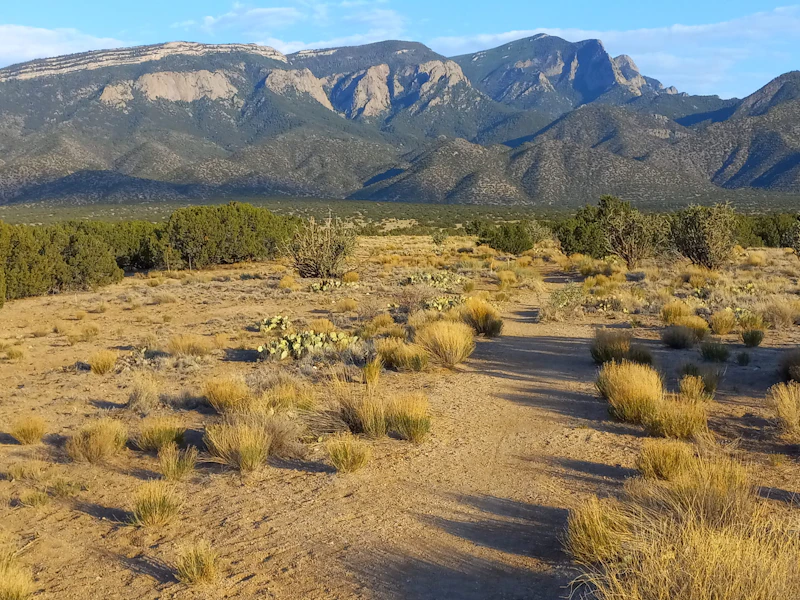 Photo by Sue Roujansky
 What is the History of the Cibola National Forest and National Grasslands?
The Cibola National Forest, now the Cibola National Forest and National Grasslands, was established in 1931. Cibola, pronounced “see-bo-lah,” is thought to be the original Zuni Indian name for their group of pueblos or tribal lands. Later, the Spanish interpreted the word to mean “buffalo.”
Long before European contact, the land was inhabited by Native American tribes such as the Pueblo, Apache, and Navajo, who used the forests and mountains for hunting, gathering, and spiritual practices.
Like most of the National Forests located in the western states, the Cibola National Forest grew out of lands that originally were known as Forest Reserves. These reserves were first established in the late 1800s and early 1900s as a means of affording protection to natural resources, such as watersheds, trees, and soils.
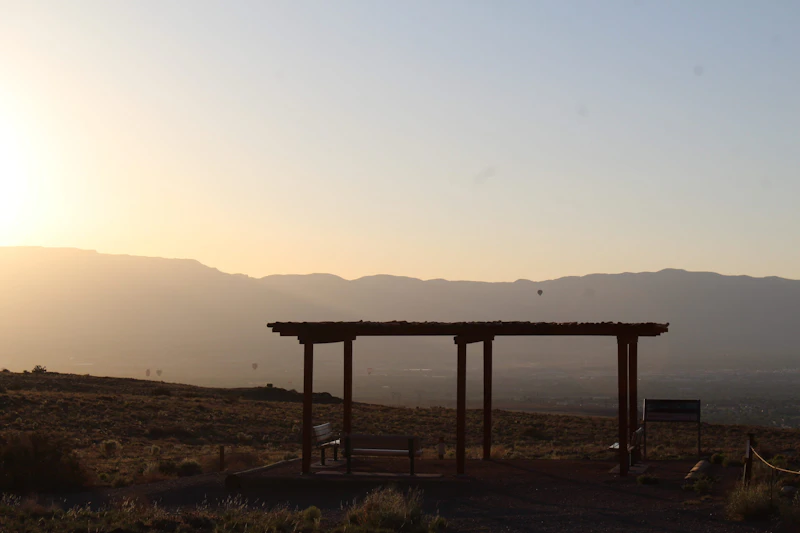
How to Get to the Cibola National Forest and National Grasslands
From the main gateway city of Albuquerque, home to the state’s largest airport, take Interstate 25 north or south and Highway 536, or the Sandia Crest Scenic Byway, which leads up into the forest and offers stunning views. Also near Albuquerque is the Manzano Mountains, part of the forest’s southern area, located off of Interstate 40. For the western areas of Magdalena Mountains and Mt. Taylor District, take Highway 60.
- Albuquerque, New Mexico: 1 to 2.5 hours by car
- Santa Fe, New Mexico: 1.5 to 4 hours by car
- Las Cruces, New Mexico: 3 to 4 hours by car

With nine mountain ranges within its forest boundaries, one of the best ways to experience Cibola is from a high vantage. Sandia Crest, elevation 10,678 feet, is accessible by road, aerial tramway, and trails. Capillia Peak, elevation 9,375 feet, is accessible by road and trails and has a view-packed campground. Mount Taylor, elevation 11,301 feet, has a good road to within a mile of the top.
The Sandia Peak Ski Area is a good place for family skiing, with most of its 30 runs categorized as beginner and intermediate and 117 inches of annual snowfall. The ski area has twin base-to-summit lifts to its upper slopes at 10,350 feet.
With rugged sandstone walls and varied routes, Box Canyon in the remote Magdalena Ranger District is a bouldering dream. In addition to diverse boulders, you’ll find moderate sport routes (5.10-5.11), spectacular views of the Magdalena Mountains, and a nice campground in its foothills.
There are plenty of areas for trout fishing in Bluewater and McGaffey Lakes in the Zuni Mountains; Skipout, Spring Creek, and Dead Indian Lakes in Oklahoma; and Lake Marvin and Lake McClellan in Texas.
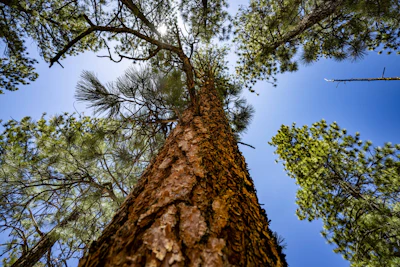 Ponderosa pine Distinguished by its orange-brown bark that smells of vanilla, this pine can grow over 200 feet tall and is well-adapted to fire-prone areas.
 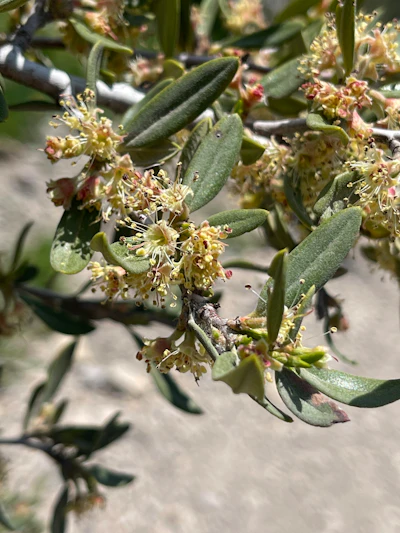 Mountain mahogany This shrubby tree is distinguished by its contorted shape and pale yellow blooms. Its deep root system helps prevent soil erosion and its leaves are a food source for deer and elk.
  Golden eagles Often spotted soaring above canyons, this raptor has incredible vision and speed. It often uses columns of hot air, called thermals, to gain height and vantage, allowing it to spot small mammals.
 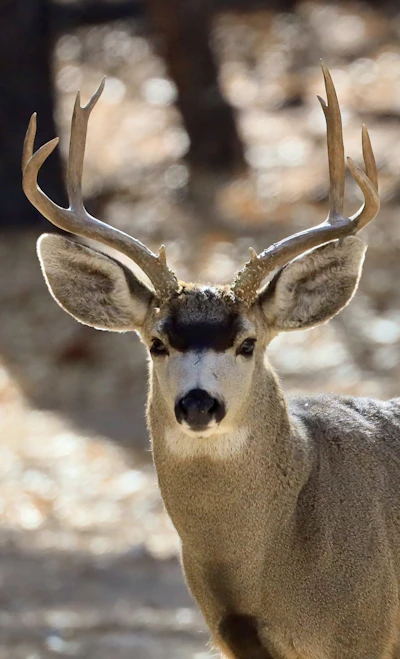 Mule deer One of the more common sights in Cibola, this deer has large ears and black-tipped tails and is most active at dawn and dusk.
 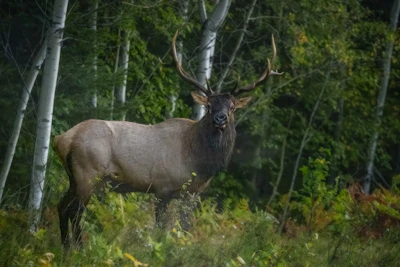 Elk This majestic animal, the second largest species in the deer family after moose, is usually seen grazing in herds across the forest’s high-elevation meadows. Cibola is a popular hunting area for elk, as well as deer, antelope, and turkey.
 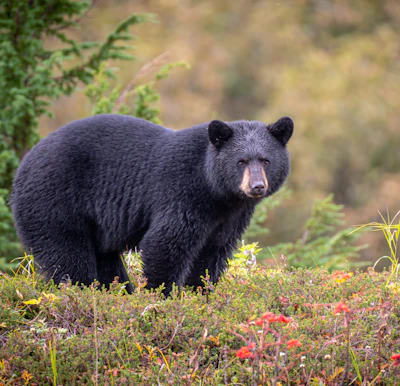 Black bear A fraction of New Mexico’s 8,000 to 9,000 black bears reside in Cibola. It is an omnivore and has a varied diet including berries, nuts, insects, and small mammals.
 What’s the Best First-Timer’s Adventure in the Cibola National Forest and National Grasslands?
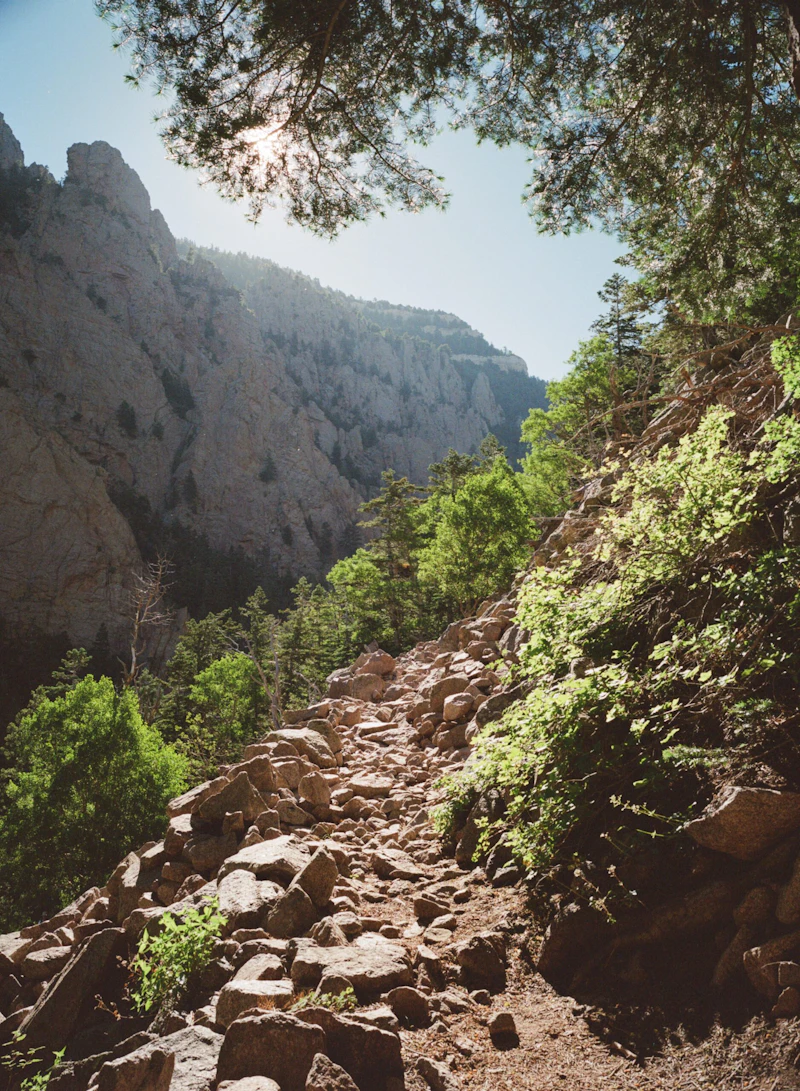
The best hike to the top of the Sandia Mountains is La Luz Trail, which, come springtime, is lined with wildflowers. This is a very strenuous eight-mile trek from the Sandia foothills to the top of the Crest, offering far-reaching views of Albuquerque and beyond. For a more relaxing way to the top, take the Sandia Peak Tramway.
Where to Find More Information on the Cibola National Forest and National Grasslands
For more information or questions, visit https://www.fs.usda.gov/r03/cibola
Discover how communities, volunteers, and partners are shaping the future of our National Forests and Grasslands.
The National Forest Foundation works with partners across Northern Colorado to restore forests, reduce wildfire risk, and care for the…
After years of damage, recovery, and reconstruction, the trail to Hanging Lake has been fully rebuilt, creating a more durable,…
Erosion and wildfire had left Arizona's historic Highline Trail rutted and unsafe. After five years of work with the Tonto…
Forest restoration near Flagstaff is reducing wildfire risk for local communities and safeguarding the water supply for millions across the…
Colorado's 14ers draw thousands of visitors each year, and the pressure on these fragile alpine landscapes is growing. Here's a…
Visitors of all ages can explore forest trails and sparkling waters, discover wildlife and underwater habitats, and connect with Tahoe’s…
A partnership-driven program connecting youth on Montana’s Flathead Reservation with hands-on conservation work, heritage education, and pathways in natural resource…
Seeing the impact first hand on the Grand Mesa, Uncompaghre and Gunnison National Forests
Seven Years of Reopening Trails After the Eagle Creek Fire
Field Ranger Program Connects Diverse Communities to Forests in Southern California
Our Forests Need Us Today.
Your donation powers critical, on-the-ground conservation—from wildfire recovery to watershed restoration—protecting forests for the future.