Wayne National Forest
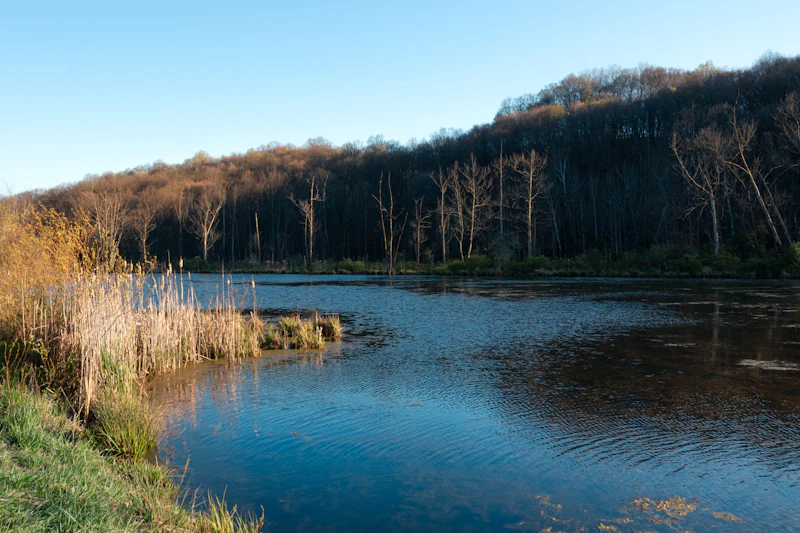
Buffalo Beats Research Natural Area. Photo by Kyle Brooks, courtesy of the U.S. Forest Service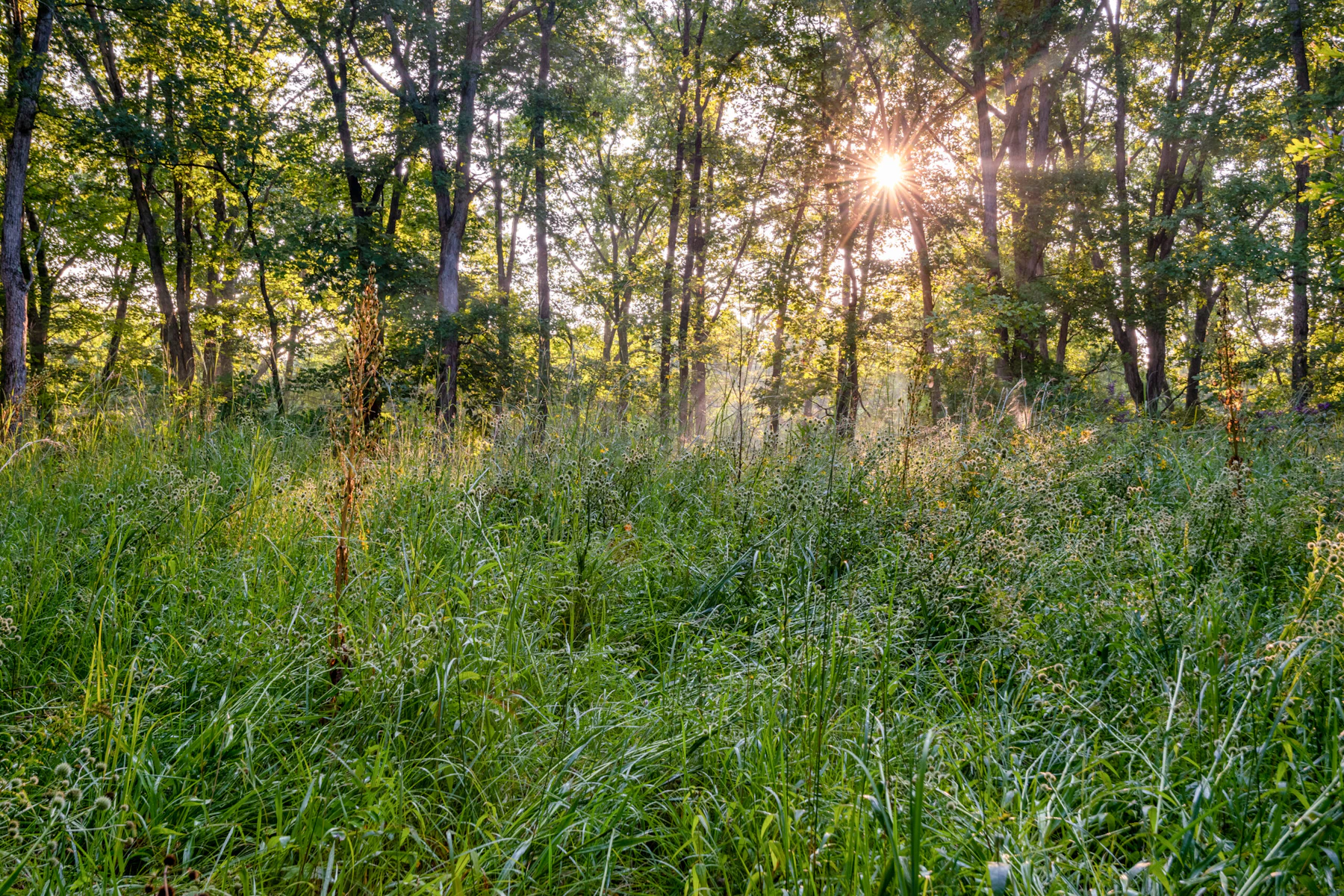
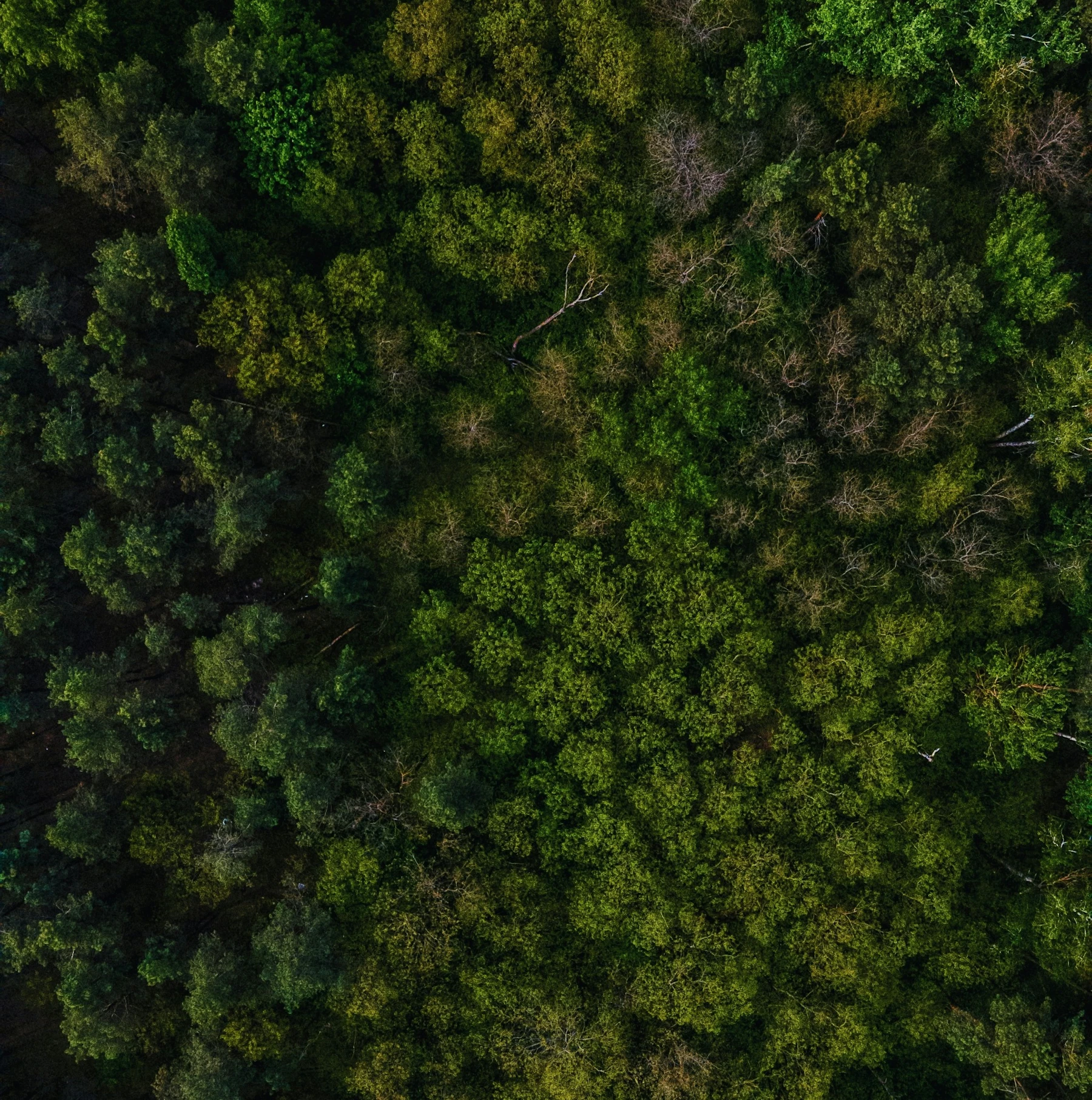
Explore the Wayne National Forest, more than 240,000 acres of rolling foothills of the Appalachian Mountains in southeastern Ohio. The Wayne National Forest is especially valued for its old-growth and second-growth hardwood forests, dominated by oak, hickory, maple, and beech.
The Wayne National Forest is located in three units—the Athens, Marietta, and Ironton districts—located across 12 counties. Its landscapes are defined by rolling hills, steep ravines, and clear streams, offering a variety of ecosystems and ecological research opportunities.
More than 300 miles of hiking trails traverse forests, streams, and scenic overlooks. Mountain biking and horseback riding are popular on designated trail systems. The Wayne National Forest is also home to 145 miles of off-highway vehicle trails, the largest OHV system in the state. Hunters and anglers visit for deer, turkey, and small game or for fishing in streams and ponds.
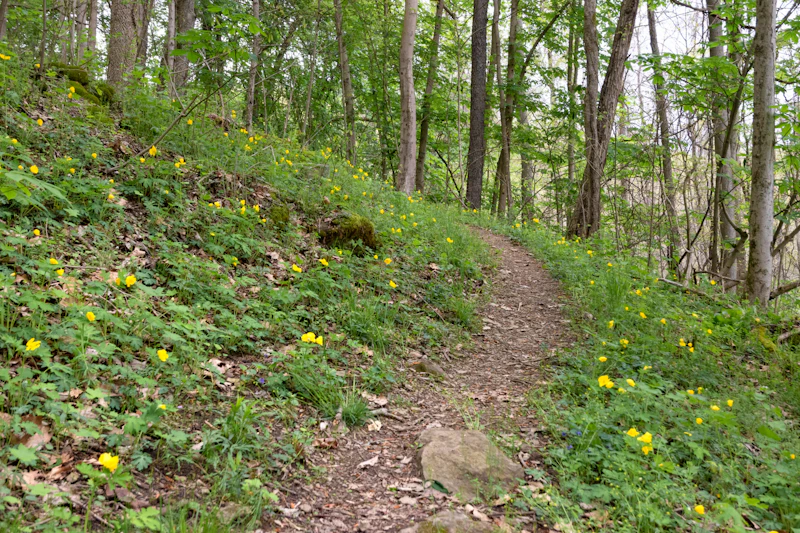 Scenic River Trail. Photo by Kyle Brooks, courtesy of the U.S. Forest Service
 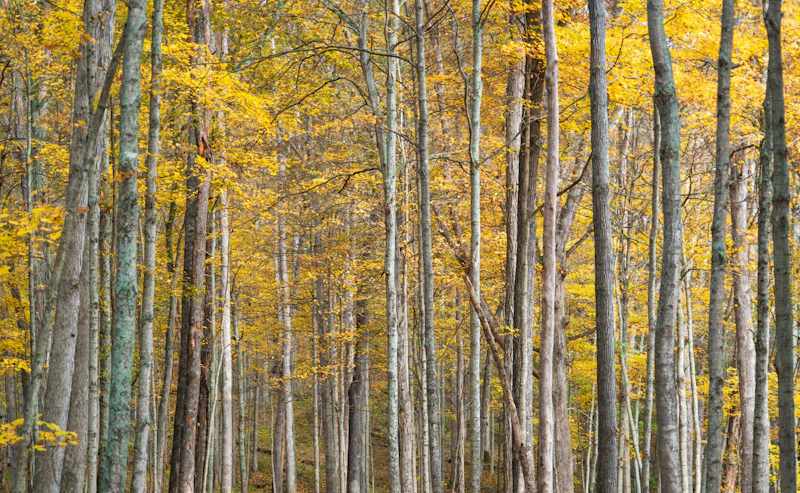 Vesuvius Recreation Area. Photo by Zack & Cora Frank, courtesy of the U.S. Forest Service
 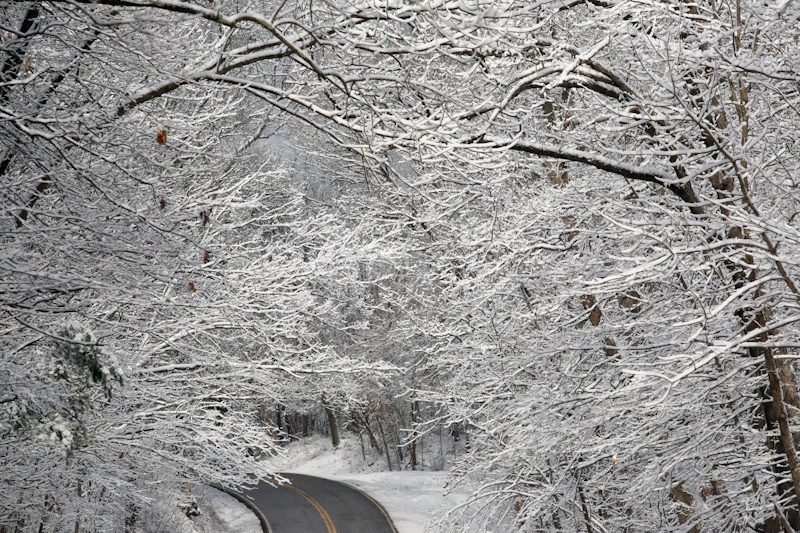 Photo by the U.S. Forest Service
 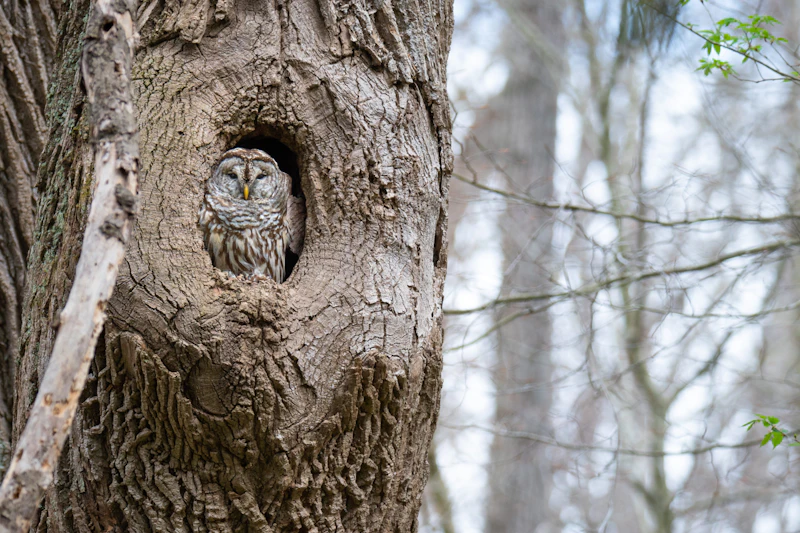 Barred Owl.Photo by Kyle Brooks, courtesy of the U.S. Forest Service
 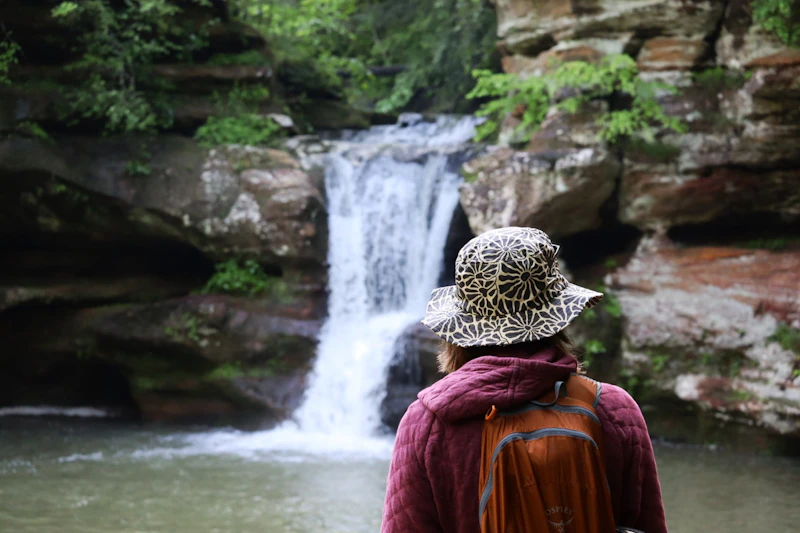 Photo by Collin Hochstetler
 What is the History of the Wayne National Forest?
Established in 1935 and named after Revolutionary War hero General “Mad” Anthony Wayne, the Wayne National Forest was created to rehabilitate forests that were largely degraded due to extensive logging, farming, and coal mining during the 19th and early 20th centuries. Long before this, the area was home to Native American peoples, including the Shawnee, Delaware, and Mingo.
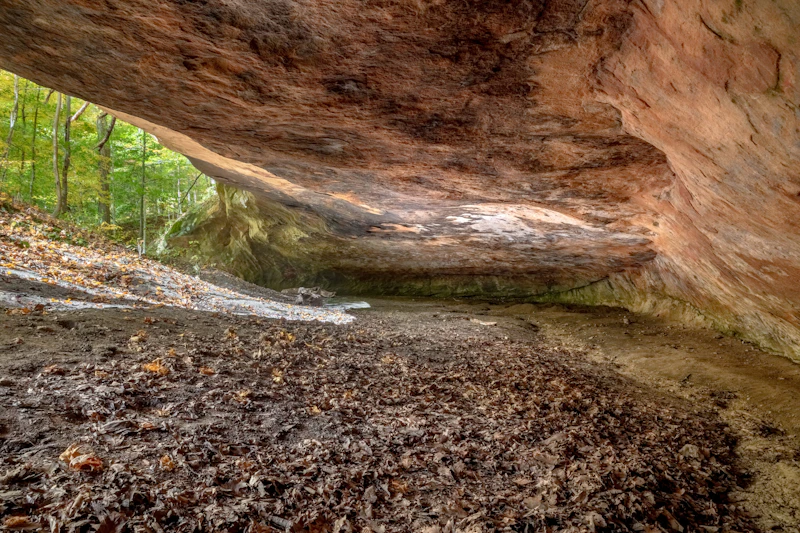
How to Get to the Wayne National Forest
The Wayne National Forest is within a day’s drive from Columbus, Cincinnati, Louisville, and Pittsburgh, making it an easy weekend getaway for many urban residents.
From the north or west, U.S. Route 33 runs east-west through Athens County and provides access to the Athens District, connecting the city of Athens to the forest. Ohio State Route 78 also serves as a scenic route into southern forest areas, linking towns like Chillicothe and Marietta.
The Marietta District can be accessed via U.S. Route 50 and Ohio State Route 7, which run along the Ohio River, connecting to towns like Marietta and Belpre. For the Ironton District in southern Ohio, U.S. Route 52 and State Route 93 provide north-south access.
- Columbus, Ohio: 1 to 1.5 hours by car
- Dayton, Ohio: 2 to 2.5 hours by car
- Cincinnati, Ohio: 2.5 to 3 hours by car
- Akron, Ohio: 2.5 to 3 hours by car
- Pittsburgh, Pennsylvani: 3 to 3.5 hours by car

This incredible destination centers around 143-acre Lake Vesuvius. It features two campgrounds, a swimming beach, an archery trail, and a 46-mile horseback riding trail system.
Several hundred miles of the country’s longest trail run through the Athens Ranger District and Marietta Unit of the Wayne National Forest. Plan your trip so you can overnight at Burr Oak Cove Campground, located on the trail and tranquil Burr Oak Reservoir.
With more than 145 trails available for off-highway vehicle use, the Wayne National Forest is a premier destination for going off-roading. In particular, the Monday Creek OHV system, in the Athens area, is popular for its 75 miles of exciting tracks.
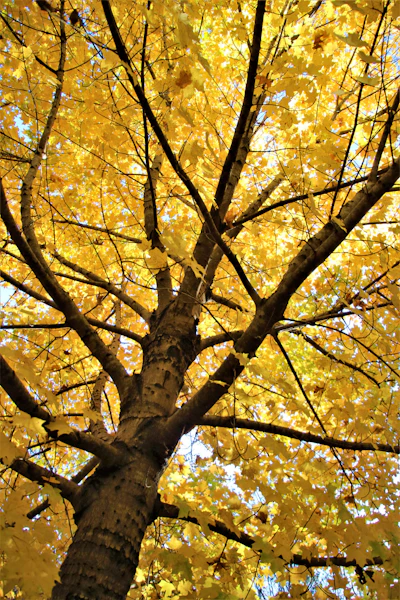 Sugar maple This common hardwood is known for its five-lobed leaves that turn every color in the fall and produce the sap used in maple syrup.
 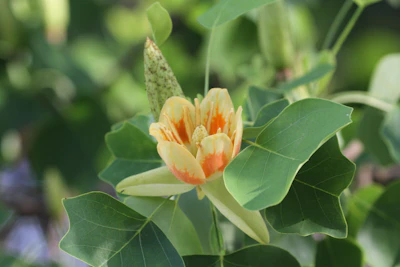 Yellow poplar Also known as a tulip tree, this fast-growing hardwood blooms with tulip-shaped flowers in the spring.
 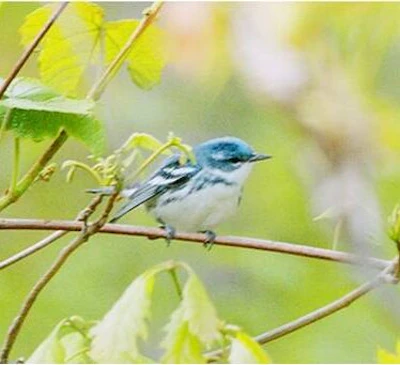 Cerulean warbler With sky-blue plumage, this striking songbird favors hardwood forests with open understories.
 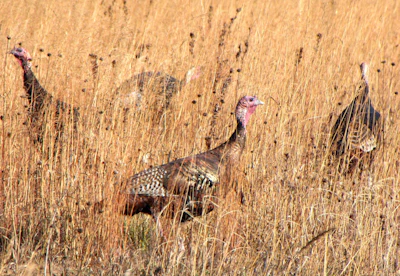 Wild turkey This iconic game bird displays striking iridescent feathers and a fan-shaped tail, especially during the spring mating season.
 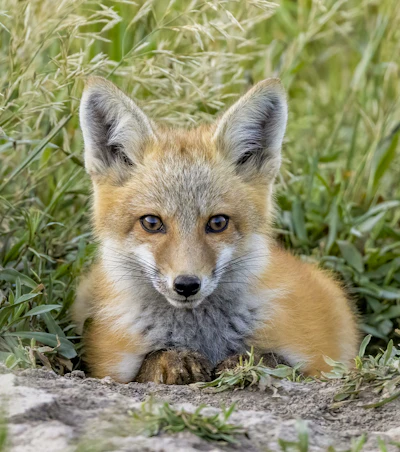 Red fox With a reddish coat, bushy tail, and pointed ears, this small fox play an important role in controlling rodent populations and dispersing seeds.
 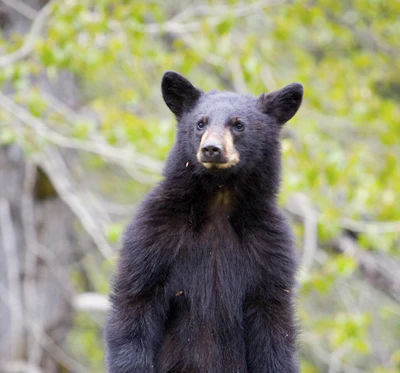 Black bear This medium-sized bear resides in the dense woodlands and open meadows of the forest, foraging for berries, insects, and small animals.
 What’s the Best First-Timer’s Adventure in the Wayne National Forest
There are three canoeable rivers on the Wayne National Forest: the Little Muskingum River on the Marietta, the Hocking River on the Athens, and Symmes Creek in the Ironton. All three have access points on public land and provide a tranquil float, ideal for family canoeing. Private canoe liveries on the Hocking and Little Muskingum Rivers offer float trips of varying lengths.
Where to Find More Information on the Wayne National Forest
For more information or questions, visit https://www.fs.usda.gov/r09/wayne.
Discover how communities, volunteers, and partners are shaping the future of our National Forests and Grasslands.
The National Forest Foundation works with partners across Northern Colorado to restore forests, reduce wildfire risk, and care for the…
After years of damage, recovery, and reconstruction, the trail to Hanging Lake has been fully rebuilt, creating a more durable,…
Erosion and wildfire had left Arizona's historic Highline Trail rutted and unsafe. After five years of work with the Tonto…
Forest restoration near Flagstaff is reducing wildfire risk for local communities and safeguarding the water supply for millions across the…
Colorado's 14ers draw thousands of visitors each year, and the pressure on these fragile alpine landscapes is growing. Here's a…
Visitors of all ages can explore forest trails and sparkling waters, discover wildlife and underwater habitats, and connect with Tahoe’s…
A partnership-driven program connecting youth on Montana’s Flathead Reservation with hands-on conservation work, heritage education, and pathways in natural resource…
Seeing the impact first hand on the Grand Mesa, Uncompaghre and Gunnison National Forests
Seven Years of Reopening Trails After the Eagle Creek Fire
Field Ranger Program Connects Diverse Communities to Forests in Southern California
Our Forests Need Us Today.
Your donation powers critical, on-the-ground conservation—from wildfire recovery to watershed restoration—protecting forests for the future.