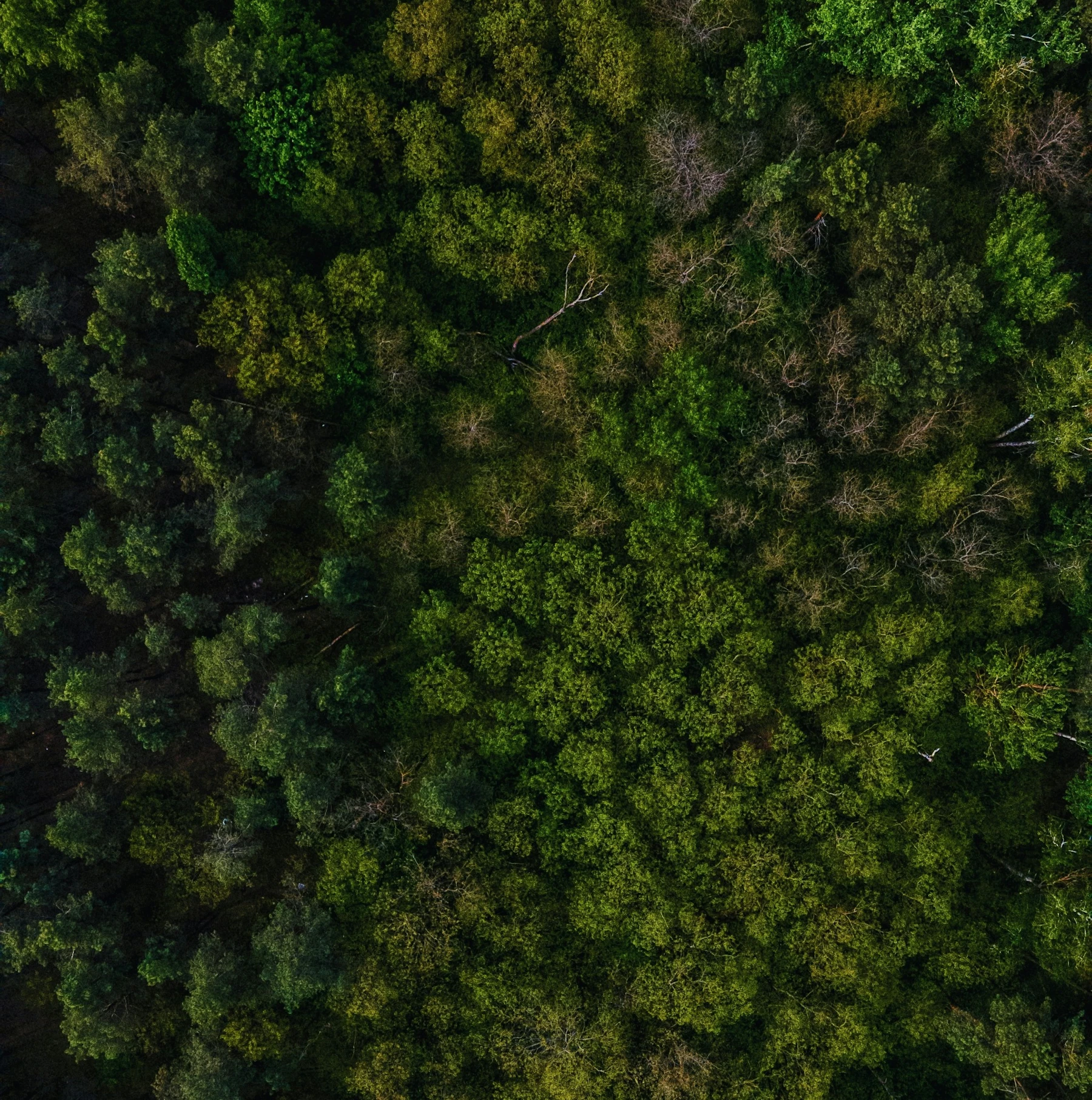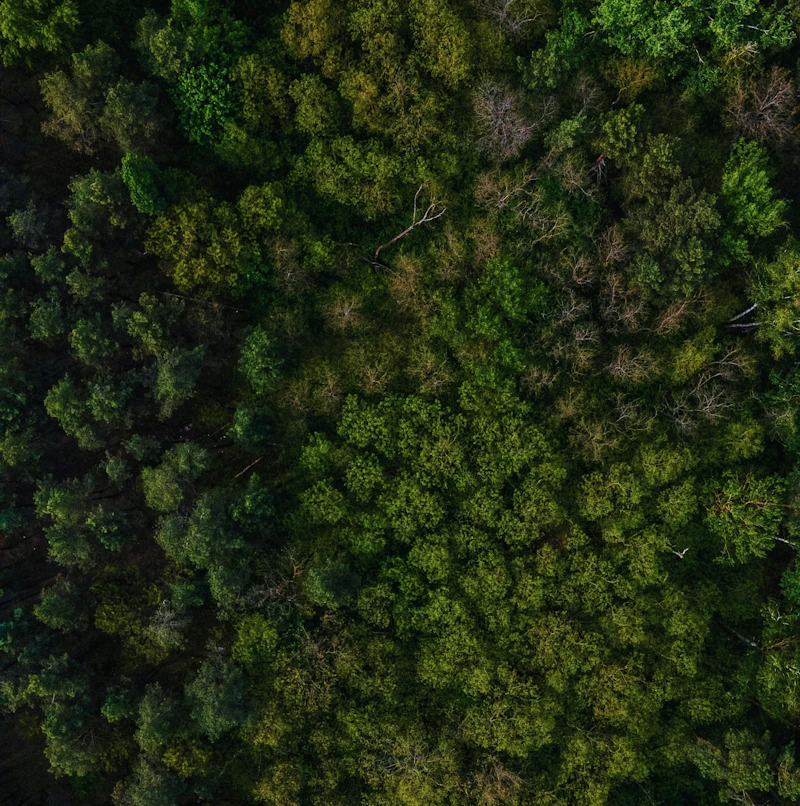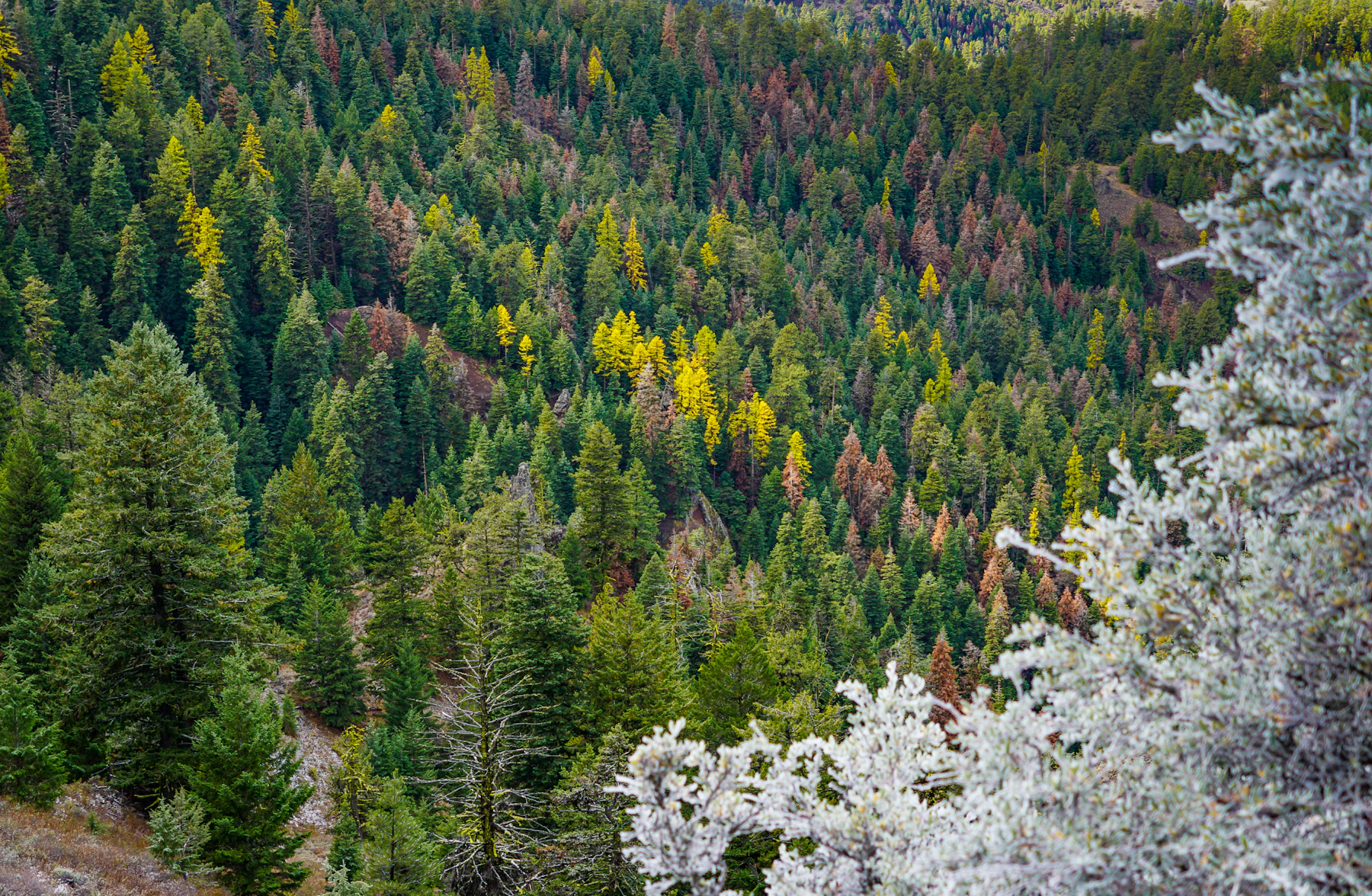
Discover the Ochoco National Forest, 850,000 acres of ponderosa pine forests, high desert canyons, mountain meadows, and volcanic peaks in central Oregon.
There are 36,200 acres of designated Wilderness Areas distributed among three sites: Mill Creek, Black Canyon, and Bridge Creek. The Maury and Ochoco Mountains, extensions of the Blue Mountains, reside in the forest, as do portions of the Wildcat Caldera, a volcanic feature likely formed 40 million years ago.
The forest is also home to stretches of eight Wild and Scenic Rivers. It’s also the headwaters of the North Fork of the Crooked River, where anglers can cast for trout and paddlers can flow from Deep Creek Campground.
From large and complex obsidian quarry sites to ancient stone tools, there are many archaeological sites in the forest. You’ll also find traces of early pioneer trails such as the Meek Wagon trail and historic wagon roads such as the Huntington Road that traversed the high desert between The Dalles and Klamath Marsh.
One of the highlights of the Ochoco is its extensive trail system, which offers exciting options for hikers, mountain bikers, and horseback riders. Due to its unique geology and a wide variety of rock types in a relatively small area, the Ochoco National Forest is a great place to go rockhounding. In the winter, go cross-country skiing or snowshoeing in the forest’s Pineville area or at Walton Sno-Park.
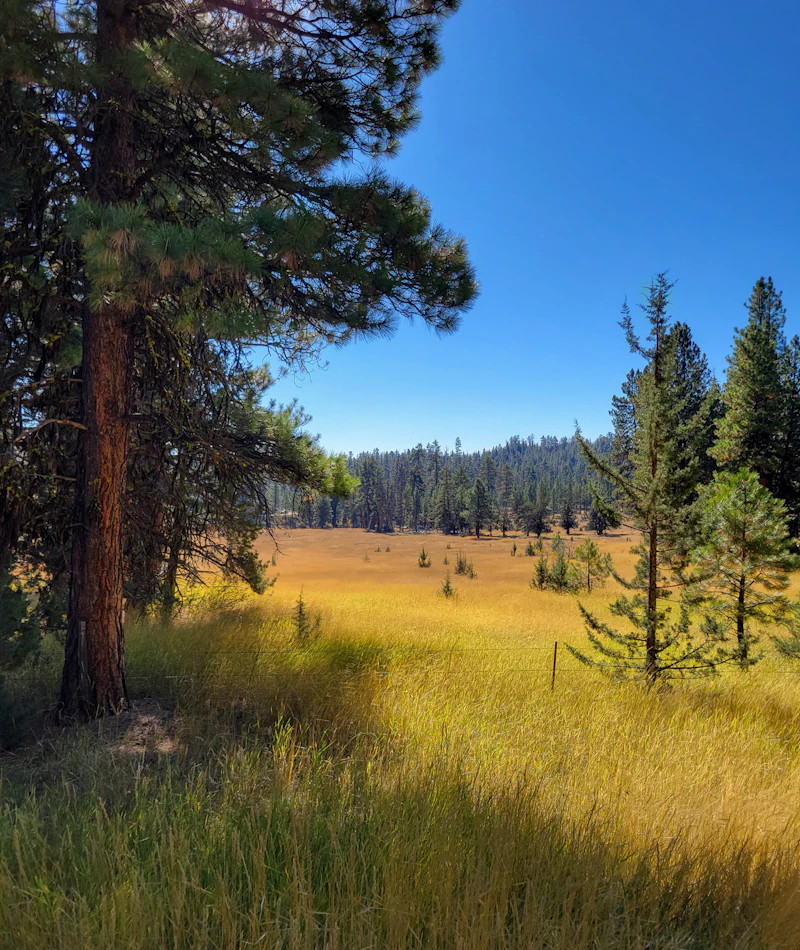 Photo by Taylor Johnson
 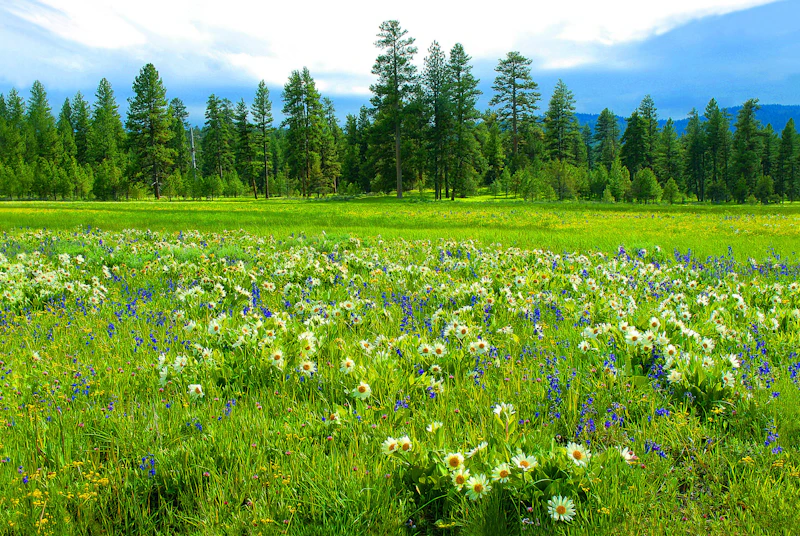 Big Summit Prairie. Photo by U.S. Forest Service
 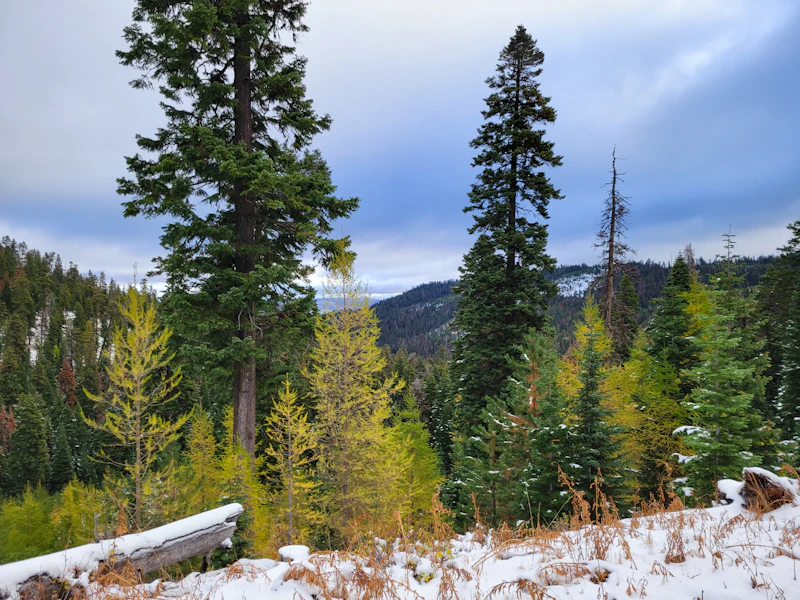 Photo by Taylor Johnson
 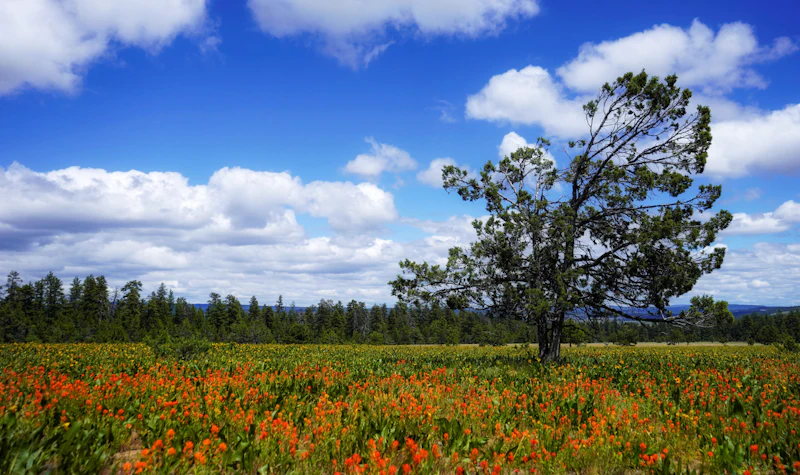 Photo by Carolyn Ferreira
 What is the History of the Ochoco National Forest?
Since their creation as parts of the Cascade Forest Reserve (1893) and Blue Mountains Forest Reserve (1906), the Deschutes and Ochoco National Forests have played an important role in Central Oregon’s economic and social history.
The forests were major suppliers of timber during the decades when mills formed the core of central Oregon’s economy and today are a destination for the millions of recreationists each year.
Long before its designation, the Ochoco region was home to several Indigenous tribes, including the Northern Paiute, Tenino (Warm Springs), and Wasco peoples.
How to Get to the Ochoco National Forest
The small town of Prineville, serves as the forest’s main gateway. From Bend, visitors can take U.S. Highway 26. From Portland, U.S. 26 passes Mount Hood and Madras on its way to the forest. From the east, U.S. Highway 26 or U.S. Highway 20 provides access from John Day, Burns, and other high-desert communities.
- Bend, Oregon: 1.5 to 2 hours by car
- Portland, Oregon: 4 to 4.5 hours by car
- Eugene, Oregon: 4 to 4.5 hours by car

The forest’s ancient volcanic history has created rich deposits of petrified wood, dendrite, angel wing, and other rocks and minerals. Popular sites include Whistler Springs and White Fir Springs, but most areas are located within remote parts of the forest off of service roads, which can be found by downloading this map.
One of the forest’s best hikes, this challenging 15-mile trail takes hikes to the highest peak of the Ochoco Mountains, 6,918-foot Lookout Mountain, which offers sweeping views of the Cascades, the Painted Hills, and the high desert. In summer, wildflowers blanket the meadows along the trail.
This 150-mile loop showcases the region’s best scenery, from volcanic peaks and forested ridges to canyons and historic sites. Along the way, stop at overlooks, trailheads, and interpretive points that tell the story of the forest’s geology and cultural heritage.
 Brown’s peony With its unique dark maroon, drooping flowers, this native wildflower is a favorite among botanists.
 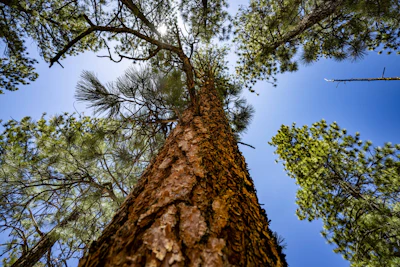 Ponderosa pine One of the most dominant trees in the Ochoco, it inhabits elevations between 6,500 and 8,000 feet and is known for vanilla-scented bark and large cones.
 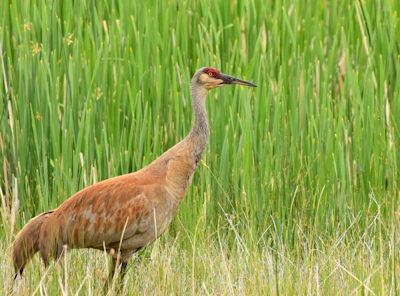 Greater sandhill crane Known for its distinct trumpeting calls, this large majestic bird primarily breeds in the north, but passes through central Oregon on its migratory route.
  Wolverine This rare and elusive carnivore relies on cold, high-elevation forests and alpine meadows and hunts small mammals and scavenges carrion.
 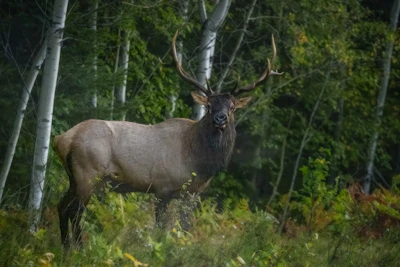 Elk This large herbivore migrates seasonally, moving to higher elevations in summer and lower valleys in winter to access food and shelter.
 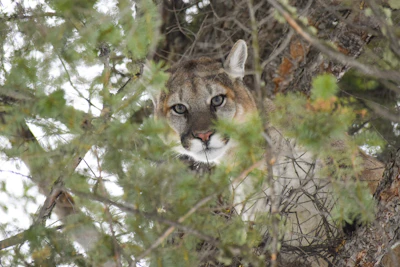 Mountain lion While there’s a healthy population of this big cat, its elusive and solitary nature means it’s rarely sighted.
 Related Impact
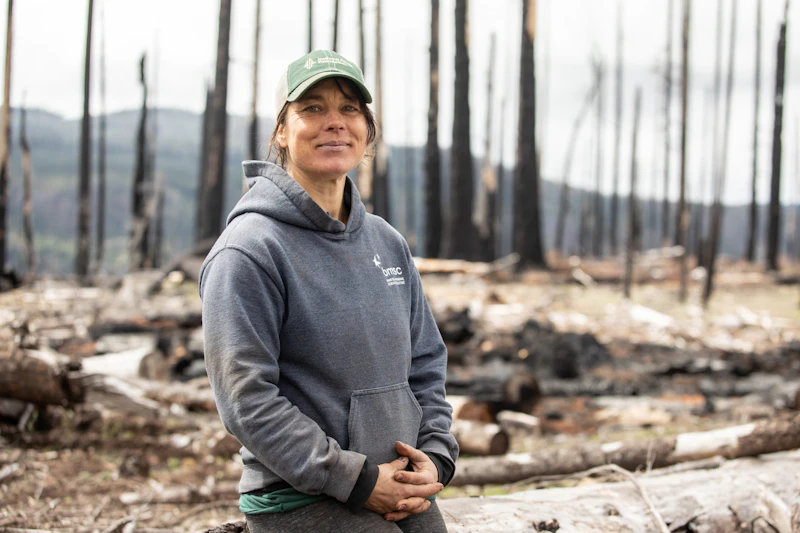
Reforestation on the Umpqua
Anna’s family has been planting trees for 50 years. Now she is helping build a sustainable model to meet the Forest’s future post-fire reforestation needs.
What’s the Best First-Timer’s Adventure in the Ochoco National Forest
For a one-stop experience of the Ochoco National Forest, spend a few days at Walton Lake, nestled among old-growth ponderosa pine forest and meadows. Relax on the lake’s shoreline, fish for rainbow trout, head out on one of the many hikes in the area, and overnight at a well-maintained campground with shaded sites for tents and RVs.
Where to Find More Information on the Ochoco National Forest
For more information or questions, visit https://www.fs.usda.gov/r06/ochoco.
Discover how communities, volunteers, and partners are shaping the future of our National Forests and Grasslands.
The National Forest Foundation works with partners across Northern Colorado to restore forests, reduce wildfire risk, and care for the…
After years of damage, recovery, and reconstruction, the trail to Hanging Lake has been fully rebuilt, creating a more durable,…
Erosion and wildfire had left Arizona's historic Highline Trail rutted and unsafe. After five years of work with the Tonto…
Forest restoration near Flagstaff is reducing wildfire risk for local communities and safeguarding the water supply for millions across the…
Colorado's 14ers draw thousands of visitors each year, and the pressure on these fragile alpine landscapes is growing. Here's a…
Visitors of all ages can explore forest trails and sparkling waters, discover wildlife and underwater habitats, and connect with Tahoe’s…
A partnership-driven program connecting youth on Montana’s Flathead Reservation with hands-on conservation work, heritage education, and pathways in natural resource…
Seeing the impact first hand on the Grand Mesa, Uncompaghre and Gunnison National Forests
Seven Years of Reopening Trails After the Eagle Creek Fire
Field Ranger Program Connects Diverse Communities to Forests in Southern California
Our Forests Need Us Today.
Your donation powers critical, on-the-ground conservation—from wildfire recovery to watershed restoration—protecting forests for the future.