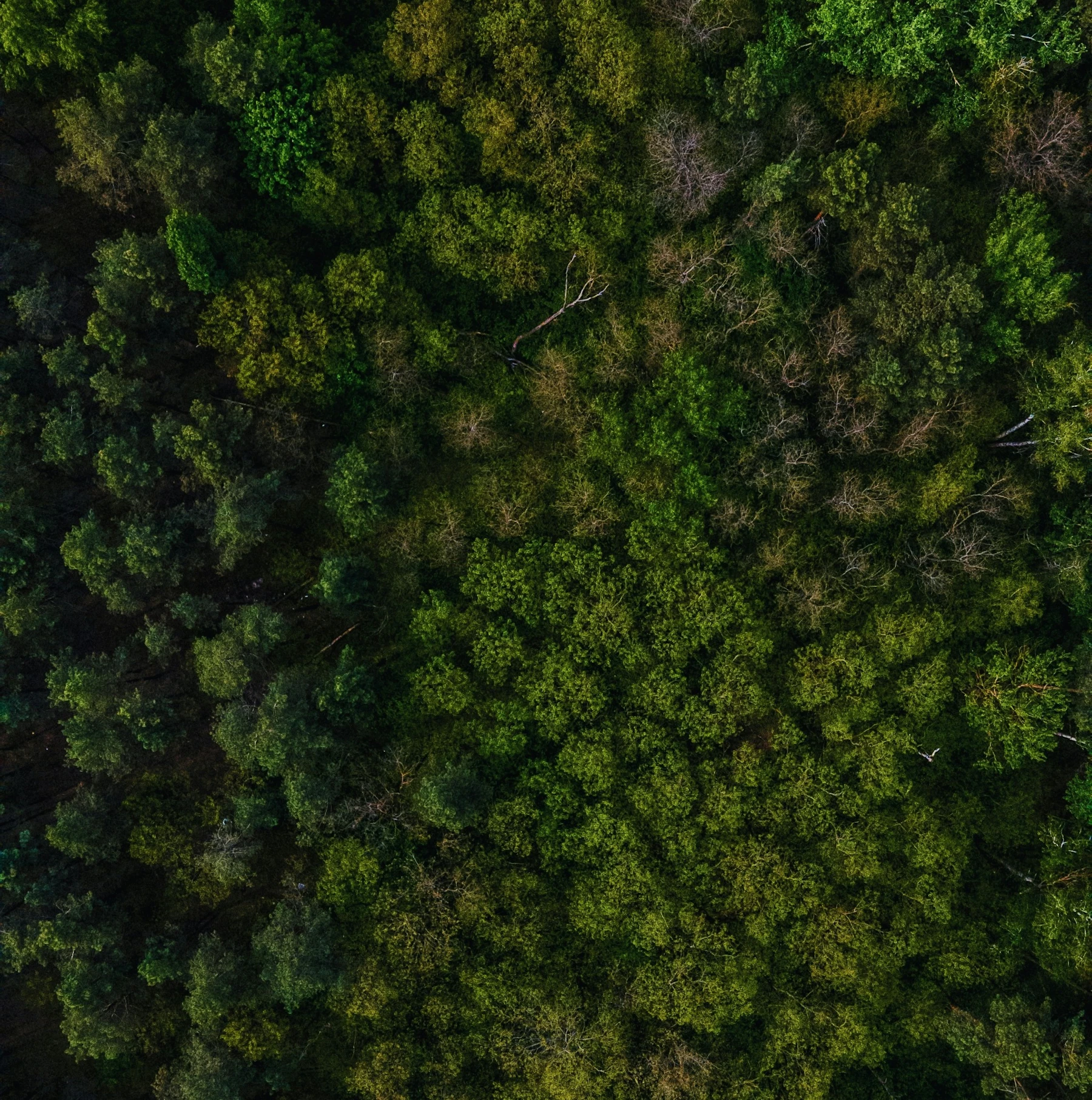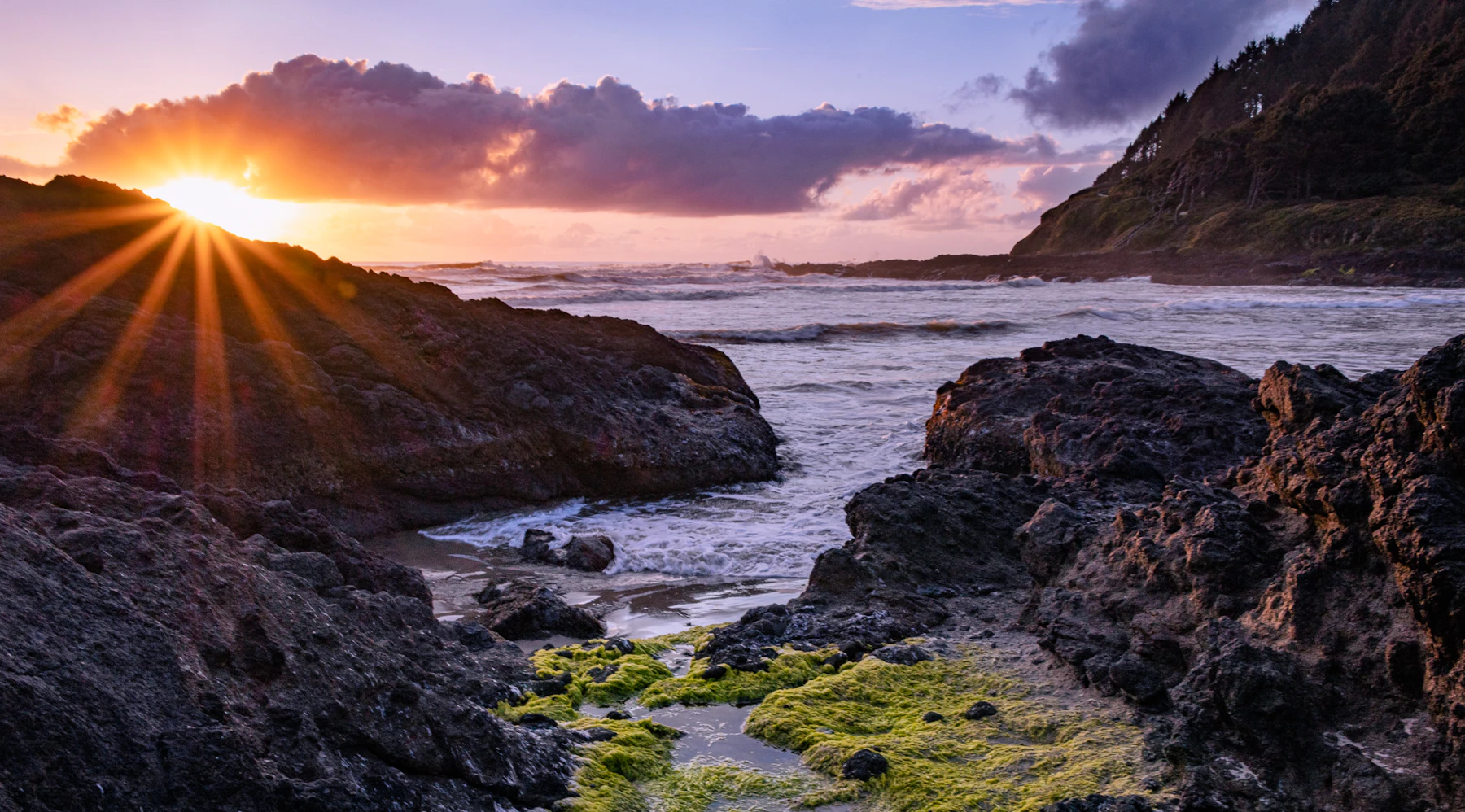
Uncover the Siuslaw National Forest, 630,000 acres extending from the Oregon Coast Range to Coos Bay on the Pacific Ocean. The Pacific Coast Scenic Byway, or Highway 101, runs parallel along the west side of the Forest and the Pacific Ocean.
Most of the forest is composed of the Oregon Coast Range, the mountains that run north to south from the Columbia River to north central California. It’s bordered on the east by the Willamette Valley and the west by the Pacific Ocean and is one of only two National Forests in the Lower 48 to claim oceanfront.
Four major rivers flow out of the Siuslaw National Forest into the Pacific Ocean: the Nestucca, Alsea, Siuslaw, and Umpqua, a designated Wild and Scenic River. These rivers provide excellent habitat for anadromous fish, and smaller streams and tributaries add to the annual route salmon and steelhead take to their ancestral spawning grounds.
The Siuslaw has two distinct vegetation zones, the hardy Sitka spruce region, where the coast’s mild temperatures, winds, and dense fog discourage other types of growth, and the western hemlock zone, which grows in shade beneath the dense Douglas-fire canopy. Both zones contain freshwater, upland, offshore, and estuarine habitats.
Because of the varied terrain, from mountains to beaches, visitors have a stunning choice of recreation. From hiking or biking Marys Peak, the highest in the Coast Range at 4,097 feet, to horseback riding or off-roading on the beach, to whale watching at Oregon Dunes National Recreation Area, the Siuslaw National Forest offers something for everyone.
For those looking for a wilder adventure, the forest contains four Wilderness Areas: Drift Creek, Devil’s Staircase, Cummins Creek, and Rock Creek.
 Photo by Alex Chacon
 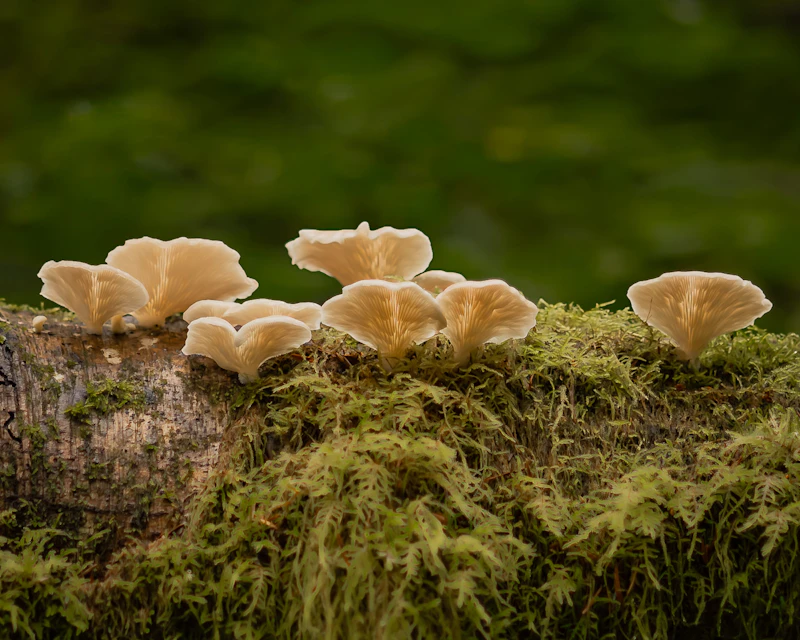 Photo by Cheyenne Leavitt
 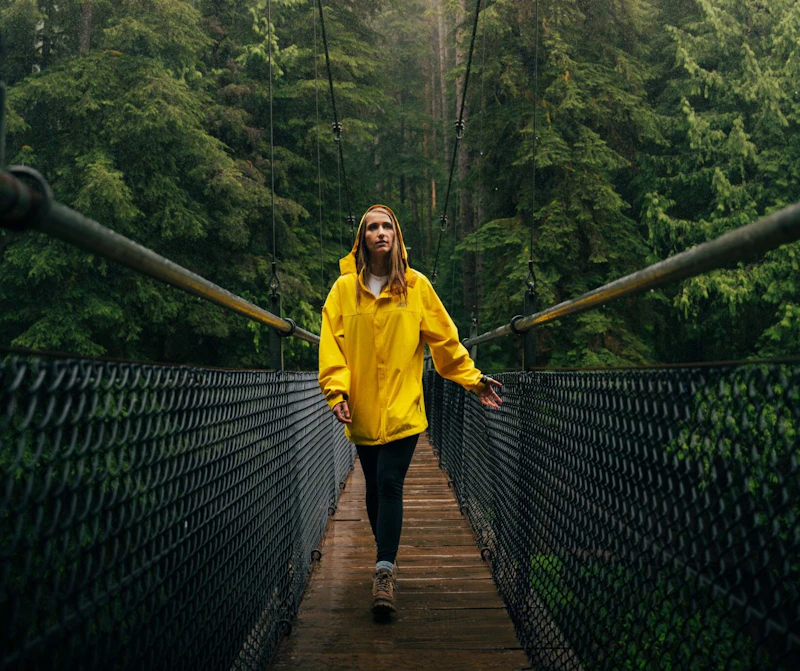 Photo by Jordan Lefler
  Photo by Clinton Kemp
 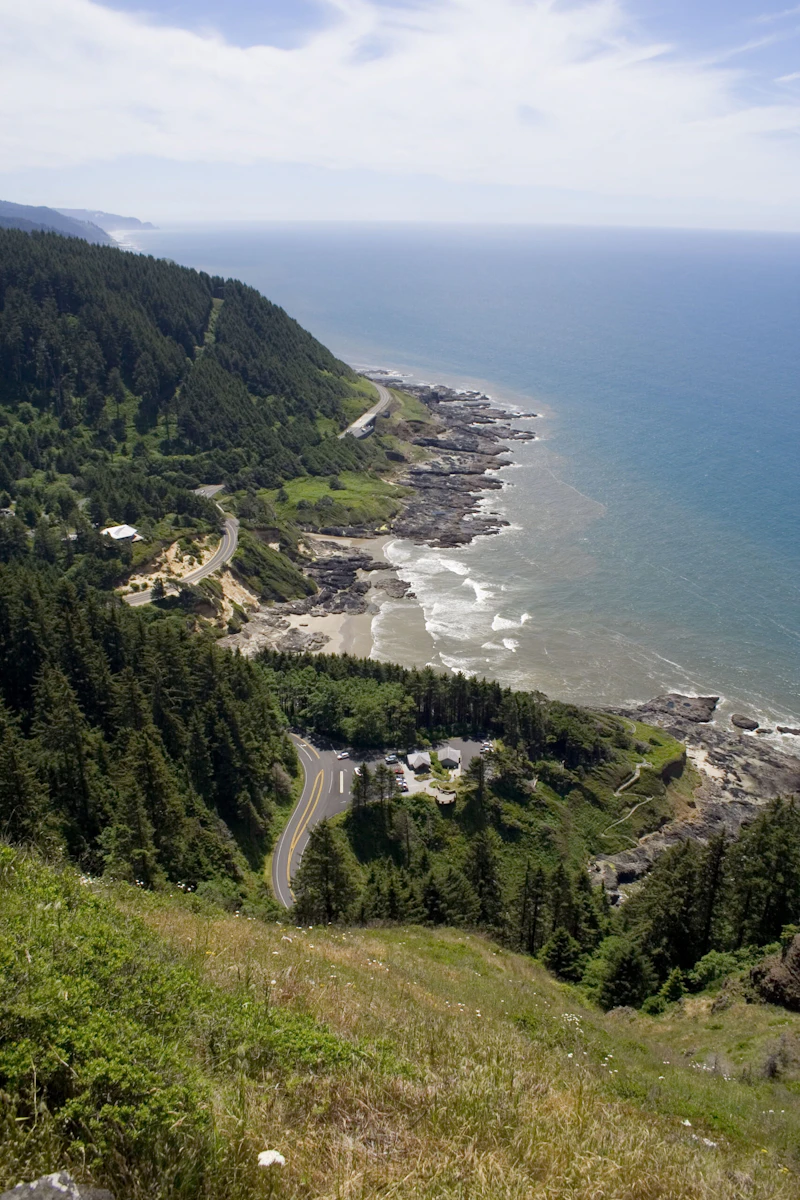 Cape Perpetua. Photo by Jeff Kramer
 What is the History of the Siuslaw National Forest?
The Siuslaw National Forest is named after the Siuslaw River and the Siuslaw people, an Indigenous tribe of the central Oregon coast. The Alsea peoples, ancestors of now-members of the Confederated Tribes of Siletz Indians, and Coos peoples, now part of the Confederated Tribes of Coos, Lower Umpqua, and Siuslaw, have called this region home for thousands of years.
In the 19th century, European explorers, trappers, and settlers arrived, followed by the Pacific Northwest’s booming logging industry. In response to the widespread logging, President Theodore Roosevelt established the Siuslaw National Forest in 1908.
How to Get to the Siuslaw National Forest
For coastal destinations, including the Oregon Dunes, Cape Perpetua, and forest areas near the ocean, U.S. Highway 101 is the primary access route and connects to gateway towns such as Florence, Yachats, Waldport, and Reedsport
To reach the inland parts of the forest, Oregon Highway 126 connects the city of Eugene to the gateway of Florence. This route passes through the Siuslaw River corridor and offers access to campgrounds and trailheads.
- Eugene, Oregon: 1.5 to 2 hours by car
- Salem, Oregon: 1.5 to 2 hours by car
- Portland, Oregon: 2.5 to 3 hours by car
- Medford, Oregon: 3 to 5 hours by car

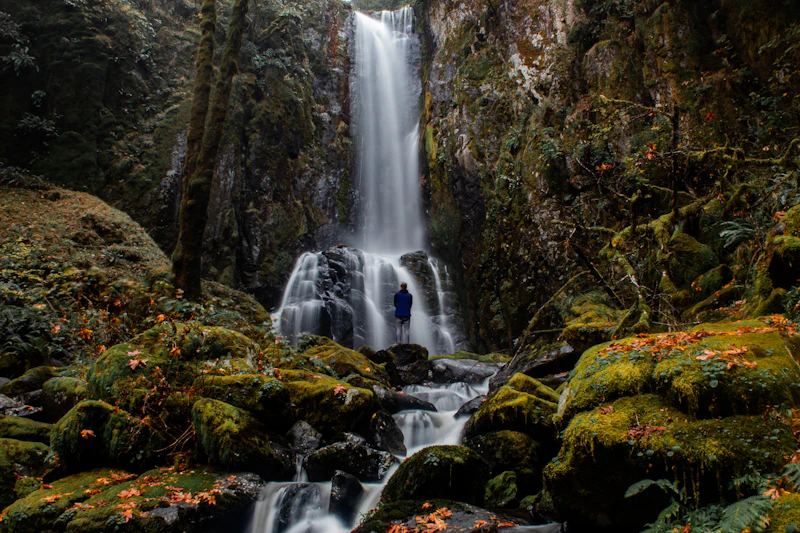
This short and sweet hike packs a punch: You’ll pass 11 waterfalls over just two miles, a few of which have deep plunge pools that make for ideal swimming during the warmer months.
Set 800 feet over the Pacific Ocean, this area comprises the highest viewpoint accessible by car on the Oregon Coast. From there, a 26-mile network of hiking trails wind through much of the 2,700-acre coastal temperate rainforest.
For a memorable way to experience Oregon’s dramatic coastline, go via horseback. Along with mountain trails, miles of wide sand beach are open to horses and feature day-use facilities and four horse-friendly campgrounds.
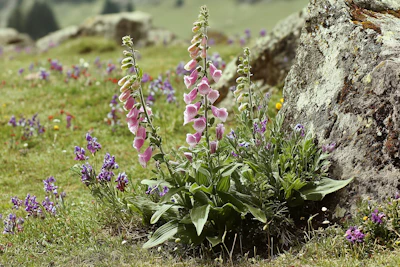 Red foxglove With tall spikes of tubular, pink to reddish-purple blossoms, this wildflower thrives in shaded areas along trails, roadsides, and recently disturbed ground.
 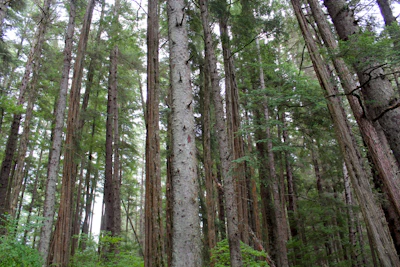 Sitka spruce One of the defining trees of the forest, this spruce can reach up to 200 feet and can withstand coastal winds and fog, growing near the shoreline.
 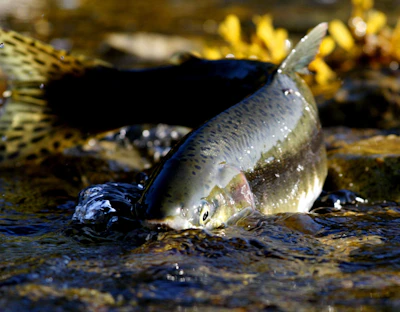 Salmon Species such as Chinook, coho, and steelhead migrate upstream each year to spawn, enriching forest habitats with nutrients carried from the ocean.
 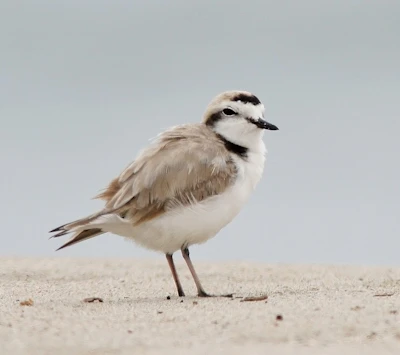 Snowy plover This cute shorebird, recognized by light plumage and dark eye patches, nests directly on the sand, making it vulnerable to disturbance.
 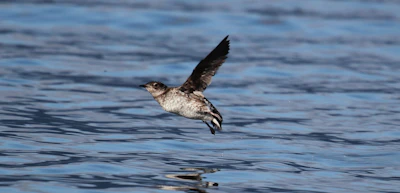 Marbled murrelet Unlike most seabirds, this threatened species nests high in trees, often in Sitka spruce or western hemlock, while feeding in coastal waters.
 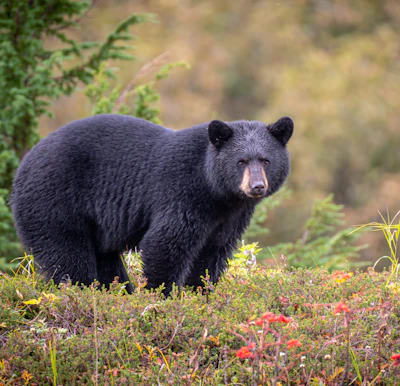 Black bear Ranging in color from black to light brown, this bear is a rare site in the forest’s mixed woodlands and riparian areas, but be sure to stow food away properly and be bear aware.
 Related Impact
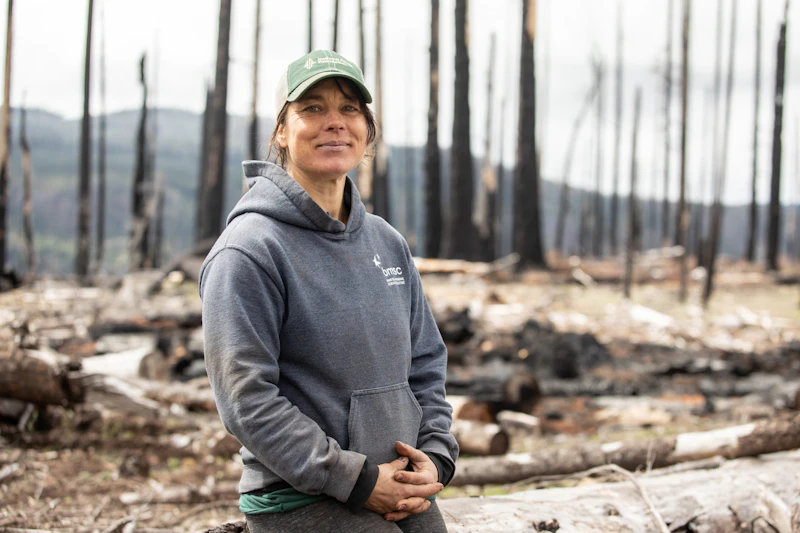
Reforestation on the Umpqua
Anna’s family has been planting trees for 50 years. Now she is helping build a sustainable model to meet the Forest’s future post-fire reforestation needs.
What’s the Best First-Timer’s Adventure in the Siuslaw National Forest
Spend a weekend at Carter Lake Campground in Oregon Dunes National Recreation Area, one of the largest expanses of temperate coastal sand dunes in the world. This family-friendly campground is split among the sandy dunes and Carter Lake, which hosts fishing and boating.

Where to Find More Information on the Siuslaw National Forest
For more information or questions, visit https://www.fs.usda.gov/r06/siuslaw.
Discover how communities, volunteers, and partners are shaping the future of our National Forests and Grasslands.
The National Forest Foundation works with partners across Northern Colorado to restore forests, reduce wildfire risk, and care for the…
After years of damage, recovery, and reconstruction, the trail to Hanging Lake has been fully rebuilt, creating a more durable,…
Erosion and wildfire had left Arizona's historic Highline Trail rutted and unsafe. After five years of work with the Tonto…
Forest restoration near Flagstaff is reducing wildfire risk for local communities and safeguarding the water supply for millions across the…
Colorado's 14ers draw thousands of visitors each year, and the pressure on these fragile alpine landscapes is growing. Here's a…
Visitors of all ages can explore forest trails and sparkling waters, discover wildlife and underwater habitats, and connect with Tahoe’s…
A partnership-driven program connecting youth on Montana’s Flathead Reservation with hands-on conservation work, heritage education, and pathways in natural resource…
Seeing the impact first hand on the Grand Mesa, Uncompaghre and Gunnison National Forests
Seven Years of Reopening Trails After the Eagle Creek Fire
Field Ranger Program Connects Diverse Communities to Forests in Southern California
Our Forests Need Us Today.
Your donation powers critical, on-the-ground conservation—from wildfire recovery to watershed restoration—protecting forests for the future.