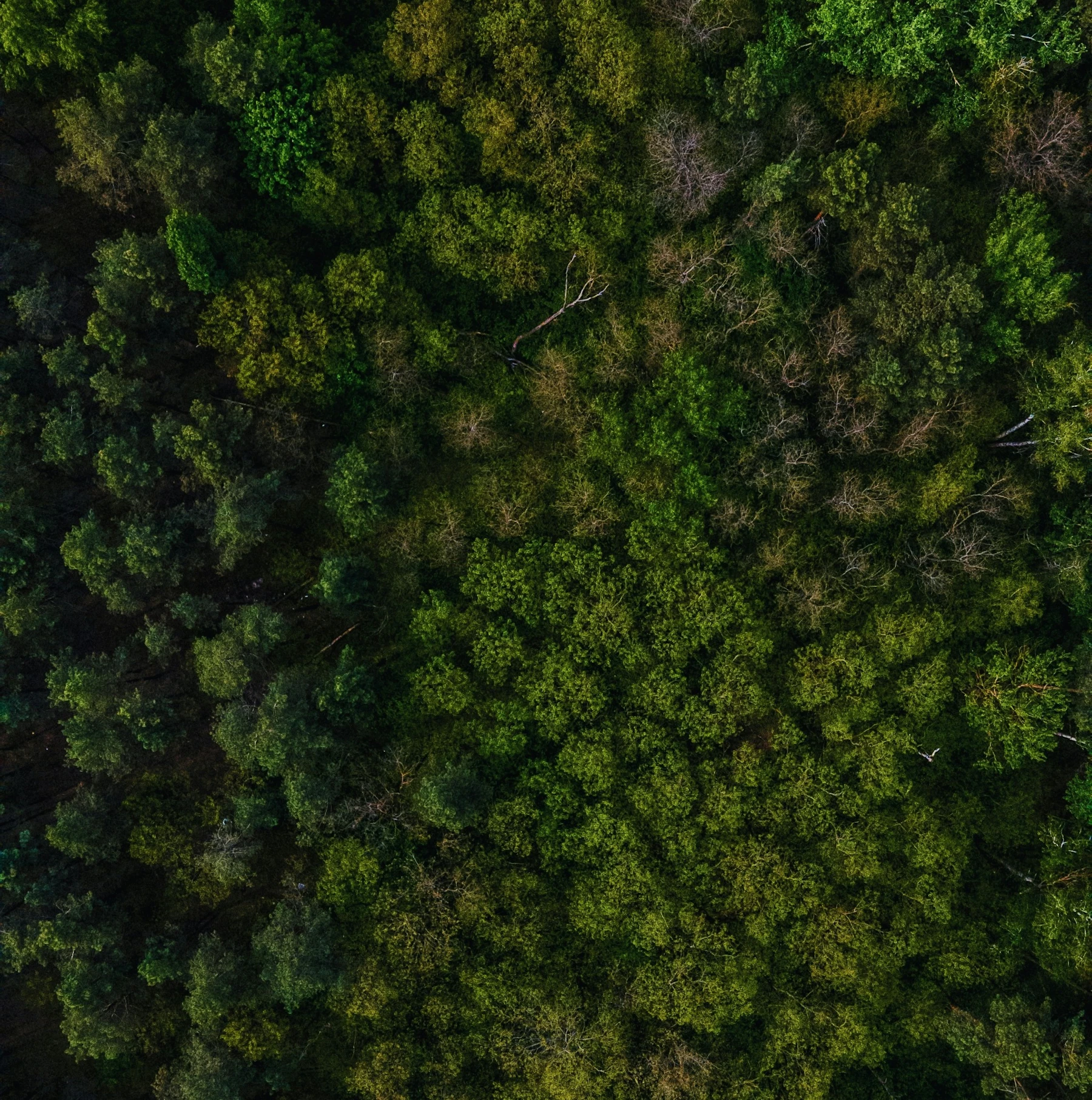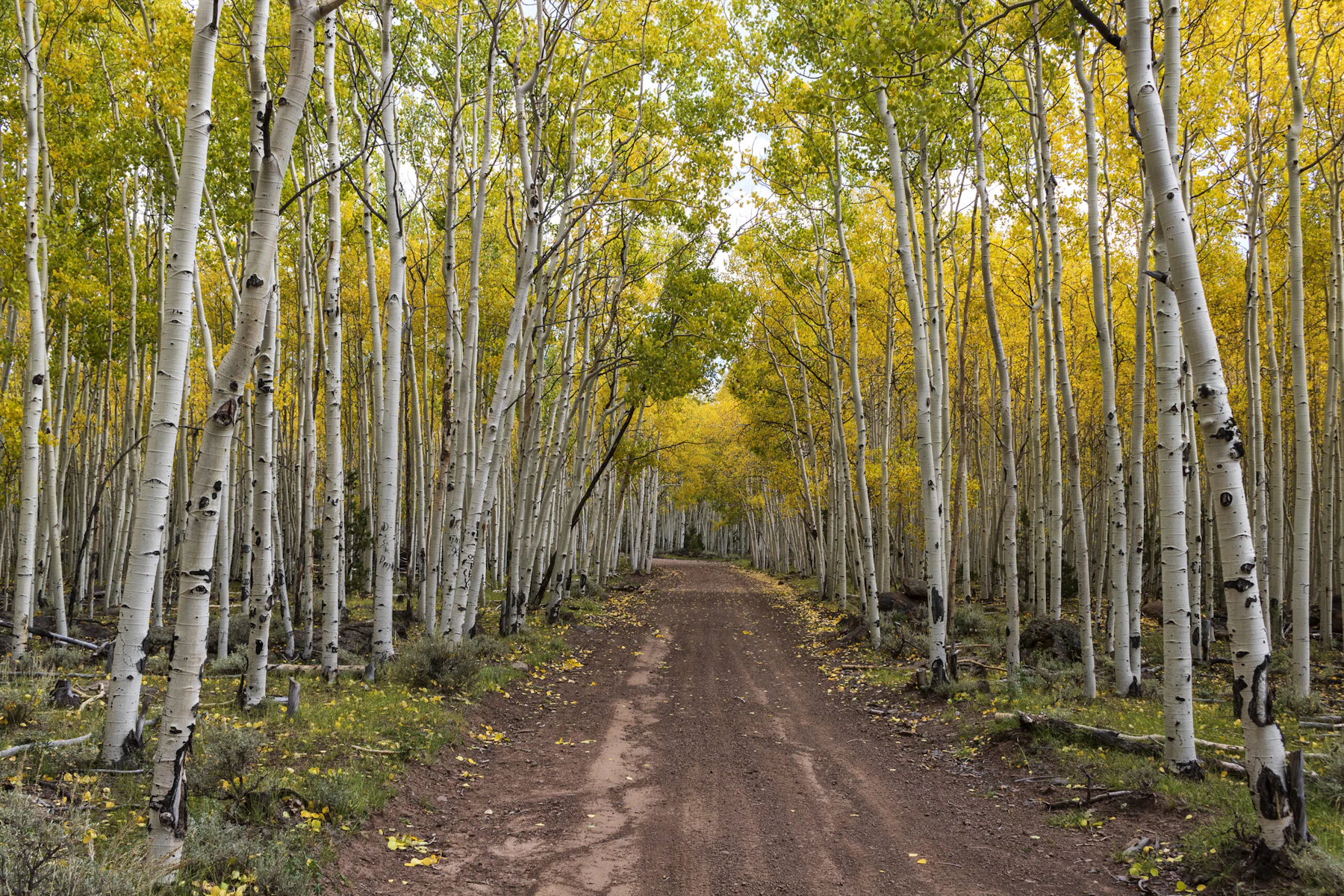
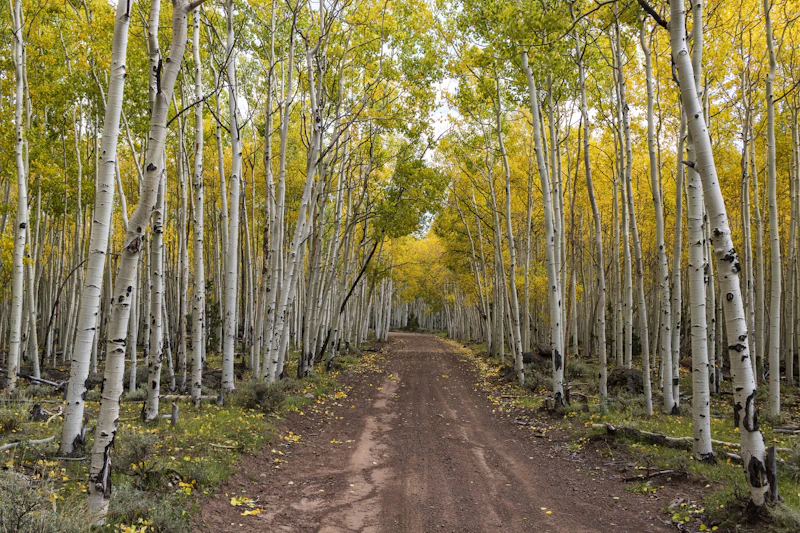
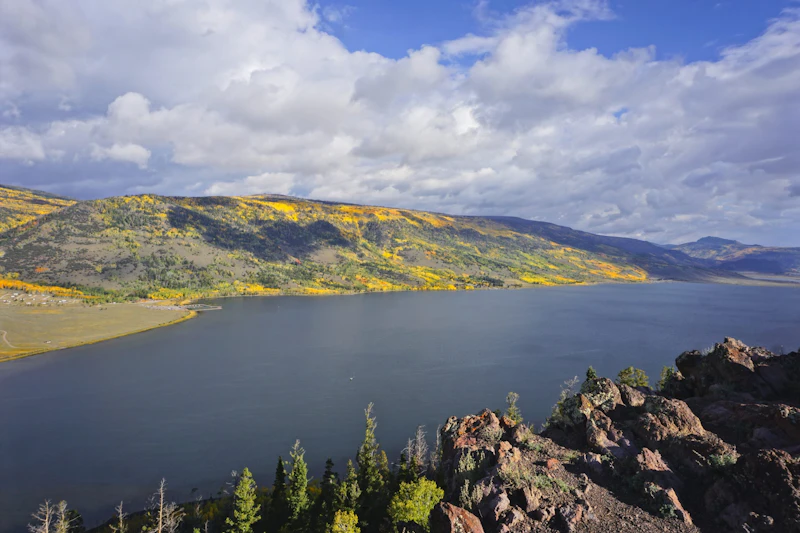
Uncover the Fishlake National Forest, 1.8 million acres in central Utah featuring aspen stands, lush meadows, and the largest natural mountain lake in the state. Fish Lake, from which the forest takes its name, is one of Utah’s top recreation destinations, offering excellent trophy fishing and bird watching.
The mountains of the Fishlake are a source of water for many of the neighboring communities and agricultural valleys in the region. A “working forest,” the Fishlake is managed for livestock grazing and timber management.
Fish Lake, Johnson Valley Reservoir, and Mill Meadow Reservoir are large enough for boating, while plenty of other waterways—totaling 3,000 acres—host canoeing, kayaking, paddling, and fishing. More than 2,700 miles of trails and roads allow for scenic hiking, biking, and off-roading.
Hunting for deer, elk, and wild turkey in high-alpine areas is also a popular pastime, as is camping in 29 developed campgrounds. There are also two scenic byways and several backways traverse the forest, offering splendid vistas, including that of the famed Pando aspen clone,
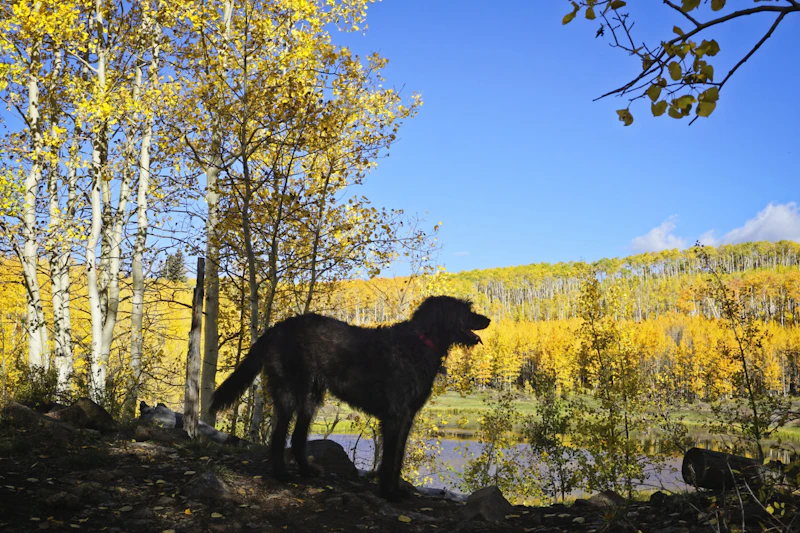 Chris Lake. Photo by Kathy McCarthy
  Photo by Marissa Crumrine
 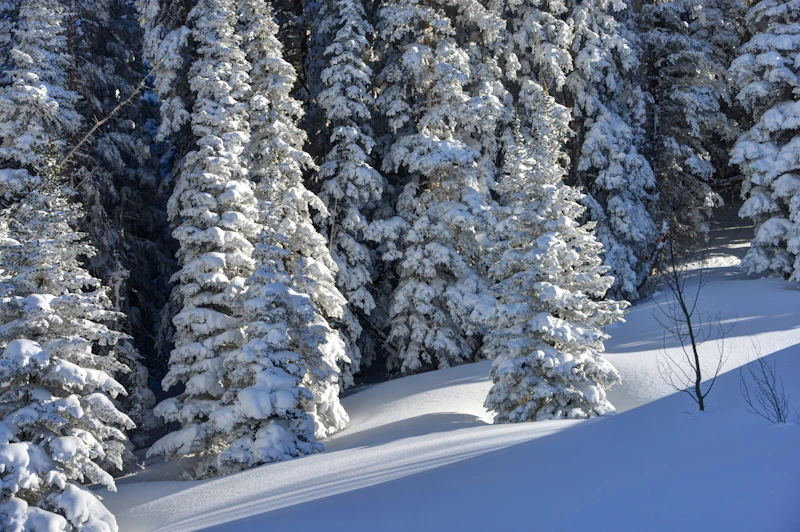 Spirit Springs. Photo by Kreig Rasmussen
 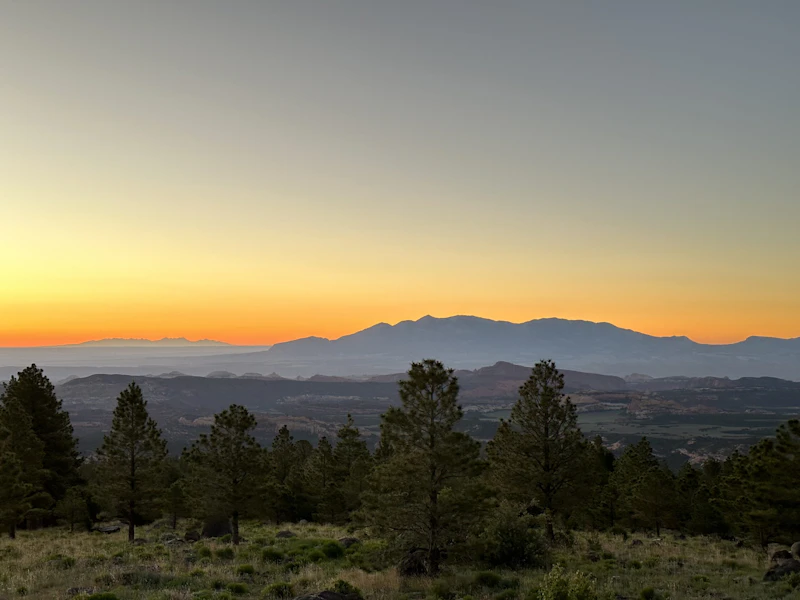 Photo by Elizabeth Rudloff
 What is the History of the Fishlake National Forest?
In 1889, the original inhabitants of the land, the Paiute Indian Tribe, sold all rights and title to the Fremont Irrigation Company, through the Fish Lake Water Agreement, for the right to fish the lake indefinitely, along with nine horses, one beef steer, 500 pounds flour, and one suit of clothes.
At this time, cattle and sheep grazing led to overuse of the land. Concern over the area’s health led to President Theodore Roosevelt establishing the Fish Lake Forest Reserve in 1907. In 1908, it became the Fishlake National Forest. In the 1930s, the Civilian Conservation Corps built trails, roads, campgrounds, and infrastructure that is still in use today.
How to Get to the Fishlake National Forest
The Fishlake National Forest spans many counties in central Utah, including Piute, Beaver, and Sevier, so how you enter will depend on your desired landscape or activity.
The primate gateway is the town of Richfield, west of the forest via Interstate 70, which runs east-west and connects to Interstate 15, one of the state’s main north-south routes. The nearest airport is in Salt Lake City, 160 miles north, reached via I-15 and Highway 50.
One of the main routes through the forest is Highway 50, also known as the Fish Lake Scenic Byway, which leads to Fish Lake and multiple trailheads.
- Provo, Utah: Half-hour to 2 hours by car
- St. George, Utah: 3 to 3.5 hours by car
- Salt Lake City: 3.5 to 4 hours by car
- Las Vegas, Nevada: 4.5 to 5 hours by car

This extensive off-road vehicle trail system is managed cooperatively by the Trail Committee, the Forest Service, and the Bureau of Land Management. It features a 260-mile loop with an additional 500 miles of marked side trails that cross desert canyons and mountain ranges.
Believed to be one of the oldest and largest living organisms on Earth, this stand of aspens is a sight to behold. The clone spans 106 acres and 40,000 trees. While scientists aren’t certain of its age, it’s estimated that the trees were around at the end of the last ice age. Visitors can view the stand while driving the Fish Lake Scenic Byway.
Anglers can try their luck at landing a trophy trout from one of the forest’s many streams, rivers, and lakes teeming with native fish species. Fish Lake is famed for producing large mackinaw trout, some exceeding 30 pounds, as well as carrying rainbow, splake, and brook trout.
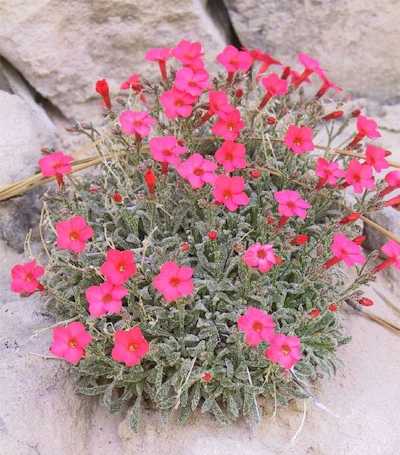 Wonderland Alice-flower This endangered wildflower, which has pink and lavender blooms, thrives in rocky, alpine soils and is typically seen in late spring to early summer.
 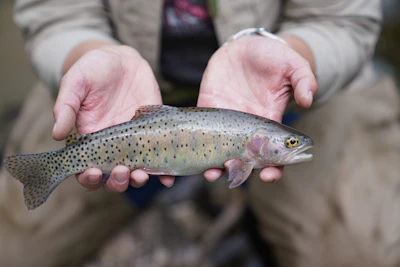 Bonneville cutthroat trout With more widespread spots than other species, this native trout was once widespread in the area but has been in decline. Anglers may find Bonnevilles in remote areas and are asked to catch and release to help with conservation efforts.
 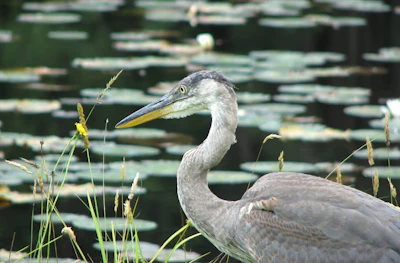 Blue heron Spanning three feet tall with a wingspan of up to six feet, the blue heron can be spotted wading along Fish Lake hunting for fish and frogs.
 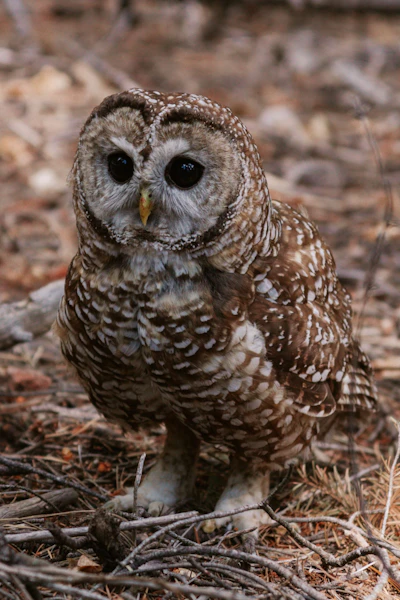 Mexican spotted owl This federally threatened species likes old-growth forests and shaded ravines. They have distinct white spots and hunt for small mammals at night.
 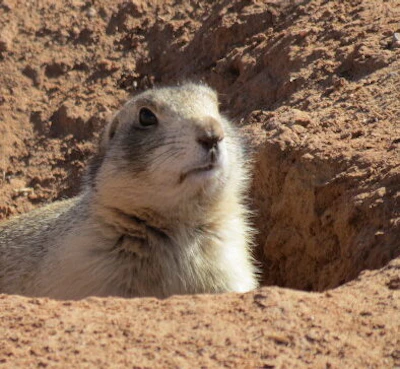 Utah prairie dog Distinguished by its reddish-brown fur and white-tipped tail, this rodent lives in colonies and plays a vital ecological role by aerating soil. Once nearly extinct due to habitat loss, the Utah prairie dog is now the focus of active conservation efforts.
 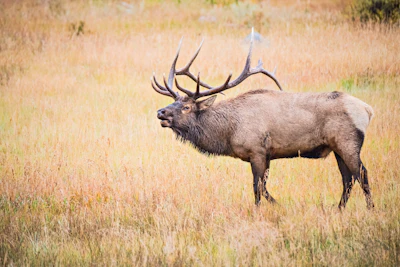 Rocky Mountain elk This majestic animal, the second largest species in the deer family after moose, inhabit the forest’s higher terrain in the summer and move to its lower-elevation forests in the winter.
 Related Impact
Restoring the Colorado River Watershed through Nature Based Solutions
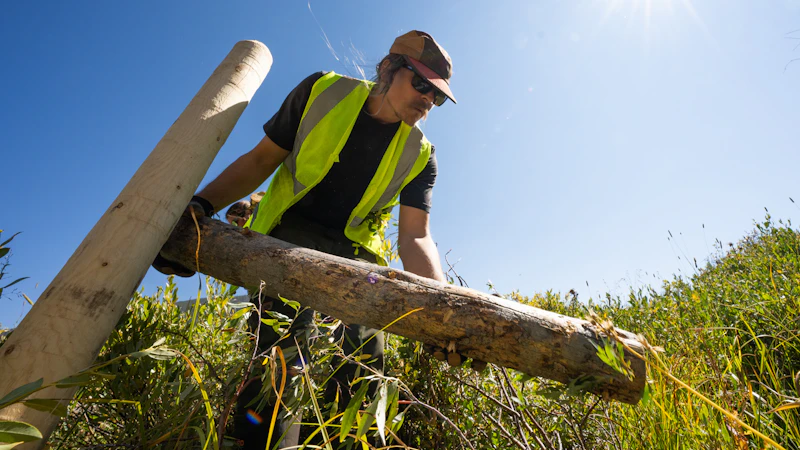
The National Forest Foundation and our partners are taking action through process-based restoration techniques that work with nature to bring life back to streams and wetlands in the Colorado River Watershed, securing water for people, wildlife, and the future.
What’s the Best First-Timer’s Adventure in the Fishlake National Forest?
You can’t visit the Fishlake National Forest and not experience its namesake: Spend a day or weekend enjoying water activities, fishing, hiking, or camping. The scenic Lakeshore National Recreation Trail traces the eastern side of the lake, while the five-mile Pelican Canyon Trail will lead you to a spectacular overlook. Stay at Bowery Creek Campground, where each site has a lake view.
Where to Find More Information on the Fishlake National Forest
For more information or questions, visit https://www.fs.usda.gov/r04/fishlake
Discover how communities, volunteers, and partners are shaping the future of our National Forests and Grasslands.
The National Forest Foundation works with partners across Northern Colorado to restore forests, reduce wildfire risk, and care for the…
After years of damage, recovery, and reconstruction, the trail to Hanging Lake has been fully rebuilt, creating a more durable,…
Erosion and wildfire had left Arizona's historic Highline Trail rutted and unsafe. After five years of work with the Tonto…
Forest restoration near Flagstaff is reducing wildfire risk for local communities and safeguarding the water supply for millions across the…
Colorado's 14ers draw thousands of visitors each year, and the pressure on these fragile alpine landscapes is growing. Here's a…
Visitors of all ages can explore forest trails and sparkling waters, discover wildlife and underwater habitats, and connect with Tahoe’s…
A partnership-driven program connecting youth on Montana’s Flathead Reservation with hands-on conservation work, heritage education, and pathways in natural resource…
Seeing the impact first hand on the Grand Mesa, Uncompaghre and Gunnison National Forests
Seven Years of Reopening Trails After the Eagle Creek Fire
Field Ranger Program Connects Diverse Communities to Forests in Southern California
Our Forests Need Us Today.
Your donation powers critical, on-the-ground conservation—from wildfire recovery to watershed restoration—protecting forests for the future.