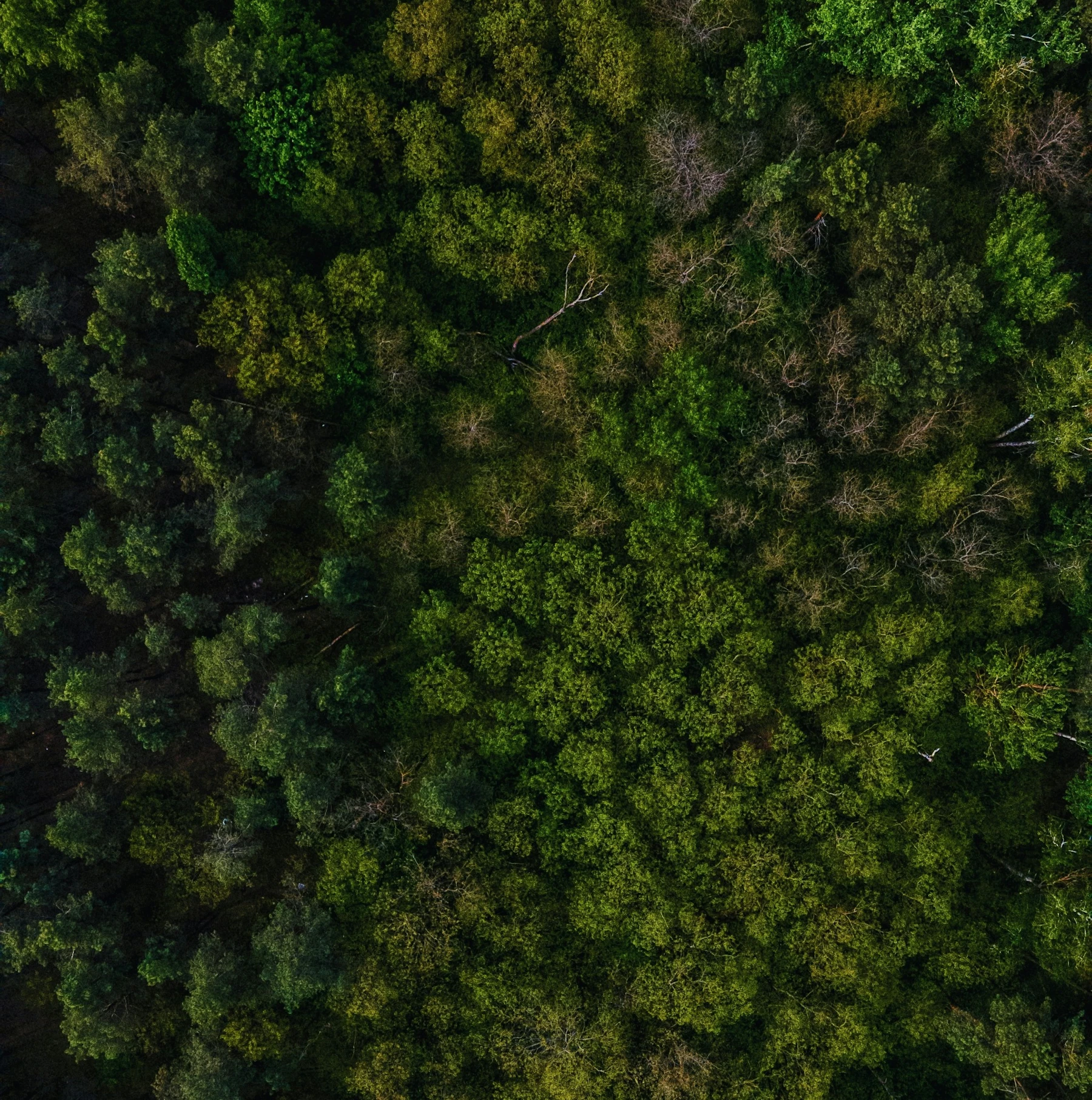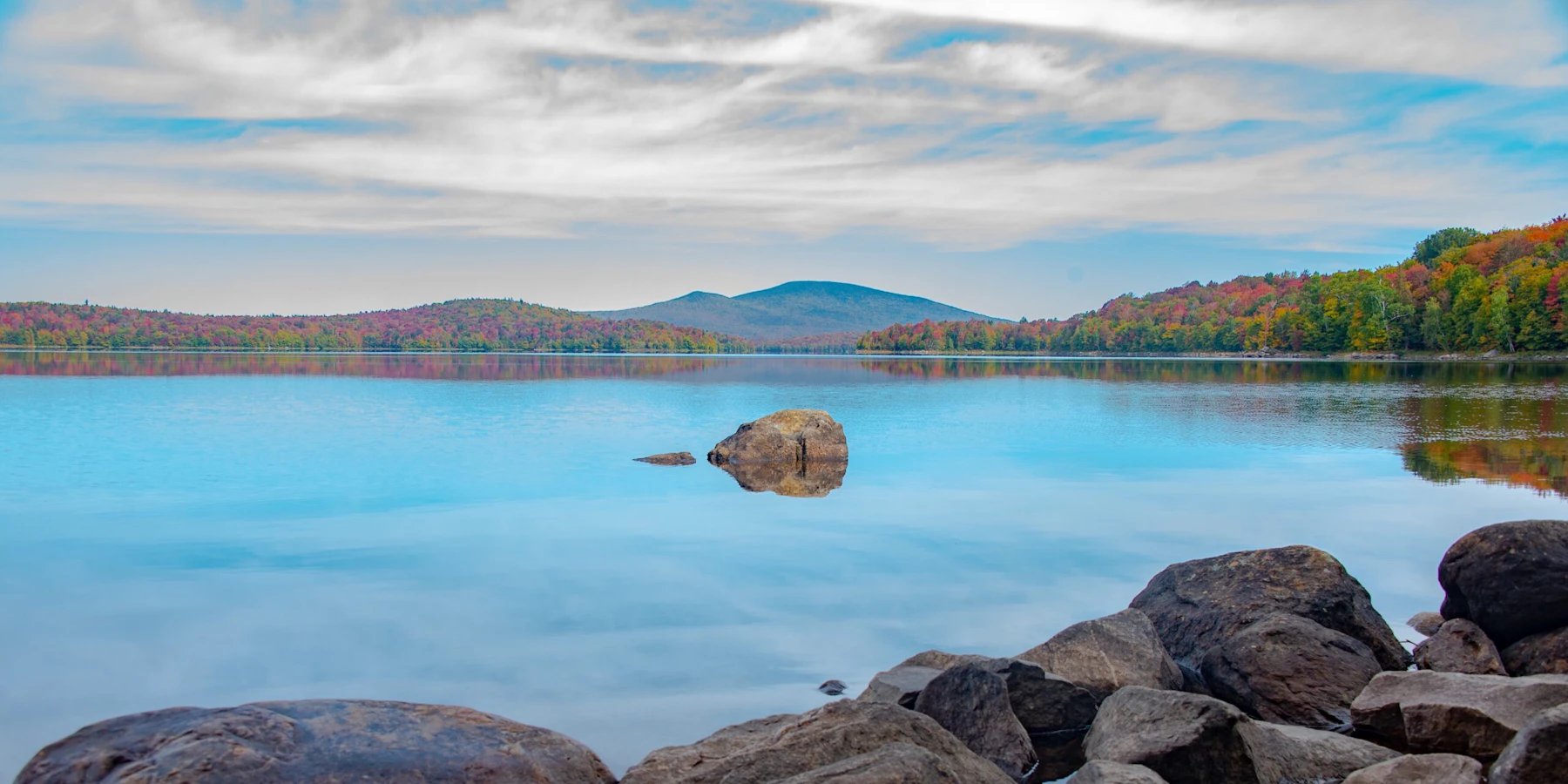
Explore the Green Mountain National Forest, nearly 400,000 acres that span the alpine peaks of the Green Mountain to the mature hardwood woodlands of Joseph Battell Wilderness. The Green Mountain National Forest traces the mountain’s ridge from the state’s border with Massachusetts to the town of Bristol, making up about six percent of the landmass in Vermont.
The forest contains eight wilderness areas that offer exciting backcountry adventures: Big Branch, Breadloaf, Bristol Cliffs, George D. Aiken, Glastenbury, Joseph Battell, Lye Brook, and Peru Peak.
More than 2,000 archaeological and historic sites spanning the history of Vermont can be found in the Green Mountain National Forest. Of interest are Native American sites, the remains of colonial-era subsistence farmsteads, and evidence of the technologies of the industrial period. Other sites include the roads, structures, and facilities built by the Civilian Conservation Corps in the 1930s.
The forest is traversed by the Long Trail, the country’s oldest long-distance hiking trail, which shares much of its route with the Appalachian Trail through Vermont. These routes, along with hundreds of miles of other paths, make the Green Mountains a coveted hiking, biking, horseback riding, and cross-country skiing destination.
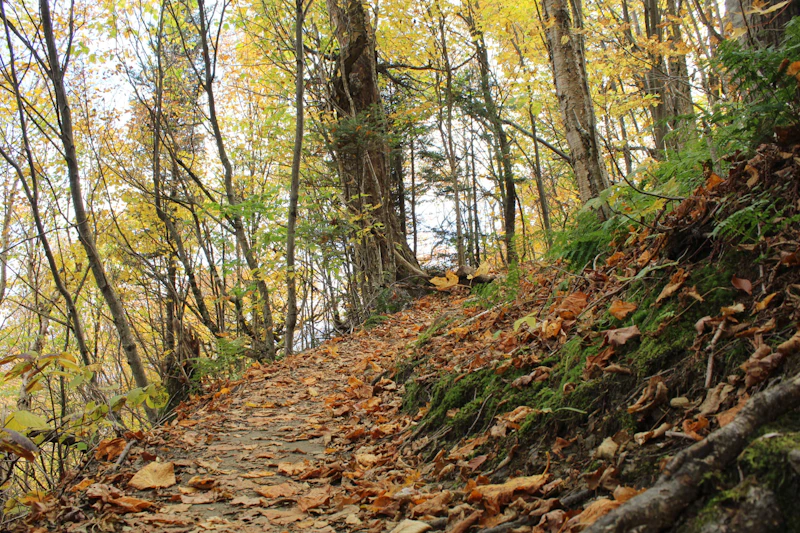 Rochester-Middlebury Ranger District. Photo by Briana Graham, courtesy of the U.S. Forest Service.
  White Rocks. Photo by Alex Bonacio
 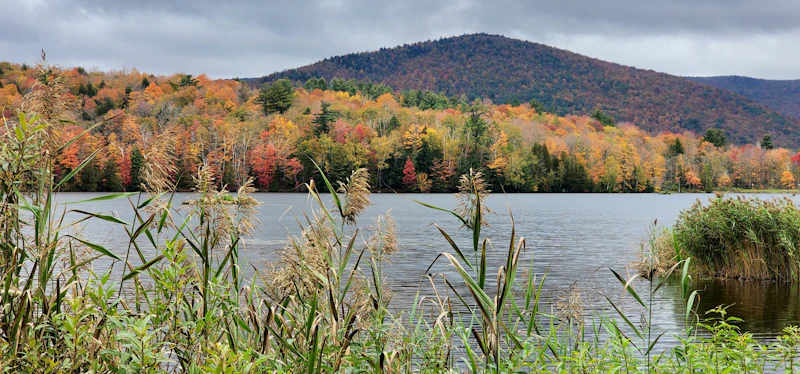 Photo by Lisa Clark
 What is the History of the Green Mountain National Forest?
For centuries, the region was home to the Western Abenaki, part of the Wabanaki Confederacy. By the 19th century, colonization destroyed most of the Abenaki presence, though descendants remain active in preserving their heritage today.
In 1932, the Green Mountain National Forest was established. Over the past five decades, the Forest Service has worked hard to acquire a land base on which to practice modern forest management, thus providing the state and region with wood for local industries, natural recreation areas, and a vibrant watershed for local tributaries.
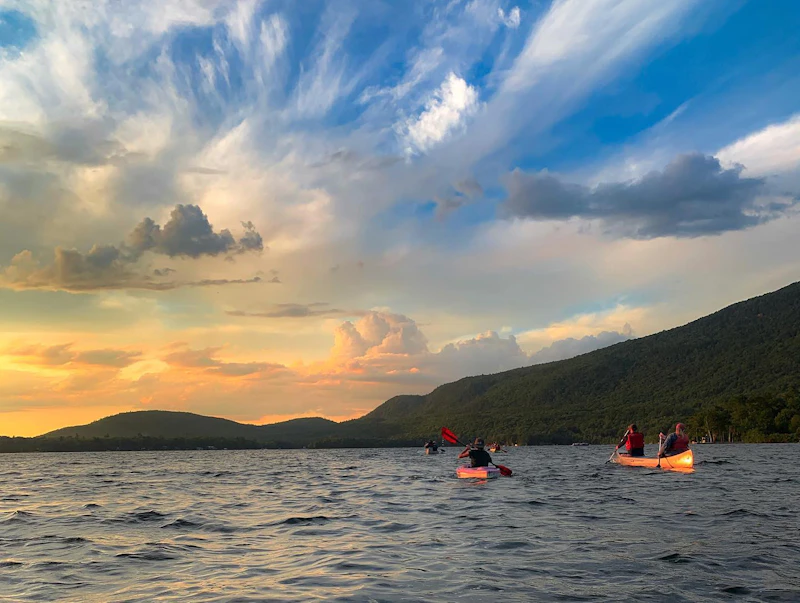
How to Get to the Green Mountain National Forest
The forest is split between two sections: the northern part near the towns of Middlebury and Rochester, and the southern part surrounding Manchester and Bennington.
From the south or west, U.S. Route 7 runs north–south through gateway communities such as Bennington, Manchester, Rutland, and Middlebury. From the east, Interstate 89 or 91 connect through White River Junction and Brattleboro. The forest is within a few hours of Burlington, Albany, and Boston, with regional airport access in Burlington.
Vermont Route 100, often called the state’s most scenic highway, runs parallel to the Green Mountains and provides access to many recreation areas and trailheads.
- Boston, Massachusetts: 2.5 to 3 hours by car
- Syracuse, New York: 3 to 4 hours by car
- New York City, New York: 3.5 to 4 hours by car
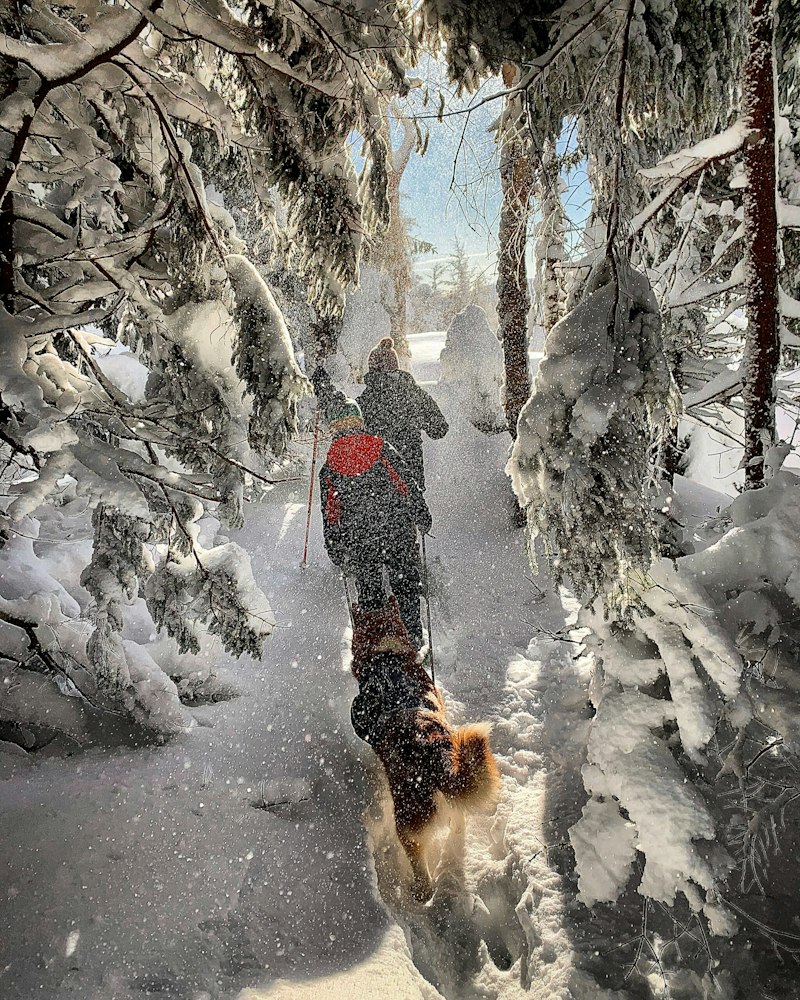
Also known as “Skier’s Highway,” this route among the state’s most scenic highways, running parallel to the Green Mountains and provides access to many recreation areas and trailheads. The drive is especially spectacular come fall, when the area’s many hardwood forests erupt in color.
Some 700,000 skiers visit the Green Mountain National Forest every year, opting for either one of three alpine ski areas, including Killington Resort and Mount Snow, as well as incredible backcountry skiing at Brandon Gap Winter Recreation Area.
The headwaters of Bingo Brook is one of the best trout streams in Vermont, offering plenty of opportunity to catch wild brook trout and rainbow trout. Located near the town of Rochester in the Green Mountain National Forest, the area is accessible via the Bingo Brook Campground.
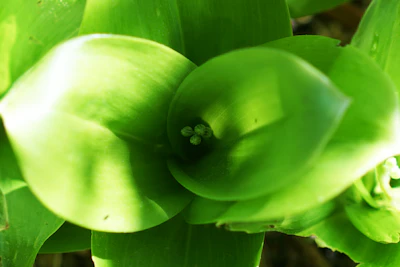 Bluebead lily This common wildflower blooms with yellow, bell-shaped flowers in the spring and produces bright blue berries in the summer.
 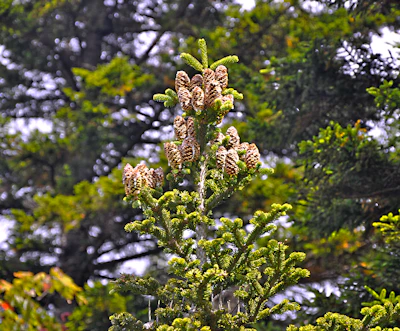 Balsam fir This evergreen thrives in the Green Mountain National Forest, recognized by its flat and fragrant needles. Its symmetrical shape makes it a coveted Christmas tree.
  Bicknell’s thrush One of the country’s rarest songbirds, this olive-colored thrush only breeds in certain areas of the Green Mountains and is closely monitored.
 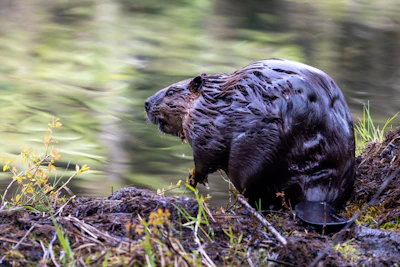 Beaver This impressive engineer is very active in the George D. Aiken Wilderness, chewing trees down to stumps and building dams.
 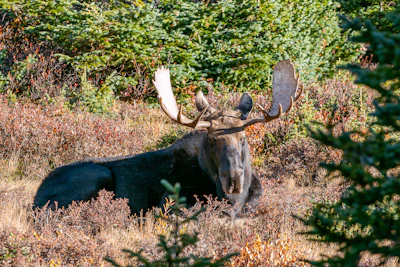 Moose After a sharp decline in the 1800s, this large mammal returned in the late 20th century, and is often spotted in the Green Mountains, especially at dawn and dusk.
 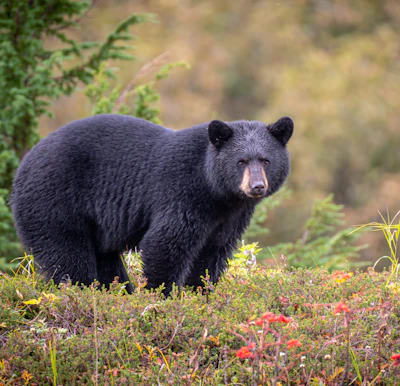 Black bear The Green Mountain National Forest, especially the Breadloaf Wilderness, is home to a large population of this medium-sized bear, which resides in the dense forests and open meadows.
 What’s the Best First-Timer’s Adventure in the Green Mountain National Forest
Part of the country’s first long-distance trails, the Long Trail, crosses the entirety of the Glastenbury Wilderness from north to south, passing by an old fire tower on the top of 3,751-foot Glastenbury Mountain. Camping is available at designated first-come, first-served shelters and tent sites.

Where to Find More Information on the Green Mountain National Forest
For more information or questions, visit https://www.fs.usda.gov/r09/gmfl
Discover how communities, volunteers, and partners are shaping the future of our National Forests and Grasslands.
The National Forest Foundation works with partners across Northern Colorado to restore forests, reduce wildfire risk, and care for the…
After years of damage, recovery, and reconstruction, the trail to Hanging Lake has been fully rebuilt, creating a more durable,…
Erosion and wildfire had left Arizona's historic Highline Trail rutted and unsafe. After five years of work with the Tonto…
Forest restoration near Flagstaff is reducing wildfire risk for local communities and safeguarding the water supply for millions across the…
Colorado's 14ers draw thousands of visitors each year, and the pressure on these fragile alpine landscapes is growing. Here's a…
Visitors of all ages can explore forest trails and sparkling waters, discover wildlife and underwater habitats, and connect with Tahoe’s…
A partnership-driven program connecting youth on Montana’s Flathead Reservation with hands-on conservation work, heritage education, and pathways in natural resource…
Seeing the impact first hand on the Grand Mesa, Uncompaghre and Gunnison National Forests
Seven Years of Reopening Trails After the Eagle Creek Fire
Field Ranger Program Connects Diverse Communities to Forests in Southern California
Our Forests Need Us Today.
Your donation powers critical, on-the-ground conservation—from wildfire recovery to watershed restoration—protecting forests for the future.