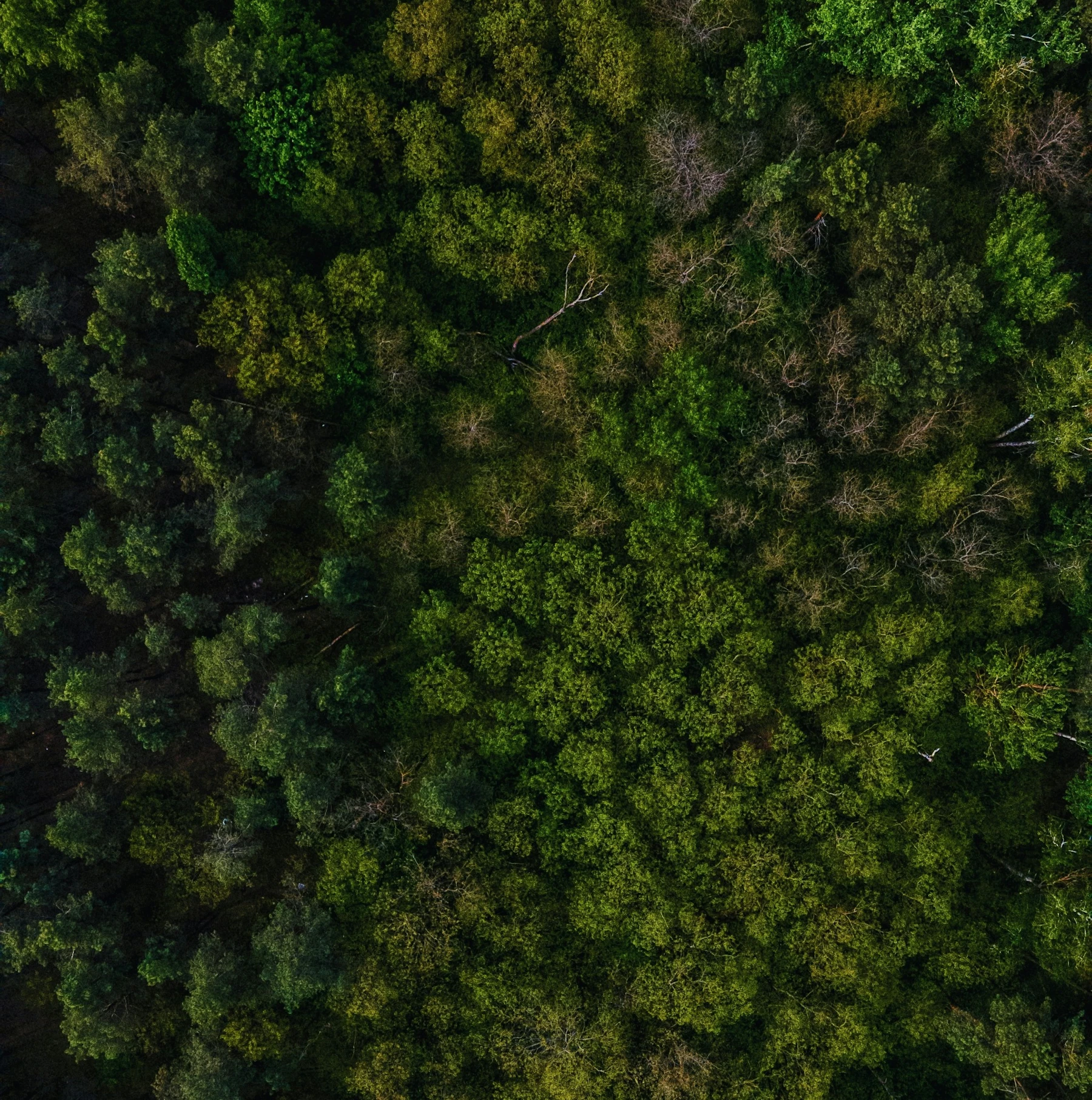
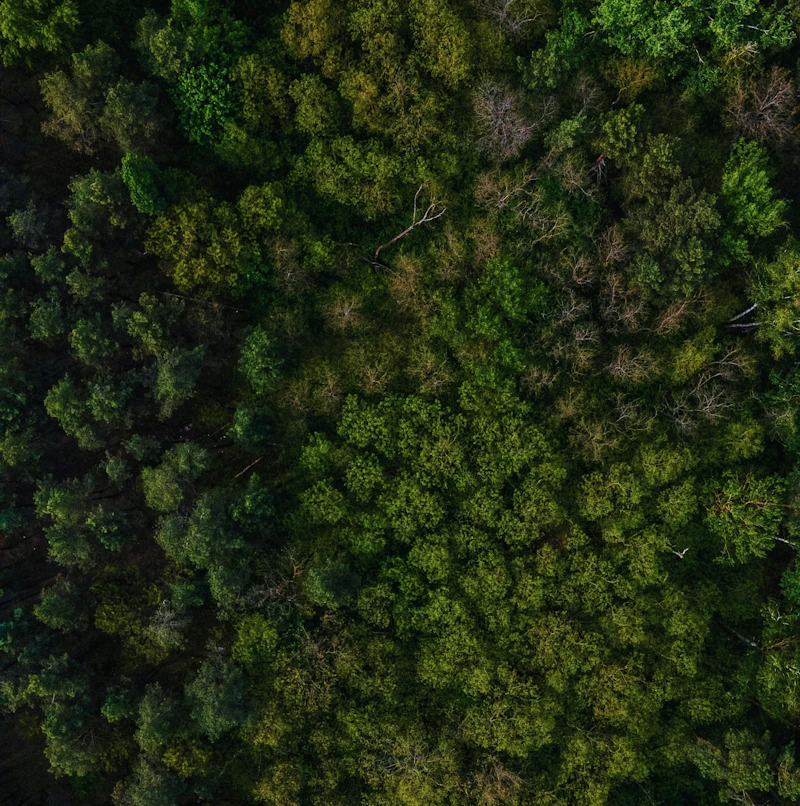
Explore the Okanogan-Wenatchee National Forest, 3.8 million acres along the east slopes of the Cascade Range in Washington, making it the largest in the Pacific Northwest. The forest stretches 180 miles from the Canadian border to the Goat Rocks Wilderness, one of eight Wilderness Areas contained in its boundaries. Its west consists of the Cascade Crest and its east the Okanogan highlands, which runs along the Columbia River to the Yakima River valley.
Because of its wide geographic range, the Okanogan-Wenatchee’s is very diverse. The high, glaciated alpine peaks along the Cascade Crest rise over 9,000 feet and receive 70 inches of annual rainfall. Then there are the numerous mountain ranges extending eastward from the crest, through deep, lush valleys of old-growth forest. The dry and rugged shrub-steppe country, at its eastern edge, receives less than 10 inches of annual rainfall.
With hundreds of miles of trails that wind through forests, reach alpine basins, and follow rivers like the Wenatchee and Methow, the Okanogan-Wenatchee offers something for every skill level of hiker, mountain biker, and horseback rider. The Pacific Crest Trail passes through the forest, providing access to some of the most dramatic high-country scenery in Washington. Also part of the Alpine Lakes Wilderness, the alpine basin of the Enchantments is among the most popular outdoor destinations in the country.
The Methow, Twisp, and Chewuch Rivers run from the Methow’s high country to the Columbia River, and provide critical spawning and rearing habitat—plus fishing—for Chinook salmon, steelhead, and bull trout. Many lakes and rivers support boating and swimming. There are over 140 campgrounds and picnic areas on the Okanogan-Wenatchee National Forest. In winter, groomed trail systems near Leavenworth, Cle Elum, and the Methow Valley offer cross-country skiing and snowmobiling.
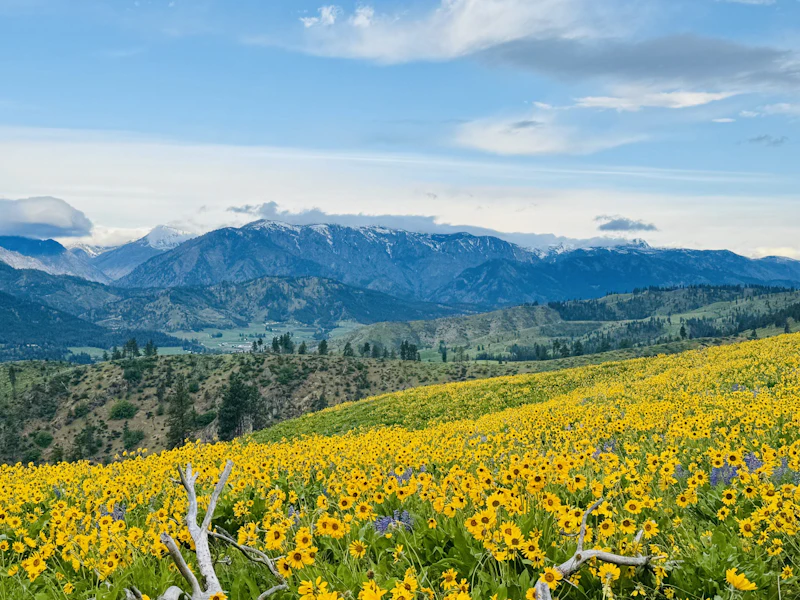 Photo by Krysta Cordell
 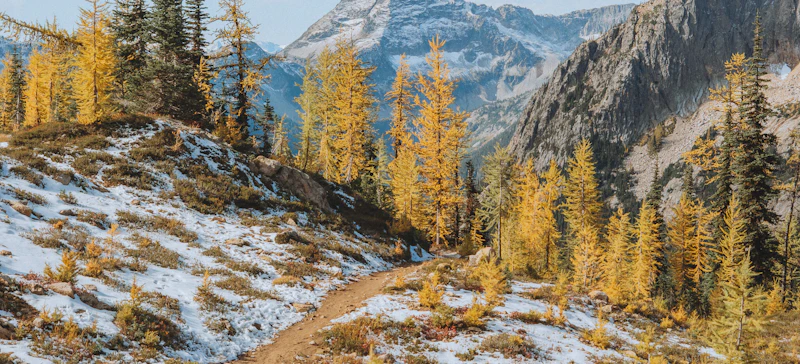 Photo by Allison Dorn
 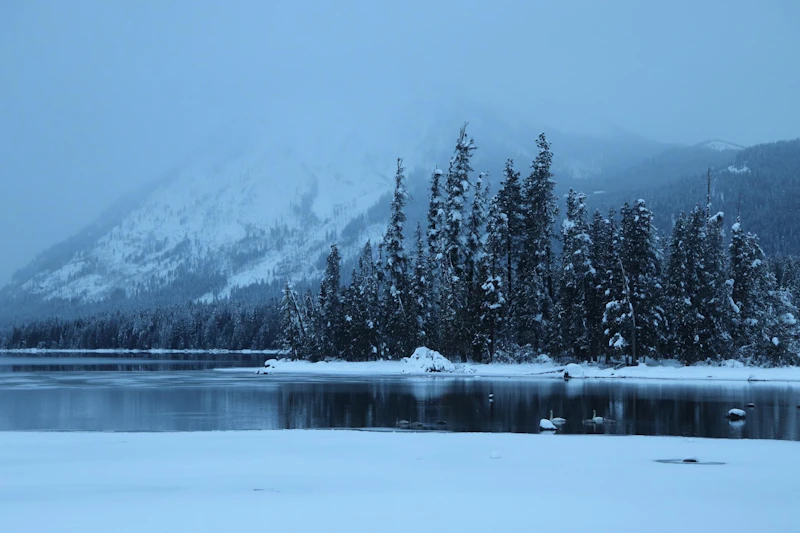 Photo by Loni Rocchio
 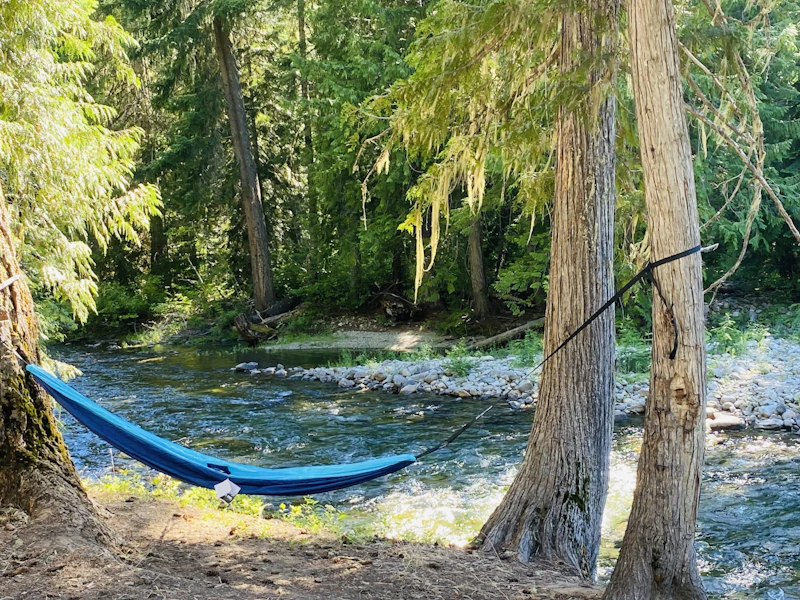 Photo by Ravenna Candy
 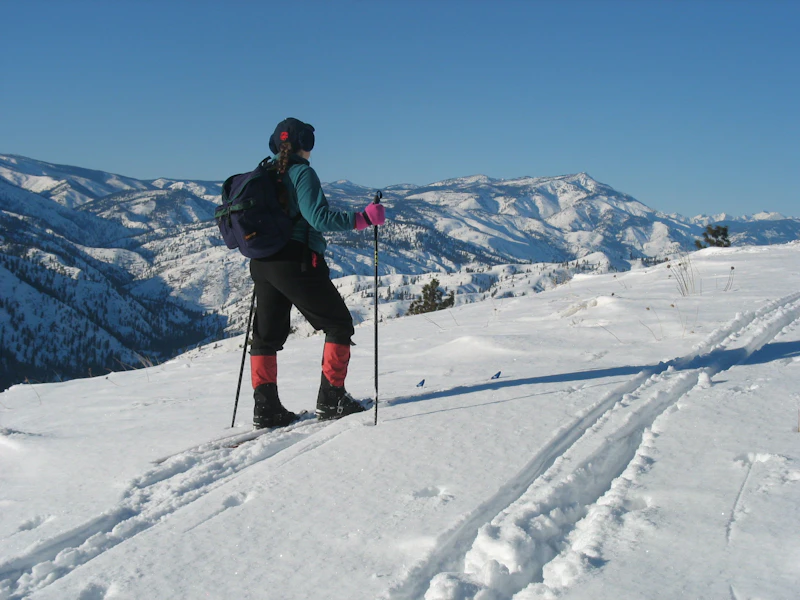 Photo by Alan Moen
 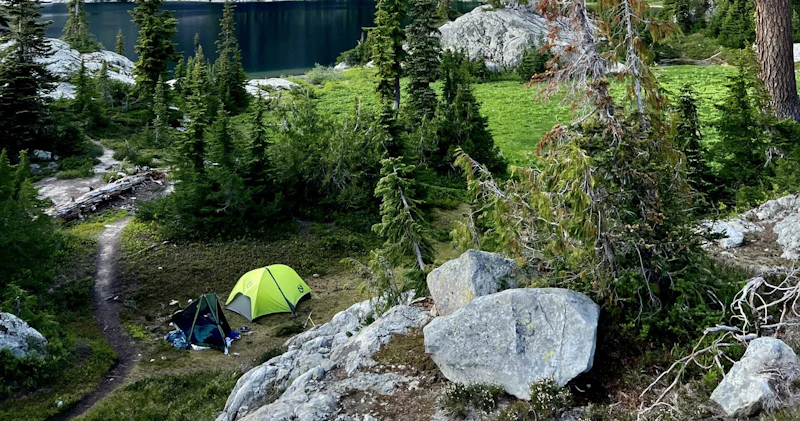 Photo by Quinn Bosselman
 What is the History of the Okanogan-Wenatchee National Forest?
The Okanogan-Wenatchee National Forest owes its origin to the “Washington’s Birthday Reserves” proclamation signed in 1897 by President Grover Cleveland. This proclamation created 13 forest reserves covering 21 million acres in the western states. These reserves were eventually transferred to the Forest Service.
In 2000, the two forests were administratively combined into the Okanogan-Wenatchee National Forest, named after two Native American peoples who once inhabited the area. The P’Squosa were given the name Wenatchi after colonization, while the Syilx Okanagan Nation still inhabit the region across both sides of the border.

How to Get to the Okanogan-Wenatchee National Forest
For travelers coming from the west side of Washington, U.S. Highway 2 crosses Stevens Pass to the gateway town of Leavenworth. Farther south, Interstate 90 crosses Snoqualmie Pass and connects the forest to communities like Cle Elum and Roslyn.
From central and eastern Washington, U.S. Highway 97 functions as the main north-south corridor along the forest’s eastern edge, linking towns like Wenatchee, Entiat, and Pateros. To reach the northernmost areas, State Route 20, the scenic and seasonal North Cascades Highway, connects western Washington to the Methow Valley.
- Seattle, Washington: 1.5 to 2 hours by car
- Everett, Washington: 1.5 to 2 hours by car
- Bellingham, Washington: 2.5 to 3 hours by car
- Spokane, Washington: 3 to 3.5 hours by car

With everything from solid basalt columns to granite crags tucked among forested slopes, the forest has many exciting climbing areas. From the Icicle River Gorge area near Leavenworth to the Tieton area by Naches. The Fun Rock Climbing Area is a family-friendly destination with mostly bolted sport routes.
Through the Chelan Ridge Raptor Migration Project, Hawk Watch International and the Okanogan and Wenatchee National Forest monitor and learn more about raptors migrating through the eastern Cascade Mountains of Washington within the Pacific Coast Flyway. Visitors can hike up to the ridge for the chance to witness up to 17 species make their journey.
This is arguably one of the most coveted outdoor destinations in the entire state, due to its epic scenery of jagged peaks and turquoise lakes. While permits are required for overnight trips, day hiking into the Enchantments Basin—part of the Alpine Lakes Wilderness—is a worthy alternative.
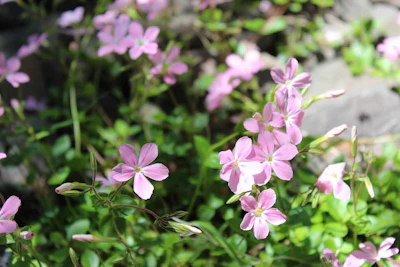 Phlox This hardy wildflowers blooms in spring and early summer, spreading pink, lavender, and white across rocky slopes.
 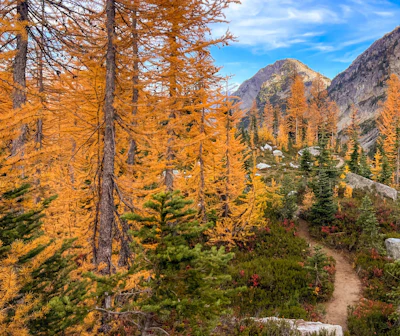 Western larch Unlike most conifers, this tree is deciduous, turning vibrant gold each autumn before dropping their needles, a welcome sight across the Enchantments.
 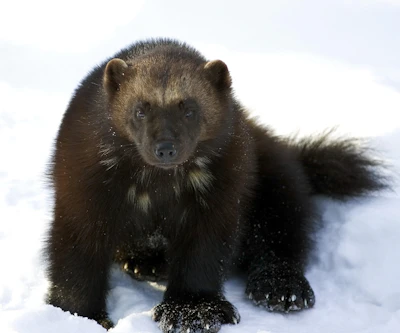 Wolverine This rare and elusive carnivore relies on cold, high-elevation forests and alpine meadows and hunts small mammals and scavenges carrion. The Forest Service’s wolverine monitoring program has confirmed the first documented den in the North Cascades.
 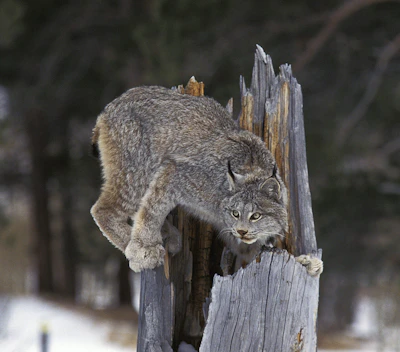 Canada lynx This elusive wild cat, known for their unique proportions—long legs and large, furry paws—rely on snowshoe hares. The Methow Valley is home to one of the largest populations of lynx in the Lower 48.
 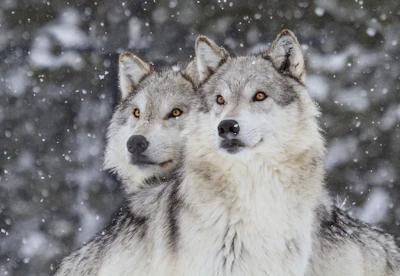 Gray wolf This top predator lives in large packs and preys on deer and small mammals. Methow Valley Ranger District was the site of Washington’s first returning wolf pack.
 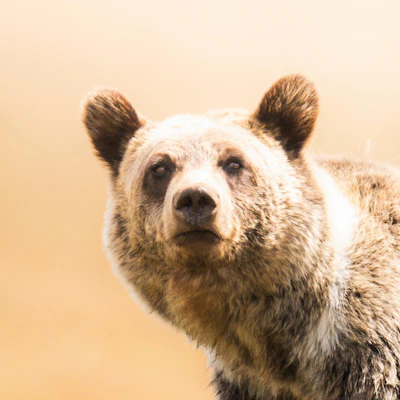 Grizzly bear This apex predator is growing in population size across this region and displays little fear of humans, so keeping food stowed properly and remaining aware are crucial when visiting the forest.
 Related Impact
Restoring the Columbia River Gorge National Scenic Area
Working hand-in-hand with the community and our partners, less than a decade after the devastating Eagle Creek Fire, nearly every mile of trail that was damaged has reopened.
What’s the Best First-Timer’s Adventure in the Okanogan-Wenatchee National Forest
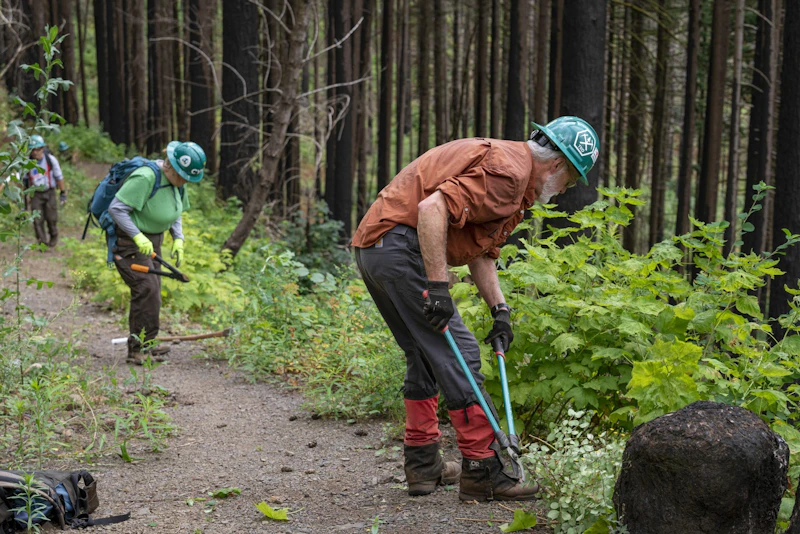
The lush Methow Valley hosts one of the largest trail systems in the country, maintained by a non-profit. With some 130 miles of trails, the valley is ideal for cross-country skiing in the winter, and trail running or mountain biking in the summer.
Where to Find More Information on the Okanogan-Wenatchee National Forest
For more information or questions, visit https://www.fs.usda.gov/r06/okanogan-wenatchee.
Discover how communities, volunteers, and partners are shaping the future of our National Forests and Grasslands.
The National Forest Foundation works with partners across Northern Colorado to restore forests, reduce wildfire risk, and care for the…
After years of damage, recovery, and reconstruction, the trail to Hanging Lake has been fully rebuilt, creating a more durable,…
Erosion and wildfire had left Arizona's historic Highline Trail rutted and unsafe. After five years of work with the Tonto…
Forest restoration near Flagstaff is reducing wildfire risk for local communities and safeguarding the water supply for millions across the…
Colorado's 14ers draw thousands of visitors each year, and the pressure on these fragile alpine landscapes is growing. Here's a…
Visitors of all ages can explore forest trails and sparkling waters, discover wildlife and underwater habitats, and connect with Tahoe’s…
A partnership-driven program connecting youth on Montana’s Flathead Reservation with hands-on conservation work, heritage education, and pathways in natural resource…
Seeing the impact first hand on the Grand Mesa, Uncompaghre and Gunnison National Forests
Seven Years of Reopening Trails After the Eagle Creek Fire
Field Ranger Program Connects Diverse Communities to Forests in Southern California
Our Forests Need Us Today.
Your donation powers critical, on-the-ground conservation—from wildfire recovery to watershed restoration—protecting forests for the future.