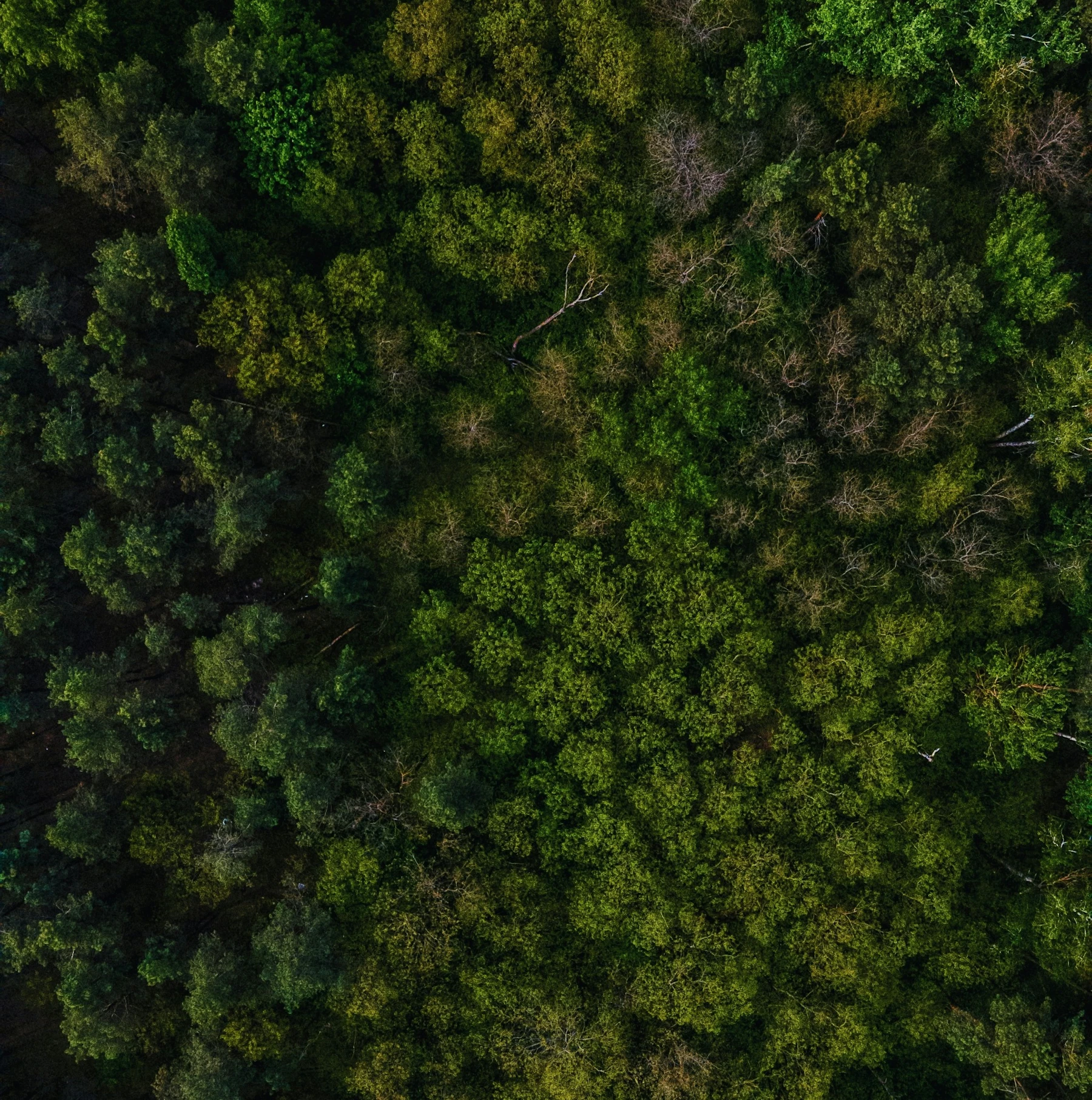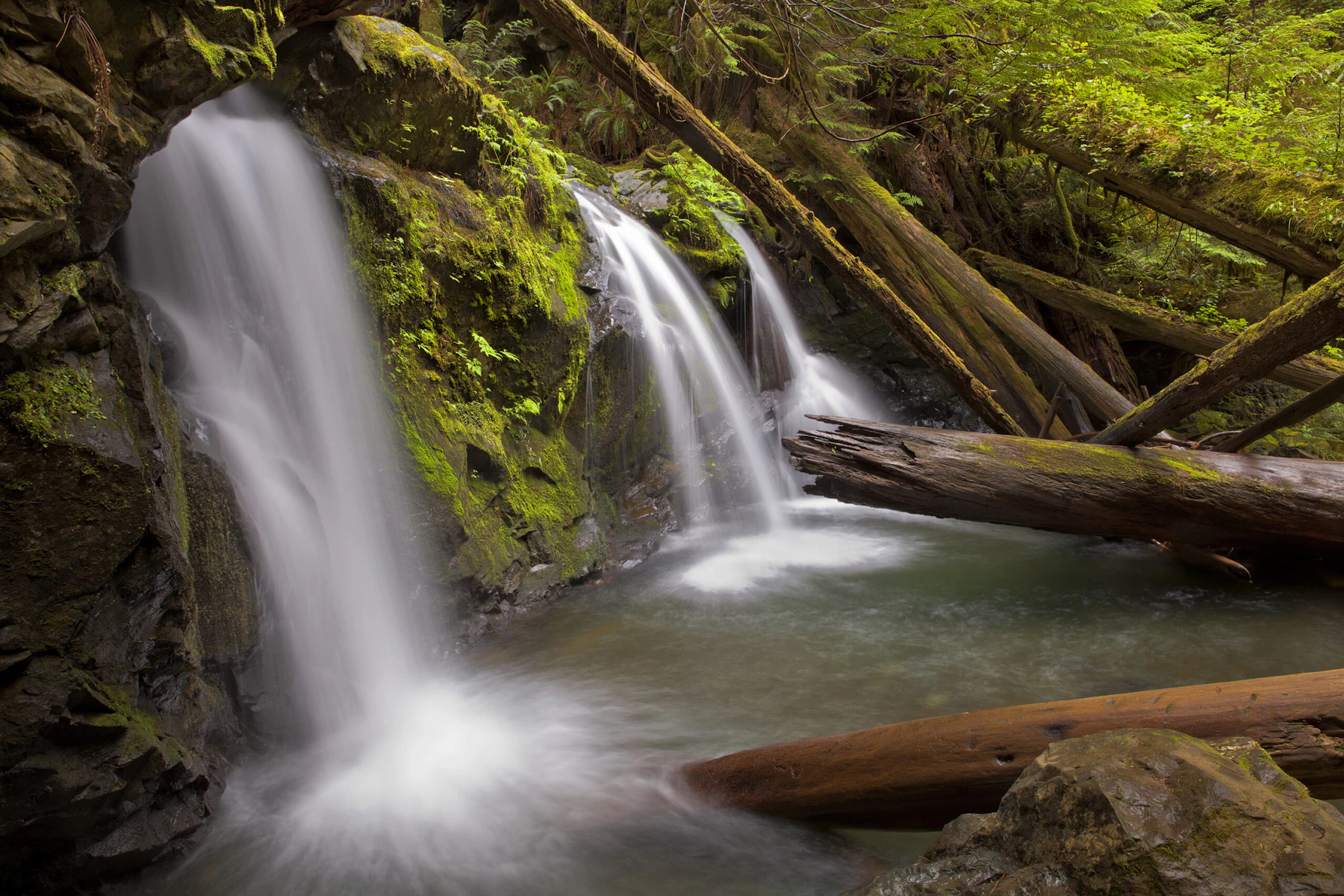
Explore the Olympic National Forest, more than two million acres across the Olympic Peninsula in the northwest corner of Washington State. Blanketing the foothills of the Olympic Mountains and surrounding much of Olympic National Park, the forest spans startlingly diverse landscapes, including temperate rain forest, rugged mountains, lowland lakes, rivers, and coastal beaches.
In the west, towering spruce, hemlock, and cedar thrive under heavy rainfall, creating lush, moss-draped woodlands where rivers wind through deep valleys. Moving east, the climate becomes progressively drier, giving way to Douglas-fir forests, wildflower meadows, and rocky ridgelines with sweeping views of the fjord of Hood Canal and Puget Sound.
For hikers, mountain bikers, and horseback riders, the forest features an extensive network of 270 miles of trails, 87 of which are within the five Wilderness Areas contained within the Olympic. Rivers like the Dosewallips and Quinault provide excellent fishing. There are also 20 campgrounds and three cabins available for rent.
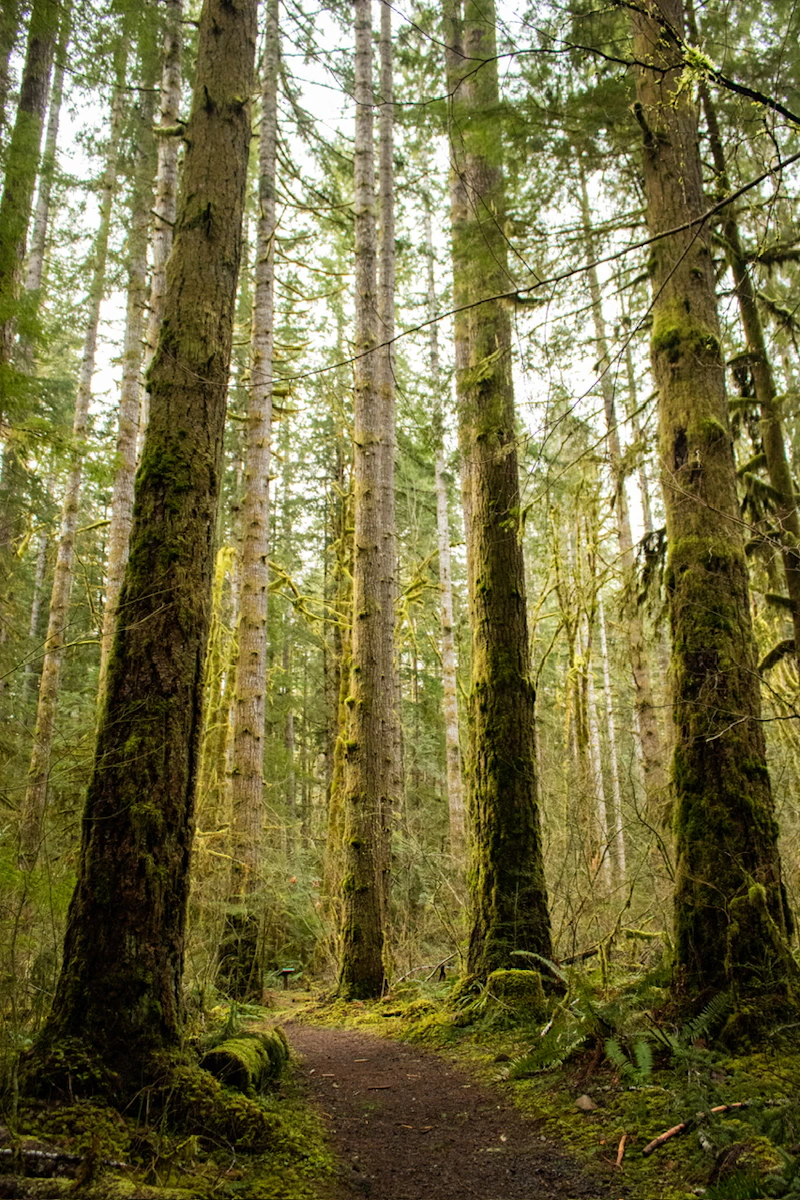 Photo by Sara Szobody
 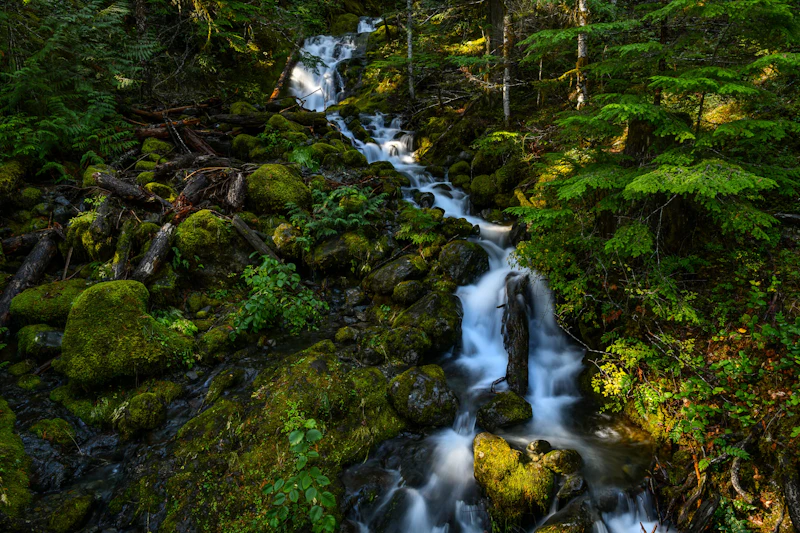 Photo by Robert Nowak
 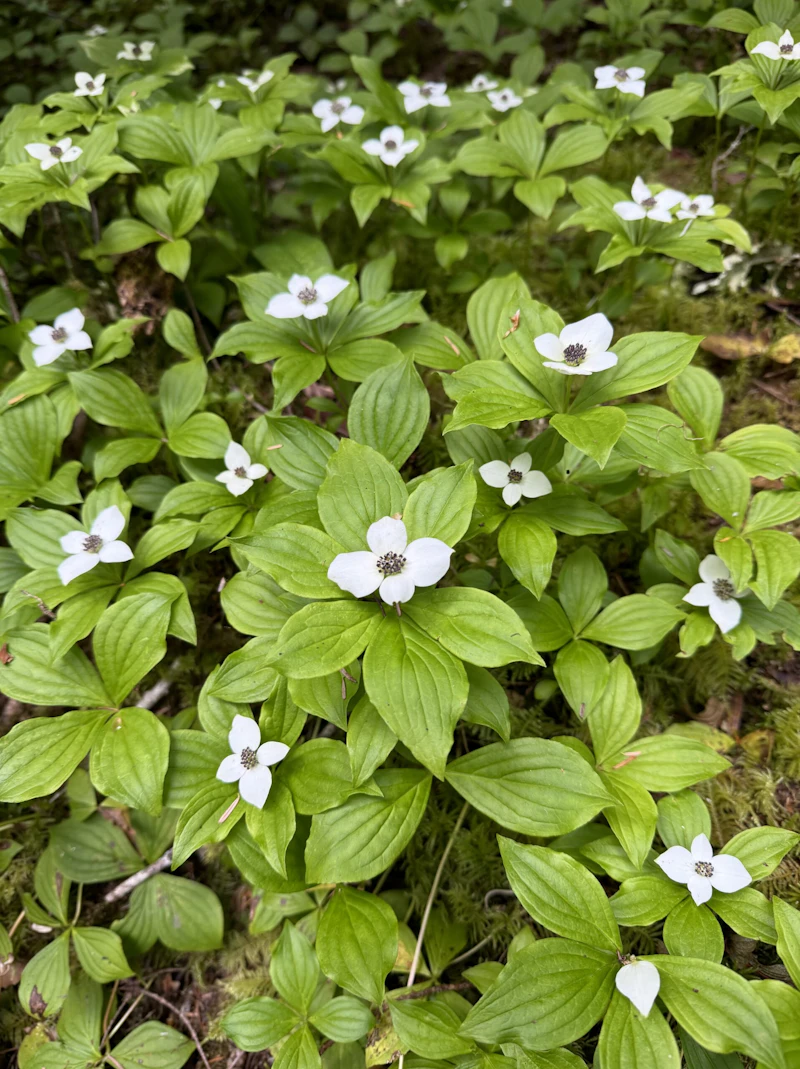 Photo by Carilyn Jordan
 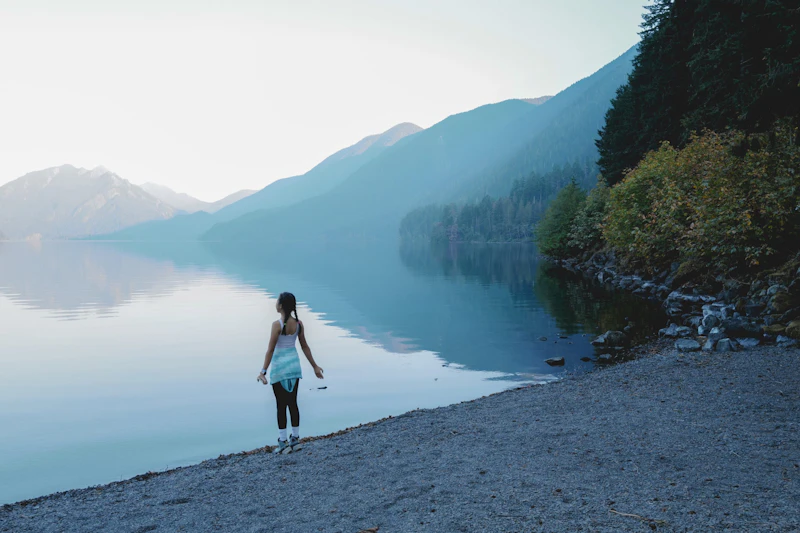 Photo by Aidan Yu
 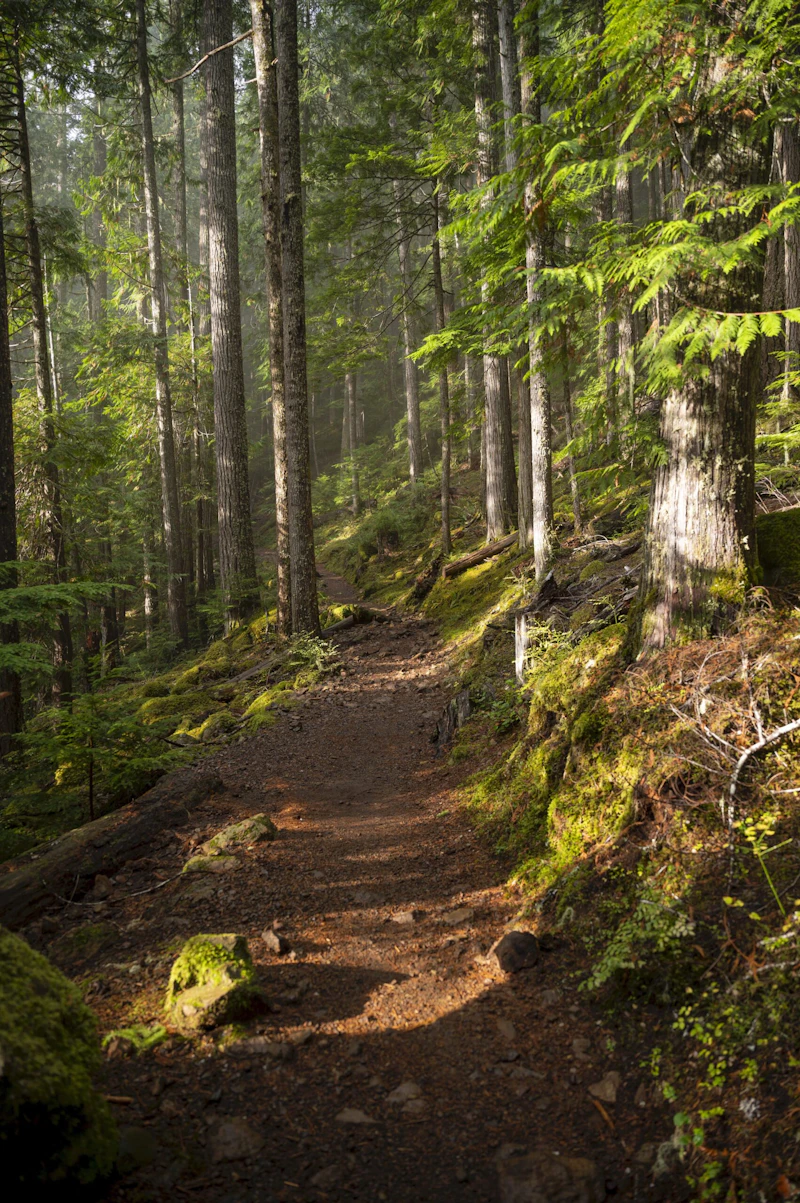 Photo by Nicole Findley
 What is the History of the Olympic National Forest?
In 1897, President Grover Cleveland established the Olympic Forest Reserve to protect the region’s forests and watersheds. It was renamed Olympic National Forest in 1907. Before European-American settlement, the Quinault, Hoh, Quileute, Makah, Skokomish, and other Coast Salish peoples developed thriving communities connected to the region’s rivers, forests, and coastlines.
How to Get to the Olympic National Forest
Most visitors from Seattle or Tacoma cross the Puget Sound via ferry or driving south around it. From Seattle, ferries to Bainbridge Island or Edmonds to Kingston connect directly to the Kitsap Peninsula, where drivers can continue west toward the Olympic Peninsula.
Highway 101 is the primary route encircling the peninsula and providing access to most areas of Olympic National Forest. From the south, Shelton is a major southern gateway town. From the east, towns such as Quilcene, Kingston, and Port Angeles serve as entry points.
- Olympia, Washington: 1 to 2 hours by car
- Tacoma, Washington: 2 to 2.5 hours by car
- Seattle, Washington: 3 to 3.5 hours by car
- Portland, Oregon: 3.5 to 4 hour by car

Wander through moss-draped spruce, cedar, and hemlock along paths in the Quinault National Recreation Trail System. The one-mile interpretive and accessible Quinault Rainforest Nature Trail is an ideal stop for families. This area delivers a quieter alternative to the national park’s Hoh Rain Forest.
Part of the Olympic National Forest, the Buckhorn Wilderness Area features rugged ridgelines, wildflower meadows, and panoramic vistas. Popular trails include the 2.5-mile one-way Silver Lakes Trail, which opens out to sweeping views of lakes and mountains, and the 8.6-mile one-way Tubal Cain Trail, which takes hikers to a historic mining site.
The Dosewallips Area offers peaceful riverside campgrounds, elk viewing, and access to beautiful trails leading toward alpine terrain. It also offers great fishing near Brinnon, Washington, where a series of pullouts provide access to stretches of coho, chinook, and pink salmon, as well as cutthroat trout.
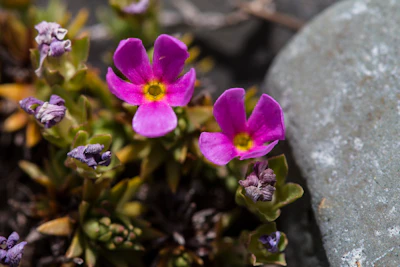 Douglasia Often found on rocky ridges and exposed slopes, this alpine wildflower forms dense cushions that bloom pink to purple in the summer.
 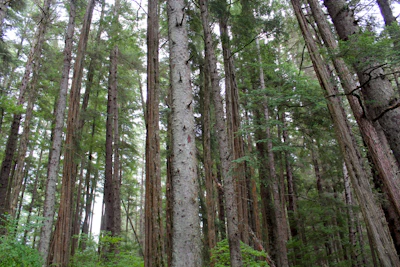 Sitka spruce One of the forest’s defining features is this conifer that can reach up to 330 feet, thriving in the misty cool climate of the Pacific Coast.
 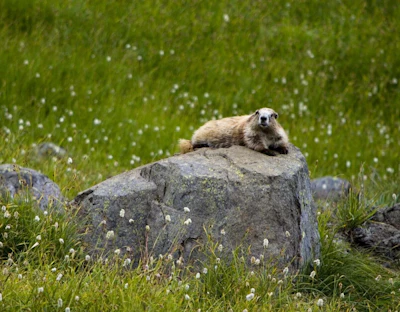 Olympic marmot Known for its thick fur, expressive whistles, and social colonies, this charismatic rodent is active during the short alpine summer and hibernates for much of the year.
 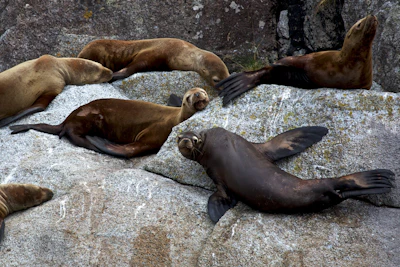 Steller sea lion Recognizable by its massive size, pale fur, and deep roaring calls, this species of sea lion primarily feeds on fish such as herring, pollock, and salmon.
 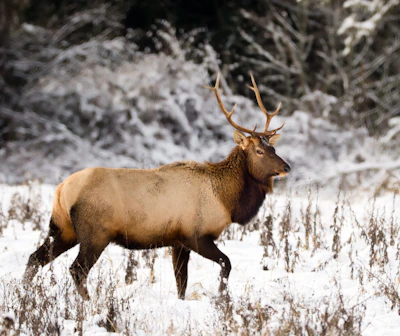 Roosevelt elk The largest subspecies of elk often moves between lowland forests in winter and higher elevations in summer.
 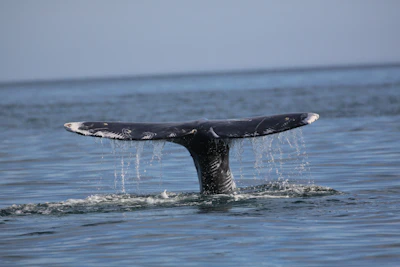 Gray whale This large baleen whale migrates thousands of miles each year between Arctic feeding grounds and warmer breeding lagoons in Mexico, and can be spotted from coastal overlooks during migration season.
 Related Impact
Restoring the Columbia River Gorge National Scenic Area
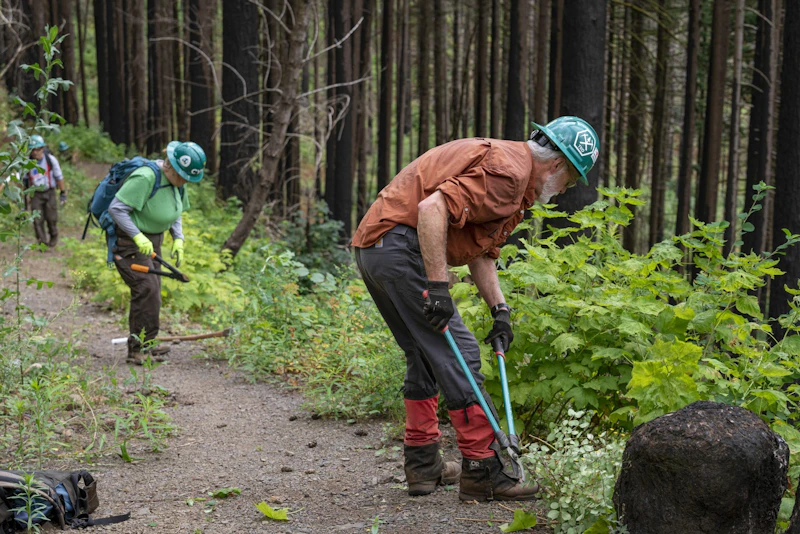
Working hand-in-hand with the community and our partners, less than a decade after the devastating Eagle Creek Fire, nearly every mile of trail that was damaged has reopened.
What’s the Best First-Timer’s Adventure in the Olympic National Forest
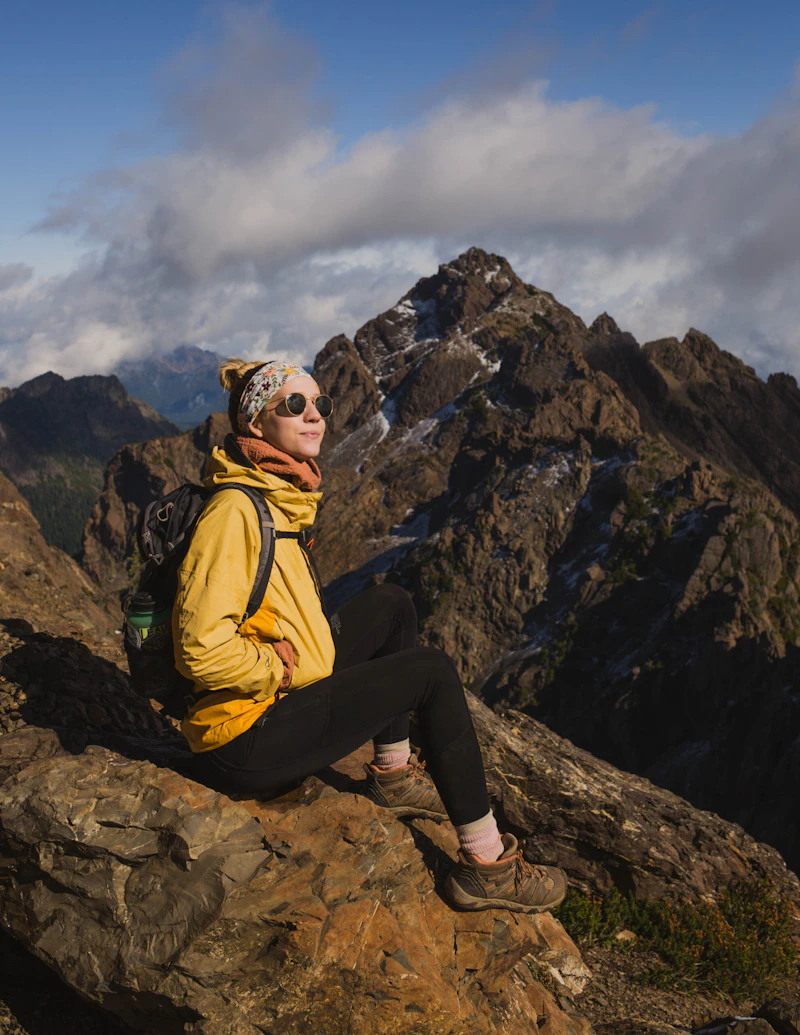
One of the most popular hikes in the forest, the 6.2-mile roundtrip trail to Mt. Ellinor offers steep but rewarding climbs with sweeping views of Hood Canal, Lake Cushman, and the eastern Olympics. Mountain goats are frequently spotted near the summit, reached via a 3,344-foot ascent.
Where to Find More Information on the Olympic National Forest
For more information or questions, visit https://www.fs.usda.gov/r06/olympic.
Discover how communities, volunteers, and partners are shaping the future of our National Forests and Grasslands.
The National Forest Foundation works with partners across Northern Colorado to restore forests, reduce wildfire risk, and care for the…
After years of damage, recovery, and reconstruction, the trail to Hanging Lake has been fully rebuilt, creating a more durable,…
Erosion and wildfire had left Arizona's historic Highline Trail rutted and unsafe. After five years of work with the Tonto…
Forest restoration near Flagstaff is reducing wildfire risk for local communities and safeguarding the water supply for millions across the…
Colorado's 14ers draw thousands of visitors each year, and the pressure on these fragile alpine landscapes is growing. Here's a…
Visitors of all ages can explore forest trails and sparkling waters, discover wildlife and underwater habitats, and connect with Tahoe’s…
A partnership-driven program connecting youth on Montana’s Flathead Reservation with hands-on conservation work, heritage education, and pathways in natural resource…
Seeing the impact first hand on the Grand Mesa, Uncompaghre and Gunnison National Forests
Seven Years of Reopening Trails After the Eagle Creek Fire
Field Ranger Program Connects Diverse Communities to Forests in Southern California
Our Forests Need Us Today.
Your donation powers critical, on-the-ground conservation—from wildfire recovery to watershed restoration—protecting forests for the future.